I purposely wrote this Basic Makeup Items Every Beginner Needs (Starter Kit Guide) article to simplify the process of choosing makeup products for beginners.
Walking into a beauty store with rows of products, endless shades, brushes, and fancy names without knowing the exact products to buy can be frustrating and overwhelming. Most times, you will be lost because you don’t know where to begin.
Makeup is not supposed to be complicated or intimidating., With a few essentials, you can create fresh, natural looks that highlight your best features without spending hours in front of the mirror. This guide will walk you through the must-have products, why you need them, and how to use them, so you feel confident even if you’re getting ready for work, a casual outing, or a special event.
Think of this guide as your friendly roadmap to makeup: easy, practical, and beginner-friendly.
See how to choose the right shade of concealer for your skin type
Why a Makeup Starter Kit Is Essential for Beginners
Starting with a makeup starter kit keeps things simple and affordable. Instead of wasting money on products you won’t use, you focus on just the basics that build confidence and create an easy, everyday routine. With the right essentials in your bag, you’ll enjoy learning step by step without feeling overwhelmed.
How to Build Your First Makeup Kit Without Overspending
Building your first makeup kit doesn’t mean buying every product you see online. As a beginner, it’s better to start with a few high-quality essentials that you can use every day. This approach helps you learn how each product works while saving money.
Begin with products that create a simple everyday look. A lightweight foundation or BB cream, concealer, mascara, blush, eyebrow pencil, and a lip product are enough to achieve a fresh, natural appearance.
When shopping, choose products that match your skin type. If you have oily skin, look for oil-free or matte formulas. If your skin is dry, choose hydrating products with a natural or dewy finish.
Don’t forget your makeup tools. A makeup sponge, a powder brush, a blush brush, and a few eye brushes are all you need when starting out. You can gradually add more tools as your skills improve.
Finally, invest in products you’ll use often instead of following every beauty trend. A small makeup collection that suits your lifestyle is much more practical than a drawer full of products you rarely use.
See how to make your makeup last through out the day
Basic Face Makeup Items Every Beginner Needs
When you’re just starting, you only need a few basic face makeup items to create a smooth, fresh look. Here’s how each one works for beginners:
Primer
A primer is like a soft filter for your skin. It helps smooth fine lines, fills in pores, and makes your makeup stay in place all day. For beginners, a lightweight, hydrating primer is best—it gives your foundation a smoother base to sit on.
Foundation
Your foundation (or tinted moisturiser if you prefer something lighter) evens out your skin tone. The key is to match your shade as close as possible to your jawline. A tinted moisturiser is great if you want a natural, breathable look without heavy coverage.
Concealer
Think of concealer as your little helper for specific areas. Instead of applying it everywhere, use it only where needed, such as under your eyes for dark circles, on blemishes, or small spots. This keeps your makeup minimal and natural-looking.
Setting Powder
Powder is useful, but too much can make your skin look dry or heavy. Lightly dust a small amount on your T-zone (forehead, nose, and chin) to control shine. A translucent setting powder works perfectly for beginners.
Blush and Bronzer
This is where your face comes alive. A touch of blush on your cheeks adds a healthy glow, while bronzer gives warmth and a soft sun-kissed look. Start light and build up gradually; less is always more when you’re learning.
See how to draw a perfect eyebrow step by step guide
Essential Eye Makeup Items for Beginners
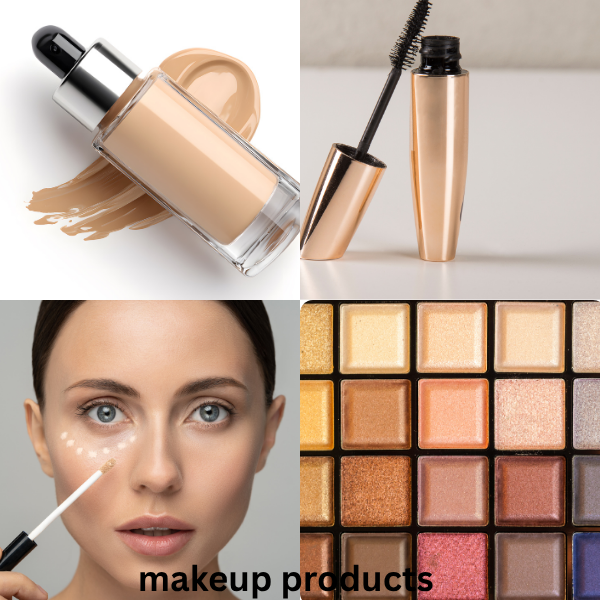
The eyes are often the first thing people notice, which is why having a few essential eye makeup items in your starter kit makes such a difference. You don’t need an overwhelming collection, just the basics to define and brighten your eyes naturally.
Eyebrow Pencil or Gel
Your brows frame your entire face. A simple eyebrow pencil or tinted gel can fill in sparse areas and add structure to your face without looking harsh. Stick to a shade close to your natural brow colour for a soft, polished look.
Neutral Eyeshadow Palette
A neutral eyeshadow palette is every beginner’s best friend. With shades like beige, soft brown, and champagne, you can create both everyday looks and slightly glam ones. Neutrals are forgiving, easy to blend, and suit all skin tones.
Eyeliner
Eyeliner adds definition, but choosing the right type matters. Pencil liners are softer, easier to control, and perfect for beginners. Liquid liners give a sharper look but take practice to get it right. If you’re a beginner, using a brown or black pencil eyeliner is easier.
Mascara
Mascara instantly makes your eyes look bigger and more awake. Go for a beginner-friendly formula that lengthens and separates without clumping. One or two coats are enough; you’ll be amazed at the difference it makes.
Lip Products Every Beginner Should Have
No makeup kit feels complete without lip products; you don’t need dozens. With three simple options, you can create fresh, everyday looks without stress.
Tinted Lip Balm
If you’re completely new to makeup, a tinted lip balm is your best friend. It keeps your lips soft and moisturised while adding a subtle touch of colour. Perfect for days when you want a natural look without stress.
Lipstick Shades (Nudes, Pinks, or Reds)
Every beginner should own at least one go-to lipstick shade. Nudes are great for a polished, natural vibe, pinks add a healthy pop of colour, and reds can instantly make you feel confident and put-together. Start with one shade you feel most comfortable in and build from there.
Lip Gloss
On days when you want something effortless, lip gloss comes to the rescue. It adds shine, makes your lips look fuller, and is easy to reapply on the go. A clear gloss or one with a hint of colour is perfect for beginners.
What’s the Difference Between Lip Balm and Lip Gloss?
Lip balm provides moisture and protection. It hydrates dry lips, repairs cracks, and keeps them soft. Most tinted balms also add a light wash of colour, but the focus is always on care first.
Lip gloss, on the other hand, is more about shine and finish. It makes lips look fuller and glossier, but does not give long-lasting hydration like a balm does.
Can You Use Lip Balm and Lip Gloss Together?
Yes, you can! In fact, apply lip balm first to keep their lips moisturised, then add a gloss on top for shine. This way, you get the hydration and a glossy finish.
Can You Apply Lip Balm, Lipstick, and Lip Gloss Together?
Absolutely. A simple order works best:
-
Start with lip balm to prep and protect.
-
Apply lipstick for your main colour.
-
Finish with a thin layer of lip gloss in the centre for shine and a fuller look.
This layering trick helps your lipstick last longer, prevents dryness, and gives your lips a healthy, polished appearance.
See how to apply lipstick with lip liner step by guide
Essential Makeup Tools for Beginners
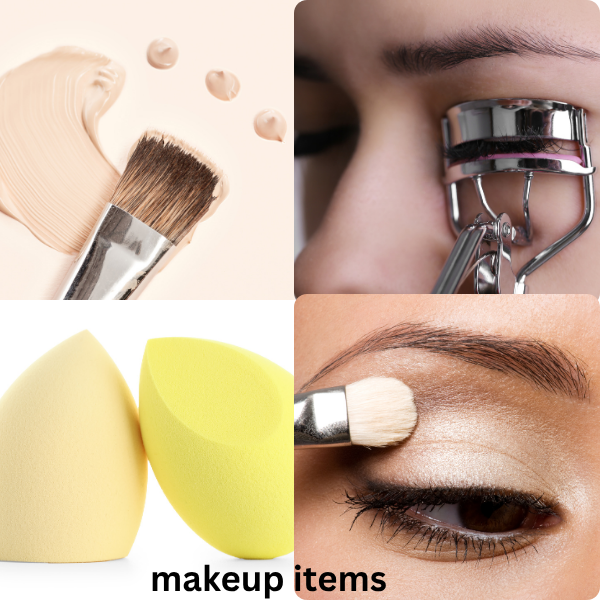
Having the right makeup tools makes things easier for you as a beginner. You don’t need to buy every brush or gadget you see in the store. With a few basic tools, you can apply makeup easily and get that natural, polished look without stress.
Makeup Brushes
As a beginner, you only need three brushes:
-
Foundation brush for even coverage.
-
Blush brush to add warmth and colour.
-
Eyeshadow brush for simple eye looks.
With these three, you can create almost any beginner-friendly look without cluttering your bag with unnecessary brushes.
Makeup Sponge
A makeup sponge helps blend foundation, concealer, or even cream blush so everything looks smooth and natural. Lightly wet your makeup sponge before use; it prevents streaks and makes your base look like real skin.
Eyelash Curler
If you want your eyes to look more awake, an eyelash curler can help. Just a gentle squeeze before applying mascara will lift your lashes, open up your eyes, and give you a fresh look.
Makeup Remover
Never sleep with makeup on; it can clog pores and cause breakouts. A good makeup remover (wipes, micellar water, or cleansing balm) keeps your skin clean and healthy. This step is just as important as applying makeup. learn a simple makeup routine for beginners .
How to Build Your First Makeup Kit on a Budget
Starting your first makeup kit should not drain your wallet. With a few smart choices, you can create a starter kit that has everything you need without overspending. The key is to know where to save, where to splurge, and how to pick products that do more than one job.
Drugstore vs. High-End Products: What’s Worth Splurging On
Drugstore products are affordable makeup you can buy in regular stores such as supermarkets, pharmacies, or local beauty shops. These products are budget-friendly.
For beginners, drugstore makeup is more than enough. Mascaras, eyeliners, lipsticks, and even blush from these stores work really well without costing too much.
High-end products, on the other hand, are the more expensive brands you see in luxury beauty shops or department stores. They often look fancy and promise a lot, but you don’t always need them when starting.
If you want to invest in one high-end item, let it be a foundation or primer. A good base helps the rest of your makeup look smoother and last longer. For everything else, drugstore options are ok when building your first makeup kit.
Multi-Use Products That Save Money
Multi-use products are a beginner’s best friend. A lip and cheek tint can replace two items at once, and a neutral eyeshadow palette can double as a brow filler or even a subtle contour. These types of products cut down costs while keeping your makeup bag light and simple.
Shopping Tips: Start Small, Upgrade Over Time
You do not need every trending product you see online. Start with the basics: primer, foundation or tinted moisturiser, mascara, blush, and a lipstick shade you love. As you get more comfortable and confident, you can slowly add more products to your kit. Building over time ensures you buy what you really need, not what looks exciting on the shelf.