How to heal damaged skin and dark patches from bleaching creams (at home) is a journey many of us wish we never had to take. When you use bleaching creams hoping for a brighter and even skin tone, but instead end up with burning, peeling skin, chemical scars, or stubborn dark patches, it hurts, both physically and emotionally. I understand how frustrating it feels to look in the mirror and not recognise the skin you worked so hard to care for.
With gentle, consistent care and the right natural remedies, your skin can regain its strength, softness, and glow again. In this post, I’ll walk you through simple, soothing at-home treatments that truly support recovery; no more harsh chemicals, no more shortcuts that cause pain.
If you’ve been feeling worried, embarrassed, or overwhelmed by the damage… take a breath. You’re not alone, and healing is absolutely possible. This guide will help you protect your skin barrier, naturally fade dark patches, and rebuild your confidence day by day.
What Causes Damaged Skin & Dark Patches from Bleaching Creams?
Understanding what causes damaged skin and dark patches from bleaching creams helps you heal faster. Most bleaching creams contain harsh chemicals, such as hydroquinone and mercury, as well as strong exfoliants that forcibly strip the skin, leading to burns, sensitivity, and an uneven skin tone. Instead of achieving brighter skin, the chemicals damage the natural barrier — and the skin reacts with dark patches, scars, and irritation.
How Bleaching Creams Damage the Skin Barrier
When bleaching creams weaken the protective barrier of the skin:
-
The skin loses moisture easily
-
Burning, stinging, redness, and peeling begin
-
The skin becomes thin and sensitive to sunlight
A damaged barrier cannot defend itself, which makes the skin even more fragile and prone to injury.
Why Dark Patches Appear After Bleaching
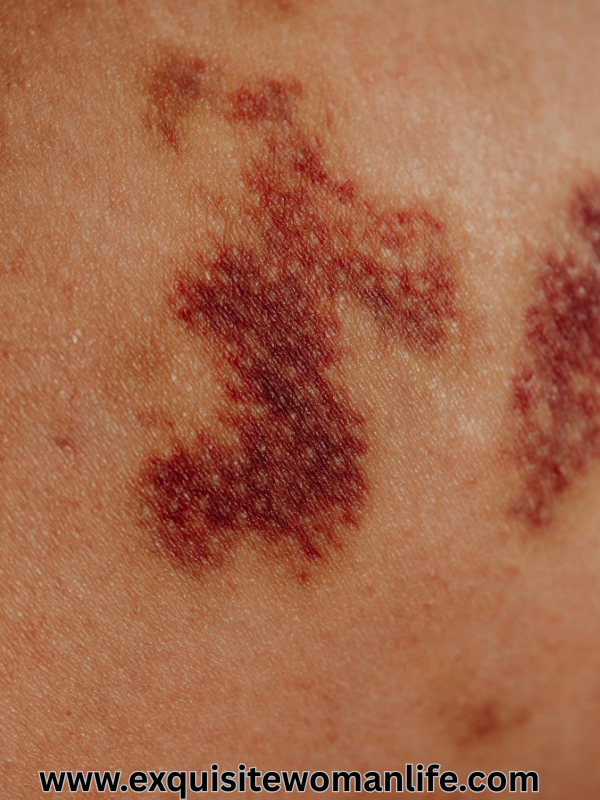
Dark patches form because bleaching creams traumatise the skin, causing inflammation. When the skin tries to heal, it overproduces melanin (the pigment that gives skin its colour).
This results in:
-
Post-inflammatory hyperpigmentation (PIH)
-
Uneven patches are darker than your normal skin
-
Scars around areas that reacted badly to the cream
So instead of lightening the skin, bleaching can trigger even more discolouration.
Sensitive Areas Worstly Affected by Bleaching Creams
Certain parts of the body react more quickly and severely:
-
Face
-
Neck
-
Inner thighs
-
Underarms
-
Feet and knuckles
These areas naturally have more friction and thinner skin, making them extra vulnerable to bleaching damage. Read more
How to Heal Damaged Skin from Bleaching Creams (At Home)
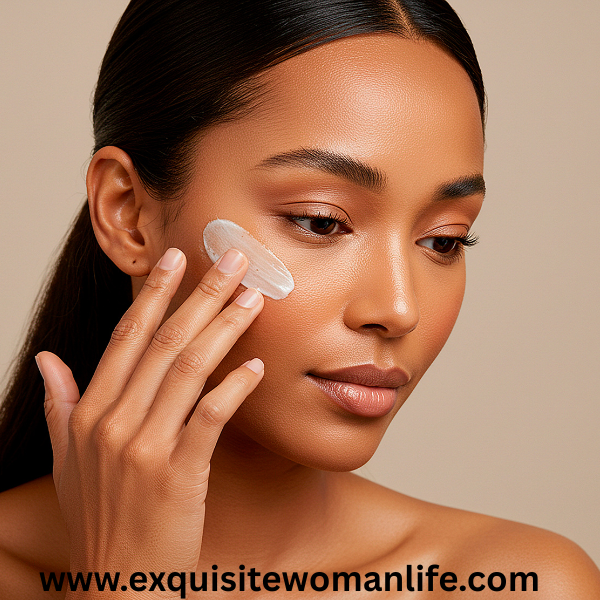
Healing damaged skin and dark patches from bleaching creams is absolutely possible with consistency and gentle daily care. The goal is to repair the skin barrier, reduce inflammation, and gradually fade discolouration — without harsh chemicals.
Here’s the simple routine to heal damaged skin at home:
Step 1: Stop All Bleaching Creams Immediately
Your skin needs time to recover. Continuing use makes damage and dark patches worse.
Step 2: Cleanse with a Mild, Hydrating Face/Body Wash
Look for soothing cleansers made for damaged or sensitive skin.
Avoid scrubs, whitening soaps, or anything that stings.
Step 3: Moisturise the Damaged Skin Barrier Daily
Use barrier-repairing ingredients such as:
-
Aloe vera gel
-
Shea butter
-
Ceramides
-
Hyaluronic acid
-
Niacinamide (Vitamin B3) → fades dark patches gently
Moisturising prevents burning, peeling, and irritation.
Step 4: Apply Natural Remedies for Dark Patches Carefully
Focus on irritation-free brightening options:
-
Aloe vera + Vitamin E
-
Rosehip oil
-
Turmeric masks
-
Licorice extract
-
Potato juice for stubborn patches
This article provides a step-by-step guide on how to fade dark patches.
Step 5: Protect Skin from Sun Every Single Day
Sunscreen is a MUST — even indoors.
Sun exposure can darken damaged areas and delay healing.
Choose a minimum SPF 30, fragrance-free, suitable for sensitive skin.
Step 6: Avoid Friction & Harsh Tools
No more:
-
Scrubbing gloves
-
Rough exfoliators
-
Chemical peels
-
Strong whitening soaps
Friction → more inflammation → darker patches.
Step 7: Treat Affected Areas Gently
Especially around:
-
Neck
-
Inner thighs
-
Underarms
-
Knuckles
These areas are more easily damaged and need extra hydration.
Healing damaged skin and dark patches from bleaching creams takes time.
But with consistent care, your skin will recover and become stronger and healthier.
Best DIY Remedies for Dark Patches from Bleaching Creams
If you’re dealing with dark patches from bleaching creams, these gentle DIY remedies can help fade hyperpigmentation while healing your skin barrier. They are safe, natural, and easy to use at home — no harsh whitening chemicals needed.
Aloe Vera & Vitamin E Repair Gel
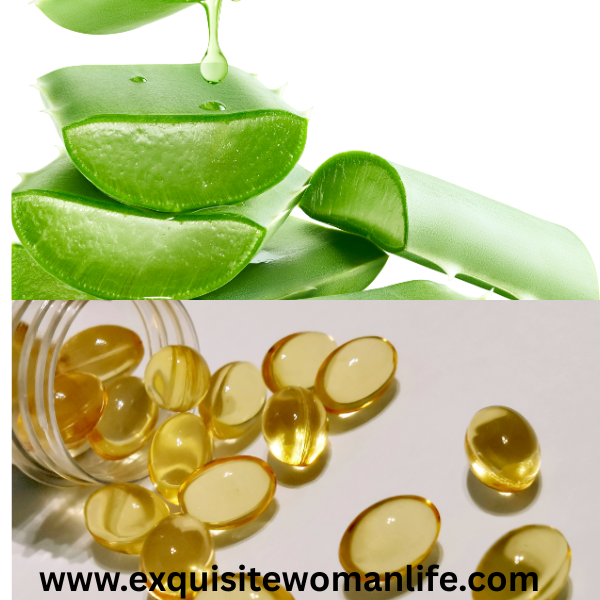
Perfect for calming irritated skin and fading dark marks.
How to use:
-
Mix 1 tablespoon of fresh aloe gel with 1 Vitamin E capsule
-
Apply to dark patches overnight
-
Rinse in the morning
-
Use daily for best results
Turmeric & Honey Brightening Mask

Reduces inflammation and gently lightens discolouration.
Recipe:
-
½ teaspoon turmeric
-
1 teaspoon honey
-
Apply for 10–15 minutes
-
Rinse with lukewarm water
-
Use 2–3 times a week
Potato Juice for Hyperpigmentation

Potatoes contain natural enzymes that help fade dark knuckles, elbows, and knees.
How to use:
-
Cut a raw white Irish potato and rub the juice directly on dark patches
-
Leave it in for 15 minutes
-
Rinse + moisturize
-
Repeat 3–4 times weekly
Rosehip Oil for Even Skin Tone
Repairs damaged skin and boosts collagen for a smooth, even result.
Best for: chemical burns, dryness, and discolouration
How to use:
-
Apply a few drops at night on dark areas
-
Massage gently
-
Use consistently for several weeks
Cucumber & Rice Water Toner
Cooling and brightening
How to use:
-
Blend cucumber + strain juice
-
Mix with rice water
Apply with a cotton pad twice daily
Cold Compress & Green Tea Soothing Remedy
Instant relief for irritation, redness, and burning caused by bleaching creams.
How to use:
-
Brew green tea and chill it
-
Soak a clean cloth and apply it to the damaged areas for 10 minutes
-
Repeat as needed daily
This reduces inflammation and prevents further darkening
Cucumber & Vitamin E Serum for Hyperpigmentation
Refreshes and moisturises skin while fading dark spots safely.
How to use:
-
Blend cucumber → strain juice
-
Mix with 1–2 Vitamin E capsules
-
Apply daily before bed
Especially good for sensitive skin types
Important Tips:
Patch-test any remedy first. If it burns or stings — stop immediately.
Do NOT combine too many remedies at once. Stay consistent with 1–2 treatments for visible results.
Daily Skincare Routine to Heal Skin from Bleaching Damage
If you’re recovering from bleaching damage and dark patches, a gentle daily routine can help your skin rebuild its natural strength. The goal is to repair, protect, and soothe — no harsh products, no more chemical burns.
Step 1. Cleanse with a Gentle, Hydrating Wash
- Avoid soaps that are harsh, sting or dry out your skin.
- Look for cleansers labelled: moisturising, soothing, fragrance-free
- Use lukewarm water to prevent irritation
- Avoid: scrubbing, hot water, bleaching/lightening products
Step 2. Apply a Barrier-Repair Serum or Aloe Gel
Your skin barrier needs healing right now.
Best options:
-
Pure aloe vera gel
-
Niacinamide serum (if tolerated)
-
Vitamin E oil (small amount)
This step helps stop burning, peeling, and further darkening.
Step 3 . Moisturise Morning & Night
Keeping your skin hydrated speeds up healing.
-
Shea butter
-
Coconut oil or almond oil
-
Fragrance-free lotion with ceramides
Apply while skin is slightly damp for better absorption.
Step 4. Always Use Sunscreen on Dark Patches
Sunlight increases bleaching damage and dark spots.
Use a sunscreen with:
-
SPF 30 or higher
-
Reapply if you’re outdoors
Even indoors, UV rays can darken spots.
Step 5. Stop Bleaching Products Completely
No “touch-ups.”
No “just one more use.”
Your skin needs a full break to heal.
Step 6. Be Gentle and Patient
No peeling.
No rough exfoliators.
No mixing random products.
Healing is a slow, beautiful process, and you will feel comfortable in your skin again.
How Long Does It Take to Heal Bleaching-Damaged Skin?
Healing bleaching-damaged skin and dark patches takes patience. Natural remedies work, but they’re not instant, especially if the skin barrier has been severely weakened.
Skin Condition Estimated Healing Time
Mild irritation & dryness 2–4 weeks
Dark patches from bleaching creams 1–3 months with consistency
Chemical burns & peeling skin 3–6 months or longer
Why does it take time?
Your skin needs to rebuild new, healthy cells to replace damaged ones — this doesn’t happen overnight.
When Should You See a Dermatologist?
Seek professional help if you experience:
- Severe chemical burns
- Long-lasting pain and sensitivity
- Dark patches are spreading continuously
- Bleeding, open wounds, or infection
Remember: Progress may feel slow, but every day of gentle care gets your skin closer to healing. You are doing the right thing for your skin, and it will thank you soon.
FAQs on Healing Skin from Bleaching Cream Damage
Here are the answers to the most common questions about recovering from bleaching damage and dark patches:
1. How can I remove dark patches from bleaching creams fast?
Focus on:
-
Daily sun protection
-
Gentle moisturizers
-
Consistent natural brightening remedies (like potato + aloe, rice water toner)
Fast results are not realistic — choose steady improvement instead.
2. Can dark patches from bleaching cream go away completely?
Yes, many dark spots fade with:
-
Skin barrier repair
-
Patience
-
Avoiding harsh chemicals
Severe cases may require professional treatments like chemical peels or laser therapy.
3. Is lemon safe to use on bleaching-damaged skin?
It can help brighten, but:
-
Always dilute it
-
Do not use on burns, open wounds, or highly sensitive skin
If it burns, stop immediately.
4. What is the best time to apply these treatments?
Evenings are perfect.
Your skin repairs itself while you sleep — making treatments more effective.
5. Can I still bleach my skin while healing?
No.
Bleaching again will worsen damage and delay healing.
Your skin needs a full break.
6. What if home remedies don’t work?
See a dermatologist if:
-
The dark patches worsen
-
You feel constant irritation or burning
-
No improvement after 2–3 months
Professional care can make a big difference.
Conclusion
Healing damaged skin and dark patches from bleaching creams is a journey. With gentle care, patience, and consistency, your skin can regain its strength, softness, and natural glow. Avoid harsh bleaching products, protect your skin from the sun, and stick to barrier-repairing routines. Over time, the dark patches will fade, the irritation will calm, and your skin will feel healthy again.
Remember — your beauty is not measured by how light your skin looks. It’s about comfort, confidence, and treating your skin with kindness every day. You deserve to feel good in the skin you are in.