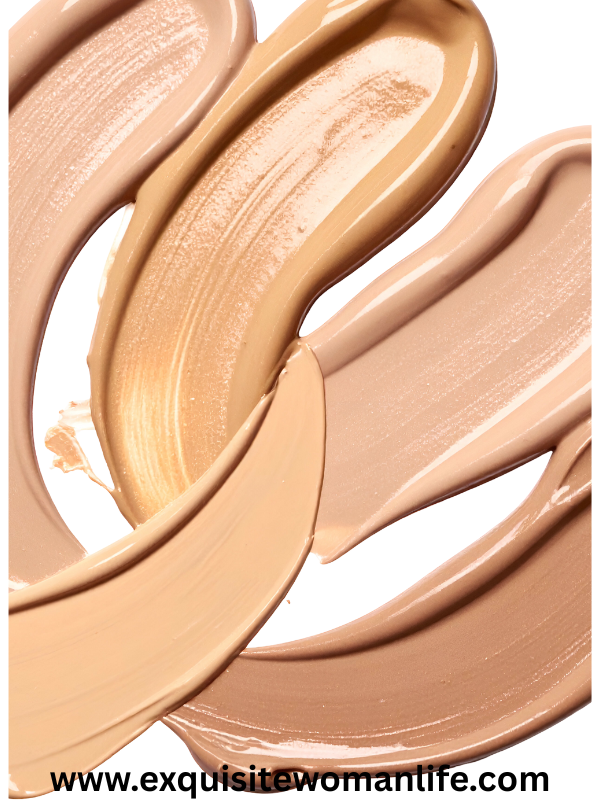
How to choose the right shade of foundation for your skin tone is a vital topic to discuss when it comes to flawless makeup. Choosing the right shade of foundation can be stressful, especially for beginners or anyone whose face and neck don’t match perfectly. I’ve been there too. I once picked a shade that looked fine in the store, but when I got home, my face was bright and my neck was darker. That moment showed me how important it is to choose the right shade of foundation for your skin tone because that is where the beauty of makeup truly starts.
In this guide, I keep it simple and clear so you can pick a shade that blends smoothly and feels natural on your skin.
Table of Contents
ToggleWhy Choosing the Right Foundation Matters
Knowing how to choose the right shade of foundation for your skin tone matters because it sets the tone for your whole makeup look. When the shade matches your skin, everything else blends better and looks more natural.
Key reasons
• It gives you an even and smooth base
• It makes your makeup look clean and flawless
• It prevents your face and neck from looking like two different colours
• It helps every other product sit better on your skin
• It boosts confidence because your makeup looks like your skin.
Foundation is the starting point of good makeup, and the right shade makes all the difference. If you are new to makeup, you will love my guide on a simple makeup routine for beginners. It breaks everything down step by step.
Understanding Skin Tone vs. Undertone When Choosing the Right Shade of Foundation
Knowing your skin tone and undertone makes finding the right shade of foundation easier.
-
Skin tone is the surface color of your skin—light, medium, tan, or dark. It can change slightly with sun exposure or seasons.
-
Undertone is the subtle hue under your skin that stays the same year-round. It can be warm (yellow or golden), cool (pink or blue), or neutral (a balance of both).
Both matter because your skin tone helps you pick the right shade range, while your undertone ensures the foundation blends naturally. Ignoring undertone can make even a “matching” shade look off.
What is Skin Tone?
Your skin tone is the surface color of your skin, the shade you see when you look in the mirror.
-
Common categories include light, medium, tan, dark, and deep.
-
It can change slightly with sun exposure or across different seasons.
Understanding your skin tone helps you choose a foundation that matches the overall shade of your skin.
What is Undertone?
Your undertone is the subtle, natural hue under your skin. Unlike skin tone, it doesn’t change with sun or seasons—it stays the same all year.
-
Warm: yellow, golden, or peachy
-
Cool: pink, red, or blue
-
Neutral: a balance of warm and cool
Knowing your undertone helps your foundation blend naturally, so your makeup looks seamless and effortless.
How to Know Your Undertone
Finding your undertone is easier than you think. Here are a few simple ways:
-
Look at your veins:
-
Greenish veins usually mean a warm undertone.
-
Bluish or purple veins usually mean a cool undertone.
-
A mix of blue and green veins usually means a neutral undertone.
-
-
The jewelry test:
-
Gold jewelry tends to look best on warm undertones.
-
Silver jewelry tends to look best on cool undertones.
-
Both gold and silver suit neutral undertones.
-
-
Check your reaction to the sun:
-
Skin that tans easily usually has a warm undertone.
-
Skin that burns or turns pink easily usually has a cool undertone.
-
Using these tips, you can figure out your undertone and pick a foundation that truly blends with your natural skin. read more
Why Both Matter for Choosing the Right Shade of Foundation
Both skin tone and undertone are key when choosing the right shade of foundation.
-
Skin tone helps you pick the general shade range that matches your face and neck.
-
Undertone ensures your foundation blends naturally with your skin, giving a seamless finish.
-
Ignoring your undertone can make your foundation look ashy, orange, or pink, even if the shade matches your skin tone.
Understanding both makes it much easier to choose the right shade of foundation that truly looks natural. Many people apply makeup the wrong way without knowing. Read my post on makeup mistakes that make you look older to avoid them.
How to Identify Undertone from Foundation Labels or Descriptions
-
Foundation Names:
-
Look for words like “warm,” “golden,” “yellow,” or “honey” → warm undertone
-
Words like “cool,” “pink,” “rosy,” or “porcelain” → cool undertone
-
Words like “neutral,” “beige,” or “natural” → neutral undertone
-
-
Foundation Numbering Systems:
-
Some brands use letters: “W” = warm, “C” = cool, “N” = neutral
-
Example: 3W → warm shade 3, 2C → cool shade 2
-
-
Ingredient Hints or Finish Descriptions:
-
Warm foundations often have golden or yellow pigments
-
Cool foundations have pink or blue pigments
-
Neutral foundations balance both warm and cool pigments
-
-
Swatch Test Tip:
Even with labeling, always swatch on your jawline in natural light to confirm the undertone. Labels are helpful, but your skin is the ultimate test.
How to Choose the Right Shade of Foundation for Your Skin Tone
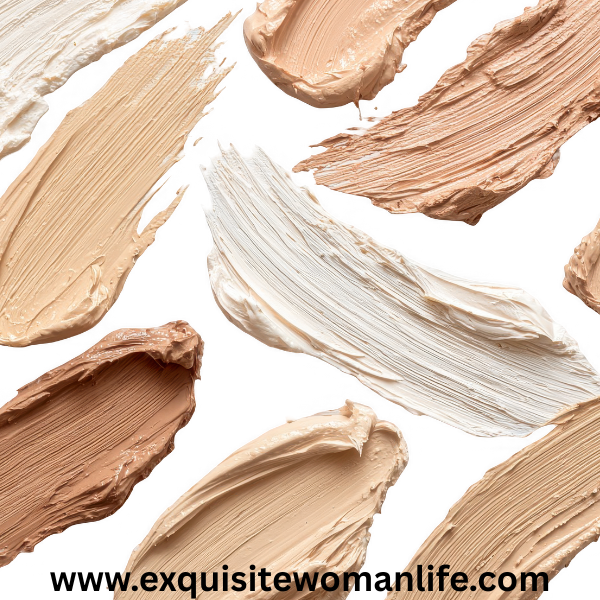
Finding your perfect foundation shade is easier when you follow a few simple steps:
-
Start with clean skin: Make sure your face is fresh and free of other makeup.
-
Test on your jawline: This area helps your face and neck match seamlessly.
-
Blend in natural daylight: Step outside to see the true color and make sure it disappears into your skin.
These steps help you choose the right shade of foundation that looks natural and flawless every time.
Match Your Foundation to Your Undertone
Once you know your undertone, you can pick a foundation that blends perfectly:
-
Warm undertones: Choose golden or yellow-based foundations.
-
Cool undertones: Go for pink or blue-based foundations.
-
Neutral undertones: Pick foundations that balance both warm and cool tones.
Matching your foundation to your undertone ensures your makeup looks natural and seamless.
Choose The Right Shade of Foundation Based on Skin Type
Your skin type affects how foundation looks and wears, so pick one that works best for you:
-
Oily skin: Opt for matte or oil-free foundations to control shine.
-
Dry skin: Use hydrating or dewy foundations for a smooth, glowing finish.
-
Combination or sensitive skin: Look for formulas that balance moisture and soothe irritation.
Choosing the right formula for your skin type helps your foundation stay flawless all day. If you have mature skin, you can follow my easy makeup routine for mature skin to get a smooth and youthful finish.
Common Mistakes When Choosing the Right Shade of Foundation
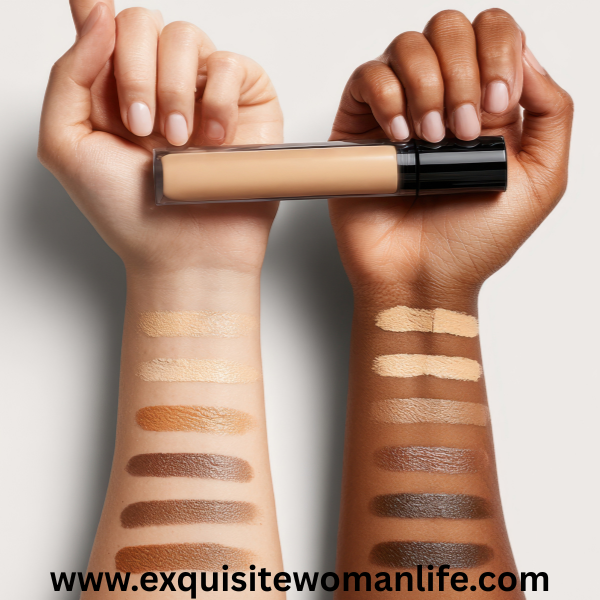
Even small mistakes can make your foundation look off.
these are what to avoid:
-
Testing on your hand instead of your jawline: Your hand usually has a different color than your face.
-
Ignoring undertones: A shade that matches your skin tone but not your undertone can look ashy, orange, or pink.
-
Not checking in natural light: Indoor lighting can be misleading—always confirm your shade outside.
Avoiding these mistakes makes it much easier to choose the right shade of foundation that looks natural and flawless.
How to Adjust if the Foundation Shade Is not Perfect
Even after careful testing, sometimes a foundation shade will not be right.
you can fix it by ;
-
Mixing lighter and darker shades: Blend two shades to create your perfect match.
-
Using a tinted moisturizer: Lighten or soften the color without changing the formula.
-
Layering with concealer: Brighten or deepen specific areas for a balanced finish.
These quick adjustments will help make any foundation work for your skin tone and undertone. If you don’t know what to buy, my beginner’s makeup kit guide shows the essential items every starter needs.
CONCLUSION On How to Choose The Right Shade of Foundation
Choosing the right shade of foundation should no longer confuse you. Knowing your skin tone and undertone, testing in natural light, and picking the right formula for your skin type makes all the difference.
Take your time, follow the steps, and don’t be afraid to adjust if needed. With these tips, you can find a foundation that blends seamlessly, looks natural, and makes you feel confident in your skin every day.
FAQs on How to Choose the Right Shade of Foundation for Your Skin Tone
1. How do I know my skin tone for foundation?
Look at the overall color of your face and neck. Common categories are light, medium, tan, dark, and deep. Testing foundation on your jawline helps confirm the best match.
2. How can I identify my undertone?
Check your veins, jewelry preference, or how your skin reacts to the sun:
-
Green veins = warm
-
Blue/purple veins = cool
-
Mix = neutral
3. Can I use the same foundation shade all year?
Yes, if it matches your undertone. Your skin tone may change slightly with sun exposure, so you might need a slightly lighter or darker shade in different seasons.
4. What happens if I ignore undertone?
Even if the shade matches your skin tone, ignoring undertone can make your foundation look ashy, orange, or pink. Undertone ensures natural blending.
5. Should I test foundation in natural light?
Always. Indoor lighting can be misleading. Step outside to make sure the foundation truly matches your skin.
6. Can I mix foundations to get the right shade?
Yes. Mixing a lighter and darker foundation or adding a tinted moisturizer can help you achieve the perfect match.