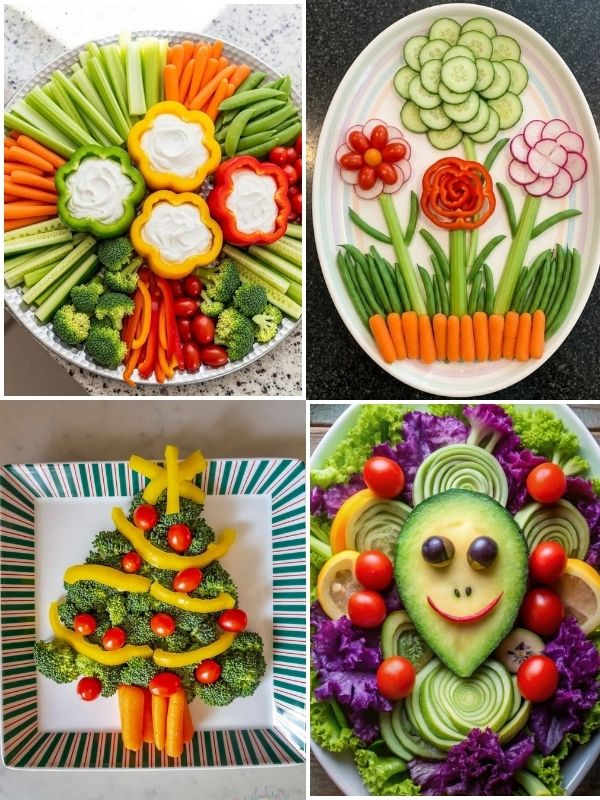
Vegetable platters are fun and easy to eat; all you need is a beautiful platter that makes fresh vegetables look colourful, inviting, and easy to enjoy. A well-arranged vegetable platter can turn simple carrots, cucumbers, tomatoes, broccoli, and peppers into something everyone wants to reach for.
Vegetable platters are also incredibly versatile. You can prepare one for a birthday party, holiday gathering, family dinner, barbecue, baby shower, or even a simple weeknight meal. Add a delicious dip in the middle, arrange the vegetables by colour, and you have an easy dish that looks much more special than the effort it takes to prepare.
In this post, you will find plenty of vegetable platter ideas for parties, kids, dinner, holidays, and everyday snacking. Whether you want something healthy and simple or a beautiful platter that will impress your guests, there is an idea here for you.
See fruit platter ideas for parties you will love
What Is a Vegetable Platter?
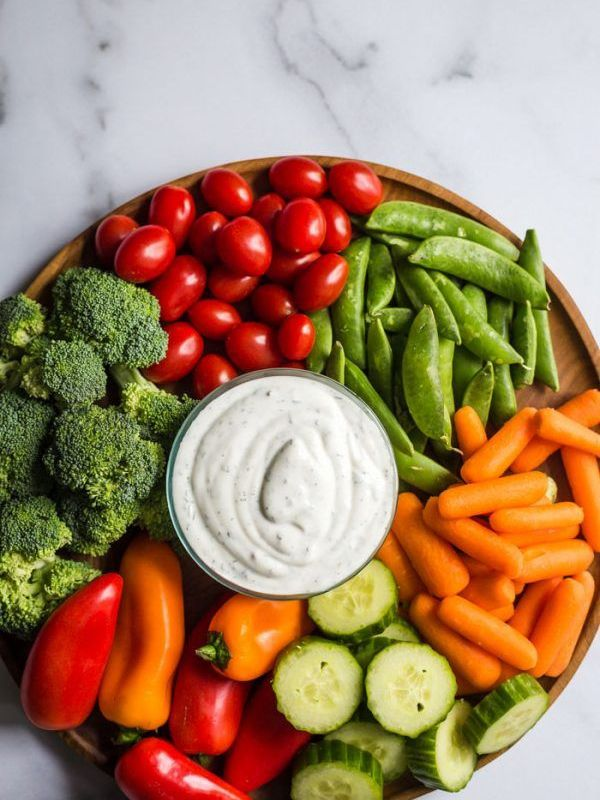
A vegetable platter is a simple dish made by arranging a variety of vegetables together on a large plate, tray, or serving board. The vegetables can be served raw, roasted, grilled, or lightly cooked, depending on the type of meal or occasion.
A typical vegetable platter may include colourful vegetables such as carrots, cucumbers, broccoli, cauliflower, bell peppers, cherry tomatoes, celery, radishes, and snap peas. The vegetables are usually cut into easy-to-eat pieces and arranged in groups to create an attractive display.
Many vegetable platters also include a dip or sauce in the centre. Popular choices include ranch dressing, hummus, guacamole, tzatziki, cream cheese dip, or Greek yoghurt dip. The dip adds extra flavour and makes fresh vegetables more appealing, especially to kids and guests who may not usually reach for vegetables.
You can also add simple extras such as cheese, crackers, pita bread, olives, nuts, seeds, or boiled eggs to make the platter more filling.
The best thing about a vegetable platter is how easy it is to customise. You can use whatever vegetables you have available, match the colours to a party theme, or create a platter based on what your family enjoys. This makes vegetable platters a practical choice for everything from casual dinners to large celebrations.
Why Vegetable Platters Are Great for Any Occasion
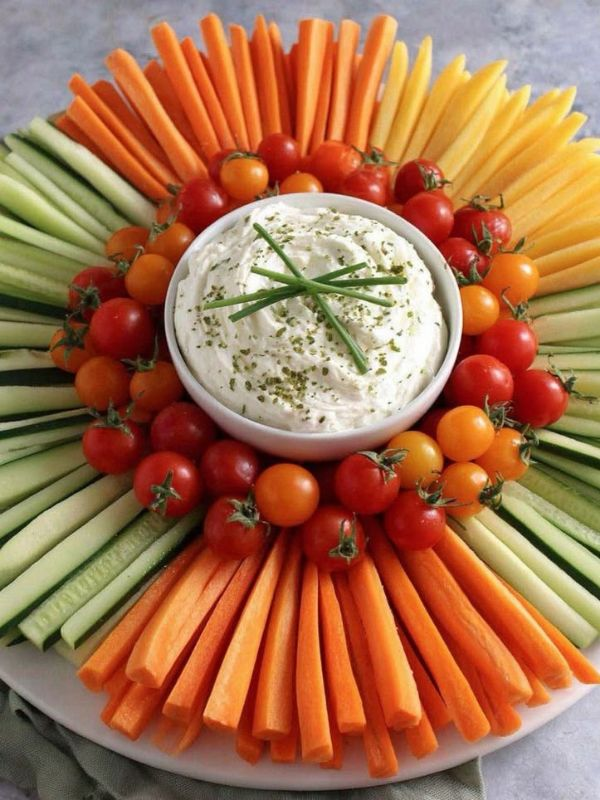
Vegetable platters are one of those simple dishes that can work almost anywhere. You can prepare one for a large celebration, a family dinner, or a quick snack without needing complicated recipes or hours in the kitchen.
1. They Are Easy to Prepare
Most vegetable platters require very little cooking. Wash your vegetables, cut them into convenient pieces, arrange them on a tray, and add your favourite dip.
This makes them especially useful when you are preparing several dishes for a party and don’t want another complicated recipe to worry about.
2. They Add Colour to the Table
Fresh vegetables naturally come in beautiful colours. Red tomatoes, orange carrots, yellow peppers, green cucumbers, and purple cabbage can make a simple platter look bright and inviting.
Arrange the vegetables by colour or mix them to create a rainbow effect.
3. They Are Easy to Customise
You can create your vegetable platter based on the occasion, your budget, or what you already have in your refrigerator.
For example, you can make a simple cucumber and carrot tray for everyday snacking or create a large vegetable board with several dips for a party.
4. They Work for Different Ages
Vegetable platters can be adapted for toddlers, kids, teens, and adults. For children, use familiar vegetables and fun shapes. Adults may enjoy a more sophisticated platter with different vegetables, dips, cheeses, and other additions.
This makes one platter suitable for guests with different tastes.
5. They Suit Different Dietary Preferences
Vegetable platters can easily fit vegetarian, vegan, gluten-free, and other eating preferences depending on the ingredients and dips you choose.
You can also provide several dips and additions separately so guests can choose what works for them.
6. They Work for Almost Any Occasion
A vegetable platter can fit into many types of gatherings. Serve one at
- Birthday parties
- Baby showers
- Family dinners
- Holiday gatherings
- Barbecues
- Picnics
- Game nights
- School parties
- Potlucks
- Office gatherings
7. They Can Be Made Ahead
Many vegetables can be washed and cut several hours before serving. Store them properly in the refrigerator and arrange the platter closer to the time your guests arrive.
This makes vegetable platters especially helpful when you have a busy party day.
8. They Can Be Budget-Friendly
You don’t need expensive ingredients to make an attractive vegetable platter. Choose vegetables that are affordable and in season, then pair them with a simple homemade dip.
With good arrangement and presentation, even an inexpensive selection of vegetables can look impressive.
A vegetable platter is simple, flexible, and easy to make yourself. Whether you are feeding children at a birthday party or serving adults at a holiday gathering, you can create a platter that looks beautiful and gives everyone something fresh and delicious to enjoy.
Vegetable Platter Ideas for Parties
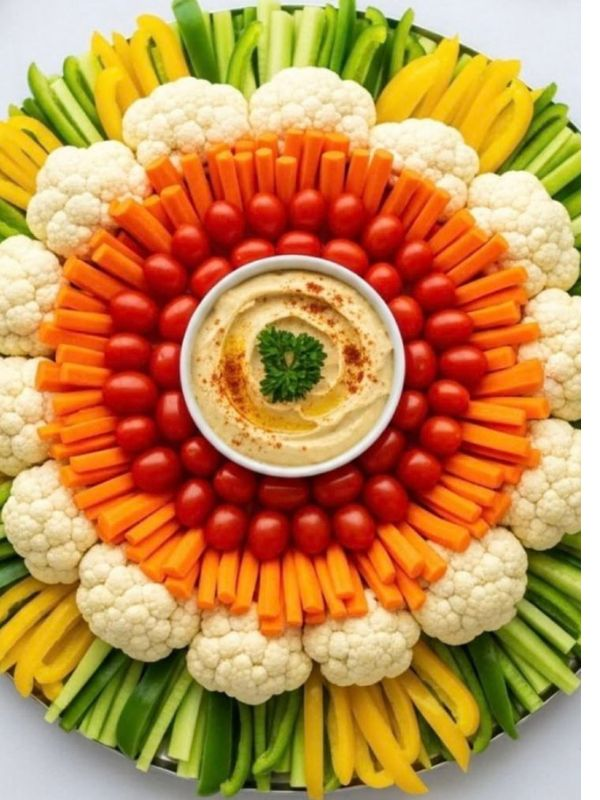
A vegetable platter is a great addition to any party because it gives guests a fresh, colourful, and easy-to-eat option. You can keep it simple with a few vegetables and one dip or create a large grazing platter with several vegetables, dips, cheeses, and other additions.
Here are 30 creative vegetable platter ideas you can try for your next party.
1. Classic Vegetable and Ranch Platter
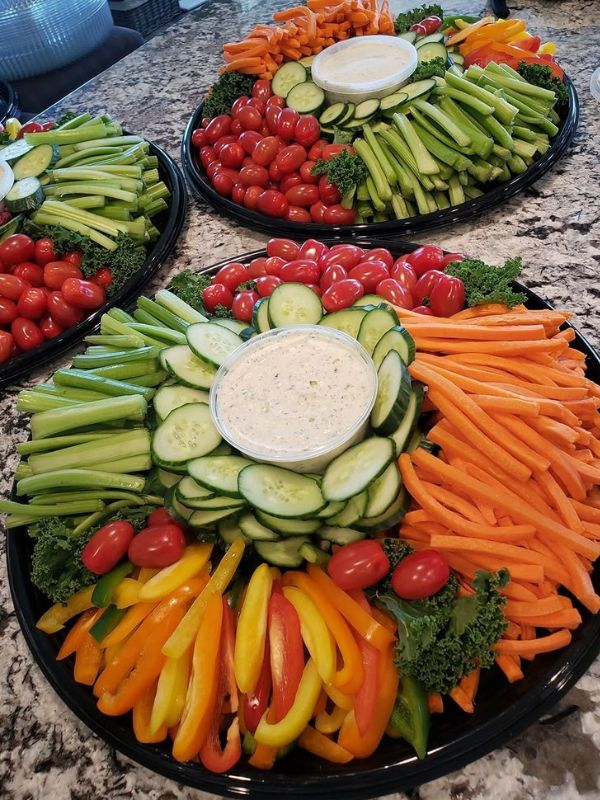
Start with a large round serving tray and place a bowl of ranch dip in the centre. Arrange sliced carrots, cucumber sticks, celery, cherry tomatoes, broccoli, and bell peppers around the dip. Group each vegetable together to create neat sections and make the platter look colorful.
2. Rainbow Vegetable Platter
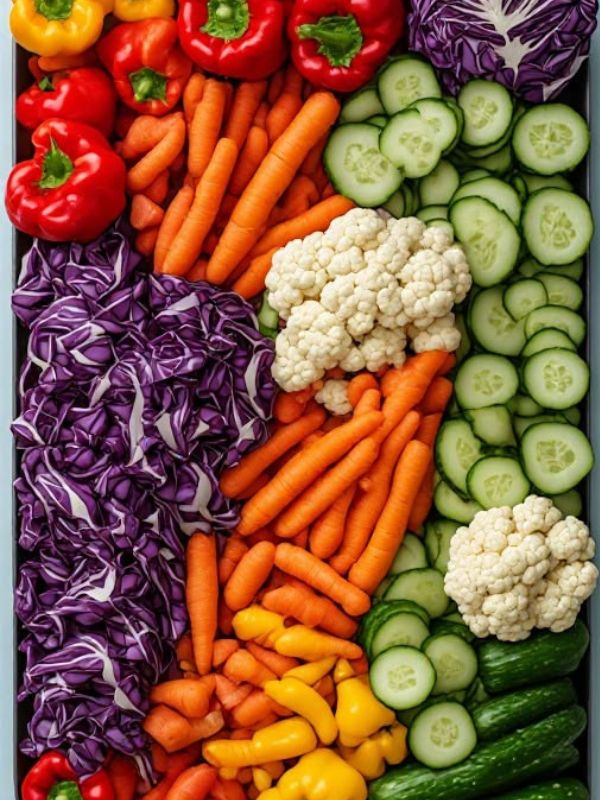
Create a rainbow effect by arranging vegetables according to their colors. Start with red cherry tomatoes, followed by orange carrots, yellow peppers, green cucumbers and broccoli, and purple cabbage. Place hummus or ranch dip in the middle to complete the display.
3. Large Party Vegetable Tray
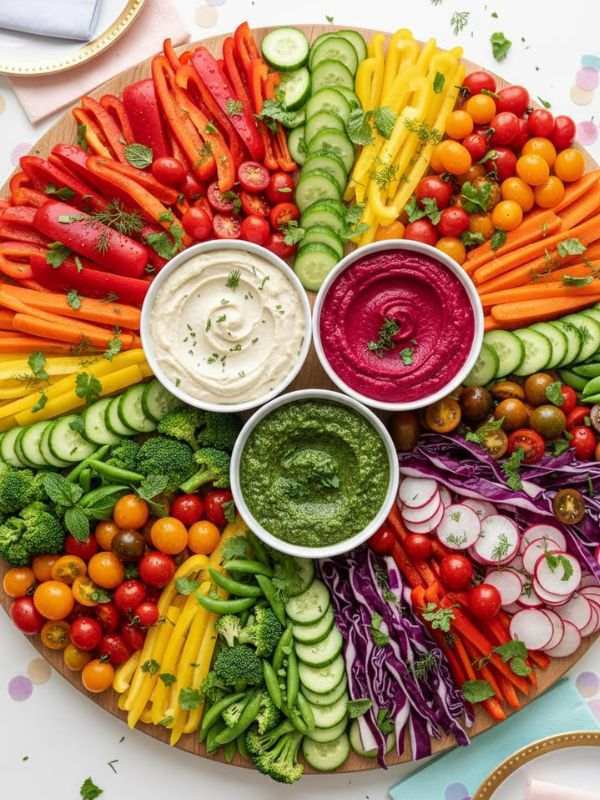
For a large gathering, use a large rectangular tray and divide it into sections. Fill each section with a different vegetable such as carrots, cucumbers, broccoli, cauliflower, peppers, tomatoes, and celery. Add two or three small bowls of different dips so guests have plenty of choices.
4. Vegetable Charcuterie Board
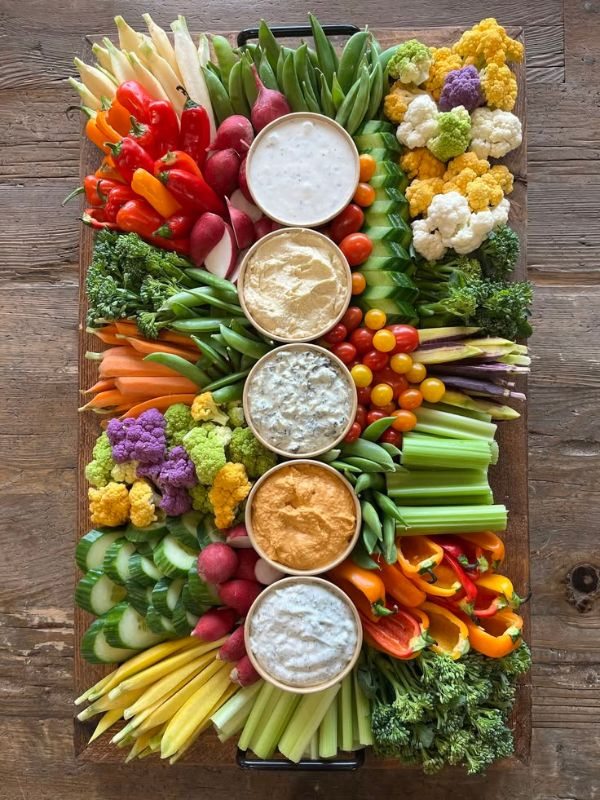
Create a grazing board using vegetables as the main attraction. Add cucumber slices, carrots, peppers, radishes, cherry tomatoes, broccoli, and snap peas. Fill the empty spaces with hummus, cheese cubes, crackers, olives, and small bowls of dip.
5. Mediterranean Vegetable Platter
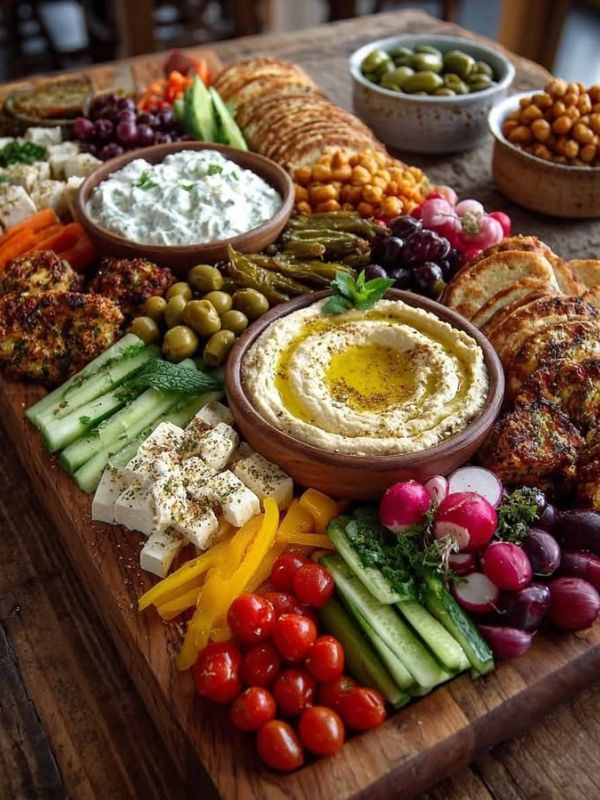
Give your platter a Mediterranean-inspired look with cucumber, cherry tomatoes, bell peppers, carrots, olives, and roasted vegetables. Add hummus and tzatziki in small bowls and serve with pita bread. Arrange the ingredients in sections around the dips for an attractive presentation.
6. Hummus Vegetable Platter
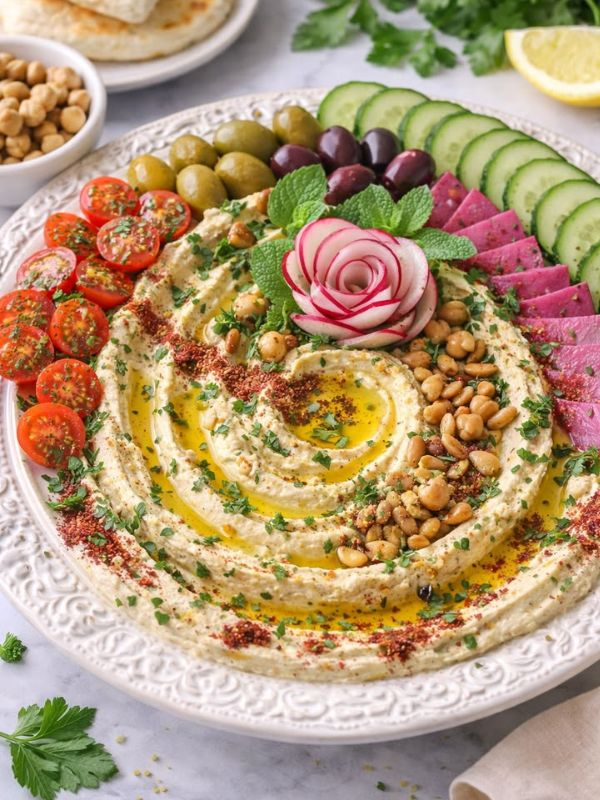
Make hummus the centrepiece of your platter. Place a generous bowl of hummus in the middle and surround it with cucumber sticks, carrots, celery, bell peppers, broccoli, and cherry tomatoes. Add pita triangles around the edge for guests who want something more filling.
7. Colourful Garden Vegetable Platter
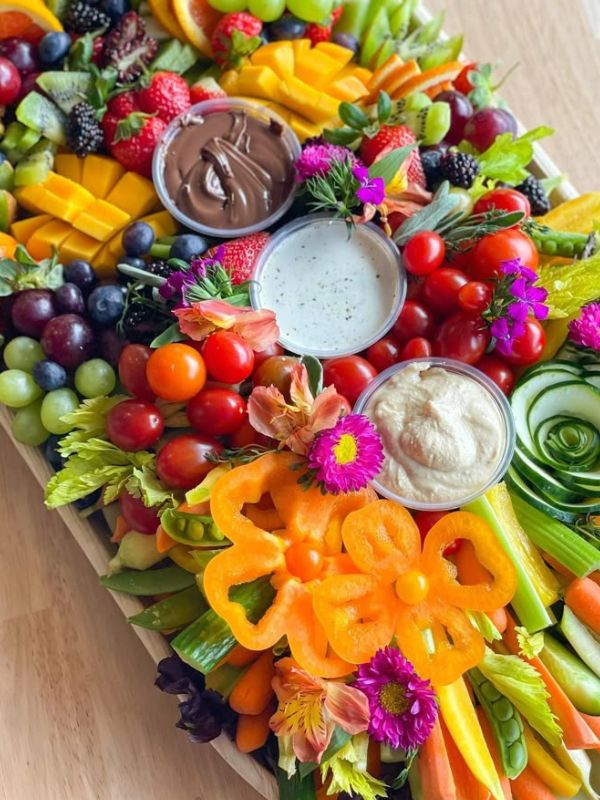
Create a platter that looks like a small garden. Use broccoli as greenery, cherry tomatoes as flowers, cucumber slices as leaves, and colourful peppers for extra detail. Place a bowl of dip in the centre or corner and use herbs as simple garnish.
8. Vegetable and Cheese Platter
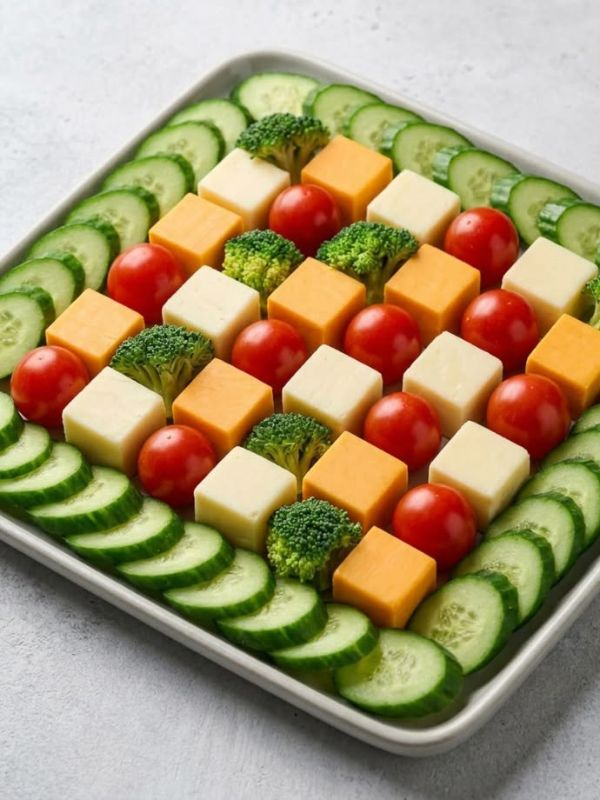
Combine fresh vegetables with cubes or slices of cheese. Arrange carrots, cucumbers, peppers, tomatoes, broccoli, and cauliflower around sections of cheddar, mozzarella, or another favourite cheese. Add crackers and ranch or hummus for extra variety.
9. Grilled Vegetable Platter
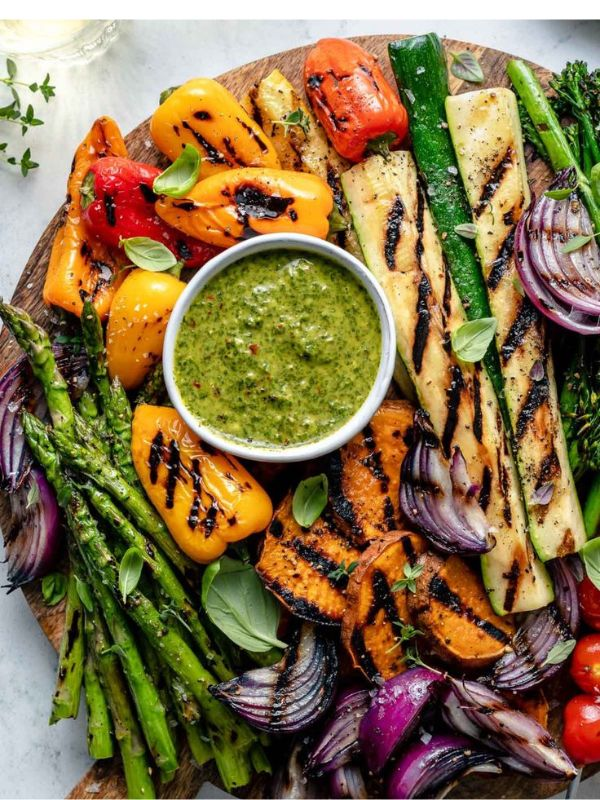
Instead of serving everything raw, grill vegetables such as zucchini, bell peppers, eggplant, mushrooms, and asparagus. Arrange the grilled vegetables on a large serving board and drizzle lightly with olive oil and herbs. Serve warm or at room temperature.
10. Roasted Vegetable Platter
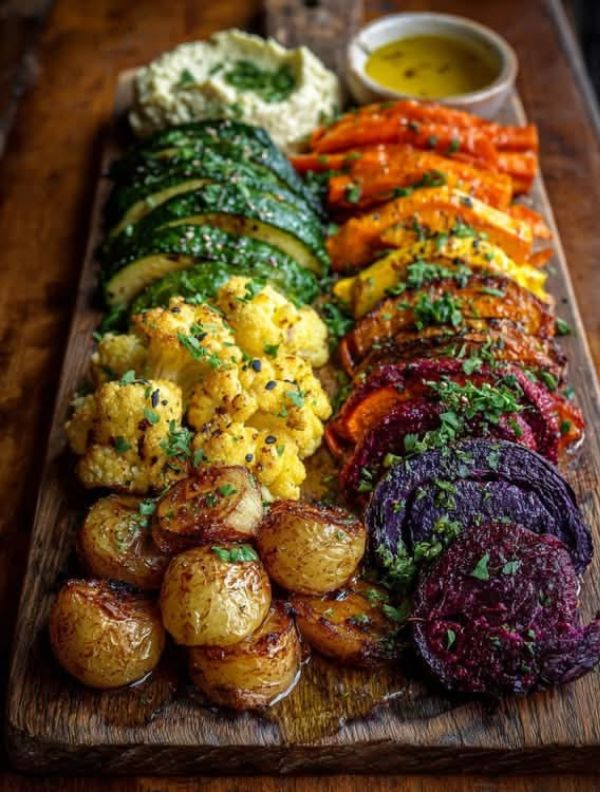
Roast a mixture of colourful vegetables such as carrots, sweet potatoes, broccoli, cauliflower, zucchini, and bell peppers. Arrange them on a large platter and add a yoghurt-based dip or hummus on the side.
11. BBQ Vegetable Platter
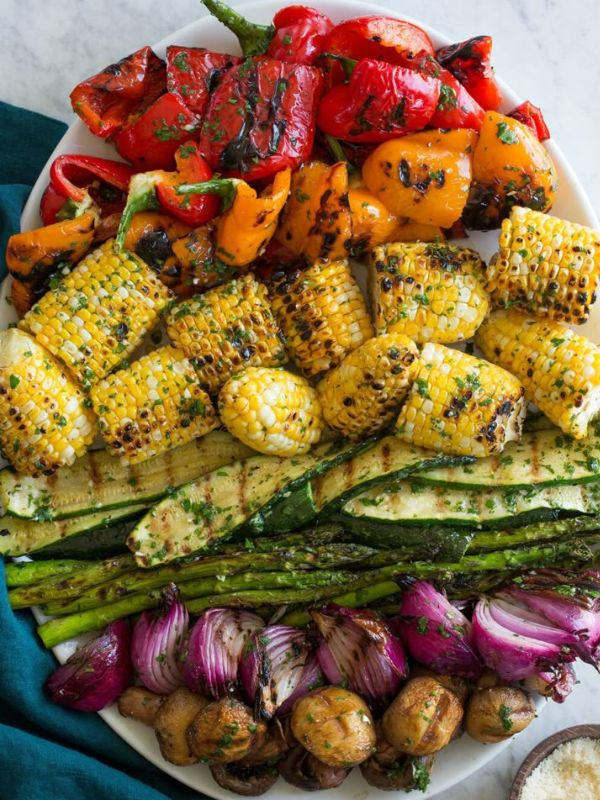
A vegetable platter is perfect for a barbecue party. Combine grilled corn, bell peppers, zucchini, mushrooms, tomatoes, and onions on a large tray. Add a simple dipping sauce or barbecue-inspired dressing and place it next to grilled meats and other BBQ dishes.
12. Individual Vegetable Cups
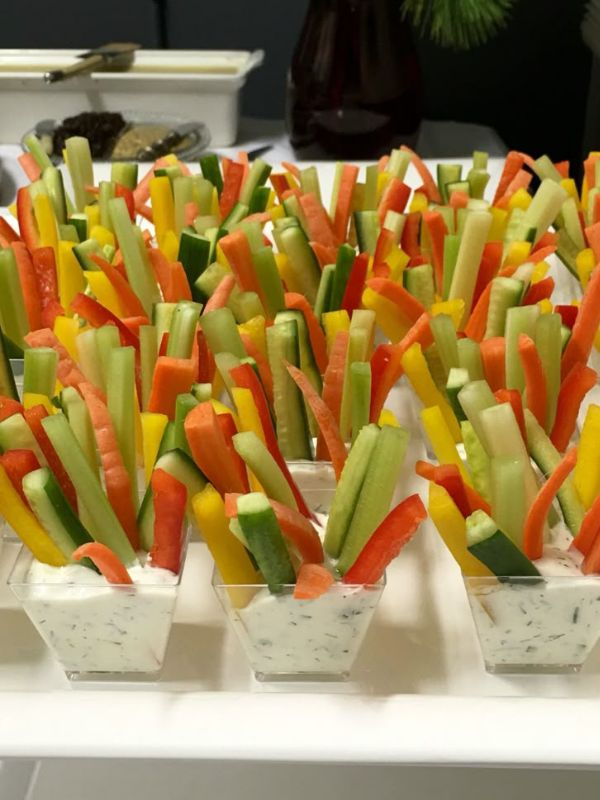
Instead of making one large platter, prepare individual vegetable cups for each guest. Place carrot sticks, cucumber, celery, bell pepper strips, and cherry tomatoes into small cups. Add a spoonful of ranch or hummus at the bottom of each cup.
13. Vegetable Platter With Three Dips
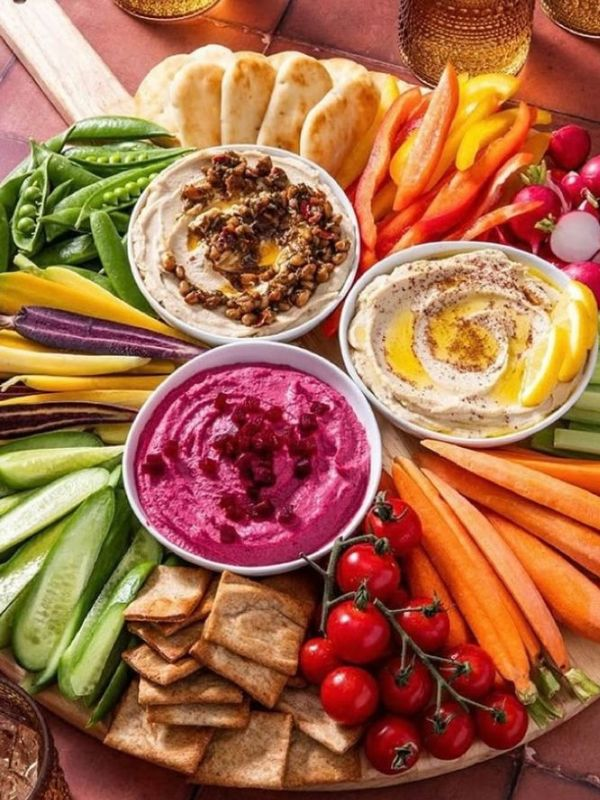
Make the dips part of the presentation by placing three small bowls across a large serving board. Fill them with hummus, ranch, and guacamole. Arrange different vegetables around each dip so guests can choose their favourite combination.
14. Holiday Vegetable Platter
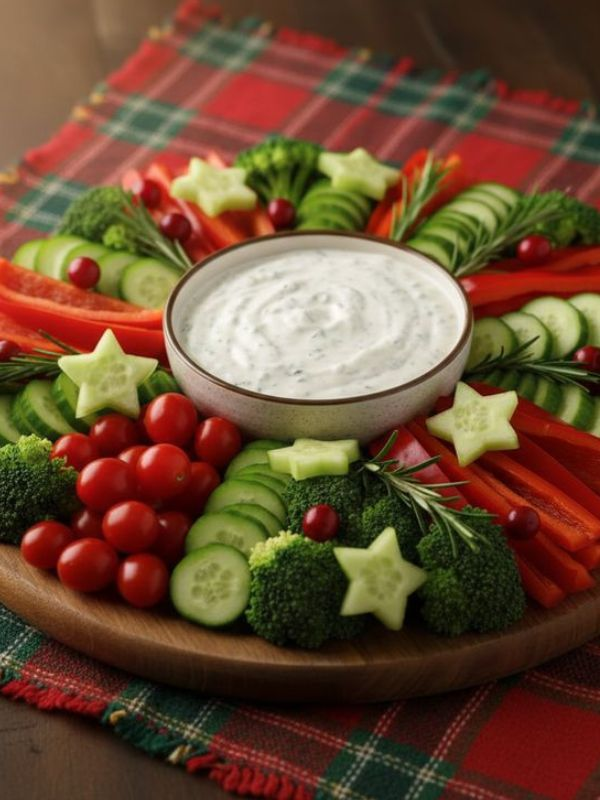
Create a vegetable platter that matches the holiday you are celebrating. For Christmas, arrange broccoli, cherry tomatoes, and cauliflower in a tree shape. For Thanksgiving, use fall-colored vegetables such as carrots, sweet potatoes, and peppers.
15. Halloween Vegetable Platter
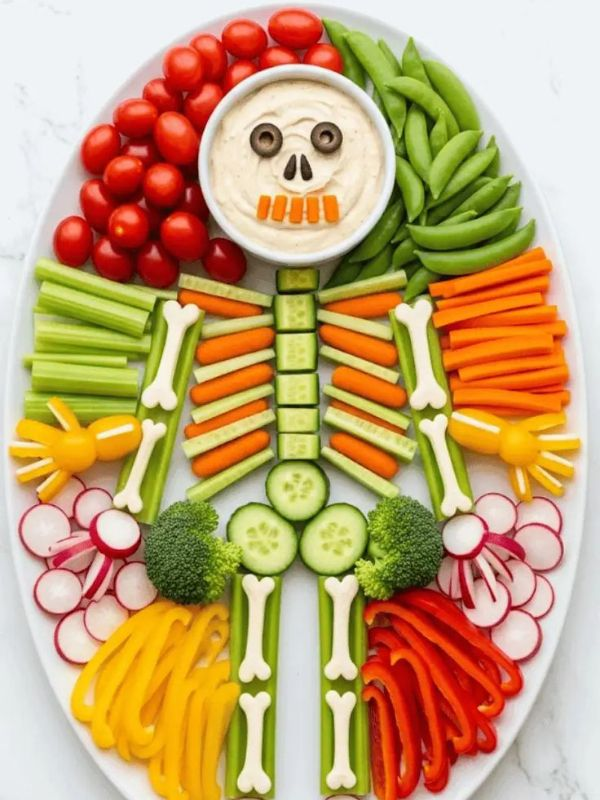
Give your vegetables a spooky presentation for Halloween. Arrange broccoli and cauliflower into a skeleton shape or create a pumpkin face using carrots, peppers, and cucumbers. Add a bowl of hummus or ranch as the centrepiece.
16. Christmas Tree Vegetable Platter
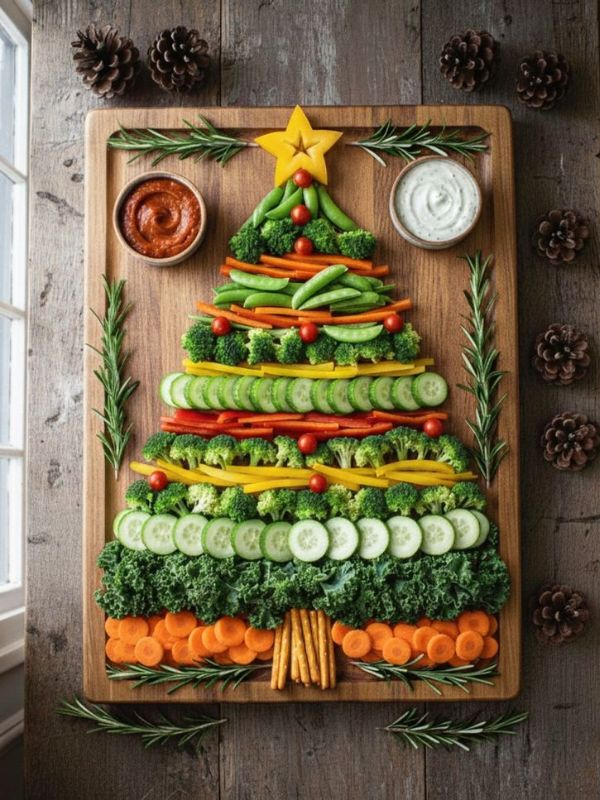
Arrange broccoli florets in the shape of a Christmas tree on a large board. Use cherry tomatoes and yellow peppers as decorations and place a star-shaped piece of yellow pepper at the top. Add a bowl of dip at the bottom to look like the tree base.
17. Flower-Shaped Vegetable Platter
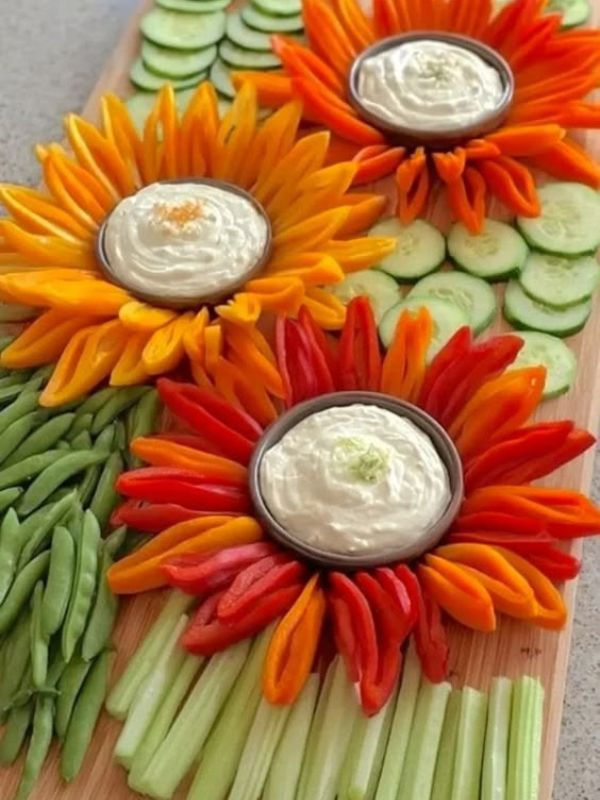
Create colourful flowers using vegetables. Use cucumber slices for petals, cherry tomatoes for flower centres, and strips of bell pepper or celery as stems. Arrange several vegetable flowers together and add a dip bowl in the centre.
18. Veggie Skeleton Platter
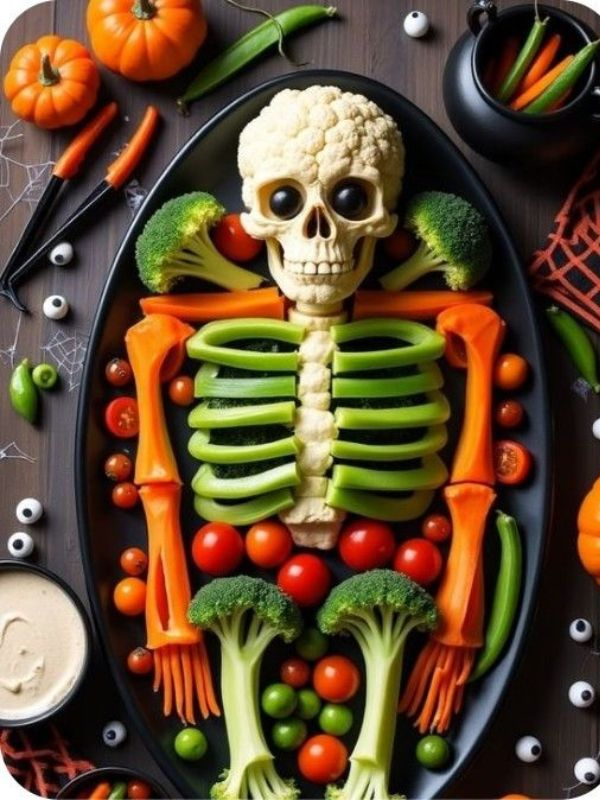
This is a fun idea for Halloween or children’s parties. Arrange cucumber, carrots, peppers, broccoli, and cauliflower to form the bones of a skeleton. Use a bowl of dip for the head and small vegetables for facial details.
19. Dip-in-the-Center Vegetable Platter
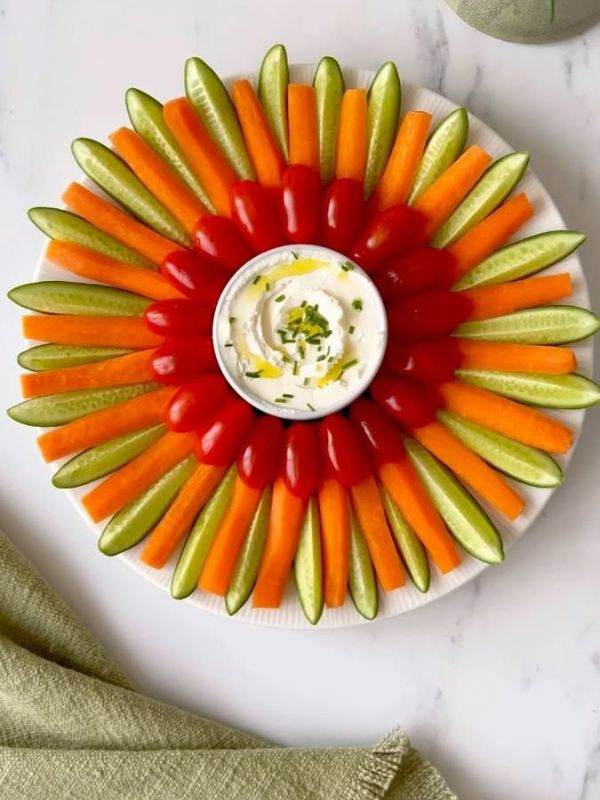
Choose one large bowl of your favourite dip and place it in the middle of a round tray. Arrange vegetables in circles around the bowl, starting with larger pieces at the outside and smaller pieces closer to the dip.
20. Vegetable and Hummus Grazing Board
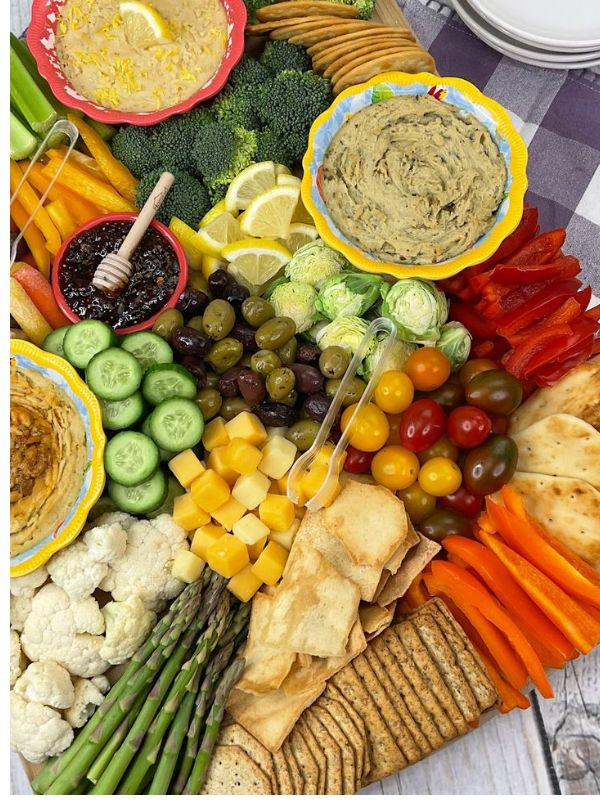
Use a wooden board and spread different vegetables across it. Add several varieties of hummus if you have them, such as classic, roasted pepper, or herb hummus. Fill empty spaces with olives, pita bread, and crackers.
21. Kids’ Fun Vegetable Platter
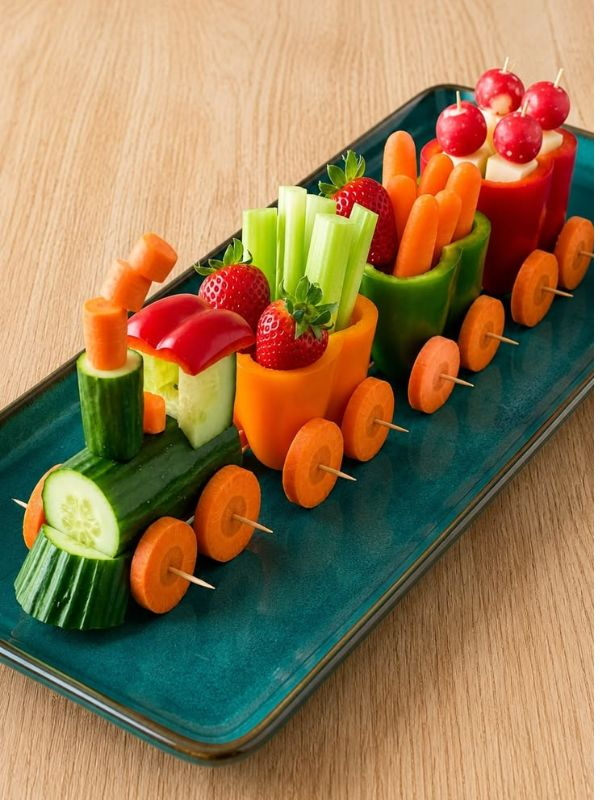
Make vegetables more appealing to children by cutting them into fun shapes. Use cookie cutters to create cucumber, pepper, or cheese shapes. Arrange them around a mild ranch or yogurt dip and use colorful vegetables to make the platter playful.
22. Mexican-Inspired Vegetable Platter
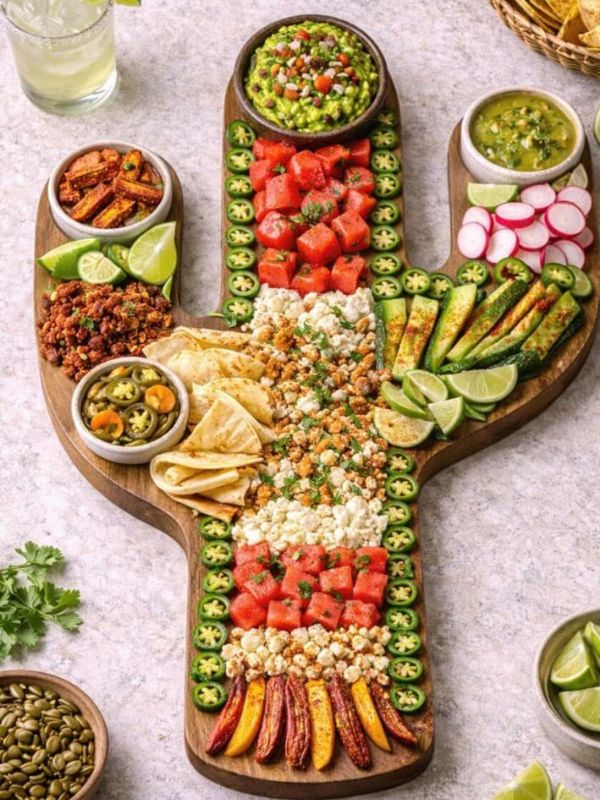
Arrange bell peppers, cucumber, cherry tomatoes, carrots, corn, and avocado on a large tray. Add guacamole and salsa in small bowls. Serve with tortilla chips for a party platter that combines fresh vegetables with familiar Mexican-inspired flavours.
23. Garden Party Vegetable Platter
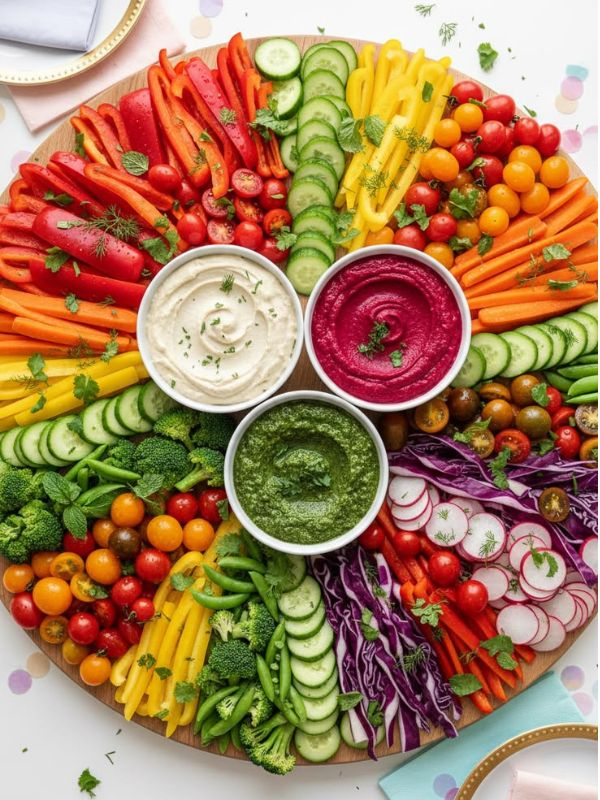
For a garden party, use fresh vegetables with a natural presentation. Arrange carrots, radishes, cucumbers, snap peas, tomatoes, broccoli, and colourful peppers on a wooden board. Add a creamy herb dip and garnish the board with fresh herbs.
24. Vegetable and Dip Wreath
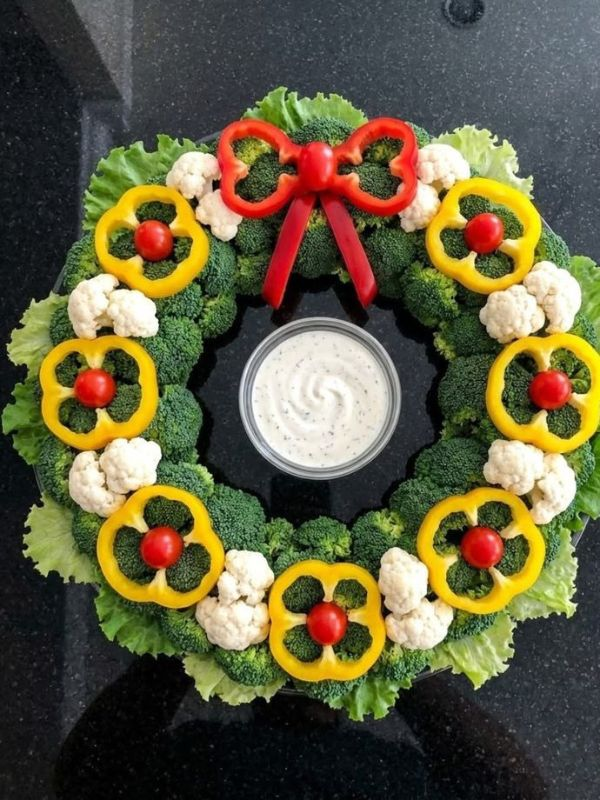
Create a circular wreath using broccoli, cucumber slices, cherry tomatoes, bell peppers, and carrots. Leave a space in the centre for a bowl of hummus or ranch dip. This is especially attractive for holiday parties.
25. Stuffed Vegetable Platter
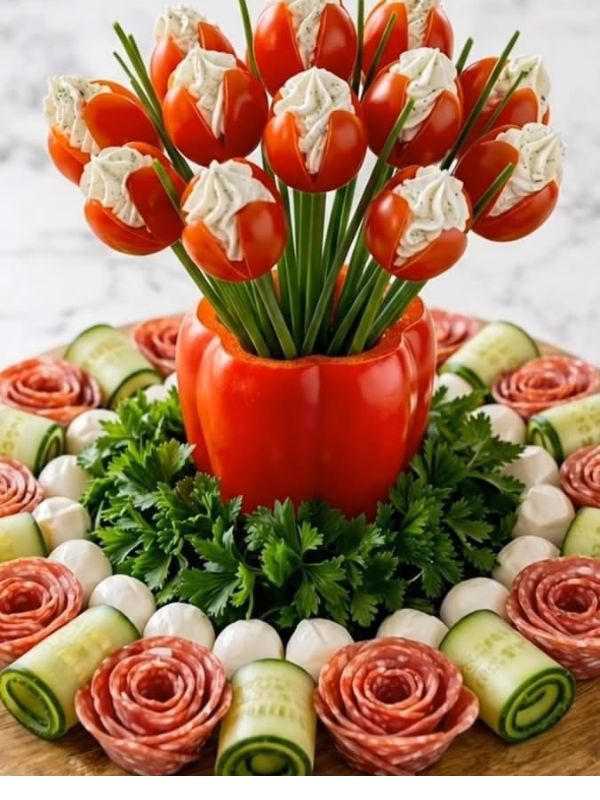
Add stuffed vegetables to your platter for something more filling. Use small peppers, cherry tomatoes, or cucumber cups filled with hummus, cream cheese, or another suitable filling. Arrange them alongside fresh vegetables and crackers.
26. Vegetable Pinwheel Platter
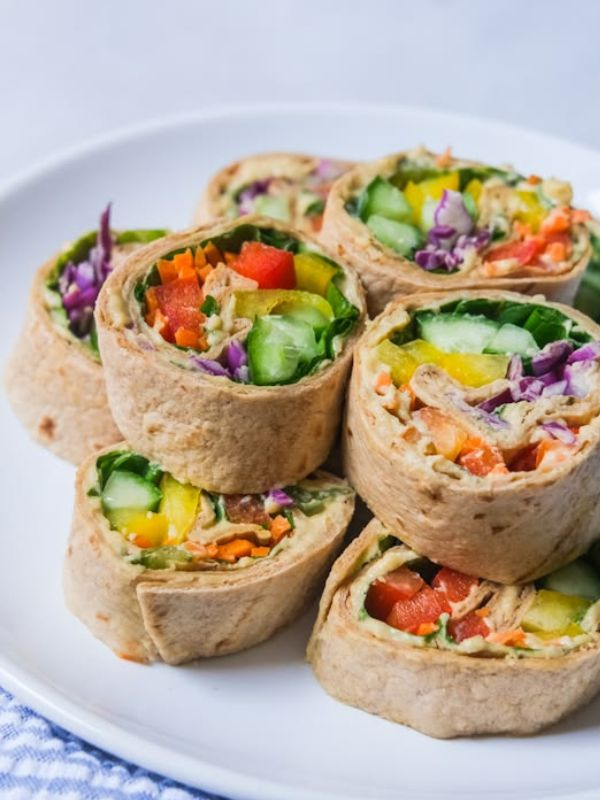
Create vegetable pinwheels using tortillas filled with cream cheese, spinach, cucumber, carrots, and bell peppers. Roll them tightly, slice them into small pieces, and arrange them around fresh vegetables and dip.
27. Picnic Vegetable Platter
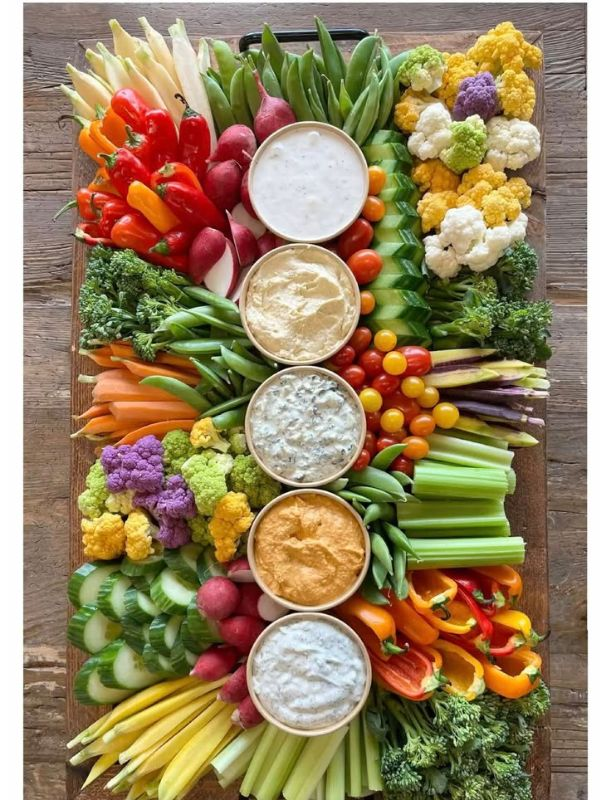
Keep your picnic platter simple with cucumber, carrots, cherry tomatoes, celery, snap peas, and bell peppers. Add hummus or ranch in a sealed container and arrange everything in a portable tray that is easy to carry outdoors.
28. Elegant Vegetable Platter
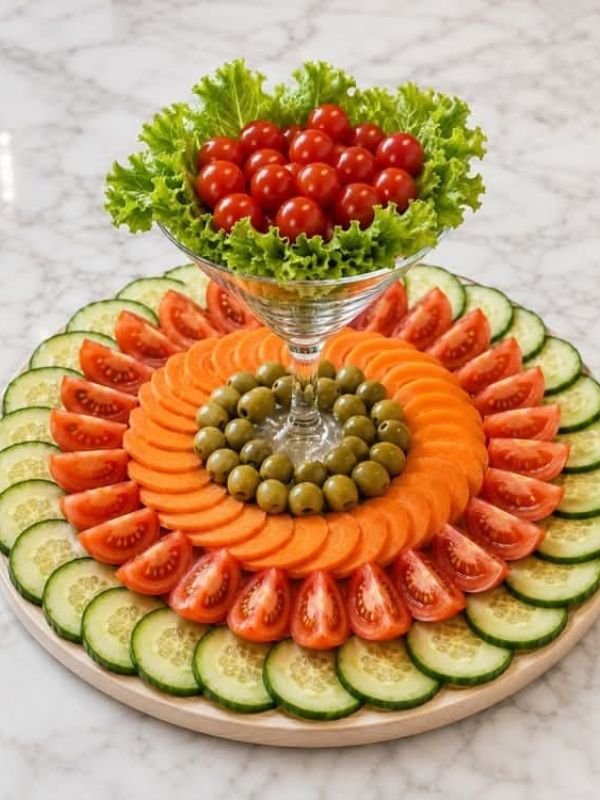
For a more sophisticated party, use a large wooden board or ceramic serving platter. Arrange thinly sliced radishes, colourful peppers, asparagus, baby carrots, cucumber ribbons, cherry tomatoes, and olives neatly. Add a creamy herb dip in a small bowl.
29. Vegetable and Crackers Platter
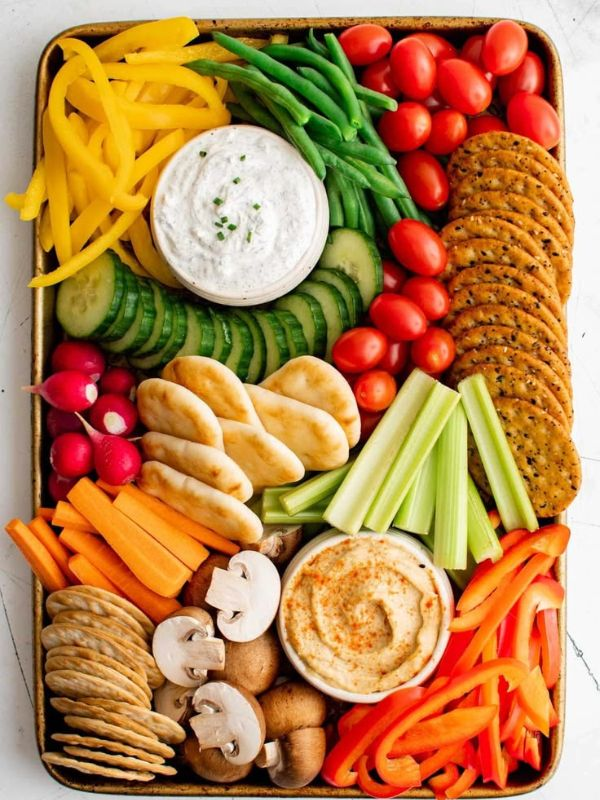
Combine fresh vegetables with crunchy crackers for a more filling snack. Arrange carrots, cucumbers, peppers, broccoli, and tomatoes alongside whole-grain or multigrain crackers. Add hummus or cheese dip in the centre.
30. Ultimate Party Vegetable Platter
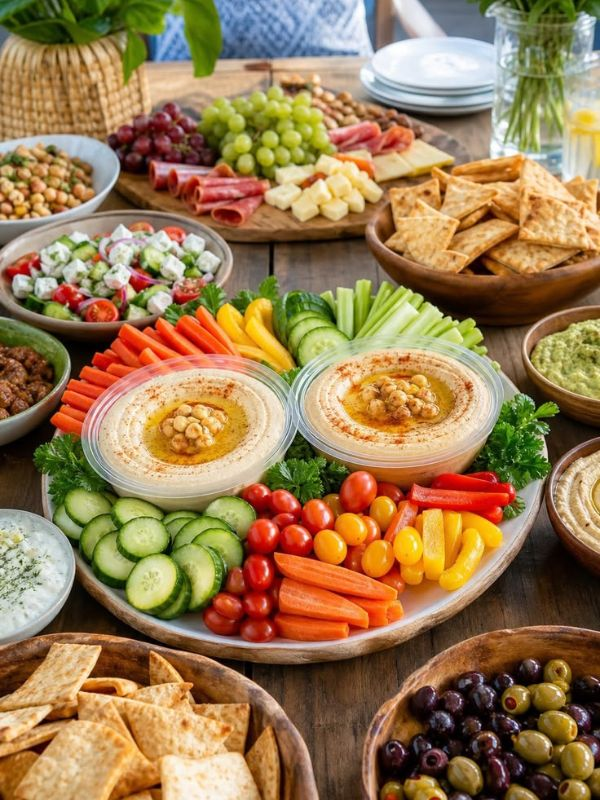
For a large celebration, combine several of these ideas into one impressive platter. Use carrots, cucumbers, celery, broccoli, cauliflower, peppers, tomatoes, radishes, snap peas, and olives. Add hummus, ranch, guacamole, and another favourite dip in separate bowls.
Arrange the vegetables by colour and size, then fill the empty spaces with crackers, pita bread, or cheese. This creates a generous platter with plenty of variety for guests.
A beautiful party vegetable platter is mostly about presentation. Choose colourful vegetables, cut them into easy-to-eat pieces, arrange them in neat sections, and add one or more delicious dips. Even simple vegetables can become an attractive centrepiece when you take a little time to arrange them creatively.
Vegetable Platter Ideas for Kids
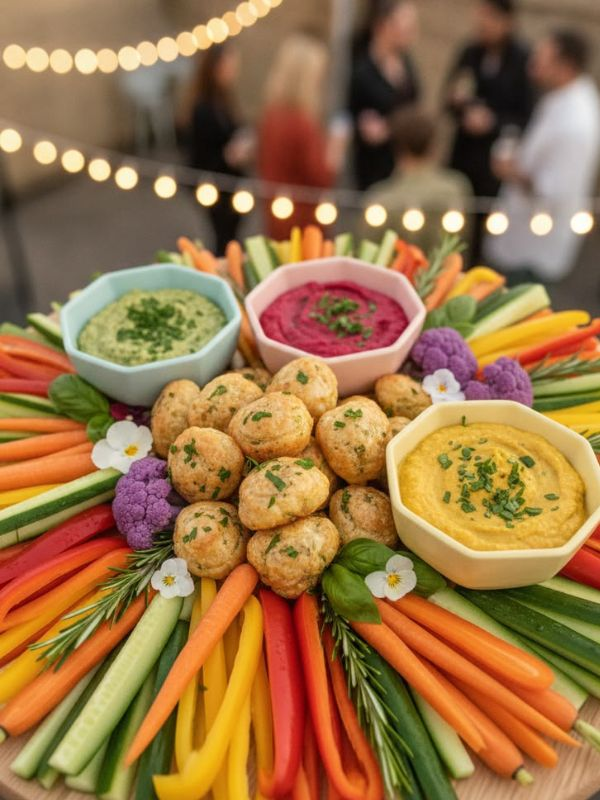
Getting kids excited about vegetables can be easier when the food looks colourful, fun, and inviting. Instead of simply placing vegetables on a plate, you can arrange them into fun shapes, use colourful ingredients, and add kid-friendly dips.
Here are 20 vegetable platter ideas that can make vegetables more appealing to children.
1. Rainbow Vegetable Platter
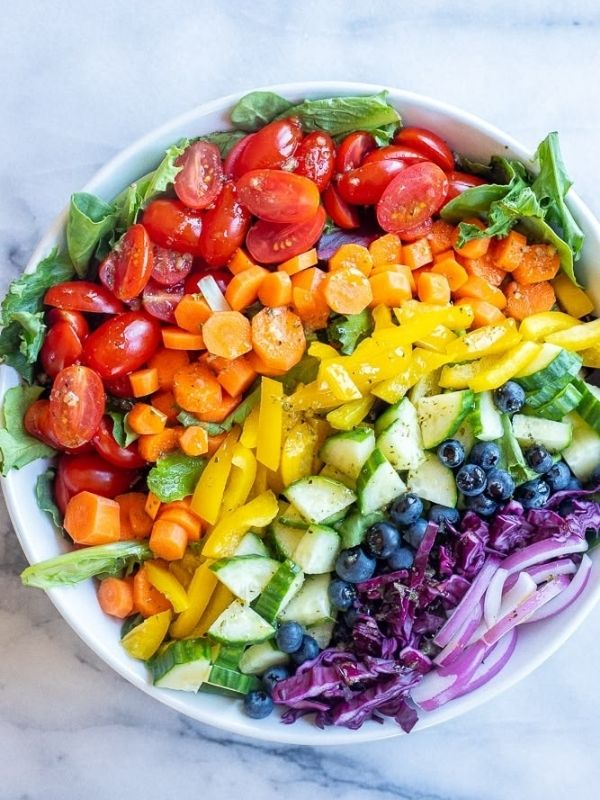
Arrange vegetables by colour to create a beautiful rainbow. Use cherry tomatoes for red, carrots for orange, yellow peppers, cucumbers, and broccoli for green, and purple cabbage for purple. Add a small bowl of ranch or yoghurt dip at the end of the rainbow.
2. Funny Face Vegetable Platter
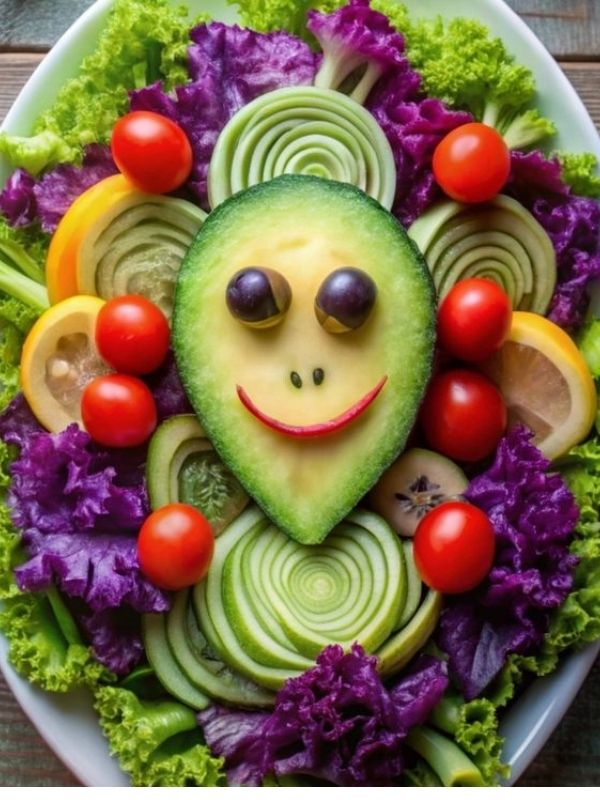
Create a funny face using different vegetables. Use cucumber slices for the eyes, cherry tomatoes for the nose, bell pepper strips for the mouth, and shredded carrots for the hair. Add ranch dip in a small bowl on the side.
3. Vegetable Garden Platter
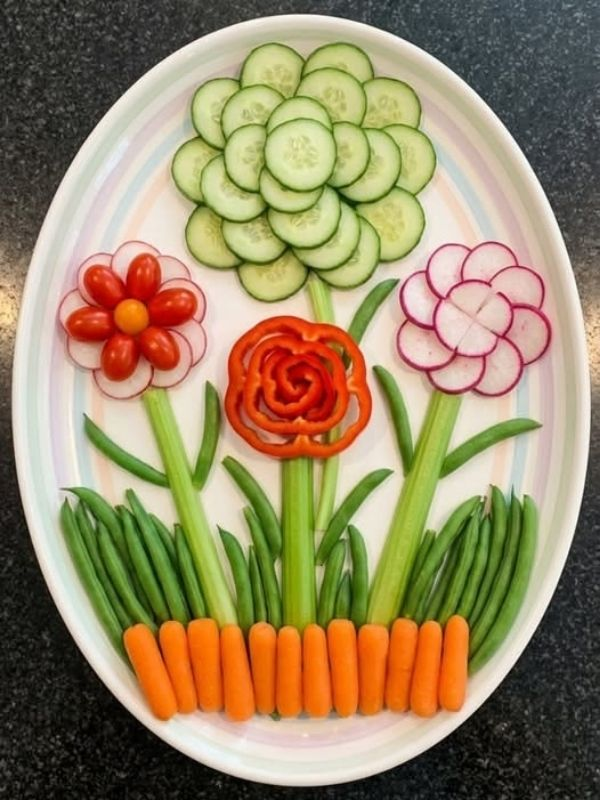
Turn the serving tray into a little vegetable garden. Use broccoli as trees, cucumber slices as leaves, carrot sticks as plants, and cherry tomatoes as flowers. Add hummus to a small bowl as the dip.
4. Animal-Shaped Vegetable Platter
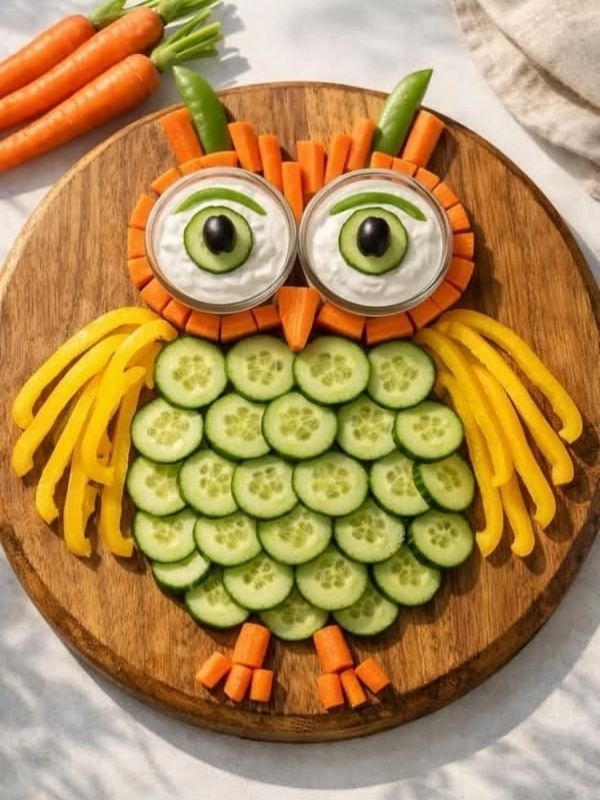
Create a simple animal using vegetables. For example, use cucumber slices for the body, carrots for legs, cherry tomatoes for eyes, and bell peppers for ears. Choose an animal your child likes to make the platter more exciting.
5. Vegetable and Ranch Platter
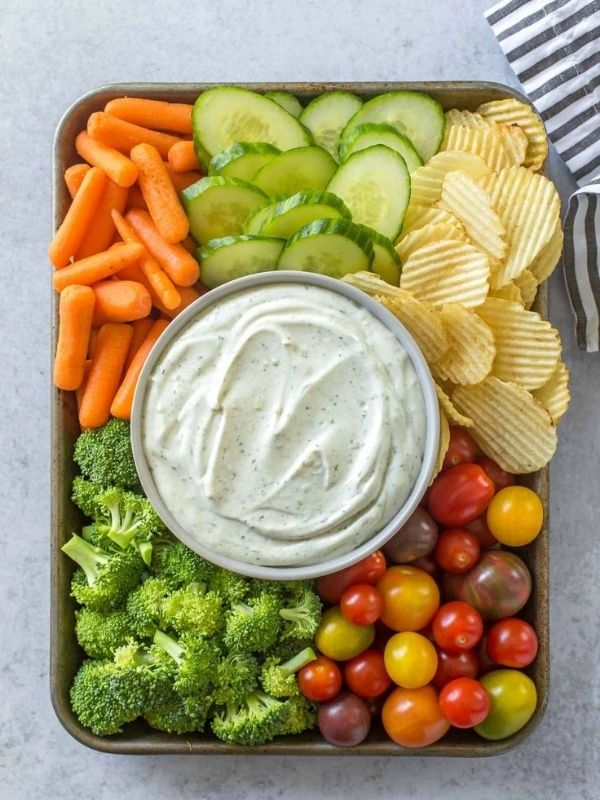
Keep things simple with familiar vegetables such as carrots, cucumber, celery, cherry tomatoes, and bell peppers. Place a bowl of mild ranch dressing in the centre so children can dip their vegetables.
6. Mini Vegetable Cups
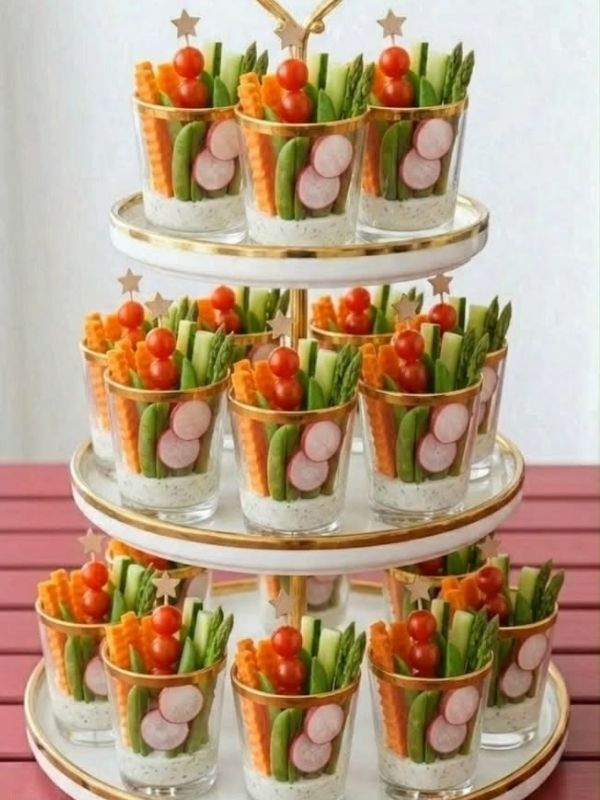
Instead of one large platter, prepare individual vegetable cups for each child. Add cucumber sticks, carrots, bell peppers, celery, and cherry tomatoes. Place a small amount of ranch or hummus at the bottom.
7. Broccoli and Cheese Platter
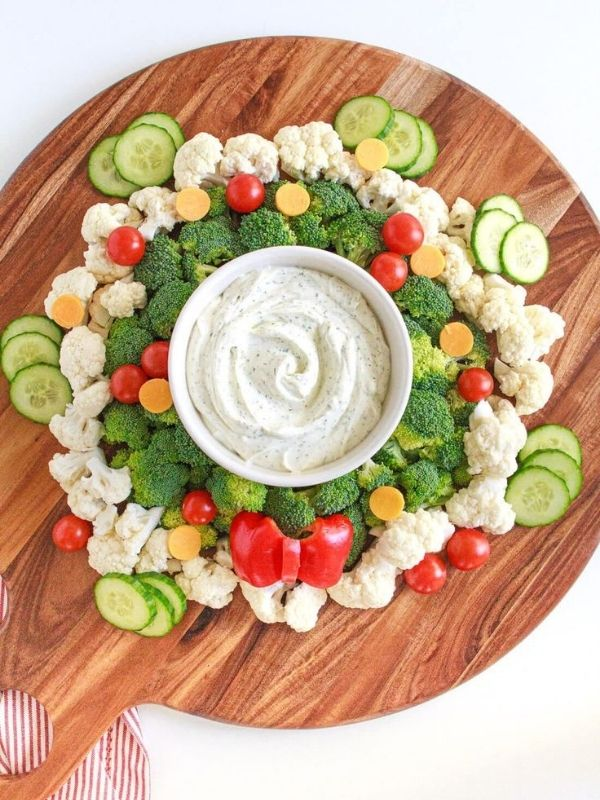
Arrange small broccoli florets with cubes of mild cheese. Add crackers and a small bowl of ranch dip to make the platter more filling and appealing.
8. Cucumber and Carrot Platter
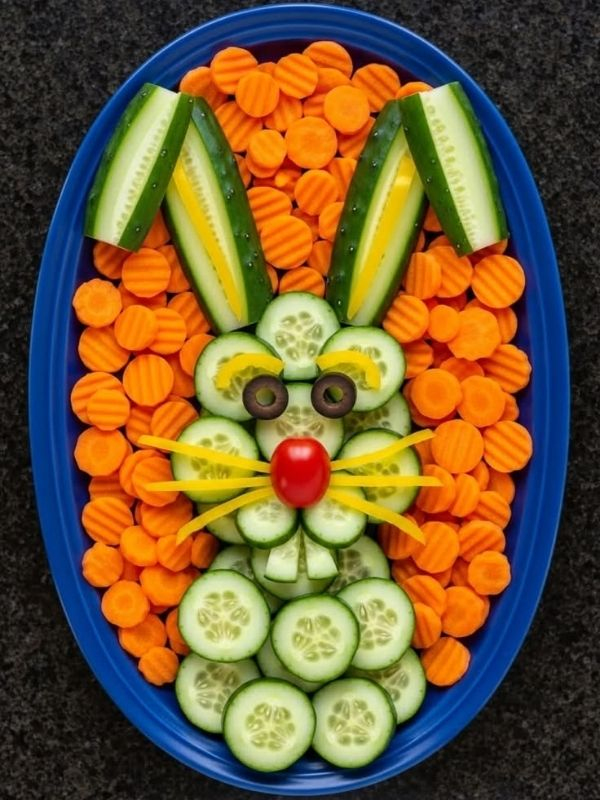
Use two simple vegetables that many children are familiar with. Cut cucumbers into rounds or sticks and carrots into thin sticks. Arrange them in alternating rows and serve with a mild dip.
9. Rainbow Skewer Platter
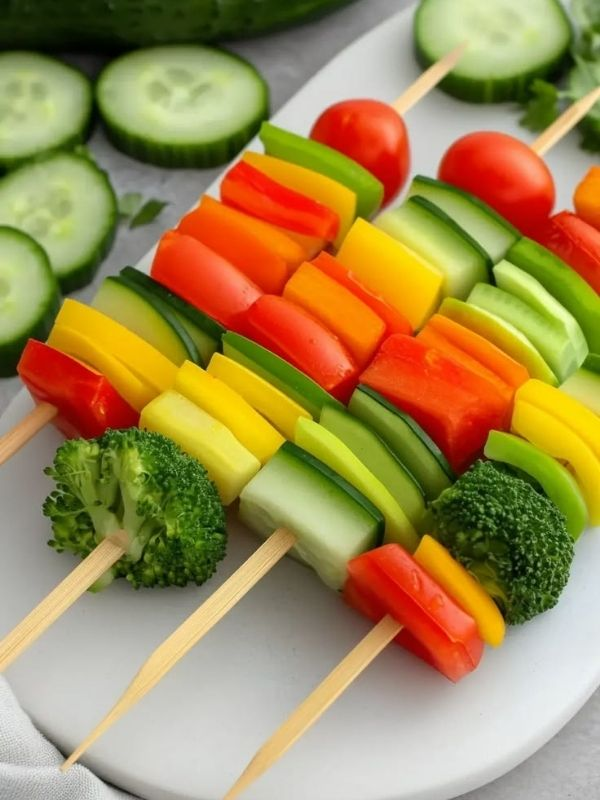
Place colourful vegetables on suitable food picks to create mini vegetable skewers. Try cucumber, cherry tomatoes, yellow peppers, and carrots. Arrange the skewers in rows or a rainbow shape.
10. Flower Vegetable Platter
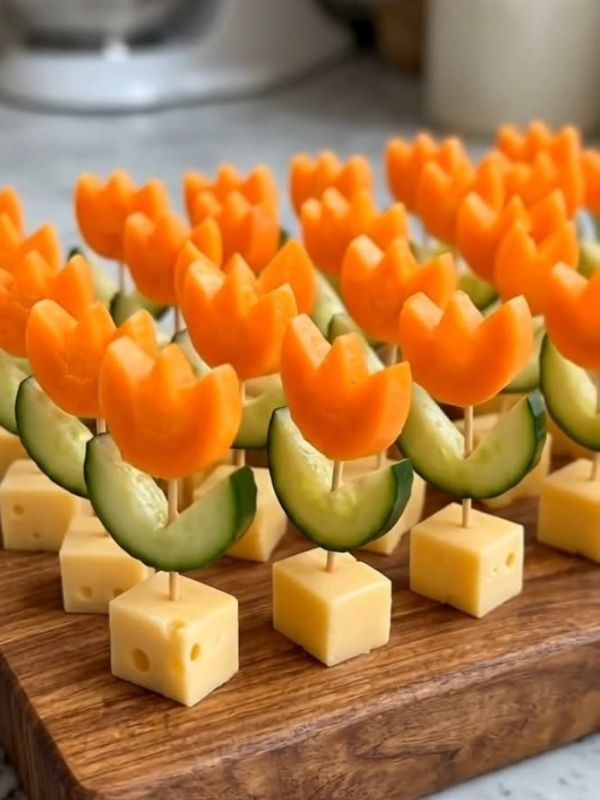
Create simple flowers using vegetables. Use cucumber slices or bell peppers as petals and cherry tomatoes as the centres. Add carrot sticks as stems and broccoli as leaves.
11. Halloween Vegetable Platter
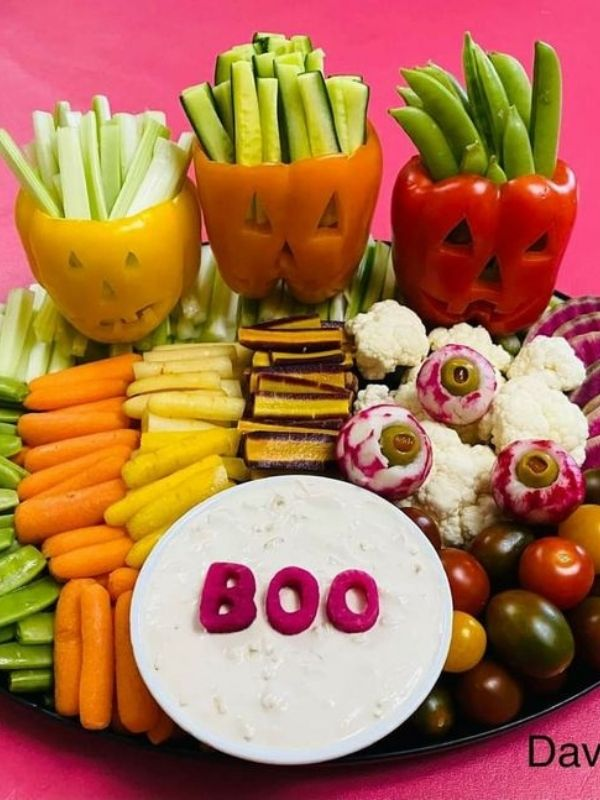
For a Halloween party, arrange vegetables into spooky shapes. Create a monster face using cucumbers, carrots, peppers, and tomatoes. Add a bowl of hummus as the monster’s mouth.
12. Christmas Tree Vegetable Platter
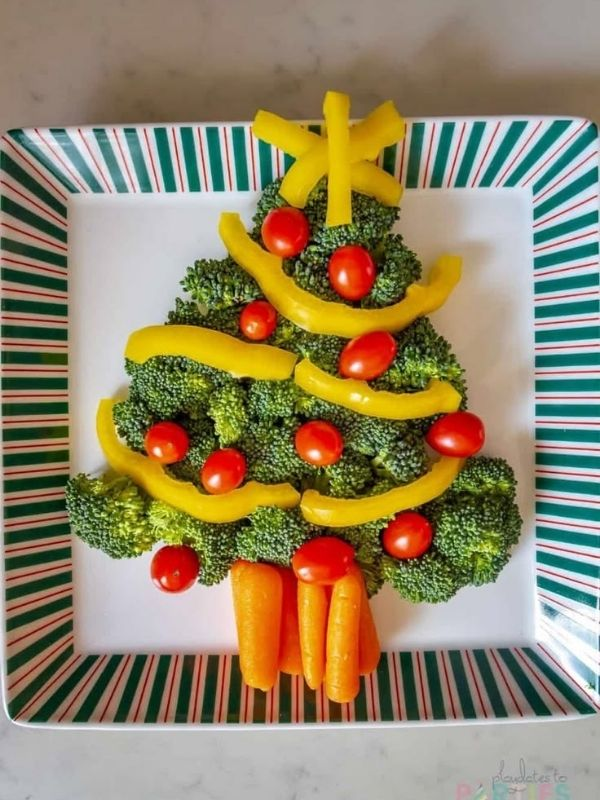
Arrange broccoli florets into a Christmas tree shape. Use cherry tomatoes and yellow bell peppers as decorations and add a small piece of yellow pepper at the top as a star.
13. Vegetable and Hummus Platter
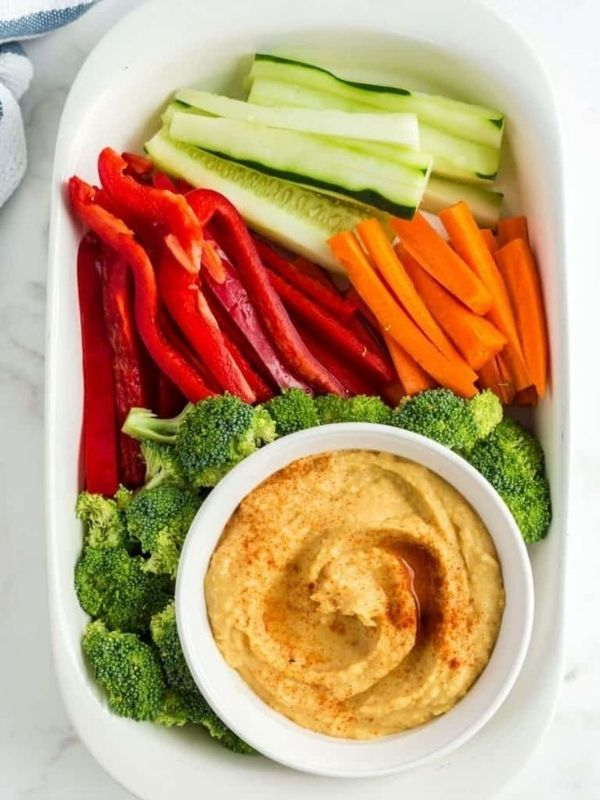
Place a bowl of hummus in the middle of a serving plate and surround it with carrots, cucumbers, bell peppers, snap peas, and cherry tomatoes. Cut some vegetables into fun shapes to make the platter more playful.
14. Pizza-Inspired Vegetable platter
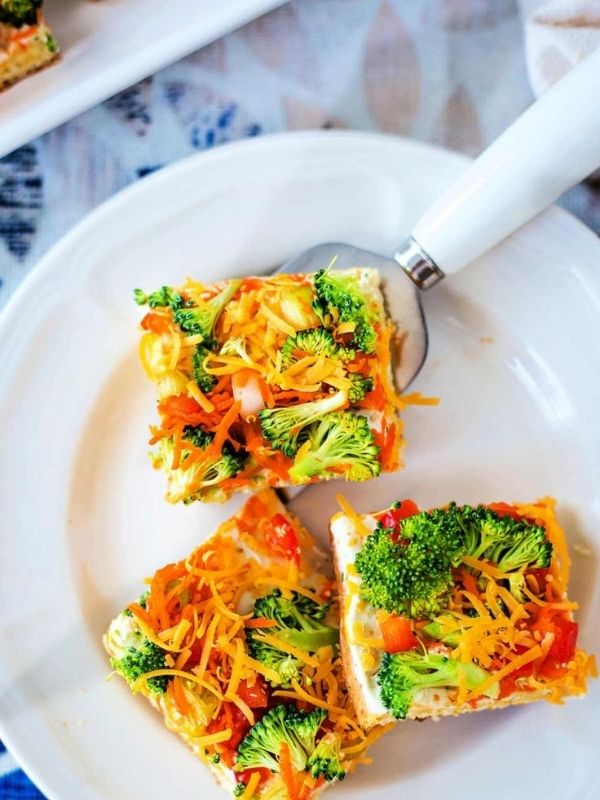
Arrange vegetables in a circle to look like a pizza. Use sliced tomatoes, yellow peppers, mushrooms, cucumbers, and cheese as toppings. Place a bowl of tomato-based dip in the centre.
15. Butterfly Vegetable Platter
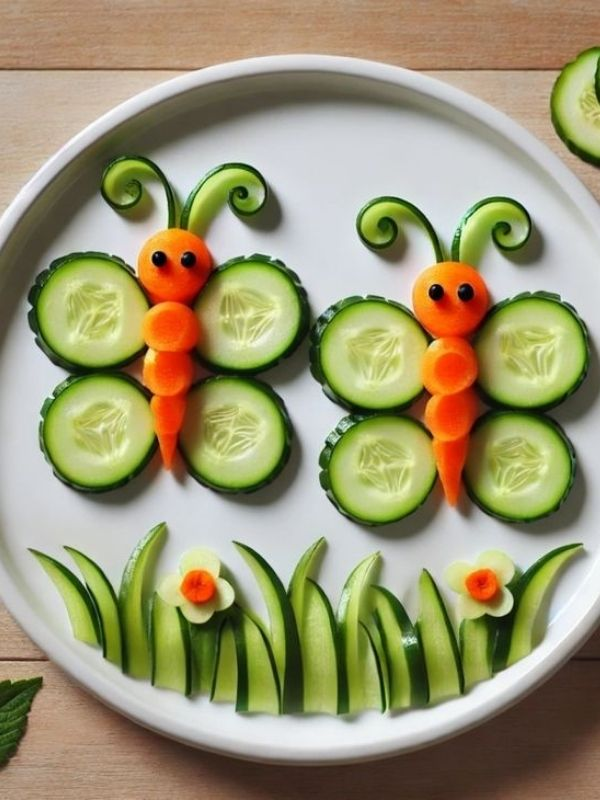
Create a butterfly using colourful vegetables. Use cucumber slices and bell peppers for the wings, a carrot stick for the body, and thin strips of vegetables for the antennae.
16. Vegetable Train Platter
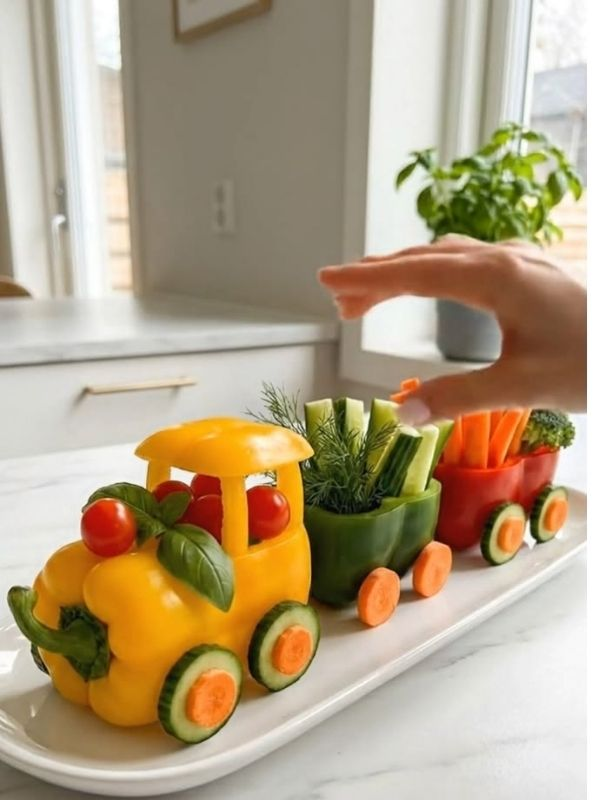
Use small vegetable pieces to create a pretend train. Arrange cucumber slices, carrots, peppers, and tomatoes into small sections that look like train cars. This can be especially fun for younger children.
17. Cheese, Cracker, and Vegetable Platter
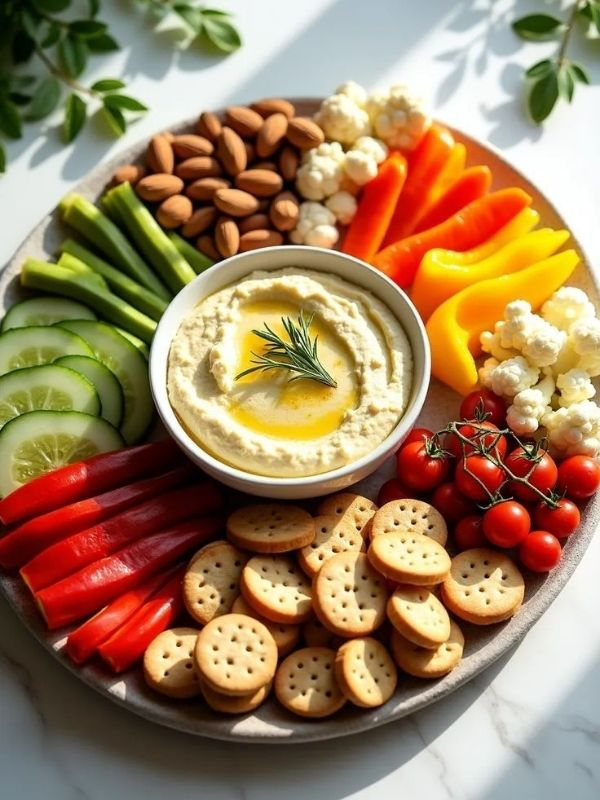
Combine vegetables with familiar foods that kids enjoy. Arrange cucumber, carrots, cherry tomatoes, mild cheese, and crackers on a tray. Add ranch or hummus for dipping.
18. Snack Box Vegetable Platter
Sourc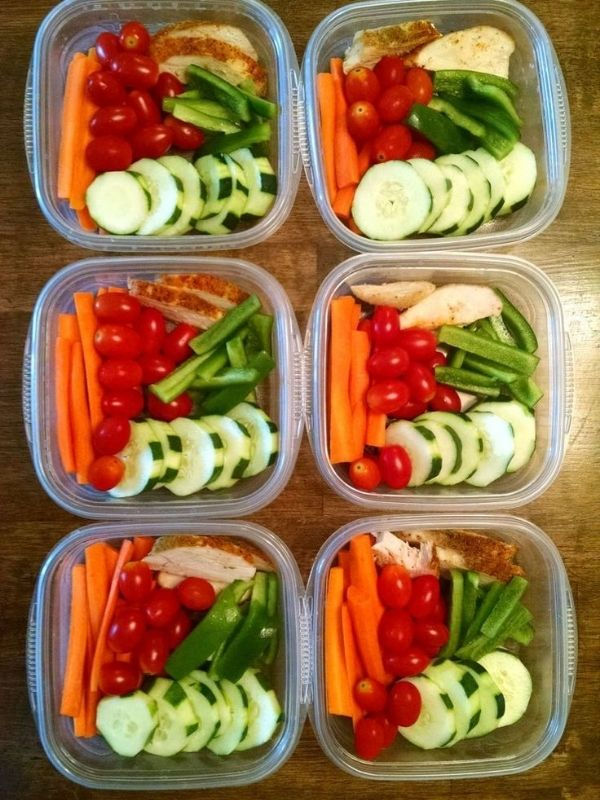 e
e
Create several small sections on a large tray using individual bowls or containers. Fill them with different vegetables such as carrots, cucumber, peppers, tomatoes, and broccoli. This gives children the freedom to choose what they want.
19. Dippable Vegetable Platter
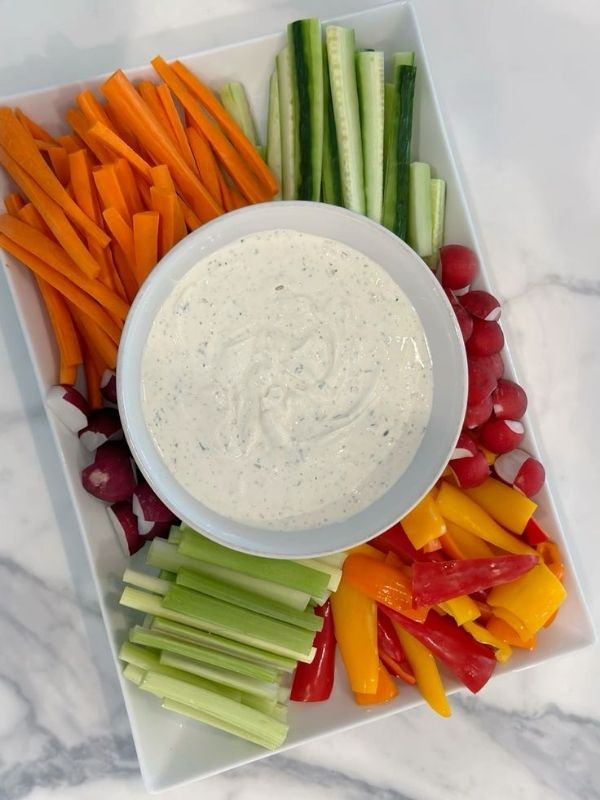
Make dipping the main attraction. Arrange different vegetables around two or three small bowls containing ranch, hummus, and a mild yoghurt dip. Cut everything into easy-to-hold pieces.
20. Kids’ Rainbow Garden Platter
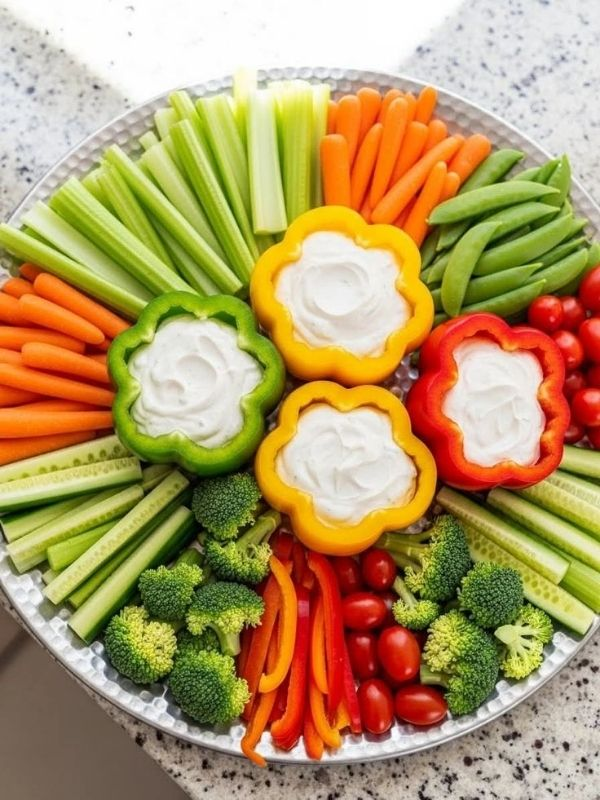
Combine the rainbow and garden ideas into one colourful display. Arrange broccoli, carrots, cucumber, tomatoes, peppers, and snap peas into flowers, leaves, and colourful rows. Add a bowl of dip in the centre to complete the platter.
The best vegetable platters for kids are colourful, simple, and fun to eat. Start with vegetables your children already enjoy, then introduce one or two new options. Cutting vegetables into fun shapes and serving them with a tasty dip can make the whole platter much more appealing.
Vegetable Platter Ideas for Dinner
A vegetable platter does not have to be limited to parties and snacks. With the right combination of vegetables, dips, grains, cheese, or protein, it can become a satisfying part of your dinner. You can serve a platter alongside grilled chicken, fish, rice, pasta, or bread, or make a larger platter the main meal.
Here are 20 vegetable platter ideas for dinner.
1. Roasted Vegetable Dinner Platter
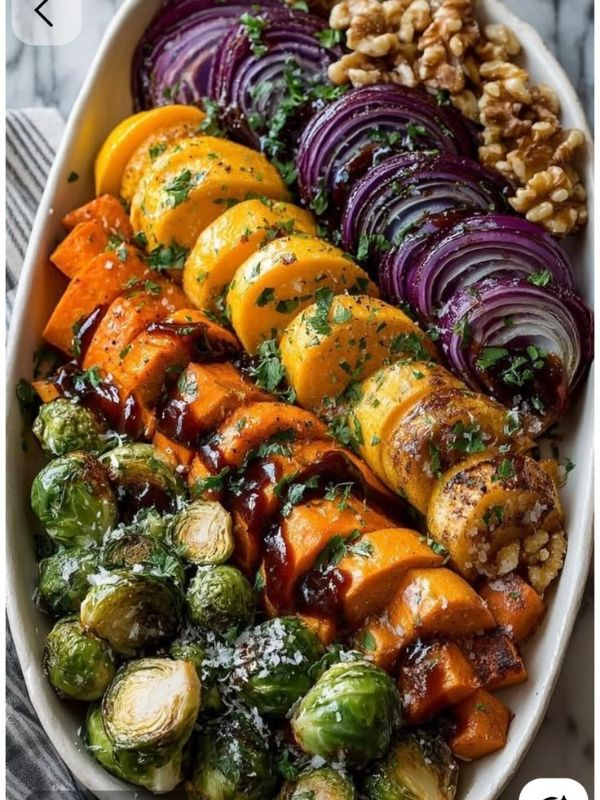
Roast a mixture of carrots, broccoli, cauliflower, bell peppers, zucchini, and sweet potatoes until tender. Arrange them on a large serving plate and drizzle with olive oil and herbs. Add hummus or a yoghurt-based dip on the side.
2. Grilled Vegetable Platter
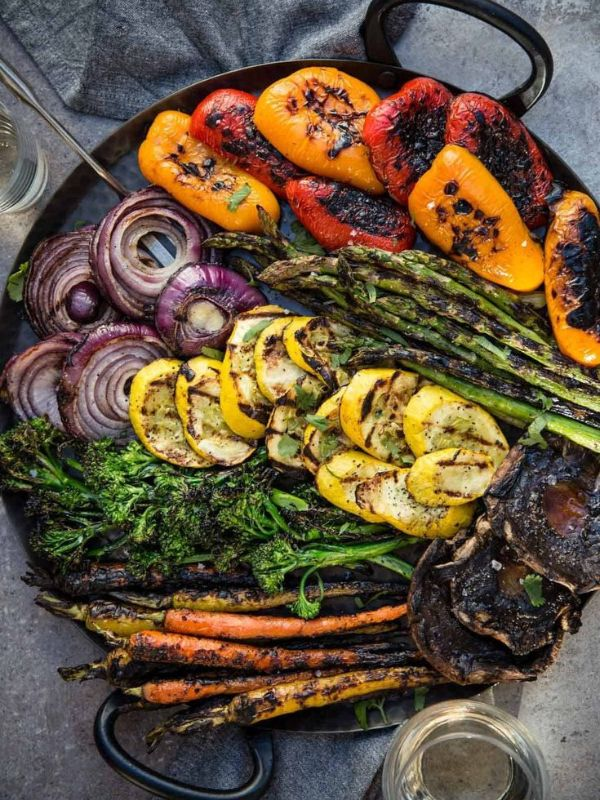
Grill zucchini, bell peppers, mushrooms, onions, and asparagus until lightly charred. Arrange the vegetables on a platter and finish with a little olive oil, lemon juice, and herbs. Serve with grilled chicken, fish, or warm bread.
3. Mediterranean Vegetable Platter
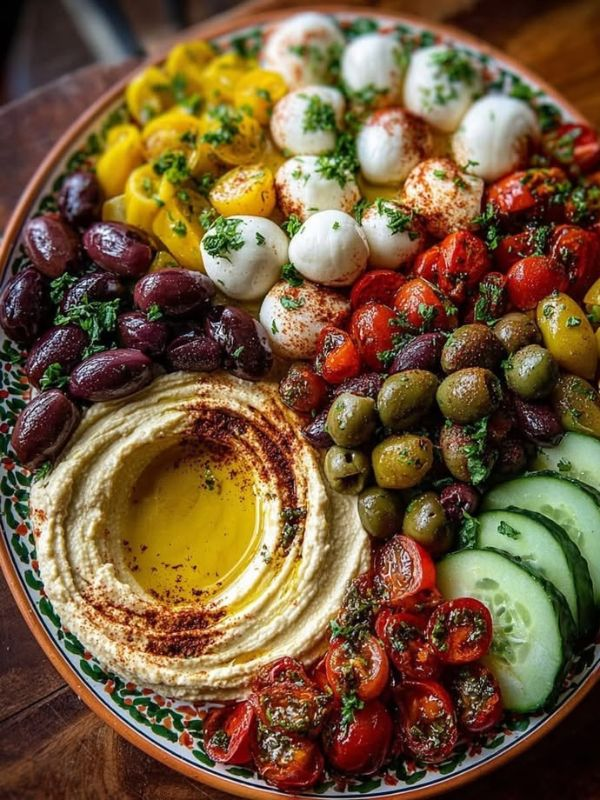
Combine cucumber, tomatoes, roasted peppers, olives, grilled zucchini, and steamed broccoli. Add hummus, tzatziki, and warm pita bread. You can also include feta cheese to make the dinner more filling.
4. Vegetable and Chicken Platter
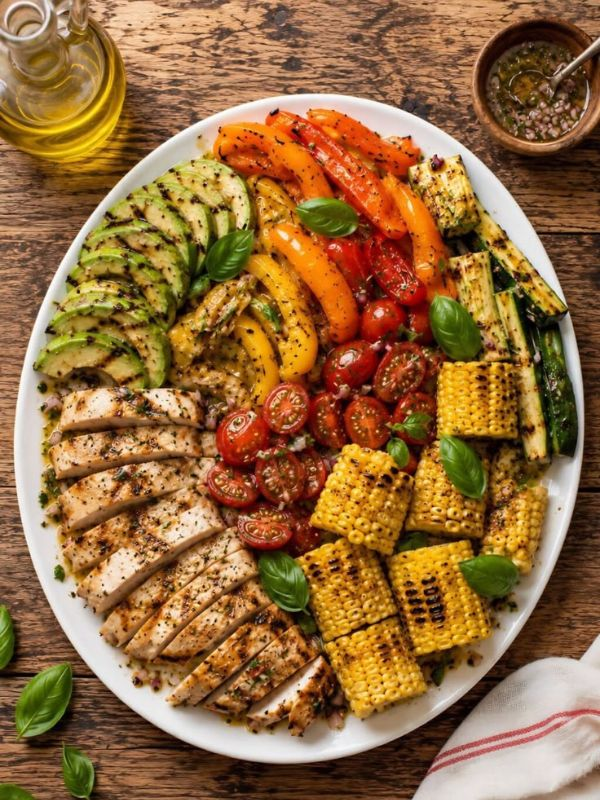
Arrange grilled or roasted chicken pieces alongside cucumber, carrots, bell peppers, broccoli, and tomatoes. Add hummus or a creamy dip and serve with rice, potatoes, or pita bread for a complete dinner.
5. Vegetable and Hummus Dinner Board
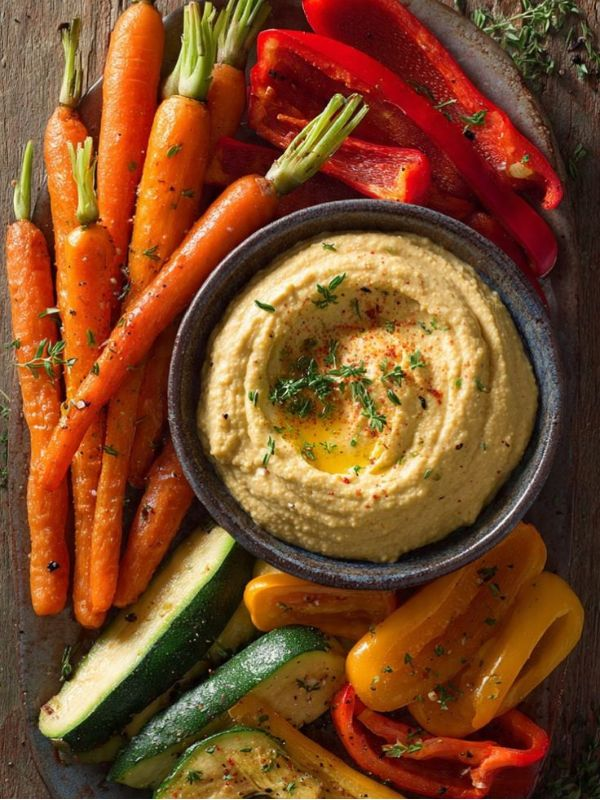
Place a generous bowl of hummus in the centre of a large board. Surround it with carrots, cucumbers, peppers, cherry tomatoes, broccoli, snap peas, and roasted vegetables. Add pita bread and olives to make it more substantial.
6. Roasted Sweet Potato and Vegetable Platter
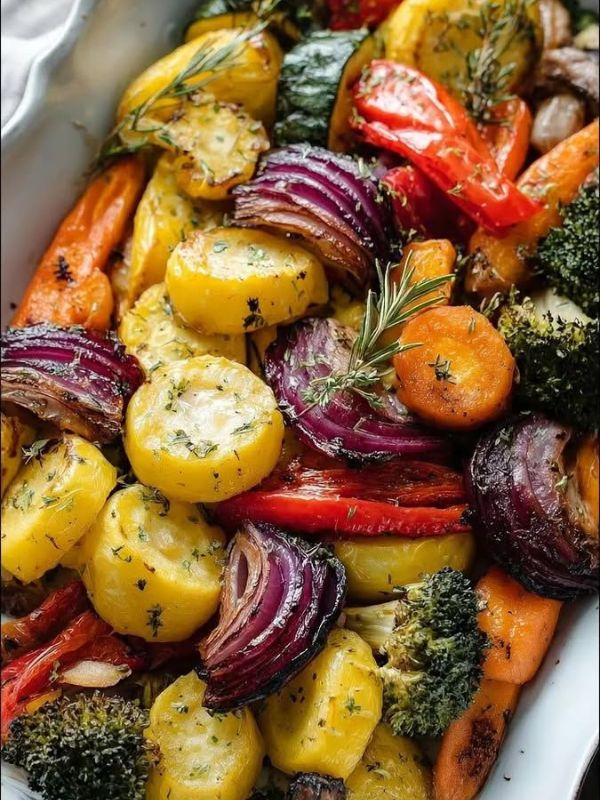
Roast sweet potatoes with carrots, broccoli, zucchini, and bell peppers. Arrange everything on a platter and add a creamy yoghurt or tahini-style sauce. The sweet potatoes make this option especially filling.
7. Grilled Vegetable and Halloumi Platter
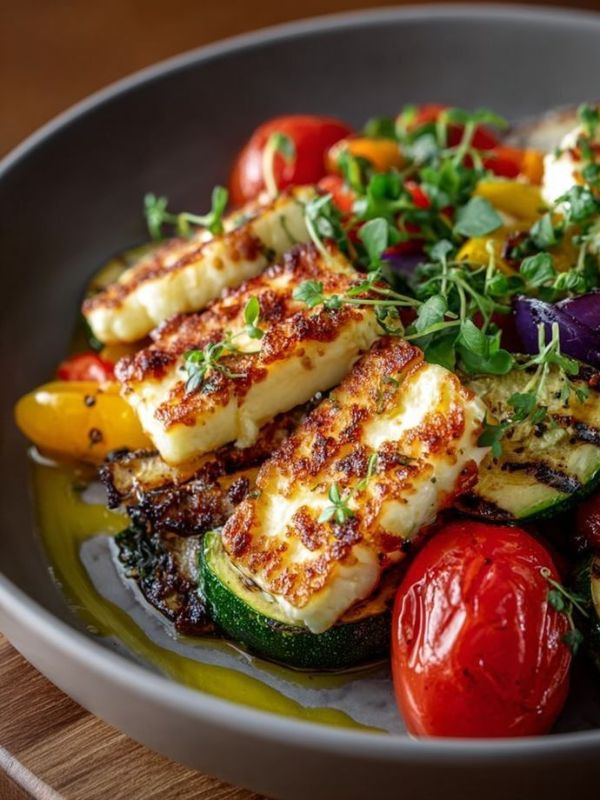
Grill zucchini, peppers, tomatoes, and onions alongside slices of halloumi cheese. Arrange everything together and add fresh herbs and lemon. Serve with flatbread or a simple salad.
8. Vegetable and Rice Platter
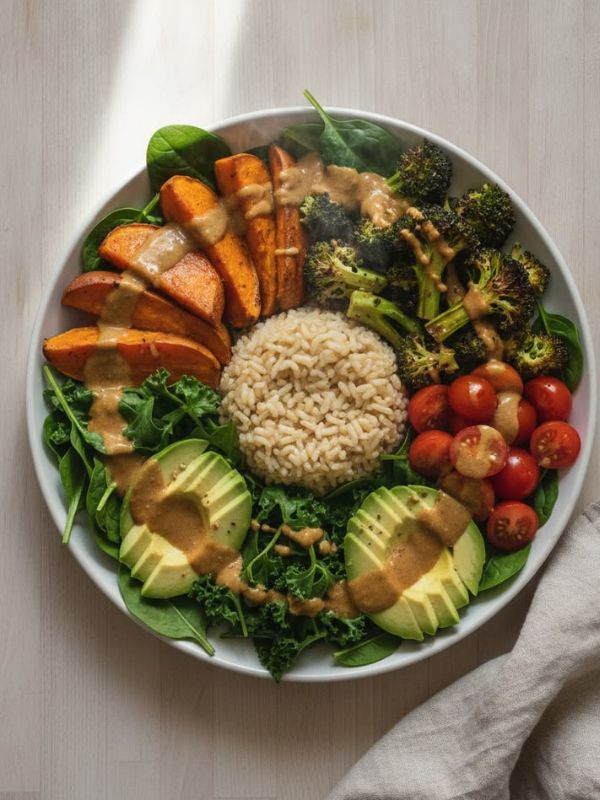
Serve cooked rice as the base and arrange colourful vegetables around it. Add roasted carrots, broccoli, bell peppers, peas, and cucumber. Finish with a simple sauce or dressing for an easy, balanced dinner.
9. Vegetable and Fish Platter
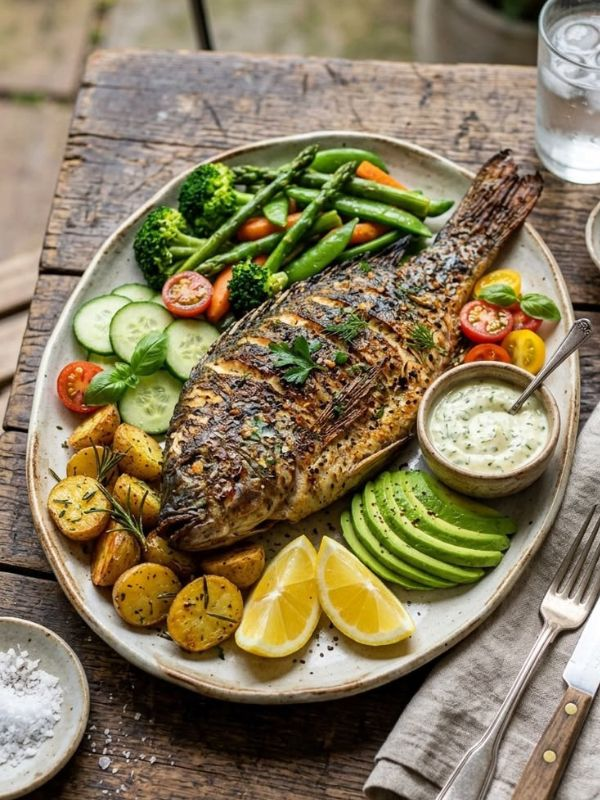
Pair baked or grilled fish with colourful vegetables such as asparagus, broccoli, carrots, zucchini, and roasted peppers. Arrange everything on one large platter and serve with lemon wedges and a simple sauce.
10. Stir-Fried Vegetable Platter
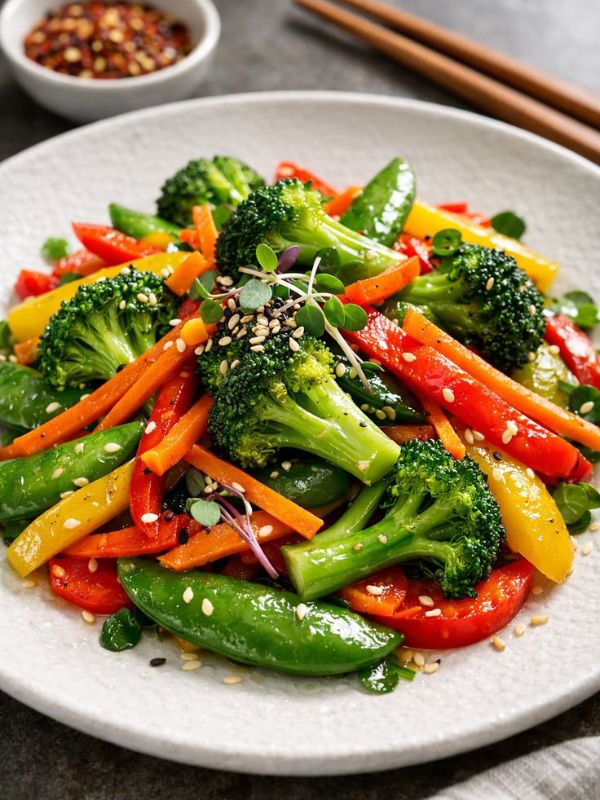
Cook a mixture of broccoli, carrots, bell peppers, mushrooms, snap peas, and onions in a pan. Arrange the cooked vegetables on a serving platter and serve with rice, noodles, or your favourite protein.
11. Vegetable and Pasta Platter
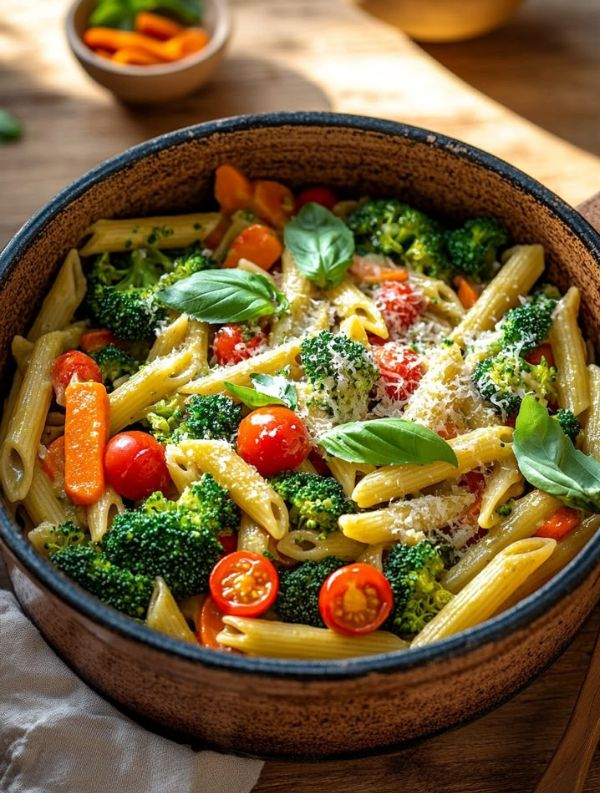
Prepare a simple pasta dish with roasted or sautéed vegetables such as zucchini, tomatoes, peppers, broccoli, and mushrooms. Arrange it on a large platter and sprinkle with cheese or fresh herbs.
12. Baked Vegetable Platter
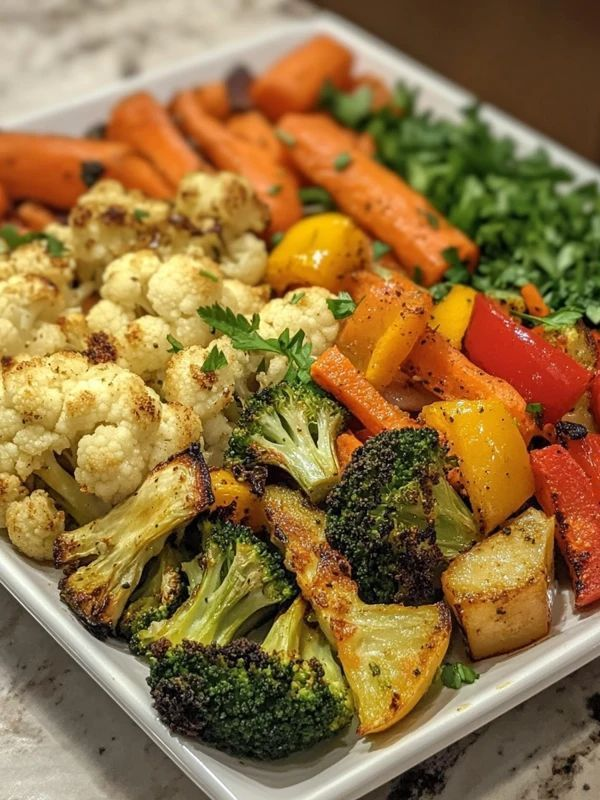
Bake cauliflower, broccoli, carrots, zucchini, and bell peppers with olive oil and mild seasonings. Once tender, arrange them on a serving plate and serve with a dip or sauce.
13. Vegetable Taco Platter
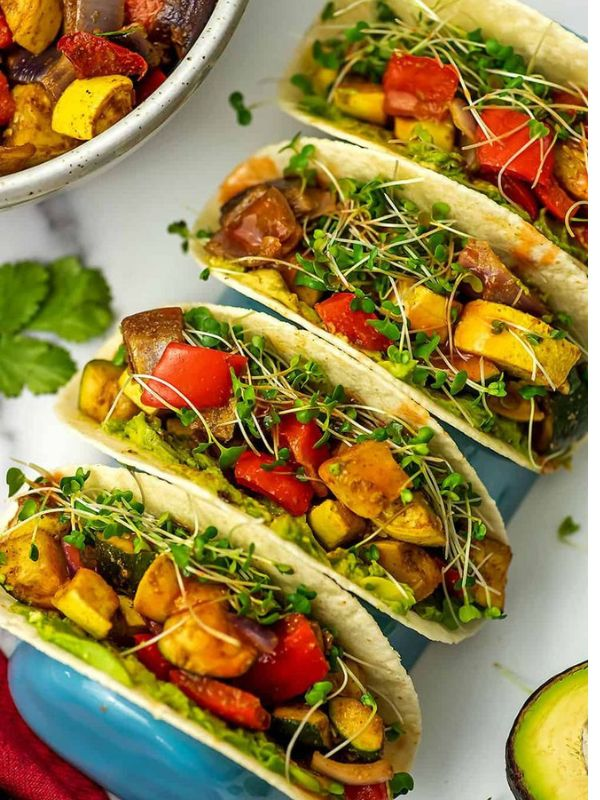
Arrange cooked peppers, onions, corn, tomatoes, lettuce, cucumber, and avocado on a large platter. Serve with tortillas, beans, cheese, and salsa so everyone can build their own vegetable tacos.
14. Vegetable and Egg Platter
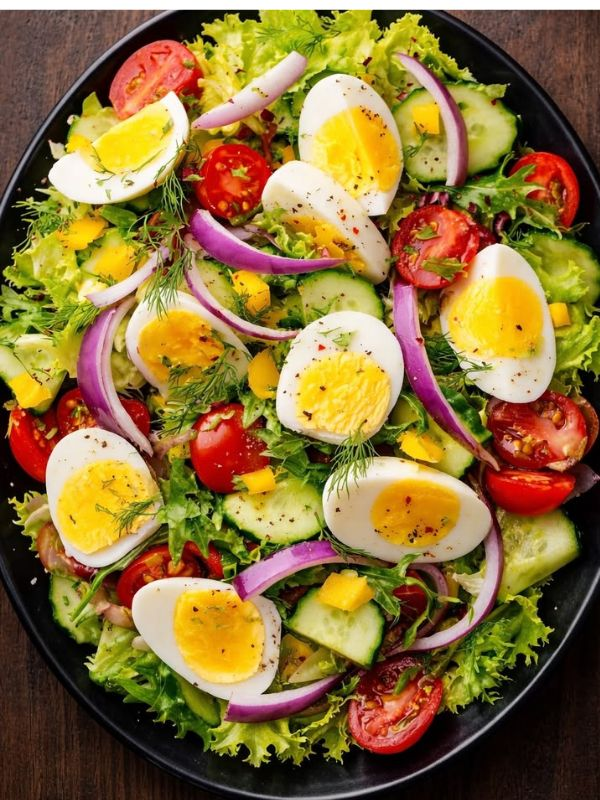
Combine boiled eggs with fresh and roasted vegetables. Arrange cucumber, tomatoes, carrots, peppers, broccoli, and egg halves on a large platter. Add a simple dressing or yoghurt dip for extra flavour.
15. Warm Vegetable and Potato Platter
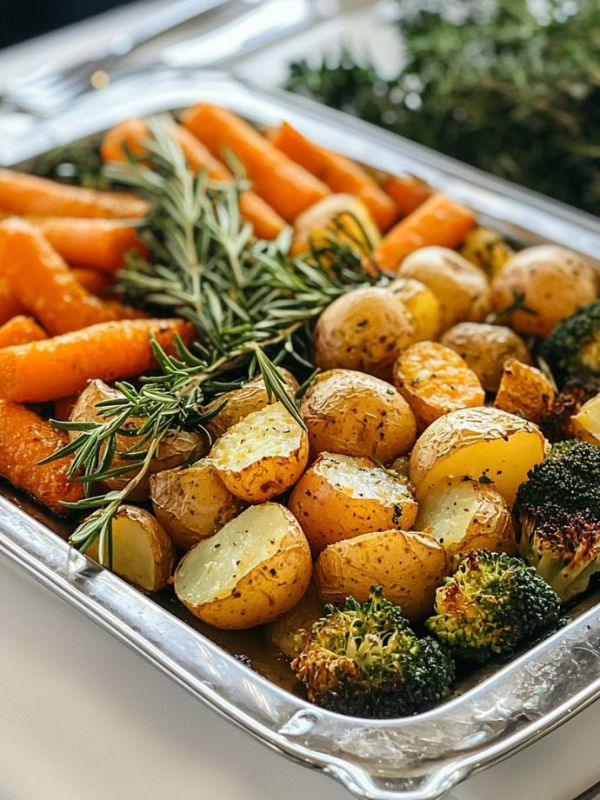
Roast baby potatoes with carrots, peppers, zucchini, and onions. Arrange everything on a large platter and serve with grilled chicken, fish, or a creamy dipping sauce.
16. Vegetarian Dinner Platter
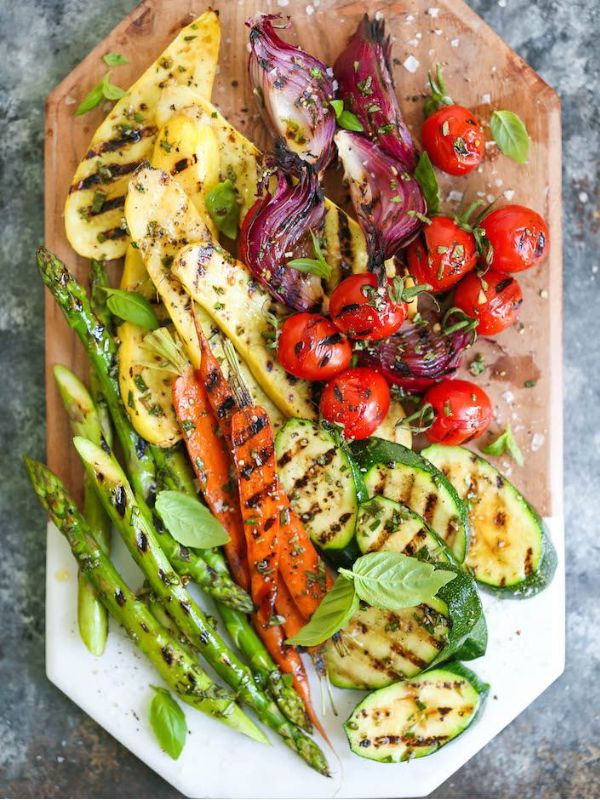
Create a filling meat-free platter with roasted vegetables, hummus, cheese, chickpeas, pita bread, cucumber, and tomatoes. Use a variety of colours and textures to make the meal satisfying.
17. Vegetable and Bean Platter
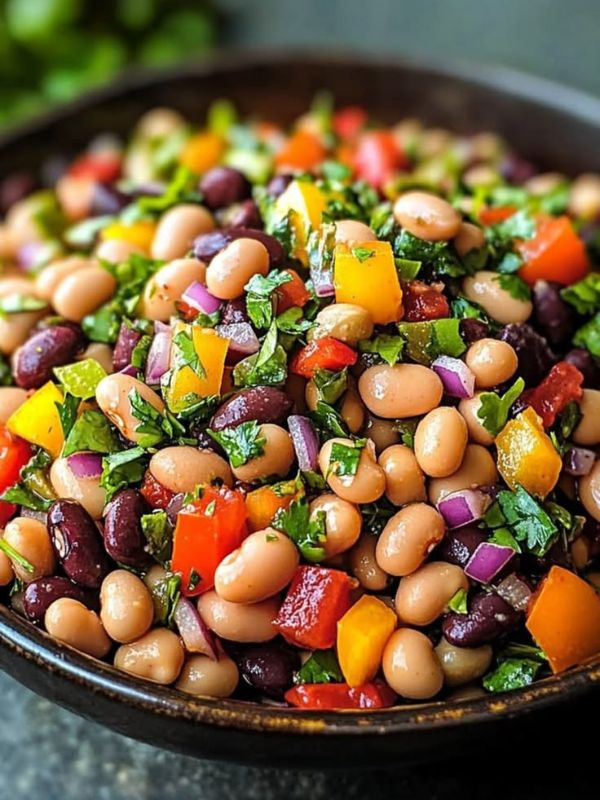
Combine seasoned beans with roasted vegetables such as sweet potatoes, peppers, zucchini, and corn. Add avocado, tomatoes, and a fresh salsa for extra flavour.
18. Vegetable Wrap Platter
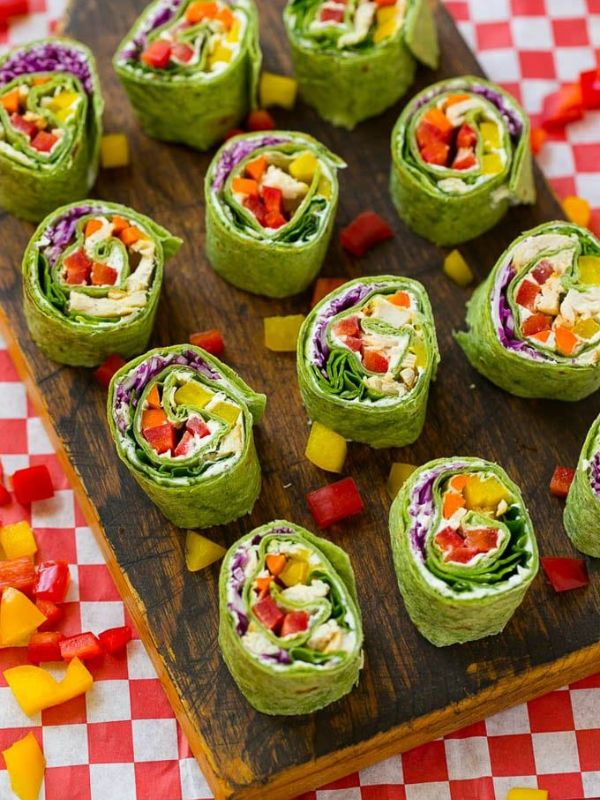
Prepare small wraps filled with grilled vegetables, hummus, lettuce, cucumber, and cheese. Cut them into smaller pieces and arrange them alongside fresh vegetables and a dipping sauce.
19. Sheet Pan Vegetable Platter
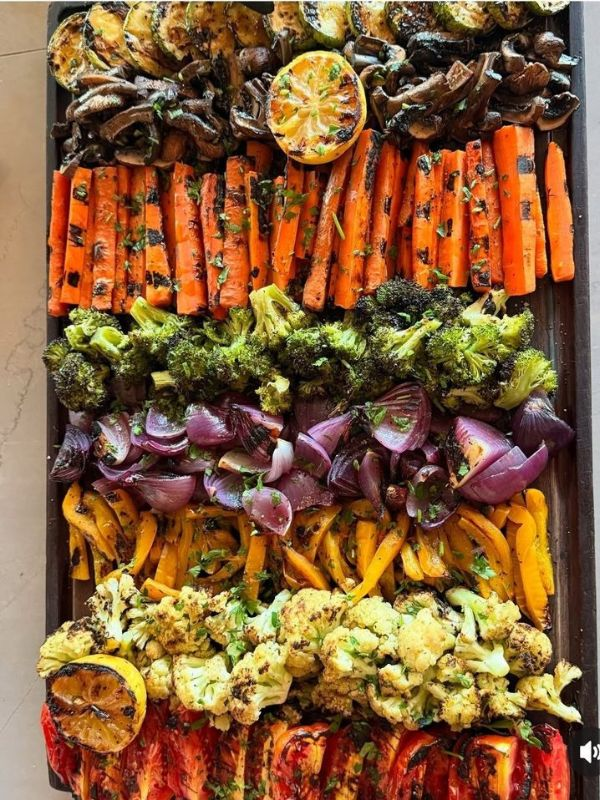
Roast several vegetables together on one sheet pan to save time and dishes. Try broccoli, cauliflower, carrots, zucchini, peppers, and onions. Transfer everything to a serving platter and add your favourite sauce before serving.
20. Ultimate Family Dinner Vegetable Platter
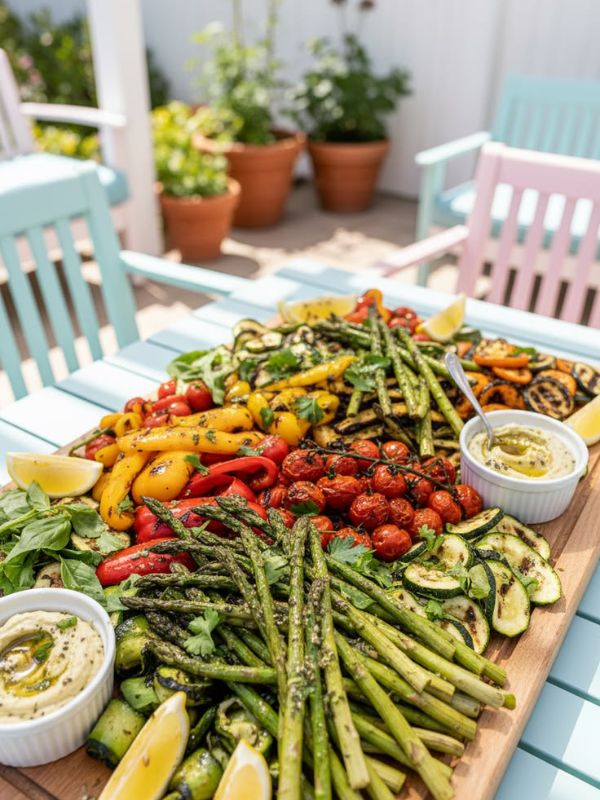
Create a large platter with a mixture of fresh, roasted, and grilled vegetables. Include carrots, cucumber, broccoli, tomatoes, peppers, sweet potatoes, zucchini, and mushrooms. Add hummus, cheese, bread, and your choice of chicken, fish, eggs, or beans.
Dinner vegetable platters are easy to customise based on what you have available. For a more satisfying meal, combine several types of vegetables with a protein, healthy dip, grains, potatoes, or bread. This gives everyone different flavours and textures while making dinner feel more colourful and inviting.
Healthy Vegetable Platter Ideas
A healthy vegetable platter is an easy way to add more fresh produce to your meals while keeping your food colourful and appealing. You can serve one as a party appetiser, family snack, side dish, or even as part of a light dinner.
The best healthy vegetable platters combine different colours, textures, and flavours. Add a nutritious dip such as hummus or Greek yoghurt dip to make the vegetables more enjoyable and filling.
1. Fresh Rainbow Vegetable Platter
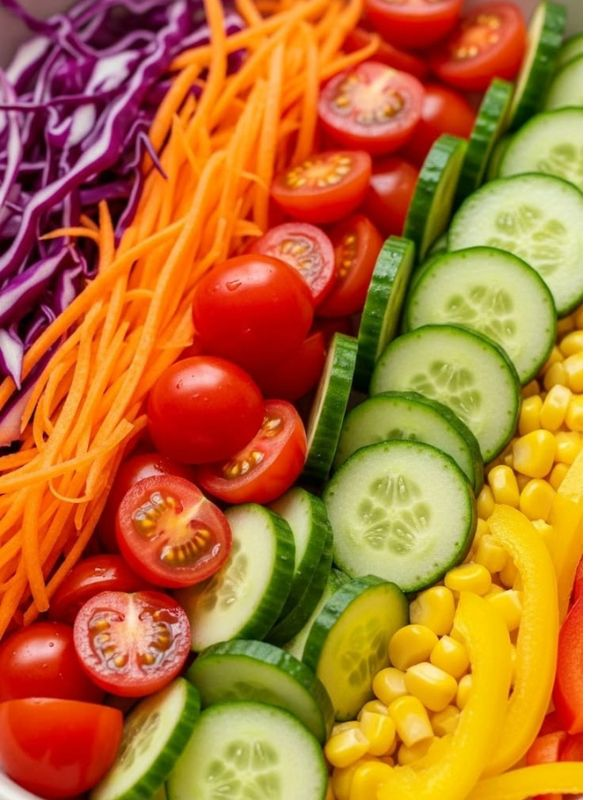
Create a colourful platter with carrots, cucumber, cherry tomatoes, yellow peppers, broccoli, and purple cabbage. Arrange the vegetables by colour to create a rainbow effect and serve with hummus.
2. Hummus and Vegetable Platter
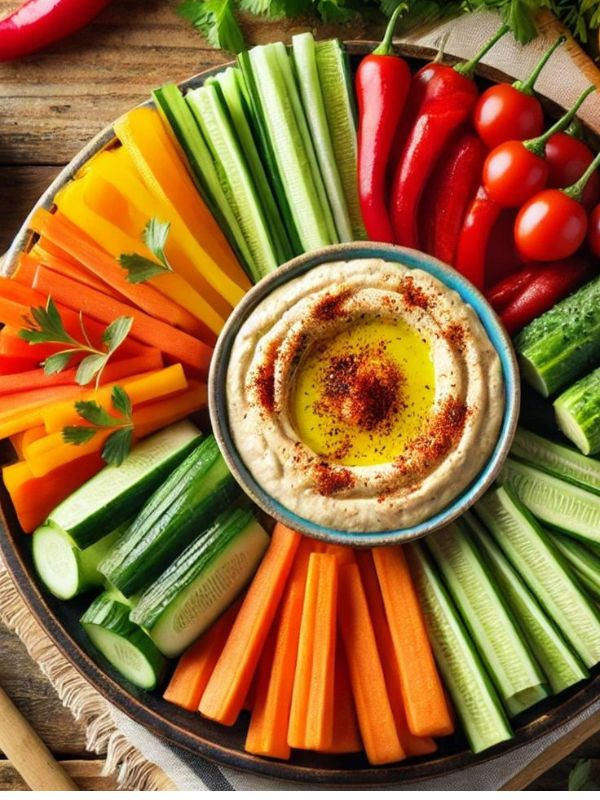
Place a bowl of hummus in the centre of a large plate. Surround it with cucumber, carrots, bell peppers, broccoli, cauliflower, and snap peas. Add whole-grain crackers or pita for extra substance.
3. Green Vegetable Platter
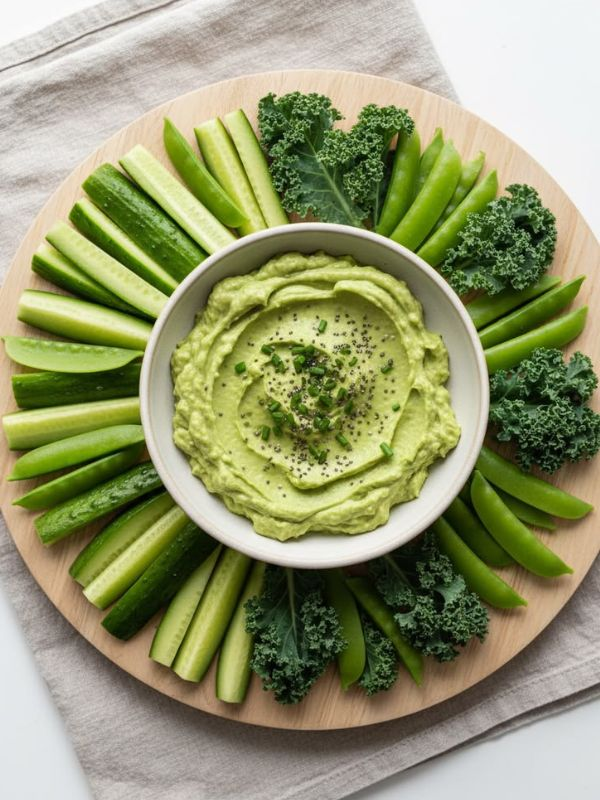
Focus on green vegetables such as cucumber, broccoli, celery, snap peas, zucchini, and avocado. Arrange them neatly on a platter and serve with a light yoghurt and herb dip.
4. Colourful Crunchy Vegetable Platter
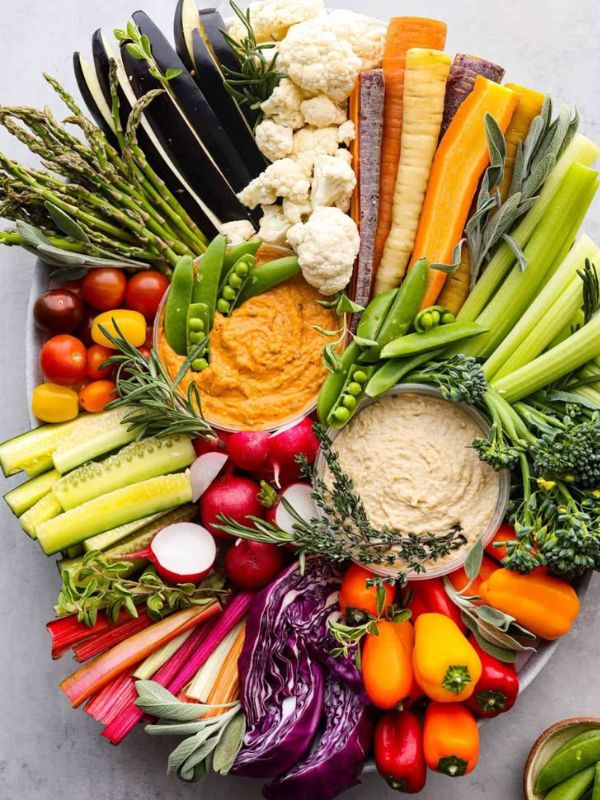
Combine vegetables with different textures, including crunchy carrots, celery, cucumber, radishes, bell peppers, and snap peas. Add a homemade yoghurt dip for a refreshing snack.
5. Vegetable and Greek Yogurt Dip Platter
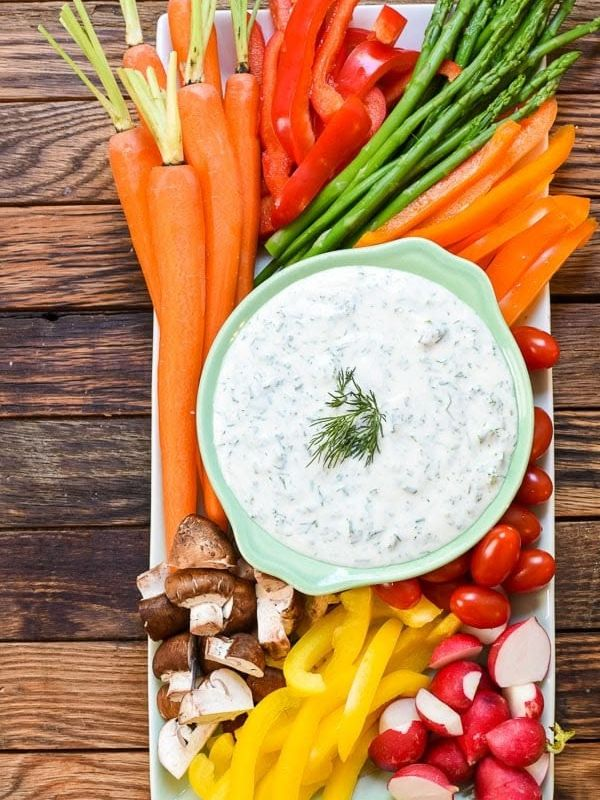
Arrange fresh vegetables such as carrots, cucumbers, peppers, tomatoes, and broccoli around a bowl of Greek yoghurt dip. Season the dip with herbs and a little lemon juice for extra flavour.
6. Roasted Vegetable Platter
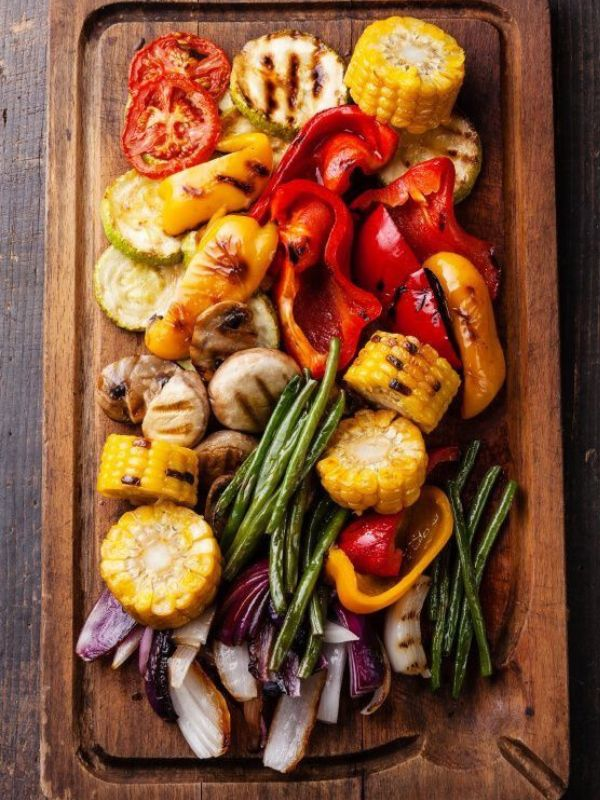
Roast broccoli, cauliflower, carrots, zucchini, and bell peppers with a small amount of olive oil and your favourite herbs. Serve the vegetables warm or at room temperature with hummus or a light sauce.
7. Vegetable and Avocado Platter
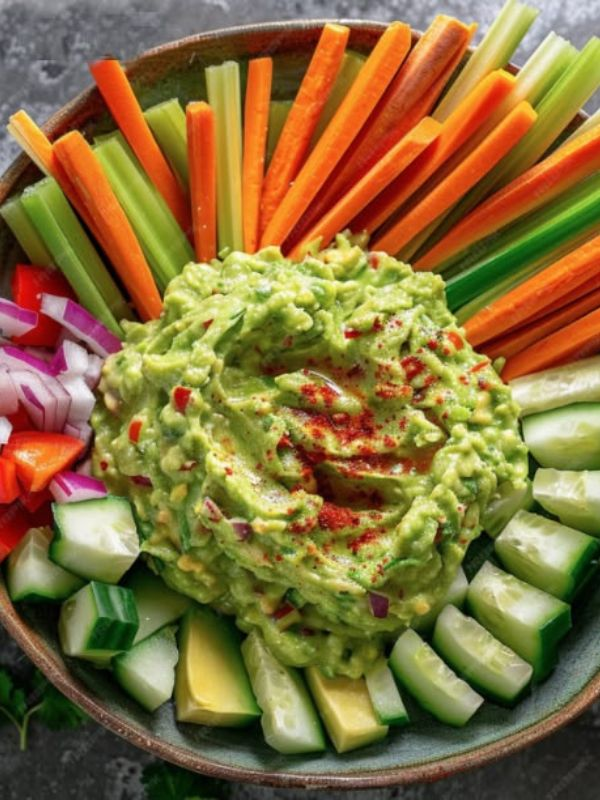
Combine cucumber, cherry tomatoes, bell peppers, carrots, broccoli, and avocado. Add a fresh lime or lemon dressing and serve as a light side dish or snack.
8. Mediterranean Vegetable Platter
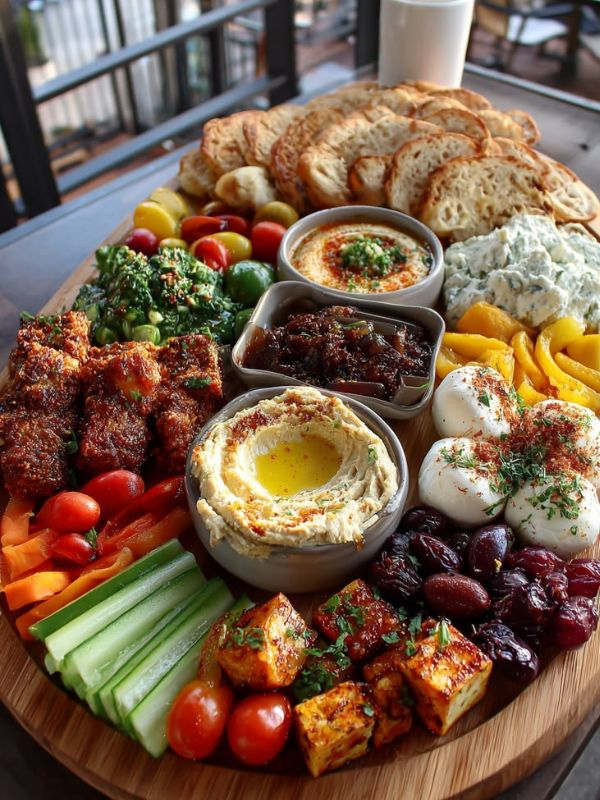
Use cucumber, tomatoes, bell peppers, olives, roasted peppers, and broccoli. Add hummus and a small amount of feta cheese. Serve with whole-grain pita bread for a balanced option.
9. Raw Vegetable Snack Platter
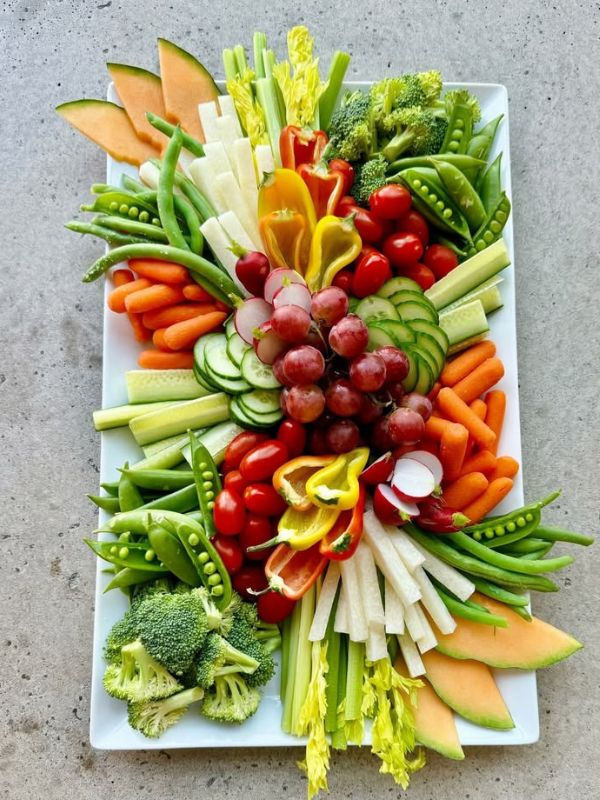
Keep things simple with raw carrots, cucumber, celery, bell peppers, cherry tomatoes, and snap peas. Arrange them in small sections and add hummus or another nutritious dip.
10. Vegetable and Chickpea Platter
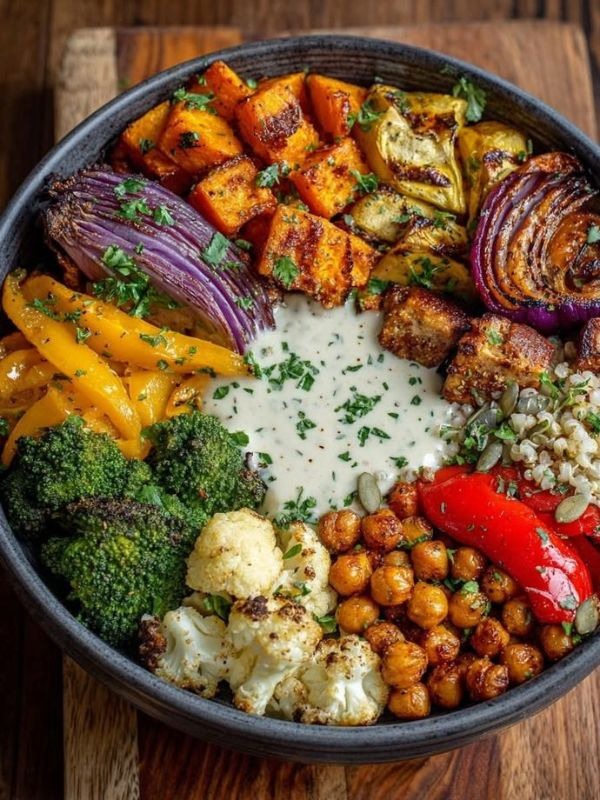
Combine fresh vegetables with seasoned chickpeas for extra protein and fibre. Add cucumber, tomatoes, carrots, peppers, and broccoli, then serve with hummus or a light dressing.
11. Healthy Rainbow Skewers
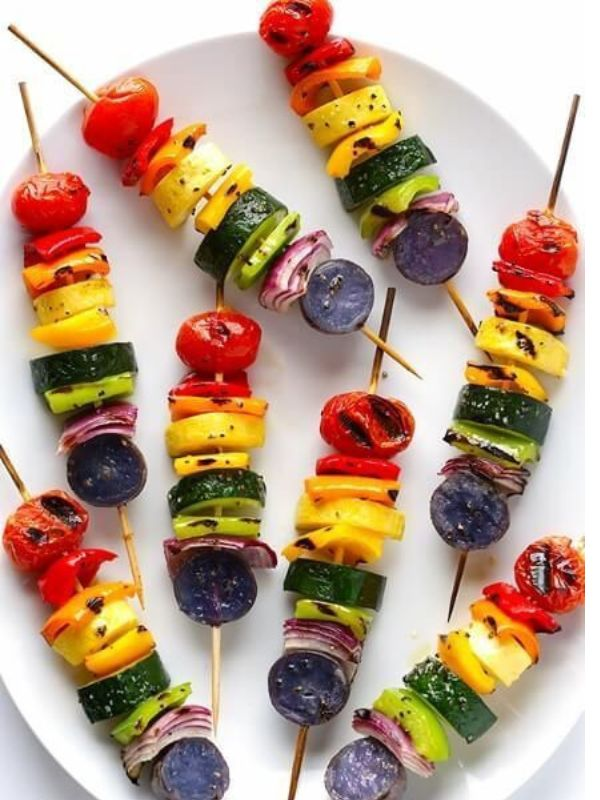
Place colourful vegetables such as cherry tomatoes, cucumber, yellow peppers, and carrots onto suitable food picks. Arrange the skewers on a platter and serve with hummus or yoghurt dip.
12. Steamed Vegetable Platter
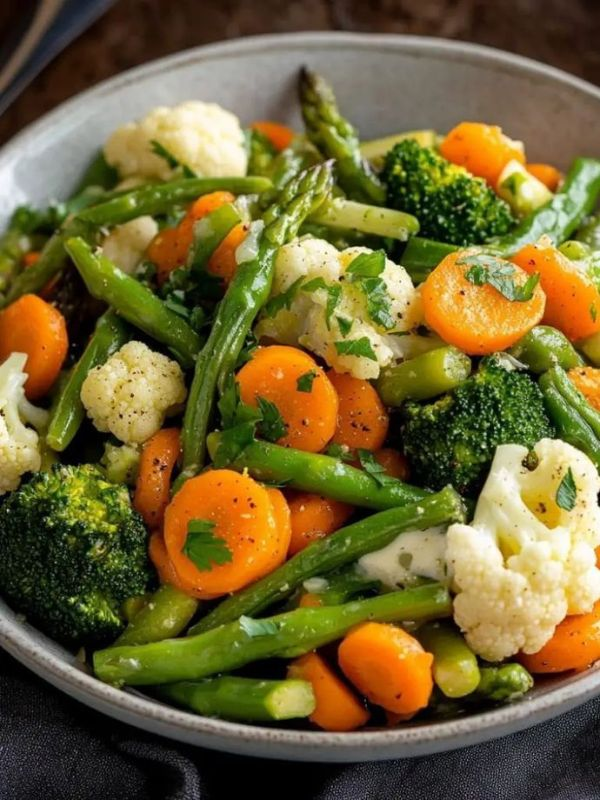
Lightly steam broccoli, cauliflower, carrots, green beans, and zucchini until tender but still slightly crisp. Arrange them on a serving plate and season lightly with herbs and lemon.
13. Vegetable and Egg Platter
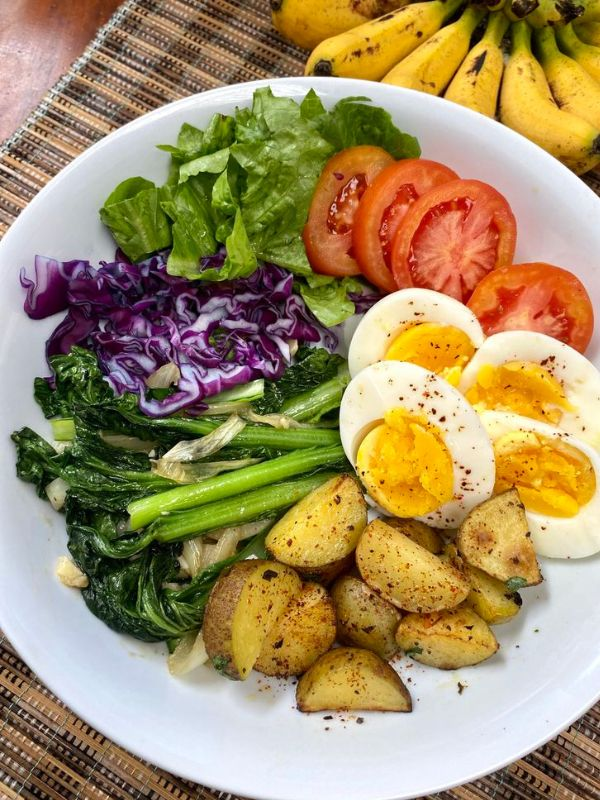
Add boiled eggs to a fresh vegetable platter for extra protein. Arrange eggs alongside cucumber, tomatoes, carrots, peppers, and broccoli. Serve with a light yogurt-based dip.
14. Healthy Vegetable Garden Platter
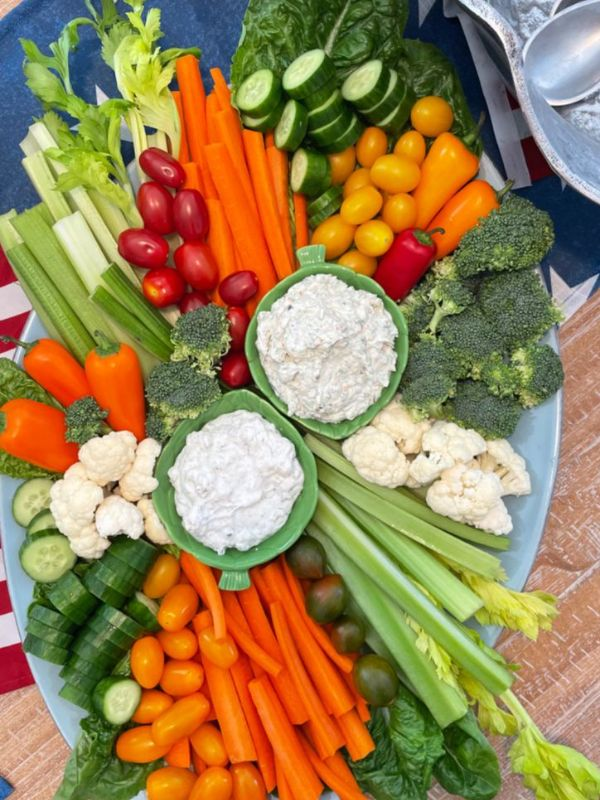
Create a garden-inspired arrangement using broccoli, cucumber, carrots, snap peas, tomatoes, and peppers. Add hummus in the middle and use fresh herbs as simple decoration.
15. Vegetable and Nut Platter
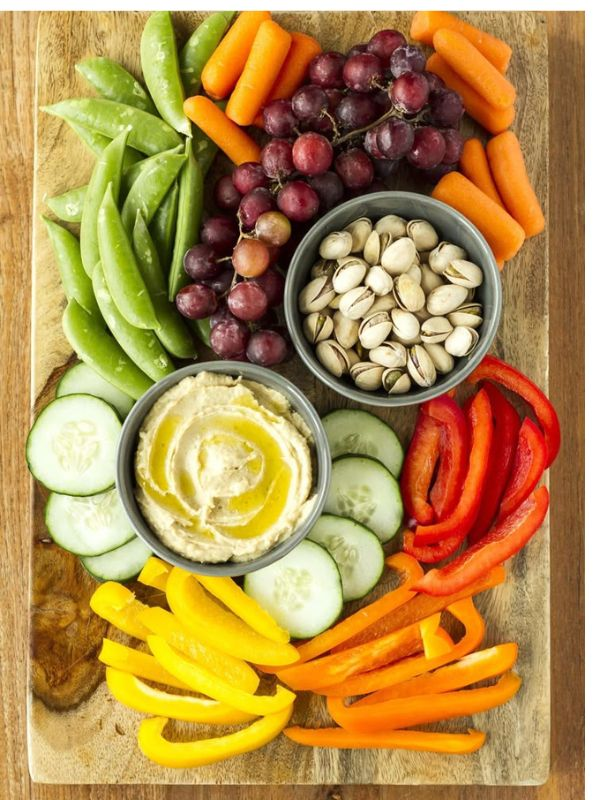
Arrange carrots, cucumber, peppers, broccoli, and cherry tomatoes on a large board. Add a small portion of nuts or seeds and a bowl of hummus for healthy fats and extra texture.
16. Sweet Potato and Vegetable Platter
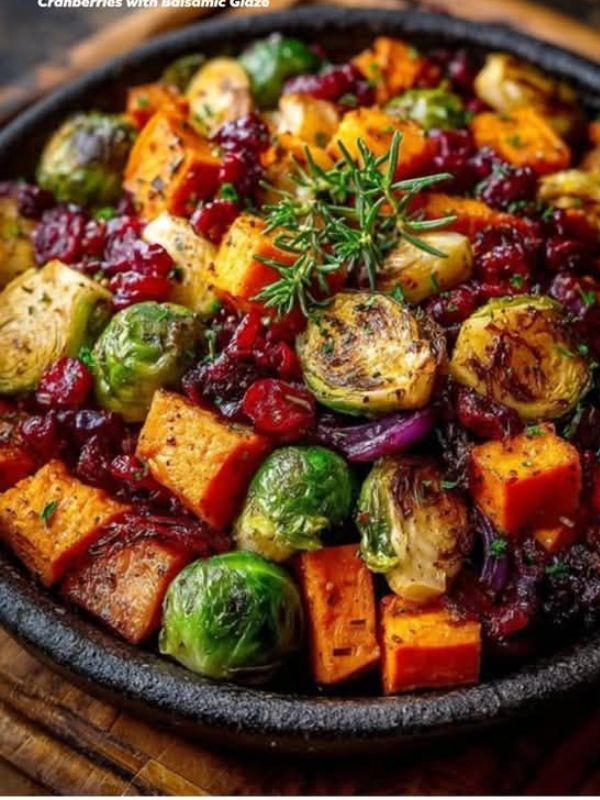
Roast sweet potato cubes with broccoli, carrots, zucchini, and bell peppers. Arrange them together on a platter and add a light yoghurt or tahini-style sauce.
17. Vegetable Salad Platter
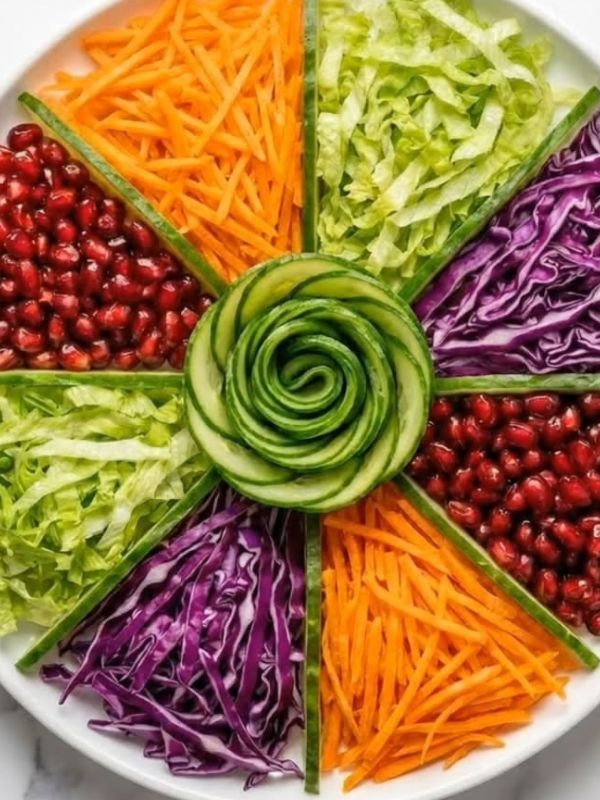
Instead of mixing everything into a bowl, arrange lettuce, cucumber, tomatoes, carrots, peppers, avocado, and other vegetables in separate sections on a large plate. Let everyone choose what they want and add their preferred dressing.
18. Healthy Vegetable and Bean Platter
Combine fresh vegetables with beans or chickpeas. Add cucumber, tomatoes, carrots, bell peppers, and avocado, then serve with a light dressing or hummus.
19. No-Cook Healthy Vegetable Platter
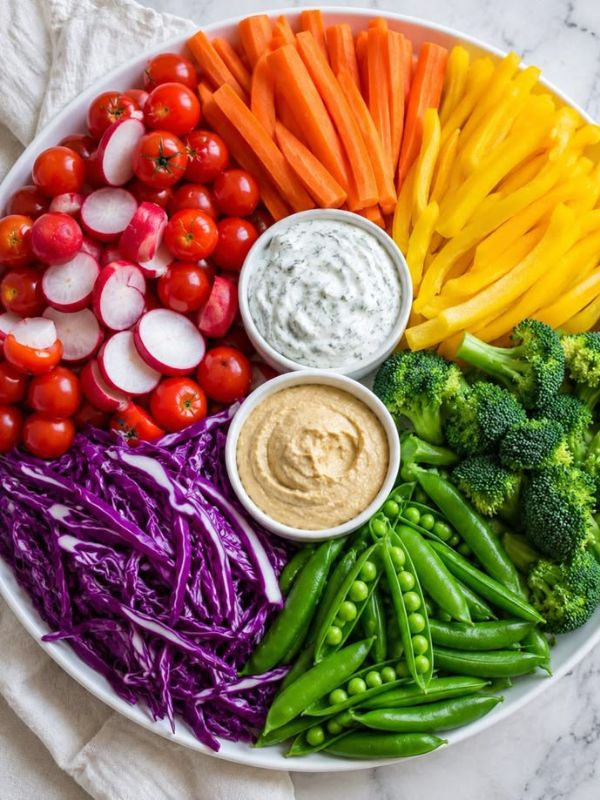
For a quick option, use vegetables that require no cooking. Arrange cucumber, carrots, tomatoes, peppers, celery, snap peas, and radishes on a platter. Add hummus and enjoy immediately.
20. Ultimate Healthy Vegetable Platter
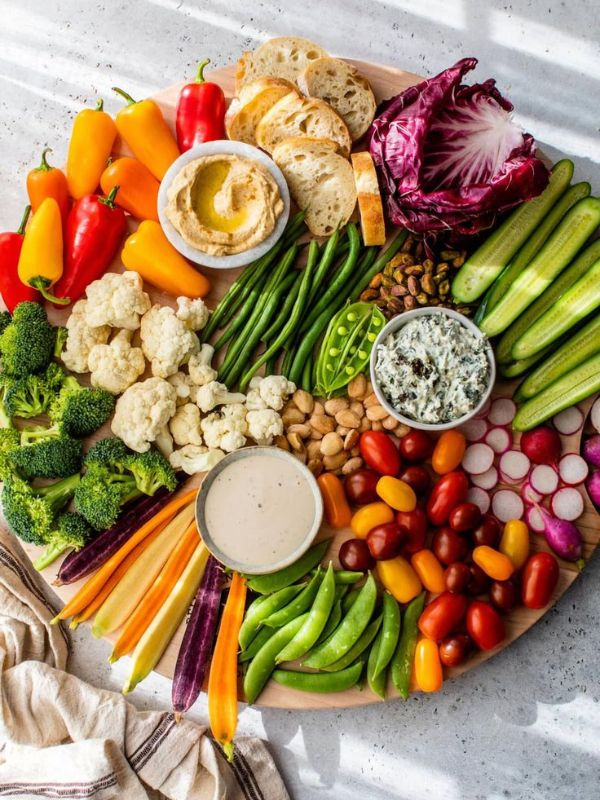
Create a large platter with a mixture of raw and cooked vegetables. Include carrots, cucumber, broccoli, cauliflower, peppers, tomatoes, sweet potatoes, zucchini, and snap peas. Add hummus, Greek yoghurt dip, or guacamole in small bowls.
To keep your vegetable platter healthy, focus on a variety of fresh vegetables and choose dips that complement them without overwhelming the dish. Mixing raw, roasted, and lightly steamed vegetables can also give your platter different flavours and textures while keeping it interesting.
Easy Vegetable Platter Ideas
You don’t need a long list of ingredients or complicated recipes to make a beautiful vegetable platter. A few fresh vegetables, a simple dip, and a nice arrangement are often enough. These easy vegetable platter ideas are perfect when you need something quick for a party, family meal, snack, or gathering.
1. Carrot and Cucumber Platter
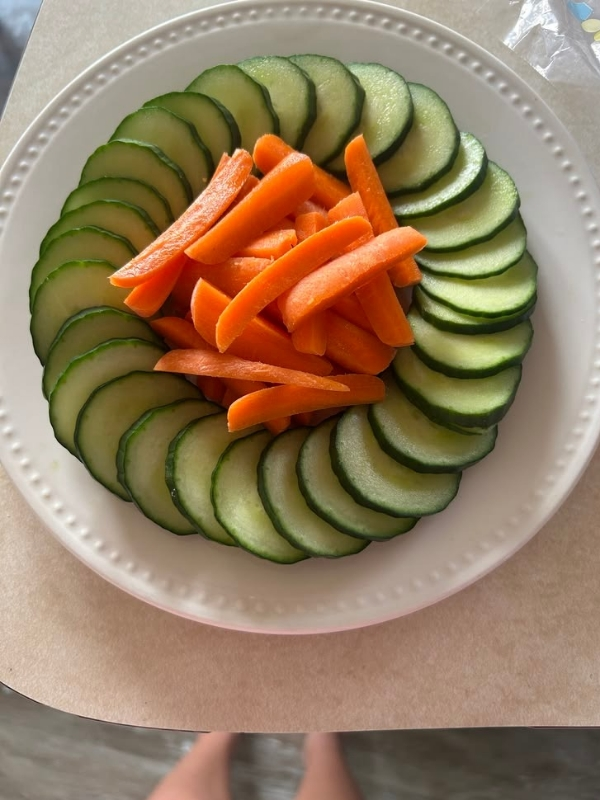
Slice carrots and cucumbers into sticks and arrange them in separate sections on a plate. Add a small bowl of ranch, hummus, or yogurt dip in the center. This is one of the easiest combinations to prepare.
2. Classic Three Vegetable Platter
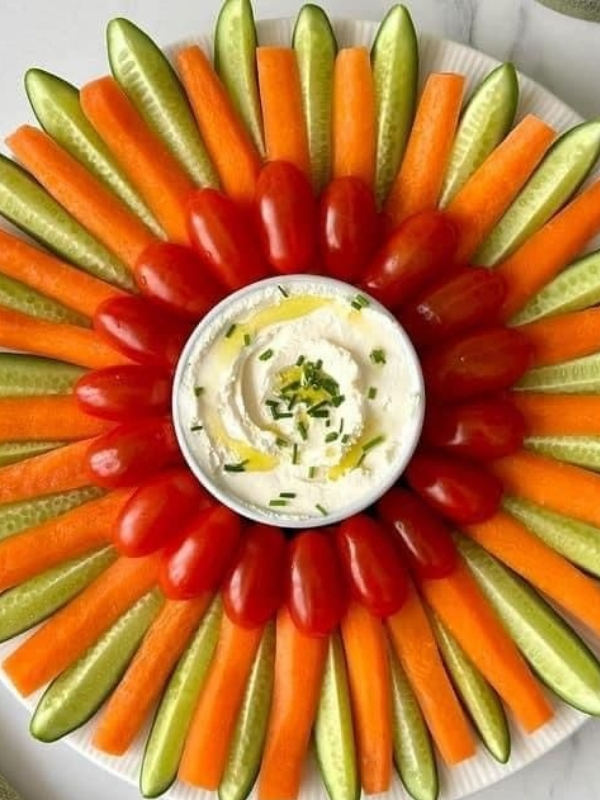
Combine carrots, cucumber, and cherry tomatoes. Cut the carrots and cucumber into bite sized sticks or slices and place the tomatoes around them. Serve with your favorite dip.
3. Broccoli and Cauliflower Platter
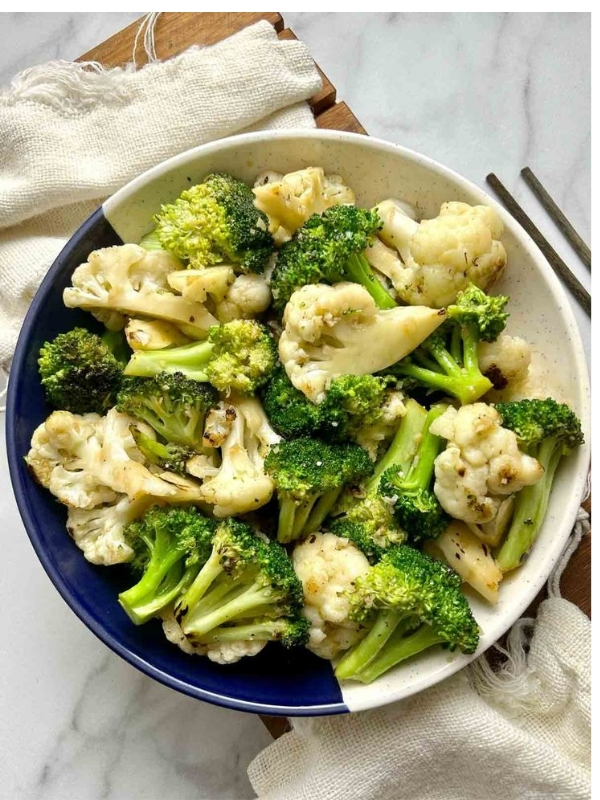
Use fresh broccoli and cauliflower florets for a simple crunchy platter. Arrange them in alternating sections and add ranch or hummus in a small bowl.
4. Rainbow Pepper Platter
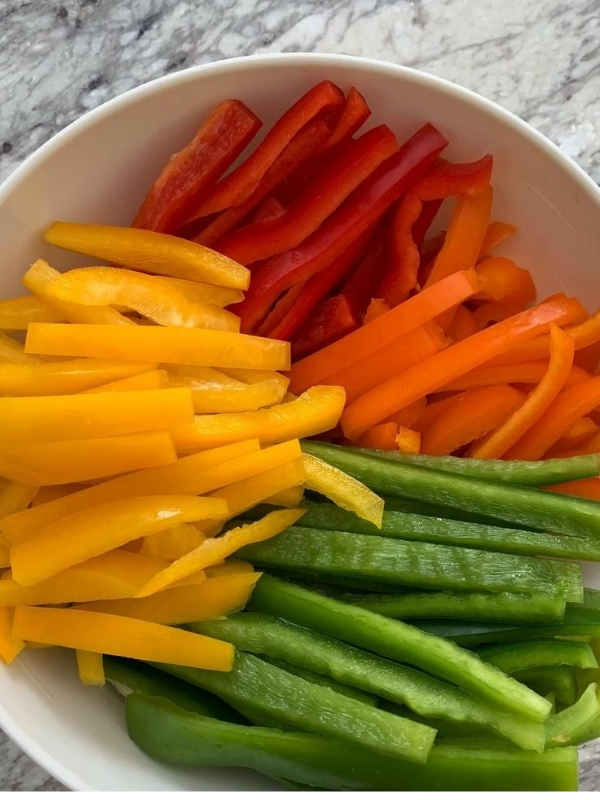
Slice red, yellow, orange, and green bell peppers into thin strips. Arrange them in color groups around a bowl of hummus. The different colors make this simple platter look beautiful.
5. Cucumber and Tomato Platter
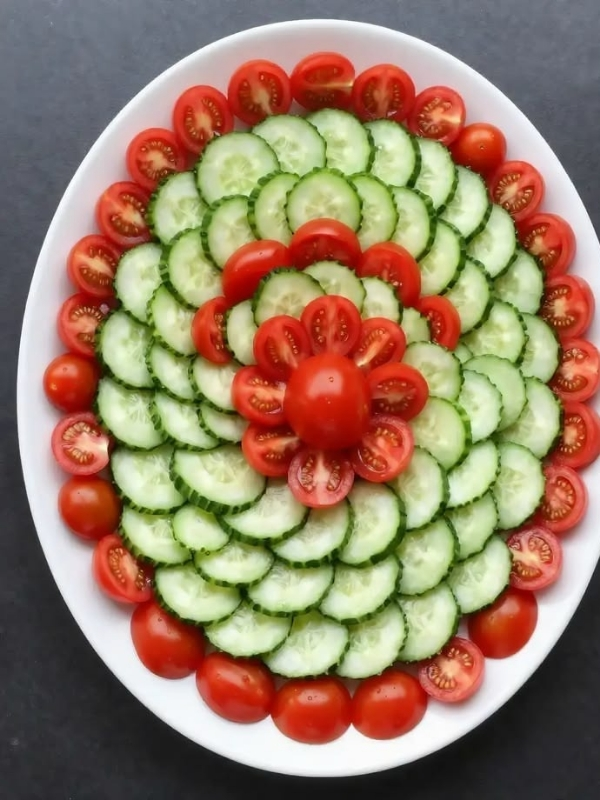
Slice cucumbers and cherry tomatoes and arrange them in alternating rows. Add a light dressing, hummus, or yogurt dip on the side for extra flavor.
6. Carrot and Celery Platter
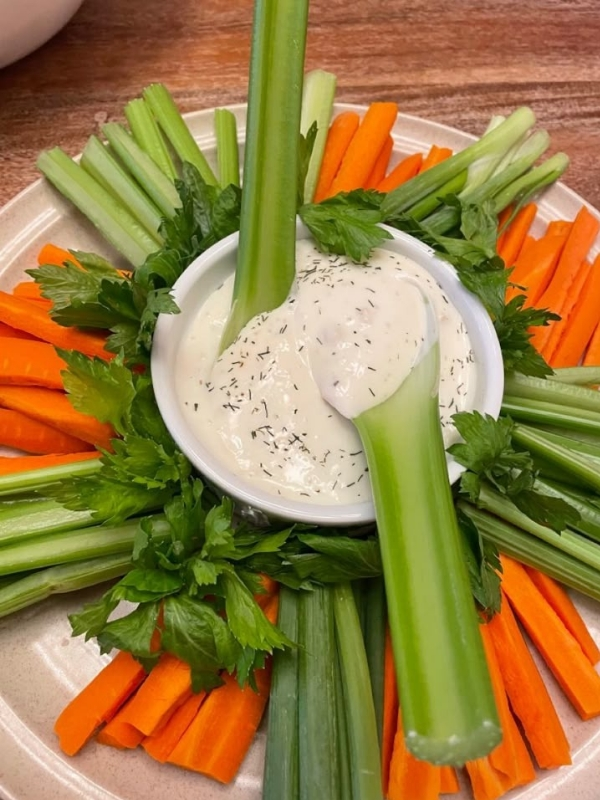
Cut carrots and celery into sticks and place them side by side on a serving plate. Add ranch dressing or another creamy dip. This combination is especially easy to prepare for parties.
7. No Cook Vegetable Platter
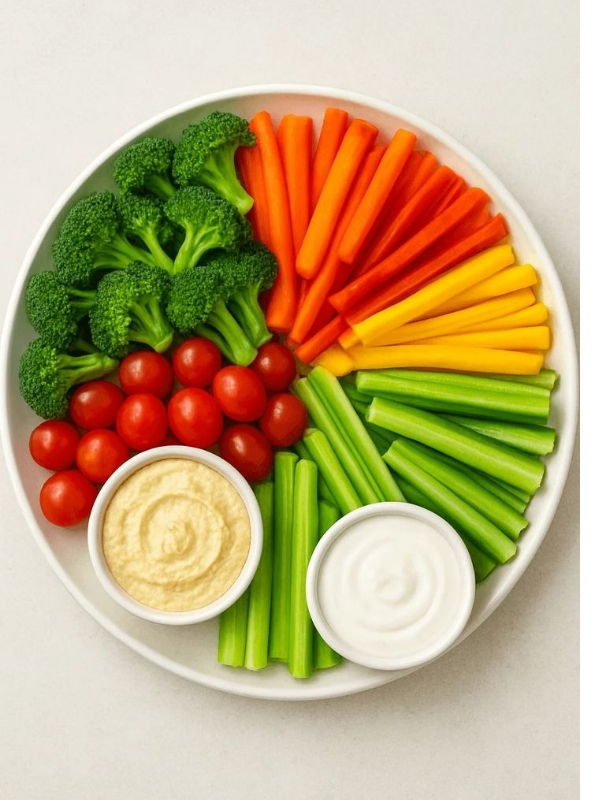
Choose vegetables that require no cooking, such as cucumber, carrots, cherry tomatoes, bell peppers, snap peas, and radishes. Wash, cut, arrange, and serve with hummus.
8. Store Bought Dip Vegetable Platter
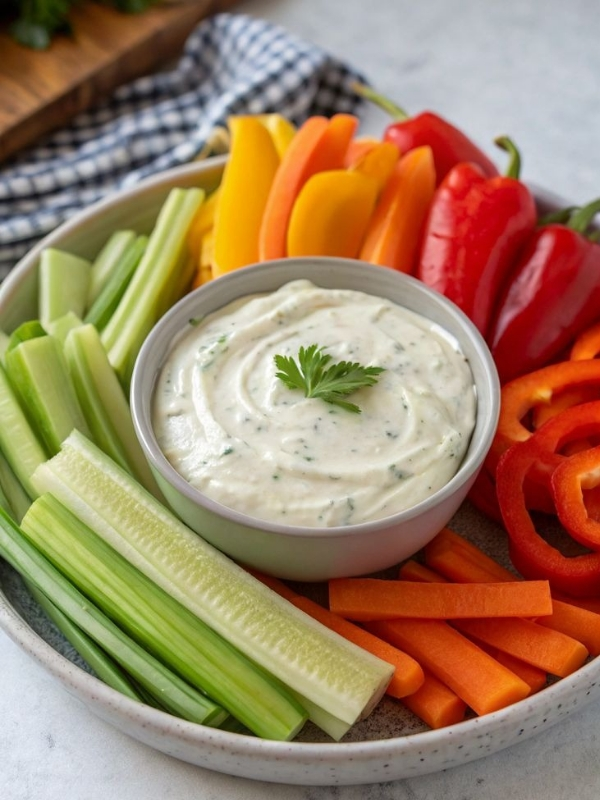
Save time by using your favorite ready made dip. Arrange carrots, cucumber, broccoli, peppers, and tomatoes around the dip. This gives you a fresh party snack without needing to prepare a homemade sauce.
9. Mini Vegetable Cups
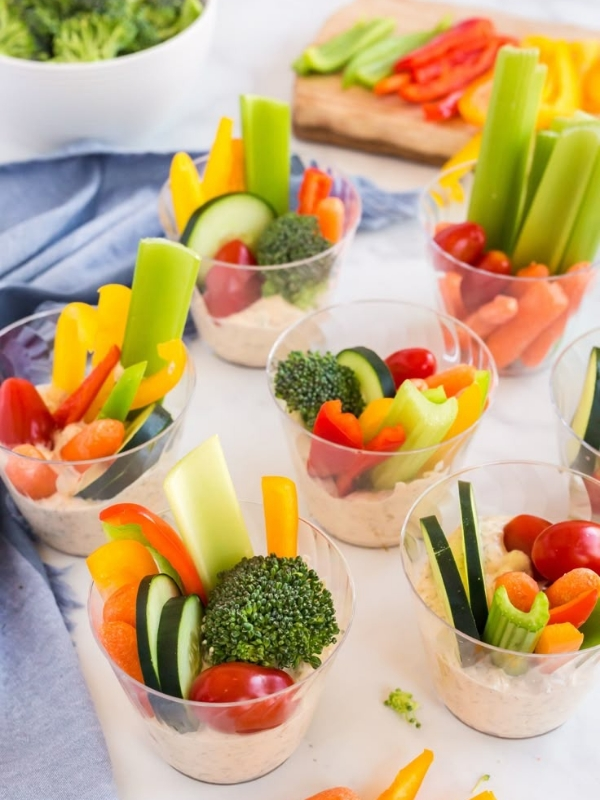
Instead of one large platter, place carrot sticks, cucumber, celery, and bell pepper strips into individual cups. Add a small amount of hummus or ranch at the bottom of each cup.
10. Cucumber, Pepper, and Carrot Platter
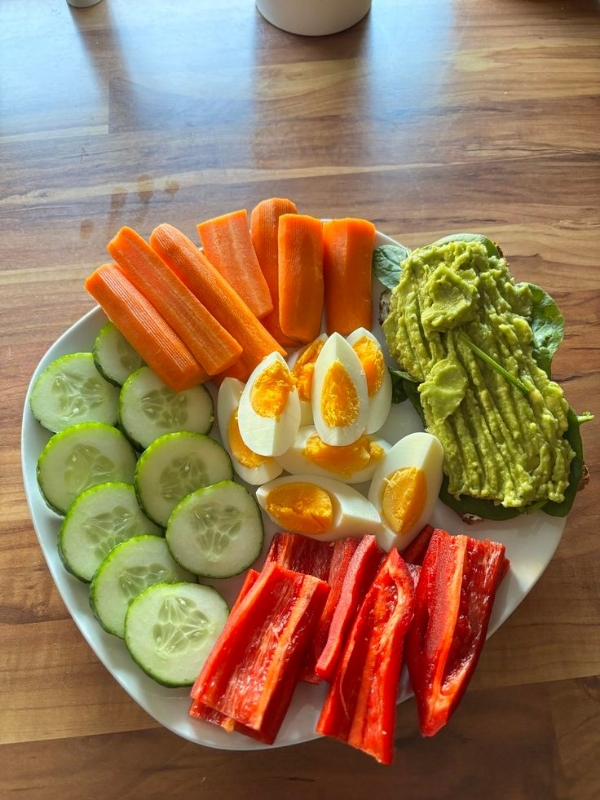
Cut cucumber into rounds, carrots into sticks, and peppers into strips. Arrange the three vegetables in separate sections and add a bowl of dip. This colorful combination takes only a few minutes to prepare.
11. Tomato and Cucumber Garden Platter
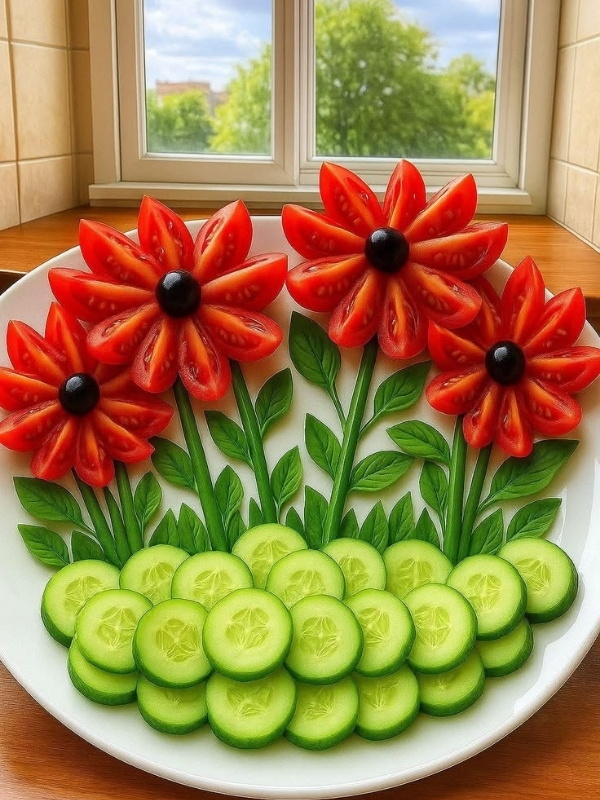
Arrange cucumber slices in a circle and place cherry tomatoes between them. Add fresh herbs for a simple garden inspired look and serve with a light dip.
12. Simple Vegetable and Cheese Platter
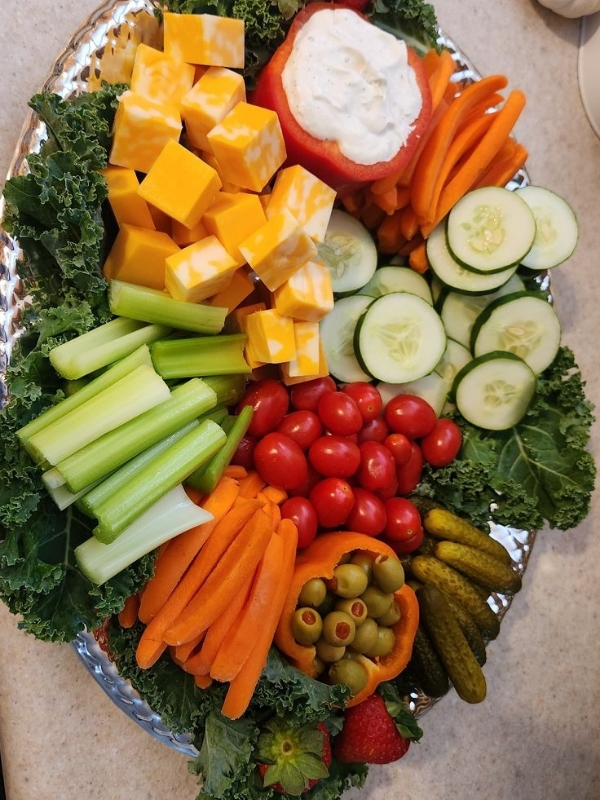
Combine cucumber, carrots, cherry tomatoes, and bell peppers with cubes of cheese. Add crackers and a small bowl of hummus or ranch to make it more filling.
13. Hummus and Veggie Platter
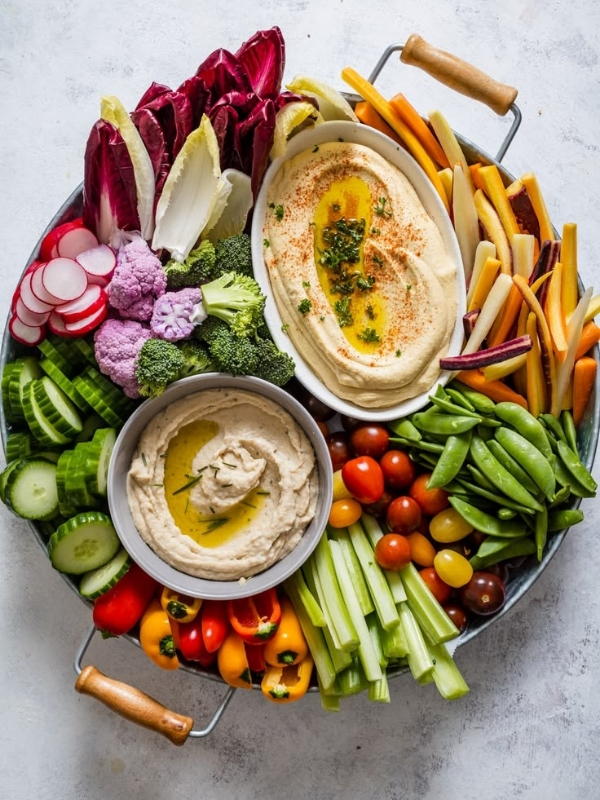
Place a generous bowl of hummus in the center of a large plate. Surround it with cucumber, carrots, peppers, broccoli, and snap peas. You can add pita bread if you want something more substantial.
14. Quick Party Vegetable Tray
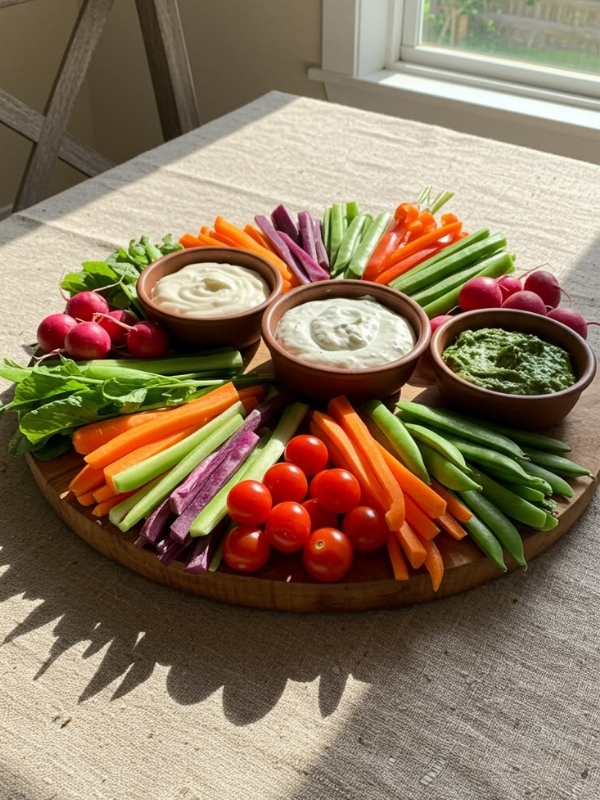
Use pre washed or ready to eat vegetables when you are short on time. Arrange baby carrots, cherry tomatoes, cucumber slices, broccoli, and bell pepper strips on a tray and add one or two dips.
15. Three Dip Vegetable Platter
Choose three simple dips such as hummus, ranch, and guacamole. Place them in small bowls across a large platter and arrange carrots, cucumber, peppers, tomatoes, and broccoli around them.
16. Simple Rainbow Vegetable Tray
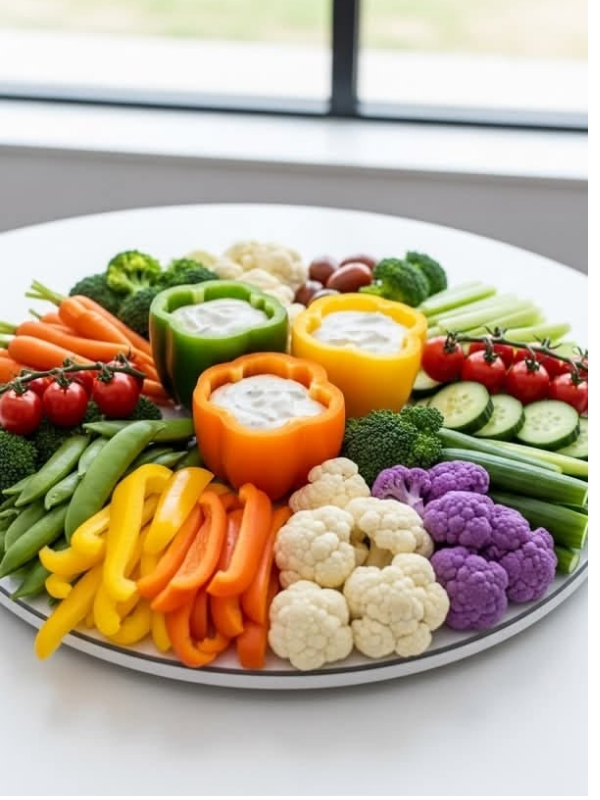
Arrange red tomatoes, orange carrots, yellow peppers, green cucumber and broccoli, and purple cabbage in colorful sections. Add hummus or ranch in the middle for an attractive but easy presentation.
17. Vegetable Snack Board
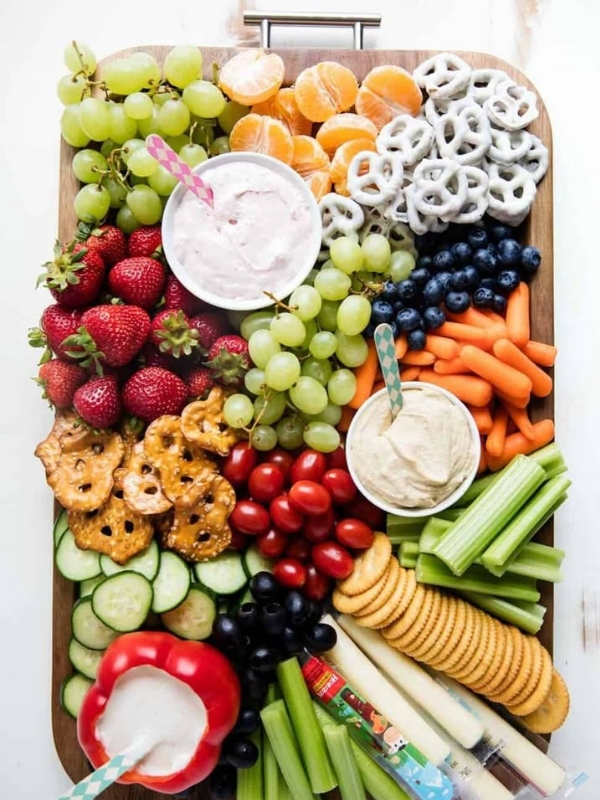
Use a wooden board instead of a traditional plate. Add cucumber, carrots, peppers, tomatoes, broccoli, and celery. Place a bowl of dip in the center and fill any empty spaces with crackers.
18. Quick Vegetable and Hummus Cups
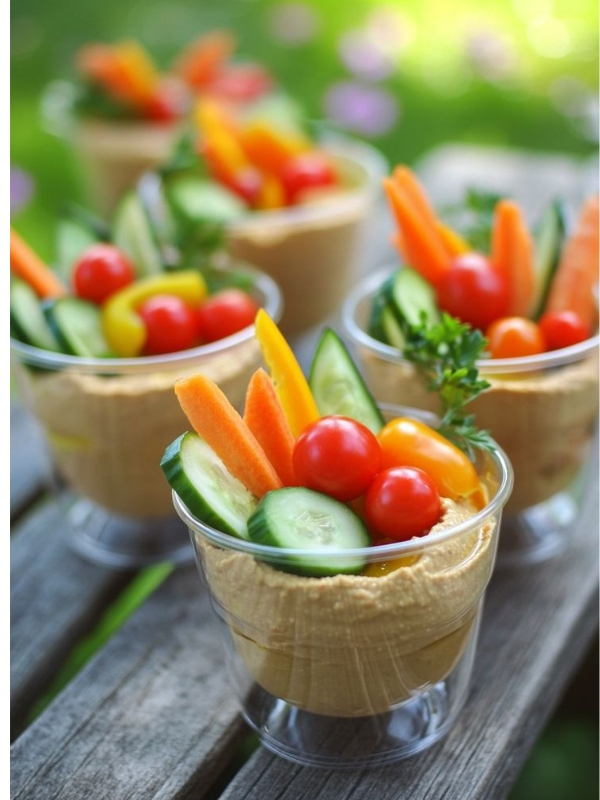
Fill small cups with cucumber sticks, carrots, peppers, and cherry tomatoes. Add hummus to each cup or place a small dip container beside each serving. These are convenient for parties and gatherings.
19. Simple Mediterranean Platter
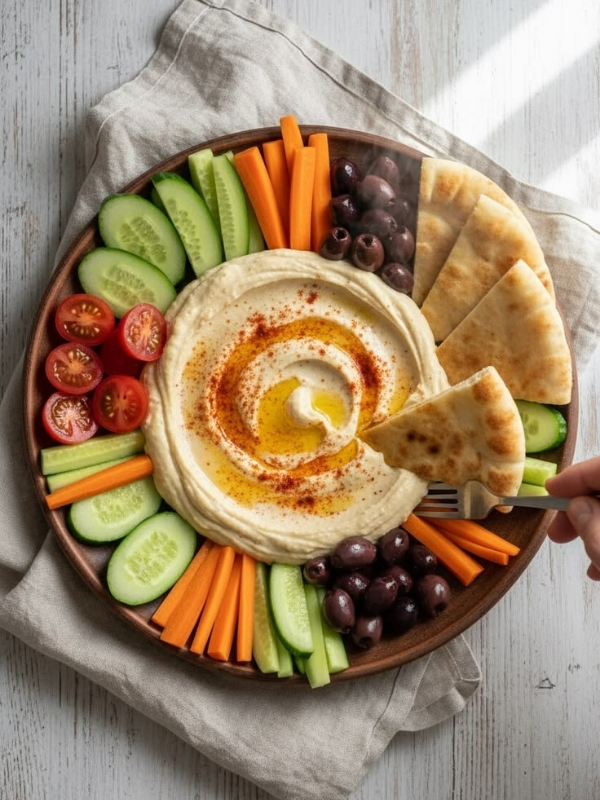
Combine cucumber, tomatoes, bell peppers, olives, and a few pieces of cheese. Add hummus or tzatziki and serve with pita bread. There is very little preparation involved, but the platter feels more substantial.
20. Five Vegetable Platter
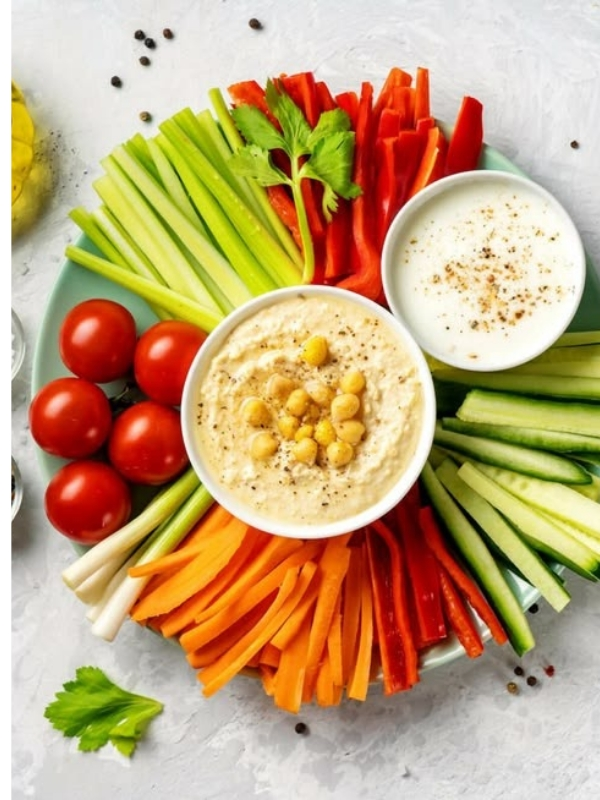
Keep your shopping list simple with five vegetables such as carrots, cucumber, broccoli, bell peppers, and cherry tomatoes. Cut everything into easy-to-eat pieces, arrange each vegetable in its own section, and place your favorite dip in the center.
These easy vegetable platter ideas prove that you don’t need complicated recipes to serve something fresh and attractive. Choose a few vegetables, add a flavorful dip, and arrange everything neatly on a tray. With just a little effort, you can create a platter that works for almost any occasion.
Vegetable Platter Ideas With Dip
A good dip can make a simple vegetable platter much more enjoyable. It adds extra flavor and gives guests something creamy or refreshing to pair with crunchy vegetables. You can use one dip for a simple platter or offer several options for a party.
Here are 20 vegetable platter ideas with dip to try.
1. Classic Veggie Platter With Ranch
Arrange carrots, cucumber, celery, broccoli, cauliflower, cherry tomatoes, and bell peppers around a bowl of ranch dressing. Keep the vegetables in separate sections so the platter looks colorful and organized.
2. Hummus and Fresh Vegetable Platter
Place a bowl of hummus in the center of a large serving plate. Surround it with carrots, cucumber, bell peppers, broccoli, snap peas, and cherry tomatoes. Add pita bread for a more filling option.
3. Vegetable Platter With Guacamole
Serve cucumber, carrots, bell peppers, cherry tomatoes, and celery with a bowl of guacamole in the center. Add tortilla chips if you want to turn it into a larger party snack.
4. Greek Yogurt Vegetable Platter
Make a simple dip with Greek yogurt, herbs, lemon juice, and mild seasonings. Serve it alongside carrots, cucumbers, peppers, radishes, and broccoli for a fresh and creamy combination.
5. Vegetable Platter With Tzatziki
Pair cucumber, carrots, bell peppers, tomatoes, broccoli, and snap peas with tzatziki. Add pita bread and olives for a Mediterranean inspired platter.
6. Cream Cheese Vegetable Platter
Place a bowl of softened cream cheese dip in the middle of the tray. Arrange carrots, celery, cucumber, peppers, and cherry tomatoes around it. This works well for breakfast gatherings, brunches, and casual parties.
7. Three Dip Vegetable Platter
Give guests more choices by using three dips. Try ranch, hummus, and guacamole. Arrange carrots, cucumber, broccoli, cauliflower, peppers, tomatoes, and celery around the dips.
8. Spicy Dip and Vegetable Platter
For adults who enjoy a little heat, serve fresh vegetables with a spicy yogurt dip, pepper dip, or another favorite spicy sauce. Use cucumber, carrots, peppers, tomatoes, and celery to balance the heat.
9. Honey Mustard Vegetable Platter
Serve crunchy vegetables such as carrots, cucumber, celery, and bell peppers with honey mustard dip. The slightly sweet flavor can make vegetables more appealing to kids and adults.
10. Ranch and Cheese Vegetable Platter
Arrange broccoli, cauliflower, carrots, cucumbers, peppers, and tomatoes alongside ranch dip. Add cubes of cheddar or another favorite cheese for extra flavor and variety.
11. Hummus and Roasted Vegetable Platter
Combine fresh cucumber and tomatoes with roasted carrots, peppers, zucchini, and cauliflower. Add hummus in the center and drizzle it with a little olive oil if desired.
12. Vegetable Platter With Salsa
Use cucumber, bell peppers, carrots, cherry tomatoes, celery, and snap peas with a bowl of fresh salsa. Add tortilla chips on the side for extra crunch.
13. Avocado Dip Vegetable Platter
Prepare a simple avocado dip and serve it with carrots, cucumber, peppers, broccoli, and tomatoes. The creamy avocado pairs especially well with crunchy vegetables.
14. Herb Dip Vegetable Platter
Make a simple creamy herb dip using yogurt or another suitable base with fresh herbs and lemon. Arrange colorful vegetables around the bowl for a fresh and attractive appetizer.
15. Peanut Dip Vegetable Platter
Serve crunchy vegetables such as carrots, cucumber, bell peppers, and celery with a peanut based dip. This combination works especially well for an Asian inspired snack platter.
16. Beet Dip Vegetable Platter
Add a bright beet based dip to a platter of cucumber, carrots, cauliflower, broccoli, and peppers. The vibrant color makes the platter stand out on a party table.
17. Mediterranean Dip Platter
Use hummus and tzatziki as the main dips. Surround them with cucumber, tomatoes, peppers, carrots, olives, and roasted vegetables. Add pita bread to complete the spread.
18. Kids’ Vegetable Platter With Mild Dip
Keep the flavors simple with carrots, cucumber, cherry tomatoes, bell peppers, and broccoli. Serve with mild ranch, hummus, or yogurt dip. Cut the vegetables into easy to hold pieces to make them more appealing to children.
19. Party Vegetable Platter With Four Dips
For a large gathering, offer four dips such as ranch, hummus, guacamole, and tzatziki. Arrange different vegetables around each dip and add crackers or pita bread to fill the remaining spaces.
20. Ultimate Vegetable and Dip Platter
Create a large platter with carrots, cucumbers, celery, broccoli, cauliflower, peppers, cherry tomatoes, radishes, and snap peas. Add three or four dips in small bowls across the board.
Arrange the vegetables by color and size, then fill empty spaces with pita bread, crackers, olives, or cheese.
When making a vegetable platter with dip, choose vegetables with different colors and textures. Pair crunchy vegetables with creamy dips and offer at least two flavors when serving a large group. This makes the platter more interesting and gives everyone something they enjoy.
Best Vegetables for a Vegetable Platter
The best vegetables for a vegetable platter are fresh, colorful, crunchy, and easy to cut into bite sized pieces. Try to include a mixture of colors, shapes, and textures to make the platter both attractive and enjoyable.
1. Carrots
Carrots are a classic choice because they are naturally crunchy, slightly sweet, and easy to prepare. Cut them into sticks, rounds, or thin strips.
2. Cucumbers
Cucumbers add a refreshing crunch and are usually popular with both kids and adults. Slice them into rounds, sticks, or half moons.
3. Bell Peppers
Red, yellow, orange, and green bell peppers can make your platter look colorful. Cut them into thin strips or bite sized pieces.
4. Cherry Tomatoes
Cherry tomatoes add a bright red color and juicy texture. They can be served whole or cut in half, depending on their size and who will be eating them.
5. Broccoli
Broccoli gives the platter a beautiful green color and works especially well with ranch, hummus, and yogurt dips. Separate it into small florets that are easy to pick up.
6. Cauliflower
Cauliflower has a mild flavor and crunchy texture. Its white color also creates a nice contrast against brightly colored vegetables.
7. Celery
Celery provides a refreshing crunch and is easy to cut into sticks. It pairs especially well with ranch, hummus, and other creamy dips.
8. Radishes
Radishes add a beautiful red and white color combination. Slice them thinly or cut them into halves for a decorative touch.
9. Snap Peas
Snap peas are naturally sweet and crunchy, making them a great addition to both kids’ and adults’ platters. Serve them whole after washing them properly.
10. Zucchini
Zucchini can be served raw in thin slices or sticks. You can also grill or roast it if you want a warm vegetable platter.
11. Cherry or Grape Tomatoes
These small tomatoes are convenient for party platters because they require little preparation. Their small size also makes them easy to arrange between larger vegetables.
12. Green Beans
Fresh green beans add a different shape and texture to the platter. Serve them raw if they are suitable for your preference, or lightly blanch them and chill before serving.
13. Sugar Snap Peas
Sugar snap peas are crisp, slightly sweet, and easy to serve whole. They are especially useful when you want to add more green color to the platter.
14. Cabbage
Thinly sliced purple or green cabbage can add beautiful color and texture. Use it as a small section of the platter or as a base for other vegetables.
15. Asparagus
Asparagus works particularly well on roasted or grilled vegetable platters. Arrange the cooked spears in neat bundles for an attractive presentation.
16. Sweet Potatoes
Sweet potatoes are better suited to cooked vegetable platters. Roast them into cubes or wedges and serve them alongside other roasted vegetables.
17. Corn
Corn can add a bright yellow color to your platter. Use small pieces of cooked corn on the cob or roasted corn for a warm dinner platter.
18. Avocado
Avocado adds a creamy texture that contrasts nicely with crunchy vegetables. Cut it shortly before serving and add a little lemon or lime juice to help maintain its appearance.
19. Peas
Fresh or lightly cooked peas can add a bright green color to a cooked vegetable platter. They work especially well alongside carrots, corn, and roasted vegetables.
20. Mushrooms
Mushrooms are a good option for cooked platters. Grill or roast them with simple herbs and arrange them alongside zucchini, peppers, onions, and other roasted vegetables.
How to Choose Vegetables for Your Platter
For the most attractive platter, choose vegetables from different color groups. For example, combine red tomatoes, orange carrots, yellow peppers, green broccoli, and purple cabbage.
Also include different shapes and textures. Mix sticks, rounds, florets, strips, and small whole vegetables to make the platter look more interesting.
For a simple fresh vegetable platter, carrots, cucumbers, bell peppers, broccoli, cauliflower, cherry tomatoes, celery, and snap peas are some of the easiest choices.
How to Keep Vegetables Fresh on a Platter
A beautiful vegetable platter can quickly lose its appeal if the vegetables become dry, soggy, or wilted. The good news is that a few simple preparation and storage steps can help your vegetables stay crisp, colorful, and fresh until it is time to serve.
1. Choose Fresh Vegetables
Start with vegetables that are firm, colorful, and free from bruises or soft spots. Fresh vegetables will naturally stay crisp longer than vegetables that are already beginning to wilt.
2. Wash Vegetables Properly
Wash your vegetables thoroughly under clean running water before cutting them. After washing, dry them well because excess water can make vegetables soggy when they are stored.
3. Dry Vegetables Completely
Use a clean kitchen towel or paper towel to gently dry your vegetables. Pay special attention to broccoli, cauliflower, cucumbers, and leafy vegetables because they can hold a lot of water.
4. Cut Vegetables Close to Serving Time
Whenever possible, cut your vegetables a few hours before the event rather than several days ahead. Freshly cut vegetables usually have a better texture and appearance.
5. Store Cut Vegetables in the Refrigerator
Place prepared vegetables in clean, airtight containers or covered containers and refrigerate them until you are ready to arrange the platter.
Keep different vegetables separate when necessary to prevent moisture from spreading between them.
6. Keep Cucumbers From Making the Platter Watery
Cucumbers contain a lot of water. If you are preparing them ahead, slice them and gently pat them dry before arranging them on the platter.
You can also place them in a separate section of the platter to prevent excess moisture from affecting other vegetables.
7. Use Paper Towels for Extra Moisture
Place a clean paper towel inside the storage container with vegetables that release moisture. The towel can absorb excess water and help keep the vegetables crisp.
8. Keep Dips Separate Until Serving
Don’t pour dips directly over your vegetables. Place ranch, hummus, guacamole, or other sauces in small bowls on the platter.
This prevents the vegetables from becoming soggy and allows guests to dip them as they eat.
9. Cover the Platter
If you prepare the platter ahead of time, cover it with food-safe wrap or an appropriate food cover and place it in the refrigerator. This helps protect the vegetables and prevents them from drying out.
10. Add Delicate Vegetables Last
Vegetables such as avocado and other delicate ingredients are best prepared shortly before serving. This helps them maintain their color, texture, and fresh appearance.
11. Keep the Platter Chilled
Until the party begins, keep the prepared vegetable platter refrigerated. Take it out shortly before serving so the vegetables remain fresh and crisp.
For longer events, consider serving smaller portions and replacing them with fresh portions kept refrigerated.
12. Arrange the Platter Just Before Serving
For the freshest appearance, prepare and cut the vegetables ahead of time but arrange the final platter closer to serving time. Add dips, garnishes, and delicate ingredients at the end.
With these simple steps, your vegetable platter can stay crisp, colorful, and appetizing for your guests. The key is to start with fresh vegetables, remove excess moisture, refrigerate prepared ingredients, and keep dips separate until serving.
How to Make a Vegetable Platter More Filling
A vegetable platter can be a light snack on its own, but you can easily turn it into a more satisfying meal or party spread by adding protein, healthy fats, grains, and other filling foods. This is especially useful when serving a vegetable platter for dinner or a long gathering.
1. Add Hummus
Hummus is one of the easiest additions to a vegetable platter. It pairs well with carrots, cucumber, peppers, broccoli, and celery while adding protein and making the platter more satisfying.
2. Add Cheese
Include cubes or slices of cheddar, mozzarella, feta, or another favorite cheese. Arrange the cheese between the vegetables or place it in a separate section of the platter.
3. Include Boiled Eggs
Boiled eggs are an easy way to add protein. Cut them into halves and arrange them alongside cucumber, tomatoes, carrots, and other fresh vegetables.
4. Add Chickpeas
Seasoned chickpeas can add protein and texture to a vegetable platter. Roast them until slightly crispy or serve them chilled alongside fresh vegetables and hummus.
5. Serve With Pita Bread
Warm or toasted pita bread can make a vegetable platter much more filling. Cut it into triangles and arrange it around hummus, tzatziki, or another dip.
6. Add Crackers
Whole grain or multigrain crackers pair well with vegetables, cheese, and dips. Arrange them around the edge of the platter so guests can easily grab them.
7. Include Grilled Chicken
For a dinner platter, add sliced grilled chicken alongside the vegetables. Season it simply with herbs, lemon, or your favorite spices.
8. Add Fish
Baked or grilled fish can turn a vegetable platter into a complete dinner. Arrange small pieces of fish next to roasted or fresh vegetables and serve with a light sauce.
9. Include Beans
Beans are an affordable way to add protein and make the platter more substantial. Serve seasoned beans in a small bowl or add them to a vegetable and grain platter.
10. Add Avocado
Avocado provides a creamy texture that works beautifully with crunchy vegetables. Slice it shortly before serving and place it next to tomatoes, cucumbers, peppers, and carrots.
11. Add Sweet Potatoes
Roasted sweet potato cubes or wedges can make a vegetable platter much more satisfying. They add natural sweetness and pair well with hummus, yogurt dips, or grilled vegetables.
12. Include Olives
Olives add flavor and variety to a Mediterranean-style platter. Combine them with cucumber, tomatoes, peppers, hummus, feta, and pita bread.
13. Add Grilled or Roasted Vegetables
Mix fresh vegetables with cooked vegetables such as zucchini, mushrooms, peppers, cauliflower, and carrots. The combination of different textures makes the platter feel more substantial.
14. Serve With Rice or Grains
For a dinner platter, add a small portion of rice, quinoa, couscous, or another grain. Arrange it in a bowl or section of the serving board alongside the vegetables and protein.
15. Add Nuts or Seeds
A small amount of nuts or seeds can provide extra texture and make the platter more satisfying. Place them in a small bowl so guests can add them to their serving.
16. Offer Several Dips
Instead of serving just one dip, offer two or three options such as hummus, ranch, guacamole, or tzatziki. Different dips add variety and make guests more interested in eating the vegetables.
17. Create a Complete Dinner Board
Combine fresh vegetables, roasted vegetables, hummus, cheese, boiled eggs, grilled chicken, pita bread, and olives on one large board. Arrange each food in its own section for a colorful and filling dinner spread.
18. Add Tortillas or Flatbread
Soft tortillas or flatbread can turn a vegetable platter into a build-your-own meal. Guests can fill them with vegetables, hummus, beans, cheese, chicken, or avocado.
The easiest way to make a vegetable platter more filling is to combine vegetables with at least one protein source and one satisfying accompaniment. Hummus, cheese, eggs, beans, chicken, pita bread, avocado, and roasted sweet potatoes are all great options for creating a platter that can work as more than just a light snack.
Vegetable Platter Ideas on a Budget
You don’t need expensive ingredients to create a beautiful vegetable platter. With affordable vegetables, simple dips, and smart shopping, you can make a colorful platter that feeds several people without spending too much.
1. Carrot and Cucumber Platter
Carrots and cucumbers are affordable, easy to prepare, and usually available year-round. Cut them into sticks and arrange them around a small bowl of homemade dip.
2. Seasonal Vegetable Platter
Choose vegetables that are in season because they are often more affordable. Pick three to five vegetables and arrange them by color for a simple but attractive display.
3. Three-Vegetable Tray
Keep your shopping list short with carrots, cucumbers, and cherry tomatoes. Cut everything into bite-sized pieces and serve with one affordable dip.
4. Homemade Hummus Platter
Instead of buying ready-made hummus, make a simple homemade version using chickpeas and basic ingredients. Serve it with carrots, cucumber, peppers, and celery.
5. Carrot and Celery Platter
These vegetables are inexpensive and easy to prepare in large quantities. Cut them into sticks and serve with ranch or a simple yogurt dip.
6. Budget Rainbow Platter
You don’t need every color of vegetable to create a rainbow effect. Use affordable options such as tomatoes, carrots, yellow peppers, cucumber, and purple cabbage.
7. Vegetable and Crackers Platter
Add inexpensive crackers to a simple vegetable tray to make it more filling. Serve carrots, cucumber, peppers, and tomatoes with hummus or a homemade dip.
8. Cabbage and Carrot Platter
Thinly slice purple and green cabbage and add carrot sticks and cucumber. The cabbage adds beautiful color without requiring a large amount of expensive produce.
9. Family-Size Vegetable Tray
Instead of making individual servings, prepare one large tray for the entire family. Use vegetables that everyone enjoys and add one large bowl of dip in the center.
10. DIY Dip and Vegetable Platter
Save money by making your own dip using ingredients you already have. Pair homemade yogurt dip, hummus, or guacamole with affordable fresh vegetables.
11. Potato and Vegetable Platter
For a dinner platter, add roasted potatoes to vegetables such as carrots, broccoli, onions, and peppers. Potatoes can make the platter much more filling without adding a large expense.
12. Vegetable and Egg Platter
Add boiled eggs to carrots, cucumber, tomatoes, and peppers. Eggs are an affordable way to add protein and turn a simple vegetable platter into a more satisfying meal.
13. Simple Party Vegetable Tray
For a party, choose budget-friendly vegetables such as carrots, celery, cucumber, cabbage, and broccoli. Arrange them in separate sections and use one large bowl of dip instead of several smaller dips.
14. No-Cook Budget Platter
Choose vegetables that require no cooking, such as cucumber, tomatoes, carrots, peppers, and snap peas. Wash, cut, arrange, and serve with a simple dip.
15. Leftover Vegetable Platter
Use suitable vegetables you already have in your refrigerator. Cut them into attractive shapes and arrange them together instead of buying an entirely new selection.
16. Vegetable and Bean Platter
Add seasoned beans or chickpeas to your vegetables for extra protein and fullness. Serve with a simple homemade dressing or hummus.
17. Budget Mediterranean Platter
Use affordable cucumber, tomatoes, cabbage, carrots, olives, and a small amount of cheese. Add homemade hummus and flatbread for a filling Mediterranean-inspired spread.
18. Roasted Vegetable Platter
Roasting is a great way to use affordable vegetables that may not look perfect when raw. Roast carrots, potatoes, onions, zucchini, and peppers with simple seasonings and arrange them on a large plate.
19. Individual Vegetable Cups
For parties, divide affordable vegetables into small cups instead of creating one large display. Add a small amount of dip to each cup for easy serving.
20. Ultimate Budget Vegetable Platter
Combine several inexpensive vegetables such as carrots, cucumber, cabbage, tomatoes, broccoli, and peppers. Add homemade hummus or yogurt dip and arrange everything on a large tray.
Tips for Saving Money
Buy vegetables that are in season and compare prices before shopping. Choose whole vegetables instead of pre-cut produce when possible, as they are often cheaper.
You can also make your own dips, use vegetables you already have at home, and choose one or two affordable dips instead of buying several varieties.
With a little creativity, even a small grocery budget can create a colorful and generous vegetable platter. The key is to focus on affordable vegetables, simple combinations, and attractive presentation rather than expensive ingredients.
How Far Ahead Can You Make a Vegetable Platter?
You can prepare most of a vegetable platter several hours before serving. Planning ahead can make party preparation much easier because you can wash, cut, and store the vegetables before your guests arrive.
1. Prepare Vegetables the Day Before
Most sturdy vegetables can be washed and cut up to one day ahead. Carrots, celery, broccoli, cauliflower, bell peppers, and radishes generally work well for advance preparation.
Store them in clean, airtight containers in the refrigerator.
2. Cut Cucumbers Several Hours Ahead
Cucumbers contain a lot of water, so they are best prepared closer to serving time. If you cut them the day before, pat them dry and store them separately in the refrigerator.
3. Prepare Carrots and Celery Ahead
Carrots and celery are excellent choices when you want to prepare your platter early. Cut them into sticks, store them in covered containers, and refrigerate until you are ready to arrange the platter.
4. Prepare Broccoli and Cauliflower Ahead
Wash and separate broccoli and cauliflower into small florets the day before. Make sure they are completely dry before storing them in the refrigerator.
5. Prepare Bell Peppers Ahead
Wash, remove the seeds, and cut your bell peppers into strips or bite sized pieces. Store them in an airtight container until needed.
6. Prepare Dips in Advance
Most dips can be made several hours ahead or the day before. Store hummus, ranch, yogurt dip, guacamole, or other dips in covered containers in the refrigerator.
Keep the dips separate from the vegetables until serving.
7. Arrange the Platter a Few Hours Before
You can arrange a vegetable platter several hours before your guests arrive. Once assembled, cover it properly and keep it refrigerated until serving.
For the freshest appearance, add delicate ingredients and garnishes shortly before serving.
8. Prepare Delicate Vegetables Last
Ingredients such as avocado and other vegetables that can discolor or become soft should be prepared as close to serving time as possible.
9. Don’t Leave the Platter Sitting Out for Too Long
Once your vegetable platter is served, keep an eye on how long it remains at room temperature. If the platter contains dips or other perishable additions, return it to refrigeration when appropriate.
Simple Vegetable Platter Preparation Timeline
The day before
Wash sturdy vegetables, prepare dips, and cut vegetables that store well.
A few hours before
Cut more delicate vegetables and arrange most of the platter. Cover and refrigerate.
Shortly before serving
Add dips, avocado, garnishes, and any final decorative touches.
Preparing your vegetable platter ahead of time can save you plenty of work on the day of your event. For the best results, keep prepared vegetables refrigerated, control excess moisture, and leave delicate ingredients until closer to serving.
Common Vegetable Platter Mistakes to Avoid
Making a vegetable platter is simple, but a few common mistakes can affect its appearance, texture, and overall appeal. Avoid these mistakes to create a platter that looks fresh, colorful, and inviting.
1. Using Vegetables That Are Not Fresh
Wilted, bruised, or overly soft vegetables can make the entire platter look less appealing. Choose fresh, firm vegetables with bright colors for the best presentation.
2. Not Drying the Vegetables Properly
Wet vegetables can make your platter watery and cause dips to become messy. After washing, dry the vegetables thoroughly before cutting and arranging them.
3. Cutting Everything the Same Way
Using only one shape can make the platter look boring. Mix sticks, rounds, strips, florets, and small whole vegetables to create more visual interest.
4. Using Too Few Colors
A platter made up of only green vegetables may look plain. Combine different colors such as red tomatoes, orange carrots, yellow peppers, green broccoli, and purple cabbage.
5. Overcrowding the Platter
Trying to fit too many vegetables onto one tray can make everything look messy. Leave a little space between sections and use a larger serving board when necessary.
6. Forgetting the Dip
Vegetables are more appealing when guests have something flavorful to dip them into. Add at least one suitable dip such as hummus, ranch, guacamole, or yogurt dip.
7. Adding Dip Directly to the Vegetables
Pouring dip over the vegetables can make them soggy and difficult to serve. Place dips in small bowls instead so guests can serve themselves.
8. Preparing Everything Too Early
Some vegetables can become dry, soft, or watery when cut too far in advance. Prepare sturdy vegetables earlier and leave delicate ingredients until closer to serving.
9. Ignoring the Size of the Vegetables
Large pieces can be difficult for guests to pick up and eat. Cut vegetables into convenient, bite sized pieces that are easy to grab.
10. Forgetting Serving Utensils
Guests should not have to use their hands to pick food from shared bowls or dips. Provide appropriate tongs, spoons, or other serving utensils.
11. Making the Platter Only About Appearance
A beautiful platter is great, but the vegetables should also be enjoyable to eat. Include a variety of textures and familiar options so guests have plenty of choices.
12. Not Considering Your Guests
Think about who will be eating the vegetables. A kids’ platter may need simple vegetables and mild dips, while an adult platter can include more variety and stronger flavors.
13. Choosing Expensive Ingredients Unnecessarily
You don’t need specialty vegetables to create a beautiful platter. Affordable, seasonal vegetables can look just as attractive when arranged thoughtfully.
14. Forgetting to Refrigerate the Platter
Prepared vegetables and dips should be stored properly before serving. Keep the platter refrigerated until it is time to put it on the table.
15. Making the Platter Too Complicated
You don’t need 15 different vegetables to create a good platter. Start with four to eight vegetables, add one or two dips, and arrange everything neatly.
The best vegetable platters are fresh, colorful, easy to eat, and simple to serve. Avoiding these mistakes will help you create a platter that looks beautiful while still being practical for your guests.
Frequently Asked Questions
What vegetables are best for a vegetable platter?
Some of the best vegetables for a platter include carrots, cucumbers, bell peppers, broccoli, cauliflower, celery, cherry tomatoes, radishes, snap peas, and zucchini. Choose a mixture of colors and textures to make the platter more attractive.
What should I put on a vegetable platter?
Start with four to eight different vegetables and add one or two dips. You can also include hummus, cheese, crackers, olives, pita bread, boiled eggs, or chickpeas to make the platter more filling.
What is the best dip for a vegetable platter?
Popular options include ranch dressing, hummus, guacamole, tzatziki, Greek yogurt dip, cream cheese dip, and salsa. You can offer more than one dip when serving a large group.
How do you make a vegetable platter look attractive?
Arrange vegetables by color, shape, or type. Use a large serving tray or wooden board, place dips in small bowls, and create different sections. Adding a variety of colors and textures will make the platter look more inviting.
Can I make a vegetable platter the day before?
Yes, many vegetables can be washed and cut the day before. Store them properly in covered containers in the refrigerator. Arrange delicate ingredients closer to serving time for the freshest appearance.
How do you keep vegetables fresh on a platter?
Use fresh vegetables, dry them thoroughly after washing, and refrigerate the prepared platter until serving. Keep dips separate and avoid adding watery ingredients too early.
What vegetables do kids like on a vegetable platter?
Carrots, cucumbers, cherry tomatoes, bell peppers, broccoli, and snap peas are good choices for kids. Cutting vegetables into fun shapes and serving them with a mild dip can make them more appealing.
How do you make a vegetable platter more filling?
Add foods such as hummus, cheese, boiled eggs, chickpeas, avocado, pita bread, crackers, beans, or grilled chicken. These additions can turn a simple vegetable tray into a more satisfying snack or dinner.
How much vegetable do I need for a party platter?
The amount depends on the number of guests and what other foods you are serving. For a party with many other dishes, a smaller platter may be enough. If vegetables are one of the main appetizers, prepare a larger tray with several varieties.
Are vegetable platters good for dinner?
Yes. A vegetable platter can work as a light dinner or as a side dish. Add protein such as eggs, beans, chicken, fish, or cheese along with bread, rice, potatoes, or another filling food.
What can I serve with a vegetable platter?
Vegetable platters pair well with hummus, ranch, dips, cheese, crackers, pita bread, grilled meats, sandwiches, rice, eggs, and other appetizers.
How long can a vegetable platter sit out?
Keep the platter chilled until serving and avoid leaving perishable foods at room temperature for an extended period. For longer gatherings, serve smaller portions and replace them with fresh portions kept refrigerated.
Conclusion
Vegetable platters are a simple and versatile way to serve fresh vegetables for almost any occasion. Whether you are preparing food for a party, family dinner, kids, a holiday gathering, or an everyday snack, you can create a beautiful platter with just a few affordable ingredients.
Choose a variety of colorful vegetables, add your favorite dip, and arrange everything neatly on a serving tray or board. You can also make your platter more filling with hummus, cheese, eggs, chickpeas, pita bread, or grilled chicken.
You can easily customize your vegetable platter to suit your guests, budget, and occasion. Start with the vegetables you already enjoy, add a few new options, and have fun creating a fresh and colorful platter everyone can enjoy.