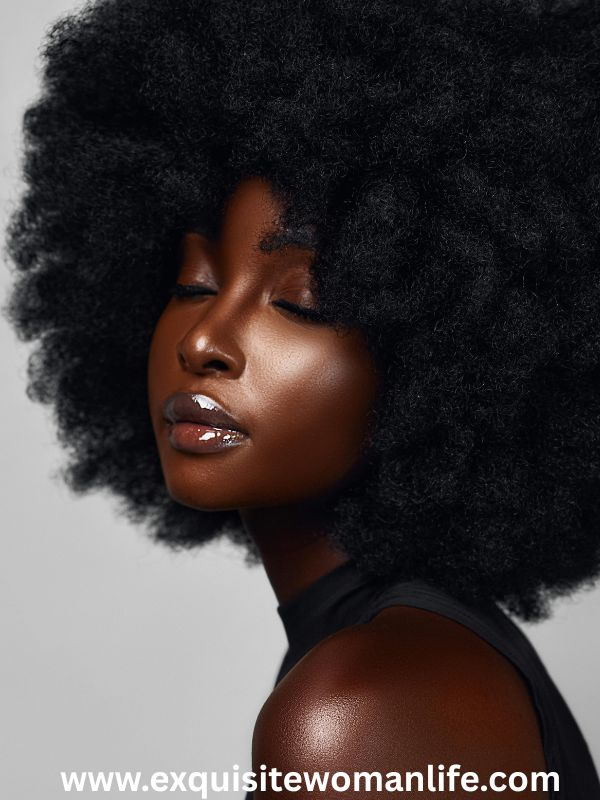
Hair Breakage Treatment for African Hair starts with understanding why the hair breaks. African hair is beautiful, but it is also naturally dry and fragile, which causes strands to snap when the hair is not handled well. Many people struggle with breakage without knowing the real cause or the right way to treat it.
In this guide, you will learn what causes breakage, the best treatments that actually work, and how to care for your hair daily to achieve a strong, soft, and healthy appearance. My goal is to help you stop the breakage and enjoy fuller, healthier African hair with easy steps you can follow at home.
What Causes Hair Breakage in African Hair
Hair breakage in African hair often occurs due to common habits and conditions. Understanding these causes helps you to fix the problem.
• Dryness from lack of moisture
• Tight hairstyles that pull the roots
• Wrong or harsh hair products
• Heat damage from blow dryers or straighteners
• Rough handling during combing or styling
Hair Breakage Treatment for African Hair
Treating hair breakage in African hair starts with adding moisture, strength and gentle care back into your routine. These simple steps help your hair recover, stay hydrated and grow without snapping.
1. Moisture-Based Hair Breakage Treatment
Moisture is the foundation of stopping breakage in African hair. When your strands stay hydrated, they stay soft, flexible and less likely to snap.
• Use hydrating shampoos that cleanse without stripping
• Deep condition weekly to restore softness and strength
• Add leave-in conditioners for daily moisture and protection
2. Protein Hair Breakage Treatment for African Hair
Protein treatments help rebuild weak, brittle strands and reduce breakage. They fill in gaps in the hair shaft and make your hair stronger over time.
• Look for signs like limp, stretchy or mushy hair
• Use protein hair masks made for African hair textures
• Apply protein treatments once or twice a month to avoid overload
3. Scalp Care Hair Breakage Treatment
A healthy scalp supports stronger hair and reduces breakage. Simple scalp care steps make a big difference in how your hair grows and behaves.
• Keep the scalp clean to prevent buildup
• Use light hair oils for nourishment without clogging pores
• Do gentle massages to improve blood flow and encourage growth
Best Products for Hair Breakage Treatment for African Hair
Choosing the right products makes your hair breakage treatment more effective. The right shampoos, conditioners, masks and oils give your hair the hydration and strength it needs to stay healthy and strong.
1. Moisturising Shampoos
Moisturising shampoos cleanse without stripping natural oils, which helps prevent dryness and breakage. Look for gentle formulas that hydrate as they wash.
• Choose sulfate-free shampoos
• Look for ingredients like shea butter and aloe vera
• Use shampoo only on your scalp to avoid over-drying the ends
2. Deep Conditioners
Deep conditioners add intense moisture and slip to your hair, making it softer and easier to manage. They help repair dryness and reduce breakage over time.
• Use weekly for the best results
• Choose formulas with shea butter, honey or avocado
• Leave it in long enough for full penetration
3. Protein Treatments
Protein treatments strengthen weak, damaged strands. They rebuild the hair structure and help make your hair firmer and less likely to snap.
• Use once or twice a month
• Look for keratin, collagen or silk protein
• Follow with moisture to keep your hair balanced
4. Oils and Hair Butters
Oils and butters help seal moisture into the hair and protect your ends from breaking. They also add shine and reduce friction during styling.
• Use light oils like olive, argan or almond
• Choose rich butters like shea or mango
• Focus on your ends where breakage starts most
How to Prevent Hair Breakage in African Hair
Preventing hair breakage is easier when you build simple, healthy habits into your routine. These steps protect your strands, reduce stress on your hair and keep it strong over time.
1. Protective Styles Without Tension
Protective styles help your hair grow, but they must be gentle.
• Choose styles that do not pull your edges
• Avoid tight braids or twists
• Give your hair breaks between installs
2. Reduce Heat Usage
Too much heat weakens African hair and leads to breakage.
• Air-dry when you can
• Use heat tools only when necessary
• Always apply heat protectant
3. Sleep With Satin Bonnet or Pillowcase
Friction from cotton causes dryness and snapping. Satin protects your hair.
• Wear a satin bonnet at night
• Use a satin pillowcase if the bonnet slips off
• Keep your ends tucked and protected
4. Trim Split Ends Regularly
Split ends travel up the strand and cause more breakage.
• Trim every 8 to 12 weeks
• Focus on removing only damaged ends
• Keep your ends moisturized to slow down splitting
DIY Hair Breakage Treatment for African Hair
Simple, natural treatments at home can help restore moisture and strength to African hair. These DIY options are easy, affordable, and effective when done regularly.
1. DIY Moisturizing Mask
• Mix ingredients like avocado, honey, and yogurt for deep hydration
• Apply to damp hair from roots to ends
• Leave for 20–30 minutes, then rinse with lukewarm water
2. DIY Strengthening Hair Mask
• Combine egg, coconut oil, and banana for protein boost
• Apply to hair, focusing on weak or brittle areas
• Cover and leave for 15–20 minutes, then rinse thoroughly
3. DIY Hot Oil Treatment
• Warm oils like olive, castor, or argan slightly before applying
• Massage into scalp and hair for 10 minutes
• Cover with a shower cap for 30 minutes, then wash out gently
Daily and Weekly Routine for Hair Breakage Treatment
Consistency is key to preventing and treating hair breakage in African hair. A structured routine keeps your hair hydrated, strong, and less prone to snapping.
1. Daily Moisture Routine
• Apply a light leave-in conditioner or hair lotion every morning
• Seal moisture with a light oil on the ends
• Avoid over-manipulating your hair
2. Weekly Wash Routine
• Use a gentle, moisturizing shampoo once a week
• Follow with a deep conditioner or mask
• Detangle carefully with fingers or a wide-tooth comb
3. Monthly Strengthening Routine
• Apply a protein treatment or strengthening mask once a month
• Focus on weak, brittle areas
• Balance with deep moisturizing treatments after protein to avoid dryness
Common Mistakes That Make Hair Breakage Worse
Even with the best intentions, certain habits can worsen hair breakage in African hair. Avoiding these mistakes helps your treatment efforts work better.
1. Over-Washing
• Washing too frequently strips natural oils
• Leads to dryness and brittle strands
• Stick to a gentle weekly wash routine
2. Using Hard Brushes
• Rough brushing causes snapping and breakage
• Always use wide-tooth combs or soft bristle brushes
• Detangle gently from the ends upward
3. Wrong Product Combinations
• Mixing too many heavy products can weigh hair down
• Avoid layering harsh shampoos with strong protein treatments
• Use products that balance moisture and protein
4. Excessive Tight Styles
• Tight braids or ponytails pull on the roots
• Causes stress on the hair shaft and scalp
• Choose protective styles without tension and give hair breaks between installs
When to See a Professional
Sometimes hair breakage needs expert attention. Visit a professional stylist or trichologist if you notice:
• Severe breakage that keeps increasing
• Sudden or excessive shedding
• Scalp issues like irritation or flakiness
• No improvement despite consistent home care
CONCLUSION
Caring for African hair consistently with proper Hair Breakage Treatment delivers long-term results. Focus on moisture, protein, gentle handling, and the right products. With patience and the right routine, your hair will stay strong, healthy, and beautiful.