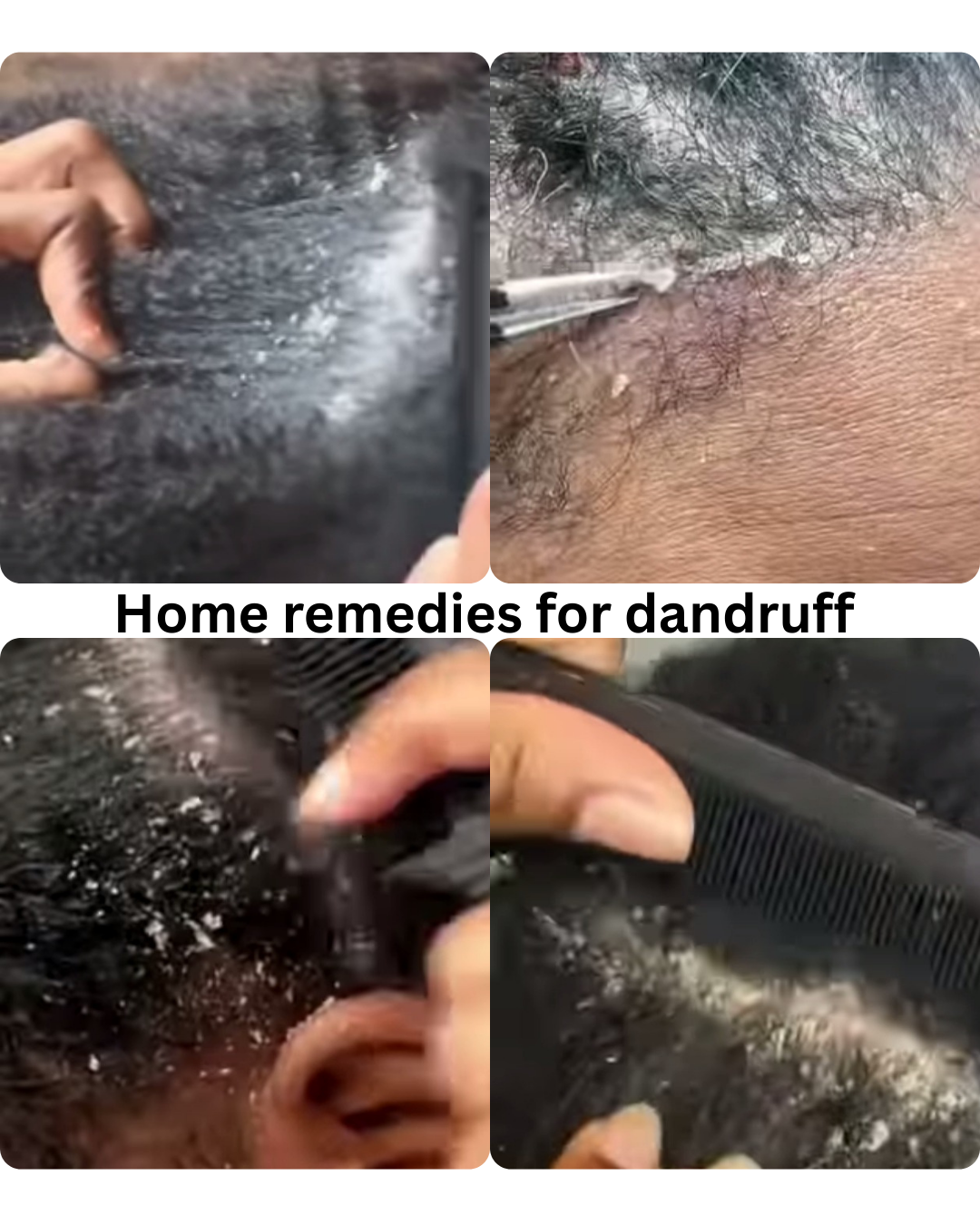
Home-remedies-for-dandruff

Best Home Remedies for Dandruff that Works (Very Effective)

Dandruff can be frustrating. The constant itchy scalp, white flakes on your shoulders, and discomfort can make you feel self-conscious, even though it’s something almost everyone experiences at some point. You don’t always have to run to harsh chemical shampoos. There are many home remedies for dandruff you can try at home to soothe your scalp, fight flakes, and help you feel confident again.

In this guide, we will explore the causes of dandruff and share effective, gentle solutions you can try at home. From kitchen staples like coconut oil and lemon juice to soothing treatments like aloe vera and neem, you’ll discover simple ways to restore balance to your scalp and say goodbye to the itchiness.

Remember, your scalp deserves the same care and attention as the rest of your body, and with the right home treatments for dandruff, you can nurture healthier, flake-free hair naturally.

What Causes Dandruff and Itchy Scalp?

remedy-for-dandruff

Knowing the root cause of your dandruff is the first step toward choosing the best natural home remedies. Dandruff does not just appear out of nowhere; it is your scalp’s way of telling you something is wrong. Understanding the causes of dandruff can help you choose the proper remedy and prevent it from coming back.

Here are some of the most common reasons behind a flaky scalp:

  • Dry Scalp -One of the biggest culprits. When your scalp doesn’t get enough moisture, it becomes itchy, tight, and starts shedding white flakes. This is often called dry scalp dandruff.

  • Oily Scalp (Seborrheic Dermatitis) -On the flip side, an overly oily scalp can feed yeast-like fungi that live on the skin. This leads to yellowish, greasy flakes often seen around the scalp, eyebrows, or even behind the ears.

  • Fungal Growth (Malassezia) – A common microbe that naturally lives on the scalp can grow out of control, irritating the skin and triggering dandruff.

  • Product Buildup – Using heavy hair products, gels, or shampoos with harsh chemicals can clog the scalp and lead to flaking and itchiness.

  • Skin Conditions – Issues like eczema or psoriasis can also cause dandruff-like symptoms, making the scalp dry, scaly, and inflamed.

  • Lifestyle Triggers – Stress, poor diet, and lack of sleep can exacerbate dandruff because your body’s balance also impacts scalp health.

Natural Home Remedies for Dandruff and Flaky Scalp

The best part about treating dandruff naturally is that Many home remedies for dandruff can be found right in your kitchen or garden. These natural ingredients target flakes and nourish your scalp, ultimately making your hair healthier.

Here are some effective natural dandruff treatments you can try:

1. Coconut Oil for Dandruff Relief

Coconut oil deeply moisturises a dry scalp, reducing flakiness and itch. Its antifungal properties also help control dandruff caused by yeast growth. For best results, warm a little oil and massage it gently into your scalp before washing. Read more about other natural oils

2. Aloe Vera Gel as a remedy for dandruff

aloevera-for-dandruff

Aloe vera is soothing, hydrating, and packed with anti-inflammatory properties. It calms irritation, reduces itching, and keeps your scalp refreshed. Apply pure aloe vera gel directly to the scalp, leave it on for 20–30 minutes, then rinse.

3. Lemon Juice for Scalp Health

The natural acidity of lemon helps balance scalp pH and fights dandruff-causing fungus. Apply fresh lemon juice to your scalp for 5–10 minutes before rinsing. (Tip: Mix with a bit of coconut oil if your scalp is dehydrated).

4. Neem Leaves or Neem Oil for Scalp Health

neem-remedy-for-dandruff

Neem is a powerful antifungal and antibacterial herb. Using a neem rinse or applying diluted neem oil to the scalp can fight dandruff, soothe irritation, and prevent itching.

5. Apple Cider Vinegar Rinse as a remedy for dandruff

ACV is a favourite home treatment for dandruff because it removes product buildup, restores pH balance, and reduces fungal growth. Mix equal parts ACV and water, and rinse your scalp after shampooing.

6. Tea Tree Oil (Diluted) for Natural Dandruff Treatment

A well-known dandruff remedy, tea tree oil is antifungal, antibacterial, and calming. Add a few drops to your carrier oil (like coconut or olive oil) and massage into your scalp.

7. Baking Soda for Itchy Scalp and Flakes

For mild dandruff, baking soda works as a natural exfoliant. It helps remove dead skin cells and reduces fungal activity. Make a paste with water, apply it to your scalp for 5 minutes, and rinse thoroughly.

Lifestyle & Scalp Care Tips for Preventing Dandruff

Sometimes, we develop dandruff from what we put on our scalp,  how we care for our bodies and our daily habits. In the long run, using natural home remedies for dandruff and making small lifestyle changes can improve our scalp health and prevent dandruff from returning.

Here are tips that will help:

1. Wash Your Hair Regularly (But Not Too Much)

Keeping your scalp clean helps remove excess oil, dirt, and buildup that can worsen dandruff. But avoid overwashing, as it can strip your scalp of natural oils and cause dryness. Aim for a gentle balance based on your hair type.

2. Stay Hydrated & Eat a Balanced Diet as a remedy for dandruff

A healthy scalp starts from within. Drinking enough water and eating foods rich in vitamins, minerals, and omega-3 fatty acids can strengthen your scalp and reduce dandruff. (Think leafy greens, nuts, fish, and fresh fruits).

3. Manage Stress Levels as a remedy for Dandruff

Stress doesn’t directly cause dandruff, but it can make it worse. Practising relaxation techniques like meditation, journaling, or even short daily walks can reduce flare-ups and improve overall scalp health.

4. Use Gentle, Natural Hair Products

Harsh shampoos with strong sulfates or alcohol can irritate your scalp. Instead, opt for mild, natural shampoos or DIY cleansers that clean without stripping moisture.

 Taking care of your lifestyle and scalp is just as crucial as applying treatments. When your body and mind are in balance, your scalp will thank you with fewer flakes and healthier hair. Read more about the lifestyle that helps.

When to See a Dermatologist

While many people find relief with natural home remedies for dandruff, sometimes your scalp needs professional care. It’s important to remember that seeking help is not a failure; it is simply giving your scalp the attention it deserves.

You may want to see a dermatologist for dandruff if:

  • Persistent Itchiness – If your scalp remains itchy and flaky even after trying natural treatments consistently.

  • Severe Dandruff -When flakes are thick, greasy, or spreading beyond your scalp (like eyebrows or beard area)

  • Hair Loss -If dandruff is accompanied by noticeable hair thinning or shedding.

  • Painful Sores or Red Patches – Signs of infection, inflammation, or conditions like eczema or psoriasis.

 Remember, a dermatologist can diagnose the exact cause of your scalp problems and recommend the proper treatment, whether that’s medicated shampoos, prescription creams, or additional tests. And that’s completely okay! Sometimes natural remedies need a little backup. Read more here

Safety Tips for Trying Home Remedies for Dandruff

remedy-for-dandruff

Natural treatments can be gentle and effective, but it’s essential to use them safely so your scalp gets the care it needs without irritation. Here are a few safety tips to keep in mind when using home remedies for dandruff:

1. Always Do a Patch Test

Before applying any oil, herb, or mask directly to your scalp, test a small amount on your inner arm. This helps you check for allergies or sensitivities and prevents unwanted reactions.

2. Dilute Essential Oils

Strong oils like tea tree, peppermint, or neem oil should always be mixed with a carrier oil (like coconut or olive oil). Applying them directly can cause burning, dryness, or irritation.

3. Avoid Overuse of Remedies

Using too many treatments at once or too often can upset your scalp’s natural balance. For example, too much lemon juice can dry out your scalp, while overusing baking soda can irritate it. Moderation is key.

4. Know When to Stop

If a remedy causes burning, redness, or worsens your dandruff, discontinue immediately. Every scalp is different—what works for one person may not work for another.

5. Seek Professional Help if Needed

If you’ve tried several natural dandruff remedies without relief, or you notice painful sores, severe flaking, or hair loss, it’s best to see a dermatologist. They can guide you toward safe and effective treatment options.

CONCLUSION

Dealing with dandruff can feel frustrating, but the good news is that you don’t have to rely only on harsh chemical shampoos. With a bit of consistency, these natural home remedies for dandruff, like coconut oil, aloe vera, neem, lemon juice, and apple cider vinegar, can help soothe your scalp, reduce flakes, and bring back comfort.

But remember, every scalp is unique. What works wonders for one person may take time or need adjustments for another. Be patient, listen to your scalp, and make lifestyle changes like staying hydrated, eating a balanced diet, and managing stress. These small steps often make a big difference in scalp health.

And if your dandruff feels persistent, severe, or comes with other symptoms like hair loss or painful sores, don’t hesitate to seek help from a dermatologist. Sometimes, natural remedies need a little medical backup, and that is okay.

Related Posts