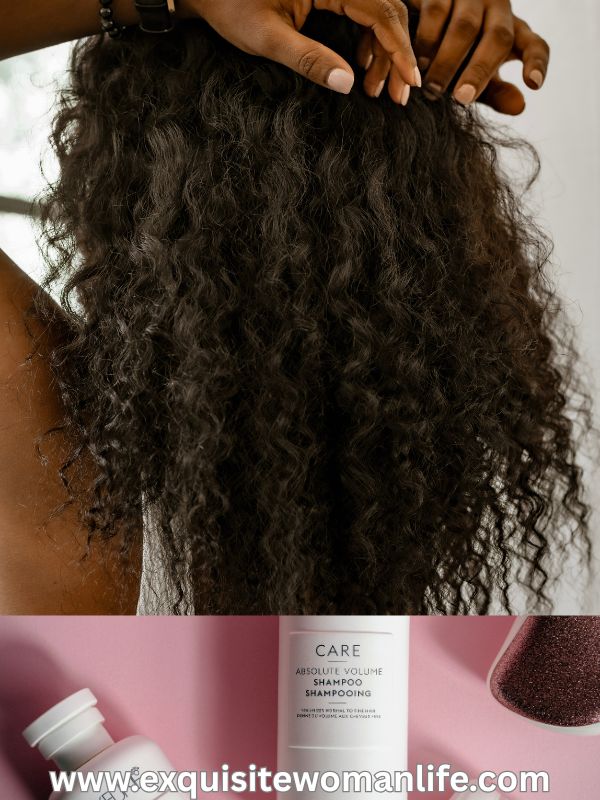
The best treatment for natural hair, or taking care of your hair, involves using natural treatments because they are healthier, more affordable, and gentler on both the scalp and the environment.
In this guide, I will show you the best treatments for natural hair, which include natural options such as nourishing oils, DIY hair masks, scalp treatments, and even herbs and spices that have been trusted for generations. Each one can help bring back shine, strengthen your strands, and keep your scalp healthy.
The truth is, natural hair care involves building small, gentle habits that your hair will thank you for over time. With the proper routine and consistency, you will start noticing not just healthier hair, but also the confidence that comes with loving your natural self.
What Are Natural Hair Treatments?
When we talk about natural hair treatments, we refer to using ingredients derived from nature, such as oils, herbs, fruits, and plants, to care for your hair and scalp. Unlike many synthetic products that are packed with chemicals, natural treatments focus on gentle nourishment and healing.
Think of it this way: synthetic treatments often give quick results, like instant shine or straightening, but sometimes at the cost of long-term damage. Natural remedies, on the other hand, may require a little more patience, but they work in harmony with your hair, providing it with what it truly needs to stay healthy from the inside out.
Why go natural?
-
Healthier scalp: Natural treatments soothe irritation, reduce buildup, and help your scalp breathe.
-
Stronger strands: They feed your hair with vitamins and minerals, making it less prone to breakage.
-
Better long-term results: Instead of masking problems, natural care actually works to solve them over time.
Natural Hair Oils as Treatment for Natural Hair

One of the easiest ways to care for your hair naturally is by using oils. Oils are like food for your hair; they deeply nourish, add shine, and help your strands grow stronger. They also keep the scalp healthy, which is the foundation of good hair.
When I first started using natural oils, I noticed that my hair felt softer and looked healthier. The best part is that you do not need a shelf full of products; just one or two oils that suit your hair can make a significant difference.
Best Oils for Natural Hair
-
Coconut Oil – Great for moisturising and reducing breakage.
-
Olive Oil – Adds shine and strengthens the hair shaft.
-
Castor Oil – Thickens hair and supports growth.
-
Argan Oil – Ideal for controlling frizz and achieving smoothness.
-
Jojoba Oil – Balances scalp oil production and maintains healthy scalp conditions.
How to Use Oils the Right Way
-
Hot oil treatment: Warm the oil slightly, massage it into your scalp, and cover your hair with a towel for deep nourishment
-
Pre-poo treatment: Apply oil before shampooing to protect your hair from dryness.
-
Daily/weekly use: Applying a few drops to the scalp or ends can help prevent dryness and split ends.
-
The key is not to overdo it—just a small amount of oil used regularly can transform your hair over time.
For more detailed recipes and ideas, you can check out my full post on the best oil for hair growth.
DIY Hair Masks as Treatment for Natural Hair

Sometimes our hair needs a little extra love, and that is where hair masks come in. Unlike your regular conditioner, masks go deeper; they hydrate, repair damage, and give your hair that soft, bouncy feel. Think of them as a spa day for your hair, right at home.
When I started using hair masks regularly, I noticed my hair stopped looking so dull and brittle. It’s amazing what a few natural ingredients from the kitchen can do.
Types of Hair Masks
Moisturising Masks
These are perfect if your hair feels dry or rough. They restore softness and shine.
-
Banana + yogurt = hydration boost
-
Honey + olive oil = locks in moisture
Protein Masks
If your hair breaks easily or feels weak, protein masks help strengthen your strands.
-
Egg + olive oil = builds strength
-
Fenugreek seeds + yoghurt = reduces shedding
-
Avocado + honey = nourishes and protects
Scalp Soothing Masks
Sometimes the scalp needs calming just as much as the hair. These masks relieve itching, dryness, and irritation.
-
Aloe vera gel = cools and hydrates
-
Coffee + yoghurt = stimulates scalp circulation
-
Tea tree oil (a few drops mixed with aloe) = fights dandruff
How to Apply a Hair Mask Correctly for the treatment of natural hair
-
Section your hair – Divide into 3–4 parts so the mask spreads evenly.
-
Apply from scalp to ends – Focus on the scalp if you’re soothing it, or on the ends if they’re dry.
-
Cover your hair – Use a shower cap or wrap a warm towel around your head to protect it. This helps the ingredients sink in.
-
Wait 20–40 minutes – Be patient, let the mask do its magic.
-
Rinse gently – Use lukewarm water and a mild shampoo if needed.
For more detailed recipes and ideas, you can check out my full post on DIY Hair Masks.
Scalp Hair Treatments
Healthy hair begins with a healthy scalp. If the scalp is dry, itchy, or clogged with product buildup, it’s hard for hair to grow strong and shiny. Taking care of your scalp is like preparing the soil before planting; you give your hair the best foundation to thrive.
I have learned that even small steps, such as a gentle massage or a natural rinse, can make a significant difference. The scalp often gets overlooked, but once you show it some love, you will notice your hair responds beautifully.
Natural Remedies for Common Scalp Issues
Dandruff – Mixing neem oil or a few drops of tea tree oil with a carrier oil can help reduce flakes and calm irritation. Read more on dandruff
Itchy scalp – Aloe vera gel or an apple cider vinegar rinse can soothe itchiness and balance the scalp.
Dry scalp – Olive oil or shea butter works wonders to lock in moisture and prevent tightness.
DIY Scalp Massage for Circulation
Scalp massages are relaxing and improve blood flow, which helps stimulate hair growth.
Here is how to do it:
-
Warm a small amount of oil (like coconut or jojoba).
-
Use your fingertips (not your nails) to gently massage your scalp in small, circular motions.
-
Spend at least 5–10 minutes, focusing on areas that feel tense or dry.
-
Perform this exercise 2–3 times a week for optimal results.
It supports hair growth and helps you unwind, almost like a mini stress reliever.
Herbs and Spices as Treatment for Natural Hair.

Long before fancy hair products, people relied on nature—especially herbs and spices—to care for their hair. These remedies have been passed down through generations and remain popular today because they work gently yet effectively. Herbs and spices have a wonderful aroma; they are rich in nutrients that nourish, soothe, and even promote new growth.
I personally love using herbs in my hair routine because they make me feel more connected to natural care. It’s like giving my hair a piece of tradition and wellness at the same time.
Popular Herbs & Spices for Natural Hair Treatment
Rosemary – Famous for stimulating hair growth and improving thickness.
Hibiscus – Strengthens hair, conditions it naturally, and helps prevent split ends.
Fenugreek (Methi seeds) – Rich in protein, it reduces shedding and promotes fuller hair.
Ginger – Boosts blood circulation in the scalp, waking up hair follicles.
Cloves & Cinnamon – Both act as natural stimulants, helping with growth and shine.
How to Infuse Herbs into Natural Hair
Herbal Rinses
-
Brew herbs like rosemary, hibiscus, or fenugreek in hot water.
-
Let it cool, then use it as a final rinse after shampooing. It refreshes the scalp and leaves hair soft.
Herbal-Infused Oils
-
Add dried herbs (such as rosemary or cloves) to a jar of coconut or olive oil.
-
Let it sit for 1–2 weeks, strain, and use the oil for scalp massage or hot oil treatment.
DIY Powders/Paste
-
Grind herbs like hibiscus or fenugreek into a powder.
-
Mix with water, aloe vera gel, or yoghurt to make a nourishing paste.
-
Apply as a mask for strengthening and conditioning.
Using herbs and spices is like bringing ancient wisdom into your modern hair routine. With patience and consistency, you’ll notice your hair feeling healthier, fuller, and more alive. Learn more about herbs and spices for natural hair here.
How to Build a Natural Hair Treatment Routine
Taking care of your hair naturally works best when you have a routine. It is not doing everything at once, but finding a balance that your hair loves. Think of it like feeding your body – you don’t need all the meals in one sitting; just the proper portions over time.
Frequency of Oils, Masks, and Scalp Treatment
-
Oils: Light oils (like argan or jojoba) can be used daily on the ends, while heavier oils (like castor or coconut) are better 1–2 times a week.
-
Hair masks: Use once a week to add moisture or boost strength. If your hair is very dry or damaged, twice a week is okay.
-
Scalp treatments: Do them once a week to keep the scalp clean, nourished, and free of buildup.
Combining Remedies Without Overloading
It’s easy to get excited and want to try everything at once, but excess treatments can overwhelm your hair. A simple approach works best:
-
Pick one oil, one mask, and one scalp treatment to start with.
-
Rotate them every few weeks for variety.
-
Listen to your hair; if it feels heavy or greasy, reduce the use of styling products.
Seasonal Hair Care Tips
Just like skin, your hair needs different care depending on the weather:
-
Dry season/Harmattan or Winter: Focus on heavy oils (coconut, castor) and deep moisturising masks.
-
Rainy season/Summer: Use lighter oils (such as jojoba and argan) and soothing scalp treatments to prevent buildup and sweat irritation.
-
All year round, stay consistent; your hair will reward you with growth and strength over time.
Safety Tips for Using Natural Treatments
Natural remedies are gentle and effective, but it is essential to use them safely. Just because something is natural doesn’t always mean it’s right for everyone. A little care can save you from unnecessary irritation or setbacks.
Patch Testing Before Full Application
Before trying any new oil, herb, or mask, do a simple patch test. Apply a small amount behind your ear or on your inner arm, then wait 24 hours before applying again. If there is no redness, itching, or discomfort, it is safe to use. This small step can prevent bigger issues later.
Avoiding Overuse of Protein or Essential Oils
-
Protein treatments: Using excessive protein (such as constant egg or fenugreek masks) can cause hair to become stiff and brittle. Balance them with moisturising treatments.
-
Essential oils: Oils like tea tree, peppermint, or rosemary are powerful but strong. Always dilute them with a carrier oil (like coconut or olive oil) before applying to the scalp.
Knowing When to See a Dermatologist
Natural care can do a great deal, but sometimes professional help is necessary. If you notice severe dandruff, unexplained hair loss, painful sores, or persistent itching, it is best to consult a dermatologist. ( Read more here) There’s no shame in asking for help; your health is a priority.
Remember: you have to be patient, balanced, and listen to your body. Natural treatments are most effective when used wisely and gently.
Conclusion
Caring for your hair with natural treatments, from nourishing oils and soothing masks to scalp treatments and herbs that nature provides, is enough to keep our hair healthy, strong, and full of life.
The secret is not trying everything at once, but in finding what works for you and being consistent with it. Small, regular steps, such as wearing a mask weekly, giving a gentle scalp massage, or using a simple herbal rinse, can create significant changes over time.
And as you experiment, always listen to your hair, treat it with kindness, and be patient with the process. Every strand tells a story, and with the proper care, yours can shine brighter than ever.

