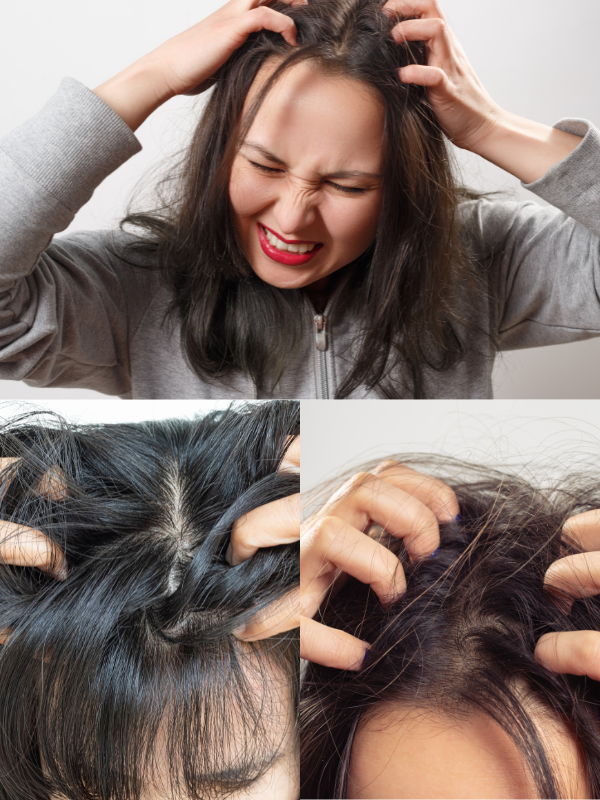
Having an itchy scalp can be very uncomfortable, stressful and embarrassing sometimes, scratching our heads in public, feeling that annoying tickle that won’t stop, especially when you don’t know what is causing the itching, I remember a time when my scalp felt so dry and itchy during the harmattan season that I couldn’t go an hour without scratching, it was frustrating and embarassing.
Most itchy scalp problems can be managed with gentle, natural remedies. You do not always need expensive treatments or harsh chemicals. Simple ingredients like aloe vera, coconut oil, or even apple cider vinegar can calm the irritation and bring your scalp back to balance.
In this post, we will explore some of the most effective home remedies for an itchy scalp. These are natural, safe, and easy to try, whether your itchiness comes from dryness, dandruff, or sensitivity to products.
You probably already have most of these remedies in your kitchen.
By the end, you will know what to try and also feel more confident about giving your scalp the gentle care it deserves.
Read about tips to help your kids hair growth
Common Causes of Itchy Scalp
Before we dive into the remedies, it is essential to understand why your scalp might be itching in the first place. The cause of an itchy scalp varies from person to person, as different factors can contribute to it. Knowing the root cause will help you choose the proper natural treatment that actually works.
Here are some of the most common causes of an itchy scalp:
1. Dandruff and Dry Scalp
One of the leading causes of an itchy scalp is dandruff. When your scalp becomes dry or starts producing excess oil, it can lead to flaky skin, irritation, and constant scratching. Read more on dandruff remedies here
2. Product Buildup
Using too many styling products, gels, or even shampoos with harsh chemicals can cause buildup on the scalp. This buildup clogs pores, irritates your scalp, and makes it itchy.
3. Allergic Reactions (Sensitive Scalp)
Sometimes, your shampoo or conditioner may contain ingredients that react negatively with your skin. Fragrances, sulfates, or strong preservatives can cause allergic reactions, leading to an itchy, sensitive scalp. Read more about hair allergy here
4. Scalp Infections
Fungal infections like ringworm of the scalp (tinea capitis) can also cause itching, redness, and even small patches of hair loss if left untreated.
5. Weather and Lifestyle Factors
Changes in weather—like the dry harmattan season or winter—can strip your scalp of moisture. Stress and poor diet can also worsen itchy scalp symptoms.
Natural & Effective Home Remedies for Itchy Scalp
If your scalp itches continuously, you don’t always need expensive products or harsh chemicals to find relief. Nature already provides some of the best and most effective remedies that can calm irritation, reduce dandruff, and bring balance back to your scalp. These solutions are not only simple but also safe and gentle enough to try at home.
Here are some of the most trusted home remedies for an itchy scalp:
1. Aloe Vera Gel soothes an Itchy Scalp
Fresh aloe vera is cooling, hydrating, and packed with anti-inflammatory properties that calm an itchy scalp instantly. It helps reduce irritation while moisturising dryness.
Apply fresh aloe vera gel directly to your scalp, leave for 20–30 minutes, then rinse with mild shampoo.
2. Apple Cider Vinegar Rinse for an itchy scalp
Apple cider vinegar (ACV) is rich in antibacterial and antifungal properties that help fight dandruff, scalp buildup, and irritation. It also balances your scalp’s natural pH, reducing itchiness.
Mix two tablespoons of ACV with 1 cup of water and use it as a final rinse after shampooing.
3. Coconut Oil as a Deep Moisturiser for an Itchy Scalp
Dry scalp is a common cause of itching, and coconut oil is one of the best natural moisturisers. It nourishes the scalp, strengthens hair roots, and reduces flakes.
Warm a few drops of coconut oil and massage gently into your scalp before bedtime. Wash out in the morning.
4. Tea Tree Oil as a Natural Antiseptic for an Itchy Scalp
Known for its powerful antifungal and antibacterial effects, tea tree oil can reduce dandruff, control scalp infections, and ease constant itching.
Add 3–4 drops of tea tree oil into two tablespoons of carrier oil (like coconut or olive oil) and massage into your scalp. Read more about natural oils for hair care here
5. Baking Soda is a Gentle Exfoliant for an Itchy Scalp
Sometimes, product buildup and excess oils cause itching. Baking soda helps exfoliate the scalp, removing dead skin cells and relieving irritation.
Make a paste with water and baking soda, apply it to the scalp for 10 minutes, then rinse.
6. Lemon Juice Rinse is Fresh and Antimicrobial, good for an Itchy Scalp
Lemon juice has natural antimicrobial properties that fight dandruff-causing fungi and bacteria. It also refreshes the scalp and reduces oiliness that can lead to itching.
Mix two tablespoons of fresh lemon juice with 1 cup of water. Use as a rinse after shampooing. Avoid if you have open wounds on your scalp.
7. Onion Juice – Sulfur-Rich Scalp Tonic
Onion juice may not smell the best, but it is a powerful remedy for scalp health. Its sulfur content soothes irritation, strengthens hair follicles, and improves circulation, which helps reduce itching.
Blend an onion, strain the juice, and apply it directly to the scalp. Leave for 20 minutes before rinsing.
8. Honey + Yoghurt Mask – Gentle Nourishment
When dryness is the leading cause of your itchy scalp, this mask works wonders. Honey is antimicrobial and healing, while yoghurt provides deep hydration and a soothing effect.
Mix two tablespoons of yoghurt with one tablespoon of honey. Apply to your scalp, leave for 30 minutes, then rinse off with lukewarm water.
10. Fenugreek Seeds Paste – Hydrating and Healing
Fenugreek seeds are packed with nutrients that hydrate the scalp, fight fungal infections, and reduce flakiness. They’re a great natural fix for persistent scalp itch.
Soak fenugreek seeds overnight, grind them into a paste, and apply directly to your scalp. Leave for 20–30 minutes before rinsing.
These natural and effective itchy scalp treatments are easy, affordable, and safe to try. The key is consistency; using them regularly will help you maintain scalp health, reduce dandruff, and enjoy itch-free, happy hair.
See why your hair is not growing
Lifestyle & Scalp Care Tips
Sometimes, an itchy scalp is not caused only by what you put on your hair; it might be caused by how you care for yourself every day. Small lifestyle changes and gentle scalp habits can go a long way in keeping irritation away and making your natural remedies even more effective.
Here are some simple but powerful scalp care tips you can start practising:
1. Wash Hair Regularly (But Don’t Overwash)
Keeping your scalp clean helps remove dirt, sweat, and product buildup that can cause itching. But overwashing can strip away natural oils, leaving your scalp dry and flaky. Aim for a balance—2 to 3 times a week works for most people.
2. Stay Hydrated & Eat a Balanced Diet
What you eat shows up on your scalp, too. Drinking enough water and eating foods rich in vitamins, zinc, and omega-3 fatty acids can help nourish your scalp from within, preventing dryness and irritation.
3. Manage Stress
Stress affects your mood and also makes scalp irritation worse. Studies show that high stress can trigger dandruff, hair shedding, and increased itching. Finding healthy ways to manage stress (like journaling, meditation, or a walk outside) will benefit both your mind and your scalp.
4. Use Mild, Natural Shampoos on an Itchy Scalp
Harsh shampoos with sulfates, parabens, or heavy fragrances can strip your scalp and trigger allergic reactions. Switch to gentle, natural shampoos that clean without irritating your scalp. Look for ingredients like aloe vera, tea tree, or chamomile. Read more on the Google diet for a healthy scalp here.
When to See a Dermatologist for an Itchy Scalp
While natural remedies are excellent and often bring relief, sometimes your scalp needs a little extra care from a professional. It’s essential to listen to your body and know when it’s time to reach out for medical help.
Here are signs that you may need to see a dermatologist:
1. Persistent Itchiness That Doesn’t Improve
If your scalp continues to itch even after trying home remedies, it may be a sign of an underlying condition that needs medical attention.
2. Severe Dandruff, Hair Loss, or Painful Sores
Dandruff that won’t go away, patches of hair loss, or painful sores on your scalp can all be indicators of conditions like psoriasis, eczema, or fungal infections. These require more than home care to heal properly.
3. It’s Okay to Seek Help
Sometimes, despite your best efforts, natural remedies might not be enough, and that is entirely okay. Visiting a dermatologist means you are taking the right step for your health and peace of mind.
A dermatologist can do a simple patch test to see if allergies, infections, or sensitivities are behind your itchy scalp. Resources like DermNet NZ and Healthline offer more insights into scalp allergies and overall hair health.
Conclusion
An itchy scalp can be frustrating, uncomfortable, and embarrassing, but the good news is that there are many gentle and natural ways to find relief. From soothing remedies like aloe vera, neem, and coconut oil to lifestyle habits such as staying hydrated, eating a healthy diet, and managing stress, your scalp can recover and thrive when given the proper care.
Remember, consistency is key. Natural treatments often take time, but with patience and regular use, you’ll notice your scalp feeling calmer, healthier, and itch-free.
And if you have tried home remedies without much improvement, don’t be discouraged. It’s perfectly okay to see a dermatologist. Sometimes our bodies need extra support, and seeking professional help ensures you are giving your scalp the best possible care.