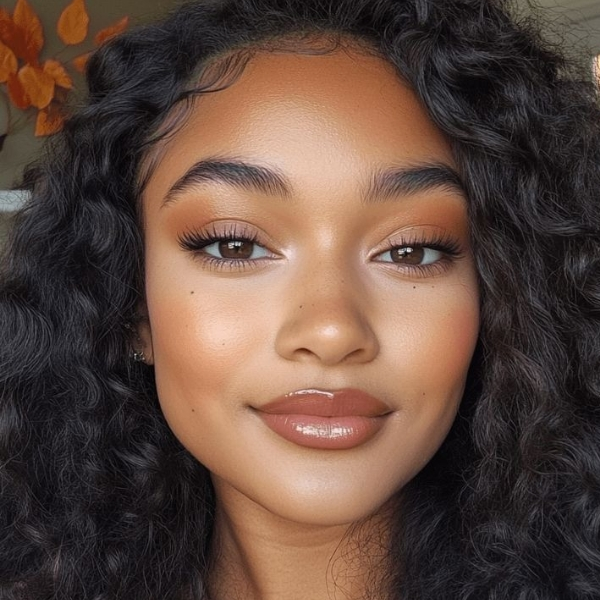
Learning a simple makeup routine for beginners will help you achieve a seamless makeup look as a beginner.
When I first became interested in makeup, I thought I needed dozens of products and professional skills to achieve a beautiful look. After trying different techniques, I realised that the best makeup routine is often the simplest one. With just a few essential products and the right application steps, you can create a fresh, natural look that enhances your features without feeling overwhelmed.
If you’re getting ready for school, work, a special event, or want to feel more confident every day, this beginner-friendly guide will walk you through each step.
You’ll also learn which products you actually need, common mistakes to avoid, and simple tips to help your makeup look smooth, natural, and long-lasting.
See Basic makeup products for beginners
Why Keep Your Makeup Routine Simple?
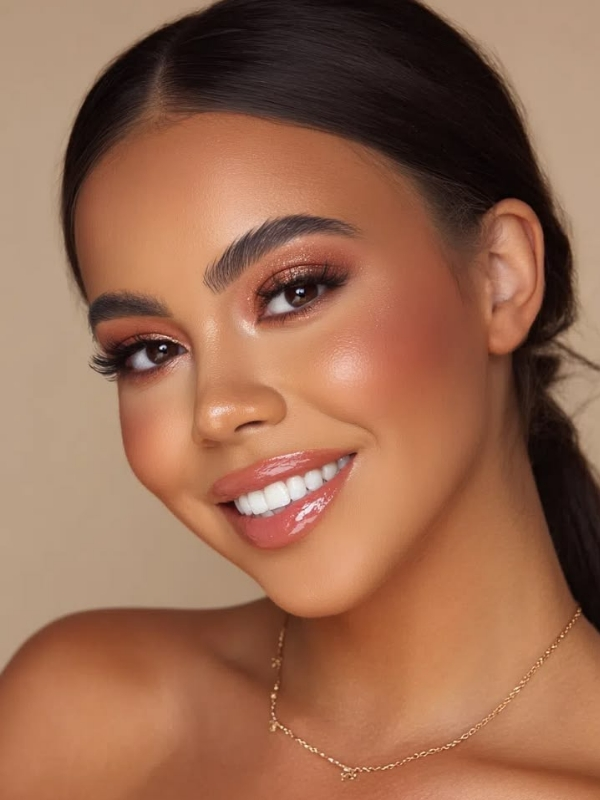
Starting with makeup can feel a little challenging, but a simple makeup routine for beginners focuses on enhancing your natural beauty and not stressing you out.
Keeping things simple saves time, is gentler on your skin, and helps you feel confident without piling on too many products. The procedures are practical and easy to stick with every day.
Think of it as your go-to look for school, work, or casual hangouts. It is something that makes you look fresh and polished without requiring hours in front of the mirror.
See how to apply eyeshadow step-by-step guide
Makeup Products Every Beginner Needs
When you’re new to makeup, it’s easy to feel like you need to buy everything you see online. The truth is, you only need a few basic products to create a beautiful, everyday look. Starting with the essentials allows you to learn at your own pace without feeling overwhelmed or spending too much money.
1. Moisturizer
A good moisturiser keeps your skin hydrated and creates a smooth base for makeup. Well-moisturised skin helps makeup apply more evenly and prevents it from looking dry or patchy.
2. Sunscreen
Sunscreen is an important part of your daytime routine. It helps protect your skin from sun damage and should always be applied before makeup if you’ll be spending time outdoors.
3. Primer (Optional)
Primer helps smooth the skin and can make your makeup last longer. While it’s not essential for beginners, it can be helpful if you have oily skin or visible pores.
4. Foundation, BB Cream, or Skin Tint
These products help even out your complexion. If you’re just starting, a BB cream or skin tint is often easier to apply because it provides light, natural-looking coverage.
5. Concealer
Concealer helps brighten under-eye circles and cover blemishes or dark spots. A small amount applied only where needed can make your skin look more even and refreshed.
6. Setting Powder
A light dusting of powder can help reduce shine and keep your makeup in place. It’s especially useful for people with oily or combination skin.
7. Blush
Blush adds warmth and a healthy-looking flush to your cheeks. Soft pink, peach, or nude shades are beginner-friendly and work well for everyday makeup.
8. Eyebrow Pencil or Brow Gel
Well-groomed eyebrows help frame your face. An eyebrow pencil can fill sparse areas, while brow gel helps keep your brows neat and in place.
9. Neutral Eyeshadow Palette
A small eyeshadow palette with neutral shades like beige, brown, peach, or soft pink is perfect for beginners. These colours are easy to blend and suitable for everyday wear.
10. Mascara
Mascara instantly makes your eyes look more awake by adding definition and length to your lashes. One or two coats are usually enough for a natural look.
11. Lip Balm, Lipstick, or Lip Gloss
A lip product completes your makeup look. Start with shades that make you feel comfortable, such as nude, soft pink, or clear gloss.
12. Basic Makeup Tools
You don’t need dozens of brushes. A makeup sponge, a powder brush, a blush brush, and a fluffy eyeshadow brush are enough to apply most beginner makeup looks.
13.Serum
A serum is a lightweight skincare product that targets specific concerns such as dryness, dullness, or uneven skin tone. Applying a serum before makeup can help your skin look smoother and more hydrated, making your makeup sit better on the skin.
Choose a hydrating serum with ingredients like hyaluronic acid if your skin feels dry. Apply a few drops after cleansing and before your moisturiser, then allow it to absorb fully before moving on to the next step in your routine.
14. Setting Spray
A setting spray is designed to help your makeup last longer and look fresher throughout the day. It can also reduce a powdery appearance and help your makeup blend for a more natural finish.
While setting spray isn’t essential for beginners, it’s a helpful product to have, especially if you’ll be wearing makeup for several hours or attending a special event. Simply hold the bottle a few inches away from your face and spray lightly after completing your makeup routine.
Remember, makeup is a skill that develops with practice. Begin with these basic products, learn how to use them confidently, and gradually add more items to your collection as your skills improve.
How to Prep Your Skin Before Makeup
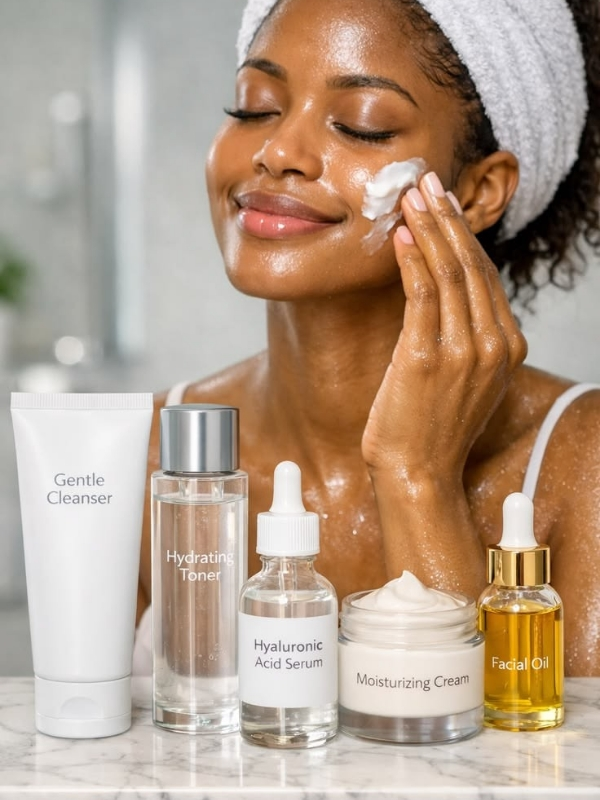
One of the biggest secrets to beautiful makeup isn’t the makeup itself. It’s proper skin preparation. No matter how expensive your products are, makeup won’t look its best if it’s applied on dry, oily, or unprepared skin. Taking a few minutes to prep your skin can help your makeup apply more smoothly, look more natural, and last longer throughout the day.
Step 1: Start With a Clean Face
Always begin with clean skin. Wash your face with a gentle cleanser to remove dirt, sweat, excess oil, and any leftover skincare products from the previous day. Clean skin creates a fresh base and helps prevent makeup from looking patchy or uneven.
Choose a cleanser that suits your skin type. If you have dry skin, use a hydrating cleanser. If you have oily skin, opt for a gentle cleanser that removes excess oil without making your skin feel tight.
Step 2: Apply a Moisturiser
Many beginners skip moisturiser because they think it will make their makeup slide off. In reality, moisturiser is one of the most important steps before applying makeup.
Moisturised skin looks healthier and allows makeup to blend more evenly. It can also help prevent foundation from clinging to dry patches or settling into fine lines.
Choose a lightweight moisturiser if you have oily skin and a richer cream if your skin tends to be dry. Apply a small amount and gently massage it into your face and neck.
Step 3: Use Sunscreen During the Day
If you’re applying makeup in the morning, don’t forget sunscreen. Daily sun protection helps protect your skin from sun damage, dark spots, and premature signs of ageing.
Choose a broad-spectrum sunscreen with at least SPF 30 and apply it evenly to your face and neck. Even if you’ll spend most of your day indoors, wearing sunscreen is still an important habit for maintaining healthy skin.
Step 4: Allow Your Skincare to Absorb
One of the most common mistakes beginners make is applying makeup immediately after skincare. Give your products a few minutes to absorb properly before moving on to makeup.
This simple step allows your moisturiser and sunscreen to settle into the skin, creating a smoother base and reducing the chances of your makeup becoming patchy or pilling.
Step 5: Apply Primer if Needed
Primer is optional, but it can make a noticeable difference in how your makeup looks and lasts. It helps smooth the skin’s surface, minimise the appearance of pores, and create an even base for foundation.
If you have oily skin, choose a mattifying primer to help control shine. If your skin is dry, a hydrating primer can add extra moisture and give your makeup a fresh, healthy finish.
Proper skin preparation may seem simple, but it can completely transform your makeup application. Clean, hydrated, and protected skin creates the perfect canvas, helping your makeup look smoother, last longer, and feel more comfortable throughout the day.
Simple Makeup Routine for Beginners Step-by-Step Guide
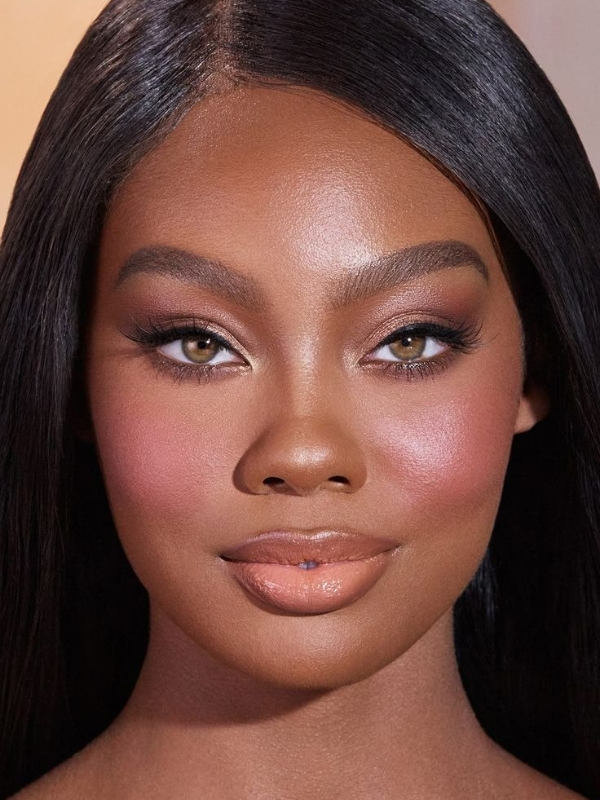
Step 1: Start With Primer (Optional)
After completing your skincare routine, you can apply primer if you want your makeup to last longer or if you have concerns like oily skin or visible pores. Primer creates a smoother base and helps your makeup apply more evenly.
Use a pea-sized amount and gently blend it over your face with your fingertips, paying extra attention to areas where your makeup tends to wear off quickly, such as your forehead, nose, and chin. Allow it to sit for about a minute before applying your makeup.
Step 2: Apply Foundation, BB Cream, or Skin Tint
The purpose of foundation is to even out your complexion, not completely cover your skin. If you’re a beginner, a BB cream or skin tint is often easier to apply because it provides light, natural-looking coverage.
Place a small amount of product on your forehead, cheeks, nose, and chin. Use a makeup sponge, brush, or your clean fingers to blend the product outward toward your hairline and jawline. Build the coverage gradually instead of applying too much at once.
Step 3: Use Concealer Where Needed
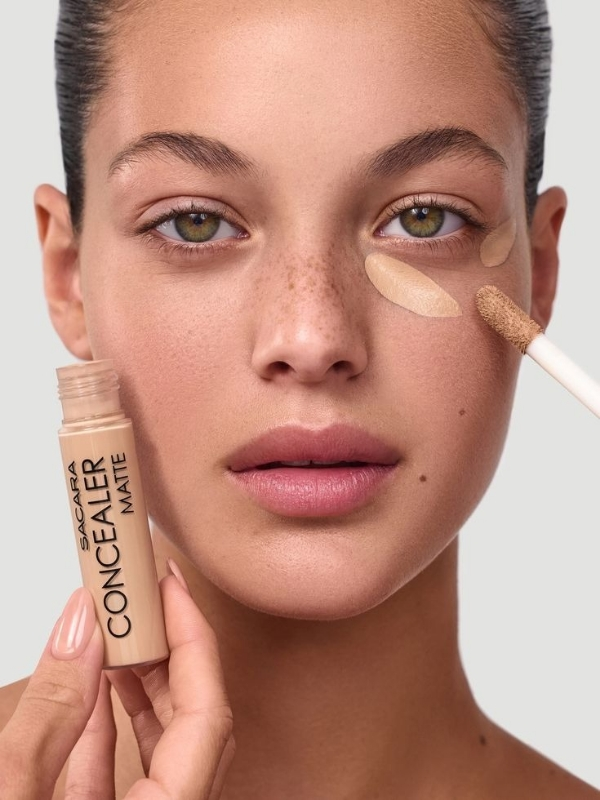
Concealer helps brighten dark under-eye areas and cover blemishes or dark spots.
Apply a small amount under your eyes, around your nose, or on any areas that need extra coverage. Gently tap the concealer into your skin with your finger or a makeup sponge until it blends seamlessly with your foundation.
Remember, a little concealer goes a long way. Applying too much can make your makeup look heavy and crease throughout the day.
Step 4: Set Your Makeup With Powder if Needed
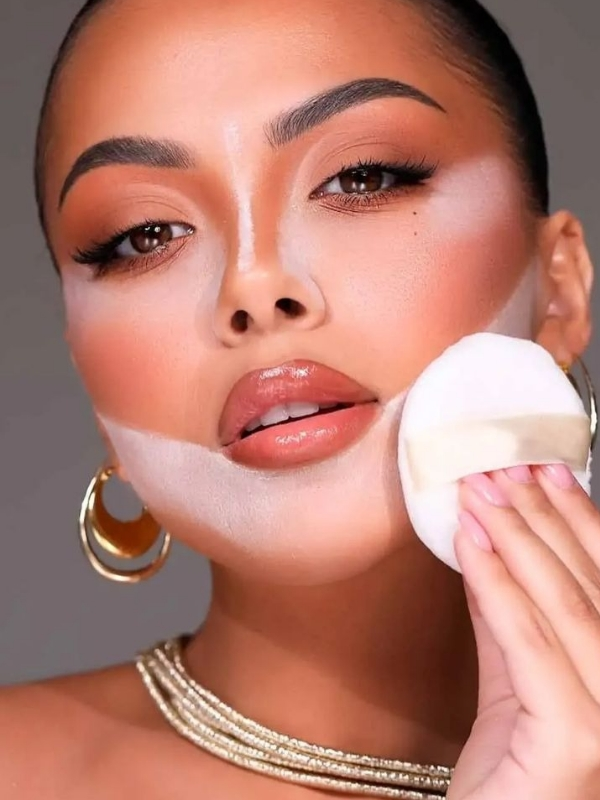
Powder helps reduce shine and can make your makeup last longer. This step is especially helpful if you have oily or combination skin.
Use a fluffy powder brush and apply a light layer of translucent powder to areas that become oily, such as your forehead, nose, and chin. If your skin is dry, you may only need a small amount or can skip this step entirely.
Step 5: Add Blush for a Healthy Glow
Blush instantly makes your face look fresher and more vibrant.
Smile gently and apply blush to the apples of your cheeks. Blend it upward toward your temples using a blush brush. Soft pink, peach, and nude shades are excellent choices for beginners because they create a natural-looking flush.
Start with a small amount and build the colour gradually.
Step 6: Define Your Eyebrows
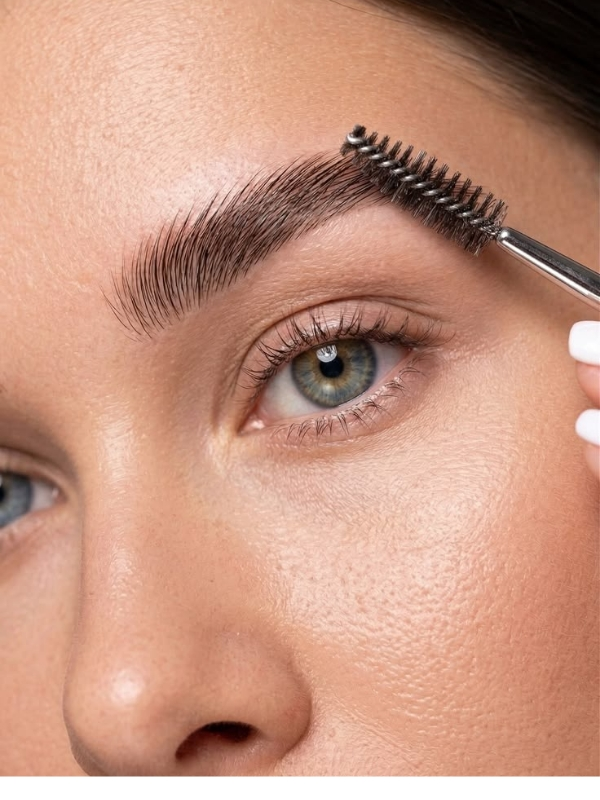
Your eyebrows help frame your face and can make your entire makeup look more polished.
Brush your brows upward using a spoolie. Then use an eyebrow pencil or brow powder to lightly fill in sparse areas using short, hair-like strokes. Finish by brushing through your brows again to soften any harsh lines.
The goal is to enhance your natural brow shape rather than create overly dark or dramatic brows. See a step-by-step guide on how to draw eyebrows
Step 7: Apply a Simple Eyeshadow Look
You don’t need complicated eyeshadow techniques to create beautiful eye makeup.
Apply a light neutral shade across your eyelid as your base. Then use a medium brown or soft peach shade in your crease and blend it gently using a fluffy eyeshadow brush.
If you’d like, add a little shimmer to the centre of your eyelid or the inner corners of your eyes to brighten your look.
See how to apply eyeshadow for beginners
Step 8: Apply Mascara
Mascara helps define your lashes and makes your eyes appear more awake.
Place the mascara wand at the base of your lashes and gently wiggle it upward toward the tips. Apply one or two thin coats instead of one thick layer to avoid clumping.
If desired, you can also apply a light coat to your lower lashes.
Step 9: Finish With Lipstick, Lip Gloss, or Lip Balm
Your lip product brings your entire makeup look together.
Start by applying lip balm if your lips feel dry. Then apply your lipstick, gloss, or tinted balm. Nude, soft pink, peach, and mauve shades are great choices for beginners because they suit many different skin tones and occasions.
Step 10: Set Your Makeup With Setting Spray
The final step is setting spray. This helps your makeup last longer and gives your skin a more natural, fresh finish.
Hold the bottle several inches away from your face and lightly mist your skin two or three times. Allow the spray to dry naturally without touching your face.
You don’t need a complicated routine to create beautiful makeup. By following these simple steps and practising regularly, you’ll become more confident and discover what techniques and products work best for your skin and personal style.
See how to make your makeup last throughout the day
Common Makeup Mistakes Beginners Should Avoid
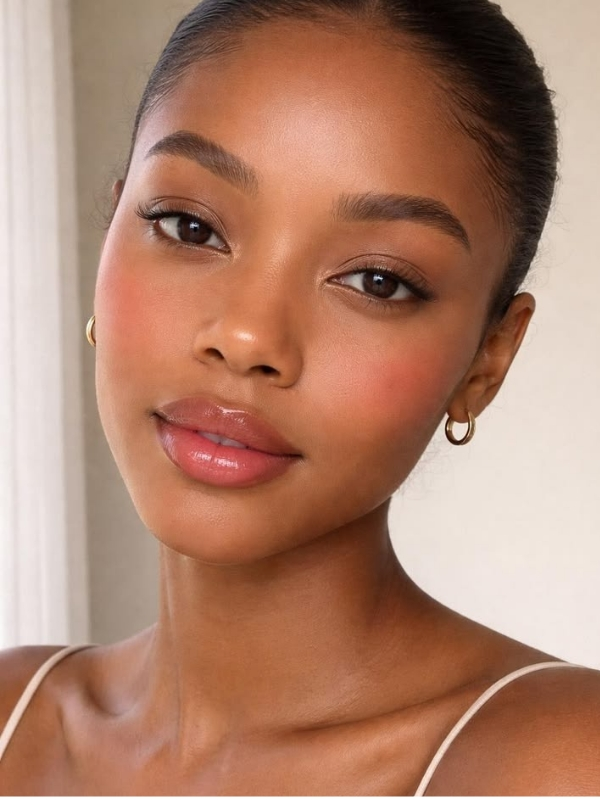
Learning makeup takes time, and making a few mistakes along the way is completely normal. The good news is that most beginner mistakes are easy to fix. Being aware of them can help you create a more natural, polished makeup look and build your confidence faster.
1. Skipping Skincare Before Makeup
Applying makeup on dry or unprepared skin can make it look patchy and uneven. Always start with clean, moisturised skin and apply sunscreen during the day. Well-prepped skin creates a smooth base and helps your makeup last longer.
2. Using Too Much Foundation
Many beginners think more foundation means better coverage, but applying too much product can make your makeup look heavy and cakey. Start with a small amount and build coverage only where you need it.
3. Choosing the Wrong Foundation Shade
Using a foundation that is too light or too dark can make your makeup look unnatural. Test foundation along your jawline in natural light and choose a shade that blends seamlessly into your skin.
4. Applying Too Much Concealer
It’s tempting to use a lot of concealer to cover dark circles or blemishes, but too much product can settle into fine lines and look creased. Use a small amount and blend it well.
5. Forgetting to Blend
Blending is one of the most important makeup skills. Harsh lines around your foundation, blush, eyebrows, or eyeshadow can make your makeup appear uneven. Take your time and blend each product until it looks soft and natural.
6. Overfilling Your Eyebrows
Dark, heavily drawn eyebrows can overpower your face. Instead, use light, hair-like strokes to fill sparse areas while keeping your natural brow shape.
7. Using Too Much Powder
Powder helps set makeup, but applying too much can make your skin look dry and cakey. Use a light hand and focus on areas that become oily, such as your forehead, nose, and chin.
8. Applying Too Many Products at Once
You don’t need to use every makeup product to create a beautiful look. Start with the basics and gradually add new products and techniques as you become more comfortable with makeup.
9. Wearing Makeup That Doesn’t Suit Your Skin Type
Using products that aren’t designed for your skin type can affect how your makeup looks and wears throughout the day. Choose lightweight products for oily skin and hydrating formulas for dry skin.
10. Not Removing Makeup Before Bed
Sleeping in your makeup can leave your skin feeling dirty and uncomfortable. Always remove your makeup at the end of the day and follow up with your skincare routine to keep your skin clean and healthy.
Remember, makeup is a skill that improves with practice. Don’t worry about being perfect. Start simple, learn from your mistakes, and focus on finding techniques that make you feel confident and comfortable.
See how to choose the right makeup products for your skin type
Tips to Make Your Makeup Last Longer
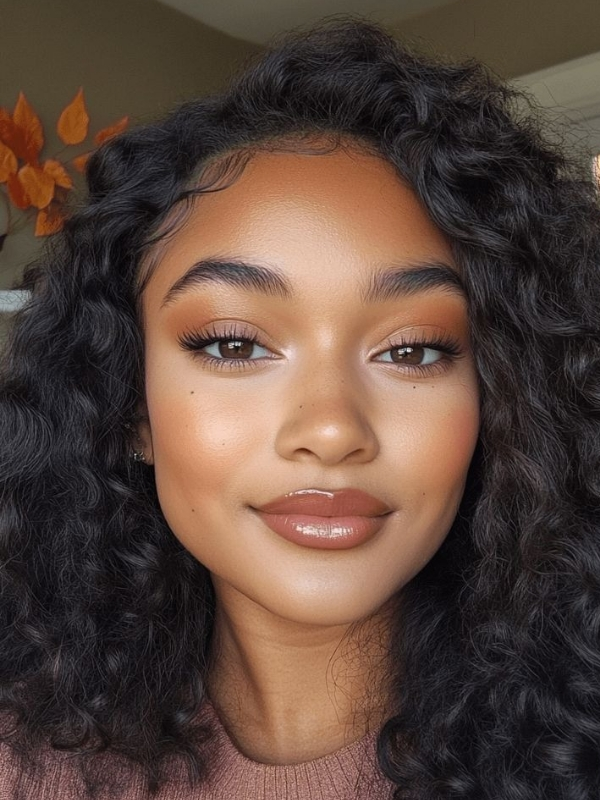
There’s nothing more frustrating than spending time on your makeup only for it to fade, crease, or become oily after a few hours. The good news is that a few simple habits can help your makeup stay fresh and beautiful for much longer.
1. Start With Proper Skin Prep
Long-lasting makeup begins with healthy, well-prepared skin. Cleanse your face, apply a moisturiser that suits your skin type, and use sunscreen during the day. Hydrated skin helps makeup apply more evenly and prevents it from looking dry or patchy.
2. Use a Primer if Needed
Primer creates a smoother base and helps your makeup grip the skin better. If you have oily skin, choose a mattifying primer to control shine. If your skin is dry, a hydrating primer can help prevent your makeup from settling into dry areas.
3. Apply Makeup in Thin Layers
One of the biggest mistakes beginners make is applying too much product at once. Thin, well-blended layers tend to last longer and look more natural than thick layers of makeup. Start with a small amount and build coverage gradually.
4. Set Oily Areas With Powder
If your skin becomes shiny throughout the day, lightly apply translucent powder to your forehead, nose, and chin. This can help absorb excess oil and keep your makeup looking fresh.
5. Use Long-Wearing Products
If you’ll be wearing makeup for many hours, consider choosing long-wear or transfer-resistant products. These formulas are designed to stay in place longer and usually require fewer touch-ups.
6. Avoid Touching Your Face
Touching your face throughout the day can transfer oil, dirt, and bacteria onto your skin, which may cause your makeup to wear off more quickly. Try to avoid resting your hands on your face whenever possible.
7. Blot Excess Oil Instead of Adding More Makeup
If your face becomes oily during the day, use blotting papers or a clean tissue to absorb excess oil first. Applying more powder on top of oily skin can sometimes make your makeup look heavy and cakey.
8. Finish With Setting Spray
Setting spray is the final step that helps lock your makeup in place. Hold the bottle a few inches away from your face and lightly mist your skin. This can help your makeup last longer while giving it a more natural, fresh finish.
9. Keep Your Makeup Tools Clean
Dirty brushes and makeup sponges can affect how your products apply and may cause uneven makeup. Washing your tools regularly helps your makeup go on more smoothly and can improve your overall makeup results.
Remember, making your makeup last longer isn’t about using more products. It’s about preparing your skin properly, applying makeup in thin layers, and using techniques that work well for your skin type. With practice, you’ll find a routine that keeps your makeup looking beautiful from morning to night.
See makeup organiser ideas for small spaces
Simple Makeup Routine Based on Your Skin Type

Your skin type plays a big role in how your makeup looks and lasts throughout the day. Choosing products that suit your skin can help you achieve a smoother, more natural finish.
Oily Skin
If you have oily skin, start with a lightweight moisturiser followed by an oil-free primer if needed. Choose a matte or oil-free foundation and set your makeup with a light dusting of translucent powder on your T-zone to reduce shine.
Dry Skin
Dry skin needs extra hydration before makeup. Apply a nourishing moisturiser and choose a hydrating foundation or BB cream with a natural or dewy finish. Avoid using too much powder, as it can make dry patches more noticeable.
Combination Skin
If your skin is oily in some areas and dry in others, use a lightweight moisturizer all over your face. Apply powder only where you tend to get shiny, such as your forehead, nose, and chin, while leaving the rest of your skin with a natural finish.
Sensitive Skin
Choose fragrance-free and non-comedogenic makeup products to reduce the risk of irritation. Always remove your makeup gently at the end of the day and avoid trying too many new products at once.
No matter your skin type, remember that less is often more. Applying thin, well-blended layers will give you a fresh, natural look that is perfect for everyday wear.
Please tell me how to choose the best makeup products for your skin type
How to Remove Makeup Properly at the End of the Day
Removing your makeup at the end of the day is just as important as applying it. No matter how tired you are, sleeping in your makeup can leave your skin feeling dirty and congested. Taking a few minutes to remove your makeup properly helps keep your skin clean, comfortable, and ready for your nighttime skincare routine.
Step 1: Wash Your Hands
Start by washing your hands thoroughly. Clean hands help prevent transferring dirt and bacteria onto your face while removing your makeup.
Step 2: Use a Makeup Remover
Apply a makeup remover, cleansing balm, micellar water, or cleansing oil to break down your makeup. These products help dissolve foundation, mascara, sunscreen, and long-wearing products more easily.
If you’re using micellar water, soak a cotton pad and gently wipe your face. If you’re using a cleansing balm or oil, massage it onto dry skin using circular motions.
Step 3: Pay Extra Attention to Eye and Lip Makeup
Mascara, eyeliner, and lipstick often need extra time to remove properly. Place a cotton pad with makeup remover over your closed eyes or lips for a few seconds before gently wiping away the product.
Avoid rubbing your eyes aggressively, as the skin around your eyes is delicate and can become irritated.
Step 4: Cleanse Your Face
After removing your makeup, wash your face with a gentle cleanser to remove any remaining product, excess oil, sweat, and impurities. Massage the cleanser into your skin for about a minute before rinsing with lukewarm water.
Step 5: Pat Your Skin Dry
Use a soft, clean towel to gently pat your face dry. Avoid rubbing your skin, as this can cause unnecessary irritation.
Step 6: Follow With Your Nighttime Skincare Routine
Once your skin is clean, apply your nighttime skincare products. You can use a serum if needed, followed by a moisturiser to help keep your skin hydrated and comfortable while you sleep.
Why Removing Makeup Is Important
Properly removing your makeup allows your skin to feel clean and refreshed at the end of the day. It also prepares your skin to absorb your nighttime skincare products more effectively and helps maintain healthy-looking skin over time.
No matter how simple or full your makeup routine is, ending the day with clean skin is one of the best habits you can develop for your overall skincare and beauty routine.
Frequently Asked Questions
What makeup products do I need as a beginner?
You only need a few basic products to get started. A beginner makeup kit can include a moisturizer, sunscreen, primer (optional), BB cream or foundation, concealer, blush, eyebrow pencil, mascara, lip product, and a makeup sponge or a few basic brushes.
Should I apply makeup before or after skincare?
Always apply skincare first. Start with a clean face, apply moisturiser, and use sunscreen during the day. Once your skincare has absorbed into your skin, you can begin applying your makeup.
Is foundation necessary for beginners?
No. If you prefer a lighter, more natural look, you can use a BB cream, tinted moisturiser, or skin tint instead of foundation. These products are easier to apply and blend.
How can I make my makeup look natural?
Use lightweight products, apply thin layers, blend well, and choose shades that match your skin tone. A natural makeup look is all about enhancing your features rather than covering them.
What is the correct order to apply makeup?
A simple order is moisturiser, sunscreen, primer (optional), foundation or BB cream, concealer, powder (if needed), blush, eyebrows, eyeshadow, eyeliner, mascara, and finally lipstick or lip gloss.
How do I choose the right foundation shade?
Test the foundation along your jawline in natural light. The right shade should blend seamlessly into your skin without leaving a visible line between your face and neck.
How can I make my makeup last longer?
Prep your skin properly, apply makeup in thin layers, set oily areas with translucent powder, and finish with a setting spray. Avoid touching your face throughout the day to help your makeup stay fresh.
Do I need expensive makeup products?
No. Many affordable makeup brands offer high-quality products that are perfect for beginners. Focus on choosing products that work well for your skin type rather than buying the most expensive options.
What makeup brushes should beginners have?
A beginner only needs a few essential tools, including a makeup sponge or foundation brush, a powder brush, a blush brush, and a fluffy eyeshadow blending brush. You can add more brushes as your skills improve.
How long does it take to learn a makeup routine?
Everyone learns at a different pace, but with regular practice, most beginners become comfortable with a simple everyday makeup routine within a few weeks. The more you practice, the faster and easier your routine will become.
Can beginners wear foundation instead of BB cream or tinted moisturiser?Yes, you can—but a heavy foundation is not always necessary when you’re starting. For a simple makeup routine for beginners, BB creams, CC creams, or tinted moisturisers are lighter, easier to blend, and give a more natural look.
Do I need a lot of products to start a makeup routine?
Not at all. You can begin with just a few basics: a light base, blush, mascara, and lip balm or gloss. Over time, you can add more products if you would like, but you don’t need a huge kit to look polished.
. How long should a beginner’s makeup routine take?
A simple makeup routine for beginners usually takes 5 to 10 minutes. The goal is quick and effortless, so you can get ready without feeling rushed.
What’s the most important step for beginners?
Prepping your skin with moisturiser and sunscreen is the most important step. Healthy, hydrated skin makes any makeup look better and last longer.
How do I know which products are right for my skin?
Start with your skin type:
-
If you have dry skin, go for creamy or hydrating formulas.
-
If you have oily skin, lightweight or matte products are the best.
-
If you have sensitive skin, choose gentle, fragrance-free products.
Can I skip some steps in the routine?
Absolutely! A simple makeup routine for beginners should feel flexible. If you are in a hurry, focus on one or two steps, like mascara and lip balm, and you will still look fresh.
Conclusion
Creating a simple makeup routine is not difficult. With a few essential products, the right techniques, and a little practice, you can achieve a fresh, polished look that works for everyday life. The key is to keep your routine simple, focus on blending, and choose products that suit your skin type and personal style.
As your confidence grows, you can experiment with new products and techniques at your own pace. Remember, makeup isn’t about looking perfect. It’s about expressing yourself and feeling your best.
I hope this guide has helped you build a beginner-friendly makeup routine that feels easy to follow. Save this post for future reference, and let me know in the comments which makeup step you’re most excited to try first.