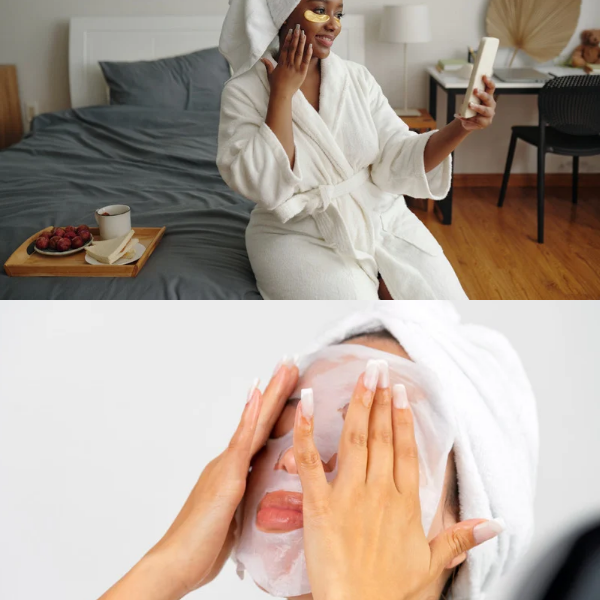
step-by-step-body-care-routine

Skin Care Routine for Glowing, Healthy Skin, Step by Step Guide

Skin care routine guide is essential because healthy, glowing skin does not come by chance. It requires effort; you need to show love and care to your body.

Many people focus on facial routines and forget that the skin on the body also needs attention to stay soft, smooth, and radiant. Having a step-by-step Skin care routine for glowing, healthy skin is vital.

A Skin care routine involves more than just a shower and lotion. It requires a step-by-step process that helps your skin stay clean, hydrated, and protected every single day. Body care routine is not complicated; it is just a simple habit if done consistently, can transform your skin, and you will feel more confident in it.

In this guide, we will walk through a step-by-step skin care routine designed to give you glowing, healthy skin. From cleansing and exfoliating to moisturising and sun protection, each step is easy to follow and can fit into your daily life.

If you are ready to start a routine that makes your skin look and feel its best, this is where to begin.

See best skincare routine for summer 

Benefits of a Consistent skin Care Routine

When you care for your skin, you are caring for both your health and your self-esteem, not just your beauty.. The skin is the largest organ in the body, and it deserves the same care and attention as the face. A proper body care routine helps your skin stay nourished, protects it from damage, and keeps it glowing naturally.

Radiant skin, hydration, anti-ageing

When you follow a consistent body care routine, the results show over time. Regular cleansing and exfoliation remove dirt and dead cells, allowing your skin to breathe and shine. Moisturising daily locks in hydration, leaving your skin soft and smooth. With added sun protection, your body care routine also helps prevent early signs of ageing, such as fine lines, wrinkles, and uneven skin tone.

A steady routine makes you radiant with healthy skin, and it also builds a sense of self-care that boosts your overall well-being.

See how to remove dark spots on the face Naturally 

Step by Step Skin care Routine Guide

Following a few simple habits every day can help keep your skin clean, soft, and healthy. This easy guide walks you through the essential steps to cleanse, moisturize, protect, and care for your skin from head to toe.


Step 1 – Cleansing the Right Way

cleaning-the-body

Cleansing is the first and important step in any body care routine. It sets the foundation for glowing, healthy skin by removing dirt, sweat, and impurities that build up throughout the day. The right cleansing habits keep your skin fresh and prevent issues such as dryness, dullness, and clogged pores.

Choosing a Gentle Body Wash or Soap

When it comes to cleansing, what you use on your skin and how often you use it matter. Harsh soaps can strip the skin of its natural oils, leaving it dry and irritated. Instead, use a gentle body wash or mild soap that cleans effectively without causing damage.

Look for body washes with moisturising ingredients such as shea butter, aloe vera, or natural oils. If you have sensitive skin, fragrance-free options are best to avoid irritation. A gentle cleanser keeps your skin balanced, soft, and ready for the next step in your body care routine.

How Often Should You Shower for Healthy Skin?

Many people believe that showering more often results to having cleaner skin, but this is not always true. Over-showering can strip away natural oils, leading to dryness and discomfort. For most people, showering once a day is enough to maintain clean and healthy skin.

If you exercise or sweat heavily, a second quick shower may help, but keep it gentle and avoid using harsh soaps too often. The key is to listen to your skin; if it feels tight, dry, or itchy, you may be cleansing too much. A balanced shower routine will leave your skin clean, refreshed, and glowing.

Step 2 – Exfoliation as Skin Care Routine for Smooth Skin.


Exfoliation is the second step in having soft, radiant, and even-toned skin. It removes dead skin cells that sit on the surface, which causes the skin to look dull or rough. When done the right way, exfoliation boosts circulation, allows your moisturiser to absorb better, and gives you that healthy glow from head to toe.

Benefits of Exfoliating the Body

Regular exfoliation makes a big difference in how your skin feels and looks. It smooths out rough patches, unclogs pores, and prevents ingrown hairs. Exfoliating also brightens dull skin by revealing the fresh layer underneath. Over time, this simple step can help improve skin texture and make your entire body feel soft, clean, and refreshed.

Natural vs. Store-Bought Scrubs

Both natural and store-bought scrubs can make your skin smooth and glowing, but the main difference lies in convenience, cost, and control over ingredients.

Natural scrubs are affordable and easy to make at home with simple ingredients like sugar, coffee, honey, or oatmeal. They give you full control over what goes on your skin, which is helpful if you prefer natural care or want to avoid chemicals. The downside is that making them can take a little more time, and they may not last long since they do not have preservatives.

See the best homemade scrub recipes 

Store-bought scrubs are quick and convenient; you can pick one up and use it right away. Many of them come with added nutrients or targeted formulas, such as brightening or firming benefits. However, they are often more expensive, and some may contain artificial fragrances or preservatives that are not suitable for sensitive skin.

Ultimately, it comes down to personal preference. If you love do-it-yourself skincare and saving money, a homemade scrub is a great option. If you prefer something quick and ready to use, a store-bought scrub might be the better choice.
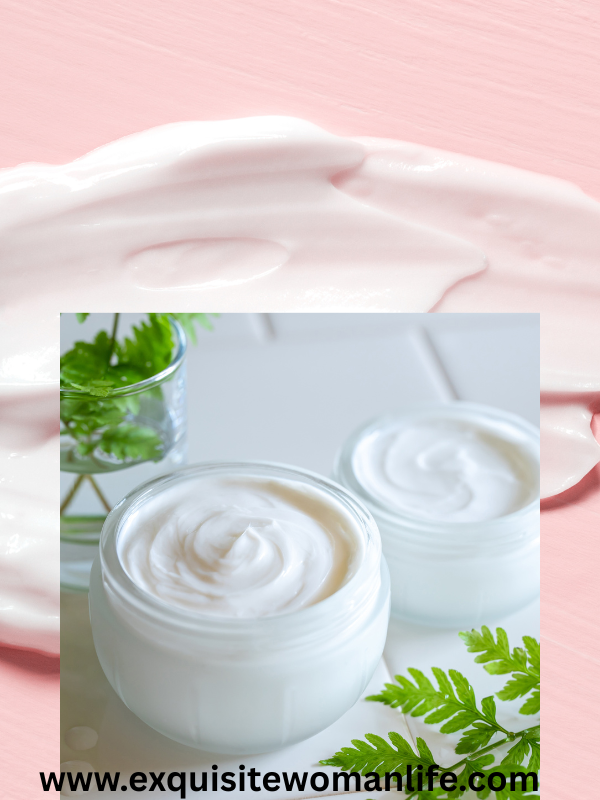

Step 3 – Moisturising as Skin Care Routine for Lasting Hydration

body-moisturiser

Moisturising is essential in keeping your skin soft, smooth, and youthful. After cleansing and exfoliating, your skin needs hydration to lock in moisture and repair its protective barrier. Skipping this step can leave your skin dry, dull, and more prone to irritation.

Choosing the Right Moisturiser for Your Skin Type

  • Dry Skin – Look for rich creams or body butters with ingredients like shea butter, cocoa butter, and hyaluronic acid to deeply hydrate.

  • Oily or Acne-Prone Skin – Choose lightweight, non-comedogenic lotions that provide moisture without clogging pores.

  • Sensitive Skin – Stick to fragrance-free moisturisers with calming ingredients like aloe vera or oatmeal.

  • Normal Skin – You can enjoy a balanced lotion with nourishing oils and vitamins to keep your glow.

Should You Dry Off Before Moisturising?

Yes, but gently. After showering, pat your skin lightly with a towel instead of rubbing it completely dry. Your skin should still feel a little damp, not dripping wet. This dampness allows your moisturiser to absorb better and helps seal in hydration.

Tips for Effective Moisturising

  • Apply moisturiser within 3 minutes of showering to lock in moisture.

  • Use gentle upward strokes to help blood circulation and absorption.

  • Do not forget often-neglected areas such as elbows, knees, and heels.

  • For extra nourishment, try body oils or mix a few drops of vitamin E oil into your lotion.

Moisturising gives the skin the care it deserves, so it stays radiant, healthy, and confident all day long.

Step 4 – Sun Protection for Healthy Skin (Sunscreen)

Many people think sunscreen is only for sunny days or beach trips, but the truth is that your skin is exposed to harmful ultraviolet (UV) rays every single day. These rays can cause premature ageing, sunburn, hyperpigmentation, and even increase the risk of skin cancer. Protecting your skin from the sun is an essential aspect of a body care routine for a  glowing, youthful, and healthy skin.

Choosing the Right Sunscreen

Not all sunscreens are the same. Here is how to pick one that works best for you:

  • SPF 30 or Higher – Always go for sunscreen with at least SPF 30 for daily use. This blocks about 97% of harmful rays.

  • Broad-Spectrum Protection – Choose sunscreens labelled broad spectrum to protect against both UVA (ageing rays) and UVB (burning rays).

  • Skin Type Consideration:

    • For oily or acne-prone skin, use a lightweight, oil-free or gel-based sunscreen.

    • For dry skin, moisturising sunscreens with added hyaluronic acid or glycerin work best.

    • For sensitive skin, look for mineral sunscreens with zinc oxide or titanium dioxide, as they are gentler.

How to Apply Sunscreen Properly

  • Use about a shot glass-sized amount to cover your whole body evenly.

  • Apply 15–20 minutes before sun exposure to allow the product to absorb.

  • Do not forget commonly missed spots like the back of your neck, ears, tops of feet, and hands.

  • Reapply every 2 hours, especially if you are sweating or spending time outdoors.

Extra Sun Protection Tips

  • Wear protective clothing like wide-brimmed hats, sunglasses, and long sleeves when outdoors for long periods.

  • Try to stay in the shade during peak sun hours (10 a.m. to 4 p.m.).

  • Even on cloudy days, make sunscreen a habit—because up to 80% of UV rays can still reach your skin.

Sun protection keeps your skin youthful, reduces the risk of dark spots, and supports your overall health. Taking a few minutes each morning to apply sunscreen can save you years of damage and help you maintain radiant, healthy skin for life.

How to buy the right skincare products to your skin type 

Nighttime Skin Care Routine

Your skin does a lot of repair work while you sleep. At night, your body increases blood flow to the skin, helping it renew and restore itself. This makes it the perfect time to give your skin some extra love. Using a rich body cream, oil, or butter before bed locks in moisture and supports the natural repair process. Overnight hydration helps reduce dryness, improve elasticity, and leaves your skin feeling soft and supple in the morning.

Simple Practices for Relaxation and Skin Repair

how-to-care-for-the-body

Nighttime body care is not only about products—it is also about creating calming rituals that support your skin and overall well-being. Here are a few simple steps:

  • Take a Warm Shower or Bath – This relaxes your muscles and prepares your skin to absorb moisturisers better.

  • Moisturise Generously – Apply a thicker cream or oil that works overnight to repair and hydrate. Shea butter, cocoa butter, and almond oil are excellent choices.

  • Focus on Problem Areas – Apply extra product to dry spots like heels, elbows, and knees.

  • Wear Comfortable Sleepwear – Soft, breathable fabrics like cotton allow your skin to breathe and reduce irritation.

  • Relaxation Techniques – Simple practices like light stretching, deep breathing, or reading before bed can lower stress levels, which also benefits your skin.

Why Nighttime Care Completes Your Routine

Morning care protects your skin from external factors like the sun and pollution, while nighttime care allows your skin to heal and renew itself. Both are essential for glowing, healthy skin. By combining the two, you ensure that your body care routine is balanced and effective.

See the right way to exfoliate your body properly 

The Right Time to Apply Body Treatments in Your Skin Care Routine

Body treatments work best when applied in the correct order. After cleansing and exfoliating, gently pat your skin dry and apply your treatment products before your body lotion or cream.

For concerns like dark spots, body acne, rough patches, or uneven skin tone, apply targeted treatments such as serums, oils, or treatment creams directly to the affected areas on clean, dry skin. Give the product a minute or two to absorb before applying your moisturizer.

In the morning, finish your routine with sunscreen on any exposed areas of your body. At night, you can use richer creams or overnight treatments since your skin naturally repairs itself while you sleep.

Applying body treatments at the right time helps the active ingredients absorb better and allows your products to work more effectively, leaving your skin healthier, smoother, and more radiant over time.

See effective ways to prevent skin dryness 

Extra Tips for Glowing, Healthy Skin

Stay Hydrated From Within (Drinking Water as part of Skin care routine)

Healthy skin starts on the inside. Drinking enough water throughout the day helps flush out toxins, keeps your skin plump, and supports natural elasticity. Aim for at least eight glasses of water daily, and add hydrating foods like cucumbers, oranges, and watermelon to your diet. When your body is hydrated, your skin naturally looks fresher and more radiant.

Balanced Diet as Skn Care Routine for Radiant Skin

What you eat shows up on your skin. A balanced diet filled with vitamins, minerals, and antioxidants helps fight dullness and supports long-term skin health.

  • Fruits and Vegetables – Rich in vitamins A, C, and E for brighter, healthier skin.

  • Healthy Fats – Omega-3 fatty acids from fish, nuts, and seeds help maintain a smooth, glowing complexion.

  • Protein – Supports skin repair and renewal.
    Limiting processed foods and excess sugar can also reduce breakouts and inflammation, helping your skin stay clear and vibrant.

Stress Management and Sleep for Skin Health

Stress and lack of sleep often show up directly on the skin in the form of breakouts, dark circles, or dullness. Managing stress through gentle practices like meditation, journaling, or yoga can keep your skin looking calm and healthy. Just as important is getting 7–9 hours of quality sleep each night, as this is when your body repairs itself and your skin cells regenerate. Think of sleep as your natural overnight beauty treatment.

See how to get pretty naturally simple tricks that works

Skin Care Routine Based on Your Skin Type

Every skin type has different needs, so your body care routine should be adjusted accordingly.

Dry Skin

Use a gentle, moisturizing body wash and apply a rich body cream immediately after showering. Avoid very hot water because it can make dryness worse.

Oily Skin

Choose a lightweight body wash and non-greasy moisturizer. Exfoliating once or twice a week can help remove dead skin cells and keep your skin feeling fresh.

Sensitive Skin

Look for fragrance-free and gentle products that are less likely to cause irritation. Avoid harsh scrubs and always test new products before using them regularly.

Combination Skin

You may have dryness in some areas and oiliness in others. Use lightweight products and pay extra attention to dry areas such as your elbows, knees, and feet.

Understanding your skin type helps you choose products that keep your skin comfortable, healthy, and glowing.

See how to get rid of dark inner thighs

Conclusion

Taking care of your skin is not complicated. With simple, consistent steps, cleansing, exfoliating, moisturising, protecting, and caring for your skin at night, you can achieve a routine that keeps your body glowing, soft, and healthy. Add to that a balanced diet, adequate water intake, proper rest, and stress management, and you will notice how much your skin will glow in return. Read more about skin care here

Remember, glowing skin involves care, love, and consistency. When you treat your skin with kindness every day, it not only looks better but also feels healthier and stronger. Start small, stay consistent, and enjoy the confidence that comes with radiant, healthy skin.

Frequently Asked Questions About Skin Care Routine

1. How often should I exfoliate my body?
Most people do well with exfoliating 1–2 times a week. If you have sensitive skin, once a week is enough. Over-exfoliating can cause dryness and irritation, so it is best to listen to your skin.

2. What is the best time to apply moisturiser?
The best time to moisturise is right after a shower or bath, when your skin is still slightly damp. This helps lock in water and keeps your skin hydrated for longer.

3. Do I really need sunscreen every day?
Yes, sunscreen is important even on cloudy days or when staying indoors near windows. UV rays can still reach your skin and cause damage. Applying sunscreen daily helps prevent premature ageing, dark spots, and sunburn.

4. Can I use natural oils instead of store-bought lotions?
Yes, natural oils like coconut oil, almond oil, and shea butter are great options for hydration. However, if you have oily or acne-prone skin, lighter oils or non-comedogenic lotions may work better. Read on natural oils here

5. How much water should I drink for healthy skin?
Aim for about 8 glasses a day, but remember that hydration also comes from fruits, vegetables, and herbal teas. Staying well-hydrated supports overall skin health and gives it a fresh, radiant look.

6. What if I do not have time for a full body care routine every day?


That is okay; consistency matters more than perfection. Focus on the basics: cleanse, moisturise, and protect with sunscreen. On days when you have extra time, add exfoliation, nighttime care, and self-care practices.

7Which body products are essential?

A gentle body wash, body lotion or cream, sunscreen, and an exfoliating product are enough to build an effective body care routine.

8. How can I get glowing body skin naturally?

Stay hydrated, moisturize consistently, exfoliate regularly, protect your skin from the sun, and maintain healthy lifestyle habits. Consistency is more important than using many products.

9. Should I apply body lotion on wet or dry skin?

The best time to apply body lotion is when your skin is slightly damp after bathing because it helps lock in moisture more effectively.

10.Can I use facial products on my body?

Some facial products can be used on certain body areas, but body products are usually formulated for the thicker skin on your body and are often more practical for everyday use.

Related Posts

Leave a Reply

Your email address will not be published. Required fields are marked *