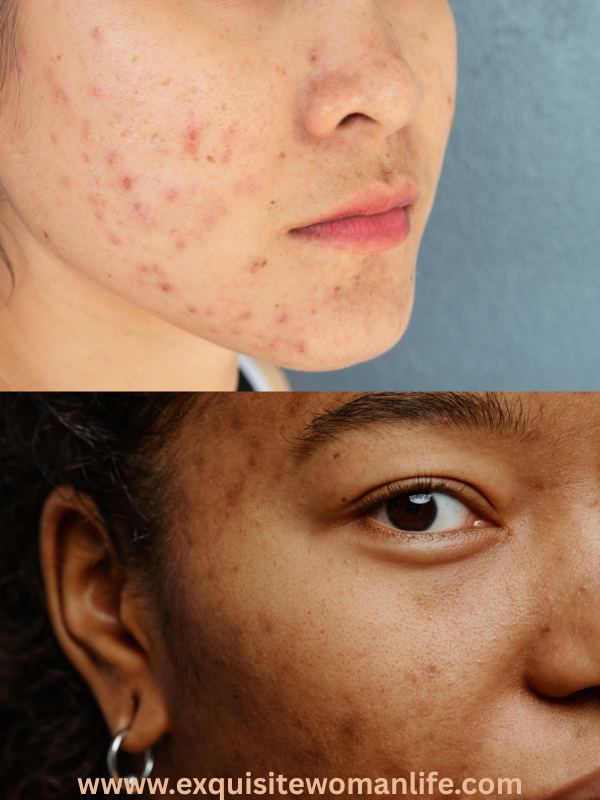
How to remove dark spots on the face is a common question many women ask when they notice uneven skin or stubborn marks that won’t fade.
It can feel frustrating. You try different products, but nothing works. Sometimes the spots even get darker, and it starts to affect how you feel about your skin.
You are not alone. Dark spots can come from acne, sun exposure, or hormonal changes. The good thing is, they can be treated with the right steps.
In this guide, you will learn simple and practical ways to remove dark spots on your face. You will see what works, what to avoid, and how to get clearer, more even skin with time.
See how to heal damaged skin cause by harsh creams
What Causes Dark Spots on the Face
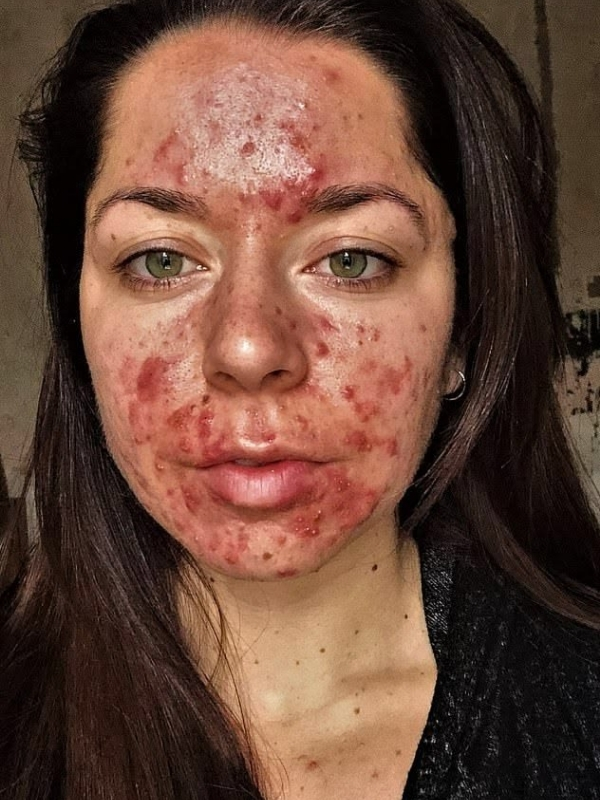
Dark spots on the face do not just appear overnight. They typically result from how your skin reacts to damage, irritation, or internal changes. When the skin produces excess melanin, it leads to patches that look darker than your natural skin tone.
Understanding the cause is the first step to treating it the right way.
1. Sun damage and hyperpigmentation
Too much sun exposure is one of the main causes of dark spots. When your skin is exposed to the sun without protection, it produces more melanin to protect itself. This leads to dark patches over time, especially on the face.
2. Acne scars and breakouts
After a pimple heals, it can leave a dark mark behind. This is called post-inflammatory hyperpigmentation. Picking or squeezing pimples can make these spots darker and harder to fade.
3. Hormonal changes and melasma
Hormonal changes can trigger a condition called melasma. This causes dark patches, especially on the cheeks, forehead, and upper lip. It is common during pregnancy or when using certain hormonal medications.
4. Wrong skincare products
Using harsh or bleaching products can damage your skin and irritate it. This can lead to more dark spots instead of clearing them. Products that do not suit your skin type can also make the problem worse.
5. Aging
As you get older, it’s common to notice dark spots appearing on areas of your skin that have been exposed to the sun for many years, such as your face, hands, shoulders, and arms. These spots are often called age spots or sun spots.
Over time, repeated exposure to ultraviolet (UV) rays causes your skin to produce excess melanin, the pigment responsible for your skin color. As melanin builds up in certain areas, flat brown, black, or gray spots can develop.
Although age spots are harmless, many people choose to treat them for cosmetic reasons. Wearing a broad-spectrum sunscreen every day, avoiding excessive sun exposure, and using skincare products with ingredients like vitamin C, retinol, or niacinamide can help prevent new spots from forming and gradually reduce the appearance of existing ones.
The earlier you begin protecting your skin from the sun, the better your chances of maintaining a more even, youthful-looking complexion as you age.
See how to achieve an overall smooth skin
Simple Skincare Routine for Dark Spots
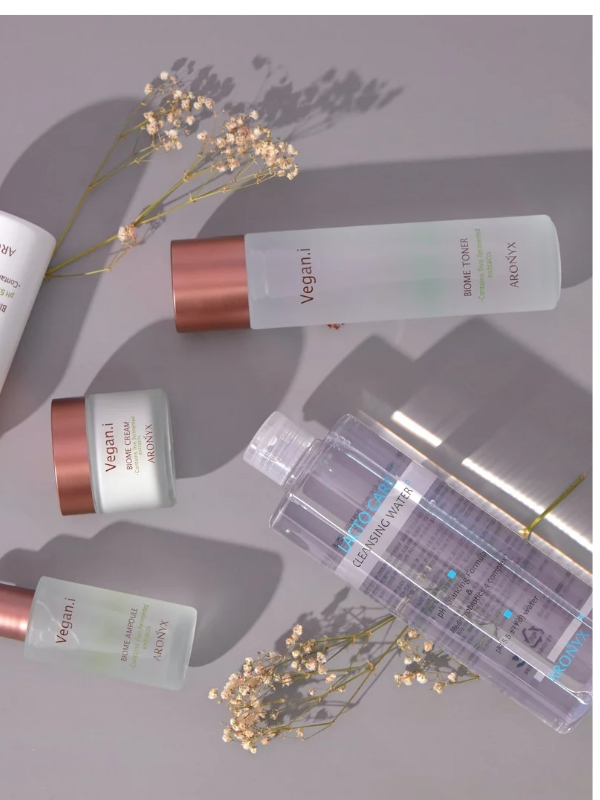
A consistent skincare routine is one of the most effective ways to fade dark spots and achieve a brighter, more even complexion. While you may not see results overnight, using the right products every day can gradually reduce hyperpigmentation and help prevent new spots from forming.
Here’s a simple routine you can follow.
1. Morning Routine
Start your day by washing your face with a gentle cleanser to remove excess oil and impurities without stripping your skin.
After cleansing, apply a brightening serum containing ingredients like vitamin C, niacinamide, or alpha arbutin to help improve your skin tone and protect it from environmental damage.
Next, apply a lightweight moisturizer to keep your skin hydrated and support a healthy skin barrier.
Finish with a broad-spectrum sunscreen with at least SPF 30. This is the most important step because sun exposure can make dark spots darker and slow the fading process. Reapply sunscreen every two hours if you’re spending time outdoors.
2. Evening Routine
At night, begin by removing your makeup and cleansing your face to wash away dirt, sunscreen, and excess oil.
Apply a treatment product containing ingredients such as retinol, azelaic acid, kojic acid, or glycolic acid to target dark spots and encourage healthy skin renewal. If you’re new to active ingredients, introduce them gradually to reduce the risk of irritation.
After your treatment, apply a nourishing moisturizer to keep your skin hydrated while you sleep. During the night, your skin naturally repairs itself, making this an ideal time to use products that target hyperpigmentation.
3. Weekly Routine
Once or twice a week, gently exfoliate your skin to remove dead skin cells and improve the absorption of your skincare products. Avoid over-exfoliating, as this can irritate your skin and make dark spots more noticeable.
You can also use a hydrating face mask once a week to replenish moisture and leave your skin feeling soft and refreshed.
Take a few minutes each week to clean your makeup brushes and replace old skincare products if they have expired. Keeping your tools clean helps reduce the risk of breakouts, which can lead to new dark spots.
Stay Consistent
The key to fading dark spots is patience and consistency. Most people begin to notice improvement after several weeks of regular skincare. Stick to your routine, protect your skin from the sun every day, and avoid picking at pimples or scabs, as these habits can make hyperpigmentation worse.
See step by step guide on the right body care routine
How to Remove Dark Spots on Face Naturally

If you prefer simple and natural ways, there are ingredients you can use at home to help fade dark spots. While natural ingredients are generally gentler than some skincare treatments, they still require consistency and patience. Keep in mind that results vary from person to person, and natural remedies usually take longer to show visible improvements.These remedies work slowly, so consistency is important. Use them gently and give your skin time to respond.
1. Use aloe vera for dark spots
Aloe vera helps to soothe the skin and reduce pigmentation.
- Extract fresh aloe vera gel
- Apply it directly to the dark spots
- Leave it overnight or for at least 20 minutes
- Rinse with clean water
- Use daily for best results
2. Apply lemon juice for skin brightening
Lemon juice has natural brightening properties that can help lighten dark spots.
- Squeeze fresh lemon juice
- Use cotton wool to apply to dark areas
- Leave for 10 to 15 minutes
- Rinse off and apply moisturiser
- Use 2 to 3 times a week
3. Turmeric remedy for dark spot removal
Turmeric helps to brighten the skin and reduce uneven tone.
- Mix turmeric with honey or yoghurt
- Apply the mixture to your face
- Leave for 15 to 20 minutes
- Rinse off gently
- Use 2 to 3 times weekly
4. Apple cider vinegar for fading dark spots
Apple cider vinegar helps to balance the skin and fade marks over time.
- Mix equal parts of apple cider vinegar and water
- Apply to dark spots using cotton
- Leave for a few minutes
- Rinse and moisturize
- Use a few times weekly
5. Honey
Honey is a natural humectant, meaning it helps the skin retain moisture. It also contains antioxidants that support healthy-looking skin. Apply a thin layer of raw honey to the affected areas, leave it on for 15 to 20 minutes, then rinse with warm water.
6. Green Tea
Green tea is packed with antioxidants that may help protect the skin from damage. After brewing a green tea bag, allow it to cool completely and gently place it over the dark spots for a few minutes. You can also use cooled green tea as a facial toner.
7. Papaya
Papaya contains natural enzymes that gently exfoliate the skin by removing dead skin cells. Mash a small piece of ripe papaya, apply it as a face mask, leave it on for about 15 minutes, then rinse with lukewarm water.
8. Oatmeal and Yogurt
A mixture of oatmeal and plain yogurt can gently exfoliate your skin while helping it feel soft and smooth. Combine the ingredients into a paste, massage it onto your face using gentle circular motions, leave it on for 10 minutes, then rinse.
9. Protect Your Skin from the Sun
No natural remedy will work well if your skin is constantly exposed to the sun without protection. Apply a broad-spectrum sunscreen with at least SPF 30 every morning to prevent existing dark spots from becoming darker and to reduce the risk of new ones forming.
Stay consistent with these natural remedies and combine them with a good skincare routine for better results.
Best Skincare Routine to Remove Dark Spots on Face

If you want real results, your daily routine matters. Using the right steps helps your skin heal, fade dark spots, and stay even. Keep it simple and stay consistent.
1. Gentle cleansing for clear skin
Cleansing removes dirt, oil, and buildup that can make dark spots worse.
- Use a mild cleanser that suits your skin type
- Wash your face morning and night
- Avoid harsh soaps that dry out your skin
- Pat your face dry, do not rub
2. Exfoliation to remove dead skin cells
Exfoliating helps your skin renew faster and fade dark spots over time.
- Use a gentle exfoliator
- Exfoliate 2 to 3 times a week
- Avoid over-exfoliating to prevent irritation
- Focus on areas with dark spots
3. Moisturising to repair the skin barrier
Moisturising keeps your skin healthy and supports healing.
- Use a lightweight moisturiser for oily skin
- Use a richer cream for dry skin
- Apply immediately after washing your face
- Keep your skin hydrated at all times
4. Daily sunscreen to prevent dark spots
Sunscreen is one of the most important steps. Without it, dark spots can get darker.
- Use sunscreen every morning
- Choose SPF 30 or higher
- Reapply during the day if you are outside
- Do not skip this step, even on cloudy days
A simple, consistent daily routine will give better results than using many products at once.
Best Products to Remove Dark Spots on Face Fast
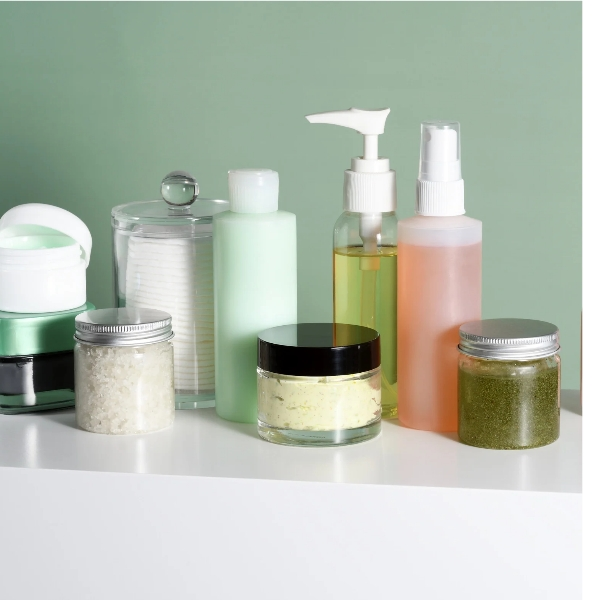
If you want faster results, the right skincare products make a big difference. Look for products with active ingredients that target dark spots and even out your skin tone. Consistency is what gives you visible results. (Pulse Nigeria)
1. Vitamin C serum for dark spots
Vitamin C helps brighten the skin and reduce dark spots over time. It also protects your skin from damage that can cause more pigmentation. (ClearCut Store)
- Helps to lighten dark spots
- Boosts skin glow and radiance
- Works well for dull and uneven skin
2. Niacinamide for skin brightening
Niacinamide helps to improve skin tone and reduce discolouration. It also controls oil and supports healthy skin. (ClearCut Store)
- Fades dark spots धीरे
- Improves skin texture
- Reduces redness and breakouts
3. Retinol for hyperpigmentation treatment
Retinol helps your skin renew faster, which fades dark spots and smooths your skin. (ClearCut Store)
- Speeds up skin cell turnover
- Reduces acne scars and pigmentation
- Improves overall skin appearance
4. Chemical exfoliants for smoother skin
Chemical exfoliants like glycolic acid and salicylic acid remove dead skin and help new skin come up. (Dr. Optimalist)
- Fades dark spots faster
- Smooths rough skin
- Improves skin clarity and tone
Using products with these ingredients can help you see faster improvement when combined with a good skincare routine.
5. Azelaic Acid
Azelaic acid is a gentle skincare ingredient that helps fade dark spots, reduce redness, and improve uneven skin tone. It works by slowing down the production of excess melanin, which is responsible for hyperpigmentation. It’s especially helpful for people dealing with post-acne marks or melasma and is suitable for most skin types, including sensitive skin. With regular use, azelaic acid can leave your complexion looking brighter and more even.
6. Alpha Arbutin
Alpha arbutin is a popular brightening ingredient known for its ability to reduce the appearance of dark spots and discoloration. It works by inhibiting tyrosinase, an enzyme involved in melanin production, helping to gradually fade hyperpigmentation without irritating the skin. Alpha arbutin is gentle enough for daily use and works best when paired with sunscreen, as protecting your skin from UV rays helps prevent new dark spots from developing while existing ones fade.
7. Kojic Acid
Kojic acid is a well-known skincare ingredient that helps reduce the appearance of dark spots, acne marks, and uneven skin tone. It works by slowing down the production of melanin, the natural pigment that gives your skin its color. With regular use, kojic acid can gradually brighten hyperpigmentation and leave your complexion looking more even.
Because kojic acid can make your skin more sensitive, it’s important to use it as directed and apply a broad-spectrum sunscreen with at least SPF 30 every morning. Pairing kojic acid with daily sun protection helps prevent new dark spots from forming while allowing existing ones to fade more effectively.
See how to get the right skincare products for your skin type
How to Remove Dark Spots on Face for Different Skin Types
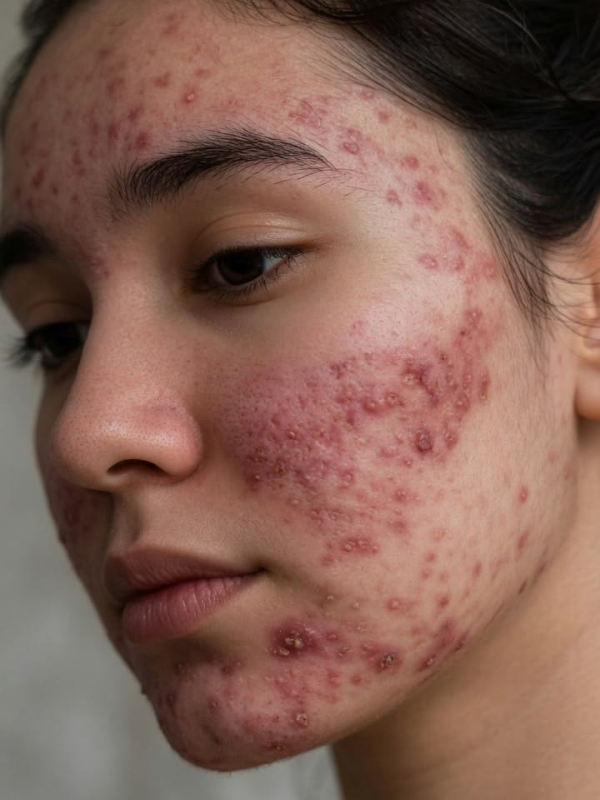
Your skin type affects how you treat dark spots. What works for one person may not work for another. Choosing the right method for your skin helps you get better results without irritation.
Oily skin dark spots treatment
Oily skin needs products that control oil without clogging pores.
- Use lightweight, oil-free products
- Choose niacinamide to control oil and fade spots
- Use gentle chemical exfoliants like salicylic acid
- Avoid heavy creams that can cause breakouts
Dry skin dark spots treatment
Dry skin needs hydration while treating dark spots.
- Use moisturising products with brightening ingredients
- Choose creams with vitamin C or lactic acid
- Avoid over-exfoliating to prevent dryness
- Always follow with a rich moisturiser
Sensitive skin safe solutions
Sensitive skin needs gentle care to avoid irritation.
- Use mild and fragrance-free products
- Try natural remedies like aloe vera
- Avoid strong acids and harsh treatments
- Patch test before using any new product
Combination skin care tips
Combination skin needs a balance between oily and dry areas.
- Use lightweight products that hydrate without being heavy
- Apply treatments only to the affected areas
- Exfoliate gently to avoid irritation
- Keep your routine simple and consistent
Understanding your skin type helps you treat dark spots safely and effectively. See how to choose the right skin care products for your skin type.
How to Prevent Dark Spots on Face
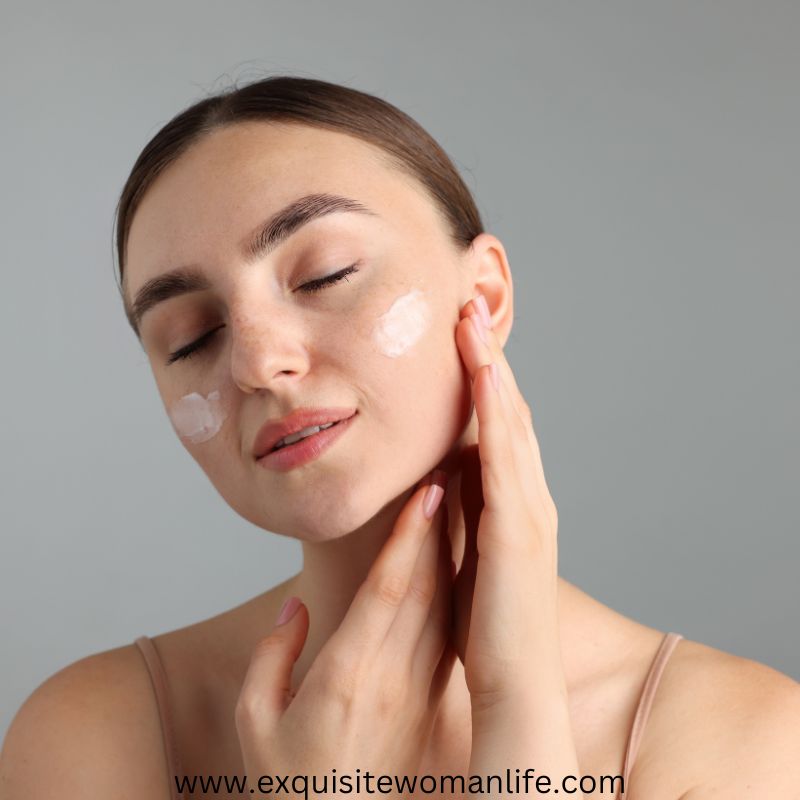
Preventing dark spots is easier than treating them. Simple daily habits can help you maintain clear and even skin. Stay consistent with these steps to avoid new spots from forming.
Avoid picking your skin
Picking pimples or scabs can leave dark marks behind.
- Do not squeeze or pick breakouts
- Let your skin heal naturally
- Treat acne early to prevent scars
Use sunscreen every day
Sun exposure can make dark spots darker and create new ones.
- Apply sunscreen every morning
- Use SPF 30 or higher
- Reapply if you stay outdoors for long
Stick to a consistent skincare routine
Your skin needs time to improve. Changing products too often can slow results.
- Follow a simple daily routine
- Cleanse, treat, and moisturise regularly
- Give products time to work
Choose products that suit your skin
Using the wrong products can cause irritation and dark spots.
- Know your skin type before buying products
- Avoid harsh or bleaching creams
- Use gentle and effective ingredients
Small daily habits can protect your skin and keep it looking clear and healthy.
Foods That May Support Healthy, Even-Toned Skin
What you eat can have a positive impact on your skin’s overall health. While no single food can erase dark spots overnight, a balanced diet rich in vitamins, antioxidants, and healthy fats can support your skin’s natural repair process and help you maintain a brighter, more even complexion.
Here are some of the best foods to include in your diet.
1. Citrus Fruits
Oranges, lemons, grapefruits, and other citrus fruits are rich in vitamin C, an antioxidant that supports collagen production and helps protect your skin from damage caused by free radicals. Vitamin C also plays an important role in maintaining healthy, radiant skin.
3. Berries
Strawberries, blueberries, raspberries, and blackberries are packed with antioxidants that help protect your skin from environmental damage. Eating berries regularly may support healthier-looking skin and improve your overall complexion.
4. Leafy Green Vegetables
Vegetables like spinach, kale, and broccoli are rich in vitamins A, C, and E, which help nourish the skin and support healthy skin renewal. They also contain antioxidants that protect your skin from oxidative stress.
5. Nuts and Seeds
Almonds, walnuts, sunflower seeds, and chia seeds provide healthy fats, vitamin E, and zinc. These nutrients help keep your skin moisturized, support the skin barrier, and contribute to a smoother, healthier appearance.
6. Fatty Fish
Salmon, sardines, and mackerel are excellent sources of omega-3 fatty acids, which help reduce inflammation and support healthy skin. Including fatty fish in your diet may help improve your skin’s texture and overall health.
7. Tomatoes
Tomatoes contain lycopene, a powerful antioxidant that may help protect your skin from sun-related damage when eaten regularly as part of a balanced diet. They also provide vitamin C, which supports healthy skin.
8. Avocados
Avocados are rich in healthy fats and vitamin E, which help nourish the skin from within. They can help keep your skin soft, hydrated, and healthy-looking.
9. Drink Plenty of Water
Staying hydrated is essential for healthy skin. Drinking enough water supports your body’s normal functions and helps maintain your skin’s moisture balance. While water alone won’t remove dark spots, proper hydration contributes to healthier, more radiant skin.
10. Eat a Balanced Diet
For the best results, focus on eating a variety of whole foods instead of relying on a single “superfood.” Combining a nutritious diet with a consistent skincare routine, daily sunscreen, and healthy lifestyle habits can help you achieve a brighter, more even-looking complexion over time.
How Long Does It Take to Remove Dark Spots?

If you’re trying to get rid of dark spots, it’s important to have realistic expectations. Dark spots don’t disappear overnight, and the time it takes to fade them depends on their cause, how deep the pigmentation is, your skin type, and the treatment you’re using.
With consistent skincare and proper sun protection, many people begin to notice improvement within 6 to 12 weeks. However, deeper or more stubborn dark spots, such as melasma or long-standing sun spots, may take several months to fade.
1. Be Consistent with Your Skincare Routine
Consistency is one of the most important factors in treating dark spots. Using brightening ingredients like vitamin C, niacinamide, azelaic acid, alpha arbutin, or retinol as directed can gradually improve your skin tone over time.
Avoid switching products too often, as this can make it difficult to know what’s working and may irritate your skin.
2. Wear Sunscreen Every Day
Daily sunscreen is essential when treating dark spots. Without sun protection, ultraviolet (UV) rays can make existing dark spots darker and slow the fading process.
Apply a broad-spectrum sunscreen with at least SPF 30 every morning and reapply it if you’re outdoors for extended periods.
3. Be Patient
It’s normal to feel discouraged if you don’t see immediate results, but skin takes time to renew itself. Most skincare products need several weeks of consistent use before noticeable improvements appear.
Avoid picking at pimples or scratching your skin, as this can lead to new dark spots and delay your progress.
4. When to See a Dermatologist
If your dark spots are becoming darker, changing in size or shape, causing discomfort, or haven’t improved after several months of consistent skincare, it’s a good idea to see a dermatologist. They can determine the underlying cause and recommend treatments such as prescription creams, chemical peels, laser therapy, or other professional procedures if needed.
Fading dark spots is a gradual process that requires patience and consistency. Following a simple skincare routine, protecting your skin from the sun every day, and using proven brightening ingredients can help you achieve a clearer, more even complexion over time.
Professional Treatments for Stubborn Dark Spots
If your dark spots don’t improve with over-the-counter skincare products, professional treatments may help. A dermatologist or licensed skincare professional can recommend the best option based on the cause of your hyperpigmentation, your skin type, and the severity of the discoloration.
Here are some of the most common treatments for stubborn dark spots.
Chemical Peels
Chemical peels use special acids to remove the outer layer of damaged skin, encouraging new, healthier skin cells to replace it. They can improve the appearance of acne marks, sun spots, and uneven skin tone over time.
Depending on the strength of the peel, you may need several treatment sessions to achieve the best results.
Laser Treatments
Laser therapy targets excess melanin in the skin to help break down dark pigmentation. This treatment is often recommended for stubborn sun spots, age spots, and certain types of hyperpigmentation.
Several sessions may be needed, and your dermatologist will advise you on the most suitable laser treatment for your skin.
Microneedling
Microneedling uses tiny, sterile needles to create controlled micro-injuries in the skin. This process stimulates collagen production and encourages skin renewal, which can gradually improve the appearance of acne scars and post-inflammatory hyperpigmentation.
Your skin may appear slightly red for a few days after treatment, but this usually improves as it heals.
Prescription Creams
For more persistent dark spots, a dermatologist may prescribe medicated creams containing ingredients such as hydroquinone, tretinoin, or azelaic acid. These treatments can help reduce excess pigmentation when used under medical supervision.
Always follow your dermatologist’s instructions, as some prescription treatments are not suitable for long-term use.
Which Treatment Is Best?
The best treatment depends on the cause and severity of your dark spots. Some people see good results with prescription creams alone, while others may benefit from procedures like chemical peels or laser therapy.
A dermatologist can examine your skin, identify the cause of the pigmentation, and recommend a treatment plan that’s safe and effective for your skin type.
Professional treatments can improve stubborn dark spots, but they work best when combined with a consistent skincare routine and daily sunscreen. Protecting your skin from the sun is essential to prevent existing dark spots from becoming darker and to reduce the risk of new ones forming.
Pro Tips for Fading Dark Spots Faster
Fading dark spots takes time, but using the right techniques can help you achieve better results. As someone with experience in skincare and beauty, I’ve learned that consistency is far more important than trying every new product on the market. A simple routine followed every day will usually give you better results than constantly changing products.
Here are some professional tips to help fade dark spots more effectively.
- Wear a broad-spectrum sunscreen with at least SPF 30 every day, even when it’s cloudy. Sun protection is essential for preventing dark spots from becoming darker.
- Use proven brightening ingredients such as vitamin C, niacinamide, alpha arbutin, azelaic acid, kojic acid, or retinol consistently as directed.
- Introduce active ingredients gradually, especially if you have sensitive skin. This helps reduce irritation and allows your skin to adjust.
- Moisturize your skin every day to maintain a healthy skin barrier. Well-hydrated skin responds better to skincare treatments.
- Avoid picking pimples, squeezing blemishes, or scratching your skin, as these habits can cause new dark spots to form.
- Be patient and give your skincare products enough time to work. Most treatments require several weeks or even months of consistent use before noticeable improvements appear.
- Exfoliate gently once or twice a week to remove dead skin cells and improve the absorption of your skincare products. Avoid over-exfoliating, as it can irritate your skin.
- Remove your makeup before going to bed to keep your pores clean and support your skin’s natural repair process overnight.
- Eat a balanced diet, drink plenty of water, and get enough sleep to support healthy skin from the inside out.
- Always perform a patch test before using a new skincare product to check for irritation or an allergic reaction.
Remember, there isn’t a single product that can remove dark spots overnight. The best results come from protecting your skin from the sun, following a consistent skincare routine, and giving your skin the time it needs to heal and renew itself.
Common Mistakes That Make Dark Spots Worse
Sometimes, well-meaning habits can actually make dark spots darker or harder to remove. Avoiding these mistakes will help your skin heal faster and stay healthy.
Over-exfoliating the skin
Exfoliating too often can irritate your skin and worsen pigmentation.
- Stick to 2–3 times a week
- Avoid harsh scrubs
- Be gentle on areas with dark spots
Using harsh or bleaching creams
Strong creams may lighten skin unevenly or damage your skin barrier.
- Avoid products with high peroxide or strong chemicals
- Choose safe, tested treatments
- Natural remedies or mild actives are better for sensitive skin
Skipping sunscreen
Sun exposure can darken existing spots and cause new ones.
- Apply sunscreen daily, even indoors
- Reapply every 2–3 hours when outside
- Use broad-spectrum SPF 30 or higher
Expecting overnight results
Dark spots take time to fade. Impatience can lead to overuse of products.
- Be consistent with your routine
- Track progress weekly, not daily
- Remember, gradual results are safer and longer-lasting
Avoiding these mistakes keeps your skin safe and speeds up the fading of dark spots.
When to See a Dermatologist for Dark Spots
Sometimes dark spots don’t improve with home remedies or over-the-counter products. A dermatologist can help identify the cause and provide effective treatments.
Stubborn dark spots that won’t fade
If your dark spots remain after weeks of consistent care, it’s time to get professional advice.
- Spots that stay the same or get darker
- Marks from acne, sun damage, or melasma
- Areas that are sensitive or irritated
Severe hyperpigmentation issues
Some pigmentation issues are more complex and need medical attention.
- Large patches of uneven skin tone
- Dark spots caused by hormonal changes
- Skin conditions that worsen over time
Professional treatments to consider
Dermatologists can offer treatments that work faster and more effectively.
- Chemical peels to remove dark layers of skin
- Laser treatments for deep pigmentation
- Prescription creams with stronger active ingredients
Seeing a professional ensures your skin is treated safely and gives you the best chance of fading dark spots effectively.
Frequently Asked Questions
What causes dark spots on the face?
Dark spots are commonly caused by sun exposure, acne marks, hormonal changes, aging, inflammation, and skin injuries. They occur when the skin produces excess melanin in certain areas.
Can dark spots disappear naturally?
Yes. Some dark spots fade on their own over time, especially post-acne marks. However, using the right skincare routine and wearing sunscreen daily can help them fade more quickly.
How long does it take to remove dark spots?
The timeline depends on the cause and depth of the pigmentation. Mild dark spots may begin to improve within a few weeks, while deeper discoloration can take several months of consistent treatment.
Which ingredients are best for fading dark spots?
Ingredients commonly used to reduce hyperpigmentation include vitamin C, niacinamide, retinoids, azelaic acid, kojic acid, and alpha hydroxy acids. These ingredients work gradually and should be used consistently.
Is sunscreen necessary when treating dark spots?
Yes. Daily sunscreen is essential because UV exposure can make existing dark spots darker and increase the risk of developing new ones. Use a broad-spectrum sunscreen with SPF 30 or higher every day.
Can home remedies remove dark spots?
Some natural ingredients may help brighten the skin slightly, but scientific evidence for many home remedies is limited. Proven skincare ingredients and daily sun protection generally provide more reliable results.
Should I squeeze pimples if I want to avoid dark spots?
No. Picking or squeezing pimples increases inflammation and raises the risk of post-inflammatory hyperpigmentation, making dark spots more likely to develop.
When should I see a dermatologist?
If your dark spots are changing in size, shape, or color, or if they do not improve after several months of consistent skincare, it’s a good idea to see a dermatologist for an evaluation and treatment options.
Conclusion
Dark spots on the face can be frustrating, but they are treatable. With the right routine, natural remedies, and targeted products, you can gradually fade them and restore an even skin tone.
Consistency is key—avoid harsh treatments, protect your skin from the sun, and stick to products that suit your skin type. If dark spots persist, consulting a dermatologist can help you get faster and safer results.
With patience and care, clearer, brighter skin is achievable.