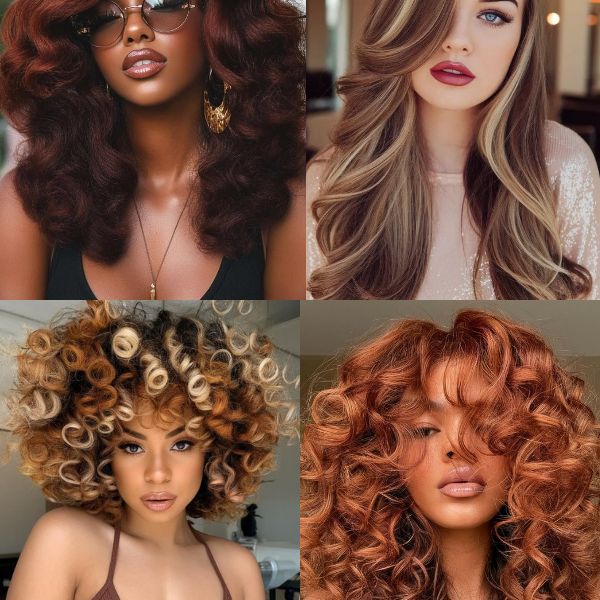
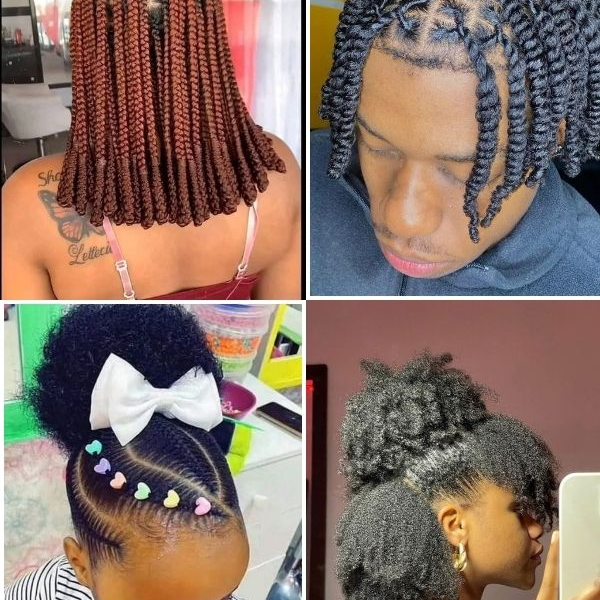
Finding the best hair care routine for African women can be overwhelming, especially with the endless advice on social media and the countless products promising faster hair growth and healthier hai.
African hair is naturally beautiful and versatile, but it also has unique needs. Its curly, coily, and kinky texture makes it more prone to dryness because natural oils from the scalp take longer to travel down the hair strands. This means that maintaining healthy hair requires a consistent routine focused on cleansing, moisturizing, and protecting your strands.
In this guide, you’ll learn the best hair care routine for African women step by step, including how to cleanse your hair properly, keep it moisturized, reduce breakage, and create healthy habits that support hair growth and length retention.
See hair care routine for hot weather
Why a Proper Hair Care Routine Is Important for African Hair
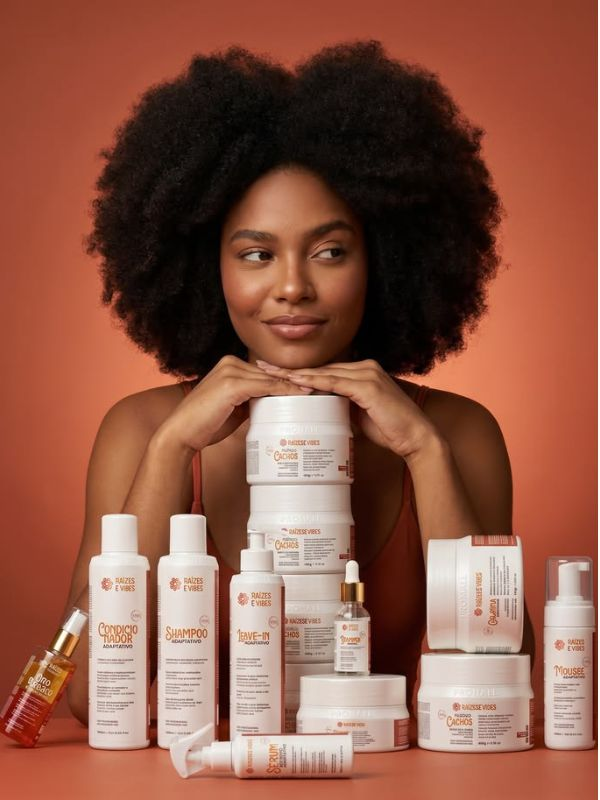
African hair is naturally beautiful, versatile, and unique, but it also requires special care. Due to its curly, coily, and kinky texture, natural oils produced by the scalp have a harder time traveling down the hair strands. As a result, African hair tends to become dry more easily than other hair types and is often more prone to tangles, breakage, and split ends.
A consistent routine helps keep your hair clean, moisturized, and protected from everyday damage. It also makes your hair easier to manage and can improve its overall appearance and health over time.
One of the biggest benefits of a good hair care routine is moisture retention. Well-moisturized hair is softer, more flexible, and less likely to break. Regular cleansing and conditioning also help remove product buildup, excess oil, and dirt that can affect the health of your scalp and hair.
A proper routine also supports length retention. Many women feel that their hair isn’t growing when, in reality, their hair is growing but breaking off at the ends. By moisturizing regularly, handling your hair gently, and wearing protective styles when needed, you can reduce breakage and retain more of your hair length.
Healthy hair starts with a healthy scalp. Taking care of your scalp by cleansing it regularly and keeping it balanced creates a better environment for healthy hair growth. When your scalp and strands receive consistent care, your hair is more likely to look stronger, shinier, and easier to style.
Ultimately, a proper hair care routine is not about achieving perfect hair overnight. It’s about developing healthy habits that help your natural hair thrive and remain healthy in the long run.
See how to grow your hair faster
Understanding African Hair Types
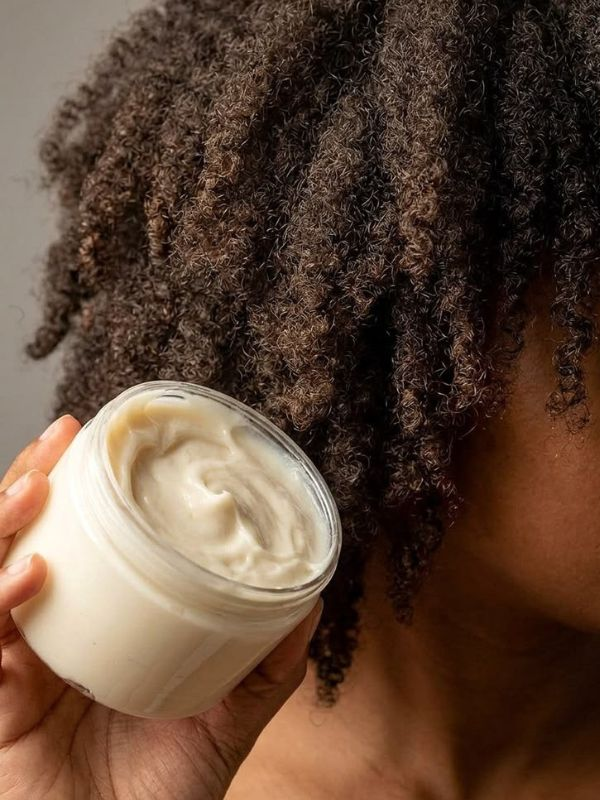
One of the first steps in creating an effective hair care routine is understanding your hair type. African hair comes in different textures, curl patterns, and porosity levels, and no two heads of hair are exactly the same. Knowing your hair type can help you choose the right products, styling methods, and maintenance routine for healthier, more manageable hair.
Most African hair falls within the Type 3 and Type 4 categories. These hair types range from loose curls to tight coils and are naturally beautiful and versatile. However, because of their structure, they tend to need more moisture and gentle handling to prevent dryness and breakage.
Type 3 Curly Hair
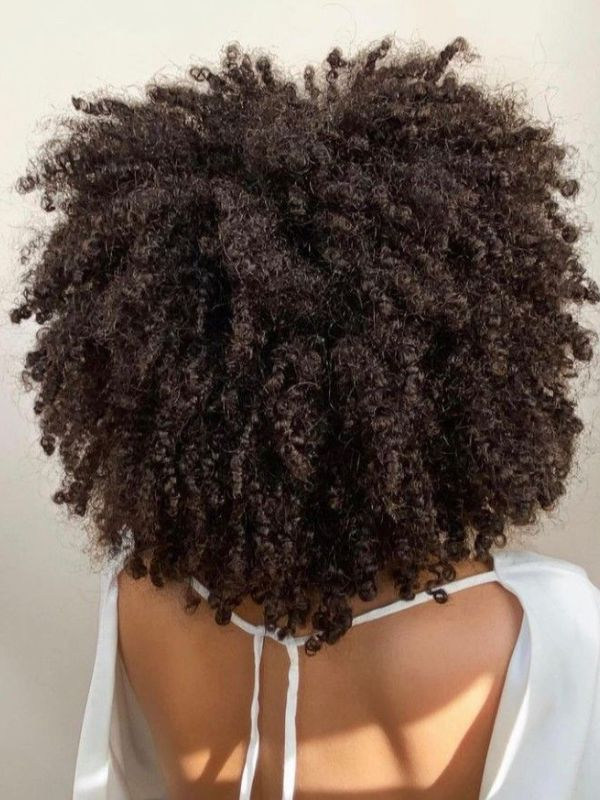
Type 3 hair has defined curls that range from loose ringlets to springy corkscrew curls. This hair type often has plenty of volume and can hold styles well, but it can also become dry and frizzy without proper moisture.
To care for Type 3 hair, focus on regular conditioning, moisturizing, and using lightweight products that define curls without weighing them down. Gentle detangling and minimizing heat styling can also help keep curls healthy and manageable.
Type 4 Coily and Kinky Hair
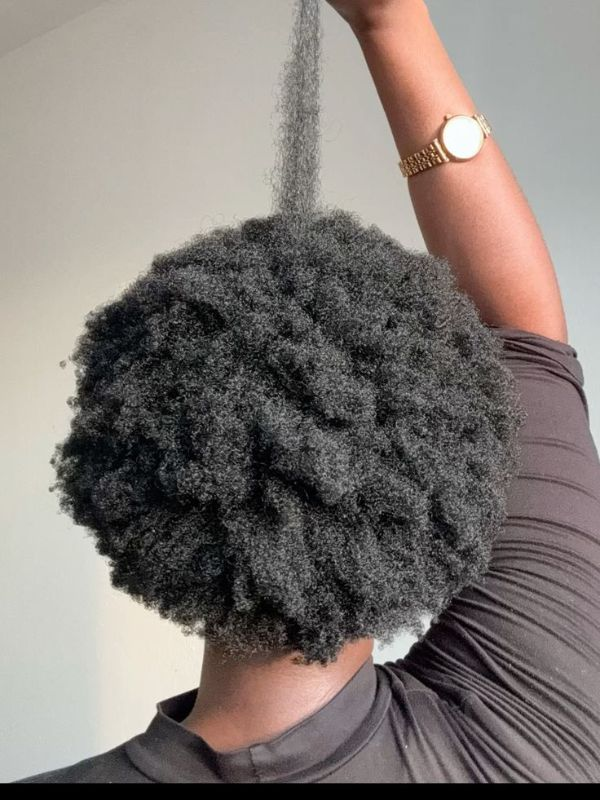
Type 4 hair consists of tightly coiled, kinky, or zigzag-shaped strands. This hair type is known for its versatility and fullness, but it is also the most prone to dryness because natural oils have difficulty traveling down the hair shaft.
Type 4 hair benefits from regular moisturizing, deep conditioning, and protective styling. Gentle handling is especially important because this hair type can be fragile and more susceptible to breakage if not properly cared for.
How Hair Porosity Affects Your Routine
Hair porosity refers to your hair’s ability to absorb and retain moisture. Understanding your hair’s porosity can make it easier to choose products and develop a routine that keeps your hair hydrated and healthy.
Low Porosity Hair has tightly closed cuticles, making it difficult for moisture to enter the hair strand. Lightweight, water-based products and gentle heat during deep conditioning often work best.
Medium Porosity Hair usually absorbs and retains moisture well. This hair type generally responds positively to a balanced routine of cleansing, conditioning, and moisturizing.
High Porosity Hair absorbs moisture quickly but also loses it quickly. It often benefits from rich moisturizers, deep conditioning treatments, and oils or butters that help seal in moisture.
Understanding your hair type and porosity allows you to build a routine that meets your hair’s specific needs. Instead of copying someone else’s routine, you can choose products and techniques that help your own hair stay healthy, moisturized, and easier to manage.
8. Essential Hair Care Products for African Women
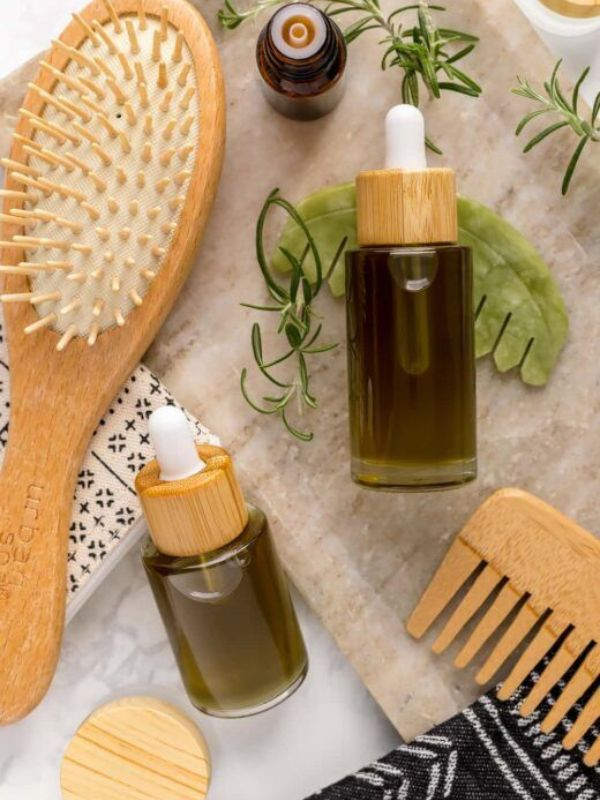
You don’t need a cabinet full of products to maintain healthy natural hair. In fact, a simple routine with a few essential products is often effective than constantly trying new products. The key is choosing products that help cleanse, moisturize, strengthen, and protect your hair.
1. Sulfate-Free Shampoo
A good shampoo helps remove dirt, sweat, excess oil, and product buildup from your scalp and hair. Sulfate-free shampoos are often a great choice for African hair because they cleanse gently without stripping away too much moisture.
Aim to wash your hair regularly based on your lifestyle and hair needs. A clean scalp creates a healthier environment for your hair and makes it easier for products to work effectively.
2. Moisturizing Conditioner
Conditioner helps soften the hair, improve manageability, and replace moisture lost during cleansing. It also makes detangling easier and can help reduce breakage.
After shampooing, apply conditioner from the mid-lengths to the ends of your hair and allow it to sit for a few minutes before rinsing.
3. Deep Conditioner
Deep conditioning treatments provide extra moisture and nourishment to the hair. They are especially helpful for African hair because curly, coily, and kinky textures tend to become dry more easily.
Using a deep conditioner regularly can improve softness, reduce dryness, and make your hair easier to manage.
4. Leave-In Conditioner
A leave-in conditioner adds lasting moisture after washing your hair. It helps keep your strands hydrated, soft, and easier to style throughout the week.
Apply your leave-in conditioner to damp hair and distribute it evenly, paying extra attention to the ends of your hair.
5. Natural Oils and Butters
Natural oils and butters can help seal moisture into the hair and add softness and shine. Popular options include shea butter, olive oil, coconut oil, and castor oil.
Remember that oils and butters work best when applied to moisturized hair. They help reduce moisture loss rather than replacing water-based hydration.
6. Wide-Tooth Comb and Detangling Brush
African hair can be delicate, especially when dry. Using a wide-tooth comb or a gentle detangling brush can help remove knots and tangles while minimizing breakage.
For easier detangling, work in sections and detangle your hair when it is damp and coated with conditioner or a leave-in product.
7. Satin Bonnet and Satin Pillowcase
Protecting your hair while you sleep is an important part of a healthy hair routine. Cotton pillowcases can absorb moisture and create friction that may lead to dryness and breakage.
A satin bonnet or satin pillowcase helps your hair retain moisture and reduces friction, helping your hair stay softer and easier to manage.
8. Heat Protectant
If you occasionally use heat tools such as a blow dryer, flat iron, or curling wand, a heat protectant is essential. It helps reduce the risk of heat damage by creating a protective layer around your hair strands.
Using heat sparingly and always applying a heat protectant can help maintain the health and strength of your hair.
The best hair care products are not necessarily the most expensive ones. Focus on choosing products that meet your hair’s needs and use them consistently. A simple routine with the right essentials can go a long way in helping your African hair remain healthy, moisturized, and beautiful.
See how to color your properly
Best Hair Care Routine for African Women Step by Step
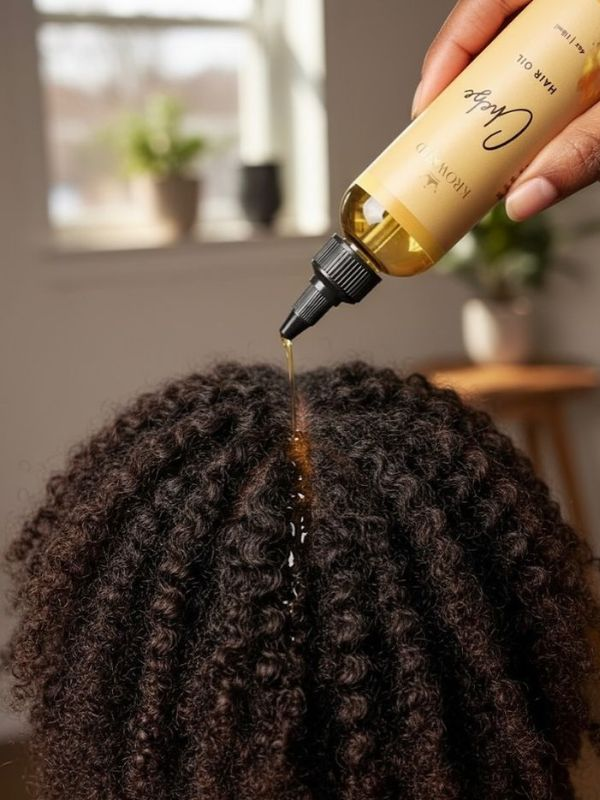
Healthy hair doesn’t happen overnight. The secret to strong, soft, and manageable African hair is following a consistent routine that focuses on cleansing, moisturizing, and protecting your strands. Whether your hair is relaxed, natural, curly, or coily, these simple steps can help keep your hair healthy and support length retention.
Step 1: Detangle Your Hair Gently
Before washing your hair, gently remove knots and tangles. Detangling beforehand can make wash day easier and reduce unnecessary breakage.
Divide your hair into sections and use your fingers or a wide-tooth comb to work through tangles carefully. Start from the ends of your hair and gradually work your way up to the roots. If your hair is very tangled, apply a little water, conditioner, or a detangling product to make the process easier.
Step 2: Cleanse Your Scalp and Hair
A clean scalp is essential for healthy hair. Over time, dirt, sweat, oil, and product buildup can accumulate on your scalp and hair, making them feel heavy and difficult to manage.
Apply a sulfate-free shampoo mainly to your scalp and gently massage it with your fingertips. As you rinse, the shampoo will naturally cleanse the rest of your hair. Avoid scratching your scalp with your nails, as this can cause irritation.
Step 3: Condition Your Hair Properly
Conditioning helps restore moisture and softness after shampooing. It also improves manageability and makes detangling easier.
Apply a moisturizing conditioner from the mid-lengths to the ends of your hair. Use your fingers or a wide-tooth comb to distribute the product evenly. Allow the conditioner to sit for a few minutes before rinsing thoroughly.
Step 4: Deep Condition for Extra Moisture
African hair tends to become dry easily, so deep conditioning is an important step for maintaining healthy hair.
Apply a deep conditioner evenly throughout your hair, paying extra attention to the ends. Cover your hair with a shower cap and leave the treatment on for the recommended time. Deep conditioning helps improve softness, restore moisture, and reduce dryness and breakage.
Step 5: Apply a Leave-In Conditioner
After washing your hair, gently remove excess water with a microfiber towel or cotton T-shirt.
Apply a leave-in conditioner to damp hair to provide long-lasting moisture. Divide your hair into sections and work the product through each section evenly. This step helps keep your hair hydrated and easier to manage between wash days.
Step 6: Seal in Moisture With Natural Oils or Butters
Moisture is one of the most important needs of African hair. After applying your leave-in conditioner, use a small amount of oil or butter to help reduce moisture loss.
Products such as shea butter, olive oil, coconut oil, or castor oil can help soften the hair and add shine. Pay special attention to the ends of your hair since they are the oldest and most fragile part of your strands.
Step 7: Style Your Hair in Protective Hairstyles
Protective hairstyles can help minimize daily manipulation and make your hair easier to maintain. Styles such as twists, braids, buns, and cornrows can help keep your hair protected while reducing tangles and breakage.
However, avoid making protective styles too tight, as excessive tension can damage your edges and put unnecessary stress on your hair.
Step 8: Protect Your Hair Before Bed
Nighttime hair care is often overlooked, but it plays an important role in maintaining healthy hair.
Before going to bed, loosely braid or twist your hair if necessary and cover it with a satin bonnet or sleep on a satin pillowcase. Satin helps reduce friction and prevents your hair from losing moisture while you sleep.
Step 9: Refresh and Moisturize Your Hair During the Week
Your hair care routine doesn’t end on wash day. Throughout the week, monitor how your hair feels and add moisture when needed.
If your hair starts feeling dry, lightly mist it with water and apply a small amount of leave-in conditioner or moisturizer. Consistently keeping your hair moisturized can help improve softness, reduce breakage, and make your hair easier to manage.
The best hair care routine for African women is not about using dozens of products or following complicated techniques. It is about developing healthy habits and staying consistent with cleansing, moisturizing, and protecting your hair. With patience and proper care, your hair can become stronger, healthier, and easier to maintain over time.
See how to Regrow your edges faster
Daily Hair Care Routine for African Women
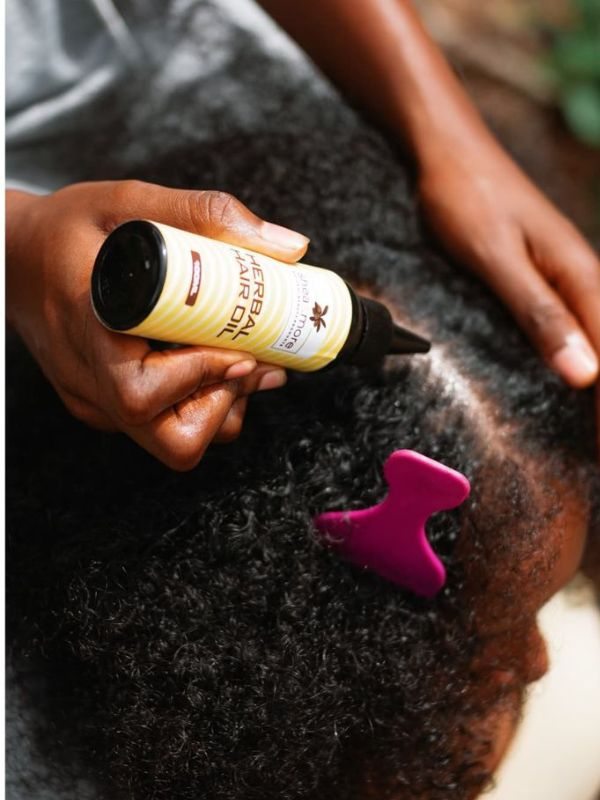
A daily hair care routine is not to style your hair every day but to keep it moisturized, protected, and easy to manage. African hair thrives when it is handled gently and given consistent care.
How to Keep Hair Moisturized Daily
African hair tends to lose moisture quickly, so keeping your hair hydrated is one of the most important parts of your daily routine.
Start by checking how your hair feels. If it feels soft and moisturized, there is no need to add more products. If it feels dry, lightly mist your hair with water and apply a small amount of leave-in conditioner or moisturizer, focusing on the mid-lengths and ends of your hair.
If needed, use a small amount of natural oil or butter to help reduce moisture loss and keep your hair feeling soft and manageable.
Refreshing Your Hair Between Wash Days
You don’t need to wash your hair every day to keep it looking fresh. Instead, spend a few minutes refreshing your style.
Gently fluff your curls, redefine your twists, smooth your edges if desired, or restyle your bun or protective hairstyle. If you wear braids or twists, keep your scalp clean and apply a light moisturizer when needed.
The goal is to maintain your hairstyle while avoiding unnecessary manipulation that can lead to tangles and breakage.
Protecting Your Hair During the Day
Daily habits can affect the health of your hair. Avoid excessive brushing, pulling, or constantly touching your hair throughout the day.
If you’ll be spending time outdoors, consider wearing a hat or scarf to help protect your hair from harsh weather conditions, excessive sun exposure, or drying winds.
If your hair is long, keeping it in a low-manipulation style such as a bun, twists, or braids can help reduce friction and make it easier to retain length.
Protect Your Hair Before Bed
A healthy hair routine continues at night. Before going to sleep, cover your hair with a satin bonnet or scarf, or sleep on a satin pillowcase.
Satin helps reduce friction and prevents your hair from losing moisture while you sleep. This simple habit can help minimize frizz, reduce breakage, and keep your hair softer and easier to manage the next day.
The best daily hair care routine for African women is simple and consistent. By keeping your hair moisturized, minimizing unnecessary manipulation, and protecting it day and night, you can maintain healthier, softer, and more manageable hair over time.
See best hair treatment for African Hair
Weekly Hair Care Routine for African Women
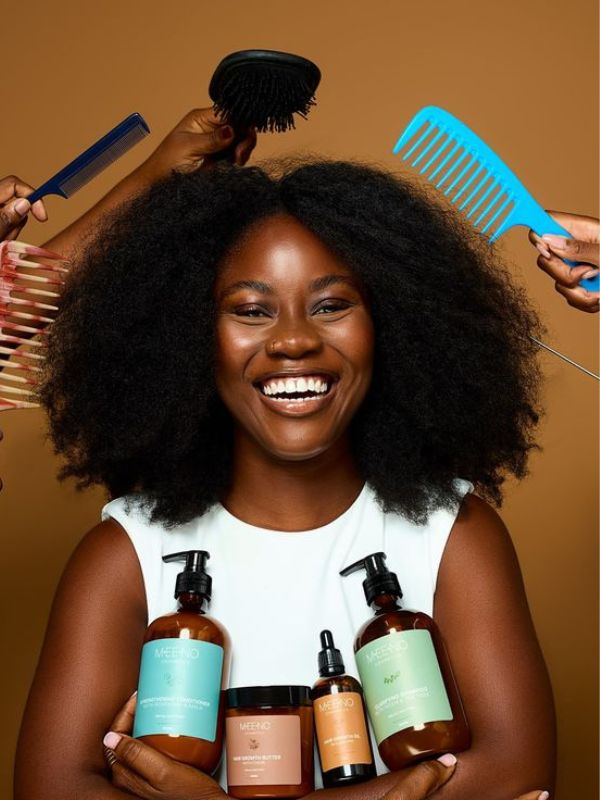
A weekly hair care routine is essential for keeping African hair clean, moisturized, and healthy. While daily care focuses on maintaining moisture and protecting your hair, a weekly routine gives your scalp and strands the deeper care they need. Setting aside time each week to care for your hair can help reduce dryness, improve manageability, and support length retention.
Wash Day Routine
Wash day is the foundation of a healthy hair care routine. Start by gently detangling your hair in sections to remove knots and make washing easier.
Apply a sulfate-free shampoo to your scalp and massage gently with your fingertips to lift dirt, sweat, and product buildup. As you rinse, the shampoo will naturally cleanse the rest of your hair.
A clean scalp allows your hair products to work more effectively and helps your hair feel lighter and fresher.
Deep Conditioning Routine
After shampooing, apply a deep conditioner to restore moisture and improve softness. African hair tends to become dry easily, so deep conditioning is an important step that should not be skipped.
Work the deep conditioner through your hair in sections, paying extra attention to the ends, which are often the driest and most fragile part of the hair.
Cover your hair with a shower cap and leave the treatment on according to the product instructions. Deep conditioning can help improve moisture retention, reduce breakage, and make detangling easier.
Moisturize and Seal
After washing and conditioning, gently remove excess water with a microfiber towel or cotton T-shirt.
Apply a leave-in conditioner to damp hair and distribute it evenly through each section. Follow with a small amount of natural oil or butter to help lock in moisture and keep your hair soft throughout the week.
Consistent moisturizing can improve manageability and help minimize dryness and breakage.
Scalp Care Routine
Your scalp deserves attention too. Once a week, check your scalp for dryness, product buildup, or irritation.
Keep your scalp clean and avoid applying heavy products that may cause buildup. If your scalp feels dry, you can apply a light scalp oil or moisturizing treatment to help maintain comfort and balance.
A healthy scalp creates a better environment for healthy hair.
Protective Styling and Maintenance
After completing your wash routine, choose a hairstyle that protects your hair and reduces daily manipulation. Twists, braids, buns, and cornrows can help keep your hair manageable while minimizing tangles and breakage.
Avoid installing styles too tightly, especially around your hairline, to prevent unnecessary tension on your scalp and edges.
Check for Split Ends and Hair Health
Use your weekly routine as an opportunity to assess the condition of your hair. Pay attention to excessive shedding, dryness, or damaged ends.
Regularly monitoring your hair helps you identify problems early and make adjustments to your routine when needed.
A weekly hair care routine doesn’t have to be complicated. Consistently cleansing, conditioning, moisturizing, and protecting your hair can make a significant difference in its overall health. Over time, these simple habits can help your African hair become softer, stronger, and easier to manage.
Hair Care Routine Based on Hair Porosity
Hair porosity refers to your hair’s ability to absorb and retain moisture. Understanding your hair porosity is important because it helps you choose products and techniques that work best for your hair. Two people can have the same curl pattern but completely different hair needs because their porosity levels are different.
Knowing whether your hair has low, medium, or high porosity can make it easier to maintain moisture, reduce dryness, and create a routine that supports healthier hair.
Low Porosity Hair Routine
Low porosity hair has tightly closed cuticles, making it difficult for moisture and products to penetrate the hair shaft. Products often sit on the surface of the hair instead of being absorbed.
To care for low porosity hair:
- Use lightweight, water-based products.
- Apply products to damp hair rather than dry hair.
- Deep condition regularly and use gentle heat, such as a shower cap, to help products penetrate the hair.
- Avoid applying too many heavy oils and butters, as they can cause product buildup.
- Clarify your hair occasionally to remove excess product and keep your hair feeling fresh.
The goal with low porosity hair is to help moisture enter the hair without weighing it down.
Medium Porosity Hair Routine
Medium porosity hair generally absorbs and retains moisture well. The cuticles are neither too tightly closed nor too open, making this hair type easier to manage.
To care for medium porosity hair:
- Follow a balanced routine of cleansing, conditioning, and moisturizing.
- Use moisturizing products that keep your hair hydrated without causing buildup.
- Deep condition regularly to maintain softness and elasticity.
- Protect your hair with low-manipulation or protective styles.
- Avoid excessive heat styling and harsh chemical treatments.
Medium porosity hair often responds well to consistent care and usually doesn’t require complicated routines.
High Porosity Hair Routine
High porosity hair has raised or damaged cuticles, allowing moisture to enter quickly but escape just as fast. This hair type often feels dry, becomes frizzy easily, and may be more prone to breakage.
To care for high porosity hair:
- Use moisturizing shampoos and rich conditioners.
- Deep condition regularly to help restore softness and hydration.
- Apply leave-in conditioners to damp hair and seal in moisture with oils or butters.
- Use protein treatments occasionally if your hair feels weak or excessively stretchy.
- Limit heat styling and harsh chemical treatments that may cause additional damage.
The goal with high porosity hair is to help the hair retain moisture for longer periods and protect it from further damage.
Understanding your hair porosity allows you to build a routine that meets your hair’s specific needs. Instead of following every trend, you can choose products and techniques that help your hair stay hydrated, manageable, and healthy over time.
Best Natural Ingredients for Healthy African Hair
Natural ingredients have been used for generations to care for African hair, and for good reason. Many of these ingredients help moisturize the hair, improve manageability, and support overall hair health. While no single ingredient can magically make hair grow overnight, incorporating the right natural ingredients into your routine can help reduce dryness and breakage while keeping your hair soft and healthy.
1. Shea Butter
Shea butter is one of the most popular natural ingredients for African hair. It is rich and creamy, making it excellent for moisturizing dry hair and helping to reduce moisture loss.
Shea butter can help soften the hair, improve manageability, and add a healthy-looking shine. It works particularly well for curly, coily, and kinky hair textures that tend to become dry easily.
2. Coconut Oil
Coconut oil is widely used to help nourish and soften the hair. It can help reduce dryness and make the hair feel smoother and easier to manage.
Many people use coconut oil as a pre-shampoo treatment or apply a small amount to damp hair to help maintain softness. Since every hair type responds differently, use it in moderation and observe how your hair feels.
3. Olive Oil
Olive oil is another popular ingredient for African hair because it helps add softness and improve manageability. It can also help reduce dryness and give the hair a smooth, healthy appearance.
A small amount of olive oil can be applied after moisturizing to help reduce moisture loss and keep the hair feeling supple.
4. Aloe Vera
Aloe vera is known for its soothing and moisturizing properties. It can help make the hair feel hydrated and can be a refreshing addition to your hair care routine.
Many people enjoy using aloe vera in leave-in sprays or as part of deep conditioning treatments because it can help improve softness and make the hair easier to manage.
5. Castor Oil
Castor oil is a thick oil that is often used to help seal moisture into the hair. It is commonly applied to the ends of the hair or used sparingly on the scalp as part of a regular hair care routine.
Because it is rich and heavy, a little goes a long way. Applying too much may make the hair feel greasy or weigh it down.
6. Avocado
Avocado is naturally rich in nutrients and healthy fats that can help improve the feel and softness of dry hair. It is often used in homemade hair masks and deep conditioning treatments.
Using avocado-based treatments can leave the hair feeling moisturized and more manageable.
7. Honey
Honey is a natural humectant, meaning it helps attract moisture. When used in hair masks and conditioning treatments, it can help improve hydration and make the hair feel softer.
Since honey is sticky, it is usually mixed with conditioners or other natural ingredients before being applied to the hair.
Natural ingredients work best when combined with a consistent hair care routine that includes regular cleansing, conditioning, moisturizing, and gentle handling. The goal is not to use every natural ingredient available but to find the ones that work well for your hair and use them consistently to maintain healthy, beautiful African hair.
Hair Care Mistakes African Women Should to Avoid
Even with the best intentions, certain hair care habits can make African hair dry, weak, and difficult to manage. Since curly, coily, and kinky hair tends to be more delicate, avoiding these common mistakes can help reduce breakage and keep your hair healthier in the long run.
1. Overwashing Your Hair
Washing your hair too often can strip away natural oils that help keep your strands moisturized. Without enough moisture, African hair can become dry, brittle, and more prone to breakage.
Instead of washing your hair every day, follow a schedule that works for your hair and lifestyle. Focus on keeping your scalp clean while maintaining moisture in your strands.
2. Skipping Deep Conditioning
Many people shampoo their hair but forget to deep condition. Deep conditioning is important because it provides extra moisture and nourishment that African hair often needs.
Skipping this step regularly can leave your hair feeling dry, rough, and difficult to manage. Make deep conditioning a consistent part of your routine to help keep your hair soft and hydrated.
3. Detangling Dry Hair
Trying to comb through dry, tangled hair can lead to unnecessary breakage and shedding.
For easier detangling, divide your hair into sections and use your fingers or a wide-tooth comb on damp hair coated with conditioner or a leave-in product. This helps minimize pulling and makes the process gentler on your strands.
4. Using Too Much Heat
Frequent use of blow dryers, flat irons, and curling tools can make the hair feel dry and weak over time.
If you use heat styling tools, use them in moderation and always apply a heat protectant beforehand. Giving your hair regular breaks from heat can help maintain its strength and elasticity.
5. Wearing Tight Hairstyles Too Often
Protective styles can be beneficial, but styles that are installed too tightly can place unnecessary tension on your scalp and hairline.
Over time, excessive tension can lead to discomfort and damage, especially around the edges. Choose protective styles that feel comfortable and avoid keeping them in for too long.
6. Ignoring Your Scalp
Healthy hair starts with a healthy scalp. Neglecting your scalp can lead to product buildup, dryness, and discomfort.
Keep your scalp clean and avoid applying excessive amounts of heavy products. Pay attention to how your scalp feels and give it regular care as part of your routine.
7. Using Too Many Products
It can be tempting to try every product that promises healthier hair or faster growth. However, using too many products can cause buildup and make it difficult to know what is actually working for your hair.
A simple routine with a few products that suit your hair’s needs is often more effective than an overly complicated routine.
8. Neglecting Moisture
One of the biggest challenges with African hair is dryness. Going too long without moisturizing can leave your hair feeling rough and increase the likelihood of breakage.
Pay attention to your hair and add moisture when needed. Consistently moisturizing your hair can improve softness and make it easier to manage.
9. Comparing Your Hair Journey to Others
Everyone’s hair is different. Hair texture, density, porosity, lifestyle, and personal preferences all influence how hair responds to products and routines.
Instead of copying someone else’s routine exactly, focus on understanding your own hair and creating habits that meet its specific needs.
Healthy hair is usually the result of simple, consistent habits. By avoiding these common mistakes and treating your hair gently, you can create a routine that helps your African hair stay moisturized, manageable, and healthy over time.
Hair Care Tips for Hair Growth and Length Retention
Many African women feel like their hair isn’t growing, but in many cases, the hair is actually growing and breaking off at the same time. Healthy hair growth and length retention go hand in hand. The goal is not only to encourage healthy hair growth but also to keep the hair you already have by reducing breakage and caring for your strands properly.
1. Keep Your Hair Moisturized
Moisture is one of the most important needs of African hair. Dry hair is more likely to become brittle and break easily.
Pay attention to how your hair feels and moisturize it when needed. Using a leave-in conditioner followed by a small amount of oil or butter can help your hair stay soft and manageable. Well-moisturized hair is generally more flexible and less likely to break during styling and detangling.
2. Handle Your Hair Gently
African hair can be delicate, especially when it is dry or tangled. Be gentle when washing, detangling, and styling your hair.
Use your fingers or a wide-tooth comb to remove knots carefully. Always start from the ends and work your way up to the roots. Gentle handling helps minimize unnecessary breakage and keeps your strands healthier.
3. Protect Your Ends
The ends of your hair are the oldest and most fragile part of your strands. They need extra care because they are more susceptible to dryness and split ends.
Keep your ends moisturized and consider wearing low-manipulation or protective styles such as twists, buns, or braids to reduce daily wear and tear.
4. Minimize Excessive Manipulation
Constant combing, brushing, and restyling can put unnecessary stress on your hair and lead to breakage.
Choose hairstyles that allow your hair to rest for a few days and avoid constantly touching or redoing your hair. Less manipulation often makes it easier to retain length.
5. Maintain a Healthy Scalp
Healthy hair begins with a healthy scalp. Keep your scalp clean by washing your hair regularly and avoiding excessive product buildup.
Pay attention to your scalp and address dryness or discomfort when needed. A clean, comfortable scalp creates a better environment for healthy hair.
6. Deep Condition Regularly
Deep conditioning treatments provide extra moisture and help improve softness and manageability.
Consistent deep conditioning can make your hair easier to detangle and may help reduce dryness and breakage over time. Well-conditioned hair is often more resilient and easier to maintain.
7. Limit Heat and Chemical Damage
Frequent use of heat tools and harsh chemical treatments can weaken the hair and contribute to breakage.
If you use heat styling tools, use them sparingly and always apply a heat protectant. Giving your hair regular breaks from heat and chemical processing can help maintain its strength and overall health.
8. Protect Your Hair at Night
Nighttime care plays an important role in length retention. Sleeping on cotton pillowcases can create friction and contribute to dryness.
Protect your hair by wearing a satin bonnet or scarf or sleeping on a satin pillowcase. This simple habit can help reduce moisture loss and minimize friction while you sleep.
9. Be Patient and Stay Consistent
Healthy hair growth and length retention take time. There are no overnight solutions or miracle products.
The key is consistency. Following a routine that focuses on cleansing, moisturizing, gentle handling, and protecting your hair can help you maintain healthier strands over time. Small habits practiced regularly often make the biggest difference in your hair journey.
Remember, the goal isn’t simply to grow longer hair. It’s to create healthy habits that allow your African hair to become stronger, healthier, and easier to retain as it grows.
Frequently Asked Questions
How often should African women wash their hair?
There is no one-size-fits-all schedule, but many African women find that washing their hair every one to two weeks works well. The ideal frequency depends on your hair type, lifestyle, scalp condition, and the amount of product buildup on your hair.
How can I keep African hair moisturized?
Start with water-based products such as a leave-in conditioner or moisturizer and follow with a small amount of oil or butter to help reduce moisture loss. Deep conditioning regularly can also help improve moisture retention.
Which oils are best for African hair?
Popular options include olive oil, coconut oil, castor oil, and jojoba oil. The best oil for you depends on your hair type and how your hair responds to different products.
How often should I deep condition my hair?
Deep conditioning once a week or every wash day is often beneficial for African hair because it helps restore moisture and improves softness and manageability.
Are protective styles good for hair growth?
Protective styles can help with length retention by reducing daily manipulation and minimizing breakage. However, they should not be installed too tightly or left in for too long.
Why does my hair feel dry all the time?
African hair naturally tends to be drier because the scalp’s natural oils have a harder time traveling down curly and coily hair strands. Lack of moisture, harsh products, and overwashing can also contribute to dryness.
How can I reduce breakage in African hair?
Keep your hair moisturized, detangle gently, deep condition regularly, minimize excessive heat, and protect your hair at night with a satin bonnet or satin pillowcase.
Does trimming make hair grow faster?
No. Trimming does not make your hair grow faster, but removing damaged and split ends can help prevent further breakage and make your hair easier to maintain.
What is the best hairstyle for length retention?
Low-manipulation and protective styles such as twists, braids, cornrows, and buns can help reduce breakage and make it easier to retain length when installed and maintained properly.
How long does it take to see results from a hair care routine?
Healthy hair habits take time to show results. With consistency, many people notice improvements in softness, moisture, and manageability within a few weeks, while significant changes in length retention often take several months.
Conclusion
The best hair care routine for African women doesn’t have to be complicated or expensive. Healthy hair is often the result of simple, consistent habits such as keeping your hair clean, moisturizing regularly, deep conditioning, and protecting your strands from unnecessary damage.
Every woman’s hair is unique, so don’t feel pressured to follow someone else’s routine exactly. Take time to understand your hair type, porosity, and specific needs, and choose products and practices that work best for you. With patience and consistency, you can create a routine that keeps your hair softer, stronger, and easier to manage.
Remember, healthy hair growth and length retention are journeys, not overnight transformations. Small habits practiced consistently can make a significant difference over time. Start with the basics, be gentle with your hair, and enjoy the process of learning what helps your natural hair thrive.
I hope this guide helps you build a hair care routine that leaves your African hair looking and feeling its best. Which step in your hair care routine has made the biggest difference for your hair? Let me know in the comments below.