Classroom decor ideas can completely transform an ordinary classroom into a space where students feel excited to learn the moment they walk through the door. If you’re preparing for a new school year, refreshing your current classroom, or decorating your very first teaching space, the right decorations can make a lasting impression on both you and your students.
I know how overwhelming it can feel. You scroll through Pinterest and Instagram, saving hundreds of beautiful classroom photos, only to wonder where to start, what to buy, and how to decorate without spending your entire budget. It’s easy to fall in love with picture-perfect classrooms, but creating a warm, organised, and inspiring learning environment doesn’t have to be expensive or complicated.
The best classrooms aren’t simply beautiful. They’re welcoming, functional, and designed to help students stay focused, confident, and excited about learning. Every bulletin board, classroom door, reading corner, and wall display should have a purpose while making the room feel comfortable and inviting.
In this guide, you’ll discover creative back-to-school classroom decor ideas, eye-catching bulletin board inspiration, classroom door decorations, budget-friendly decorating tips, and smart solutions for decorating small classrooms. Whether you teach preschool, kindergarten, elementary, middle school, or high school, you’ll find practical ideas that are easy to recreate and designed to make your classroom a place both you and your students will love spending time in.
See back-to-school glow-up checklist: teachers’ and students’ needs
Things to Consider Before Decorating Your Classroom
Before buying decorations or choosing a classroom theme, take a moment to plan your space. A beautiful classroom should help students learn, stay organised, and feel comfortable. Keeping these factors in mind will help you create a classroom that’s both functional and inspiring.
1. Consider Your Students’ Age Group
The way you decorate a preschool classroom will be very different from a high school classroom.
Younger students usually respond well to bright colours, playful themes, large visuals, and interactive displays. Older students often prefer a cleaner, more organised classroom with simple decorations that don’t feel distracting or childish.
Choose decor that matches your students’ age and supports their learning needs.
2. Choose a Classroom Theme
Having a theme helps your classroom feel organised and visually appealing.
Popular classroom themes include rainbow, boho, nature, safari, ocean, space, farmhouse, and neutral designs. Once you’ve chosen a theme, use similar colours and decorations throughout the room to create a cohesive look.
A consistent theme makes decorating easier and prevents the classroom from feeling cluttered.
3. Balance Style with Functionality
It’s easy to fill every wall with posters and decorations, but too much visual clutter can make it difficult for students to focus.
Instead, decorate with purpose. Use bulletin boards to display student work, classroom rules, learning resources, or monthly activities. Every decoration should either inspire, teach, or help keep the classroom organised.
Remember, a functional classroom is always more valuable than a picture-perfect one.
4. Decorate Within Your Budget
Creating a beautiful classroom doesn’t have to cost a fortune.
Set a budget before you start shopping and focus on essentials first. You can also save money by making DIY decorations, shopping at dollar stores, printing classroom resources at home, or reusing decorations from previous years.
Adding a few quality pieces each year is often better than buying everything at once.
5. Leave Room for Student Work and Interactive Displays
Your classroom should celebrate your students, not just your decorations.
Reserve space on bulletin boards and walls to display artwork, writing assignments, classroom projects, certificates, or photographs. Students take pride in seeing their work on display, and it helps create a classroom that feels welcoming and inclusive.
As the school year progresses, update these displays regularly to keep the classroom fresh and encourage student participation.
See 50 back-to-school outfit ideas for black girls and teens
Back-to-School Classroom Decor Ideas
The beginning of a new school year is the perfect time to create a classroom that feels warm, organised, and inspiring. Remember, students form their first impression within seconds of walking into the room. A thoughtfully decorated classroom can help them feel welcome, reduce first-day anxiety, and build excitement about learning.
Here are back-to-school classroom decor ideas that are both beautiful and functional.
1. Create a Welcoming Entrance
Source
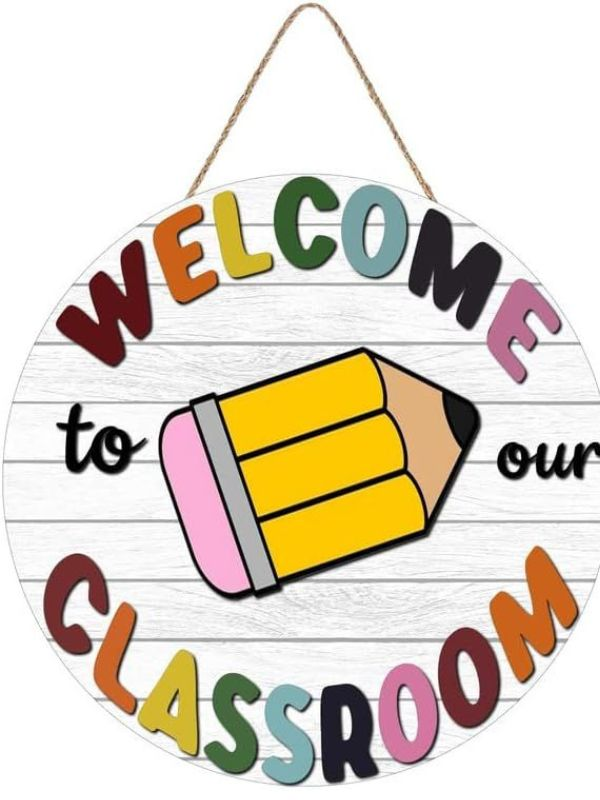
Your classroom entrance is the first thing students and parents notice. Make it inviting so students feel excited before they even sit down.
A welcoming entrance doesn’t need expensive decorations. Instead, focus on creating a space that says, “You belong here.”
How to decorate it
- Choose a colourful welcome sign with a positive message like “Welcome to Our Classroom” or “We’re Ready to Learn.”
- Add a cheerful classroom banner or garland.
- Place seasonal decorations such as apples, pencils, books, or colourful paper cutouts.
- Display your name so students immediately know they’re in the right classroom.
- Leave a small space for students to write their names, goals, or first-day reflections during the first week of school.
Example
A rainbow-themed classroom could include a colourful “Welcome Back” banner, rainbow balloons, paper clouds, and a bulletin board titled “Our Amazing Class Begins Here.”
A welcoming entrance immediately creates a positive atmosphere and helps students feel comfortable from the moment they arrive.
2. Design a Functional Teacher’s Corner
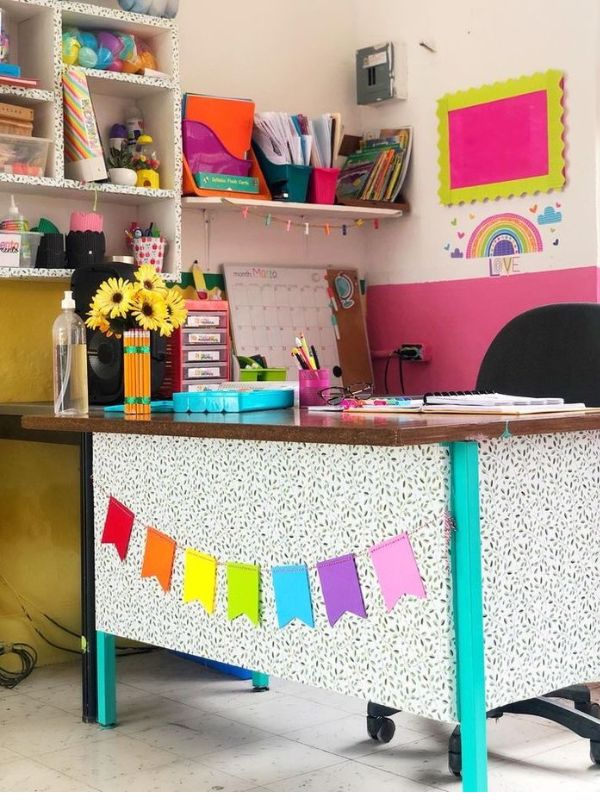
Your workspace is where you’ll spend hours planning lessons, grading assignments, and preparing classroom activities. It should be organised, practical, and inspiring.
Instead of treating it as storage, design it as your classroom command centre.
How to set it up
- Keep your desk free from unnecessary clutter.
- Use drawer organisers for stationery and teaching supplies.
- Place a small calendar and weekly planner where they’re easy to see.
- Add a small plant or framed motivational quote.
- Keep frequently used materials within arm’s reach.
- Label folders for lesson plans, worksheets, and student records.
Example
Use matching storage baskets labelled “Today’s Copies,” “To Grade,” “Student Forms,” and “Teaching Resources.” This simple system saves time every day.
An organised teacher’s corner helps reduce stress, improves productivity, and allows you to focus more on teaching instead of searching for supplies.
3. Set Up an Inviting Reading Nook
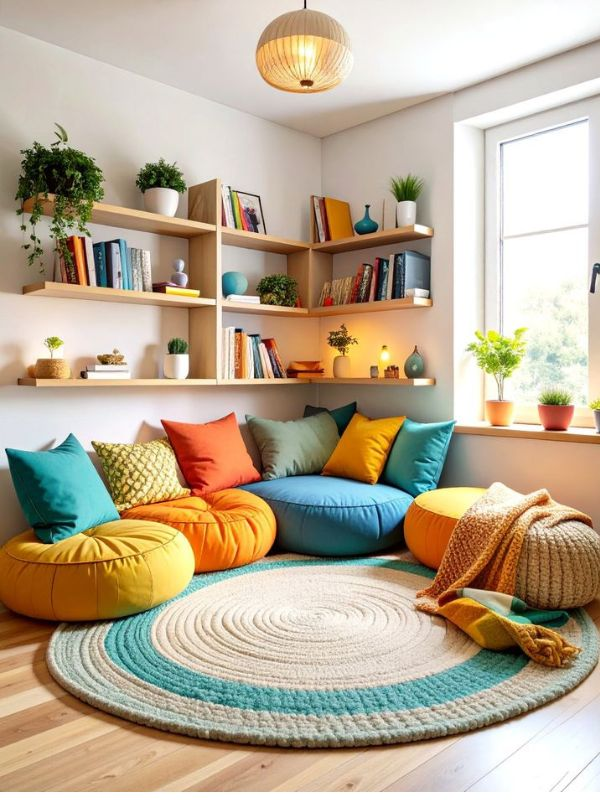
A reading corner encourages students to develop a love for books while giving them a quiet place to read independently.
It doesn’t have to be large. Even one small corner can become students’ favourite place in the classroom.
How to create it
- Choose a quiet corner away from high-traffic areas.
- Add a comfortable rug, bean bags, floor cushions, or small chairs.
- Organise books by reading level or category using labelled bins.
- Decorate with book-themed posters and positive reading quotes.
- Add soft lighting if your classroom allows it.
- Rotate books throughout the year to keep students interested.
Example
Create sections labelled “Adventure Books,” “Animal Stories,” “Science Books,” and “New This Month” so students can easily find something they’ll enjoy.
A welcoming reading nook encourages independent reading, improves literacy skills, and helps students associate books with comfort and enjoyment.
4. Organise Student Desks and Supplies
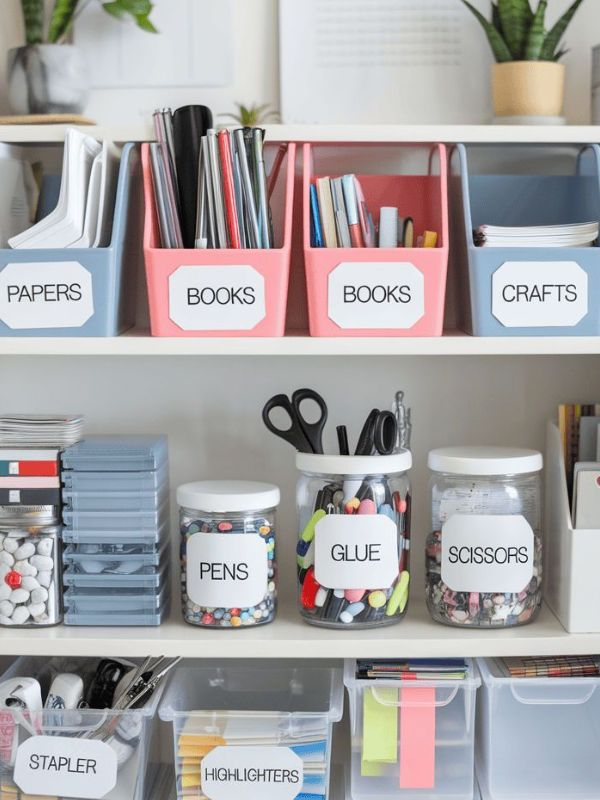
An organised classroom helps students stay focused and reduces unnecessary distractions.
Instead of simply placing desks in rows, think about how students will move around the room and work together.
How to organise your classroom
- Arrange desks based on your teaching style, whether in rows, groups, or U-shapes.
- Label each student’s desk with their name.
- Give each student a clearly labelled supply container or caddy.
- Create designated areas for turning in homework and collecting classroom materials.
- Use colour-coded bins for different subjects like math, reading, and science.
- Keep frequently used supplies where students can easily access them without asking for help.
Example
If students work in groups of four, place a supply caddy in the centre containing pencils, scissors, glue sticks, markers, and erasers. This saves time and reduces classroom interruptions.
A well-organised classroom helps students become more independent, keeps lessons running smoothly, and creates a calmer learning environment for everyone.
5. Display Classroom Rules and Daily Schedule
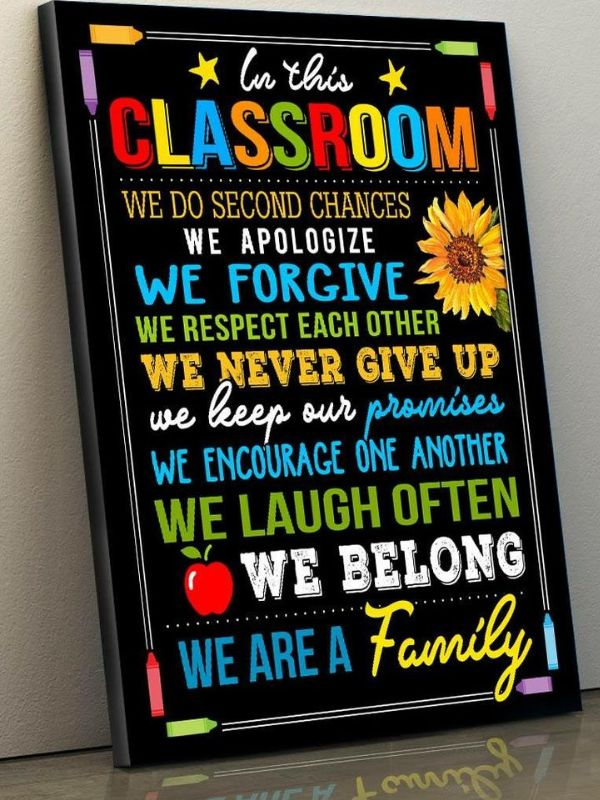
One of the easiest ways to help students feel comfortable is by showing them what to expect every day. A clearly displayed classroom rules board and daily schedule reduce confusion and help students become more independent.
Instead of hanging a plain poster, turn these displays into part of your classroom decor.
How to create it
- Choose a section of the wall that every student can easily see.
- Keep classroom rules short and positive.
- Use simple icons or pictures for younger students.
- Display the daily schedule in order from morning to dismissal.
- Update the schedule whenever there are changes.
- Use matching borders and colours to fit your classroom theme.
Example
Instead of writing “No Running,” write “Walk Safely.” Positive wording encourages good behaviour without making the classroom feel too strict
Students know what is expected of them from day one. This builds confidence, creates routine, and minimises unnecessary questions throughout the school day.
6. Add Inspirational Classroom Wall Decor.
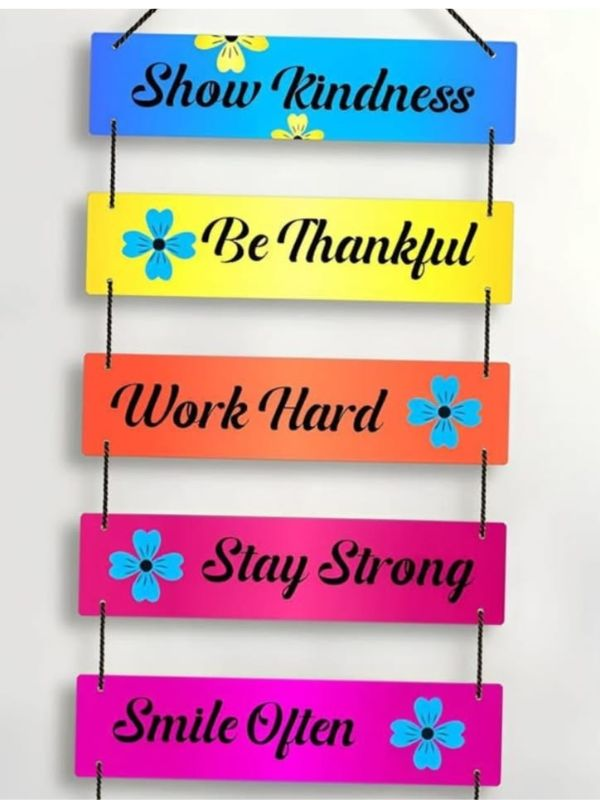
Your classroom walls should motivate students while supporting learning.
Choose quotes that encourage kindness, perseverance, creativity, and confidence. Pair them with educational posters or simple illustrations that match your classroom theme.
Avoid covering every inch of the wall. A few meaningful decorations have a much greater impact than too many posters competing for attention.
How to decorate the walls
- Choose three to five inspiring quotes.
- Print or frame them using your classroom colours.
- Place them where students naturally look during the day.
- Mix motivational decor with educational visuals.
- Leave empty wall space so the room doesn’t feel crowded.
Example
Quotes like:
“Believe in yourself.”
“Mistakes help us learn.”
“Kindness is always in style.”
These simple messages encourage a positive classroom culture every day.
Inspirational wall decor creates a positive atmosphere and constantly reminds students to believe in themselves.
7. Create a Colourful Calendar and Learning Wall.
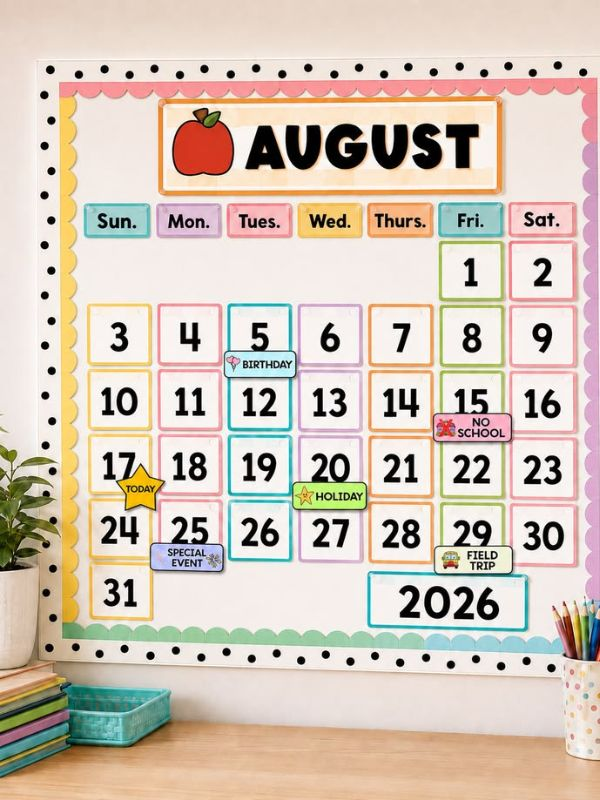
A calendar wall helps students build routines while reinforcing important concepts every morning.
It can become part of your daily classroom meeting and teach calendar skills in a fun, interactive way.
What to include
- Monthly calendar.
- Day of the week.
- Date.
- Weather chart.
- Season display.
- Number of school days.
- Monthly goals or vocabulary words.
Use bright colours for younger students or neutral colours for older grades.
Example
Every morning, ask a different student to update the weather, date, and day of the week. This creates responsibility while making learning interactive.
Students develop calendar awareness, practice daily routines, and stay engaged from the beginning of each school day.
8. Decorate with a Cohesive Classroom Theme
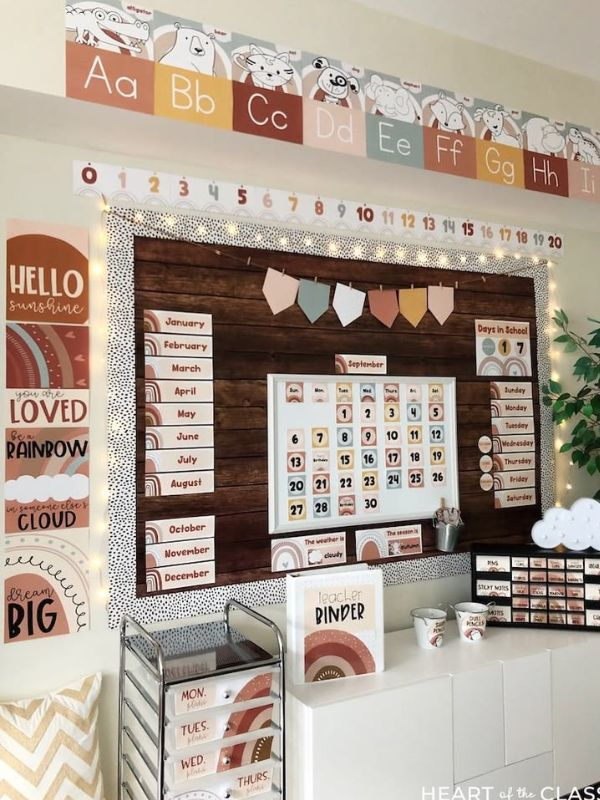
A classroom feels more welcoming when everything works together instead of looking random.
Once you’ve chosen a theme, repeat the same colours, fonts, borders, and decorations throughout the room.
Popular themes include:
- Boho classroom
- Rainbow classroom
- Nature classroom
- Safari classroom
- Ocean classroom
- Space classroom
- Farmhouse classroom
How to create a cohesive look
- Select two or three main colors.
- Use matching bulletin board borders.
- Coordinate storage bins and labels.
- Choose similar fonts for classroom signs.
- Repeat your theme in different areas of the room.
Example
For a nature-themed classroom, use green, brown, and beige colours with plants, wooden textures, leaf decorations, and animal illustrations throughout the classroom.
Why it works
A consistent theme creates a calm, organised classroom that looks professional and welcoming.
9. Create a Student Welcome Station
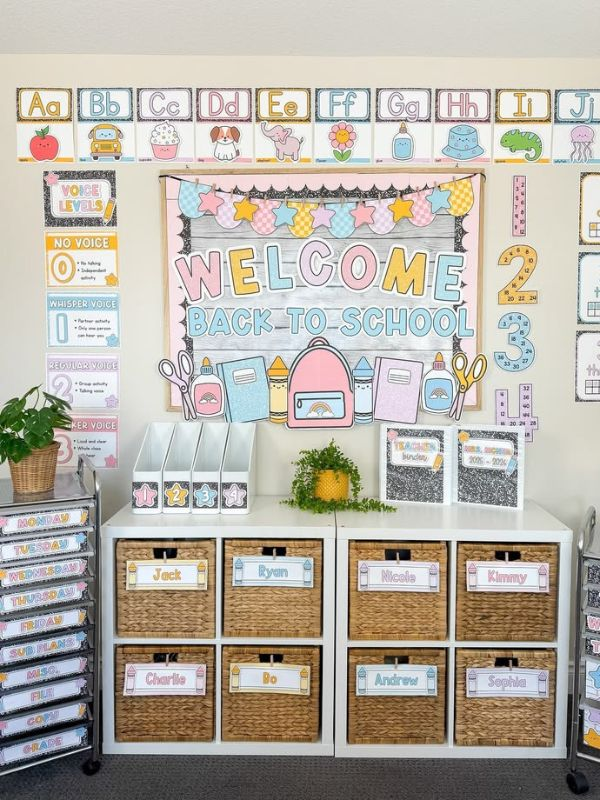
A welcome station gives students everything they need as soon as they enter the classroom.
It’s especially helpful during the first week of school.
What to include
- Student name tags.
- Attendance sign-in.
- Homework basket.
- Extra pencils.
- Classroom newsletters.
- Weekly announcements.
- Hand sanitiser or tissues.
Place everything near the classroom entrance so students can quickly settle into their day.
Example
Add a sign that says “Start Here” with arrows pointing to the attendance sheet, homework basket, and daily assignment.
Students quickly learn the classroom routine and become more independent from the very first day.
10. Bring Life into the Classroom with Plants and Personal Touches
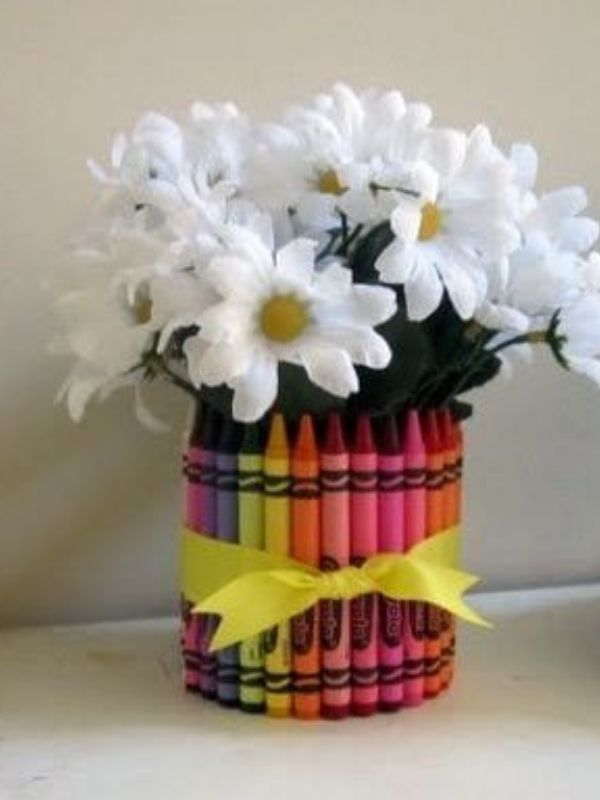
Adding a few natural elements makes a classroom feel calmer and more inviting.
You don’t need dozens of decorations. A few carefully placed plants, framed artwork, or decorative baskets can completely change the atmosphere.
If real plants aren’t practical, high-quality artificial plants work just as well.
Simple ideas
- Place a small plant on your desk.
- Add greenery to bookshelves.
- Display student artwork in matching frames.
- Use woven baskets for classroom storage.
- Add a cosy rug or soft seating if space allows.
Example
Create a small “Kindness Corner” with a plant, a comfortable chair, inspirational books, and positive affirmation cards where students can take a quiet moment when they need it.
Natural elements make the classroom feel warm, peaceful, and welcoming while helping students feel more relaxed and ready to learn.
See 20 summer classroom decor ideas you will love
Classroom Bulletin Board Decor Ideas
Bulletin boards are much more than colourful decorations. They can motivate students, celebrate achievements, reinforce lessons, and keep your classroom organised throughout the school year. The best bulletin boards are eye-catching, easy to update, and encourage student participation instead of simply filling empty wall space.
Here are some creative classroom bulletin board decor ideas your students will love.
1. Welcome Bulletin Board
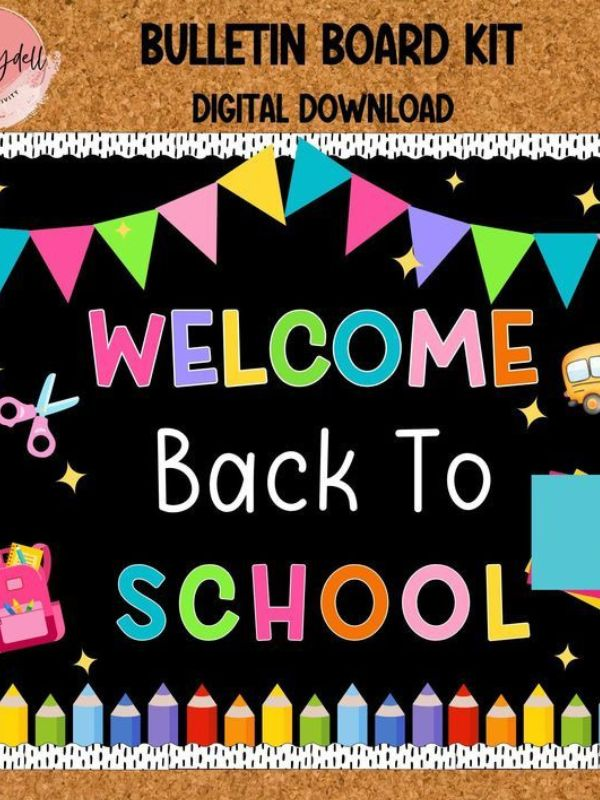
A welcome bulletin board sets the tone for the entire school year. It should make students feel excited, included, and valued from the moment they enter the classroom.
How to create it
- Add a large “Welcome Back” or “Welcome to Our Class” title.
- Use bright borders that match your classroom theme.
- Include your name and grade level.
- Leave space to display student names or photos.
- Decorate with books, pencils, apples, or school supplies.
Example
Create a board that says, “We’re So Glad You’re Here!” and add every student’s name on colourful paper stars or balloons.
Why it works
Students immediately feel like they belong, making the first days of school less intimidating.
2. Growth Mindset Bulletin Board
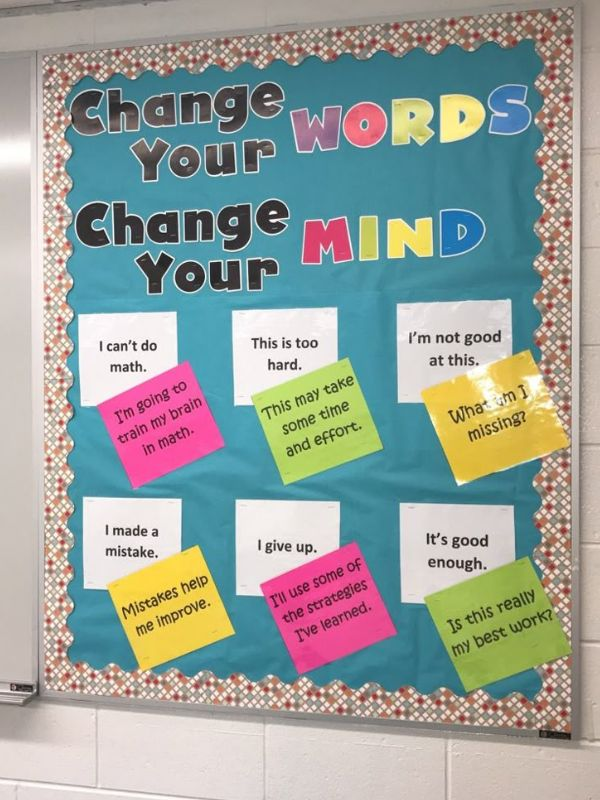
A growth mindset board reminds students that learning takes practice and mistakes are part of success.
Instead of focusing only on grades, this board encourages perseverance and confidence.
What to include
- Motivational quotes
- Positive affirmations
- Success strategies
- “I Can” statements
- Student goals
Example
Title the board “Mistakes Help Us Grow” and encourage students to write one new skill they want to improve this year.
Why it works
Students begin to see challenges as opportunities instead of obstacles.
3. Student Work Display Board
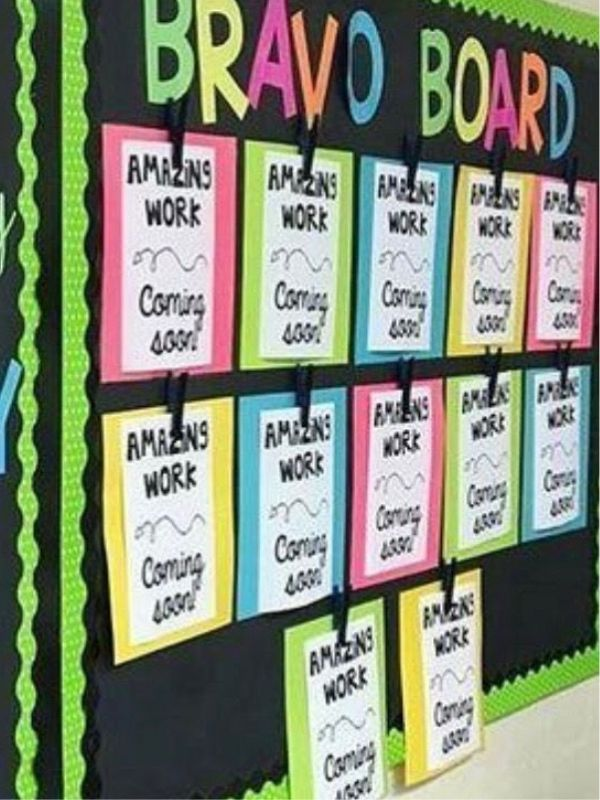
Nothing excites students more than seeing their work proudly displayed.
Reserve one bulletin board specifically for artwork, writing assignments, science projects, book reviews, or class activities.
How to organise it
- Divide the board into sections.
- Rotate student work regularly.
- Label each project with the student’s name.
- Add colourful borders to make displays stand out.
Example
Create a board titled “Our Best Work” and update it every two weeks with new projects.
Why it works
Displaying student work builds confidence, encourages effort, and creates a sense of ownership in the classroom.
4. Birthday Bulletin Board
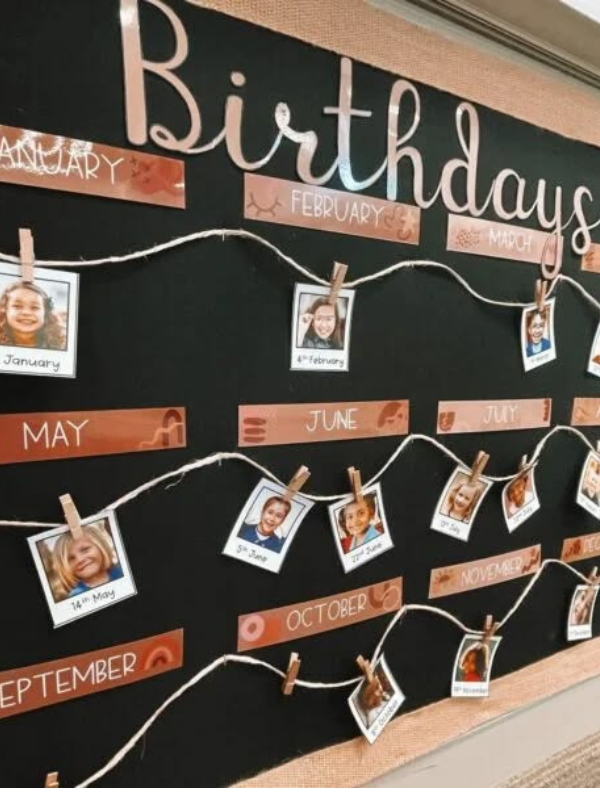
Celebrate every student’s special day with a dedicated birthday board.
Instead of announcing birthdays verbally, create a colourful display everyone can enjoy throughout the year.
What to include
- Student names
- Birth months
- Birthday balloons, cupcakes, or candles
- Space to add birthday photos if desired
Example
Use the title “Our Birthday Stars” and arrange student names under each month of the year.
Why it works
Students feel recognised and appreciated on their special day.
5. Reading and Literacy Bulletin Board
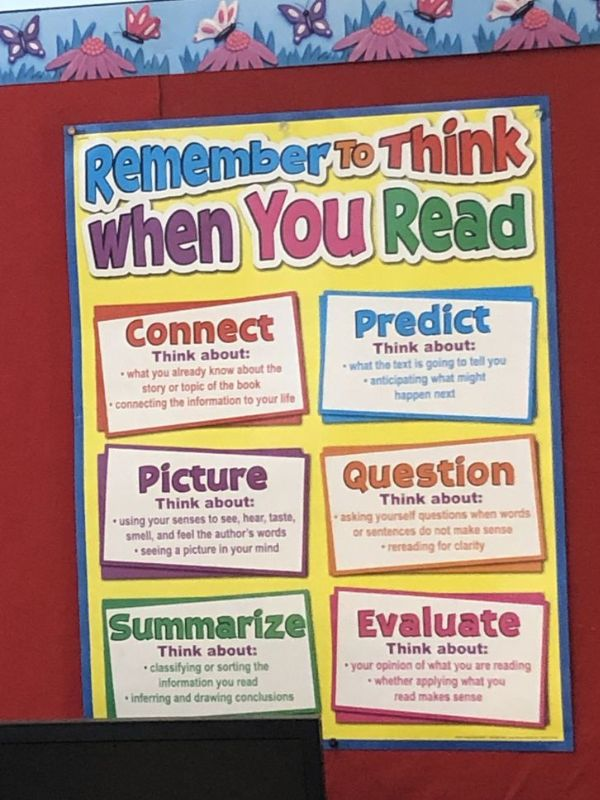
Encourage students to develop a love for reading with an interactive literacy board.
Update it throughout the year to keep students interested.
Ideas to include
- Book recommendations
- Reading challenges
- Author of the month
- Vocabulary words
- Reading goals
- Student book reviews
Example
Create a board titled “Books We Love” where students can recommend their favourite books using small review cards.
Why it works
It encourages independent reading and creates excitement around books.
6. Monthly or Seasonal Bulletin Board
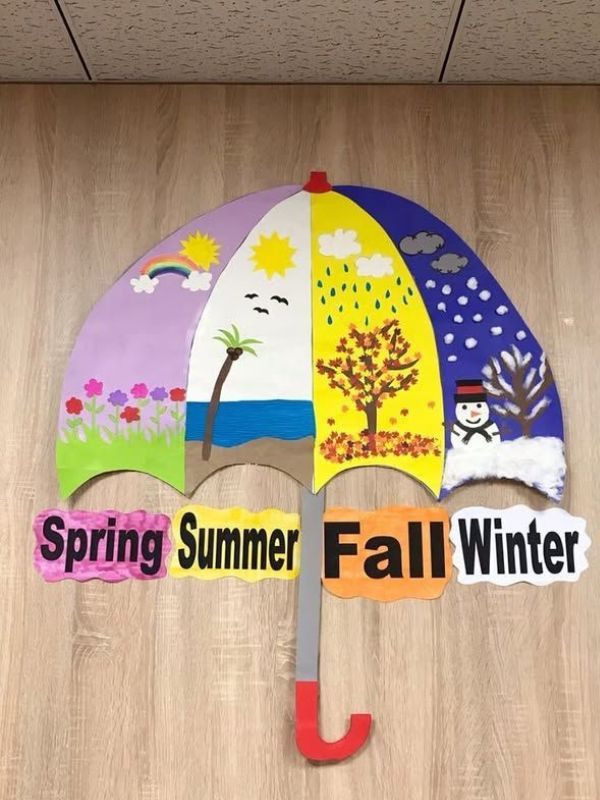
Keep your classroom fresh by updating one bulletin board each month or season.
Use it to celebrate changing seasons, holidays, classroom events, or monthly learning themes.
Seasonal ideas
- Back to School
- Fall leaves and pumpkins
- Halloween
- Thanksgiving
- Winter
- Valentine’s Day
- Spring flowers
- Earth Day
- End-of-year celebration
Example
For September, create a board that says “Our Learning Adventure Begins” with backpacks and colourful pencils.
Why it works
Changing the display throughout the year keeps students interested and makes the classroom feel exciting.
7. Interactive Bulletin Board Ideas
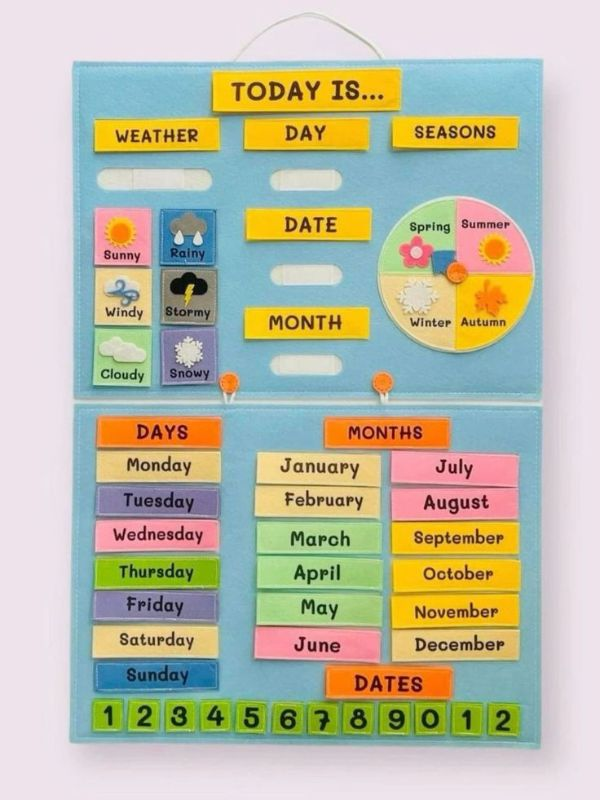
Interactive bulletin boards invite students to participate rather than look at decorations.
They encourage discussion, creativity, and classroom engagement.
Interactive ideas
- Question of the Week
- Would You Rather?
- Kindness Challenge
- Goal Setting Board
- Guess the Book Character
- Daily Affirmation Board
- Compliment Corner
Example
Create a “Question of the Week” board where students answer fun prompts using sticky notes, such as “What book should everyone read?” or “What’s one goal you have this month?”
Interactive bulletin boards make students active participants in the classroom while encouraging communication, critical thinking, and collaboration.
8. Kindness Bulletin Board

A kindness bulletin board helps build a positive classroom culture by encouraging students to treat one another with respect, empathy, and compassion.
Instead of only talking about kindness, give students opportunities to practice it every day.
How to create it
- Choose a title like “Kindness Grows Here” or “Choose Kind.”
- Decorate the board with flowers, hearts, trees, or colorful speech bubbles.
- Leave space for students to write kind words or good deeds on sticky notes.
- Update the board weekly with new acts of kindness.
Example
Ask students to write one kind thing they did for someone during the week, such as helping a classmate or sharing school supplies. Display their responses on the board for everyone to read.
Students learn that even small acts of kindness make a big difference and help create a supportive classroom community.
9. STEM and Discovery Bulletin Board
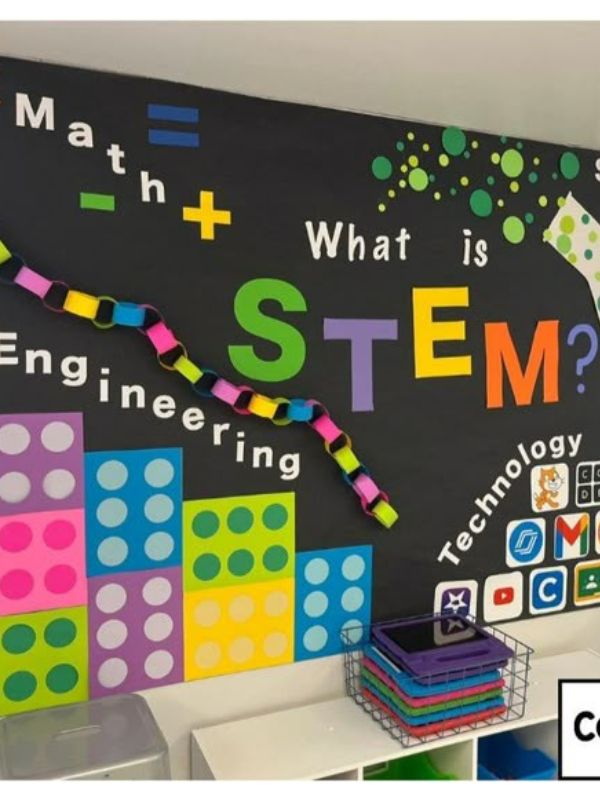
If your class enjoys science, technology, engineering, or math, dedicate a bulletin board to exciting discoveries and hands-on learning.
Use it to spark curiosity and encourage students to ask questions.
What to include
- Fun science facts
- STEM challenges
- Inventor of the month
- Math puzzles
- Weekly brain teasers
- Student science projects
Example
Create a section called “Can You Solve This?” and post a new math puzzle or science question every Monday for students to answer throughout the week.
Interactive STEM displays encourage problem-solving, critical thinking, and a love for learning beyond the textbook.
10. Goal Setting and Achievement Bulletin Board.
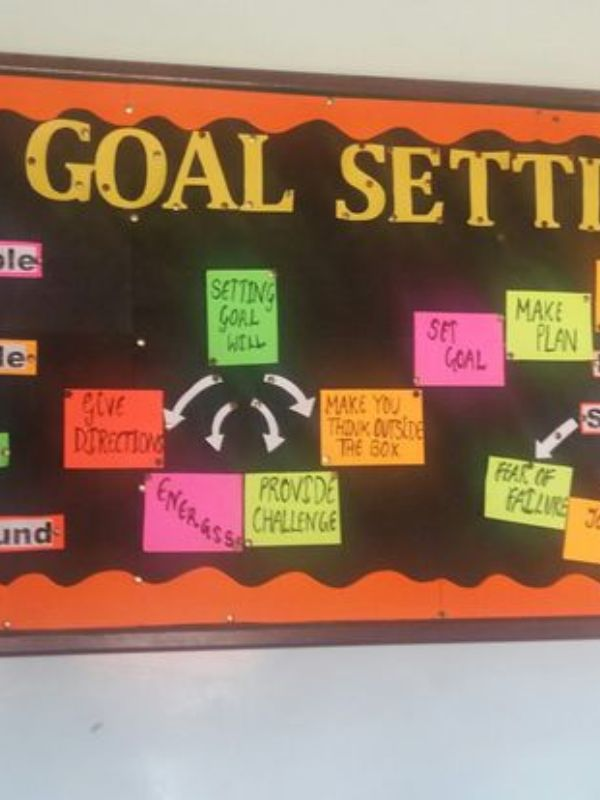
Help students stay motivated by giving them a place to set goals and celebrate their progress.
This board reminds students that success comes from consistent effort and growth.
How to create it
- Label the board “Our Goals” or “We’re Growing Every Day.”
- Give each student a goal card at the beginning of the month.
- Allow students to write academic or personal goals.
- Celebrate completed goals by adding stars, certificates, or achievement stickers.
Example
A student might write, “I want to read five books this month,” or “I want to improve my multiplication skills.” Once they achieve their goal, move their card to a “Goals Achieved” section.
Students become more responsible for their own learning and feel proud as they watch their progress throughout the school year.
See school morning routine ideas that work
Classroom Door Decor Ideas
Your classroom door is the first thing students, parents, and visitors see. A thoughtfully decorated door creates excitement before students even step inside and sets a positive tone for learning. Whether you’re decorating for back-to-school, a new season, or a special event, your classroom door can reflect your personality while making students feel welcome.
Here are 10 creative classroom door decor ideas to inspire you.
1. Welcome Back to School Door
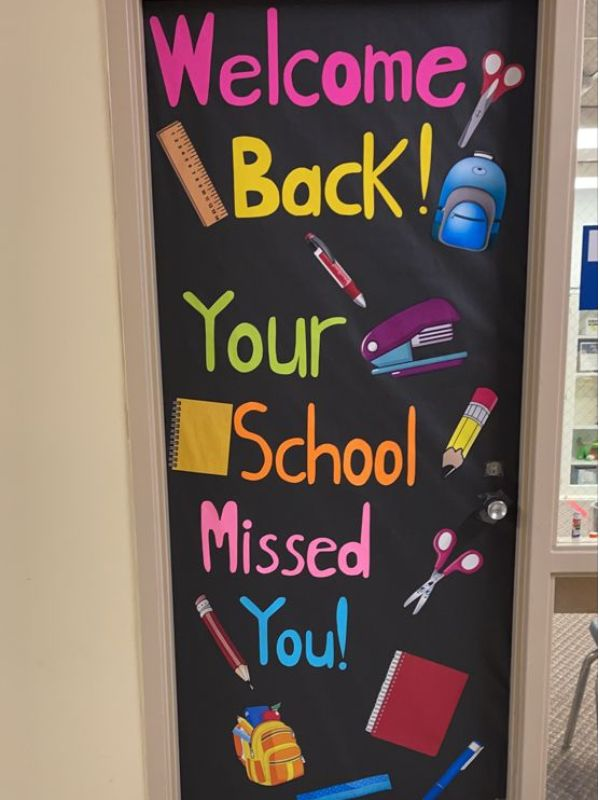
Kick off the school year with a cheerful door that lets students know they’re in the right place.
Use bright colours, school supplies, books, pencils, apples, and your class name to create a welcoming display.
Example: Write “Welcome to Our Learning Adventure!” and surround the message with paper backpacks, crayons, and each student’s name.
It helps reduce first-day nerves and makes students feel excited to begin the new school year.
2. “You Belong Here” Door
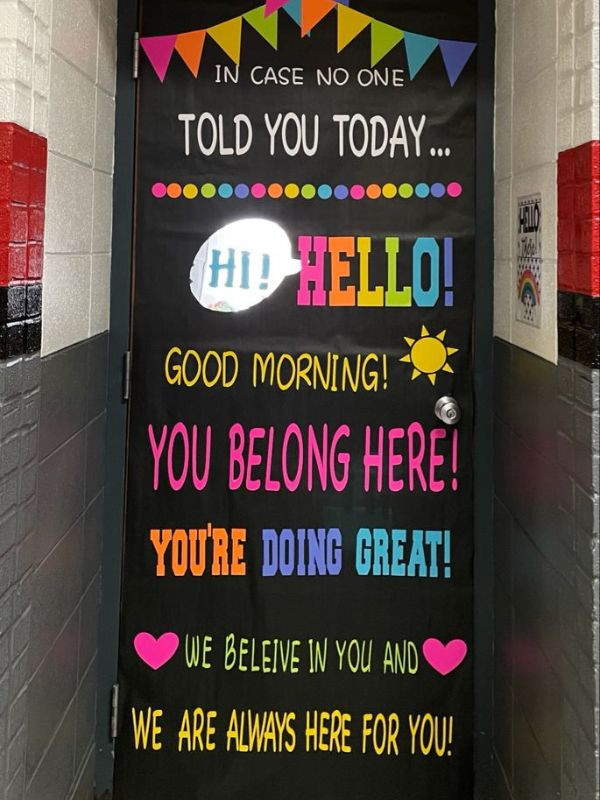
Every student deserves to feel seen and valued.
Decorate your door with the message “You Belong Here” or “Everyone Is Welcome” and include diverse colours, shapes, or student names to celebrate your classroom community.
Example: Create colourful paper hearts featuring each student’s name around the welcome message.
It promotes inclusion and helps every student feel accepted from day one.
3. Adventure-Themed Classroom Door
Turn your classroom into the start of an exciting journey.
Decorate the door with maps, mountains, aeroplanes, hot air balloons, or suitcases alongside phrases like “Adventure Awaits” or “Learning Is the Greatest Adventure.”
Example: Place a paper road leading into the classroom with signposts pointing to subjects like Reading, Science, Math, and Art.
Why it works: It encourages curiosity and reminds students that learning is an exciting adventure.
4. Growth Mindset Door
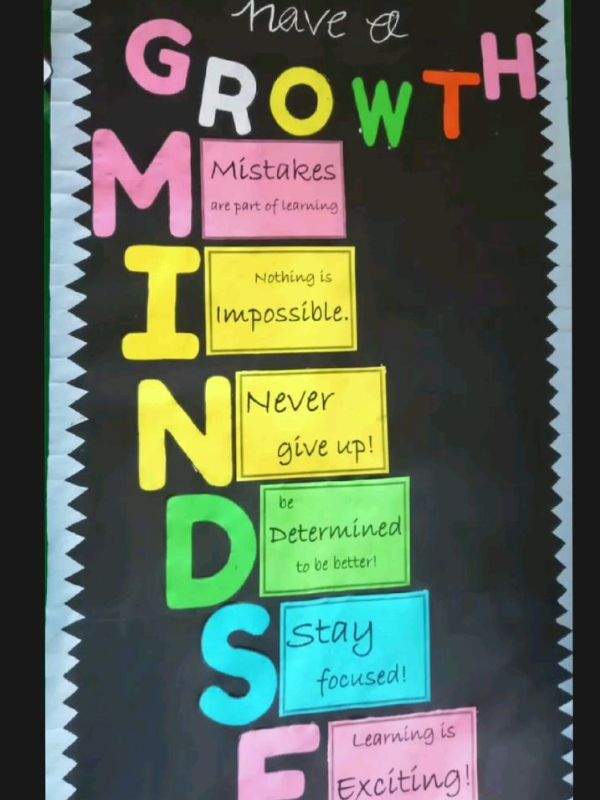
Use your classroom door to inspire students every time they enter the room.
Display encouraging phrases such as:
- Believe in Yourself
- Mistakes Help Us Grow
- Never Stop Learning
- You Can Do Hard Things
Add flowers, trees, butterflies, or growing plants to reinforce the theme of personal growth.
Students receive a positive message every day before class begins.
5. Apple Orchard Door
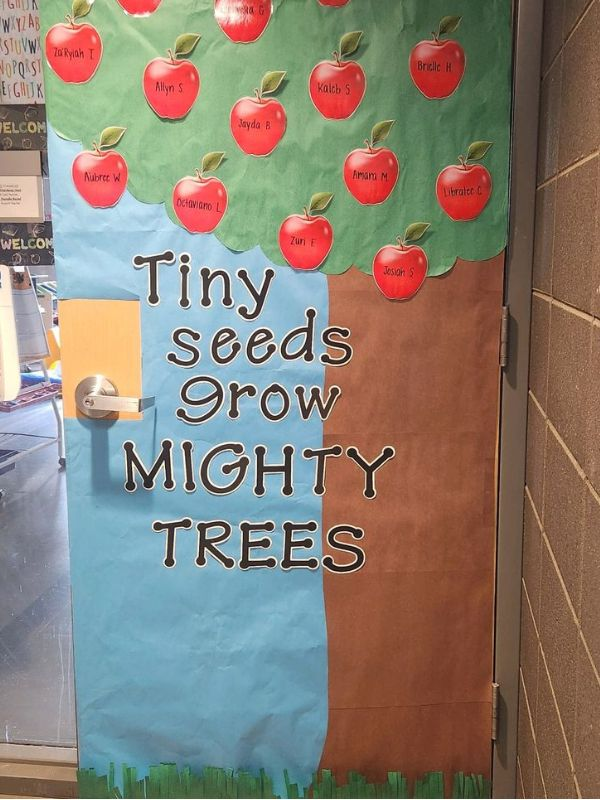
Apples are a timeless back-to-school symbol and work beautifully for fall classroom decor.
Decorate the door with apple trees, baskets, leaves, and colourful apples featuring student names or classroom goals.
Example: Title your display “Our Class Is Growing Together.”
It’s cheerful, seasonal, and easy to personalise.
6. Camping Classroom Door
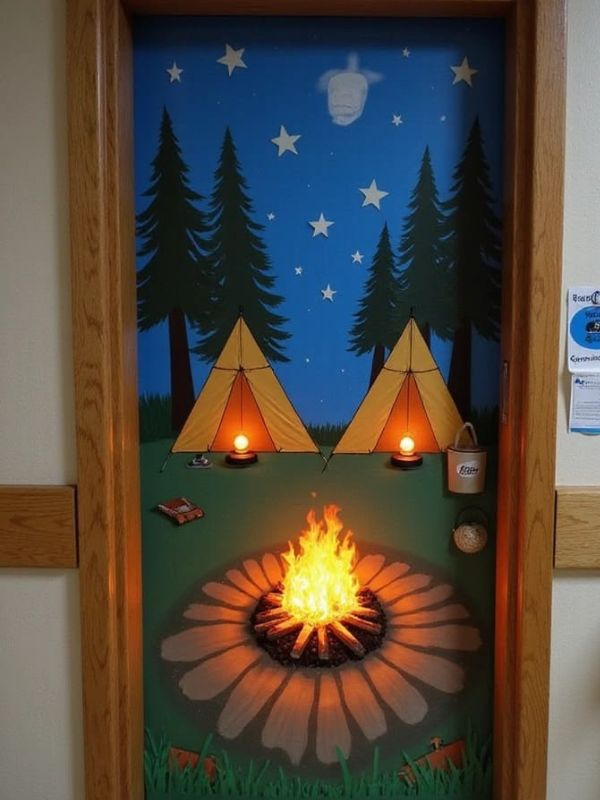
Bring the outdoors inside with a camping-inspired classroom entrance.
Use paper trees, tents, campfires, lanterns, and woodland animals to create a cosy outdoor scene.
Add a sign that says “Camp Learn-A-Lot” or “Welcome Happy Campers.”
Students immediately feel like they’re beginning a fun adventure every day.
7. Space-Themed Classroom Door
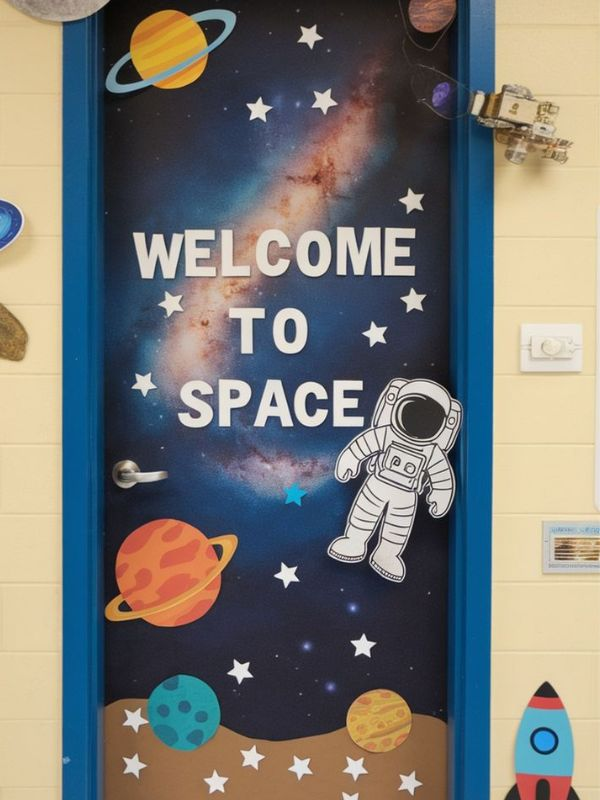
Encourage students to dream big with a space-inspired design.
Decorate with planets, rockets, stars, astronauts, and galaxies.
Example: Use the phrase “Blast Off Into Learning” or “Reach for the Stars.”
You can even place each student’s name on a paper rocket.
Space themes naturally inspire imagination, exploration, and curiosity.
8. Seasonal Fall Classroom Door
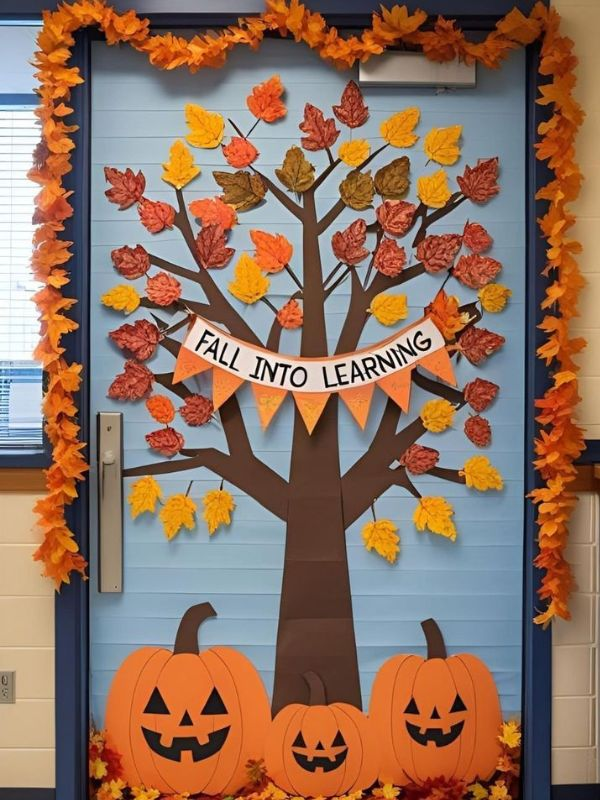
Celebrate autumn by decorating your classroom door with pumpkins, colourful leaves, scarecrows, sunflowers, and acorns.
Use warm colours like orange, red, yellow, and brown to create a cosy seasonal display.
Example: Write “Fall Into Learning” across the centre of the door and surround it with falling leaves.
Seasonal decorations keep your classroom feeling fresh and exciting throughout the year.
9. Book Lover’s Classroom Door
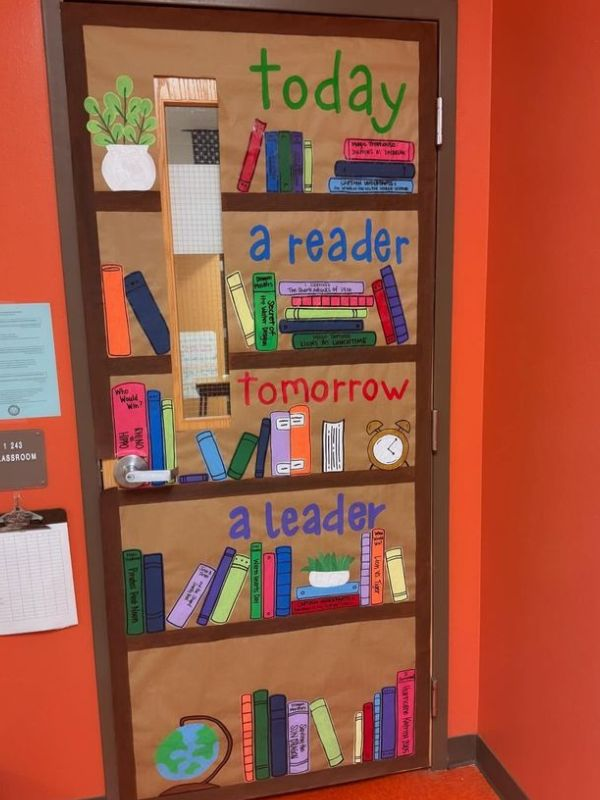
Perfect for encouraging reading from the moment students arrive.
Decorate your door to look like a giant bookshelf or open storybook.
Use famous book characters, colourful book covers, or reading quotes.
Example: Display the message “Open a Book, Open Your Mind.”
It creates excitement about reading before students even enter the classroom.
10. Personalised Classroom Family Door.
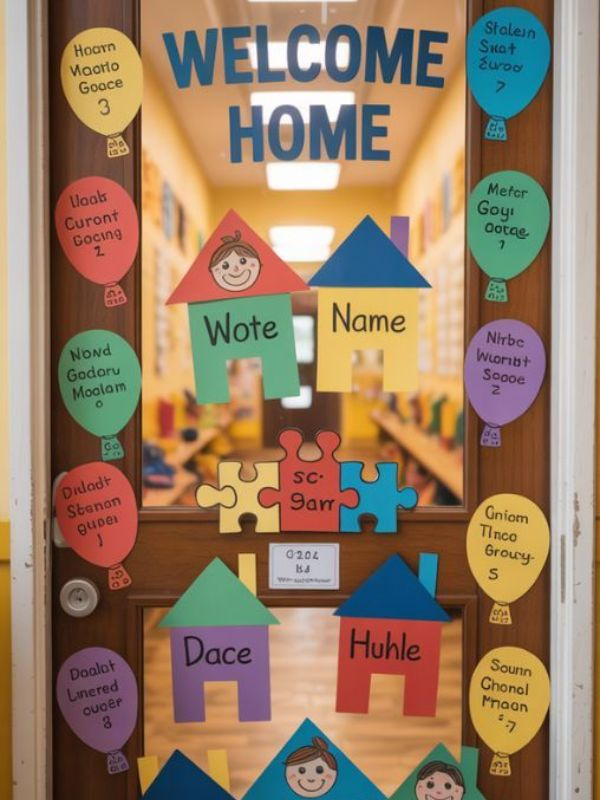
Turn your classroom door into a celebration of your students.
Display every student’s name, photo, handprint, or paper cutout around a welcoming message.
Choose a title such as:
- Our Classroom Family
- Together We Learn
- Better Together
- Every Student Matters
You can even update the display throughout the year as students complete projects or reach milestones.
Students immediately feel like an important part of the classroom community, helping build confidence, belonging, and positive relationships from the very first day.
See 60 classroom theme ideas that will wow you
Budget-Friendly Classroom Decor Ideas
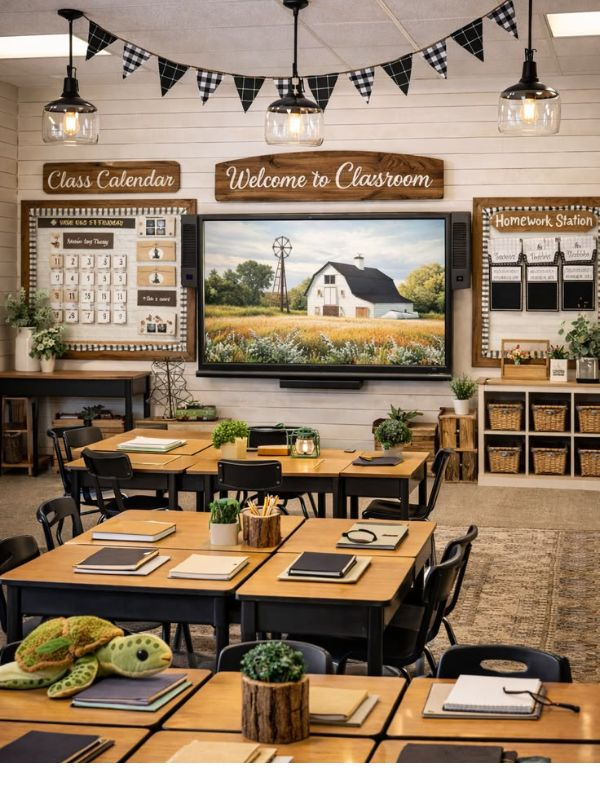
Creating a beautiful classroom doesn’t mean spending hundreds of dollars. Some of the most inviting classrooms are decorated with inexpensive materials, DIY projects, and a little creativity. The goal is to create a space that is welcoming, organised, and functional while staying within your budget.
Here are 10 budget-friendly classroom decor ideas that look great and save money.
1. Create Your Own Classroom Decorations
Instead of buying ready-made classroom decor, make your own using cardstock, construction paper, printable templates, and a laminator if you have one.
How to do it
- Choose your classroom theme and colour palette.
- Design simple labels, banners, and posters using free design tools like Canva.
- Print them on cardstock.
- Laminate them for durability.
- Reuse them every school year.
Example: Create your own alphabet posters or classroom rule signs instead of purchasing expensive sets.
DIY decorations are affordable, customizable, and can be reused for years.
2. Shop at Dollar Stores
Dollar stores are one of the best places to find classroom decorations without overspending.
Look for:
- Storage bins
- Bulletin board borders
- Seasonal decorations
- Picture frames
- Artificial plants
- Classroom baskets
- Craft supplies
Tip
Make a shopping list before you go so you only buy what your classroom actually needs.
You can decorate an entire classroom for a fraction of the cost of specialty teacher stores.
3. Use Free Printable Classroom Decor
Many websites offer free classroom printables that look just as professional as paid resources.
Print:
- Calendar sets
- Classroom labels
- Motivational quotes
- Subject signs
- Birthday charts
- Desk name tags
Simply download, print, laminate, and display them.
You get professional-looking decorations while spending very little.
4. Upcycle Old Classroom Materials
Before buying something new, look around your classroom for items you can reuse.
Old containers, cardboard boxes, jars, and baskets can become beautiful storage with a little creativity.
Example
Wrap old cereal boxes with decorative paper to create magazine holders for worksheets and folders.
Glass jars can become pencil holders by adding ribbon or paint.
Upcycling reduces waste and saves money.
5. Use Student Artwork as Classroom Decor
Some of the best classroom decorations are created by your students.
Display:
- Drawings
- Paintings
- Writing assignments
- Science projects
- Seasonal crafts
Rotate displays throughout the school year.
Students feel proud when their work is displayed, and you always have fresh decorations without spending extra money.
6. Make Your Own Bulletin Board Borders
Decorative bulletin board borders can become expensive when buying several packs.
Instead, create your own.
How to make them
- Cut strips from colored cardstock.
- Use decorative scissors for fun edges.
- Add patterns with markers or stamps.
- Laminate the strips.
- Store them flat for future use.
Homemade borders are reusable and can perfectly match your classroom theme.
7. Add Affordable Greenery
Plants instantly make a classroom feel calm and welcoming.
If live plants aren’t practical, use inexpensive artificial plants from discount stores.
Place them:
- On bookshelves
- Near windows
- On your teacher’s desk
- In the reading corner
Greenery adds warmth without requiring a large decorating budget.
8. Organise with Matching Storage Containers
Organisation itself becomes part of your classroom decor.
Purchase affordable bins or baskets in two or three matching colours.
Label each container clearly for:
- Math supplies
- Reading materials
- Art supplies
- Student notebooks
- Classroom games
Matching storage creates a clean, organised look while making classroom materials easier to find.
9. Reuse Seasonal Decorations Every Year
Instead of buying new decorations each season, invest in a few quality items that you can use year after year.
Examples include:
- Fall leaves
- Pumpkins
- Snowflakes
- Spring flowers
- Welcome banners
Store them carefully in labelled containers when the season ends.
Reusing decorations saves money over time and reduces unnecessary shopping.
10. Ask Parents and the Community for Donations
Many parents are happy to donate classroom supplies they no longer use.
At the beginning of the school year, create a wish list with items like:
- Books
- Storage baskets
- Tissue boxes
- Craft materials
- Small rugs
- Board games
- Decorative containers
You can also ask local businesses if they have leftover office supplies or storage items.
Community donations help stretch your classroom budget while giving unused items a second life.
Beautiful Classrooms Don’t Have to Be Expensive
A welcoming classroom is created through thoughtful planning, organisation, creativity, and personal touches that make students feel comfortable and excited to learn. By mixing DIY projects, affordable finds, reusable decorations, and student-created displays, you can design a classroom that looks amazing without exceeding your budget.
See 60 Classroom organization ideas you will love
Small Classroom Decor Ideas
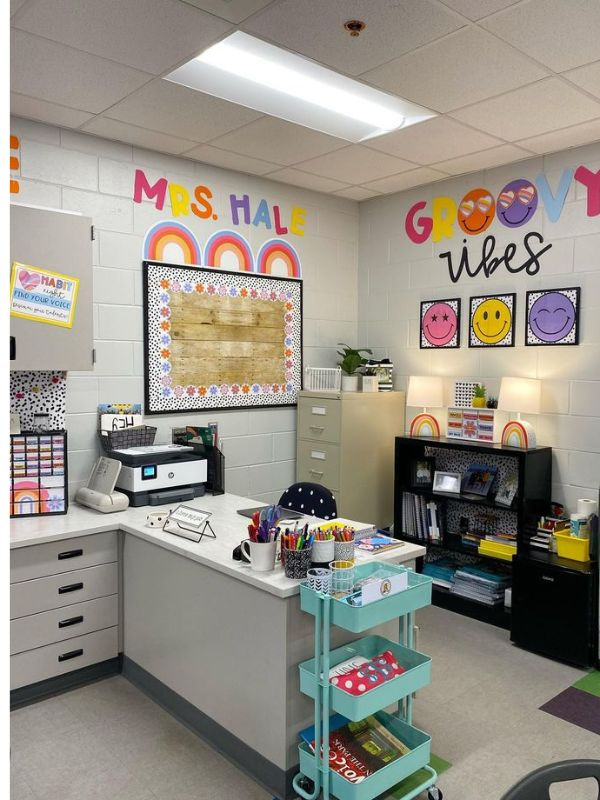
Decorating a small classroom can feel challenging at first. You want the space to be colourful and welcoming, but you also don’t want it to feel cramped or cluttered. The good news is that a small classroom has its own advantages. With smart planning and intentional decorating, you can create a space that feels bright, organised, and comfortable for both you and your students.
The key is to make every inch of your classroom work for you. Instead of filling the room with decorations, focus on decor that is both beautiful and functional.
1. Maximise Vertical Wall Space
When floor space is limited, your walls become your greatest decorating tool.
Instead of placing everything on shelves or tables, make use of the walls to keep your classroom organised.
Step-by-step guide
- Hang floating shelves for books and learning materials.
- Use wall hooks to hold headphones, clipboards, or classroom supplies.
- Install pocket charts for assignments and classroom jobs.
- Mount bulletin boards higher to free up floor space.
- Display anchor charts vertically instead of spreading them across multiple walls.
Example
Instead of using a large bookshelf for reading materials, install two floating shelves above your reading corner. You’ll save valuable floor space while keeping books within easy reach.
Using vertical space makes the classroom feel larger and keeps frequently used materials organised.
2. Use Multifunctional Storage Solutions
Every piece of furniture in a small classroom should serve more than one purpose.
Choose storage that also functions as seating, display space, or classroom organisation.
Great options include
- Storage ottomans
- Rolling carts
- Cube organizers
- Stackable storage bins
- Bookshelves with baskets
- Teacher carts on wheels
Example
A rolling cart can store art supplies during class and be rolled into a corner when not in use.
Multifunctional furniture reduces clutter and gives you more flexibility throughout the school day.
3. Choose Light Colours to Brighten the Room
Colour has a huge impact on how large or small a room feels.
Light colours naturally reflect more light and make a classroom appear more open.
Choose shades like:
- White
- Cream
- Light gray
- Soft blue
- Sage green
- Beige
- Pastel colors
Use brighter colours only as accents through bulletin boards, pillows, borders, or classroom labels.
Example
Pair white walls with soft blue bulletin board borders and colourful student artwork for a fresh, inviting classroom.
Light colours create an airy, calming environment without overwhelming students.
4. Keep Decorations Simple and Clutter-Free
It’s tempting to decorate every wall, but too many posters, banners, and displays can overwhelm students and make a small classroom feel even smaller.
Instead, decorate with intention.
Ask yourself
- Does this decoration support learning?
- Does it help students stay organised?
- Does it inspire or motivate students?
If the answer is no, you probably don’t need it.
Example
Instead of displaying ten motivational posters, choose three meaningful ones and rotate them throughout the year.
Less visual clutter helps students concentrate and makes the classroom feel cleaner.
5. Create Flexible Learning Areas
Even in a small classroom, students benefit from having different learning spaces.
You don’t need separate rooms—just clearly defined areas.
Create spaces such as:
- Reading corner
- Small group table
- Independent workstation
- Technology station
- Teacher conference area
Use rugs, bookshelves, or storage bins to define each area without building physical barriers.
Students know exactly where different activities take place, making classroom management much easier.
6. Choose Space-Saving Furniture
Bulky furniture can quickly overwhelm a small classroom.
Whenever possible, choose furniture that folds, stacks, or moves easily.
Good options include:
- Folding tables
- Stackable chairs
- Mobile teacher desk
- Rolling bookshelves
- Nesting stools
Furniture with wheels makes it easy to rearrange the classroom for group projects, presentations, or testing days.
Flexible furniture allows your classroom to adapt to different learning activities.
7. Organise Supplies with Clearly Labelled Containers
Disorganisation makes a small classroom feel smaller.
Use matching storage containers and label everything clearly.
Create separate bins for:
- Pencils
- Glue sticks
- Crayons
- Math manipulatives
- Science supplies
- Student notebooks
- Classroom games
Place frequently used supplies where students can reach them independently.
Students spend less time searching for materials, and your classroom stays tidy throughout the day.
8. Use Mirrors and Good Lighting
A simple mirror can make a small classroom appear much larger by reflecting natural light.
If your classroom has windows, keep them as open as possible during the day.
If natural light is limited:
- Use warm LED lamps in reading corners.
- Avoid dark curtains.
- Keep window areas free from large furniture.
Bright classrooms feel larger and more welcoming and help students stay alert.
9. Create a Mobile Teacher Station
Instead of keeping everything on your desk, create a portable teaching station.
Fill a rolling cart with:
- Lesson plans
- Markers
- Sticky notes
- Scissors
- Attendance sheets
- Frequently used supplies
Move it wherever you’re teaching.
It reduces trips back and forth to your desk and frees up valuable workspace.
10. Rotate Decorations Throughout the School Year
You don’t have to display every decoration at once.
Store seasonal decorations in labelled bins and switch them out as the year progresses.
For example:
- Back-to-school decorations in August.
- Fall leaves and pumpkins in autumn.
- Winter decorations in December.
- Spring flowers later in the year.
This keeps your classroom looking fresh without making it feel crowded.
Rotating decor prevents visual overload while giving students something new to enjoy throughout the year.
Small Classrooms Can Make a Big Impact
A small classroom doesn’t have to limit your creativity. In fact, smaller spaces often feel warmer, more personal, and easier to manage when they’re thoughtfully designed. By maximising vertical space, choosing multifunctional furniture, reducing clutter, and decorating with purpose, you can create a classroom that feels spacious, organised, and inspiring. Remember, students are far more likely to remember how your classroom made them feel than how many decorations were on the walls.
See study space set up guide you really need
Classroom Decor Essentials Worth Buying
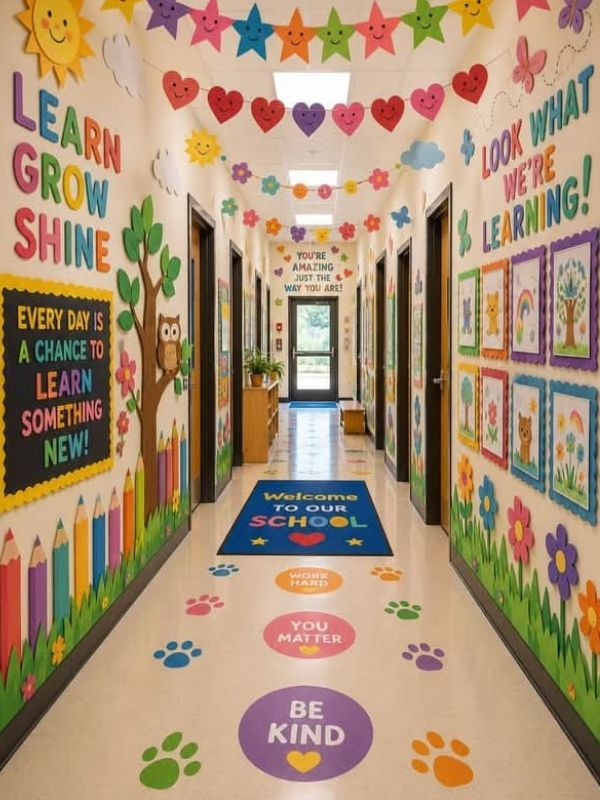
You don’t need to buy every classroom decoration you see online. The smartest approach is to invest in a few high-quality essentials that make your classroom more organised, functional, and inviting. These are items you’ll use every day and can often reuse year after year, making them worth every penny.
If you’re decorating your classroom for the first time or refreshing your current space, start with these essentials.
1. Bulletin Board Borders
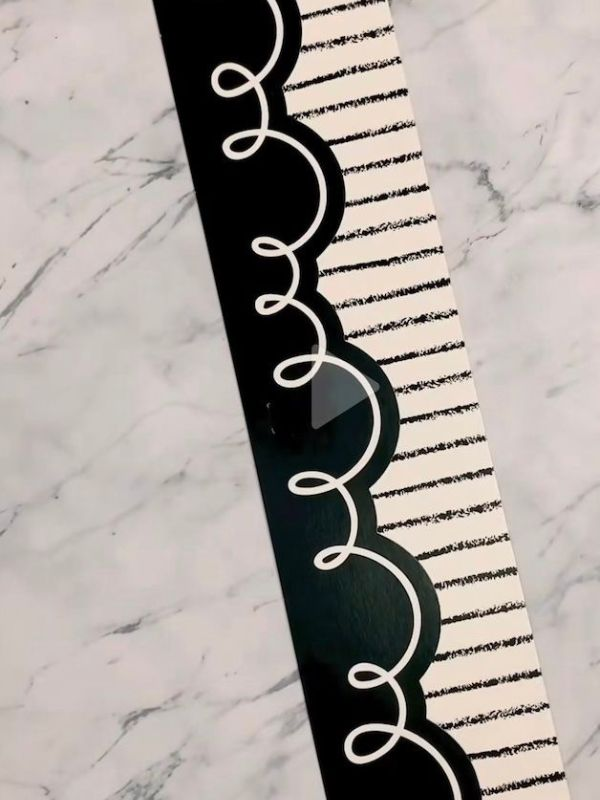
Bulletin boards are one of the biggest focal points in a classroom, and a good border instantly makes them look polished.
Choose borders that match your classroom theme or neutral designs that work year-round.
Look for:
- Durable material
- Reusable designs
- Neutral or versatile colors
- Easy-to-clean finishes
A quality border can be reused for several school years and makes every bulletin board look professionally finished.
2. Storage Bins and Baskets
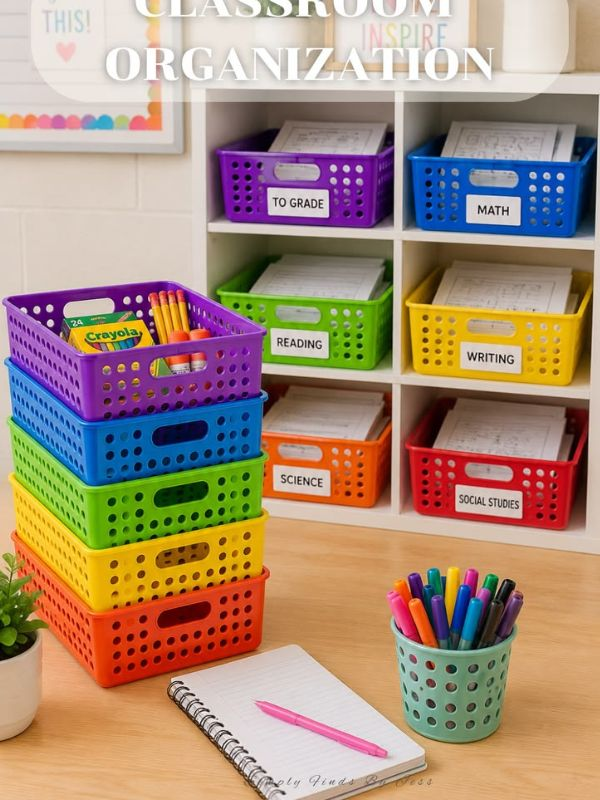
An organised classroom always feels more welcoming than a cluttered one.
Storage bins help keep books, art supplies, worksheets, games, and learning materials neat and easy to find.
Choose matching bins for a clean, cohesive look.
Best for storing:
- Student supplies
- Classroom books
- Craft materials
- Math manipulatives
- Science equipment
Good storage saves time, reduces mess, and helps students become more independent.
3. Classroom Labels
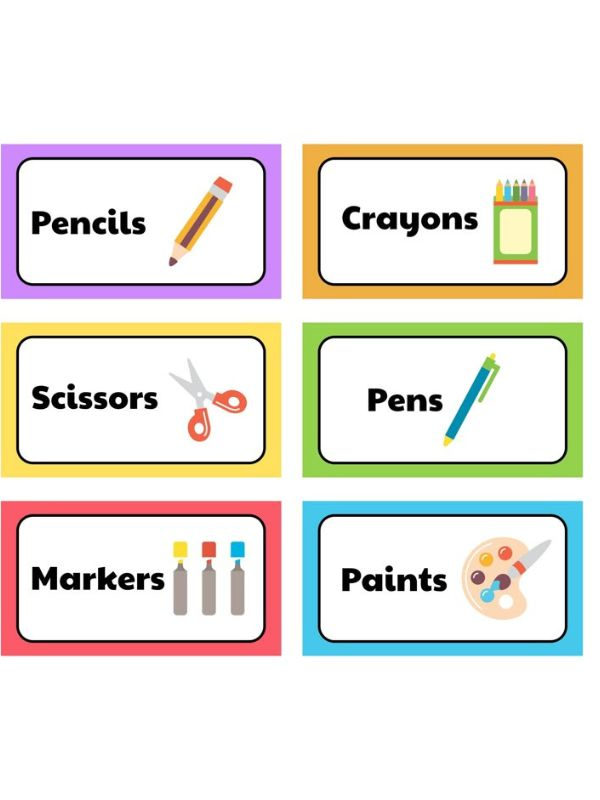
Labels may seem like a small detail, but they make a huge difference.
Label everything from supply bins and bookshelves to student mailboxes and classroom stations.
Use large, easy-to-read fonts and, for younger students, include pictures alongside words
Labels help students find and return materials on their own, keeping the classroom organised every day.
4. Educational Posters
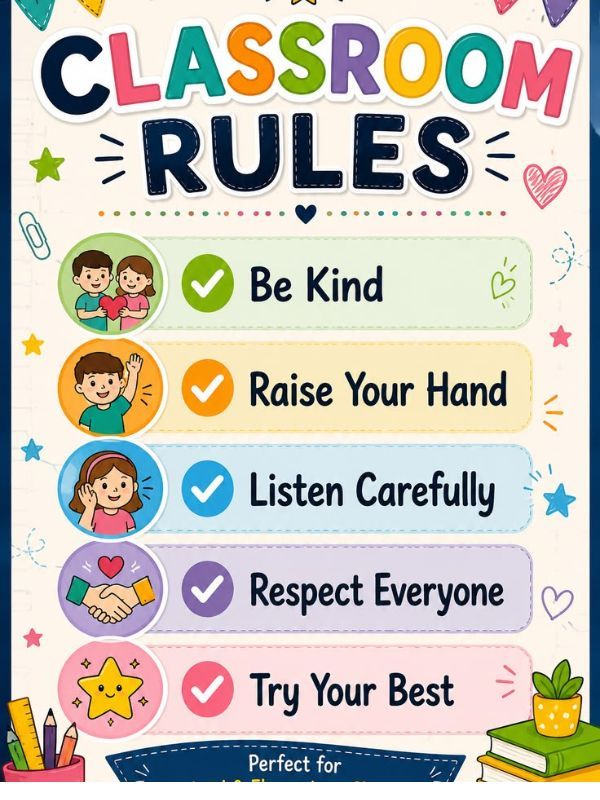
Decorate your walls with posters that reinforce learning instead of simply filling space.
Choose posters that students will actually use during lessons.
Examples include:
- Alphabet charts
- Number lines
- Multiplication tables
- Grammar rules
- Science diagrams
- World maps
Educational posters serve as daily learning tools while decorating your classroom.
5. A Comfortable Classroom Rug
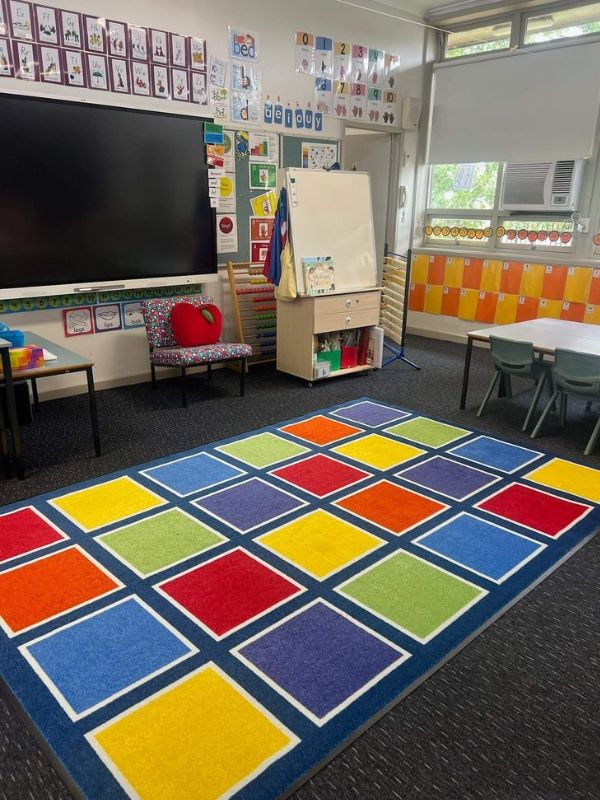
A classroom rug creates a cosy gathering space for story time, morning meetings, group discussions, and independent reading.
Choose one that’s durable, easy to clean, and large enough for your students.
Why it’s worth buying: A rug defines learning areas and makes the classroom feel warm and inviting.
6. Pocket Charts
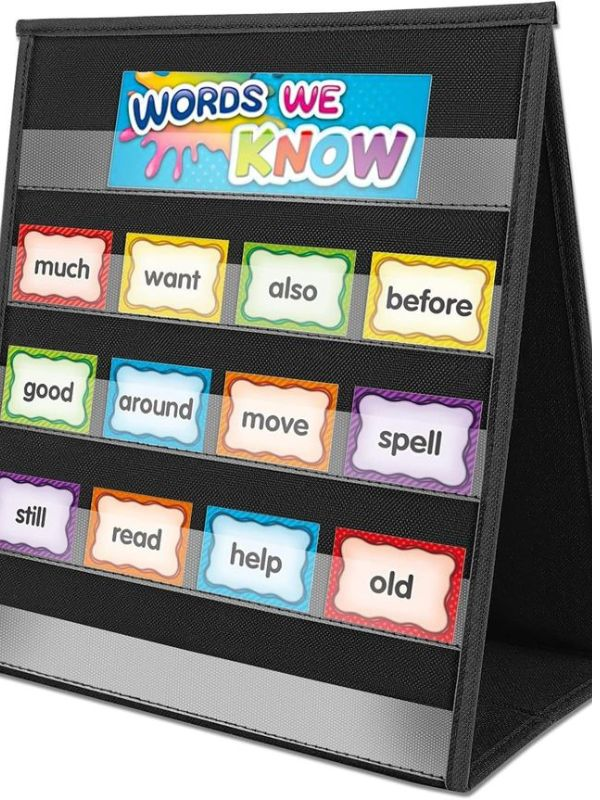
Pocket charts are one of the most versatile classroom tools.
You can use them for:
- Attendance
- Daily schedules
- Word walls
- Classroom jobs
- Sight words
- Math activities
Hang them on a wall or the back of a door to save space.
Why it’s worth buying: They keep lessons interactive while reducing paper clutter.
7. Classroom Calendar Set
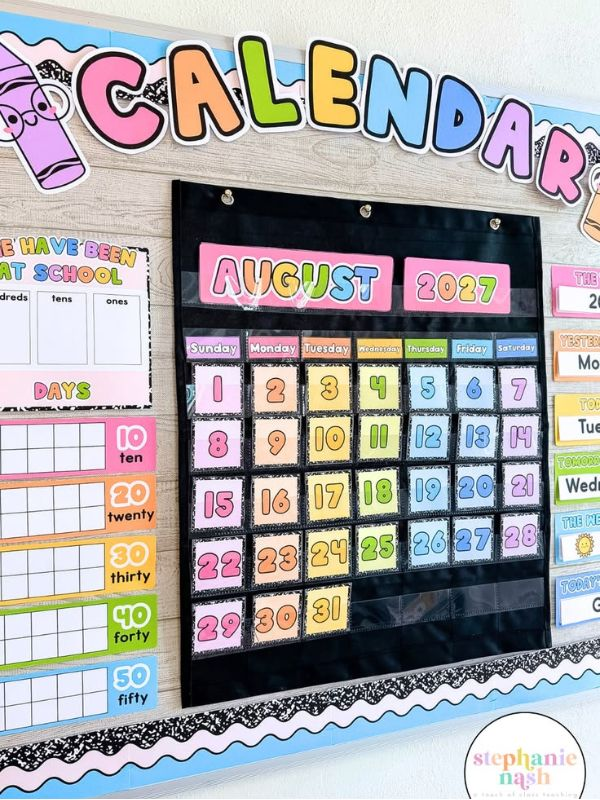
A reusable calendar set helps students learn about dates, months, seasons, weather, and daily routines.
Many teachers use their calendar every morning, making it one of the most-used classroom displays.
Why it’s worth buying: It supports daily learning and helps establish consistent classroom routines.
8. A Rolling Teacher Cart
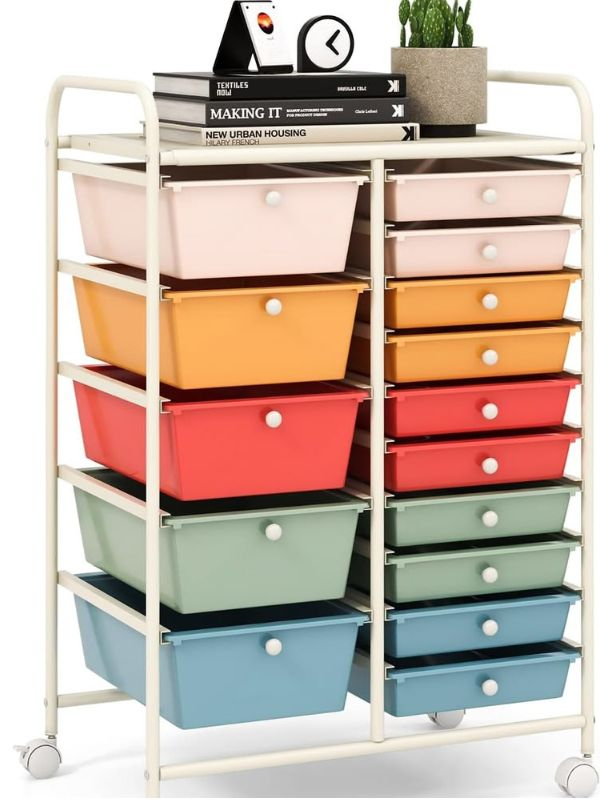
Instead of keeping everything on your desk, use a rolling cart to organise your teaching essentials.
Store:
- Lesson plans
- Markers
- Sticky notes
- Worksheets
- Teacher supplies
- Student materials
Because it’s portable, you can move it wherever you need it.
Why it’s worth buying: It keeps your workspace organised and makes teaching more efficient.
9. Flexible Seating Options
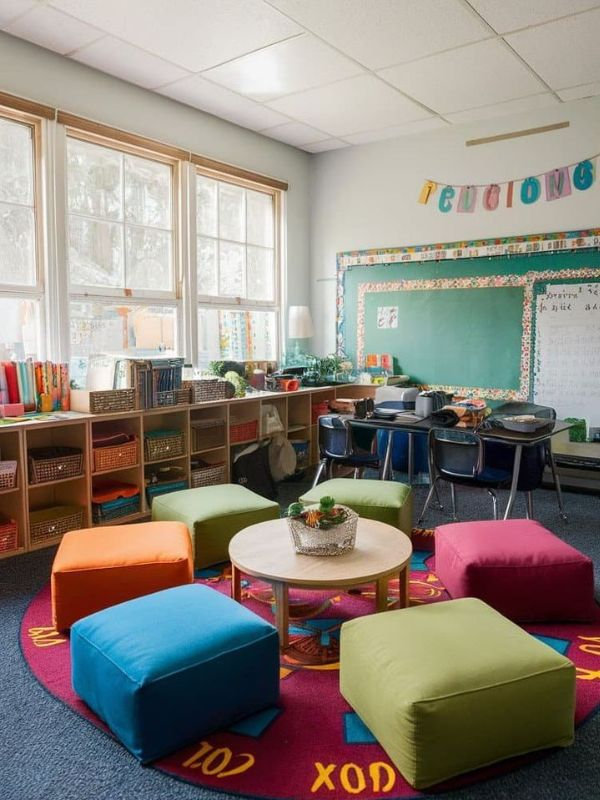
If your classroom allows it, adding a few alternative seating choices can make learning more comfortable.
Consider:
- Floor cushions
- Bean bags
- Wobble stools
- Flexible chairs
These are especially useful in reading corners or small-group learning areas.
Why it’s worth buying: Flexible seating supports different learning styles and makes the classroom more inviting.
10. Artificial Plants and Simple Decorative Pieces
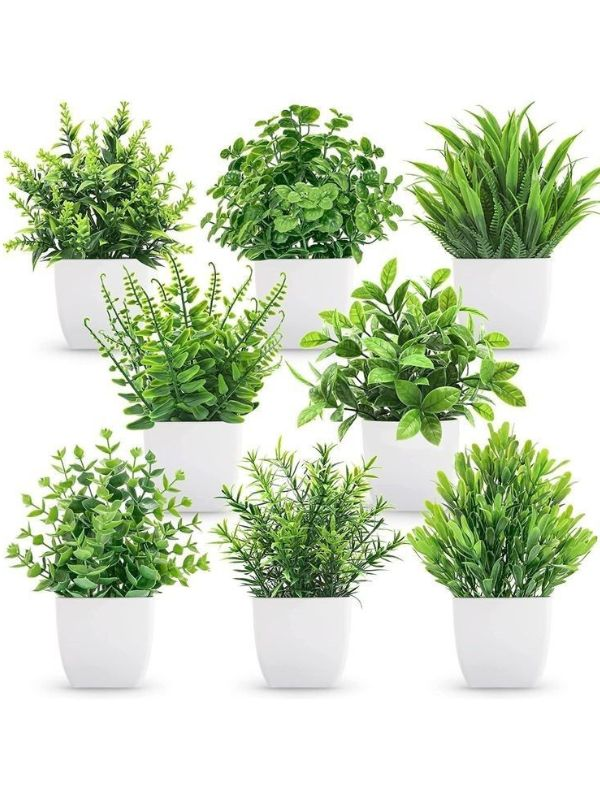
A few carefully placed decorative items can completely change the feel of your classroom.
Artificial plants are low-maintenance and add warmth without requiring sunlight or watering.
You can also include:
- Small wooden signs
- Decorative baskets
- Framed inspirational quotes
- Neutral table décor
Avoid overcrowding the room—less is often more.
Simple decorative accents create a calm, welcoming atmosphere without distracting students.
Buy Quality, Not Quantity
When decorating your classroom, focus on items you’ll use every day instead of trendy decorations that may only last one school year. Start with the essentials that improve organisation, support learning, and create a welcoming environment. Over time, you can add more decorative touches, but a classroom that is clean, functional, and thoughtfully designed will always have the greatest impact on your students.
Common Classroom Decorating Mistakes to Avoid
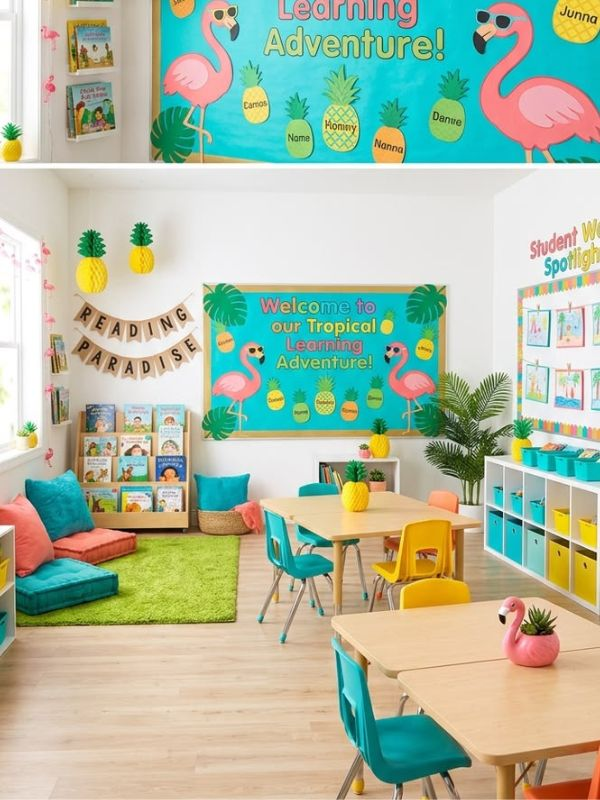
Decorating your classroom should make teaching easier and help students learn better. However, even the most beautiful classroom can become ineffective if it’s not planned carefully. Avoid these common mistakes to create a classroom that’s both attractive and functional.
1. Decorating Every Empty Space
It’s tempting to cover every wall with posters, banners, and decorations, but too much visual clutter can overwhelm students and make it harder for them to focus.
Instead, decorate with purpose. Leave some blank wall space to give students’ eyes a place to rest.
Better approach: Choose a few meaningful displays and rotate them throughout the school year instead of displaying everything at once.
2. Choosing Style Over Function
A classroom should support learning first and decoration second.
Before adding any decoration, ask yourself:
- Does this help students learn?
- Does it keep the classroom organised?
- Does it inspire or motivate students?
If the answer is no, it may not be worth displaying.
Better approach: Select decorations that are both attractive and useful, such as educational posters, labelled storage bins, or interactive bulletin boards.
3. Ignoring Your Students’ Age Group
What works for kindergarten students may not work for middle or high school students.
Bright cartoon characters and colourful displays may excite younger children, while older students usually prefer cleaner, more modern classroom designs.
Better approach: Decorate according to the maturity, interests, and learning needs of your students.
4. Buying Too Much at Once
Many teachers feel pressured to purchase everything before the first day of school.
This often leads to overspending and buying decorations that may never be used.
Better approach: Start with the essentials, then gradually add new decorations as your classroom evolves throughout the year.
5. Forgetting to Display Student Work
Some classrooms are filled with purchased decorations but have very little evidence of student learning.
Students feel proud when their work is displayed.
Create dedicated spaces for:
- Artwork
- Writing assignments
- Science projects
- Reading achievements
- Classroom goals
Better approach: Rotate student displays regularly so everyone has an opportunity to be featured.
6. Using Too Many Bright Colours
Bright colours can make a classroom fun, but using every colour at once can become visually overwhelming.
Too many competing colours may distract students, especially during independent work.
Better approach: Choose two or three main colours and use brighter shades only as accents.
10. Poor Classroom Organisation
Even beautiful decorations can’t hide a disorganised classroom.
Supplies scattered across tables and overflowing shelves create unnecessary stress for both teachers and students.
Better approach: Label storage bins, organise materials by subject, and give every classroom item a designated place.
11. Forgetting About Safety
Decorations should never block emergency exits, classroom windows, vents, electrical outlets, or safety equipment.
Avoid placing heavy decorations where they could fall or create hazards.
Better approach: Keep walkways clear and make sure all decorations are securely attached.
12. Not Updating Decorations Throughout the Year
Keeping the same displays all year can make the classroom feel dull.
Students enjoy seeing new themes and seasonal changes.
Better approach: Refresh bulletin boards, classroom doors, and seasonal displays every month or term while keeping your main classroom theme consistent.
13. Trying to Copy Someone Else’s Classroom
It’s easy to compare your classroom with the perfectly styled rooms you see on Pinterest or Instagram.
Remember, every classroom is different. Your space, budget, students, and teaching style are unique.
Better approach: Use online inspiration as a starting point, but create a classroom that works for you and your students. A classroom that supports learning and makes students feel welcome is always more valuable than one that simply looks perfect in photos.
See 100 Halloween Classroom Decor Ideas for Doors windows wall and more
Frequently Asked Questions
How can I decorate my classroom on a small budget?
You don’t need to spend a lot to create a beautiful classroom. Use DIY decorations, printable classroom resources, dollar store supplies, student artwork, and recycled materials. Focus on buying a few quality essentials, such as storage bins and bulletin board borders, then add decorations gradually throughout the school year.
What are the best classroom decor themes?
Some of the most popular classroom themes include:
- Boho classroom
- Rainbow classroom
- Nature classroom
- Safari or jungle classroom
- Ocean classroom
- Space classroom
- Farmhouse classroom
- Camping classroom
- Neutral classroom
Choose a theme that matches your teaching style and the age of your students.
How do I decorate a small classroom without making it look crowded?
Use vertical wall space, multifunctional storage, light colours, and simple decorations. Keep floors clear, organise supplies in labelled bins, and avoid covering every wall with posters. A clean, organised classroom often feels much larger than it actually is.
What should I put on my classroom bulletin boards?
Bulletin boards should be both decorative and educational. Great ideas include welcome boards, growth mindset displays, student work, birthday boards, reading challenges, classroom goals, seasonal displays, and interactive activities that encourage student participation.
How often should I change my classroom decorations?
You don’t need to redecorate your entire classroom every month. Keep your main theme the same throughout the year, but refresh bulletin boards, classroom doors, and seasonal decorations every few weeks or at the start of each season to keep the classroom feeling fresh and engaging.
What are the must-have classroom decor essentials?
Some of the most useful classroom decor essentials include bulletin board borders, storage bins, classroom labels, educational posters, a classroom rug, pocket charts, a calendar set, rolling storage carts, and comfortable reading corner furniture. These items improve both organisation and the overall learning environment.
How can I make my classroom feel warm and welcoming?
Start with a welcoming classroom door and entrance, use soft colours, add comfortable seating if possible, display student work, include inspirational quotes, and keep the classroom clean and organised. Small touches like plants, cosy reading corners, and personalised displays can also make students feel more at home.
Should classroom decorations be educational?
Yes. The best classroom decorations are both attractive and purposeful. Choose decor that reinforces learning, supports classroom routines, encourages positive behaviour, or celebrates student achievements rather than filling the room with decorations that don’t serve a purpose.
What colours work best for classroom decor?
Neutral colours such as white, beige, light grey, soft green, and light blue create a calm learning environment. You can then add brighter colours through bulletin boards, classroom labels, posters, and student displays to make the room feel cheerful without becoming overwhelming.
How do I keep my classroom looking organised all year?
Give every classroom item a designated place, label storage containers clearly, encourage students to return supplies after use, rotate seasonal decorations, and spend a few minutes at the end of each day tidying the room. Small daily habits make it much easier to maintain an organised classroom throughout the school year.
Conclusion
Creating a beautiful classroom isn’t about buying the most expensive decorations or copying every trend you see online. It’s about designing a space where students feel welcomed, inspired, and excited to learn every single day.
Whether you’re decorating a brand-new classroom, giving your current space a refresh, or working with a limited budget, small changes can make a big difference. A thoughtful classroom door, an engaging bulletin board, organised storage, and a cosy reading corner all work together to create a positive learning environment that supports both teaching and student success.
Remember, the best classroom decor is functional as well as beautiful. Every decoration should have a purpose, whether it’s helping students stay organised, encouraging creativity, celebrating achievements, or making the classroom feel like a place where everyone belongs.
Use the ideas in this guide as inspiration, then add your own personal touch to create a classroom that reflects your teaching style and meets the needs of your students. You don’t have to decorate everything at once. Start with the essentials, build your classroom little by little, and enjoy watching your learning space come to life.
Which classroom decor idea are you most excited to try? Share your favourite in the comments—I’d love to hear how you’re transforming your classroom into a space your students will love!