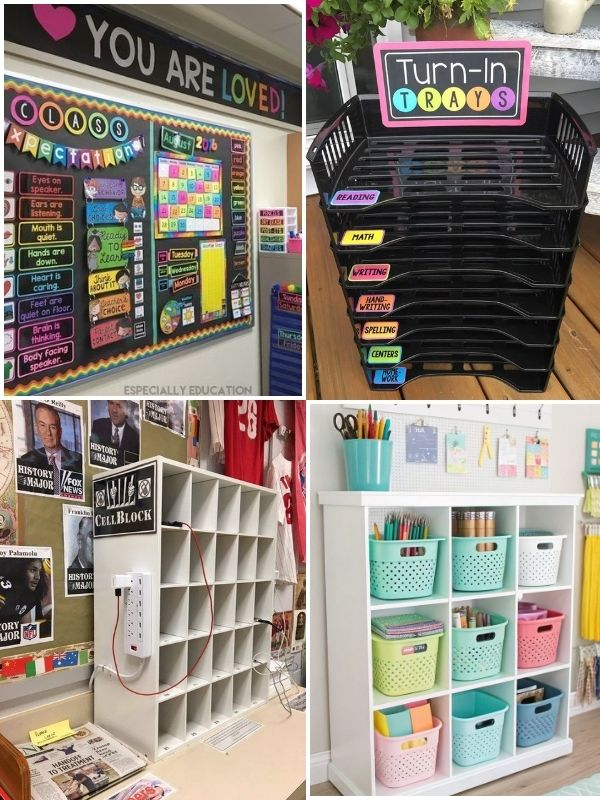
If you’re setting up a brand-new classroom or trying to arrange a space that seems messy, the right classroom organization ideas will help you.
An organized classroom will make everything look neat and also help lessons run smoothly, saves valuable time, reduces stress, and creates a welcoming environment where students can focus and learn.
You don’t have to Spend too much or have a large classroom to stay organized. With a few smart storage solutions, simple routines, and creative organization hacks, you can transform any classroom into a functional and inspiring space.
In this guide, you’ll find practical classroom organization ideas for high school, elementary school, preschool and daycare classrooms, DIY organization projects, and even fourth grade classroom setups.
Whether you’re a new teacher looking for inspiration or an experienced educator ready to refresh your space, these ideas will help you create a classroom that’s easy to manage all year long.
See 60 Classroom Decor Ideas you will love
Why Classroom Organization Is Important.
A well-organized classroom does more than make the room look tidy. It creates a positive learning environment where both teachers and students can thrive. When every item has a designated place and daily routines are easy to follow, there is less stress, fewer distractions, and more time for meaningful learning.
If you teach preschool, elementary, or high school, an effective classroom organization system can improve productivity and make each school day run more smoothly.
1. Creates a Calm Learning Environment
A clutter-free classroom helps students feel relaxed, focused, and ready to learn. When learning materials, books, and supplies are neatly organized, students spend less time searching for what they need and more time paying attention during lessons. An organized space also reduces visual distractions, making it easier for students to stay engaged throughout the day.
2. Saves Time During Lessons
Every minute counts in the classroom. An organized setup allows teachers to quickly find lesson materials, distribute supplies, and transition between activities without unnecessary delays. Students also know exactly where to return books, assignments, and classroom tools, helping lessons flow more efficiently and maximizing instructional time.
3. Encourages Student Independence
A well-organized classroom teaches students to take responsibility for their own learning. Clearly labeled bins, shelves, and learning stations make it easy for children to find and put away materials without constant assistance.
As students develop these organizational habits, they become more confident, responsible, and capable of managing everyday classroom tasks on their own
See how to setup a proper study space
Classroom Organization Essentials Every Teacher Needs
Having the right organization tools can make managing your classroom much easier. Whether you’re teaching preschool, elementary school, fourth grade, or high school, a few essential supplies can help reduce clutter, save time, and create a more productive learning environment. Start with these classroom organization essentials to keep your space functional and easy to maintain throughout the school year.
1. Storage Bins and Baskets
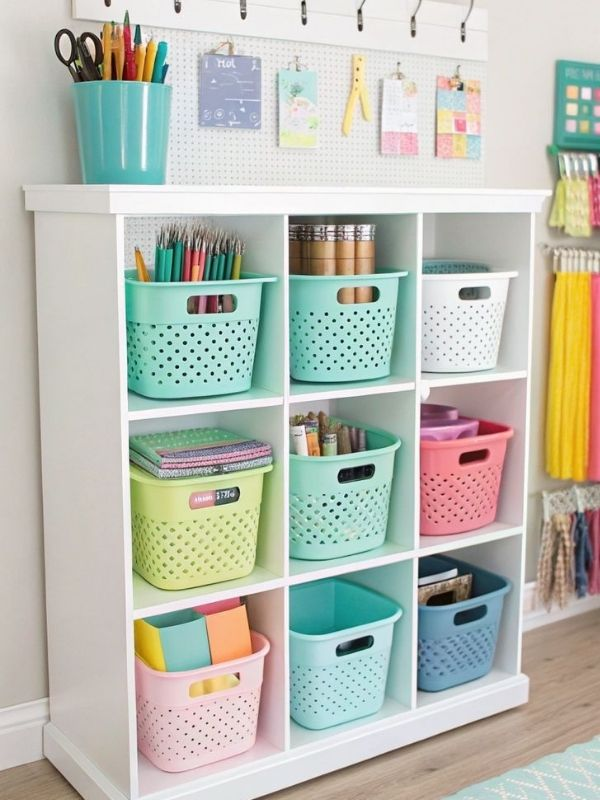
Storage bins and baskets are one of the most useful classroom organization tools. Use them to sort books, art supplies, STEM materials, manipulatives, games, and student resources. Clear or labeled bins make it easy for students to find what they need and return items to the correct place.
2. Shelf Labels
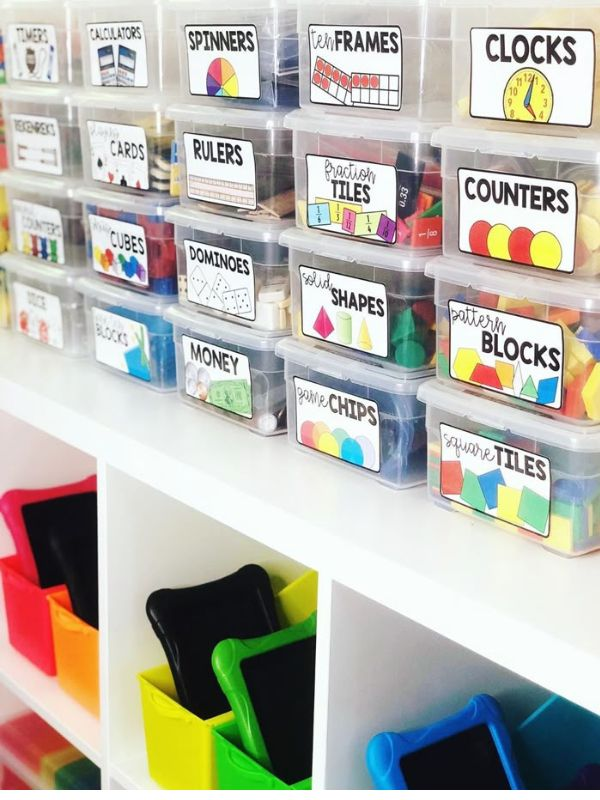
Labeling shelves, drawers, and containers helps keep everything organized. Use words, pictures, or color-coded labels depending on your students’ age. Clear labels encourage students to clean up after themselves and maintain classroom organization without constant reminders.
3. Rolling Storage Carts
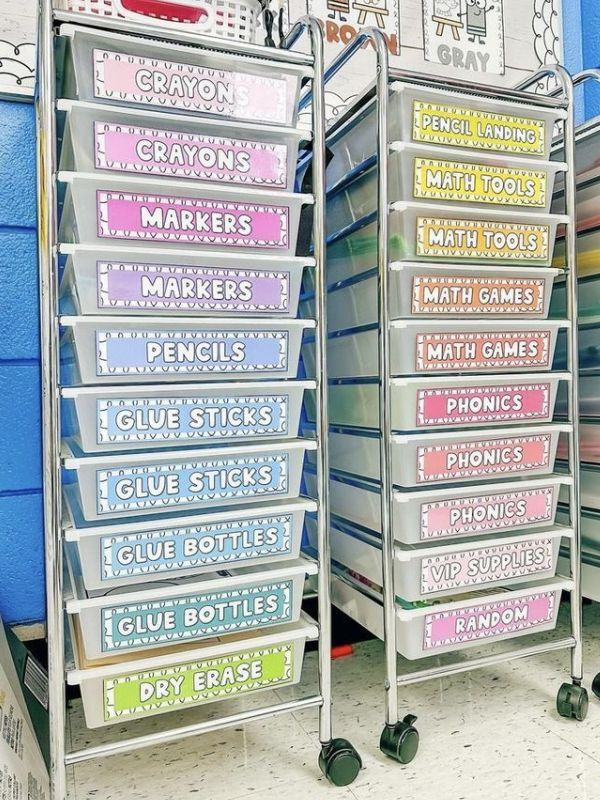
A rolling cart gives you flexible storage that can move wherever it’s needed. Store lesson materials, craft supplies, technology, or small group resources in separate drawers so everything stays organized and within reach during the school day.
4. Drawer Organizers
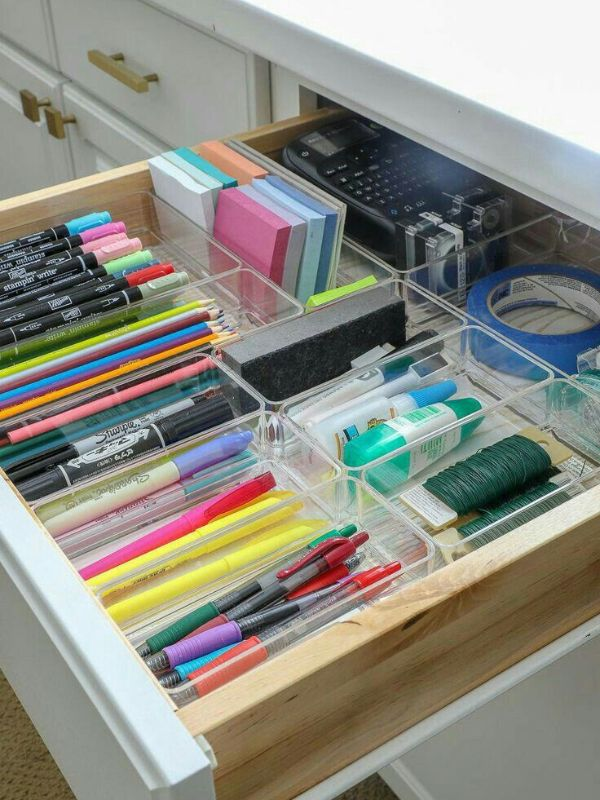
Teacher desks can quickly become cluttered with office supplies. Drawer organizers keep pencils, sticky notes, scissors, paper clips, markers, and other small items neatly separated, making them easy to find when you need them.
5. Book Bins
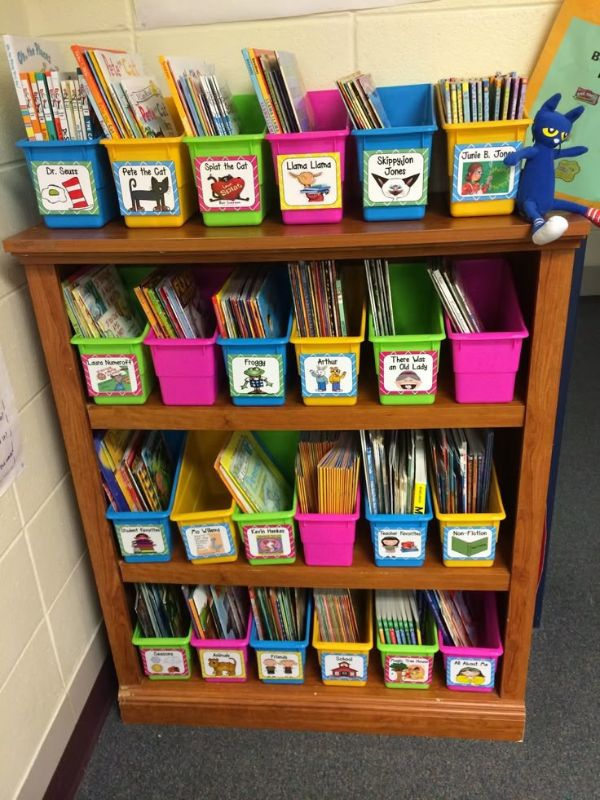
Classroom libraries stay neat when books are organized in labeled bins. You can sort books by reading level, genre, author, topic, or season. Students can quickly find books they’re interested in while keeping shelves tidy.
6. Teacher Command Center
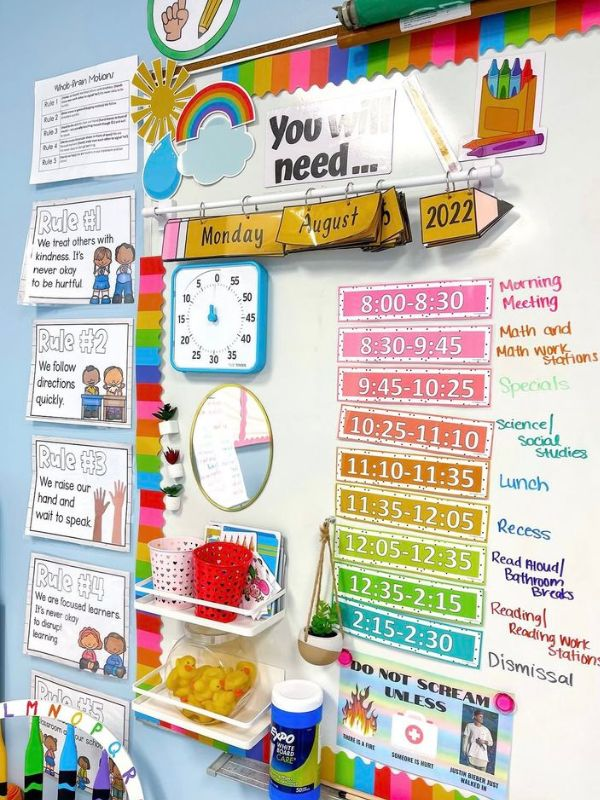
Create one dedicated space for lesson plans, attendance records, calendars, important paperwork, classroom schedules, and to-do lists. A teacher command center helps you stay organized and reduces the stress of searching for important documents.
7. Student Supply Stations
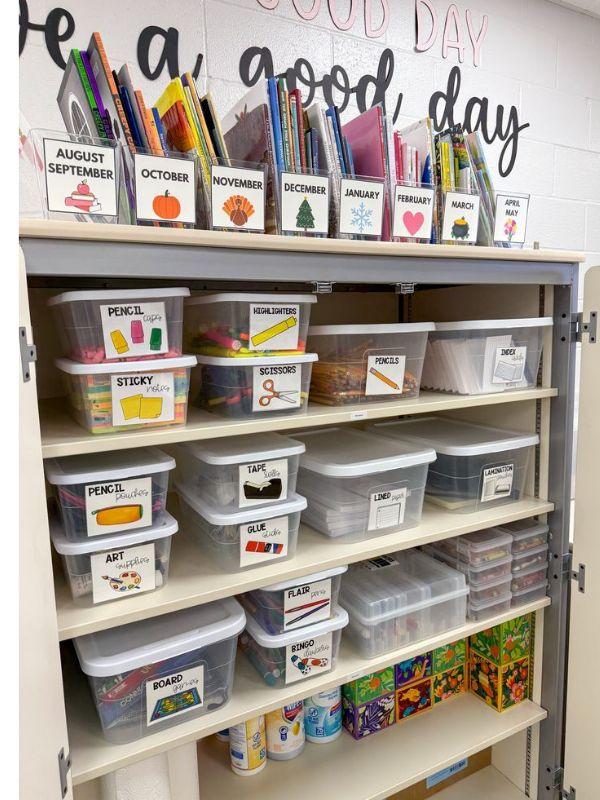
Instead of handing out supplies throughout the day, create a self-service station with pencils, markers, glue sticks, scissors, tissues, hand sanitizer, and notebooks. Students can independently collect what they need, saving time and minimizing classroom interruptions.
See school morning routine that you really need for teachers and schoolers
Classroom Organization Ideas for High School
High school classrooms often contain more materials, technology, and subject-specific resources than other grade levels. From science equipment and novels to laptops and project supplies, staying organized helps teachers save time and allows students to work more independently.
These classroom organization ideas for high school will help you create a space that is functional, clutter-free, and easy to manage throughout the school year.
1. Organize Subject-Specific Supply Stations
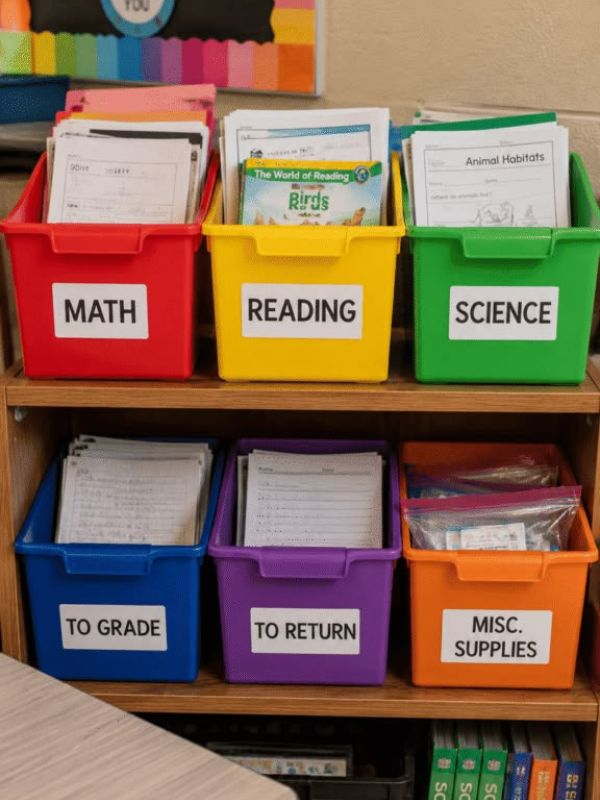
Instead of keeping all materials in one place, create separate stations for different subjects or classroom activities.
Here’s how to do it:
- Identify the supplies students use most often.
- Group similar materials together, such as calculators, rulers, lab equipment, markers, or writing supplies.
- Place each group in labeled bins or baskets.
- Position frequently used supplies where students can easily reach them.
- Restock supplies at the end of each week.
This system reduces interruptions because students can quickly find what they need without asking for help.
2. Create a Student Charging Station
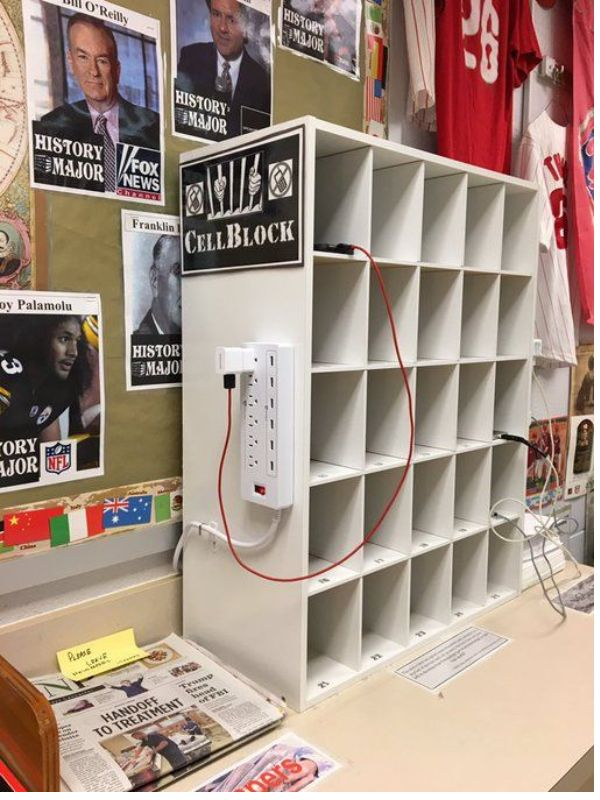
Many high school students use laptops, tablets, or Chromebooks during class. A designated charging station prevents tangled cords and dead devices.
To set one up:
- Choose a safe corner near electrical outlets.
- Use a power strip with surge protection.
- Label each charging space with numbers.
- Secure cords with cable clips or Velcro straps.
- Assign students to return devices to the correct spot after use.
This keeps technology organized and extends the life of charging cables.
3. Use Color-Coded Binders and Folders
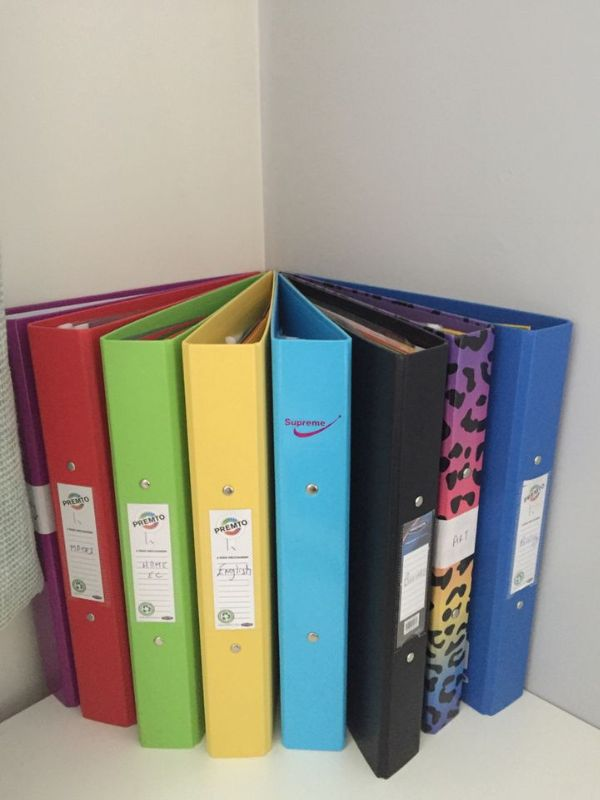
Color coding makes it easier for both teachers and students to stay organized.
For example:
- Blue for English
- Green for Science
- Red for Math
- Yellow for History
- Purple for Projects
You can also use matching labels on shelves, storage bins, and classroom folders to create a consistent organization system.
4. Organize Classroom Technology
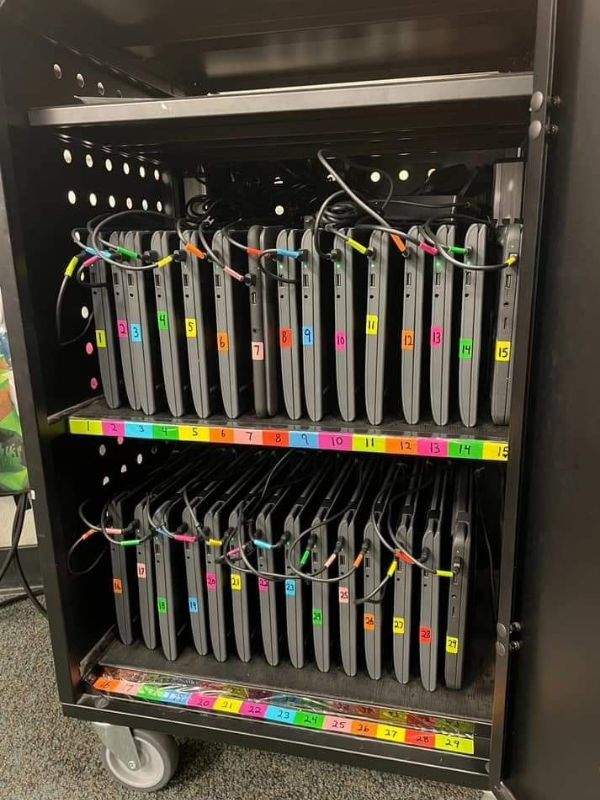
Technology can quickly become messy if there isn’t a system in place.
Keep devices organized by:
- Numbering every laptop, tablet, and charger.
- Labeling storage shelves.
- Keeping charging cables bundled together.
- Creating a checkout sheet for shared devices.
- Cleaning screens and keyboards regularly.
Students will know exactly where to return equipment after each lesson.
5. Set Up Assignment Turn-In Bins
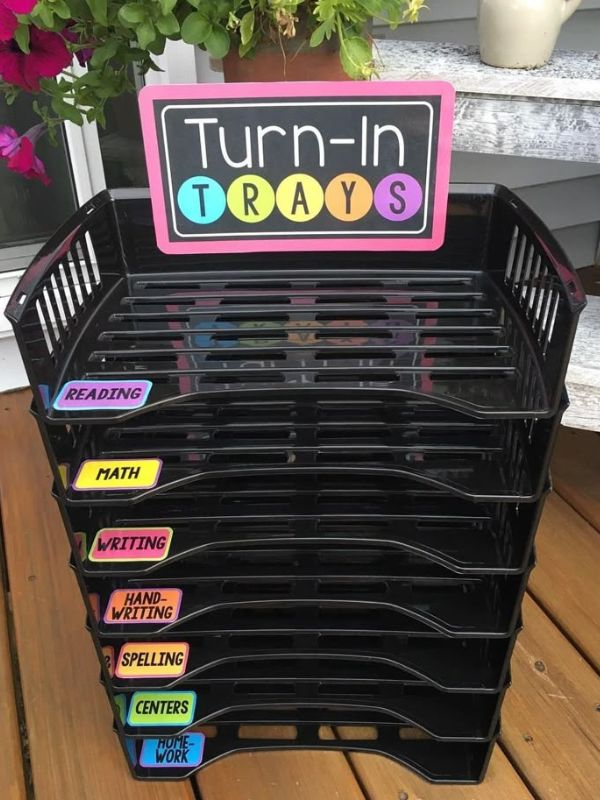
Missing assignments often happen because students don’t know where to submit their work.
Create an organized collection system by:
- Using stackable trays or wall pockets.
- Labeling each tray by class period or subject.
- Adding separate trays for late work and completed assignments.
- Emptying the trays at the end of each day.
This saves grading time and prevents misplaced papers.
6. Create a Classroom Resource Wall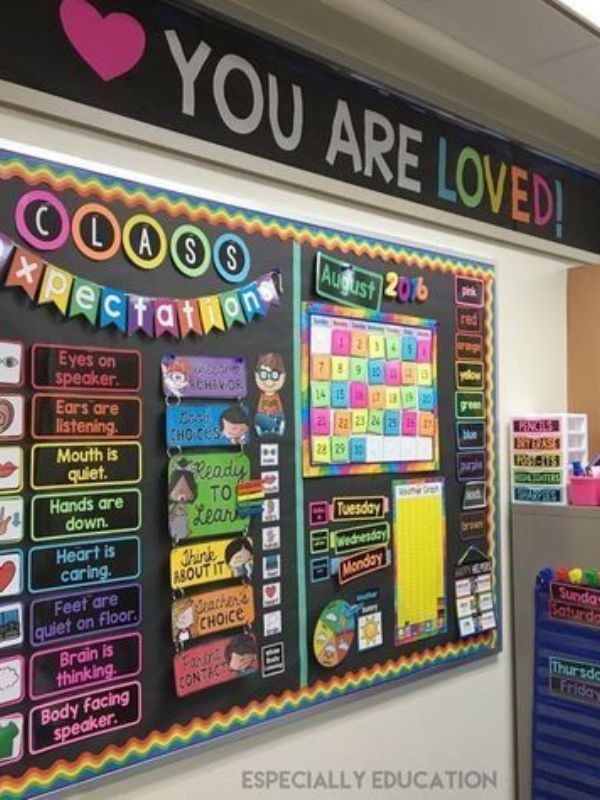
Dedicate one wall to resources students frequently need.
Include:
- Classroom rules
- Daily schedule
- Assignment calendar
- Vocabulary words
- Formula charts
- Writing tips
- Study strategies
- QR codes linking to online resources
Students can quickly find answers without interrupting the lesson.
7. Keep Group Project Materials Organized
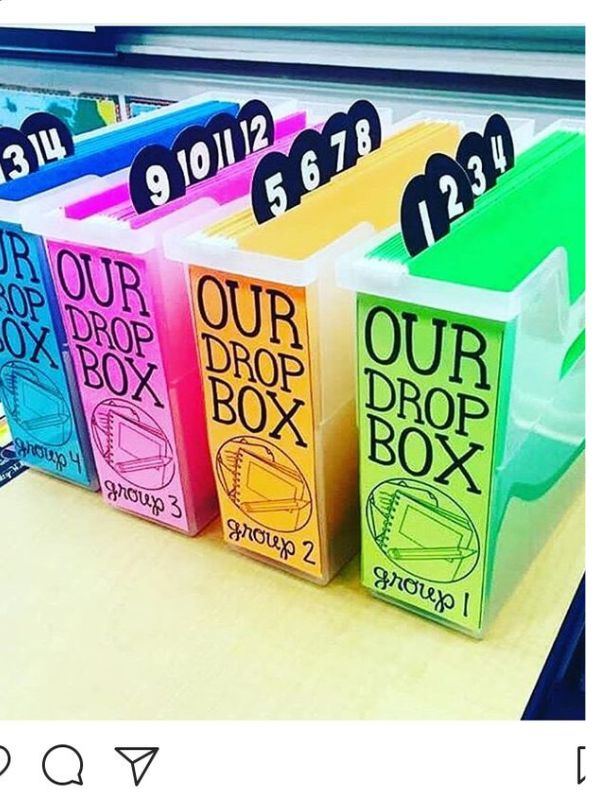
Group activities become less stressful when materials are prepared in advance.
Try this system:
- Assign each group a number or color.
- Store each group’s supplies in a labeled container.
- Include everything needed for the activity.
- Ask one student from each group to collect and return the container.
This minimizes setup time and keeps supplies from getting mixed together.
8. Organize Your Classroom Library by Subject
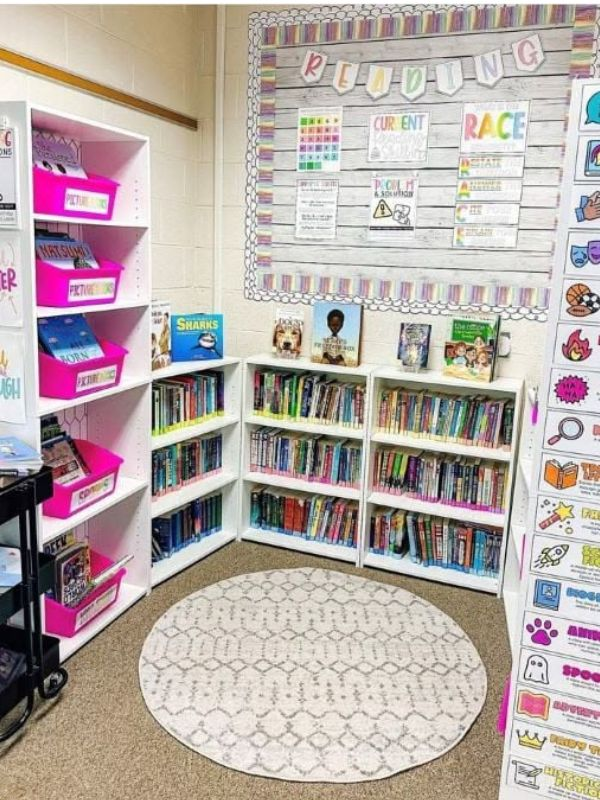
If your classroom has books, avoid placing everything on one shelf.
Instead, organize books by:
- Subject
- Genre
- Reading level
- Author
- Topic
Use clear labels or book bin signs so students can easily locate and return books.
9. Design a Teacher Planning Station.
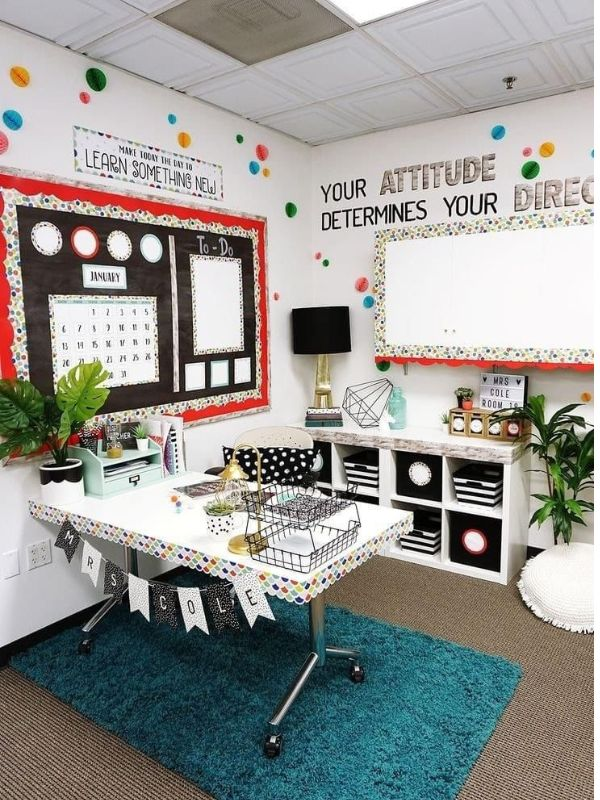
A dedicated planning area helps you stay prepared for every class.
Include:
- Weekly lesson plans
- Student attendance records
- Grading folders
- Sticky notes
- Planner or calendar
- Pens and markers
- Emergency substitute plans
- Frequently used documents
Keeping everything in one location reduces stress during busy school days.
10. Use Digital Organization Tools Alongside Physical Storage
Physical organization works even better when combined with digital organization.
Keep digital files organized by:
- Creating folders for each class.
- Organizing files by unit or topic.
- Naming documents clearly.
- Backing up important files using cloud storage.
- Removing outdated materials every semester.
When your digital and physical classrooms are both organized, you’ll spend less time searching for resources and more time teaching.
Important Tip
Choose organization systems that students can maintain without constant reminders. The simpler your storage, labeling, and classroom routines are, the easier it will be to keep your high school classroom organized all year long.
See back to school glow up checklist you really need
Classroom Organization Ideas for Elementary School
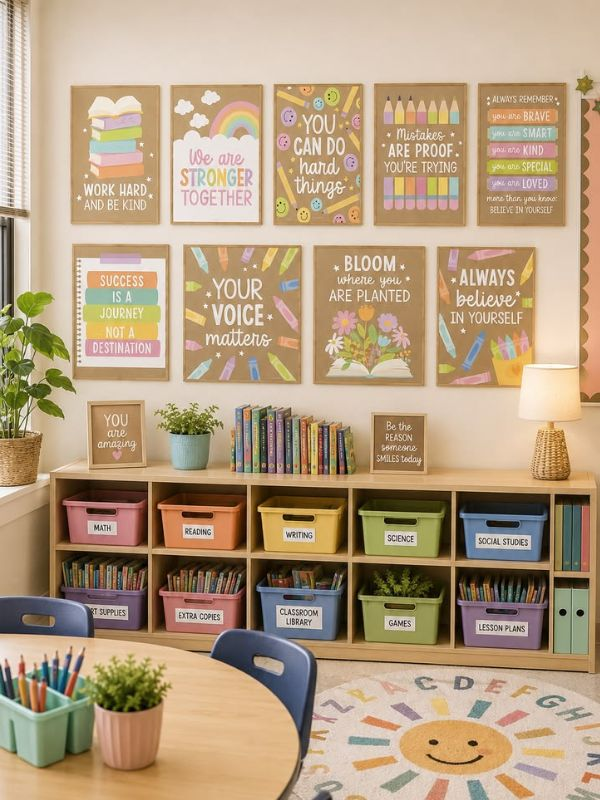
An organized elementary classroom helps young students feel confident, focused, and ready to learn. Since elementary students are still developing organizational skills, your classroom should make it easy for them to find materials, complete routines, and clean up independently.
These simple classroom organization ideas will help create a space that is fun, functional, and easy to maintain throughout the school year.
1. Label Everything with Words and Pictures
Elementary students, especially younger children, benefit from visual labels.
Follow these steps:
- Label every storage bin, shelf, drawer, and container.
- Use both words and pictures so students can easily recognize where items belong.
- Choose large, easy-to-read fonts.
- Laminate labels to protect them from daily wear.
- Place labels at students’ eye level.
When everything has a clearly marked home, students are more likely to clean up without reminders.
2. Create Easy-to-Reach Learning Centers
Learning centers keep lessons organized and encourage independent learning.
To set them up:
- Decide which centers your classroom needs, such as reading, math, writing, science, or art.
- Place each center in its own section of the classroom.
- Store only the materials needed for that activity.
- Label each center clearly.
- Keep enough space for students to move safely between stations.
Organized learning centers reduce confusion and help students transition smoothly between activities.
3. Organize Reading Books by Level or Theme
A tidy classroom library encourages students to read more often.
Organize books by:
- Reading level
- Genre
- Theme
- Author
- Holiday or season
Use colorful bins with labels so students can quickly find books and return them to the correct place after reading.
4. Use Color-Coded Supply Bins
Color coding makes classroom organization simple for young learners.
For example:
- Blue for math supplies
- Green for science materials
- Red for art supplies
- Yellow for writing tools
- Purple for classroom games
Match the colors on shelves, labels, and storage bins to help students remember where everything belongs.
5. Create Daily Routine Stations
A daily routine station helps students know what to do as soon as they enter the classroom.
Include areas for:
- Turning in homework
- Picking up worksheets
- Morning work
- Attendance check-in
- Lunch count
- Classroom announcements
Keeping these tasks in one location creates a smoother start to every school day.
6. Organize Student Mailboxes
Student mailboxes help keep paperwork from piling up on desks.
Here’s an easy setup:
- Assign one mailbox to each student.
- Label each mailbox with the student’s name.
- Use them for graded work, permission slips, newsletters, and take-home assignments.
- Ask students to check their mailbox before leaving each day.
This system keeps important papers organized and prevents items from getting lost.
7. Store Craft Supplies in Clear Containers
Art materials can quickly become messy if they aren’t properly stored.
Use clear containers for:
- Crayons
- Markers
- Colored pencils
- Paint brushes
- Glue sticks
- Scissors
- Construction paper
Label each container and place frequently used supplies where students can reach them safely.
8. Use Pocket Charts for Classroom Management
Pocket charts are one of the most versatile classroom organization tools.
You can use them to organize:
- Daily schedules
- Classroom jobs
- Reading groups
- Behavior charts
- Vocabulary words
- Attendance
- Learning objectives
Because the cards are easy to move, pocket charts make updating classroom information quick and simple.
9. Create a Lost and Found Basket
School supplies often disappear during busy days.
Place a labeled basket in an easy-to-see location where students can return:
- Water bottles
- Pencils
- Jackets
- Lunch boxes
- Library books
- Erasers
Encourage students to check the basket before asking if something is missing.
10. Organize Classroom Games and Manipulatives
Math manipulatives, puzzles, building blocks, flashcards, and educational games should each have their own storage space.
To keep them organized:
- Sort similar materials together.
- Store each activity in a labeled bin or zip bag.
- Include all pieces before putting items away.
- Place frequently used activities on lower shelves.
- Rotate seasonal or less-used materials into storage to reduce clutter.
This system makes classroom activities easier to prepare and helps materials last longer.
Pro Tip
Introduce your classroom organization system during the first week of school. Spend time showing students where supplies belong, practice classroom routines together, and make organization part of the daily schedule. The more students practice these habits, the easier it becomes to keep your elementary classroom clean, organized, and ready for learning all year long.
See 30 summer classroom decor ideas
Classroom Organization Ideas for Preschool and Daycare
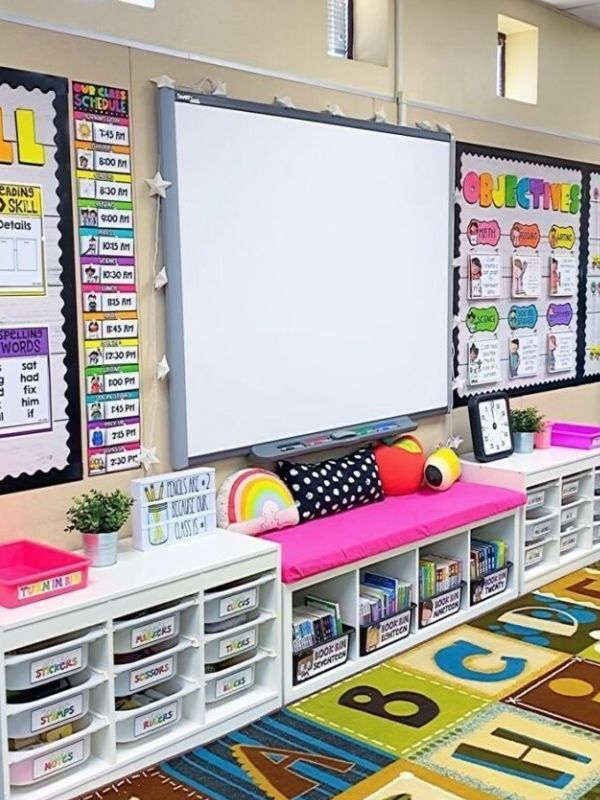
A well-organized preschool or daycare classroom helps young children feel safe, confident, and excited to learn.
Since preschoolers are still developing independence, they need an environment where toys, books, and learning materials are easy to find and just as easy to put away.
A simple organization system also helps teachers spend less time cleaning up and more time interacting with children.
These preschool and daycare classroom organization ideas will help you create a clean, welcoming, and functional learning space for both children and caregivers.
1. Organize Toys by Category
Mixing all toys together can overwhelm young children and make cleanup difficult. Instead, sort toys into categories so children know exactly where each item belongs.
Common categories include:
- Building blocks
- Dolls and pretend play toys
- Cars and trucks
- Musical instruments
- Puzzles
- Animal figures
- Learning games
Place each category in its own labeled storage bin. If children cannot read yet, add a picture of the toy to the label. This visual cue helps them identify the correct bin and encourages independent cleanup.
2. Use Low Open Shelves for Easy Access
Furniture designed for adults can make it difficult for young children to reach classroom materials. Low, open shelves allow children to safely access books, puzzles, and toys without asking for help.
When arranging shelves:
- Place the most frequently used materials on the lowest shelves.
- Keep heavier items on the bottom to prevent accidents.
- Avoid overcrowding shelves with too many toys.
- Leave enough space between items so children can easily remove and return them.
- Check shelves regularly to ensure everything remains neat and safe.
Open shelving also allows teachers to quickly see when materials need to be restocked or reorganized.
3. Create Visual Labels with Pictures
Many preschool children are still learning letters and words, so picture labels work much better than text alone.
For example:
- A picture of crayons on the crayon bin
- A puzzle image on the puzzle shelf
- A teddy bear on the stuffed animal basket
- A book icon on the reading corner
For older preschoolers, combine the picture with the written word. This not only keeps the classroom organized but also supports early literacy by helping children connect words with objects.
4. Set Up Sensory Play Storage
Sensory materials can quickly create clutter if they are not properly stored.
Organize supplies such as:
- Sand
- Water play tools
- Rice bins
- Kinetic sand
- Play dough
- Sensory bottles
- Scoops and measuring cups
Store each activity in a sealed plastic container with a secure lid. Keep small accessories together in labeled zip bags or smaller bins inside the container.
After each activity, encourage children to help return every item before moving on to the next lesson.
5. Organize Nap Time Supplies
A tidy nap area helps children feel calm and makes daily routines much easier.
Assign each child a labeled space for:
- Sleeping mat
- Blanket
- Pillow
- Comfort item if allowed
Use cubbies, baskets, or stackable shelves to store bedding when it is not in use. Wash blankets and mats regularly and check labels to make sure every child’s belongings are easy to identify.
6. Create Easy Clean-Up Stations
Teaching children to clean up begins with making cleanup simple.
Set up cleanup stations by:
- Placing storage bins around the classroom.
- Using picture labels on every container.
- Keeping cleaning supplies like small brooms and dustpans in a designated area for teacher use or supervised activities.
- Practicing cleanup routines every day.
- Turning cleanup into a fun activity with songs or simple countdowns.
When cleanup becomes part of the daily routine, children learn responsibility while keeping the classroom organized.
7. Organize Art Materials Safely
Art supplies are used often in preschool, so keeping them organized saves time and reduces waste.
Separate supplies into individual containers for:
- Crayons
- Washable markers
- Glue sticks
- Paint brushes
- Finger paint
- Construction paper
- Safety scissors
Store items that require adult supervision, such as scissors or liquid paint, on higher shelves that children cannot access without permission.
8. Store Extra Clothes and Personal Items
Accidents and messy play are common in preschool and daycare settings.
Give each child a labeled cubby, basket, or locker for personal belongings such as:
- Extra clothes
- Jackets
- Shoes
- Lunch boxes
- Water bottles
- Hats
Keeping personal items in one place prevents mix-ups and makes it easier for teachers to find what each child needs.
9. Rotate Toys to Reduce Clutter
Displaying every toy at once can overwhelm children and make the classroom feel crowded.
Instead:
- Divide toys into several groups.
- Display only a portion of the toys each week.
- Store the remaining toys in a cabinet or storage room.
- Rotate toys every few weeks to introduce “new” activities without buying more supplies.
Toy rotation keeps children interested, reduces clutter, and helps toys last longer.
10. Create Clearly Defined Learning Areas
Children learn best when each activity has its own dedicated space.
Consider creating separate areas for:
- Reading corner
- Art center
- Block play
- Dramatic play
- Science and discovery
- Music and movement
- Sensory play
- Quiet corner
Use rugs, shelves, or low dividers to separate each learning area. Keep only the materials needed for that activity within the space to prevent children from carrying toys throughout the classroom.
Clearly defined learning zones help children understand classroom expectations, improve focus, and make transitions between activities much smoother.
The best preschool and daycare classroom are filled with smart organization systems. Keep storage simple, use picture labels, involve children in daily cleanup routines, and regularly remove broken or unused toys.
These small habits make it much easier to maintain an organized classroom where young learners can play, explore, and grow every day.
See 40 back to school nails you will love for teachers and students
DIY Classroom Organization Ideas
Creating an organized classroom is not too expensive. With a little creativity, you can transform everyday household items into practical storage solutions that keep your classroom neat and functional.
DIY classroom organization ideas are perfect for teachers who want to save money while creating a space that’s both attractive and easy to manage.
The best part is that many of these projects can be completed in an afternoon using items you already have at home or inexpensive supplies from a dollar store.
1. Turn Shoe Organizers into Supply Storage
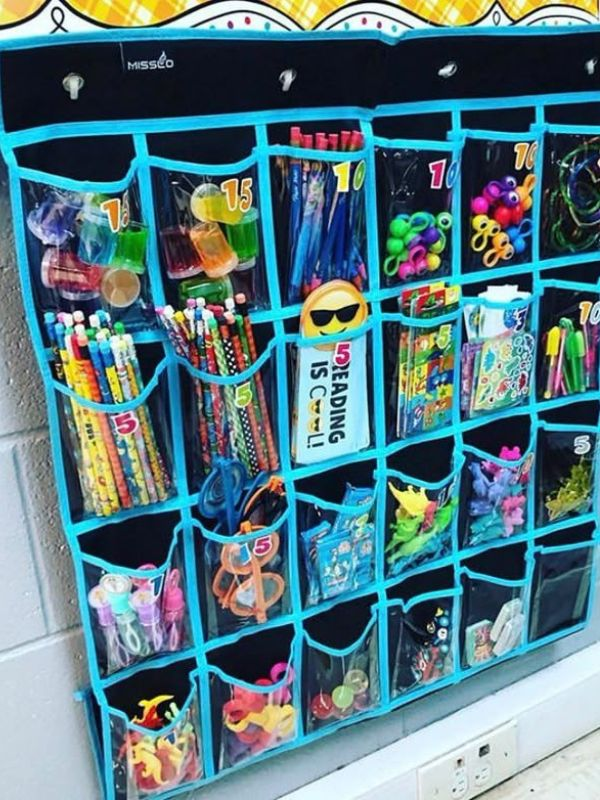
An over-the-door shoe organizer is one of the most versatile classroom organization tools. Instead of storing shoes, use each pocket to hold classroom supplies.
You can organize:
- Markers
- Glue sticks
- Scissors
- Dry-erase markers
- Flashcards
- Sticky notes
- Calculators
- Paint brushes
- Craft supplies
To create one:
- Hang the organizer on the back of a classroom door or inside a storage closet.
- Group similar items together.
- Label each pocket so students know where supplies belong.
- Place frequently used items in the lower pockets for easy access.
This simple project saves shelf space while keeping supplies visible and organized.
2. Repurpose Mason Jars for Small Supplies
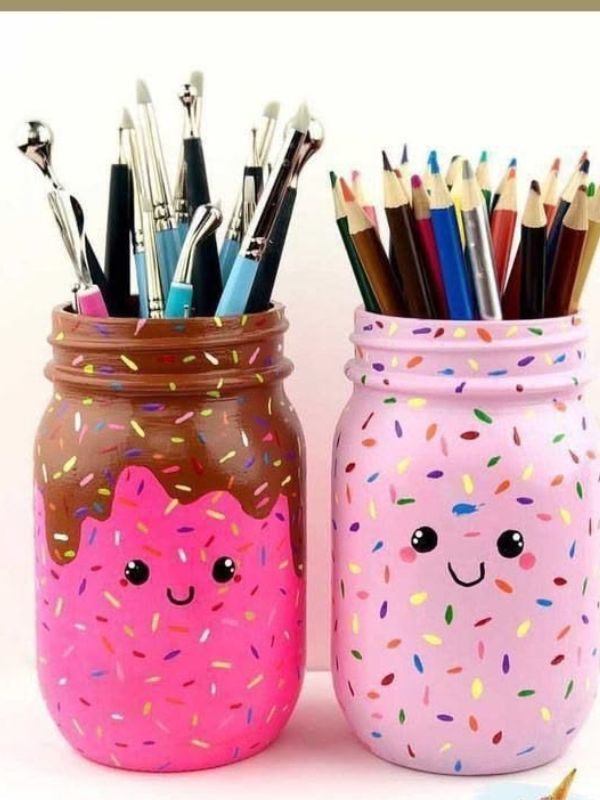
Mason jars are an inexpensive way to organize small classroom materials.
Use them to store:
- Pencils
- Pens
- Crayons
- Colored pencils
- Paper clips
- Rubber bands
- Push pins
- Craft sticks
For a polished look, attach labels to each jar and place them on a tray or shelf. If you’re working with young children, choose plastic jars instead of glass for added safety.
3. Make Cardboard Magazine Holders
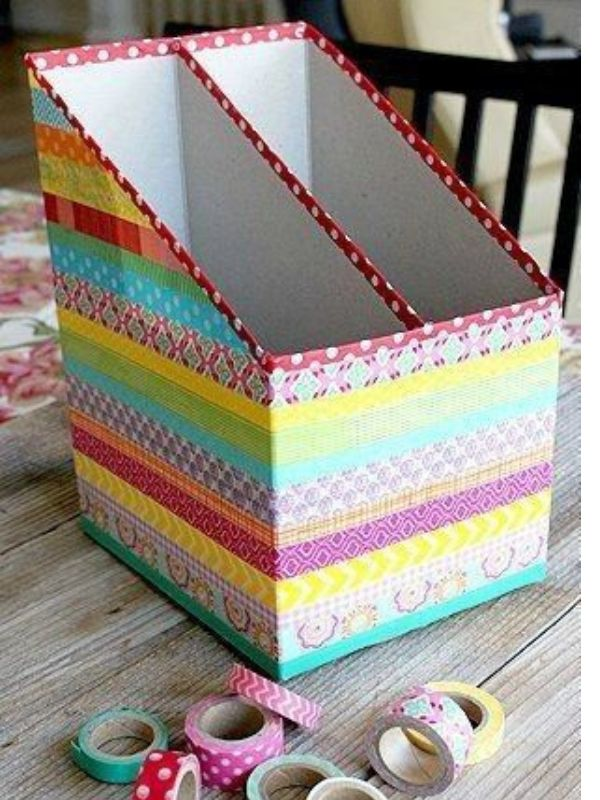
Don’t throw away cereal boxes or shipping boxes. They can easily become sturdy magazine holders.
Follow these steps:
- Cut the box diagonally to create a magazine holder shape.
- Cover it with wrapping paper, contact paper, or colorful cardstock.
- Label the front.
- Use it to store workbooks, folders, notebooks, or worksheets.
Place several holders together on a shelf to keep papers standing neatly instead of stacked in messy piles.
4. Reuse Cereal Boxes as File Organizers
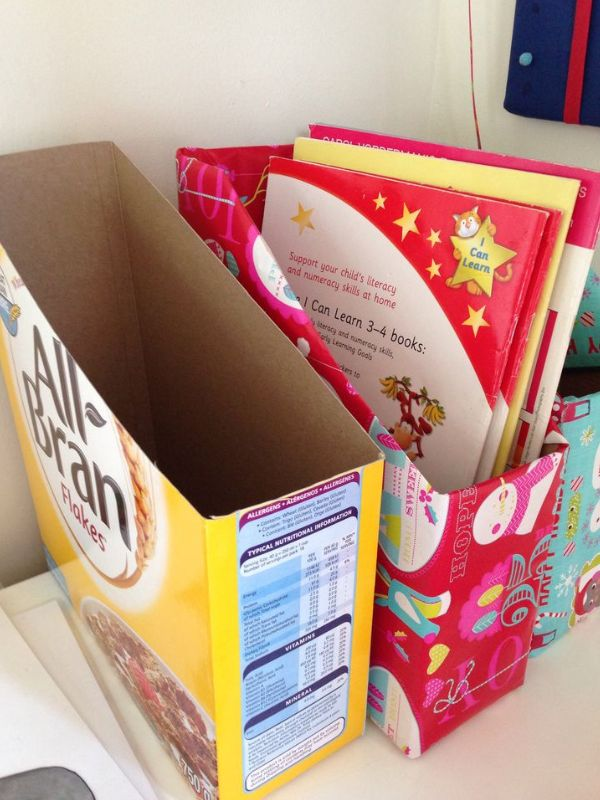
Empty cereal boxes make excellent organizers for teacher resources.
They can hold:
- Lesson plans
- Student work
- Homework packets
- Printable worksheets
- Seasonal activities
- Parent newsletters
Decorate each box with colorful paper and add labels so you can quickly locate the materials you need.
5. Create Labels with Printable Templates
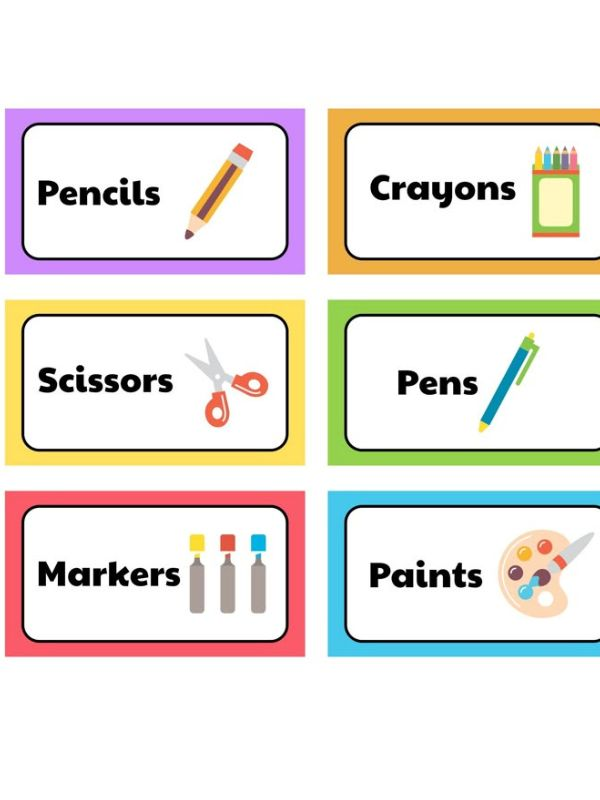
Labels make every classroom organization system easier to maintain.
Create matching labels for:
- Storage bins
- Shelves
- Drawers
- Book baskets
- Supply containers
- Learning centers
For younger students, combine words with pictures. Laminating your labels will help them last throughout the school year.
6. Up-cycle Plastic Containers into Storage Bins
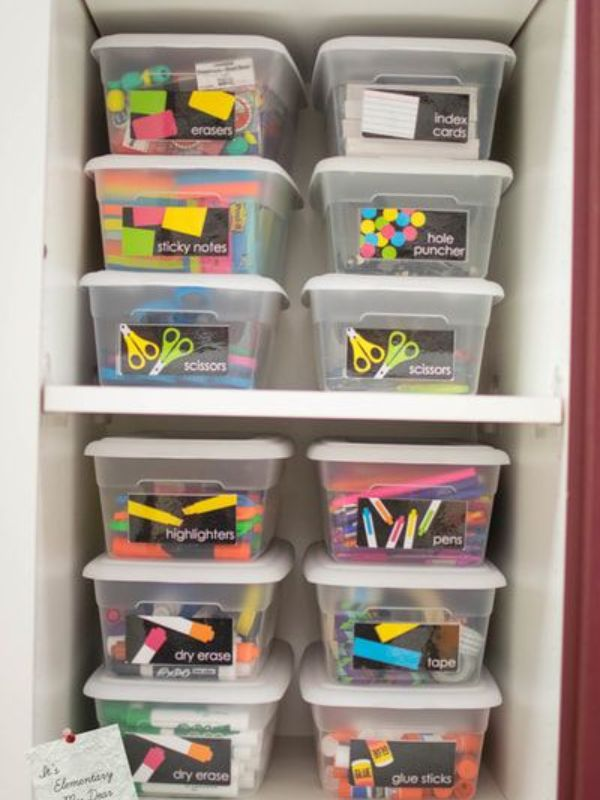
Before recycling food containers, consider giving them a second life in your classroom.
Large plastic containers can store:
- Building blocks
- Manipulatives
- Art supplies
- Science materials
- Math counters
- Toy animals
Wash containers thoroughly, remove old labels, and attach new classroom labels for a clean, uniform look.
7. Build a DIY Homework Turn-In Station
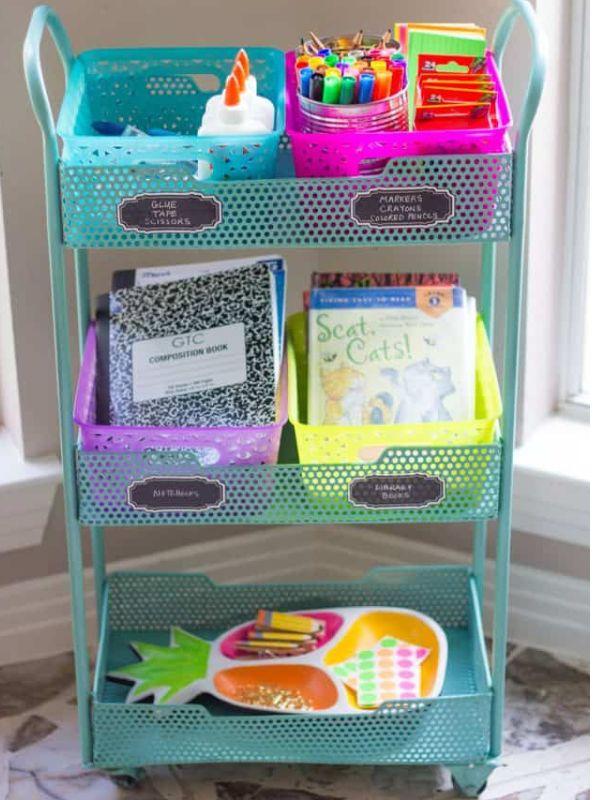
A homework station helps prevent lost assignments and keeps paperwork organized.
Here’s an easy way to make one:
- Stack inexpensive plastic trays or sturdy cardboard boxes.
- Label each tray by subject, class period, or day of the week.
- Place the station near the classroom entrance.
- Show students where to submit their work every day.
A designated collection area makes grading faster and keeps your desk clutter-free.
8. Make a Budget-Friendly Teacher Cart
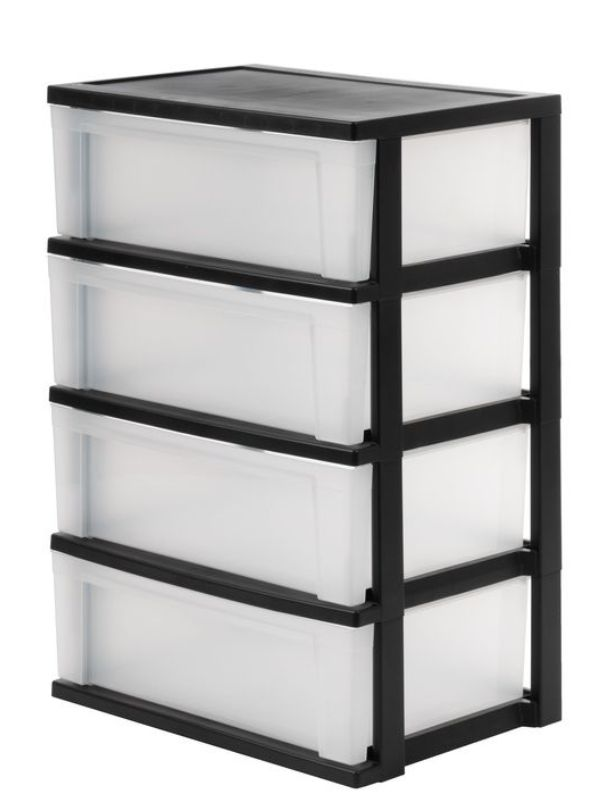
A rolling cart can be expensive, but you can create a similar system using stackable plastic drawers or storage crates.
Use different drawers for:
- Daily lesson materials
- Teacher supplies
- Craft items
- Classroom rewards
- Grading supplies
- Emergency resources
Label every drawer so you can quickly grab what you need during class.
9. Create DIY Bulletin Board Organizers
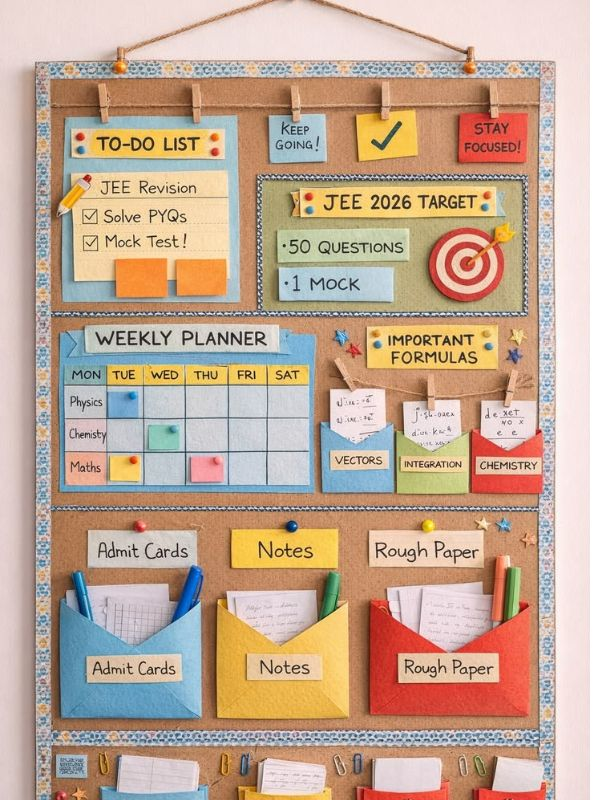
Bulletin boards can do much more than display student work.
Turn one into an organization center by including:
- Weekly schedule
- Classroom jobs
- Important reminders
- Birthday board
- Upcoming events
- Homework calendar
- Classroom tiles
Use colorful borders, printed headings, and clear sections to make information easy to find.
10. Organize Classroom Cables with Binder Clips
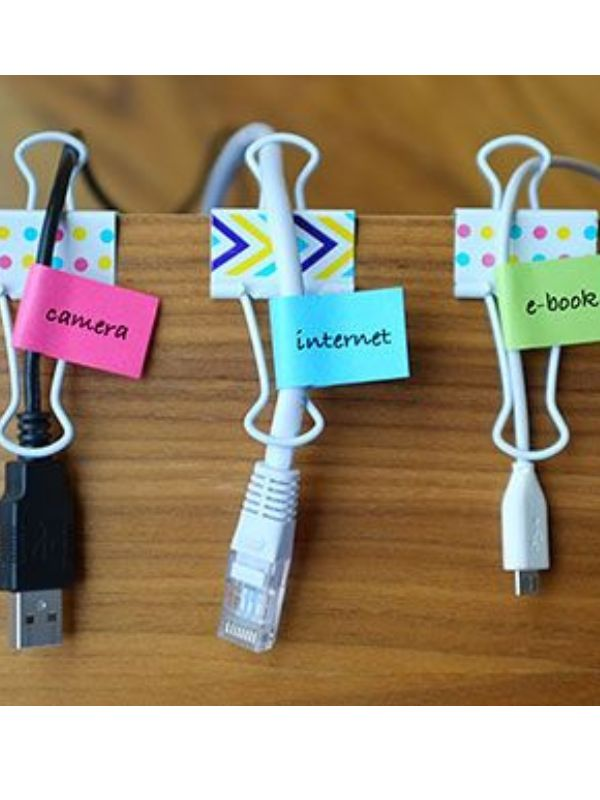
Charging cables often become tangled and messy, especially in classrooms with laptops or tablets.
A simple binder clip can solve the problem.
Here’s how:
- Attach large binder clips to the edge of a desk or shelf.
- Thread one charging cable through each clip.
- Label cables if multiple devices are used.
- Bundle extra cable length with Velcro straps or reusable twist ties.
This inexpensive trick keeps cords organized, prevents tangles, and makes charging devices much easier.
Pro Tip
Before buying new classroom storage, look around your home or ask families to donate clean containers, baskets, jars, or boxes. With a little creativity, everyday items can become practical organization tools that help you build a beautiful, functional classroom without spending a lot of money.
See 50 school outfit ideas for Adults that exceptional
Classroom Organization Mistakes to Avoid
Even the best classroom organization system can become difficult to maintain if it’s not practical for your daily routine. Many teachers make small organization mistakes that lead to clutter, wasted time, and frustrated students. The good news is that these problems are easy to avoid with a little planning.
Here are some of the most common classroom organization mistakes and how to prevent them.
1. Buying Too Many Storage Containers
It can be tempting to buy lots of bins, baskets, and organizers before the school year begins. However, purchasing storage without a plan often creates more clutter instead of solving it.
Instead:
- Sort through your classroom supplies first.
- Decide what you actually need to store.
- Measure your shelves, cabinets, and storage areas.
- Buy containers that fit your space and storage needs.
- Choose matching containers if possible to create a clean, organized look.
Remember, a few well-organized bins are far more effective than dozens of containers filled with random items.
2. Not Labeling Supplies
Without labels, students may not know where supplies belong, making cleanup difficult and causing materials to get mixed up.
To avoid this:
- Label every shelf, drawer, basket, and storage bin.
- Use large, easy-to-read text.
- Add picture labels for preschool and elementary classrooms.
- Replace damaged or faded labels throughout the year.
A clearly labeled classroom encourages students to return items to the correct place without being reminded.
3. Ignoring Student Accessibility
If students can’t easily reach classroom materials, they’ll constantly ask for help or leave supplies scattered around the room.
Create an accessible classroom by:
- Placing frequently used supplies on lower shelves.
- Keeping heavy items at the bottom for safety.
- Arranging furniture so students can move freely.
- Storing teacher-only materials in separate areas.
- Making sure learning centers are easy to access.
An organization system only works if students can use it independently.
4. Keeping Unused Classroom Materials
Many teachers hold onto broken supplies, outdated worksheets, or materials they no longer use. Over time, these items take up valuable storage space.
Set aside time each month to:
- Throw away broken or damaged items.
- Recycle outdated papers.
- Donate supplies you no longer use.
- Store seasonal materials separately.
- Keep only resources that support your current lessons.
Regular decluttering makes your classroom feel more spacious and easier to manage.
5. Forgetting to Declutter Throughout the School Year
A classroom won’t stay organized if it’s only cleaned at the beginning of the school year. Papers, supplies, and student projects can quickly pile up.
Keep clutter under control by:
- Spending five to ten minutes tidying up at the end of each day.
- Scheduling a quick classroom reset every Friday.
- Asking students to help organize learning centers.
- Checking supply bins regularly.
- Removing unnecessary items before each new unit or season.
Small, consistent cleanup routines are much easier than trying to reorganize an entire classroom later.
Vital Tip
The best classroom organization systems are simple enough for both teachers and students to follow every day. If a storage solution is too complicated or takes too much time to maintain, simplify it. An easy system that everyone can use consistently will keep your classroom organized all year long.
How to Maintain an Organized Classroom All Year
Creating an organized classroom is only the first step. The real challenge is keeping it that way throughout the school year. As lessons, projects, and classroom activities change, it’s easy for supplies and paperwork to pile up. The key is to build simple habits that become part of your daily and weekly routine.
These practical tips will help you maintain an organized classroom without spending hours cleaning or reorganizing.
1. Create Daily Cleanup Routines
A few minutes of cleanup each day can prevent clutter from building up.
Here’s how to create an effective routine:
- Set aside 5 to 10 minutes before dismissal.
- Ask students to return books, supplies, and learning materials to their assigned places.
- Wipe down desks and shared work areas.
- Empty classroom trash if needed.
- Straighten learning centers before leaving for the day.
Making cleanup part of the daily schedule keeps your classroom tidy and ready for the next school day.
2. Assign Student Classroom Jobs
Giving students classroom responsibilities encourages teamwork and teaches responsibility while helping keep the classroom organized.
Assign jobs such as:
- Supply manager
- Librarian
- Technology helper
- Paper collector
- Classroom cleaner
- Plant caretaker
- Recycling monitor
- Whiteboard helper
Rotate jobs every week or month so every student has an opportunity to participate.
3. Declutter Every Month
Even the most organized classrooms collect unnecessary items over time. Scheduling a monthly decluttering session helps prevent overcrowded shelves and overflowing storage bins.
During your monthly reset:
- Throw away broken or damaged supplies.
- Recycle old worksheets and unnecessary papers.
- Restock frequently used materials.
- Return misplaced items to their proper locations.
- Donate or store items you no longer need.
Regular decluttering keeps your classroom functional and creates more space for current learning materials.
4. Refresh Organization Systems Each Semester
As your students and classroom routines change, your organization system may need small adjustments.
At the beginning of each semester:
- Check whether storage bins and labels are still working.
- Rearrange learning centers if needed.
- Replace worn-out labels or containers.
- Reorganize classroom libraries and supply stations.
- Update bulletin boards and classroom displays.
Refreshing your organization system helps it stay practical and effective throughout the year.
5. Evaluate What Works and What Doesn’t
Not every organization idea will work for every classroom. Take time to evaluate your system and make improvements when necessary.
Ask yourself questions like:
- Which areas become messy the fastest?
- Are students able to find supplies on their own?
- Which storage systems are rarely used?
- Are classroom routines helping or creating confusion?
- What can be simplified?
Making small improvements throughout the year is much easier than completely reorganizing your classroom.
Pro Tip
The secret to maintaining an organized classroom isn’t buying more storage bins—it’s creating simple routines that everyone follows consistently. When students know where materials belong and take part in daily cleanup, keeping the classroom organized becomes a shared responsibility instead of a task that falls entirely on the teacher.
Frequently Asked Questions
1. What is the best way to organize a classroom?
The best way to organize a classroom is to create designated spaces for every item and use clear labels on shelves, bins, and drawers. Keep frequently used supplies within easy reach, establish daily cleanup routines, and teach students where materials belong. A simple organization system that students can follow is easier to maintain throughout the school year.
2. How do you organize a small classroom with limited space?
To organize a small classroom, maximize vertical space with shelves and wall organizers, use stackable storage bins, choose multi-purpose furniture, and keep only essential materials in the classroom. Rolling carts, hanging organizers, and under-table storage can also help save valuable floor space while keeping supplies accessible.
3. What are the best classroom storage ideas on a budget?
Affordable classroom storage ideas include repurposing cereal boxes as file holders, using plastic containers for supplies, turning shoe organizers into storage pockets, reusing mason jars for small items, shopping at dollar stores, and asking families to donate clean baskets or bins. DIY storage solutions can help you stay organized without spending a lot of money.
4. How often should teachers reorganize their classrooms?
Teachers should tidy the classroom every day, declutter once a month, and do a more thorough reorganization at the beginning of each semester or whenever classroom routines change. Regular maintenance prevents clutter from building up and makes organization much easier.
5. What are the best classroom organization ideas for new teachers?
New teachers should start with simple organization systems such as labeled storage bins, color-coded supplies, classroom jobs, a teacher command center, and clearly organized learning stations. It’s better to keep the system simple at first and make adjustments as you learn what works best for your students.
6. Why is classroom organization important?
Classroom organization creates a positive learning environment by reducing distractions, saving instructional time, and helping students become more independent. An organized classroom also makes lesson preparation easier and allows teachers to focus more on teaching than managing clutter.
7. How can I get students to help keep the classroom organized?
Teach organization routines during the first week of school and practice them regularly. Assign classroom jobs, use labeled storage, and set aside a few minutes each day for cleanup. When students know where items belong and are responsible for maintaining the classroom, they are more likely to keep it tidy.
8. What should every organized classroom have?
Every organized classroom should include labeled storage bins, a classroom library, supply stations, a teacher planning area, learning centers, student mailboxes or folders, a homework turn-in station, and a simple daily cleanup routine. These essentials help keep materials organized and make the classroom easier to manage.
Conclusion
Creating an organized classroom is not expensive or overwhelming. With the right classroom organization ideas, you can turn any learning space into a clean, functional, and welcoming environment where students can thrive. From using labeled storage bins and creating learning centers to trying DIY organization projects and establishing simple daily routines, even small changes can make a big difference.
Remember, the best classroom organization system is one that’s easy for both you and your students to maintain. Start with a few ideas that fit your classroom, involve students in keeping the space tidy, and make organization part of your daily routine. Over time, these simple habits will help reduce stress, save valuable teaching time, and create a classroom that’s ready for learning every day.
Whether you’re organizing a preschool, daycare, elementary, fourth-grade, or high school classroom, these practical tips will help you build a space that’s efficient, inspiring, and enjoyable all year long.