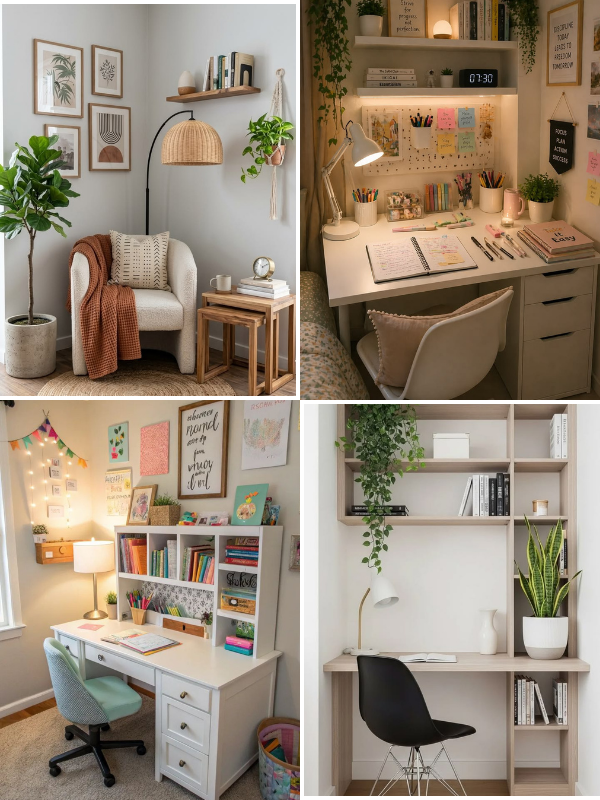
Study space setup ideas can affect your academic success more than you might think. Whether you’re a middle school student finishing homework, a high school student preparing for exams, a college student attending online classes, or a teacher planning lessons, the right study environment can help you stay focused, organised, and motivated.
Have you ever sat down to study only to be distracted by a messy desk, poor lighting, or constant noise? You’re not alone. Sometimes, a few simple changes like improving your lighting, organising your supplies, or choosing a comfortable chair can transform the way you learn and work.
The best study space is one that fits your needs and helps you concentrate. Be it an entire room, a small bedroom corner, or a dorm desk, you can create a setup that encourages productivity without spending a fortune.
In this guide, you’ll discover practical study space setup ideas for students of all ages, including desk organisation tips, budget-friendly decorating ideas, must-have study essentials, and simple ways to create a space where you can stay focused and do your best work.
See a makeup routine for students and Teachers that is easy and fast
Why Your Study Space Matters
Your study space is more than just a place to sit with your books or laptop. It plays a big role in how well you concentrate, stay organised, and complete your work. A clean, comfortable, and well-organised study area can help you develop better study habits and make learning feel less stressful.
1. Improves Focus
A dedicated study space helps train your brain to focus whenever you sit down to learn. Instead of studying on your bed or in front of the TV, having a specific area for schoolwork reduces distractions and makes it easier to stay on task.
To improve focus
- Choose a quiet location whenever possible.
- Keep only the materials you need on your desk.
- Turn off unnecessary notifications on your phone.
- Let family members know when you’re studying.
2. Reduce Distractions
One of the biggest obstacles to productive studying is distraction. A cluttered desk, noisy surroundings, or constant phone notifications can quickly interrupt your concentration.
Reduce distractions by
- Keeping your study area tidy.
- Wearing headphones if your environment is noisy.
- Putting your phone on silent or using Focus Mode.
- Removing items that tempt you to procrastinate.
The fewer distractions around you, the easier it is to complete your work efficiently.
3. Increases Productivity
An organised study space saves time because everything you need is within reach. Instead of searching for a pen, notebook, or charger, you can spend more time learning.
Simple ways to boost productivity include
- Organise books and supplies before each study session.
- Use storage containers or desk organisers.
- Keep a planner or calendar nearby.
- Prepare your materials the night before.
Small organisational habits can make your study sessions more productive.
4. Makes Studying More Enjoyable
A study space that reflects your personality can make you look forward to spending time there. You don’t need expensive furniture or decorations. Adding a few personal touches can make the space feel welcoming and motivating.
Consider adding
- A small plant.
- Inspirational quotes.
- A desk lamp with good lighting.
- A comfortable chair.
- A simple colour theme that makes you feel calm and focused.
When your study space feels inviting, it’s easier to build a consistent study routine and stay motivated throughout the school year.
See 50 school outfit ideas for unique students
How to Choose the Best Location for Your Study Space
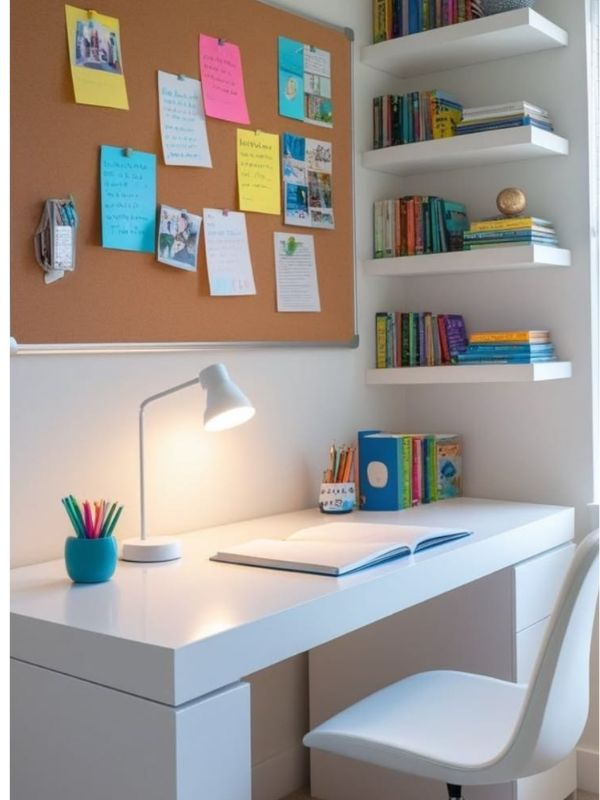
Where you study is just as important as how you study. The right location can help you concentrate, reduce distractions, and stay productive. You don’t need a separate study room to create an effective workspace. Whether you have a large home, a small bedroom, or a dorm room, you can set up a study area that works for you.
Here are a few things to consider when choosing the best location for your study space.
1. Study Near Natural Light
If possible, place your desk near a window. Natural light helps reduce eye strain, improves your mood, and keeps you feeling more alert during study sessions.
To make the most of natural light
- Position your desk beside a window instead of directly in front of it.
- Open curtains or blinds during the day.
- Use a desk lamp when studying at night or on cloudy days.
- Avoid direct sunlight shining onto your computer screen to reduce glare.
2. Choose a Quiet Area
A quiet environment makes it much easier to concentrate, especially when reading, writing, or attending online classes.
Good places to study include
- A spare bedroom.
- A quiet corner of your bedroom.
- A home office.
- A library.
- A study room at school or college.
If your home is noisy, consider using noise-cancelling headphones or playing soft instrumental music.
3. Find a Comfortable Temperature
It’s difficult to focus when you’re too hot or too cold. Choose a location where you can study comfortably for long periods.
For a more comfortable workspace
- Make sure the room has good airflow.
- Use a fan or heater if needed.
- Wear comfortable clothing.
- Keep a bottle of water nearby to stay hydrated.
A comfortable environment helps you stay focused without unnecessary distractions.
4. Make the Most of Small Spaces
Don’t worry if you don’t have an extra room for studying. Even a small space can become an effective study area with a little creativity.
Try these ideas
- Turn an unused bedroom corner into a study nook.
- Use a compact desk that fits your space.
- Install floating shelves for extra storage.
- Choose a foldable desk if space is limited.
- Keep your study supplies organised in baskets or drawer organisers.
Remember, the best study space isn’t the biggest one. It’s the one that helps you stay focused, organised, and motivated to learn. Even a small, well-planned setup can make a big difference in your productivity.
Essential Furniture for a Study Space
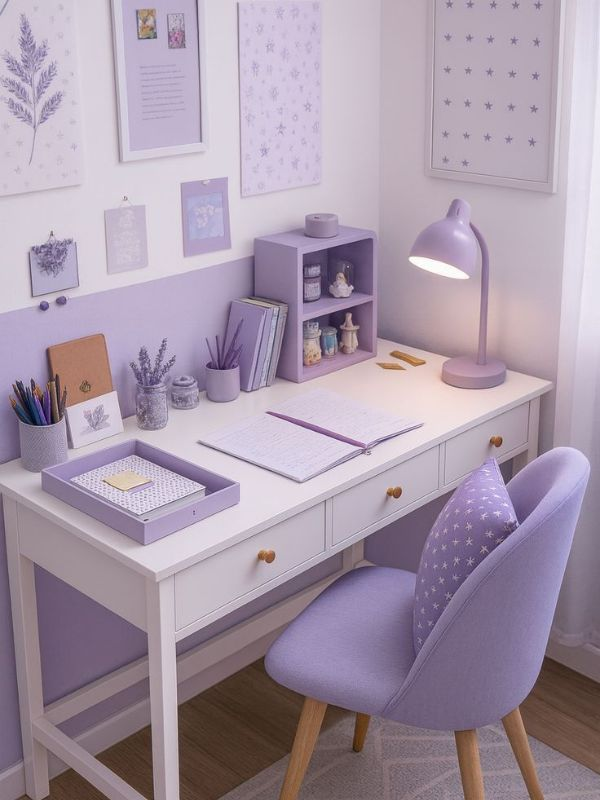
The right furniture can make studying more comfortable, organised, and productive. You don’t need an expensive setup or a room full of furniture. Start with the basics and choose pieces that fit your space, budget, and daily study needs. Investing in comfortable and functional furniture can also help improve your posture and reduce fatigue during long study sessions.
1. Choosing the Right Desk
Your desk is the centrepiece of your study space, so choose one that’s practical rather than just stylish.
Look for a desk that.
- Has enough surface space for your laptop, books, and notebooks.
- Fits comfortably in your room without making the space feel crowded.
- Includes drawers or shelves if you need extra storage.
- Has enough legroom to sit comfortably.
If you’re working with a small room, a compact desk or wall-mounted desk is a smart choice.
2. Picking a Comfortable Chair
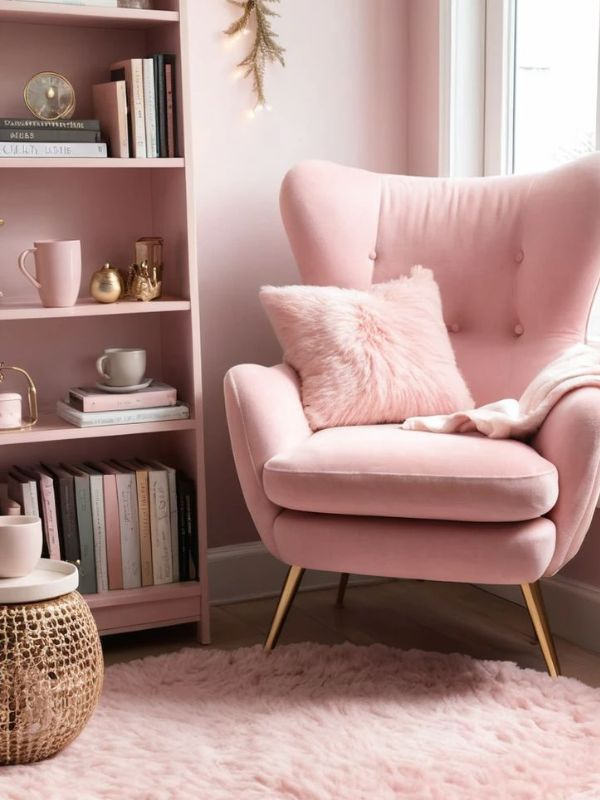
A supportive chair can make a huge difference, especially if you spend several hours studying.
Choose a chair that
- Supports your lower back.
- Allows your feet to rest flat on the floor.
- Keeps your knees at about 90 degrees.
- Has a comfortable seat cushion.
- Encourages good posture.
If buying a new chair isn’t possible, add a small cushion or lumbar support pillow to make your current chair more comfortable.
3. Shelves and Storage Solutions
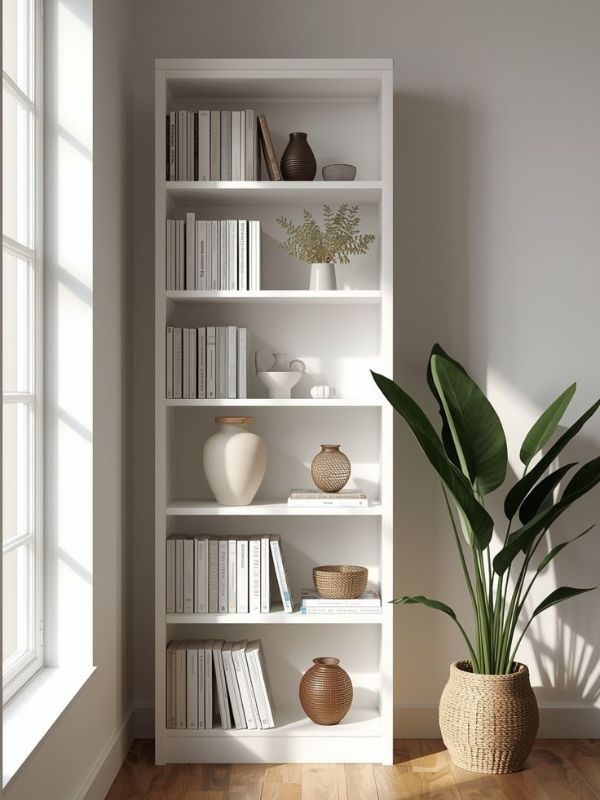
Storage helps keep your study area neat and makes it easier to find what you need.
Useful storage ideas include
- Floating shelves for books.
- Small bookcases.
- Rolling storage carts.
- Drawer organisers.
- Storage baskets and bins.
- Magazine holders for notebooks and folders.
Keeping supplies organised saves time and reduces desk clutter.
4. Footrests and Ergonomic Accessories
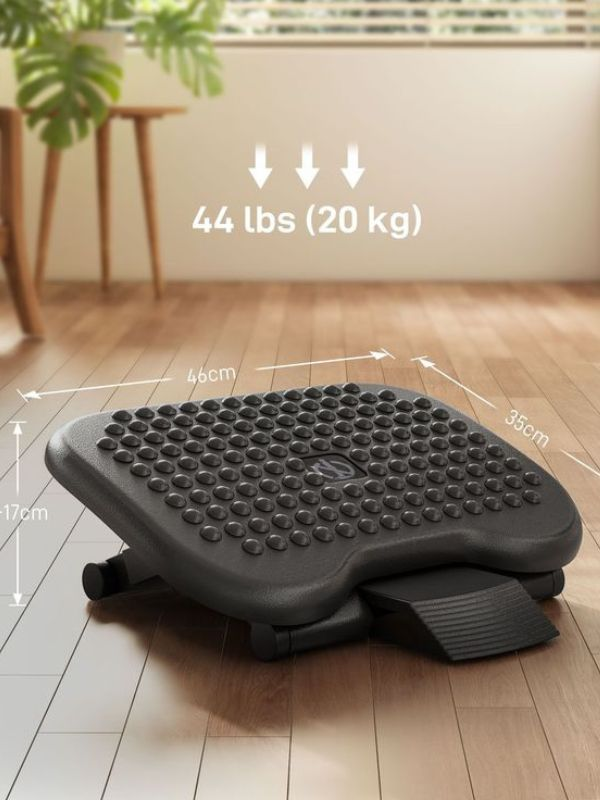
Small ergonomic accessories can make your study sessions much more comfortable, especially if you spend long hours at your desk.
Helpful accessories include
- A footrest to support your legs.
- A laptop stand to raise your screen to eye level.
- A monitor stand for better posture.
- A wireless keyboard and mouse.
- A wrist rest for typing.
- A desk mat to create a comfortable workspace.
These simple additions can reduce neck, shoulder, and wrist strain while helping you maintain better posture.
Remember, your study space doesn’t have to look like a picture-perfect office. Focus on choosing furniture that helps you stay comfortable, organised, and productive. A functional setup that meets your needs will always be more valuable than an expensive setup filled with unnecessary items.
See back-to-school glow-up checklist every teacher and student needs
Study Space Setup Ideas for Middle School Students
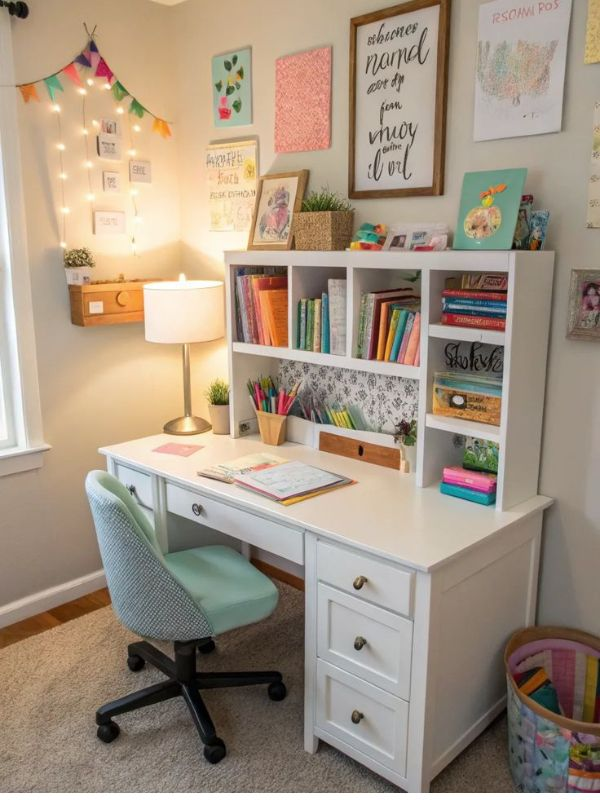
Middle school is an exciting stage of learning, but it’s also when schoolwork starts becoming more challenging. Students often have more homework, projects, and subjects to manage than they did in elementary school. A well-designed study space can help them stay organised, build good study habits, and feel more confident about completing their assignments.
The goal isn’t to create a fancy study room. Instead, focus on creating a comfortable, distraction-free space where your child can concentrate and enjoy learning.
1. Choose a Quiet and Comfortable Spot
Middle school students can easily lose focus if they’re studying in a noisy area. Select a quiet corner of the house where they can work without constant interruptions.
Good locations include
- A bedroom study corner.
- A quiet part of the living room.
- A small home office.
- A reading nook.
If the home is busy, encourage study time during quieter hours of the day.
2. Use a Desk That’s the Right Size
A proper desk gives students enough room to spread out their books, notebooks, and school supplies without feeling cramped.
Look for a desk that has
- Enough space for homework and reading.
- A smooth work surface.
- Small drawers or shelves for storage.
- Plenty of legroom.
Even a compact desk can work well if it’s organised properly.
3. Invest in a Comfortable Chair
Many middle school students spend one to three hours each day doing homework. Sitting in an uncomfortable chair can lead to poor posture and difficulty concentrating.
Choose a chair that
- Supports the back.
- Allows both feet to rest flat on the floor.
- Is comfortable for longer study sessions.
- Encourages good posture.
Adding a small cushion can make an ordinary chair much more comfortable.
4. Keep School Supplies Within Reach
A student shouldn’t have to leave their desk every few minutes to search for supplies.
Stock the study space with essentials such as
- Pencils and pens.
- Erasers.
- Highlighters.
- Notebooks.
- Sticky notes.
- A ruler.
- Scissors.
- A calculator.
- A planner or homework notebook.
Keeping everything nearby helps students stay focused on their work.
5. Add Good Lighting
Proper lighting makes reading and writing easier while reducing eye strain.
If possible
- Place the desk near a window for natural daylight.
- Use a bright desk lamp for evening study sessions.
- Avoid dim lighting that can make students feel sleepy.
- Position the light so it doesn’t create shadows on the workspace.
Good lighting helps students stay alert and comfortable.
6. Create an Organised Study Desk
A cluttered desk can be distracting and make it harder to focus.
Simple organisation ideas include
- Use pencil holders for stationery.
- Store books on a small shelf.
- Keep folders labelled by subject.
- Use drawer organisers for small supplies.
- Clear the desk after each study session.
An organised workspace helps students develop responsibility and good study habits.
7. Personalise the Space
Students are more likely to enjoy studying in a space that feels welcoming.
Add simple personal touches like
- A favourite colour theme.
- Educational posters.
- A calendar.
- A corkboard for reminders.
- Family photos.
- A small plant.
- Inspirational quotes.
Avoid adding too many decorations, as they can become distracting.
8. Minimise Distractions
Middle school students are often tempted by phones, television, and video games while studying.
Help them stay focused by
- Turning off unnecessary notifications.
- Keeping the television off during homework time.
- Storing gaming devices away from the study area.
- Creating a regular homework schedule.
A distraction-free environment helps students finish their work faster and retain more information.
9. Encourage Healthy Study Habits
A great study space works best when it’s paired with good routines.
Encourage students to
- Start homework at the same time each day.
- Take short breaks every 30 to 45 minutes.
- Keep a water bottle nearby.
- Review class notes daily.
- Pack their school bag before going to bed.
These habits help reduce stress and make schoolwork feel more manageable.
A thoughtfully designed study space gives middle school students the tools they need to succeed. It doesn’t have to be expensive or elaborate. A clean desk, a comfortable chair, good lighting, and organised supplies can help students stay focused, build confidence, and develop study habits that will benefit them throughout high school and beyond.
See school morning routine ideas you will appreciate
Study Space Ideas for High School Students
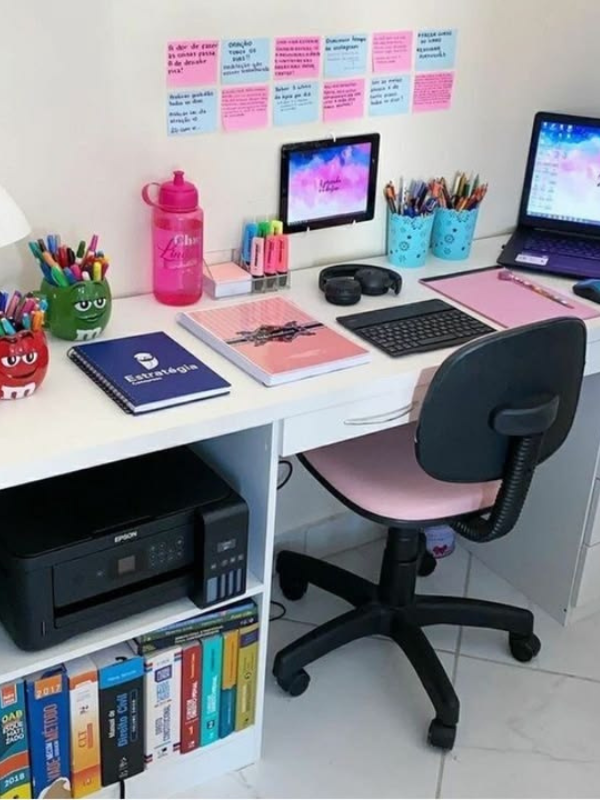
High school is a busy time filled with homework, exams, research projects, extracurricular activities, and, for many students, preparing for college or university. With so many responsibilities, having a dedicated study space can make a huge difference in staying organised and productive.
A good study setup helps high school students manage their time better, improve concentration, and reduce stress. Whether you have an entire room or just a small corner of your bedroom, creating a functional workspace can help you perform your best academically.
1. Choose a Dedicated Study Area
The first step is to create a space that’s used only for studying. Avoid doing homework on your bed or couch whenever possible, as these areas are meant for relaxing and can make it harder to focus.
A dedicated study area helps.
- Build a consistent study routine.
- Improve concentration.
- Separate study time from leisure time.
- Increase productivity.
Even a small desk in a quiet corner can become an effective study station.
2. Invest in a Functional Desk
High school students often need space for textbooks, notebooks, laptops, and school projects.
Choose a desk that
- Has enough room for studying comfortably.
- Includes drawers or shelves for storage.
- Fits your bedroom or study area.
- Provides enough space for a laptop and writing materials.
If space is limited, a compact desk with vertical storage is a great option.
3. Prioritise a Comfortable Chair
Many high school students spend several hours each day studying, especially during exam season. Sitting in an uncomfortable chair can lead to back pain, neck strain, and poor posture.
Look for a chair that.
- Supports your lower back.
- Keeps your feet flat on the floor.
- Allows your elbows to rest comfortably while writing.
- Encourages proper posture.
Comfortable seating makes long study sessions much easier.
4. Organise School Supplies
An organised desk saves time and helps you stay focused.
Keep essential supplies nearby, including.g
- Pens and pencils.
- Highlighters.
- Sticky notes.
- Notebooks.
- Subject folders.
- Calculator.
- Planner or academic calendar.
- Laptop charger.
- Headphones for online learning.
Using desk organisers and storage containers keeps everything easy to find.
5. Make Good Lighting a Priority
Proper lighting reduces eye strain and helps you stay alert during long study sessions.
For the best setup
- Place your desk near a window if possible.
- Use a bright LED desk lamp for evening study.
- Position your light to reduce shadows while writing.
- Avoid studying in dim lighting.
A well-lit workspace improves comfort and concentration.
6. Keep Technology Organised
Technology is an important part of high school learning, but it can also become a distraction if not managed properly.
Organise your tech by
- Using cable clips to prevent tangled cords.
- Keeping chargers in one place.
- Using a laptop stand for better posture.
- Storing headphones neatly.
- Keeping only study-related apps open while working.
A tidy digital workspace supports a tidy physical workspace.
7. Personalise Your Study Space
Adding a few personal touches can make your study area more inviting without becoming distracting.
Consider adding
- A small indoor plant.
- A vision board.
- Motivational quotes.
- A monthly calendar.
- A simple desk lamp.
- Minimal wall art.
- Family or travel photos.
Choose decorations that inspire you while keeping the overall space neat.
8. Eliminate Common Distractions
Phones, social media, and television are some of the biggest distractions for high school students.
Stay focused by
- Turning on Do Not Disturb mode while studying.
- Keeping your phone out of reach during homework.
- Using website blockers if needed.
- Studying in a quiet environment.
- Following a daily study schedule.
Reducing distractions allows you to complete assignments more efficiently.
9. Build Healthy Study Habits
A well-designed study space works best when combined with consistent habits.
Try to
- Study at the same time each day.
- Break large assignments into smaller tasks.
- Take a short break every 45 to 60 minutes.
- Keep your desk clean before ending each session.
- Review class notes regularly instead of cramming.
These habits improve learning and reduce stress before exams.
A well-planned study space gives high school students the environment they need to succeed. You don’t need expensive furniture or a large room to create an effective setup. A comfortable chair, organised desk, good lighting, and a distraction-free environment can help you stay focused, improve your grades, and make studying feel much more manageable throughout the school year.
See 60 inspiring classroom decor ideas worth trying
Study Space Setup Ideas for College Students
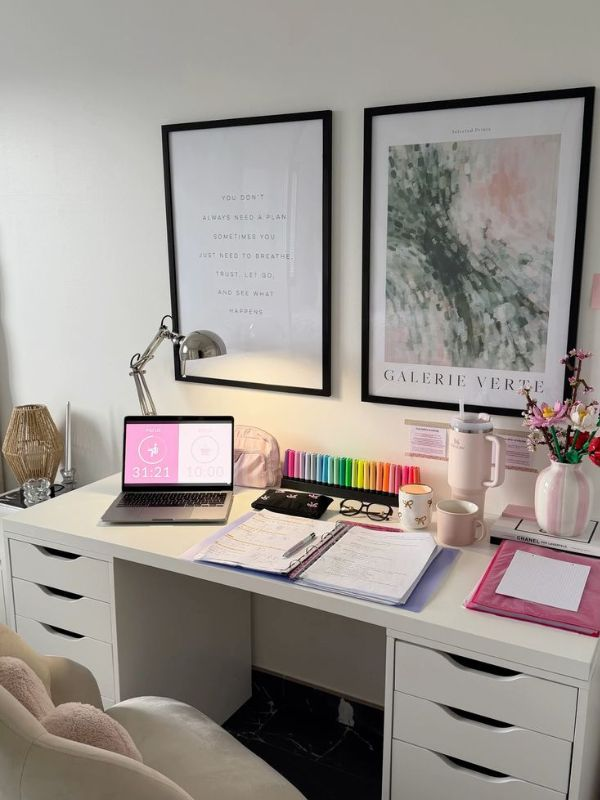
College life comes with more independence and responsibility than ever before. Between lectures, assignments, online classes, research papers, group projects, and part-time jobs, it can be difficult to stay organised. That’s why having a well-planned study space is so important. A productive setup can help you manage your workload, improve concentration, and make long study sessions more comfortable.
The good news is that you don’t need a large apartment or an expensive home office. Whether you live in a dorm room, share an apartment, or study from home, you can create a study space that helps you stay focused and productive.
1. Choose a Quiet Study Location
Finding the right place to study is the first step to academic success. If your dorm or apartment is noisy, look for areas where you can work with fewer interruptions.
Good study locations include
- Your dorm room desk.
- A quiet corner of your apartment.
- The college library.
- Study lounges on campus.
- A nearby coffee shop if you enjoy background noise.
Choose a location where you can concentrate for long periods without constant distractions.
2. Invest in a Functional Desk Setup
College students often use laptops, textbooks, notebooks, and multiple devices at the same time. Your desk should have enough room to keep everything organised.
A good study desk should have
- Space for a laptop or desktop computer.
- Room for textbooks and notebooks.
- Easy access to chargers and cables.
- Storage for school supplies.
- A clutter-free work surface.
Keeping your desk organised makes studying more efficient and less stressful.
3. Use an Ergonomic Chair
Many college students spend several hours studying every day. Sitting in an uncomfortable chair can cause neck, shoulder, and back pain.
Choose a chair that
- Supports your lower back.
- Allows your feet to rest flat on the floor.
- Keeps your computer screen at eye level.
- Encourages good posture.
If you’re using a basic chair, add a seat cushion or lumbar support pillow for extra comfort.
4. Organise Your Study Materials
Staying organised saves time and helps you focus on learning instead of searching for supplies.
Keep these essentials nearby.
- Laptop and charger.
- Notebooks.
- Textbooks.
- Pens and highlighters.
- Sticky notes.
- Planner or digital calendar.
- Calculator.
- Reusable water bottle.
- Headphones.
Using shelves, desk organisers, or storage bins can help maximise small spaces.
5. Make Technology Work for You
Technology is essential for most college courses, but it should improve productivity rather than create distractions.
Helpful tech additions include
- A laptop stand for better posture.
- Wireless keyboard and mouse.
- External monitor if space allows.
- Noise-cancelling headphones.
- Charging station for all devices.
- Productivity apps for scheduling and note-taking.
Keeping your digital workspace organised is just as important as organising your desk.
6. Create Good Lighting
Good lighting helps reduce eye strain during long reading and study sessions.
For the best results
- Place your desk near a window when possible.
- Use a bright LED desk lamp for nighttime studying.
- Avoid harsh glare on your laptop screen.
- Keep your workspace well lit throughout the day.
Proper lighting can help you stay alert and comfortable.
7. Personalise Your Study Space
Your study area should be a place where you enjoy spending time.
Simple ways to personalise it include
- A small plant.
- Motivational quotes.
- A desk calendar.
- A corkboard for reminders.
- Minimal wall art.
- A favourite mug for pens.
- A neutral or calming colour scheme.
Adding personality to your workspace can make studying feel less like a chore.
8. Stay Organised During Busy Semesters
College assignments can pile up quickly, so organisation is key.
Helpful habits include
- Keeping a semester planner.
- Using folders for each course.
- Cleaning your desk every week.
- Filing lecture notes immediately.
- Creating a daily to-do list.
A tidy study space helps you stay on top of deadlines and reduces unnecessary stress.
9. Reduce Distractions
One of the biggest challenges for college students is staying focused.
Improve concentration by
- Putting your phone on silent during study sessions.
- Closing social media apps.
- Wearing headphones in shared spaces.
- Using the Pomodoro Technique to stay productive.
- Studying with classmates only when necessary.
These small changes can help you make better use of your study time.
A thoughtfully designed study space gives college students the support they need to stay productive throughout the semester. Whether you’re studying in a dorm room, apartment, or at home, a clean desk, comfortable chair, good lighting, and organised supplies can help you stay focused, complete assignments on time, and perform your best academically.
See teachers’ appreciative basket ideas they will cherish
Study Space Setup Ideas for Online Learners
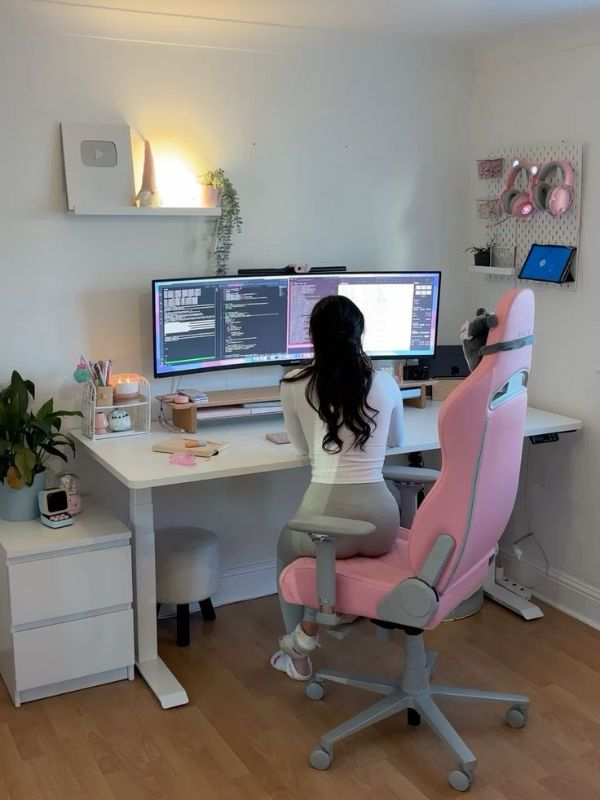
Online learning offers flexibility, but it also requires self-discipline and a well-organised study environment. Whether you’re taking online college courses, attending virtual high school classes, learning a new skill, or completing professional certifications, having a dedicated study space can help you stay focused, motivated, and productive.
Unlike a traditional classroom, your home is full of distractions. That’s why creating a study area designed specifically for online learning is one of the best investments you can make.
1. Choose a Quiet Learning Environment
One of the biggest challenges for online learners is background noise. Family conversations, television, or household activities can interrupt your concentration and make it difficult to follow lessons.
Choose a location that is
- Quiet during your study hours.
- Away from the television.
- Free from unnecessary distractions.
- Comfortable enough for long study sessions.
If you live in a busy home, consider using noise-cancelling headphones to block distractions.
2. Set Up a Functional Desk
Your desk should provide enough space for both digital and written work.
A good online learning desk should have room for
- A laptop or desktop computer.
- A notebook for taking notes.
- Textbooks and study materials.
- A water bottle.
- Chargers and cables.
- Basic stationery.
Keeping your workspace organised makes it easier to stay focused during virtual classes.
3. Invest in a Comfortable Chair
Online learners often spend several hours sitting in front of a screen. A supportive chair helps reduce discomfort and encourages better posture.
Choose a chair that
- Supports your lower back.
- Allows your feet to rest flat on the floor.
- Keeps your arms comfortable while typing.
- Encourages you to sit upright.
Comfortable seating can improve both focus and productivity.
4. Make Sure You Have Good Lighting
Proper lighting is important for both studying and video calls.
For the best results
- Position your desk near a window if possible.
- Use a bright desk lamp when studying at night.
- Avoid sitting with a window directly behind you during video meetings.
- Reduce glare on your screen by adjusting your lighting.
Good lighting helps reduce eye strain and makes you appear clearer during virtual classes.
5. Ensure a Strong Internet Connection
A reliable internet connection is essential for online learning. Slow or unstable internet can interrupt live classes and make it difficult to complete assignments.
To improve your connection
- Stay close to your Wi-Fi router.
- Restart your router regularly.
- Use a wired connection if available.
- Download important materials in advance when possible.
Having a stable connection helps you participate confidently in online lessons.
6. Keep Technology Organised
A cluttered desk with tangled cables can quickly become distracting.
Useful tech accessories include
- Laptop stand.
- Wireless keyboard and mouse.
- Charging station.
- Cable organisers.
- Webcam if your computer doesn’t have a good one.
- Quality headphones with a microphone.
These tools create a cleaner, more efficient workspace.
7. Organise Digital and Physical Materials
Online learning often involves both digital files and printed notes.
Stay organised by
- Creating folders for each subject on your computer.
- Backing up important files using cloud storage.
- Keeping notebooks labelled by course.
- Using a planner or digital calendar for deadlines.
- Filing printed materials neatly.
Good organisation makes it easier to find what you need when you need it.
8. Limit Distractions During Study Sessions
Studying online requires discipline because it’s easy to become distracted by social media, emails, or entertainment.
Stay focused by
- Turning off unnecessary notifications.
- Closing unrelated browser tabs.
- Using website blockers if needed.
- Keeping your phone out of reach during class.
- Following a daily study schedule.
Small habits like these can greatly improve your concentration.
9. Create a Routine That Works
One of the biggest advantages of online learning is flexibility, but having a routine helps you stay consistent.
Try to
- Study at the same time each day.
- Take short breaks every hour.
- Review your notes after each lesson.
- Prepare your workspace before class begins.
- Clean your desk at the end of each study session.
A consistent routine helps you stay motivated and avoid falling behind.
A well-designed study space can make online learning more enjoyable and productive. Whether you’re studying from home full-time or taking occasional virtual classes, creating a quiet, organised, and comfortable workspace will help you stay focused, manage your time effectively, and achieve your learning goals.
Small Study Space Setup Ideas
You don’t need a large room to create an effective study space. With a little planning and creativity, even the smallest corner can become a productive workspace. As someone who has worked from home for years, I’ve learned that a well-organised small study area often works better than a large, cluttered room. The key is making smart use of the space you already have.
Here are 10 practical small study space setup ideas to inspire you.
1. Turn an Empty Corner Into a Study Nook
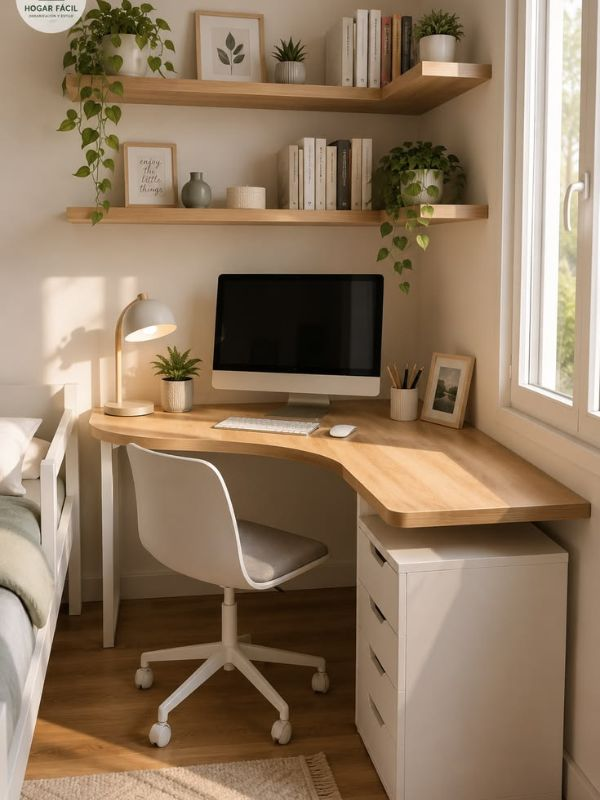
An unused corner of your bedroom or living room can easily become a dedicated study area.
Add
- A compact desk.
- A comfortable chair.
- A desk lamp.
- A few floating shelves.
This simple setup creates a quiet place to study without taking up much space.
2. Use a Wall-Mounted Desk
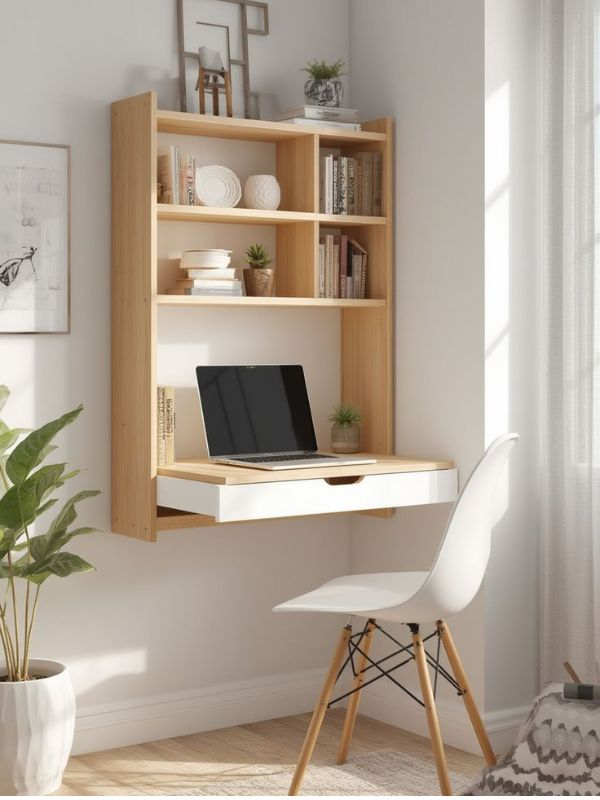
A floating or wall-mounted desk is perfect for small bedrooms and apartments. It provides enough workspace while keeping the floor clear, making the room feel larger.
Pair it with
- A foldable chair.
- Wall shelves.
- Storage baskets underneath.
This is one of the best space-saving study space setup ideas.
3. Choose Furniture With Built-In Storage
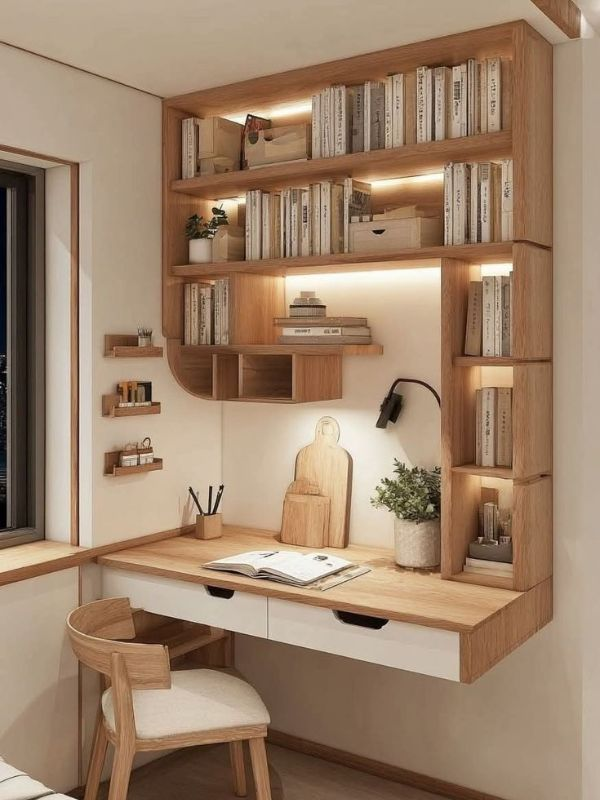
Instead of buying separate storage units, look for furniture that serves multiple purposes.
Great options include
- Desks with drawers.
- Storage ottomans.
- Bookshelves with cabinets.
- Rolling carts.
- Bedside tables with shelves.
These pieces help reduce clutter while maximising your available space.
4. Make Use of Vertical Storage
When floor space is limited, think upward instead of outward.
Install
- Floating shelves.
- Pegboards.
- Wall organisers.
- Hanging file holders.
- Hooks for headphones and bags.
Vertical storage keeps your desk tidy while making supplies easy to reach.
5. Create a Bedroom Study Station
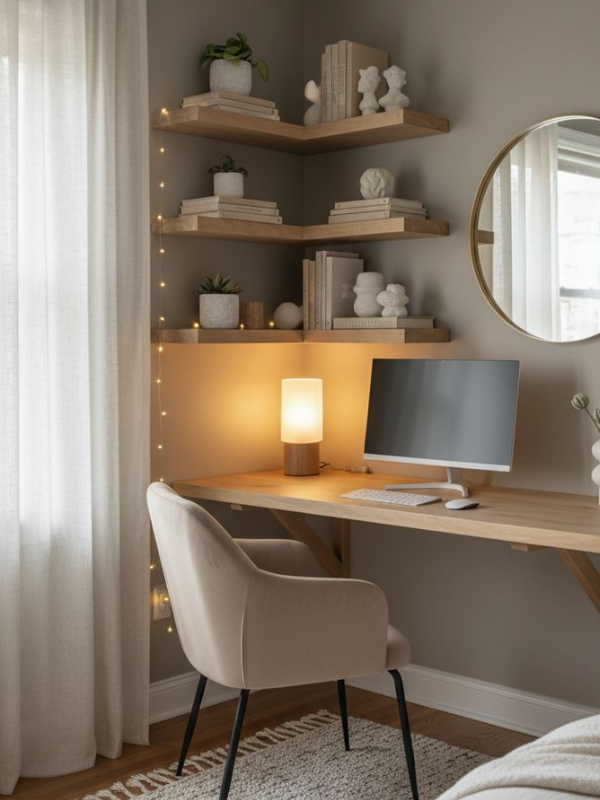
If you don’t have a separate study room, dedicate one area of your bedroom to learning.
To separate your study space from your sleeping area
- Place your desk against a wall.
- Use a small bookshelf as a divider.
- Keep your bed out of sight while studying if possible.
- Avoid studying while sitting on the bed.
Creating a clear boundary helps your brain switch into study mode.
6. Organise Your Desk With Storage Containers
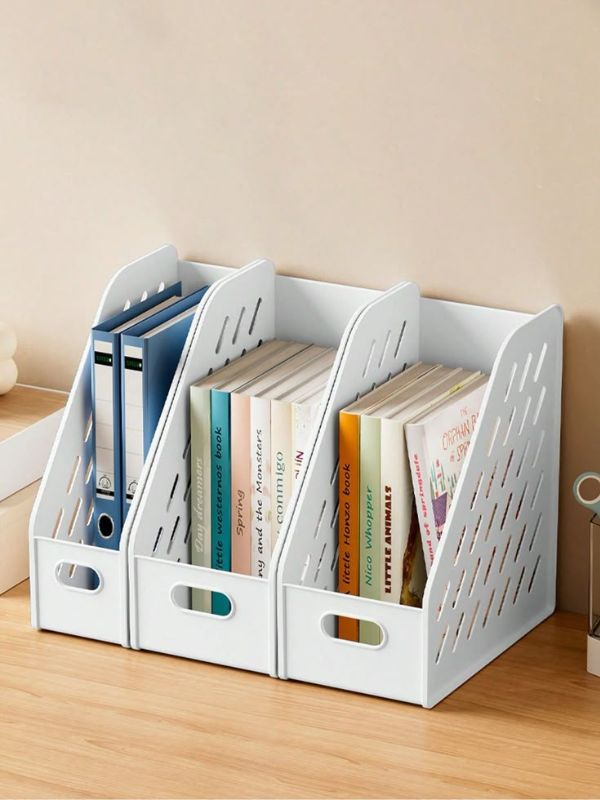
A clutter-free desk makes even the smallest workspace feel bigger.
Use
- Pencil holders.
- Drawer organisers.
- Small baskets.
- Desktop trays.
- Magazine holders for notebooks.
Keeping everything organised prevents your workspace from becoming overwhelming.
7. Add Good Lighting
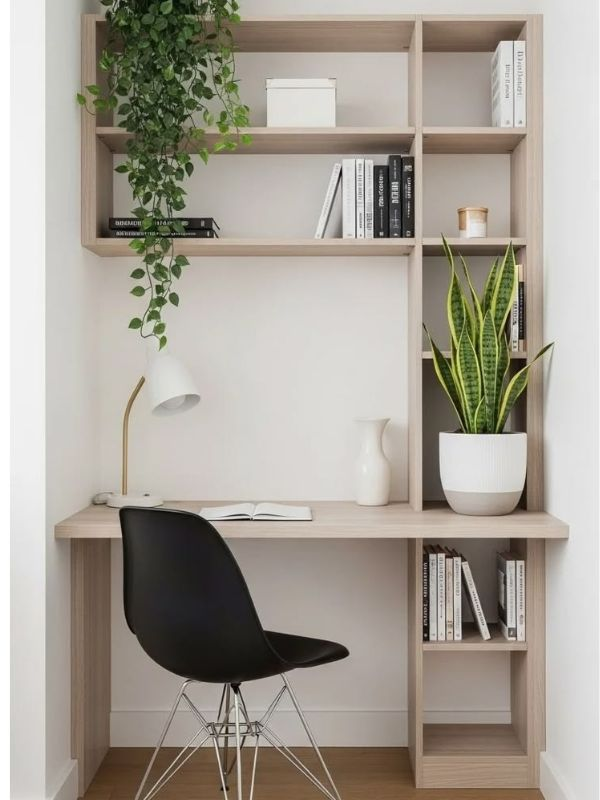
Small spaces can feel dark and cramped without proper lighting.
Improve your setup by
- Placing your desk near a window.
- Using a compact LED desk lamp.
- Choosing bright but comfortable lighting.
- Avoiding harsh glare on your computer screen.
A well-lit study space feels larger and helps reduce eye strain.
8. Keep Your Colour Scheme Light and Simple
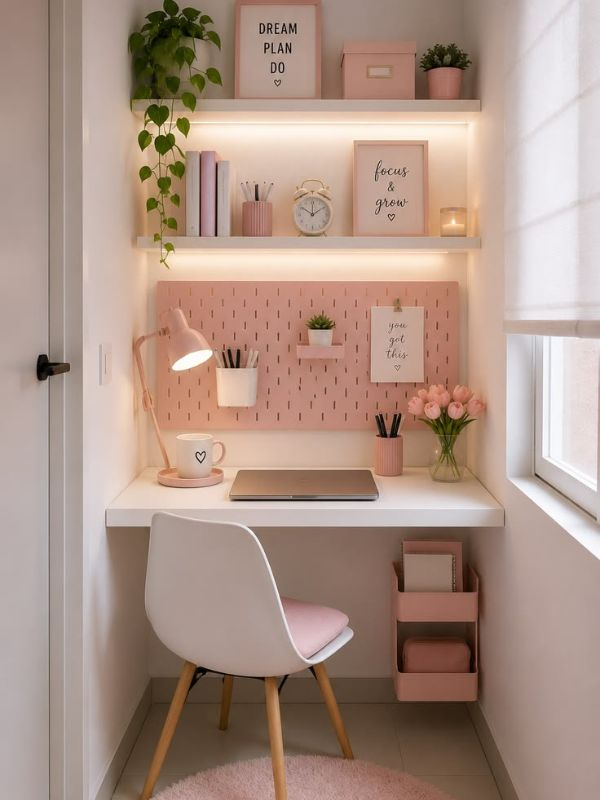
The colours you choose can affect how spacious your study area feels.
Light colors such as
- White.
- Cream.
- Light gray.
- Soft beige.
- Pastel blue.
can make a small study space appear brighter, cleaner, and more open. Add a few colourful accessories for personality without making the space feel crowded.
9. Use Foldable or Multi-Purpose Furniture
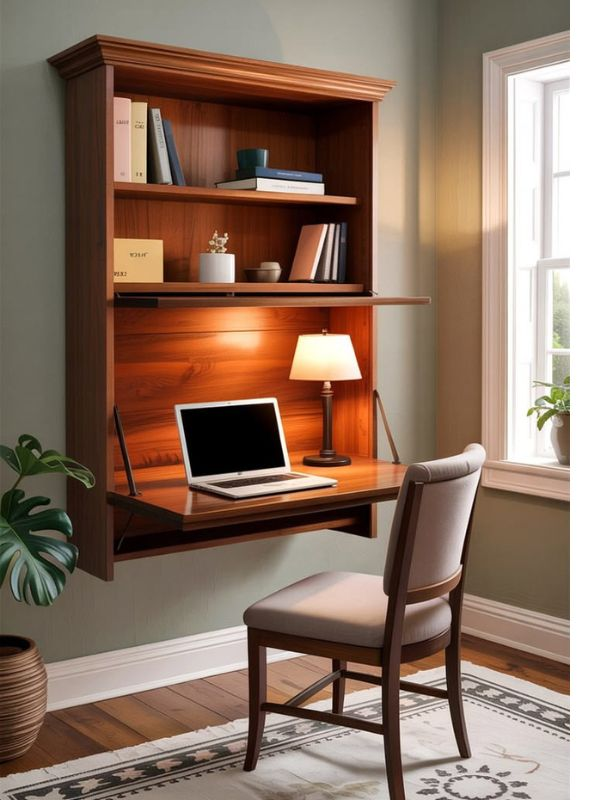
Furniture that can be folded away after use is ideal for very small rooms.
Consider using
- Foldable desks.
- Folding chairs.
- Nesting tables.
- Rolling carts.
- Portable laptop desks.
These pieces give you flexibility while saving valuable floor space.
10. Decorate Without Creating Clutter
A small study space should feel inviting but not overcrowded.
Keep decorations simple by adding.
- One small indoor plant.
- A motivational quote.
- A corkboard or whiteboard.
- A desk calendar.
- One framed photo.
A few thoughtful decorations make your workspace feel personal while keeping your desk clean and organised.
A small study space doesn’t have to limit your productivity. With smart furniture choices, creative storage solutions, and good organisation, you can create a comfortable and inspiring workspace in almost any room. The best study space is one that helps you stay focused, keeps your essentials within reach, and motivates you to achieve your goals, no matter how much space you have.
Study Desk Organisation Ideas
A clean and organised desk can make studying easier and more enjoyable. When everything has its place, you spend less time looking for supplies and more time focusing on your work. Whether you’re a middle school student, college student, or online learner, keeping your study desk organised can improve productivity and reduce stress.
Here are some practical study desk organisation ideas to help you create a workspace that stays neat and functional.
1. Keep Only Daily Essentials on Your Desk
One of the easiest ways to organise your study desk is to remove anything you don’t use every day. A clutter-free desk helps you stay focused and makes your workspace feel larger.
Keep items like
- Your laptop or tablet.
- A notebook.
- Pens and pencils.
- A desk lamp.
- A water bottle.
- Your planner.
Store everything else in drawers or shelves until you need it.
2. Use Drawer Organisers
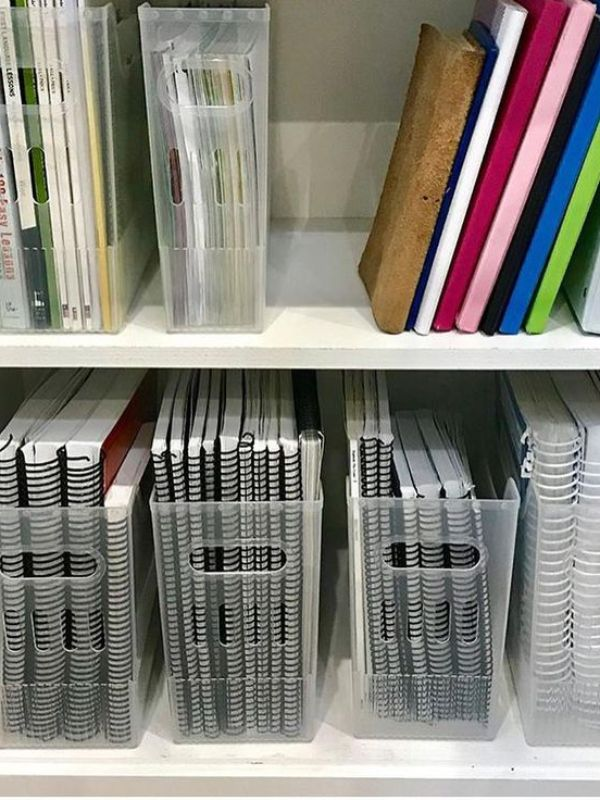
Desk drawers can quickly become messy if everything is thrown together. Drawer organisers help separate your supplies and make them easy to find.
Use them to organise
- Pens and pencils.
- Highlighters.
- Sticky notes.
- Paper clips.
- Chargers.
- USB drives.
- Erasers and rulers.
You’ll spend less time searching for supplies and more time studying.
3. Organise Books Vertically
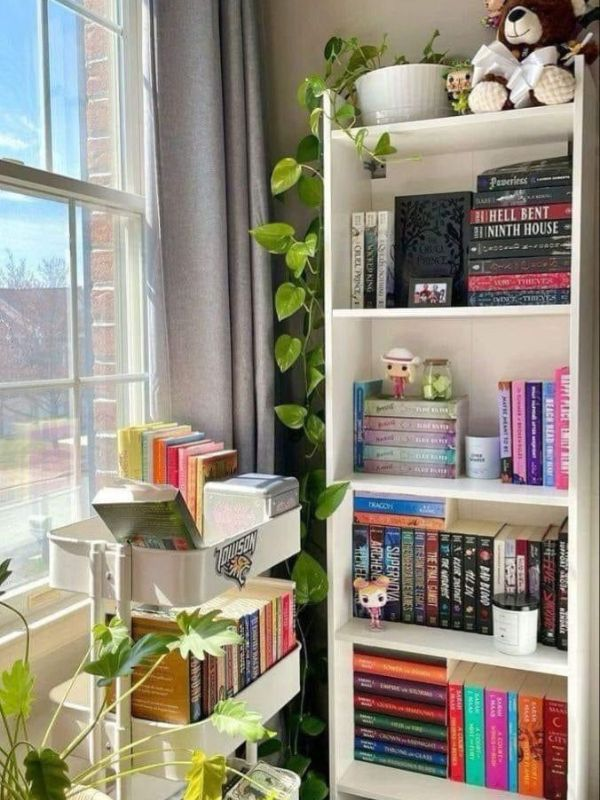
Instead of stacking books across your desk, store them upright on a shelf or use bookends.
This helps
- Save desk space.
- Keep books easy to access.
- Prevent messy piles.
- Make your workspace look cleaner.
Place the books you use most often within easy reach.
4. Manage Cables and Chargers
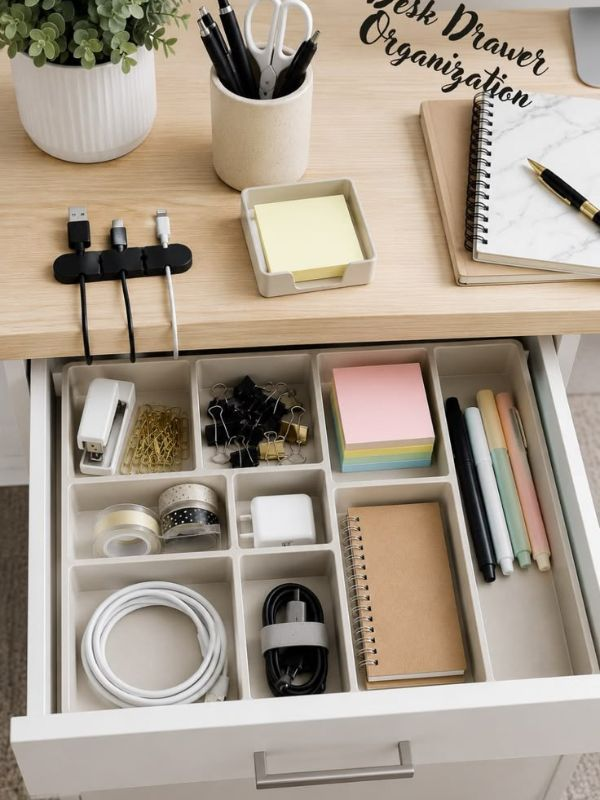
Messy cords can make even the most organised desk look untidy.
Keep cables under control by using.
- Cable clips.
- Cable sleeves.
- Velcro cable ties.
- Charging stations.
- Cord organisers.
Label your chargers if you use multiple devices.
5. Label School Supplies
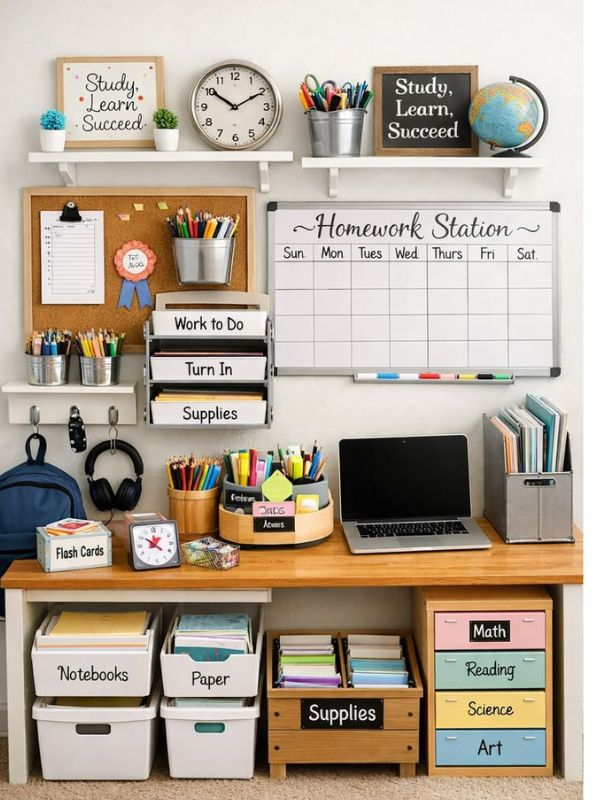
Labels make it easier to find what you need, especially if you have several subjects or share a study space.
Label
- Folders.
- Storage bins.
- Drawers.
- Notebooks.
- File organisers.
Colour-coding subjects can also help you stay organised throughout the school year.
6. Add Desktop Organisers
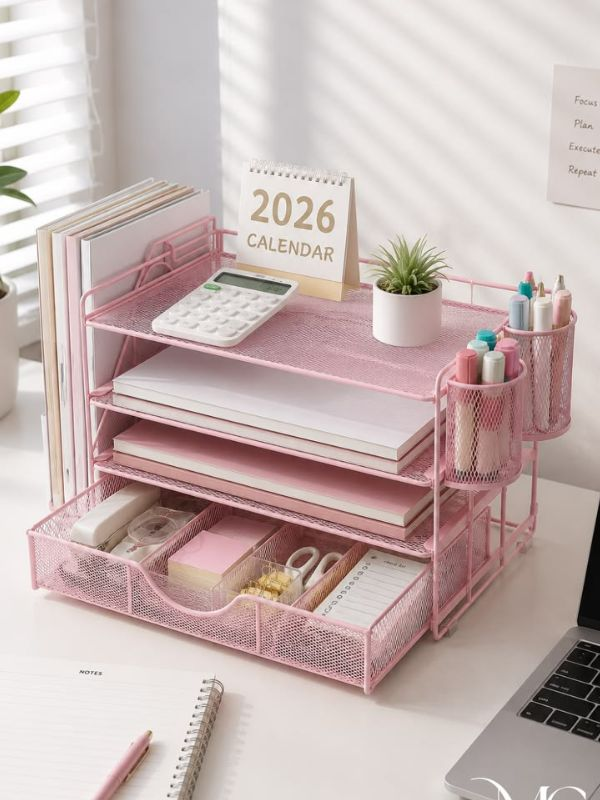
Desktop organisers help keep frequently used supplies within reach without creating clutter.
Useful organisers include
- Pencil cups.
- Letter trays.
- Magazine holders.
- Small storage boxes.
- Multi-compartment desk organisers.
Choose organisers that fit your desk without taking up too much space.
7. Use a Planner or Desk Calendar

Keeping track of assignments and deadlines is just as important as organising your supplies.
A planner or desk calendar helps you
- Remember homework deadlines.
- Track exams.
- Plan study sessions.
- Set daily goals.
- Stay on schedule.
Review it every morning or before each study session.
8. Keep a Small Cleaning Kit Nearby
Dust, crumbs, and fingerprints can quickly make your study area feel untidy.
Keep a few cleaning essentials nearby, such as
- Microfiber cloth.
- Disinfectant wipes.
- Screen cleaner.
- Small trash bin.
Spend a few minutes cleaning your desk each week to keep it looking fresh.
9. Create Separate Zones on Your Desk
Dividing your desk into sections helps everything stay organised.
For example
- One area for your laptop.
- One area for writing.
- One area for books.
- One area for stationery.
- One area for charging devices.
This simple system makes your workspace more efficient and easier to use.
10. Declutter Your Desk Every Day
The easiest way to maintain an organised study desk is to tidy it before you finish studying.
Take just five minutes to
- Return supplies to their proper place.
- Throw away rubbish.
- Put books back on the shelf.
- Charge your devices.
- Prepare materials for your next study session.
A clean desk helps you start your next study session feeling organised and ready to learn.
A well-organised study desk can improve your focus, save time, and make studying much less stressful. You don’t need expensive organisers or a large desk to stay organised. A few simple habits and smart storage solutions can help create a workspace that keeps you productive every day.
Study Space Decor Ideas
The right decor can create a calm, comfortable, and inspiring environment that helps you stay focused and motivated. Whether you have a large study room or a small desk in your bedroom, adding a few thoughtful decorative touches can transform your workspace without spending a lot of money.
The secret is to decorate with purpose. Choose items that inspire you while keeping your study area clean and free from unnecessary clutter.
1. Create a Minimalist Study Space
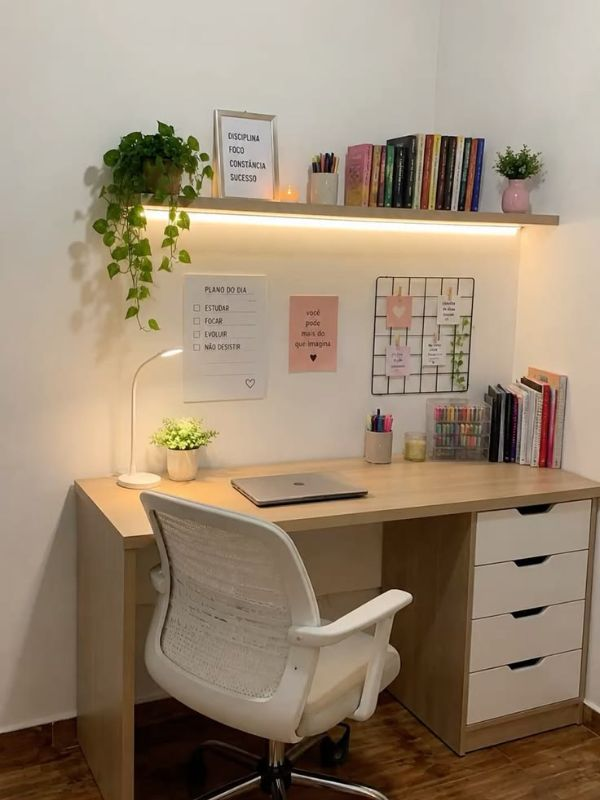
A minimalist study space helps reduce distractions and keeps your mind focused on learning.
To achieve this look
- Use neutral colours like white, beige, or light grey.
- Keep only essential items on your desk.
- Choose simple furniture with clean lines.
- Hide clutter in drawers or storage bins.
- Limit decorations to one or two statement pieces.
A simple workspace often feels more relaxing and productive.
2. Design a Cosy Study Corner
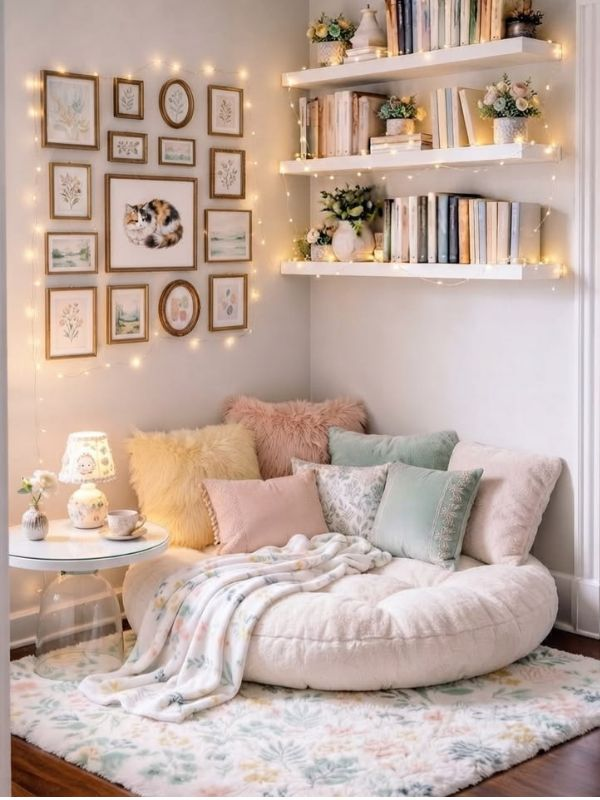
A cosy study space makes long study sessions more enjoyable.
Add warmth with
- A soft desk lamp.
- A comfortable chair cushion.
- A small rug.
- A cosy throw blanket for nearby seating.
- Warm lighting.
- Wooden desk accessories.
Creating a welcoming atmosphere can make studying feel less stressful.
3. Create an Aesthetic Study Desk
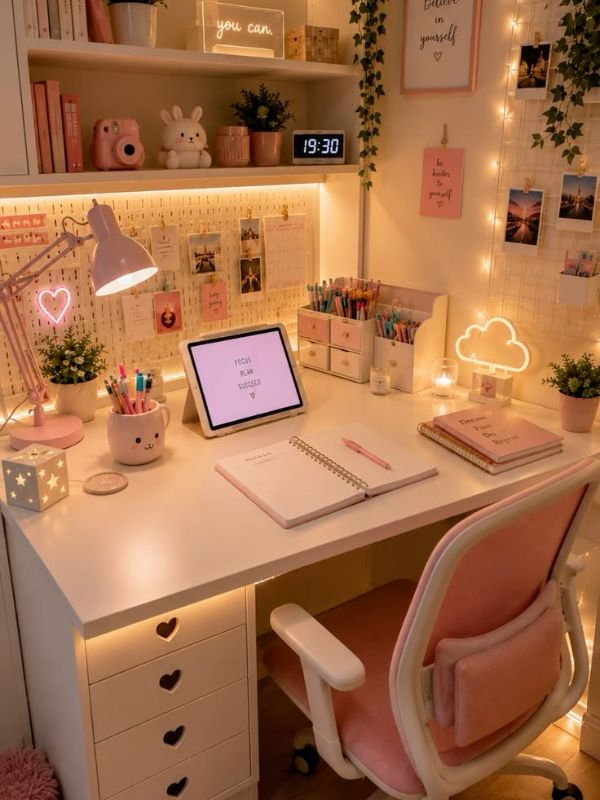
If you enjoy sharing your workspace on social media or simply love beautiful interiors, an aesthetic desk setup can keep you motivated.
Popular aesthetic ideas include
- Matching stationery.
- Acrylic desk organisers.
- Neutral colour palettes.
- Gold or black desk accessories.
- Minimal cable management.
- Coordinated notebooks and planners.
Remember that functionality should always come before appearance.
4. Add Motivational Wall Decor
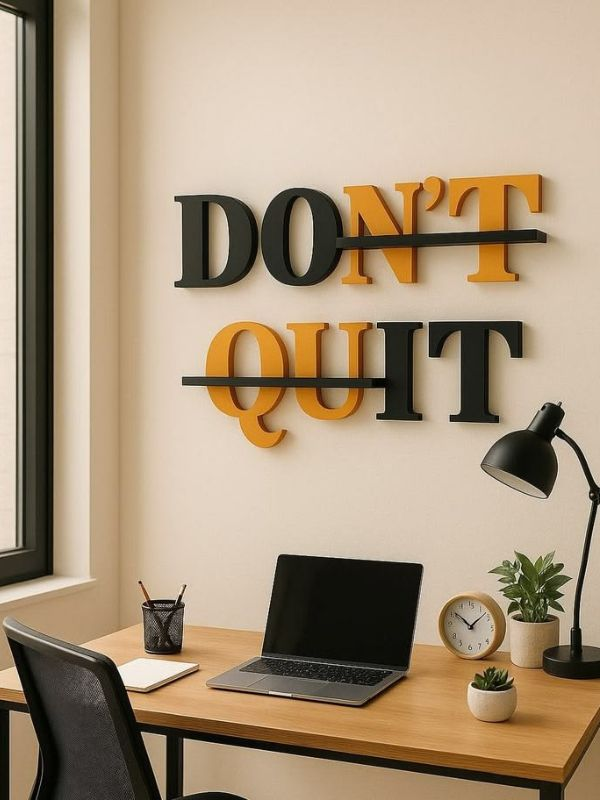
Surrounding yourself with positive messages can help you stay encouraged during difficult assignments and exam preparation.
Ideas include
- Inspirational quotes.
- Vision boards.
- Goal trackers.
- Monthly calendars.
- Whiteboards.
- Corkboards for reminders.
Place these where they’re easy to see without becoming distracting.
5. Decorate With Indoor Plants
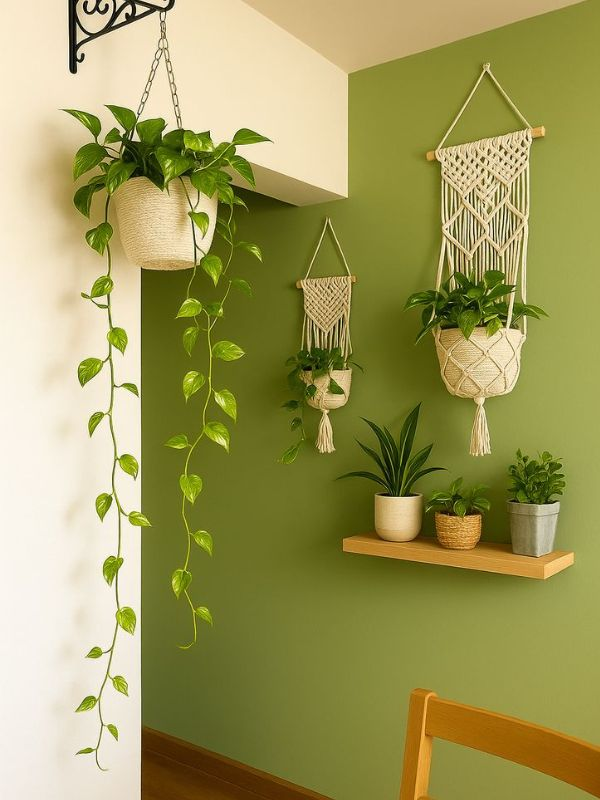
Plants can make your study space feel fresh, relaxing, and inviting. They also add a touch of nature to your workspace.
Easy-to-care-for plants include
- Snake plants.
- Pothos.
- Peace lilies.
- Spider plants.
- Small succulents.
If you don’t have natural light, realistic artificial plants can create a similar decorative effect.
6. Choose a Colour Theme
A consistent colour scheme makes your study space feel organised and visually appealing.
Popular colour combinations include
- White and wood tones.
- Black and white.
- Sage green and cream.
- Soft blue and grey.
- Beige and gold.
- Pink and white.
Choose colours that help you feel calm, focused, and motivated.
7. Hang Floating Shelves
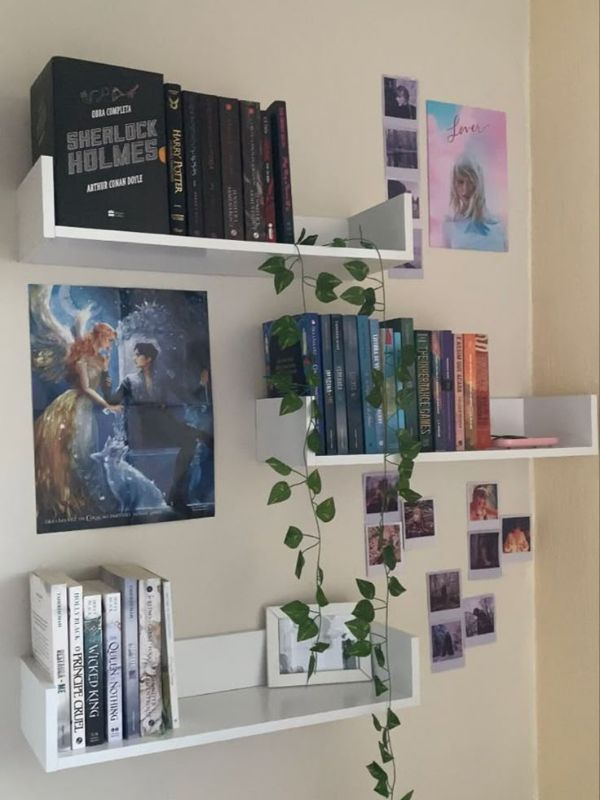
Floating shelves are both decorative and practical, especially in small study spaces.
Use them to display
- Books.
- Small plants.
- Awards or certificates.
- Decorative storage boxes.
- Framed photos.
- Inspirational signs.
They help free up desk space while adding personality to your room.
8. Add Soft Lighting
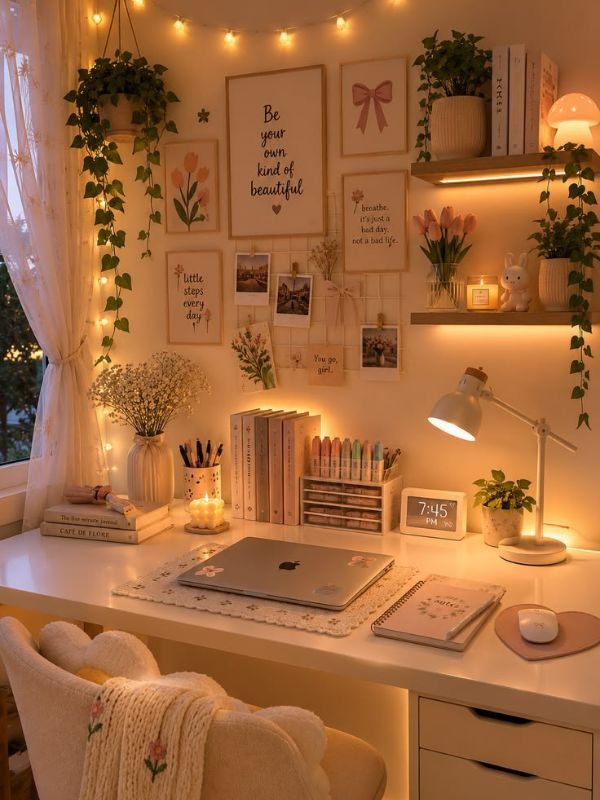
Lighting is one of the easiest ways to improve the look and feel of your study space.
Consider adding
- A stylish desk lamp.
- LED light strips behind your desk.
- Warm white bulbs.
- Small table lamps.
- String lights for a cosy evening atmosphere.
Good lighting creates a comfortable environment while reducing eye strain.
9. Display Your Achievements
Seeing your accomplishments can motivate you to keep working toward your goals.
Display items such as
- Certificates.
- Medals.
- Awards.
- Graduation photos.
- Positive notes.
- Personal goals.
These reminders can boost your confidence and encourage you during challenging study sessions.
10. Personalise Your Space Without Creating Clutter
Your study space should reflect your personality, but too many decorations can become distracting.
Choose a few meaningful items like
- A favourite photo.
- A personalised mug for pens.
- A decorative clock.
- A small candle holder (unlit while studying).
- A unique calendar.
- A stylish notebook.
Keeping decorations simple allows your study space to remain both beautiful and functional.
The best study space decor combines style with practicality. Whether you love a minimalist workspace, a cosy study corner, or a modern aesthetic desk setup, thoughtful decorating can make your study area more enjoyable and help you stay motivated throughout the school year. Focus on creating a space that inspires you, supports your learning, and keeps distractions to a minimum.
Best Lighting for Studying
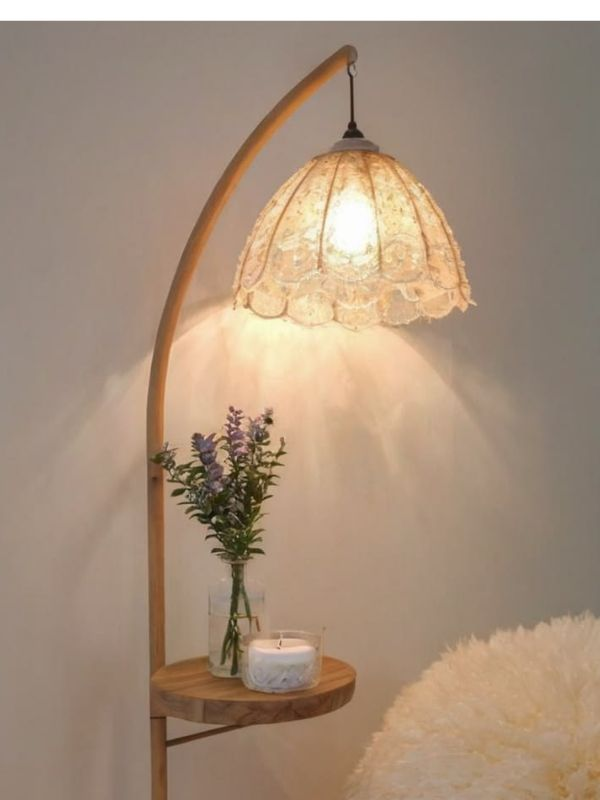
Lighting is one of the most overlooked parts of a study space, yet it has a huge impact on your comfort, concentration, and productivity. Poor lighting can cause eye strain, headaches, and fatigue, making it harder to stay focused during long study sessions. On the other hand, the right lighting helps you read more comfortably, improves visibility, and creates a pleasant environment that keeps you motivated.
Whether you’re studying during the day or late into the evening, choosing the right lighting can make your study space more effective.
1. Make the Most of Natural Light
Natural daylight is one of the best light sources for studying. It helps reduce eye strain, improves your mood, and keeps you feeling awake and alert.
To maximise natural light
- Place your desk near a window.
- Open curtains or blinds during the day.
- Keep windows clean to let in more sunlight.
- Position your desk so sunlight doesn’t shine directly onto your screen.
If natural light is limited, combine it with a quality desk lamp.
2. Use a Good Desk Lamp
A desk lamp provides focused lighting exactly where you need it, making it easier to read, write, and use your computer.
When choosing a desk lamp, look for one that
- Has adjustable brightness.
- Has an adjustable arm or neck.
- Provides even lighting.
- Doesn’t create glare on your screen.
- Is energy-efficient with LED bulbs.
Position the lamp on the opposite side of your writing hand to reduce shadows while taking notes.
3. Choose Cool White Light for Better Focus
The colour of your light bulb can affect how alert you feel.
Cool white or daylight LED bulbs are ideal because they
- Improve concentration.
- Make text easier to read.
- Keep your workspace bright.
- Reduce feelings of drowsiness during study sessions.
Warm lighting creates a cosy atmosphere but may not be the best choice for intensive studying.
4. Reduce Screen Glare
If you study on a laptop or desktop computer, glare can quickly tire your eyes.
To reduce glare
- Avoid placing your monitor directly in front of a window.
- Tilt your screen slightly if needed.
- Use blinds or curtains during bright afternoons.
- Position your desk lamp so the light shines on your desk instead of your screen.
A glare-free setup makes reading and typing much more comfortable.
5. Layer Your Lighting
Using more than one light source creates a balanced and comfortable study environment.
A good setup might include
- Natural daylight during the day.
- A desk lamp for focused tasks.
- An overhead ceiling light for overall brightness.
- Soft ambient lighting to reduce harsh shadows.
Layered lighting prevents dark corners and helps your eyes adjust more easily.
6. Avoid Studying in Dim Lighting
Studying in a dark room may feel relaxing, but it forces your eyes to work harder and can reduce your concentration.
Instead
- Turn on enough lights to brighten the room.
- Replace dim bulbs with brighter LED options.
- Use a desk lamp for extra illumination.
- Avoid relying only on your computer screen for light.
A bright workspace helps you stay alert and productive.
7. Adjust Your Lighting for Different Tasks
Not every study activity requires the same amount of light.
For example
- Use brighter lighting when reading textbooks.
- Keep your desk well lit when writing notes.
- Reduce excessive brightness during video calls to avoid screen glare.
- Add focused lighting for detailed drawing, art, or design work.
Adjusting your lighting based on your tasks can make studying more comfortable and efficient.
Good lighting is one of the easiest ways to improve your study space. By combining natural light, a quality desk lamp, and proper bulb selection, you can reduce eye strain, improve focus, and create a workspace that supports productive study sessions throughout the day.
Must-Have Study Supplies
Having the right study supplies can make learning organised, efficient, and less stressful. You don’t need to buy every school supply available, but keeping a few essentials within reach will help you stay focused and avoid interrupting your study sessions to search for missing items.
Whether you’re a middle school student, high school student, college student, or online learner, these study supplies are worth keeping in your study space.
1. Notebooks and Planners

Every productive study space should include notebooks for taking notes and a planner for keeping track of assignments and deadlines.
Choose notebooks that
- Have enough pages for each subject.
- Are easy to organise.
- Match your learning style.
A planner can help you.
- Record homework.
- Track exam dates.
- Plan study sessions.
- Set weekly goals.
- Stay organised throughout the school year.
Digital planners work well too if you prefer using a tablet or laptop.
2. Pens, Pencils, and Highlighters
Writing tools are the foundation of every study setup.
Keep a variety of supplies such as
- Black and blue pens.
- Mechanical or wooden pencils.
- Colored pens for note-taking.
- Highlighters.
- Erasers.
- Pencil sharpener.
- Permanent markers for labelling.
Store them in a desk organizer so they’re always easy to find.
3. Sticky Notes and Index Cards
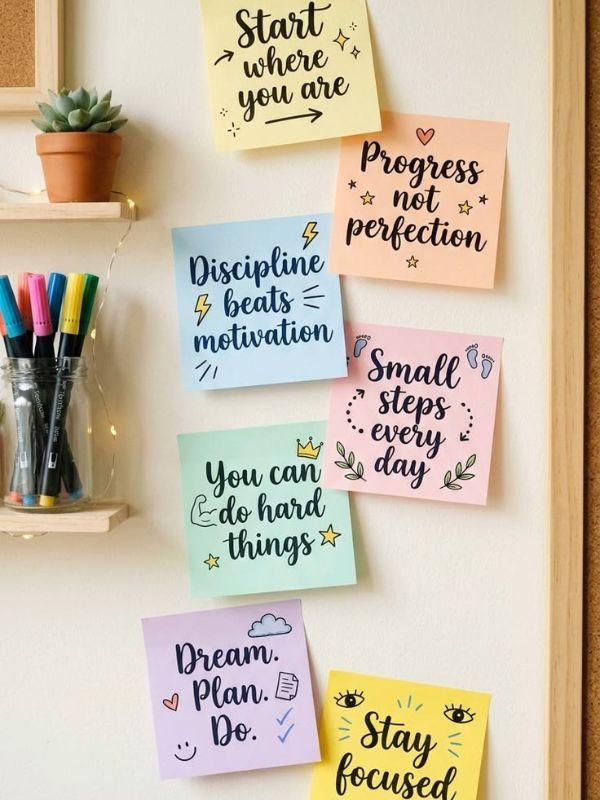
Sticky notes and index cards are inexpensive but incredibly useful study tools.
Use them to
- Write reminders.
- Mark important textbook pages.
- Create flashcards.
- Summarise key concepts.
- Leave motivational notes on your desk.
They’re especially helpful when preparing for quizzes and exams.
4. Laptop or Tablet Essentials
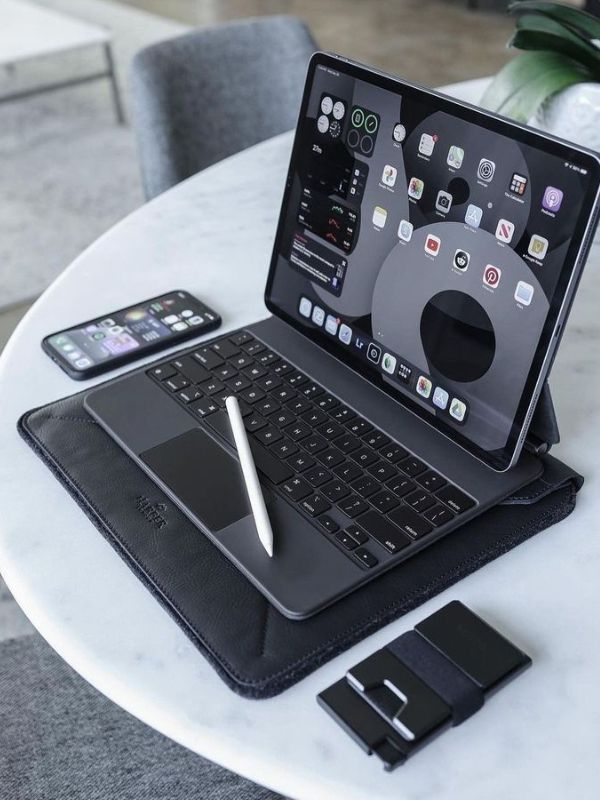
Most students rely on technology for research, assignments, and online learning.
Keep these essentials nearby.
- Laptop or tablet.
- Charger.
- Wireless mouse.
- Laptop stand.
- USB flash drive.
- External hard drive if needed.
Organising your devices and accessories helps create a cleaner workspace.
5. Headphones

Headphones can improve concentration, especially if you study in a shared room, dorm, or busy household.
They’re useful for
- Online classes.
- Educational videos.
- Listening to recorded lectures.
- Blocking background noise.
- Studying with instrumental music.
Noise-cancelling headphones are ideal if your study environment is often noisy.
6. Calculator

A calculator is essential for subjects like math, science, accounting, and engineering.
Keep one at your desk so you don’t waste time searching for it before homework or exams.
Choose a calculator that’s appropriate for your courses, whether it’s a basic model or a scientific calculator.
7. Desk Organiser
A desk organiser helps keep your workspace tidy and prevents clutter from building up.
Use one to store
- Pens.
- Pencils.
- Scissors.
- Sticky notes.
- Paper clips.
- Chargers.
- Small office supplies.
An organised desk makes it easier to stay focused.
8. Folders and Binders

Keeping papers organised is just as important as taking good notes.
Use folders or binders to
- Separate subjects.
- Store completed assignments.
- Organise worksheets.
- Keep important documents safe.
Colour-coding each subject makes materials even easier to find.
9. Water Bottle and Healthy Snacks

Staying hydrated and energised can improve concentration during long study sessions.
Keep a reusable water bottle nearby and choose healthy snacks such as
- Nuts.
- Fruit.
- Granola bars.
- Trail mix.
Avoid sugary snacks that can cause energy crashes.
10. Clock or Timer
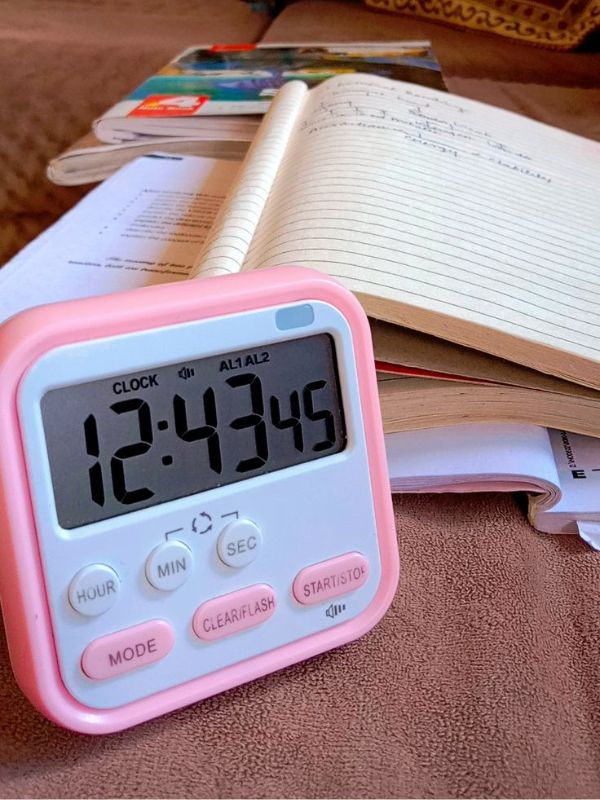
Managing your study time is easier when you have a clock or timer within view.
Use it to
- Follow the Pomodoro Technique.
- Schedule study breaks.
- Stay aware of deadlines.
- Build better time management habits.
A simple desk clock or timer can help you stay productive without constantly checking your phone.
The best study supplies are the ones that help you stay organised, comfortable, and focused. Start with the essentials, then add tools that match your learning style and study routine. With a well-stocked study space, you’ll spend less time searching for supplies and more time learning and achieving your academic goals.
Tech Essentials for a Productive Study Space
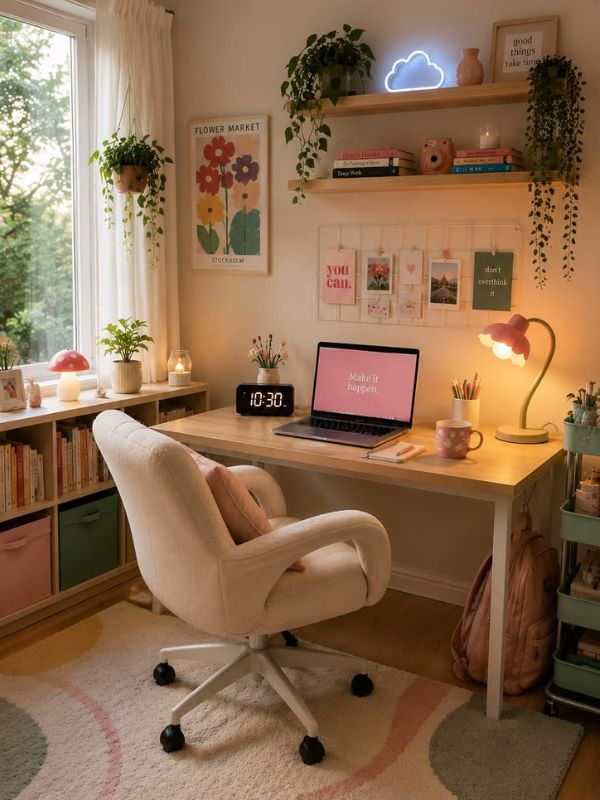
Technology has become an important part of modern learning. If you’re attending virtual classes, researching assignments, writing essays, or preparing presentations, the right tech tools can make studying easier and more efficient. You don’t need the most expensive gadgets to create a productive study space. Investing in a few practical tech essentials can improve your comfort, save time, and help you stay organised.
Here are the best tech essentials to include in your study space.
1. Laptop Stand
A laptop stand raises your screen to eye level, helping you maintain better posture during long study sessions.
Benefits of using a laptop stand include
- Reduces neck and shoulder strain.
- Improves posture.
- Creates extra desk space underneath.
- Keeps your laptop cooler by improving airflow.
- Makes video calls more comfortable.
Pair it with an external keyboard and mouse for the most ergonomic setup.
2. Wireless Keyboard and Mouse
Typing directly on a laptop for hours can become uncomfortable. A wireless keyboard and mouse allow you to sit more naturally and keep your hands in a better position.
They also
- Improve comfort during long assignments.
- Increase typing efficiency.
- Keep your workspace organised.
- Reduce cable clutter.
- Work well with laptop stands.
They’re especially useful for college students and online learners.
3. Charging Station
Nothing interrupts a study session faster than a dead battery. A charging station keeps all your devices powered and organised in one place.
Use it to charge
- Laptop.
- Smartphone.
- Tablet.
- Smartwatch.
- Wireless earbuds.
A charging station also helps reduce messy cables on your desk.
4. Noise-Canceling Headphones
If you study in a shared room, dorm, or busy home, noise-cancelling headphones can make a huge difference.
They help you
- Block background noise.
- Focus during online classes.
- Listen to educational videos clearly.
- Join virtual meetings.
- Study without distractions.
If noise-cancelling headphones aren’t in your budget, regular headphones with good sound quality are still a great option.
5. Productivity Apps and Digital Calendar
Technology isn’t just about hardware. The right apps can help you stay organised and manage your time more effectively.
Helpful tools include
- Digital calendars for tracking deadlines.
- Note-taking apps for organising class notes.
- To-do list apps for daily tasks.
- Cloud storage for backing up assignments.
- Focus timers for structured study sessions.
Using these tools together can make it easier to keep up with homework, projects, and exams.
6. Reliable Wi-Fi Connection
A fast and stable internet connection is essential for researching information, attending online classes, submitting assignments, and collaborating with classmates.
To improve your connection
- Place your study desk close to your Wi-Fi router.
- Restart your router regularly.
- Limit unnecessary downloads while studying.
- Use a wired connection if possible for important online exams or meetings.
Reliable internet helps prevent interruptions and keeps your study sessions running smoothly.
7. External Monitor
If you often multitask or work on large projects, an external monitor can increase your productivity.
It allows you to
- View multiple documents at once.
- Research while writing essays.
- Attend virtual classes while taking notes.
- Reduce constant switching between windows.
This is especially useful for college students, online learners, and anyone working on detailed assignments.
8. USB Flash Drive or External Storage
Although cloud storage is convenient, it’s still a good idea to keep a backup of important files.
Use a USB flash drive or external hard drive to save
- School assignments.
- Presentations.
- Research projects.
- Class notes.
- Important documents.
Having a backup protects your work if your computer experiences technical issues.
9. Desk Lamp With Adjustable Brightness
A modern LED desk lamp isn’t just for lighting. Many models include features that improve your study experience.
Look for one with
- Adjustable brightness levels.
- Flexible positioning.
- Eye-care lighting.
- USB charging ports.
- Energy-efficient LED bulbs.
Good lighting helps reduce eye strain during long study sessions.
10. Cable Management Accessories
Messy cables can make your study space look cluttered and even become a safety hazard.
Keep cords organised with
- Cable clips.
- Velcro cable ties.
- Cable sleeves.
- Under-desk cable trays.
- Cord organizers.
A clean workspace makes it easier to focus and gives your study area a more organised appearance.
The best tech setup isn’t about having the latest gadgets. It’s about choosing practical tools that support your learning, improve your comfort, and help you stay productive. Start with the essentials that fit your needs and budget, then upgrade your study space as your academic or professional needs grow.
How to Personalise Your Study Space
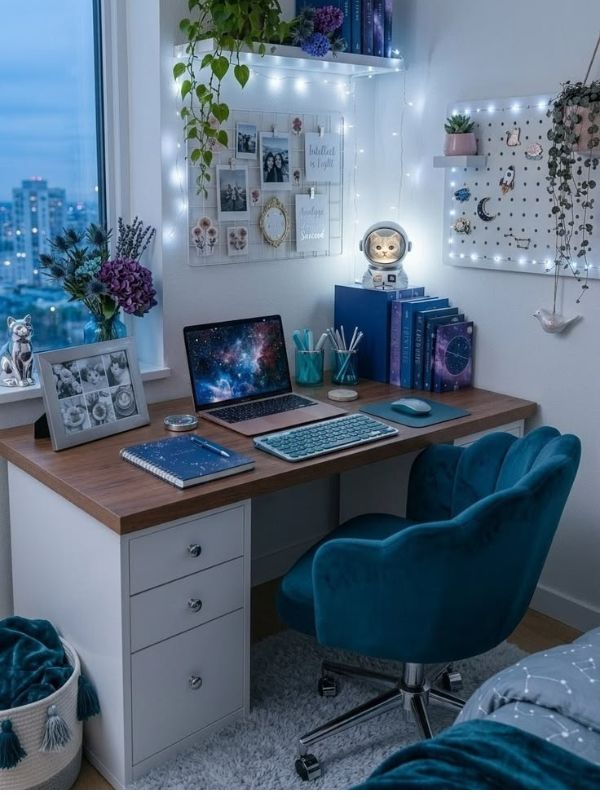
Your study space should be more than just a desk and chair. It should be a place where you feel comfortable, inspired, and motivated to learn. Personalising your study space can make it feel more inviting while reflecting your personality and study style. The key is to strike a balance between adding decorative touches and keeping your workspace organised.
Here are some simple ways to make your study space your own.
1. Choose a Colour Theme
A consistent colour scheme can make your study area feel calm and organised. Different colours can also affect your mood and productivity.
Popular colour themes include
- White and wood for a clean, minimalist look.
- Blue and grey for a calm atmosphere.
- Sage green and cream for a fresh, natural feel.
- Black and white for a modern style.
- Beige and gold for a warm, elegant workspace.
- Soft pink and white for a bright and cheerful study area.
Choose colours that help you feel relaxed and focused.
2. Add Inspirational Quotes
Motivational quotes can encourage you to stay positive and keep working toward your goals, especially during busy school weeks or exam season.
Display quotes by
- Framing your favourite sayings.
- Creating printable wall art.
- Using letter boards.
- Hanging small quote cards above your desk.
- Adding digital wallpapers with motivational messages.
Keep your quotes simple, meaningful, and easy to read.
3. Display Your Achievements and Goals
Surrounding yourself with reminders of what you’ve accomplished can boost your confidence and keep you motivated.
Consider displaying
- Certificates.
- Awards.
- Medals.
- Academic achievements.
- Goal trackers.
- A list of short-term and long-term goals.
Seeing your progress can inspire you to keep working hard.
4. Create a Vision Board
A vision board is a great way to keep your dreams and goals in sight. It can remind you why you’re studying and what you’re working toward.
Include items such as
- Career goals.
- College or university dreams.
- Inspirational photos.
- Positive affirmations.
- Travel destinations.
- Personal achievements you hope to reach.
Place your vision board where you’ll see it every day for a boost of motivation.
5. Add a Small Indoor Plant
Plants can make your study space feel brighter, fresher, and more relaxing. They also add a natural touch without taking up much room.
Easy-care plants include
- Snake plants.
- Pothos.
- Spider plants.
- Succulents.
- Peace lilies.
If you don’t have enough sunlight, high-quality artificial plants are a good alternative.
6. Use Stylish Desk Accessories
Practical items can also add personality to your workspace.
Choose accessories like
- Matching pen holders.
- Decorative storage boxes.
- A stylish desk organiser.
- A unique notebook.
- A colourful mouse pad.
- An attractive desk calendar.
Selecting accessories in your favourite colours helps create a coordinated look.
7. Include Meaningful Photos
Adding one or two framed photos can make your study area feel warm and personal.
Display pictures of
- Family.
- Friends.
- Pets.
- Special memories.
- Graduation photos.
Avoid adding too many photos, as they can make your desk look cluttered.
8. Hang a Calendar or Whiteboard
A calendar or whiteboard is both decorative and practical.
Use it to
- Track assignment deadlines.
- Write weekly goals.
- Record important dates.
- Create daily to-do lists.
- Stay organised throughout the semester.
Choose a design that complements the rest of your study space.
9. Add Soft Lighting
Lighting can completely change the atmosphere of your study area.
Consider adding
- A modern desk lamp.
- Warm LED lights.
- Small string lights.
- A floor lamp if space allows.
Soft lighting creates a cosy environment while making it easier to study during the evening.
10. Keep Your Space True to Your Personality
The best study space is one that reflects who you are while helping you stay productive.
Whether your style is
- Minimalist.
- Modern.
- Cozy.
- Colorful.
- Elegant.
- Nature-inspired.
Choose decorations that make you happy without creating unnecessary distractions.
Small touches like your favourite colours, meaningful decorations, comfortable lighting, and motivational reminders can turn an ordinary desk into a place where you enjoy learning. Create a space that supports your goals, keeps you inspired, and helps you do your best every day.
Study Habits That Make Your Setup More Effective
Even the most beautiful study space won’t improve your grades if you don’t have good study habits. A well-organised desk creates the right environment, but your daily routine is what helps you stay consistent, productive, and successful. By developing a few simple habits, you can make the most of your study space and get better results from every study session.
Here are some study habits that can make your setup more effective.
1. Follow a Consistent Study Schedule
Studying at the same time every day helps build a routine and trains your brain to focus during those hours. Instead of waiting until the last minute, set aside dedicated time for homework, reading, or exam preparation.
To stay consistent
- Choose study times that fit your daily routine.
- Use a planner or digital calendar to schedule sessions.
- Break large assignments into smaller tasks.
- Stick to your schedule as much as possible.
A routine makes studying feel like a habit instead of a chore.
2. Take Regular Breaks
Studying for hours without a break can lead to mental fatigue and make it harder to remember information.
Try taking a short break every 45 to 60 minutes to
- Stretch your body.
- Walk around the room.
- Drink water.
- Have a healthy snack.
- Rest your eyes from the screen.
Short breaks help you return to your work feeling refreshed and focused.
3. Keep Your Desk Clean
A tidy workspace helps reduce distractions and makes it easier to concentrate.
Before each study session
- Put away unnecessary items.
- Organise your books and notebooks.
- Throw away rubbish.
- Wipe down your desk if needed.
- Keep only the supplies you’ll use.
A clean desk creates a calm environment that supports productive studying.
4. Limit Phone and Social Media Distractions
Smartphones are one of the biggest distractions for students. A quick check of social media can easily turn into several minutes of lost study time.
Stay focused by
- Turning on Do Not Disturb mode.
- Keeping your phone in a drawer or another room.
- Logging out of social media during study time.
- Using focus or app-blocking tools if needed.
Reducing digital distractions allows you to complete your work more efficiently.
5. Prepare for Your Next Study Session
A few minutes of preparation today can make tomorrow’s study session much smoother.
Before you finish studying
- Put your supplies back where they belong.
- Charge your laptop or tablet.
- Write down tomorrow’s tasks.
- Gather the books you’ll need.
- Clean your workspace.
Starting with an organised desk helps you focus right away.
6. Set Daily Study Goals
Having a clear goal gives your study session direction and helps you measure your progress.
Examples of daily goals include
- Finish one chapter.
- Complete a math assignment.
- Review class notes.
- Memorise vocabulary words.
- Practice for an upcoming test.
Small, achievable goals make studying feel more rewarding.
7. Stay Hydrated and Eat Healthy Snacks
Your brain needs fuel to perform at its best. Drinking enough water and eating healthy snacks can help you stay energised during long study sessions.
Good snack choices include
- Fresh fruit.
- Mixed nuts.
- Yogurt.
- Whole-grain crackers.
- Granola bars.
Avoid too many sugary snacks that can leave you feeling tired later.
8. Review Your Notes Regularly
Don’t wait until the night before an exam to study everything at once. Reviewing your notes regularly helps improve understanding and memory.
Try to
- Read over class notes each day.
- Highlight important points.
- Summarise key ideas in your own words.
- Create flashcards for difficult topics.
Frequent review makes test preparation much less stressful.
9. Use Time Management Techniques
Managing your time wisely helps you stay productive without feeling overwhelmed.
Popular methods include
- The Pomodoro Technique.
- Time blocking.
- Creating daily to-do lists.
- Prioritising the most important tasks first.
These strategies help you make better use of your study time.
10. End Every Session With a Quick Reset
Before leaving your study space, spend a few minutes getting it ready for your next session.
Take time to
- Organise your desk.
- Return supplies to their proper place.
- Throw away trash.
- Update your planner.
- Prepare tomorrow’s materials.
This simple habit helps you begin your next study session with a clean, organised, and welcoming workspace.
Building good study habits takes time, but small changes can lead to big improvements. When you combine a well-designed study space with consistent routines, you’ll find it easier to stay focused, manage your workload, and achieve your academic goals. Remember, success isn’t just about where you study—it’s also about the habits you practice every day.
Common Study Space Mistakes to Avoid
Even with the best intentions, certain mistakes can make your study space less effective. A workspace that’s cluttered, uncomfortable, or full of distractions can reduce your focus and make studying feel more difficult than it needs to be. The good news is that most of these problems are easy to fix with a few simple changes.
Here are some of the most common study space mistakes to avoid.
1. Studying in Bed
Your bed is designed for sleeping and relaxing, not studying. While it may seem comfortable at first, studying in bed can make you feel sleepy and reduce your concentration.
Instead
- Use a desk or table whenever possible.
- Create a dedicated study corner.
- Reserve your bed for rest to maintain healthy sleep habits.
Having separate spaces for studying and sleeping helps your brain stay focused.
2. Poor Lighting
Dim lighting can cause eye strain, headaches, and fatigue, making it harder to stay productive.
Avoid this by
- Placing your desk near a window.
- Using a bright LED desk lamp.
- Keeping your study area well lit during the day and evening.
- Reducing glare on your computer screen.
Good lighting makes reading and writing much more comfortable.
3. Using an Uncomfortable Chair
Sitting in an unsupportive chair for long periods can lead to back pain, neck strain, and poor posture.
Choose a chair that
- Supports your lower back.
- Allows your feet to rest flat on the floor.
- Keeps your arms comfortable while writing or typing.
- Encourages proper posture.
Comfort helps you stay focused for longer periods.
4. Letting Your Desk Become Cluttered
A messy desk can make it difficult to concentrate and waste valuable study time.
Keep your workspace organised by
- Removing unnecessary items.
- Using desk organisers.
- Returning supplies to their proper place.
- Cleaning your desk regularly.
A tidy desk creates a calm and productive environment.
5. Keeping Too Many Distractions Nearby
Television, gaming consoles, smartphones, and social media can quickly interrupt your study session.
Reduce distractions by
- Putting your phone on silent.
- Turning off the TV.
- Closing unrelated websites.
- Studying in a quiet room.
- Using focus apps if needed.
The fewer distractions you have, the easier it is to complete your work.
6. Ignoring Ergonomics
Poor desk setup can lead to discomfort and even long-term health problems.
Improve your posture by
- Positioning your monitor at eye level.
- Keeping your elbows at a comfortable angle.
- Sitting with your back supported.
- Using a footrest if needed.
- Taking regular stretching breaks.
A comfortable setup helps prevent fatigue during long study sessions.
7. Not Having Enough Storage
When your books, notebooks, and supplies don’t have a designated place, clutter builds up quickly.
Stay organized with
- Floating shelves.
- Drawer organizers.
- Storage bins.
- Bookends.
- Rolling carts.
Good storage keeps your workspace neat and functional.
8. Decorating Too Much
Personal touches can make your study space more enjoyable, but too many decorations can become distracting.
Instead of filling your desk with decorations
- Choose one or two framed photos.
- Add a small plant.
- Display a motivational quote.
- Keep wall decor simple and organised.
A balanced space is both inspiring and practical.
9. Skipping Regular Cleaning
Dust, old papers, and clutter can build up over time if you don’t maintain your study space.
Create a simple cleaning routine by
- Wiping your desk weekly.
- Emptying the trash bin.
- Organising supplies.
- Dusting shelves.
- Cleaning your keyboard and screen.
A clean study space feels more inviting and helps you stay motivated.
10. Not Personalising Your Space
While keeping your study area organised is important, a completely plain workspace can sometimes feel uninspiring.
Add a few personal touches like
- Your favourite colours.
- A vision board.
- A desk calendar.
- A small plant.
- Inspirational quotes.
These simple additions can make your study space feel more welcoming without creating clutter.
A clean, comfortable, and well-organised study area helps you stay focused, reduces stress, and makes it easier to build consistent study habits. Even small improvements can turn an ordinary desk into a workspace that supports your success every day.
Budget-Friendly Study Space Setup Ideas
Creating a productive study space doesn’t have to cost a lot of money. You can build a comfortable, organised, and inspiring workspace using affordable furniture, simple DIY projects, and items you already have at home. With a little creativity, you can design a study area that supports your learning without stretching your budget.
Here are 10 budget-friendly study space setup ideas to help you get started.
1. Shop at Dollar Stores or Discount Shops
You don’t need expensive organisers to keep your desk tidy. Many discount stores sell affordable storage solutions that work just as well.
Look for items like
- Pencil holders.
- Storage baskets.
- Drawer organizers.
- Small bins.
- Desk trays.
- Sticky notes.
- Whiteboards.
These inexpensive items can instantly make your study space more organised.
2. Make DIY Desk Organisers
Instead of buying new organisers, create your own using items you already have.
You can reuse
- Empty jars for pens and pencils.
- Shoe boxes for paper storage.
- Cereal boxes as magazine holders.
- Tin cans as pencil cups.
- Small cardboard boxes for drawer dividers.
DIY organisers save money while giving your study space a personal touch.
3. Repurpose Furniture You Already Own
Before buying a new desk, look around your home for furniture that can serve the same purpose.
You can use
- A dining table.
- A small side table.
- An old computer desk.
- A folding table.
- A sturdy bookshelf with a work surface.
Repurposing existing furniture is one of the easiest ways to save money.
4. Decorate With Affordable Accessories
Your study space doesn’t need expensive decorations to look inviting.
Budget-friendly decor ideas include
- Printable wall art.
- Family photos.
- A simple desk calendar.
- DIY corkboards.
- Handmade motivational quotes.
- Small artificial plants.
These inexpensive additions make your workspace feel more welcoming.
5. Use Natural Light Whenever Possible
Natural light is completely free and one of the best ways to brighten your study area.
Place your desk
- Near a window.
- In a bright corner of your room.
- Where sunlight doesn’t create glare on your screen.
This can also help reduce electricity costs during the day.
6. Buy Secondhand Furniture
You don’t always need brand-new furniture to create a great study space.
Check places like
- Thrift stores.
- Garage sales.
- Local online marketplaces.
- Community buy-and-sell groups.
Many secondhand desks and chairs are in excellent condition and cost much less than new ones.
7. Add Floating Shelves for Extra Storage
Floating shelves are often more affordable than large bookcases and help you make better use of wall space.
Use them to store
- Books.
- Notebooks.
- Decorative boxes.
- School supplies.
- Small plants.
This keeps your desk clutter-free while adding storage.
8. Keep Decorations Simple
You don’t need to fill every corner of your study space with decor.
Instead, choose a few meaningful items like
- One framed quote.
- A small plant.
- A favourite photo.
- A colourful notebook.
- A stylish desk lamp.
A simple design often looks cleaner and more expensive than an overcrowded workspace.
9. Organise Before You Buy
Many people buy storage containers they don’t actually need. Before purchasing anything, organise the items you already have.
Take time to
- Declutter your desk.
- Throw away unnecessary papers.
- Donate unused supplies.
- Group similar items together.
You may discover you already have everything you need.
10. Upgrade Your Study Space Over Time
You don’t have to buy everything at once. Start with the essentials and improve your study space little by little as your budget allows.
Begin with
- A sturdy desk.
- A comfortable chair.
- Good lighting.
- Basic organizers.
Later, you can add shelves, better storage, decorative items, or upgraded technology when you’re ready.
A functional study space isn’t about how much money you spend. It’s about creating an environment that helps you stay focused, organised, and motivated. By using affordable storage solutions, repurposing furniture, and making thoughtful upgrades over time, you can build a study space that supports your success without breaking your budget.
Frequently Asked Questions
1. What is the best study space setup?
The best study space setup is one that helps you stay focused and comfortable. It should include a sturdy desk, a supportive chair, good lighting, organised study supplies, and as few distractions as possible. Personalise the space with simple decor that motivates you without creating clutter.
2. How can I make my study space more productive?
To make your study space more productive:
- Keep your desk clean and organised.
- Study in a quiet location.
- Use proper lighting.
- Keep essential supplies within reach.
- Remove distractions like your phone or television.
- Follow a consistent study schedule.
These simple habits can help you concentrate and get more done.
3. What should every study desk have?
Every study desk should include the essentials you use every day, such as:
- A laptop or computer.
- Notebooks.
- Pens and pencils.
- A desk lamp.
- A planner or calendar.
- A water bottle.
- A desk organiser.
- Chargers for your devices.
Only keep items you regularly use on your desk to avoid clutter.
4. How do I organise a small study space?
Even a small study area can be highly functional. Use floating shelves, drawer organisers, storage bins, and multi-purpose furniture to save space. Keep your desk free of unnecessary items and make use of vertical storage to maximise every inch.
5. Which colours are best for a study room?
Calm, light colours are generally best for a study space because they help create a relaxing environment. Popular choices include:
- White.
- Beige.
- Light gray.
- Soft blue.
- Sage green.
- Cream.
Choose colours that help you feel calm, focused, and motivated.
6. How can I study better at home?
To study more effectively at home:
- Set up a dedicated study space.
- Follow a daily study routine.
- Limit distractions.
- Take regular breaks.
- Stay organized.
- Review your notes consistently instead of cramming.
A quiet, comfortable environment makes it easier to concentrate.
7. What is the best lighting for studying?
Natural daylight is the best option whenever possible. If you’re studying at night, use a bright LED desk lamp with adjustable brightness. Make sure your lighting is bright enough to reduce eye strain without creating glare on your computer screen.
8. How do I stay focused while studying?
Staying focused starts with creating the right environment. Try these tips:
- Turn off phone notifications.
- Study in a quiet room.
- Set daily study goals.
- Use a timer, such as the Pomodoro Technique.
- Keep your desk organised.
- Take short breaks to refresh your mind.
These habits can improve concentration and make studying more productive.
9. What is the ideal desk size for studying?
The ideal desk should provide enough space for your laptop, books, notebooks, and study supplies without feeling crowded. If you have a small room, a compact desk with built-in storage or a wall-mounted desk can be an excellent choice.
10. How often should I clean and organise my study space?
It’s a good idea to tidy your desk after every study session and do a deeper clean once a week. Regularly organising your supplies, wiping down surfaces, and removing clutter helps create a workspace that’s always ready for productive study sessions.
Conclusion
Creating the perfect study space isn’t about having the biggest room or the most expensive furniture. It’s about designing a space that helps you stay comfortable, organised, and focused on your goals. Whether you’re a middle school student, a high school student, a college student, or an online learner, the right study setup can make learning more enjoyable and improve your productivity.
Start with the basics by choosing a quiet location, using a comfortable desk and chair, adding good lighting, and keeping your study supplies organised. Then personalise your space with simple decor, motivational touches, and practical storage solutions that reflect your style without creating distractions.
Remember, you don’t have to create your dream study space overnight. Small improvements, like decluttering your desk, adding a desk lamp, or organising your supplies, can have a big impact on your focus and study habits.
Use these study space setup ideas as inspiration to build a workspace that fits your needs, your budget, and your lifestyle. With the right environment and consistent study habits, you’ll be better prepared to stay motivated, manage your workload, and achieve your academic goals throughout the school year.