
Lint in locs is a common problem for many people. Lint makes your hair look dull or dirty. Lint can get trapped deep inside locs, and trying to remove it can cause damage.
Lint in locs does not mean your hair is unhealthy or that you have to cut your locs. With the right methods, you can remove lint safely and improve how your locs look.
In this guide, you will learn simple, safe ways to remove lint from your locs without damaging your hair, and practical tips to help prevent it from coming back.
What Is Lint in Locs
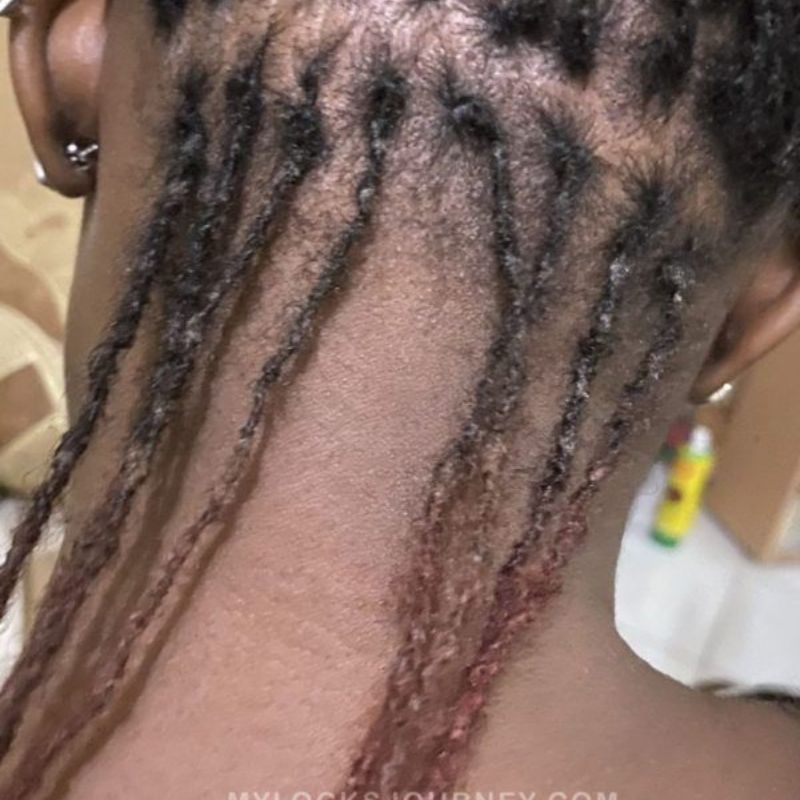
Simple explanation of loc lint
Loc lint is made up of tiny fibres, dust, and fluff that get trapped inside your locs over time. These particles come from clothing, towels, bedding, or the environment. Because locs have a dense structure, they can hold onto these fibres easily.
The Difference between lint and build-up in locs
Lint and product build-up are not the same. Lint comes from outside fibres getting trapped in your hair, while locs buildup comes from residue left behind by hair products. Lint looks like visible fibres or specks, while buildup can look more like residue or coating inside the locs.
Why locs attract lint easily
Locs naturally attract lint because of their textured and woven structure. Tiny fibres can attach to the hair and become trapped over time. Dry locs, rough fabrics, and poor hair covering habits attract lint fast.
What Causes Lint in Locs?
Cotton clothing and towels
Cotton fabrics can shed tiny fibres that stick to your locs. This happens when drying your hair with regular towels or wearing clothing that rubs against your hair.
Pillowcases and bedding
Your locs can pick up lint while you sleep, especially from rough or fibre-shedding fabrics. Bedding can transfer small particles to your hair night after night.
Dust and environmental exposure
Dust in the air can settle into your locs over time. If your hair is mostly uncovered outdoors, lint and particles can settle on your locs.
Dry hair attracts fibres
Very dry locs can attract and hold onto tiny fibres more easily. Hair that lacks moisture may make lint stick instead of sliding off.
Poor hair covering habits
Not covering your locs with satin or silk increases lint settling. Proper hair covering limits your locs from everyday fibre contact.
How to Remove Lint in Locs
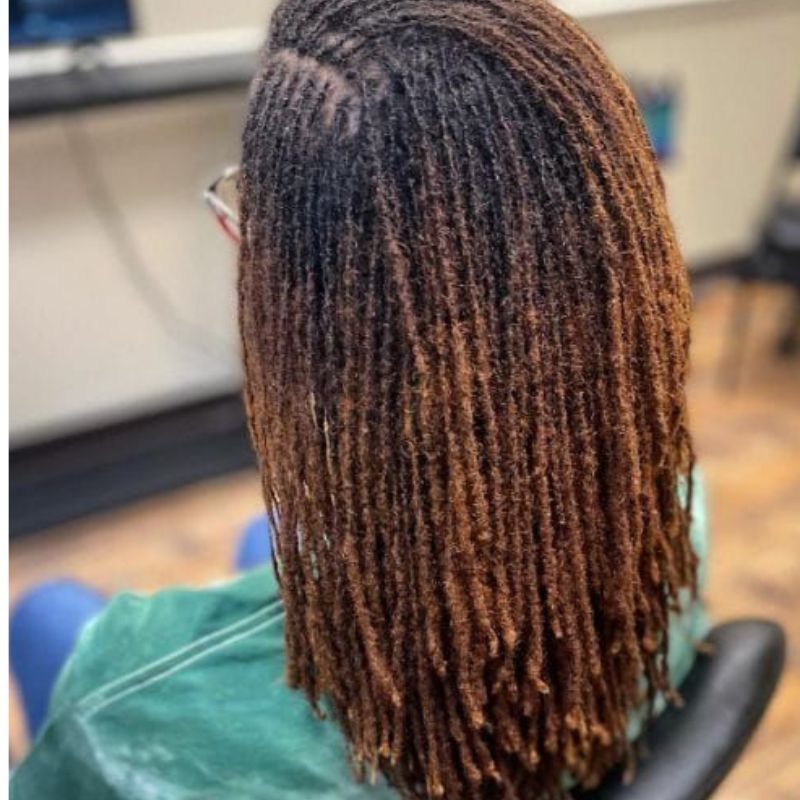
1. Clarifying the wash method
A good clarifying wash can help loosen surface lint and remove dirt that may be trapping fibres inside the locs.
Step by step
- Wet your locs with warm water
- Apply a residue-free clarifying shampoo
- Gently work it through your locs
- Focus on areas where lint is visible
- Rinse thoroughly
This can help lift light lint and make other removal methods easier.
2. Using lint-removing tools
Use loc tools such as tweezers, crochet pins and needles. This works best for deep-rooted lint.
Step by step
- Work in good lighting
- Separate the loc you are working on
- Gently remove visible lint bit by bit,
- dig in for deep-rooted lint.
- rel-loc for good finishes
Take your time to avoid damaging the hair.
3. Palm rolling method
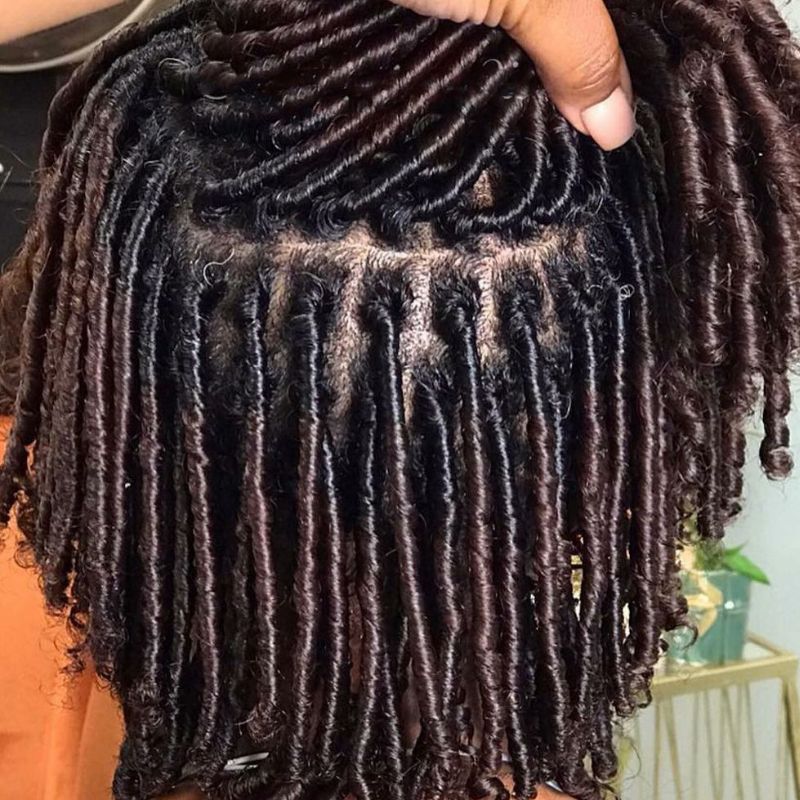
Palm rolling can help smooth loose surface fibres and improve the look of lint-affected locs. It can also help after washing.
Step by step
- Start with clean, slightly damp locs
- Place one loc between your palms
- Roll gently in one direction
- Repeat only as needed
This does not remove deep lint, but it can help manage surface fibres and keep locs neat.
4. Trimming method
If lint is trapped in loose, frayed ends or damaged outer fibres, careful trimming may help in some cases.
Step by step
- Check if the lint is sitting in loose, stray hair
- Trim only tiny frayed fibres if needed
- Do not cut into the body of the loc
This method should be done carefully to avoid unnecessary damage.
5. Gentle finger removal for surface lint
Sometimes, simple finger removal works for loose visible fibres.
- Gently pull away surface lint
- Do not force out deeply trapped fibres
This works best for fresh lint caught early.
6. Apple Cider Vinegar Rinse Method
An apple cider vinegar rinse can help loosen trapped lint, remove residue, and freshen your locs. It works best when lint is mixed with dirt or light product residue.
Step by step
- Fill a bowl or basin with warm water
- Add apple cider vinegar and mix with water
- Soak your locs in the mixture for some minutes
- Gently squeeze your locs to help loosen trapped particles
- Rinse thoroughly with clean water
- Follow with a residue-free shampoo wash
- Rinse again until the water runs clean
- Let your locs dry completely
Why it helps
- Helps loosen lint and residue
- Can lift trapped particles from the locs
- Helps freshen the scalp and hair
Use with care
- Do not do it too often
- Rinse very well after soaking
- Follow with proper drying to prevent odour
This method can be helpful as part of a deep cleaning routine, especially for stubborn lint.
What You Should NOT Do When Removing Lint in Loc
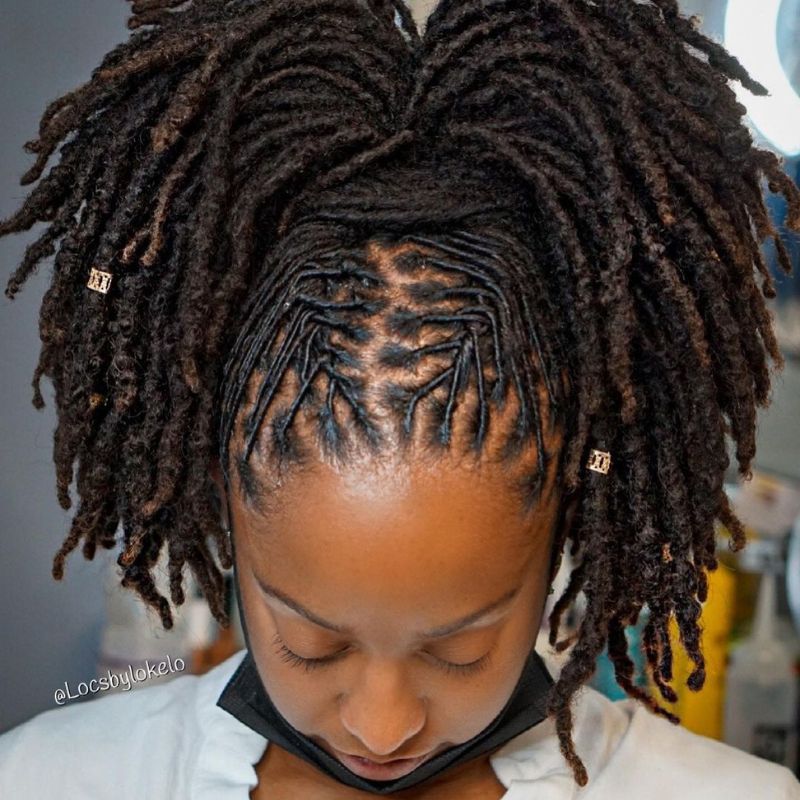
1. Avoid harsh pulling or cutting
Do not pull at lint aggressively or cut into your locs to remove trapped fibres. This can weaken the structure of your locs, cause breakage or thinning.
2. Avoid strong chemicals
Do not use harsh chemicals to try to dissolve lint. Strong products can dry out your hair, irritate your scalp, and damage your locs over time.
3. Avoid over-manipulation of locs
Too much picking, twisting, or constant handling can cause stress on your locs. Keep removal methods gentle and avoid doing too much at once.
4. Avoid scrubbing too hard
Scrubbing your locs aggressively during washing can create friction and cause damage. Clean your locs gently and let proper cleansing methods do the work.
How to Prevent Lint in Locs
Use a satin or silk bonnet at night
Protecting your locs while you sleep can reduce lint buildup. Satin or silk creates less friction and does not shed fibres like some fabrics.
Switch to lint-free towels
Regular towels can leave tiny fibres in your locs. Use lint-free towels or a smooth cloth to dry your hair after washing.
Keep hair covered outdoors
Covering your locs outside can help protect them from dust and airborne particles. This is especially helpful in dry or dusty environments.
Wash bedding regularly
Clean bedding can reduce fibres and dust that transfer to your hair. Regular washing also helps keep your sleep space cleaner for your locs.
Keep locs moisturised but not sticky
Dry locs can attract fibres more easily, but heavy sticky products can make lint cling too. Keep your locs lightly moisturised with water-based products and avoid heavy buildup.
See how to keep your locs moisturised
Best Products That Help Reduce Lint in Locs
The best products for reducing lint in locs do two things. They keep locs clean so fibres do not stay trapped, and they keep locs lightly moisturised so lint does not cling as easily.
Residue-free shampoos
A residue-free shampoo helps remove dirt, loose fibres, and buildup without leaving film behind. This is important because leftover residue can trap lint inside the locs.
- Use a light liquid clarifying or residue-free shampoo
- Focus on thorough rinsing
- Avoid creamy shampoos that can leave a coating behind
Loc care sources consistently recommend clean rinsing formulas for loc maintenance. (Dreadusa)
Lightweight oils
Light oils can help reduce dryness, which may make locs less likely to attract and hold fibres. Use very little.
- Apply a small amount only when needed
- Focus more on the scalp or ends
- Avoid heavy sticky oils that can attract debris
Many loc routines favour lighter oils over heavy products to reduce buildup and lint issues. (Aaliyahbeautybar)
Water-based sprays
Water-based sprays help keep locs hydrated without making them sticky. This is the best option for daily maintenance
- Use simple hydration mists
- Lightly mist, do not soak
- Keep the formula light and water-based
Rosewater or simple water-based mists are commonly favoured in loc care because they hydrate without coating the hair. (Loclicious)
Clarifying treatments
Occasional clarifying treatments help remove residue, loosen trapped particles, and keep locs fresh.
- Use clarifying treatments when needed, not too often
- Follow with thorough rinsing
- Keep the routine simple and avoid overdoing it
Clarifying is often recommended as part of a balanced loc routine, especially when dealing with buildup or trapped particles. (Omalocs Beauty)
Simple tip
Use fewer products, not more. Cleanse well, keep moisture light, and avoid anything heavy or sticky. That alone can help reduce lint over time.
Conclusion
Lint in locs is common, but it does not have to ruin the look or health of your hair. With the right methods, you can remove lint safely, reduce future buildup, and keep your locs looking clean and well cared for.
The key is to be gentle, stay consistent, and avoid methods that can damage your locs. Simple practices like clarifying washes, careful lint removal, and good prevention habits can make a big difference over time.
Focus on healthy loc care, protect your hair daily, and remember that keeping locs clean is more about consistency than doing too much. With the right routine, you can manage lint and keep your locs looking their best.

One thought on “Lint in Locs : Causes, Remedy and Prevention Tips”