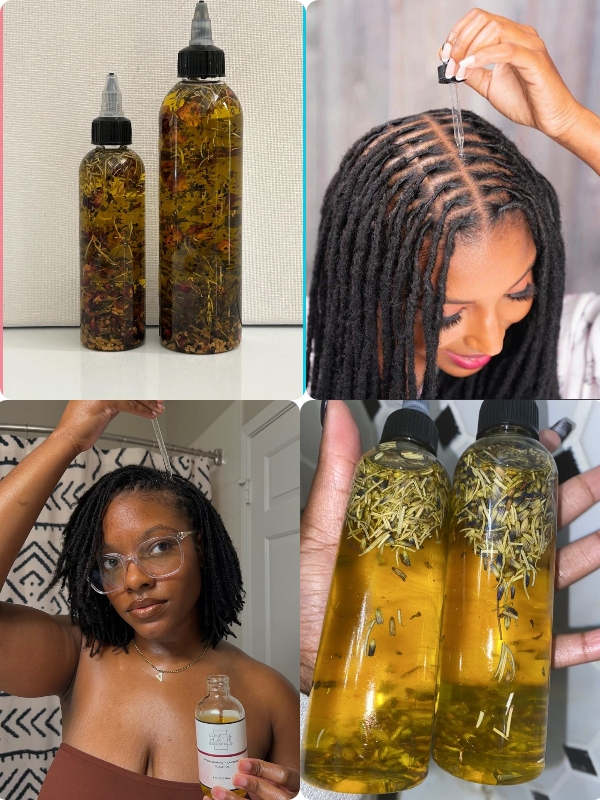
Best oils for locs is very important in keeping your hair healthy, moisturised, soft, and shiny. Locs can easily become dry without proper care, which is why using the right oils is important for maintaining both your scalp and hair.
Not every oil works the same for locs. Some oils are lightweight and perfect for daily moisture, while others help with dry scalp, itchiness, and reducing breakage. Choosing the right oil can help your locs feel healthier without causing heavy buildup.
In this post, you will discover the best oils for locs that can help keep your hair moisturized, nourished, and looking its best.
See How to remove buildup in Locs
Why Oils Are Important for Locs
1. Helps keep locs moisturized
Oils help lock in moisture and prevent locs from becoming dry and brittle.
- Keeps hair soft and manageable
- Helps maintain natural shine
- Supports long lasting hydration
Moisture is key to keeping locs healthy and strong.
2. Supports healthy scalp care
A healthy scalp is important for healthy locs.
- Oils soothe dry or itchy scalp
- Helps improve scalp comfort
- Supports overall hair health
When the scalp is healthy, locs grow better and look fresher.
3. Reduces dryness and breakage
Dry locs can become weak and prone to breakage.
- Oils add nourishment to weak strands
- Helps reduce split ends and frizz
- Keeps locs looking neat and well maintained
Regular oiling helps protect locs from damage and dryness.
Things to Consider Before Choosing Oils for Locs
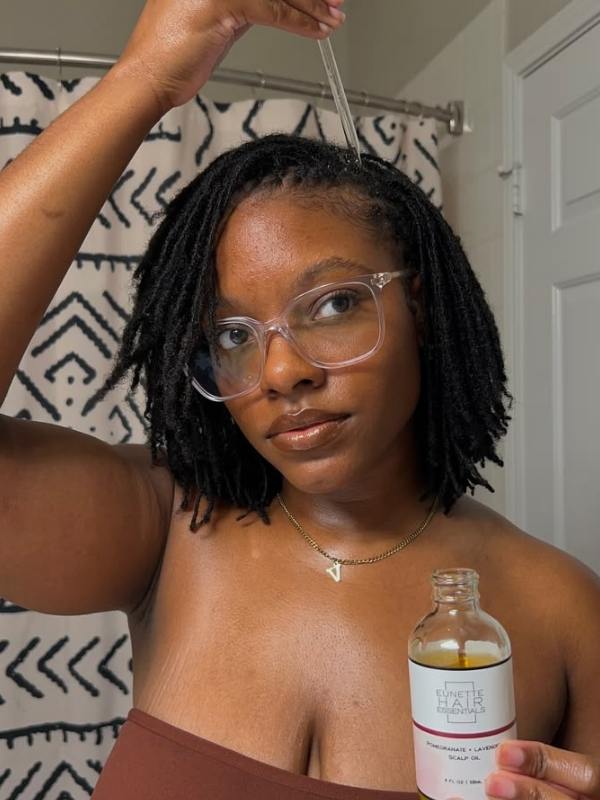
1. Hair and scalp needs
Every locs journey is different, so your oil choice should match your hair needs.
- Dry scalp may need soothing oils like tea tree or peppermint
- Dry locs need nourishing oils like coconut or olive oil
- Sensitive scalp needs gentle, natural oils
Understanding your needs helps you choose the right oil for healthy locs.
2. Lightweight vs heavy oils
The type of oil you use matters for loc health and buildup control.
- Lightweight oils absorb easily and are good for daily use
- Heavy oils give deep moisture but can build up faster
- Mixing both can help balance moisture and protection
Choosing the right texture keeps your locs clean and healthy.
3. Avoiding product buildup
Too much oil or the wrong type can cause buildup in locs.
- Use oils in small amounts
- Avoid frequent heavy oil application
- Clean scalp regularly to remove residue
Less buildup helps locs stay fresh, light, and easy to maintain.
10 Best Oils for Locs to Keep Your Hair Healthy and Moisturized
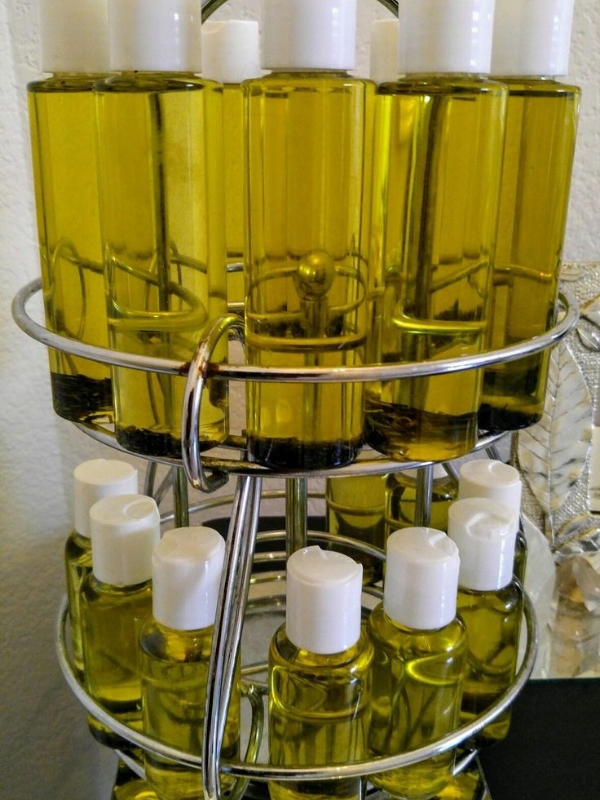
1. Jojoba oil
Jojoba oil is very close to natural scalp oil, making it perfect for locs.
- Lightweight and non-greasy
- Helps balance scalp moisture
- Reduces dryness without buildup
2. Coconut oil
Coconut oil deeply nourishes locs and helps prevent protein loss.
- Strengthens hair strands
- Adds shine and softness
- Works best in small amounts
3. Castor oil
Castor oil is known for supporting healthy hair growth.
- Thick oil that seals moisture
- Helps reduce thinning
- Good for scalp massage
4. Olive oil
Olive oil is rich and deeply moisturizing for dry locs.
- Softens rough locs
- Helps reduce breakage
- Best for weekly use
5. Argan oil
Argan oil is lightweight and great for shine and smoothness.
- Adds natural glow
- Helps control frizz
- Works well for daily use
6. Tea tree oil
Tea tree oil is perfect for scalp health and cleanliness.
- Helps reduce itchiness
- Supports a healthy scalp
- Must be diluted before use
7. Grape seed oil
Grape seed oil is very light and does not weigh locs down.
- Great for daily moisture
- Helps reduce buildup
- Ideal for fine locs
8. Almond oil
Almond oil is rich in nutrients that help nourish locs.
- Strengthens weak strands
- Adds softness
- Helps with dry locs
9. Peppermint oil
Peppermint oil gives a cooling effect and supports scalp health.
- Stimulates the scalp
- Helps improve circulation
- Must be mixed with carrier oil
10. Rosemary oil
Rosemary oil is popular for supporting healthy hair growth.
- Helps strengthen roots
- Improves scalp health
- Best when diluted with carrier oil
See 20 beautiful ways to style your micro locs
Best Oils for Every Stage of Your Loc Journey
The best oil for your locs can change as your hair grows and matures. Starter locs, mature locs, and sister locs all have different moisture needs, so choosing the right oil can help keep your hair healthy while preventing unnecessary buildup.
1. Best Oils for Starter Locs
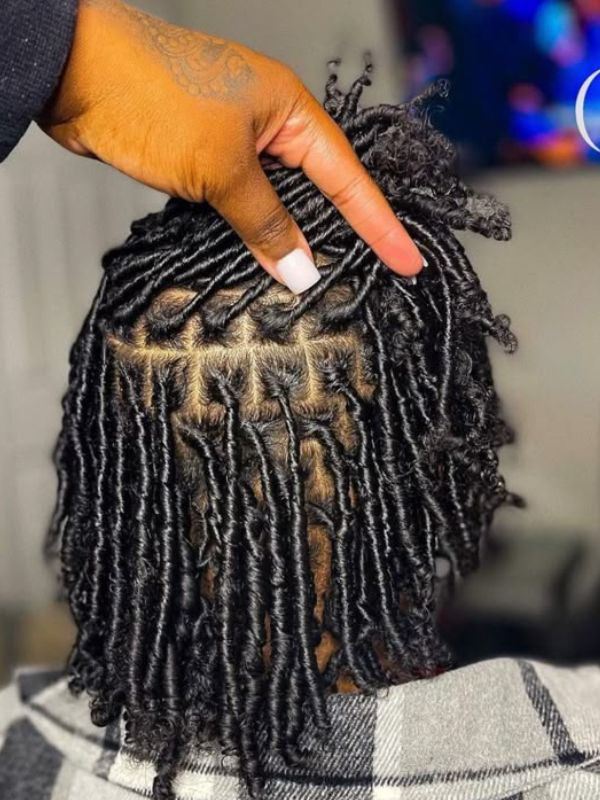
Starter locs need lightweight oils that moisturize the scalp without causing buildup or slowing the locking process.
The best options include:
- Jojoba oil
- Grape seed oil
- Argan oil
- Sweet almond oil
Apply a small amount to your scalp after moisturizing and avoid soaking your locs with oil.
2. Best Oils for Mature Locs

Mature locs can benefit from both lightweight and richer oils, especially if your hair feels dry.
Good choices include:
- Coconut oil
- Olive oil
- Argan oil
- Jojoba oil
Use heavier oils sparingly to avoid residue and lint buildup.
3. Best Oils for Dry Scalp
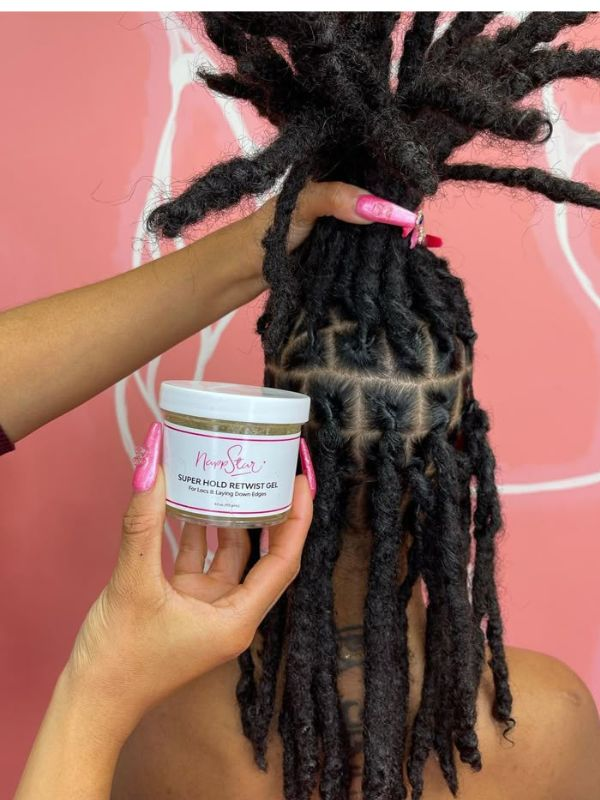
If your scalp feels itchy or flaky, choose oils that soothe irritation while helping to lock in moisture.
Some of the best options are:
- Tea tree oil
- Jojoba oil
- Peppermint oil
- Rosemary oil
Essential oils should always be diluted with a carrier oil before applying them to the scalp.
4. Best Oils for Hair Growth
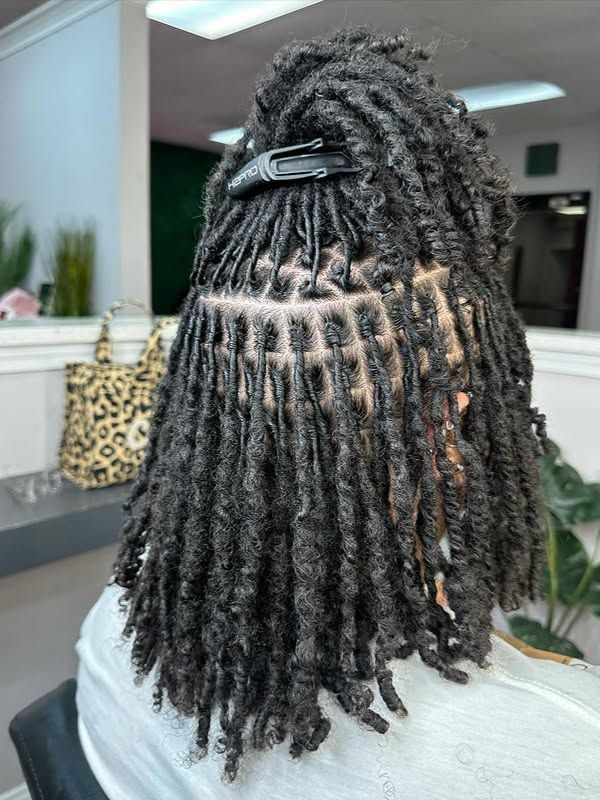
While no oil can guarantee faster hair growth, a healthy scalp creates the right environment for stronger, healthier hair.
Popular oils for supporting scalp health include:
- Rosemary oil
- Castor oil
- Jojoba oil
- Peppermint oil
Massage a few drops into your scalp several times a week as part of your regular hair care routine.
See 20 Best locs color ideas for your locs
Best Oils for Different Locs Needs
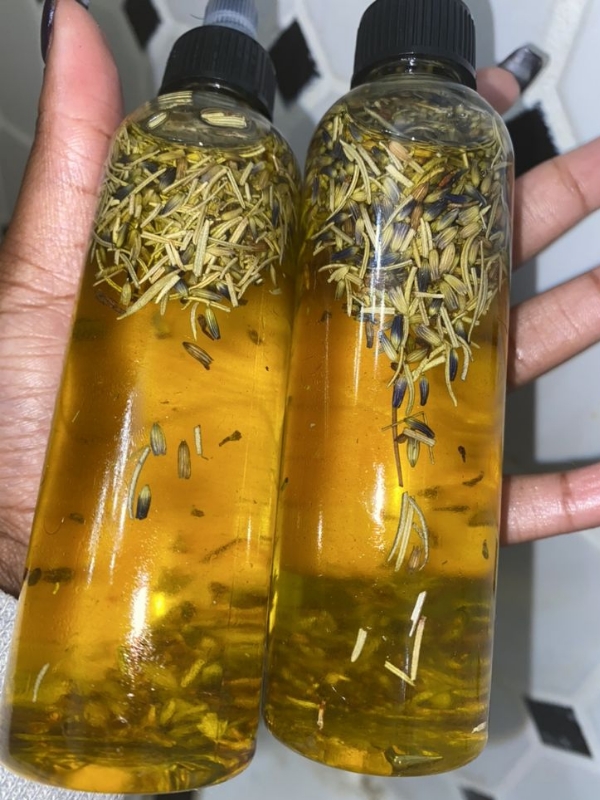
Best oils for dry locs
Dry locs need deep moisture and nourishment to stay soft and healthy.
- Coconut oil for deep hydration
- Olive oil for strong moisture retention
- Almond oil for softness and repair
- Shea infused oil blends for extra nourishment
These oils help restore moisture and reduce dryness.
Best oils for itchy scalp
An itchy scalp needs soothing and calming oils.
- Tea tree oil to reduce irritation
- Peppermint oil for cooling relief
- Jojoba oil to balance scalp oil
- Rosemary oil for scalp comfort and health
These oils help keep the scalp clean and refreshed.
Best lightweight oils for locs
Lightweight oils are best for daily use without buildup.
- Grape seed oil for light hydration
- Jojoba oil for natural balance
- Argan oil for shine without heaviness
- Sweet almond oil for gentle moisture
These oils keep locs soft without weighing them down.
Best oils for loc growth support
Some oils help support stronger and healthier loc growth.
- Castor oil for strengthening roots
- Rosemary oil for circulation support
- Peppermint oil for scalp stimulation
- Jojoba oil for balanced scalp health
These oils help create a healthy environment for loc growth.
See how to keep your locs moisturised in summer
How to Apply Oils to Locs Properly
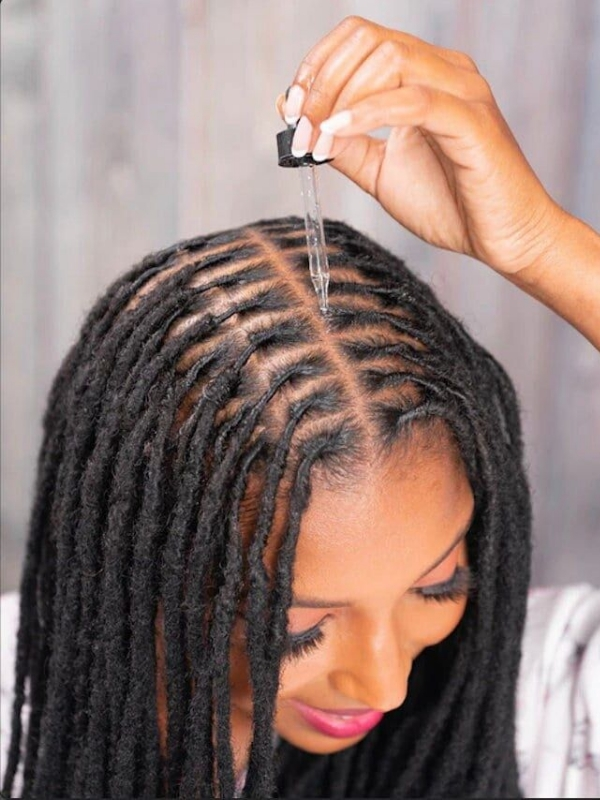
1. Start with a clean scalp
Always begin with a clean scalp so the oil can work well.
- Wash locs when needed
- Dry hair lightly before applying oil
- Make sure scalp is free from buildup
Clean hair helps oil absorb better.
2. Apply oil to the scalp first
Focus on the scalp because that is where health starts.
- Use a dropper or fingertips
- Apply small amounts across sections
- Massage gently in circular motion
This helps improve blood flow and scalp health.
3. Distribute oil through the locs
After the scalp, lightly work the oil into your locs.
- Use your hands to spread oil evenly
- Focus on dry or rough areas
- Avoid soaking the locs with too much oil
This keeps locs soft without heaviness.
4. Use oil after moisturizing
Oils work best when used to seal in moisture.
- Spray water or leave-in first
- Then apply a small amount of oil
- This helps lock in hydration
This step helps your locs stay moisturized longer.
Do not overuse oil
Using too much oil can cause buildup.
- Apply small amounts only
- Avoid daily heavy oiling
- Focus on scalp health instead of soaking hair
Less is more for healthy locs.
See how to grow your locs Faster
Best Oil Combinations for Locs
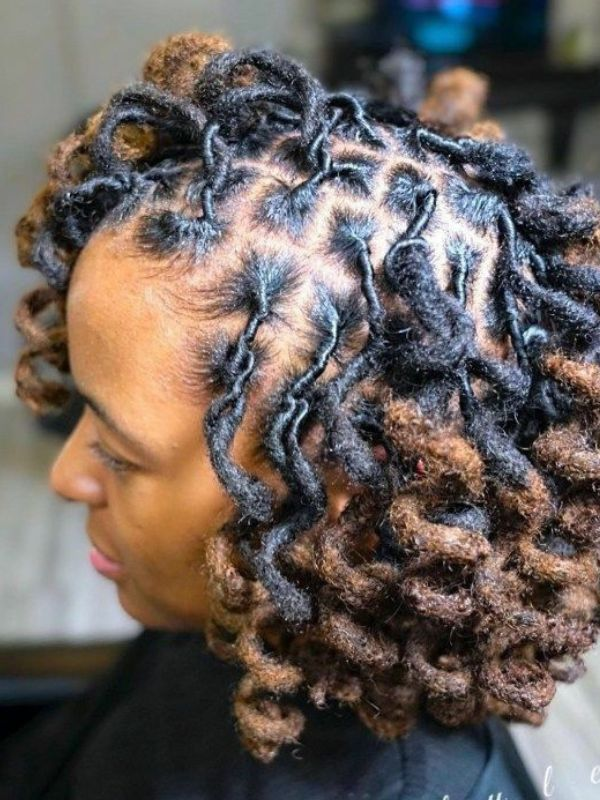
Using the right oil combinations can help keep your locs moisturized, reduce dryness, and support a healthy scalp. Here are some of the best oil blends for different loc needs.
1. Jojoba Oil and Sweet Almond Oil for Dry Locs
Jojoba oil closely resembles the scalp’s natural oil and helps lock in moisture without leaving heavy buildup. Sweet almond oil softens dry locs and adds shine. This combination is perfect for locs that feel rough, brittle, or dehydrated.
2. Tea Tree Oil and Jojoba Oil for an Itchy Scalp
Tea tree oil is known for its soothing and cleansing properties, making it a great choice for an itchy scalp. Mixing it with jojoba oil helps dilute the tea tree oil while keeping the scalp moisturized and balanced.
3. Rosemary Oil and Castor Oil for Hair Growth Support
Rosemary oil may help support a healthy scalp environment and encourage hair growth. Castor oil helps seal in moisture and can make the roots feel nourished. This combination works well for people looking to maintain fuller, healthier locs.
4. Grape seed Oil and Argan Oil for Fine Locs
Fine locs need lightweight oils that provide moisture without weighing them down. Grape seed oil is light and absorbs quickly, while argan oil adds softness and shine. Together, they help keep fine locs healthy and manageable.
5. Coconut Oil and Jojoba Oil for Damaged Locs
Coconut oil helps reduce protein loss and strengthens dry, damaged hair. Adding jojoba oil creates a balanced blend that moisturizes the scalp and helps restore softness to stressed locs.
6. Peppermint Oil and Sweet Almond Oil for a Refreshing Scalp
Peppermint oil provides a cooling sensation that can make the scalp feel refreshed. When mixed with sweet almond oil, it creates a nourishing blend that helps keep the scalp comfortable and the locs soft and shiny.
See 50 locs color ideas for fair and dark women
How Often Should You Oil Your Locs?
There is no one-size-fits-all schedule for oiling locs. How often you oil your locs depends on your scalp type, lifestyle, and how dry your hair feels. The goal is to keep your locs moisturized without causing buildup.
1. For Dry Scalp and Locs
If your scalp and locs tend to feel dry, apply a small amount of oil about two to three times a week. You can also lightly mist your locs with water before applying oil to help lock in moisture.
2. For Normal Scalp and Locs
If your scalp does not get too dry or oily, oiling your locs once or twice a week is usually enough to maintain moisture and shine.
3. For Oily Scalp and Locs
If your scalp naturally produces more oil, you may only need to oil your locs once a week or even less often. Applying too much oil can make your locs feel greasy and attract lint and buildup.
4. After Washing Your Locs
One of the best times to oil your locs is after washing them. Apply a small amount of oil to damp locs to help seal in moisture and keep them soft.
5. Signs Your Locs Need Oil
Your locs may need oil if you notice:
- Your scalp feels tight or itchy
- Your locs feel rough or brittle
- Your hair looks dull and lacks shine
- You see dry flakes on your scalp
6. Signs You May Be Using Too Much Oil
Using too much oil can cause problems. You may be over-oiling your locs if:
- Your locs feel greasy or heavy
- Lint sticks easily to your hair
- You notice product buildup
- Your scalp feels clogged or irritated
Listen to your hair and scalp and adjust your routine as needed. In most cases, using a small amount of oil one to three times a week is enough to keep your locs healthy and moisturized.
See the right way to remove lint in locs
Signs You Are Using the Wrong Oil for Your Locs
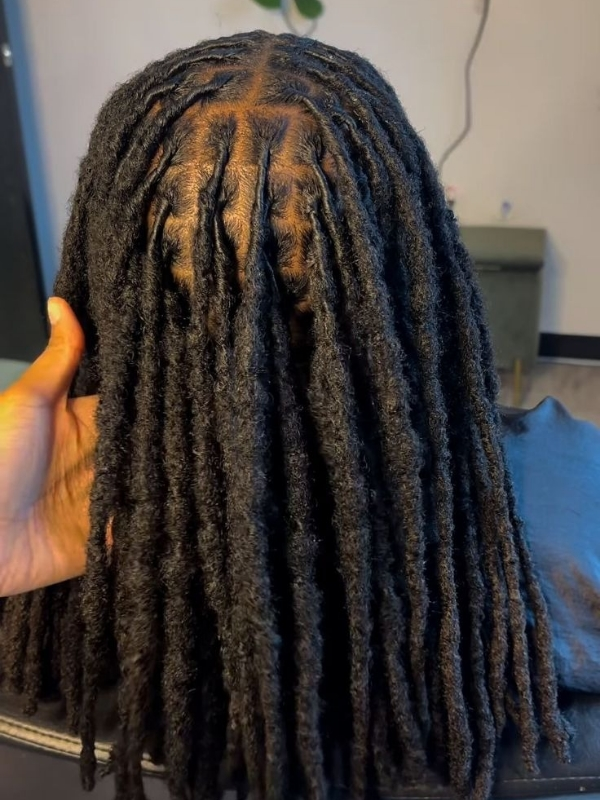
Using the wrong oil can leave your locs feeling heavy, dry, or irritated instead of healthy and moisturized. Paying attention to how your hair and scalp react can help you choose oils that work better for your locs.
1. Your Locs Feel Greasy All the Time
If your locs still feel oily hours after application, the oil may be too heavy for your hair type. Heavy oils can sit on the surface of your locs instead of absorbing properly.
2. You Notice Excess Product Buildup
White residue or waxy buildup is a common sign that an oil is not working well for your locs. Buildup can make your locs look dull and may be difficult to remove.
4. Your Scalp Feels Itchy or Irritated
An itchy, burning, or irritated scalp may indicate that you are sensitive to a particular oil or using too much of it. Your scalp should feel comfortable and nourished after oiling.
5. Your Locs Feel Heavy and Limp
Healthy locs should feel moisturized but not weighed down. If your locs feel unusually heavy or sticky, consider switching to a lighter oil.
6. Lint Easily Sticks to Your Locs
Excess oil can attract dust, lint, and dirt, especially if your locs are frequently exposed to clothing and fabrics. This can make your locs appear less clean.
7. Your Locs Still Feel Dry
If your locs remain dry and brittle even after applying oil, the oil may not be suitable for your hair’s needs. In many cases, your locs may need water-based moisture before oil is applied.
8. You Experience More Flakes on Your Scalp
If you notice increased flaking after using an oil, it could be causing scalp irritation or buildup. Healthy oils should help keep your scalp balanced, not worsen dryness or flaking.
The right oil should leave your locs feeling soft, moisturized, and comfortable. If you notice any of these signs, try using a lighter oil, applying less product, or switching to an oil that better suits your scalp and loc needs.
Water vs Oil for Locs. Which One Moisturizes Better?
Many people think oil moisturizes locs, but water is actually the main source of moisture. Understanding the difference between water and oil can help you keep your locs healthy and prevent dryness.
Water Hydrates Your Locs
Water penetrates the hair strands and provides the moisture your locs need. Regularly misting your locs with water or using a water-based leave-in spray can help keep them soft and hydrated.
Oil Helps Seal in Moisture
Oil does not add moisture to dry locs on its own. Instead, it acts as a sealant by helping to lock in the moisture that water provides. Applying oil to dry locs may leave them feeling greasy without truly hydrating them.
The Best Way to Moisturize Locs
For healthy, moisturized locs, follow these simple steps:
- Lightly mist your locs with water or a water-based moisturizing spray.
- Apply a small amount of oil to help seal in the moisture.
- Focus on the scalp and the length of your locs without over-applying oil.
Which Is Better for Dry Locs?
If your locs are dry, water should always come first. Oil works best when used after your hair has been hydrated. Using both together can help keep your locs soft, moisturized, and less prone to breakage and buildup.
The best approach is not choosing water or oil. Healthy locs need both. Water hydrates your locs, and oil helps retain that moisture for longer-lasting softness and shine.
Common Mistakes to Avoid When Using Oils for Locs
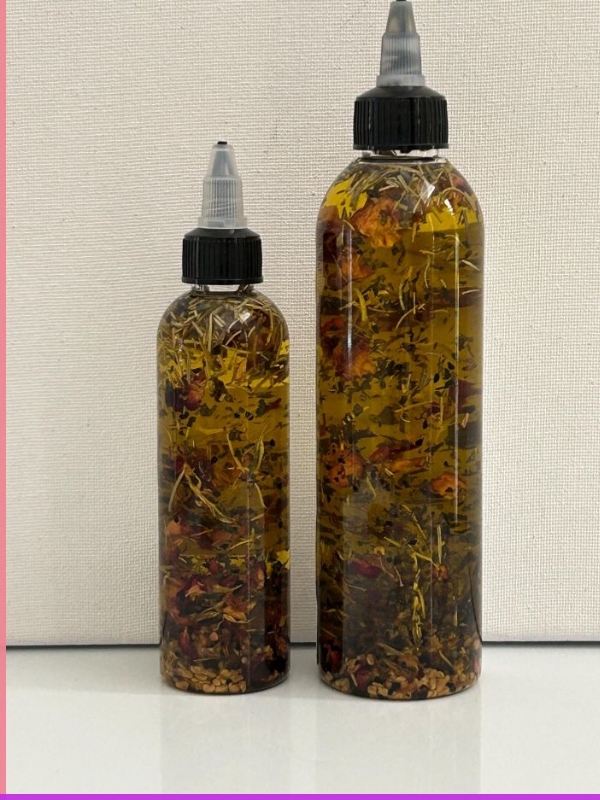
Using too much oil
Applying excess oil can weigh locs down and cause buildup.
- Use small amounts only
- Focus on scalp and dry areas
- Avoid daily heavy application
Using the wrong type of oil
Not all oils work well for locs.
- Avoid very heavy oils for daily use
- Choose lightweight oils for regular moisture
- Match oil to your hair needs
Ignoring scalp buildup
Skipping scalp care can lead to residue and itchiness.
- Clean scalp regularly
- Avoid layering too many products
- Use clarifying wash when needed
See the best way to remove buildup in Locs
Frequently Asked Questions
What is the best oil for locs?
Jojoba oil is one of the best oils for locs because it closely resembles the scalp’s natural oil, absorbs easily, and helps moisturize without leaving heavy buildup.
How often should I oil my locs?
Most people only need to oil their scalp one to three times a week, depending on how dry it is. Applying too much oil can lead to buildup.
Can I apply oil every day?
Daily oiling is usually unnecessary. It’s better to moisturize your locs with water or a water-based spray first, then use a small amount of oil to help seal in that moisture.
Which oil is best for dry locs?
Coconut oil, olive oil, sweet almond oil, and jojoba oil are excellent choices for dry locs because they help reduce dryness and improve softness.
Which oils should I avoid?
Very heavy oils and butter-based products can leave residue inside locs if used too often. Apply rich oils sparingly and wash your locs regularly to help prevent buildup.
Can essential oils be used directly on locs?
No. Essential oils such as tea tree, peppermint, and rosemary should always be diluted with a carrier oil before they are applied to the scalp to reduce the risk of irritation.
Should I oil my scalp or my locs?
Focus mainly on your scalp and use only a light amount on your locs if they feel dry. This helps reduce buildup while keeping your hair moisturized.
What should I apply before oil?
Spray your scalp and locs with water or a water-based moisturizer first. Then apply a small amount of oil to help lock in the moisture and keep your locs hydrated for longer.
Conclusion
Healthy locs need the right balance of moisture and care. Using the best oils for locs helps keep your hair soft, strong, and well nourished without dryness or breakage.
Choosing the right oil, applying it correctly, and avoiding buildup can help your locs stay healthy and beautiful over time.

One thought on “10 Best Oils for Locs to Keep Your Hair Healthy and Moisturized”