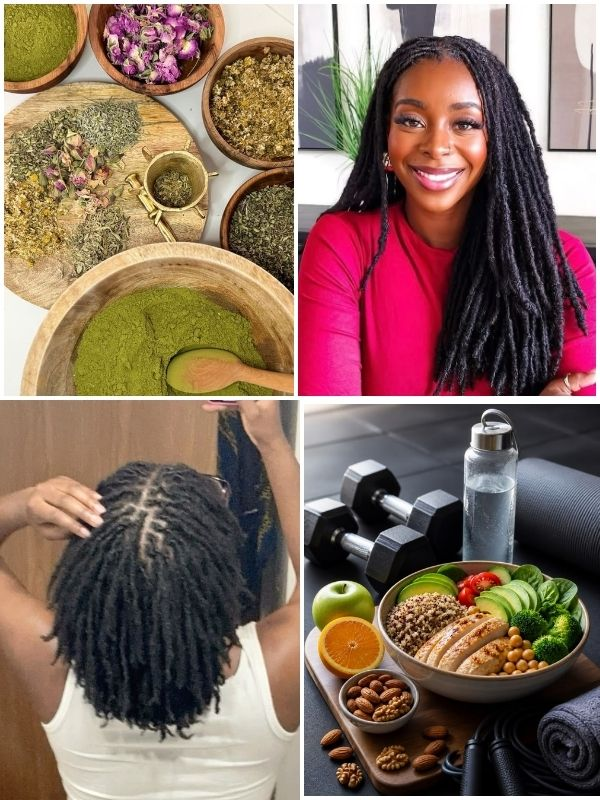
How to grow your locs faster and naturally is a question almost everyone with locs asks at some point. If you’ve just started your loc journey or you’ve had locs for years, it’s easy to feel impatient when your hair doesn’t seem to be getting longer. You may even wonder if you’re doing something wrong or if there’s a secret to speeding up the process.
The truth is, healthy loc growth takes time, but there are natural ways to support faster growth and, more importantly, help you retain the length you already have. A healthy scalp, a consistent hair care routine, proper nutrition, and the right products all play important roles in growing strong, beautiful locs.
Preventing breakage, keeping your locs moisturised, and protecting them from everyday damage are just as important as encouraging new hair growth. When your locs stay healthy and strong, you’ll notice better length retention, which makes your locs appear to grow faster over time.
In this guide, you’ll learn how to grow your locs faster and naturally with proven tips that actually work. We’ll cover the best hair care practices, natural oils, home remedies, foods that support healthy hair growth, and common mistakes to avoid so you can enjoy longer, thicker, and healthier locs with confidence.
See the best way to maintain your locs without a loctician
How Fast Do Locs Grow?

One of the most common questions people ask during their loc journey is, “How fast do locs grow?” The answer is that locs grow at the same rate as loose natural hair. On average, most people’s hair grows about ½ inch (1.25 cm) per month, or roughly 6 inches (15 cm) per year. However, your actual growth rate can vary depending on factors like genetics, age, overall health, and how well you care for your hair and scalp.
If your locs don’t seem to be getting longer, it doesn’t always mean your hair isn’t growing. In many cases, the problem is length retention, not hair growth. Breakage, dryness, over-manipulation, and poor hair care habits can prevent you from seeing the progress you’re making.
Average Monthly Hair Growth
Healthy hair typically grows between ¼ inch and ½ inch each month, although some people may experience slightly faster or slower growth.
During the early stages of your loc journey, your locs may seem shorter instead of longer. This happens because they are tightening, shrinking, and becoming more compact as they mature. Although your hair is still growing from the scalp, the shrinking process can make it difficult to notice new length.
As your locs mature, you’ll begin to see more noticeable length with time.
Why Everyone’s Growth Rate Is Different
No two people experience loc growth in the same way. Several factors influence how quickly your locs grow, including:
- Genetics and natural hair growth cycle.
- Age.
- Hormonal changes.
- Diet and nutrition.
- Hydration.
- Scalp health.
- Stress levels.
- Sleep quality.
- Overall health.
- Hair care routine.
While you can’t change your genetics, you can improve many of the other factors by maintaining a healthy lifestyle and caring for your locs consistently.
Growth vs. Length Retention
One of the biggest misconceptions is thinking your locs have stopped growing. In reality, most people are growing new hair every month, but frequent breakage prevents them from seeing the added length.
Healthy length retention means protecting your locs so the hair that grows stays attached instead of breaking off.
To improve length retention:
- Keep your locs moisturised.
- Avoid retwisting too often.
- Protect your locs with a satin or silk bonnet while sleeping.
- Limit tight hairstyles that put stress on your roots.
- Wash your scalp regularly to keep it healthy.
- Eat a balanced diet rich in protein, vitamins, and minerals.
- Handle your locs gently during styling and maintenance.
Remember, no miracle product can make your locs grow overnight. The fastest way to achieve longer locs is by supporting healthy hair growth at the scalp while preventing breakage along the length of your hair. With patience, consistency, and proper care, your locs will continue to grow stronger, healthier, and longer over time.
Get your thinning locs fixed the right way
What Affects Locs Growth
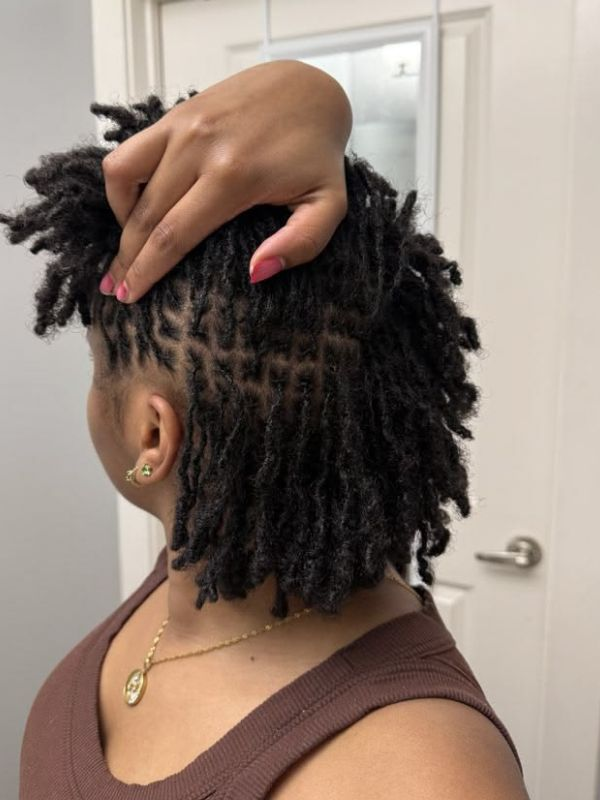
Many people assume that using a certain oil or hair product is the key to growing longer locs. While the right products can help keep your hair healthy, several factors work together to determine how quickly your locs grow and how much length you retain. Understanding these factors can help you build a routine that supports healthy, natural loc growth.
1. Genetics
Genetics play a major role in how fast your hair grows. Some people naturally have a faster hair growth cycle, while others grow hair more slowly. Your genes also influence the thickness, texture, and density of your hair.
Although you can’t change your genetics, you can create the best conditions for healthy hair growth by taking good care of your scalp and locs.
2. Age
Hair growth tends to change as you get older. Younger people often experience faster hair growth because their hair follicles are more active. As you age, hair growth may gradually slow down, and your hair may become finer.
Regardless of your age, maintaining healthy hair care habits can help maximise your natural growth potential.
3. Diet and Nutrition
Your hair needs nutrients to grow strong and healthy. A poor diet can lead to weak, dry hair that breaks easily, making your locs appear to grow more slowly.
Focus on eating foods rich in
- Protein.
- Iron.
- Zinc.
- Biotin.
- Vitamin D.
- Vitamin C.
- Omega-3 fatty acids.
A balanced diet supports both scalp health and stronger hair growth.
4. Hydration
Dry hair is more likely to become brittle and break. Drinking enough water helps keep your body hydrated, while moisturising your locs helps prevent dryness and improve length retention.
To keep your locs healthy.
- Drink plenty of water every day.
- Moisturise your locs regularly.
- Seal in moisture with lightweight natural oils when needed.
Healthy hydration supports stronger, more flexible locs.
5. Scalp Health
Healthy locs start with a healthy scalp. If your scalp is clogged with product buildup, excess oil, or flakes, your hair follicles may not function at their best.
Maintain a healthy scalp by
- Washing your locs regularly.
- Gently massaging your scalp.
- Avoiding excessive product buildup.
- Treating dandruff or scalp irritation promptly.
A clean scalp creates a better environment for healthy hair growth.
6. Hair Care Routine
Your daily and weekly hair care habits affect your loc journey.
A healthy routine includes
- Washing your scalp regularly.
- Moisturising your locs.
- Protecting your hair while sleeping.
- Using lightweight products.
- Retwisting only when necessary.
- Handling your locs gently.
Consistency is much more effective than constantly trying new products.
7. Stress and Sleep
Chronic stress can affect your overall health, including your hair. High stress levels may contribute to increased hair shedding in some people. Likewise, poor sleep can interfere with your body’s natural repair processes.
Support healthy hair by
- Managing stress through relaxation or exercise.
- Getting enough quality sleep each night.
- Taking breaks when life becomes overwhelming.
Healthy habits benefit both your body and your hair.
8. Over-Manipulation
Constantly styling, twisting, pulling, or playing with your locs can weaken the hair and lead to breakage, especially around the roots.
Avoid
- Frequent retwists.
- Tight ponytails.
- Heavy extensions.
- Constant touching or pulling.
Giving your locs time to rest helps protect them from unnecessary damage.
9. Product Buildup
Using heavy creams, waxes, and gels can cause buildup inside your locs. Over time, this buildup can make your locs feel heavy, trap dirt, and make it harder to keep your scalp healthy.
Instead
- Choose lightweight, water-based products.
- Clarify your locs occasionally if recommended for your hair type.
- Avoid using more product than necessary.
Clean locs are easier to maintain and healthier over time.
10. Consistency and Patience
One of the biggest factors affecting loc growth is consistency. Healthy locs don’t grow overnight, and switching products every few weeks won’t speed up the process.
Stick to a simple routine that includes
- Regular cleansing.
- Moisturizing.
- Scalp care.
- Healthy eating.
- Protective nighttime care.
Small, consistent habits over months will produce much better results than searching for quick fixes.
Growing long, healthy locs is about more than finding the perfect product. Your genetics, lifestyle, scalp health, diet, and daily hair care routine all play important roles. By focusing on these factors and staying consistent, you can create the ideal conditions for stronger, healthier locs that retain their length and continue to thrive.
See how to get your locs detoxified the right way
Can You Really Make Locs Grow Faster?
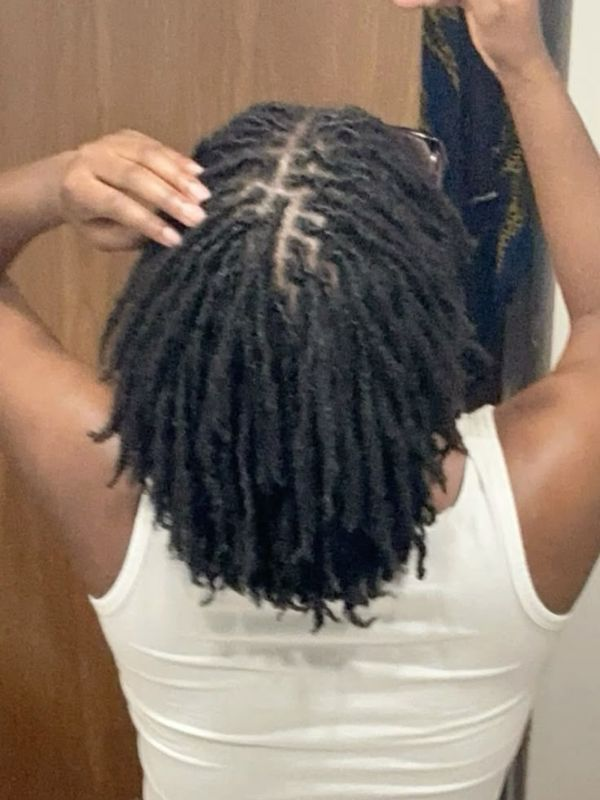
If you’re hoping for a miracle product that will make your locs grow several inches in a few weeks, it doesn’t exist. Your hair grows according to its natural growth cycle, which is largely influenced by genetics, age, and overall health. However, that doesn’t mean you’re powerless.
While you can’t dramatically speed up your natural hair growth rate, you can create the best possible conditions for healthy growth and improve length retention. In other words, you can help your locs grow to their full potential by reducing breakage, keeping your scalp healthy, and following a consistent hair care routine.
1. The Truth About Hair Growth
Hair grows from the follicles beneath your scalp, not from the loc itself. On average, most people grow about ½ inch of hair each month. This growth happens whether your hair is loose or in locs.
If your locs seem to have stopped growing, it’s often because
- Your locs are breaking faster than they’re growing.
- Your locs are shrinking as they mature.
- You’re not noticing gradual growth.
- Your hair care routine needs improvement.
Healthy locs require patience because visible length takes time.
2. What You Can Actually Control
Although you can’t change your genetics, there are many things you can do to support healthier, stronger loc growth.
Focus on these healthy habits:
- Keep your scalp clean to support healthy hair follicles.
- Moisturise your locs regularly to prevent dryness.
- Massage your scalp to improve circulation.
- Eat a balanced diet rich in protein, vitamins, and minerals.
- Drink enough water every day.
- Protect your locs with a satin or silk bonnet while sleeping.
- Avoid retwisting too often.
- Handle your locs gently to reduce breakage.
- Manage stress and get enough sleep.
These habits won’t magically speed up your hair growth, but they can help you retain more of the hair you grow.
3. Common Myths About Fast Loc Growth
There are many myths about growing locs faster, and believing them can lead to frustration or unhealthy hair practices.
Here are a few common misconceptions:
Myth 1: Retwisting more often makes locs grow faster.
Retwisting only styles your new growth. It does not increase your hair growth rate. In fact, retwisting too frequently can weaken your roots and lead to thinning or breakage.
Myth 2: Using large amounts of oil makes hair grow faster.
Oils help moisturise and protect your hair, but they don’t force your hair follicles to grow more quickly. Applying too much oil can also lead to product buildup.
Myth 3: Expensive products guarantee faster growth.
Price doesn’t determine effectiveness. A simple, consistent routine with quality products that suit your hair is often more beneficial than buying expensive treatments.
Myth 4: Never washing your locs helps them grow faster.
A clean scalp is healthier than one covered with dirt, sweat, and product buildup. Washing your locs regularly supports a healthy environment for hair growth.
Myth 5: Hair growth supplements are always necessary.
Most people can support healthy hair through a balanced diet. Supplements may be helpful in some situations, but they’re not a guaranteed solution for faster loc growth.
The goal shouldn’t be to force your locs to grow faster but to help them grow healthier and stronger. By caring for your scalp, protecting your locs from damage, and staying consistent with your routine, you’ll give your hair the best chance to reach its natural growth potential. Over time, those healthy habits can lead to longer, fuller, and more resilient locs.
See the best locs oil for your locs stage
How to Grow Your Locs Faster and Naturally

Growing long, healthy locs doesn’t happen overnight, but the right habits can help you maximise your natural hair growth and retain more length. The secret isn’t finding a miracle product—it’s following a consistent routine that keeps your scalp healthy, your locs moisturised, and breakage to a minimum.
If you’re wondering how to grow your locs faster and naturally, these proven tips can help you achieve stronger, healthier locs over time.
1. Keep Your Scalp Clean
Healthy loc growth starts with a healthy scalp. Dirt, sweat, excess oil, and product buildup can clog hair follicles and create an unhealthy environment for hair growth.
To maintain a healthy scalp:
- Wash your locs regularly with a residue-free shampoo.
- Massage your scalp while shampooing to remove buildup.
- Rinse thoroughly to prevent product residue.
- Allow your locs to dry completely after washing.
A clean scalp supports stronger, healthier hair from the roots.
2. Moisturise Your Locs Regularly
Dry locs are more likely to become brittle and break, making it harder to retain length.
Keep your locs hydrated by:
- Spraying them with water or a water-based moisturiser.
- Using aloe vera juice or rose water as a light refresher.
- Applying lightweight natural oils to seal in moisture.
- Moisturising more often during dry or cold weather.
Well-moisturised locs stay soft, flexible, and less prone to breakage.
3. Massage Your Scalp
Scalp massages can help improve blood circulation around your hair follicles, which supports healthy hair growth.
For the best results:
- Massage your scalp for 5 to 10 minutes several times a week.
- Use your fingertips instead of your nails.
- Add a few drops of rosemary or peppermint oil mixed with a carrier oil if desired.
- Be gentle to avoid irritating your scalp.
Regular scalp massages are a simple addition to any loc care routine.
4. Protect Your Locs While Sleeping
Cotton pillowcases absorb moisture and create friction that can weaken your locs over time.
Protect your hair by:
- Sleeping with a satin or silk bonnet.
- Using a satin or silk scarf.
- Sleeping on a satin pillowcase.
- Loosely tying long locs before bed.
Nighttime protection helps reduce dryness, frizz, and unnecessary breakage.
5. Eat a Protein-Rich Diet
Hair is primarily made of a protein called keratin, so eating enough protein supports healthy hair growth.
Include foods such as:
- Eggs.
- Chicken.
- Fish.
- Beans.
- Lentils.
- Greek yoghurt.
- Lean beef.
- Nuts and seeds.
A balanced diet provides your hair with the nutrients it needs to grow strong.
6. Drink Plenty of Water
Hydration plays an important role in keeping both your body and your hair healthy.
Try to:
- Drink enough water throughout the day.
- Eat water-rich fruits and vegetables.
- Avoid becoming dehydrated, especially in hot weather.
Proper hydration helps maintain healthy hair and scalp.
7. Avoid Retwisting Too Often
Frequent retwisting may make your locs look neat, but it doesn’t make them grow faster. In fact, over-retwisting can weaken your roots and lead to thinning.
For healthier locs:
- Retwist only when necessary.
- Avoid excessive tension.
- Let your new growth develop naturally between maintenance sessions.
- Visit an experienced loctician if you’re unsure how often to retwist.
Giving your roots time to rest helps protect them from damage.
8. Reduce Heat and Chemical Damage
Although locs don’t require frequent heat styling, excessive heat or harsh chemical treatments can weaken the hair shaft.
Protect your locs by:
- Limiting the use of blow dryers on high heat.
- Avoiding unnecessary chemical processing.
- Using heat protectant products when applying heat.
- Letting your locs air dry whenever possible.
Healthy hair is less likely to break and retains length better.
9. Exercise Regularly
Regular physical activity improves blood circulation throughout your body, including your scalp.
Exercise also helps:
- Reduce stress.
- Improve overall health.
- Support healthy circulation.
- Promote better sleep.
Remember to cleanse your scalp regularly if you sweat frequently during workouts.
10. Be Consistent With Your Hair Care Routine
Consistency is one of the biggest factors in successful loc growth. Healthy habits repeated over time produce better results than constantly switching products or trying every new trend.
A simple routine might include:
- Washing your locs regularly.
- Moisturising several times a week.
- Massaging your scalp.
- Protecting your locs at night.
- Eating a balanced diet.
- Staying hydrated.
- Scheduling maintenance when needed.
Healthy loc growth is a journey, not a race.
11. Protect Your Locs From Everyday Damage
Daily habits can either help or hurt your loc growth.
Reduce unnecessary damage by:
- Avoiding tight ponytails and heavy styles.
- Limiting constant touching or twisting.
- Wearing a hat or scarf in harsh weather.
- Being gentle when styling your locs.
Small changes in your daily routine can make a big difference over time.
12. Be Patient and Focus on Length Retention
Many people become discouraged because they expect instant results. Remember that your hair is growing even if you don’t immediately notice the length.
Take progress photos every few months instead of checking your locs every day. Celebrate healthier, stronger locs, not just longer ones. When you focus on preventing breakage and maintaining healthy hair, you’ll naturally retain more length and enjoy steady progress throughout your loc journey.
Growing your locs faster and naturally isn’t about shortcuts—it’s about creating the right conditions for healthy hair growth. By caring for your scalp, keeping your locs moisturised, eating nutritious foods, and following a consistent routine, you can maximise your natural growth and enjoy long, strong, beautiful locs for years to come.
See 20 ways to style your starter locs
Best Homemade Treatments for Healthy Loc Growth
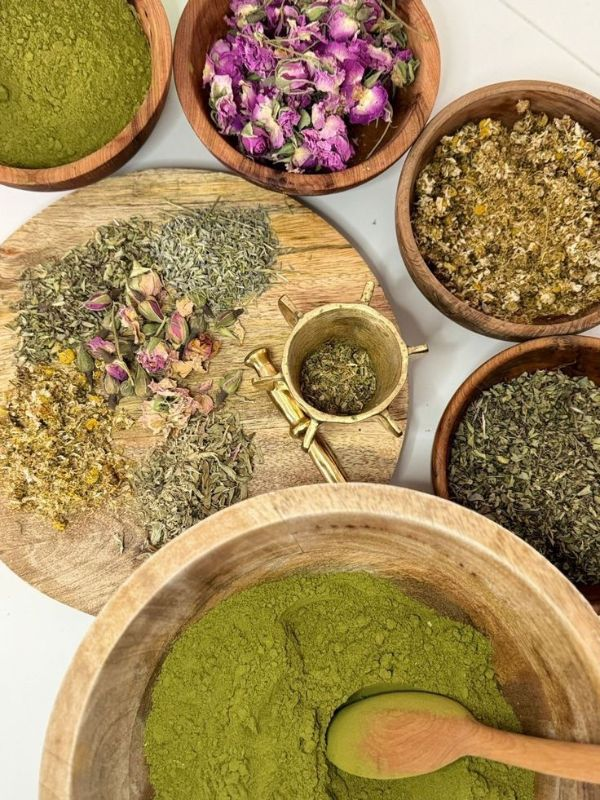
If you prefer natural hair care, homemade treatments can be a great addition to your loc care routine. While no DIY treatment can magically make your locs grow overnight, some natural ingredients may help support a healthy scalp, reduce dryness, strengthen your hair, and improve length retention. Healthy locs are less likely to break, allowing you to see steady growth over time.
Before trying any homemade treatment, do a patch test on a small area of your skin to make sure you don’t have a reaction.
1. Aloe Vera Gel
Aloe vera is one of the most popular natural remedies for hair care because it helps soothe the scalp and provides lightweight moisture without causing heavy buildup.
Benefits of aloe vera include:
- Helps calm an itchy or irritated scalp.
- Adds moisture to dry locs.
- Reduces flaking.
- Leaves locs feeling softer.
- Helps maintain a healthy scalp environment.
How to use it:
- Apply pure aloe vera gel directly to your scalp.
- Gently massage for 5 minutes.
- Leave it on for 20 to 30 minutes before rinsing, or use a small amount as a leave-in scalp treatment if it doesn’t leave residue.
2. Rosemary Water
Rosemary has become a favourite ingredient in natural hair care because it may help support scalp health and healthy hair growth.
Benefits include:
- Refreshes the scalp.
- Helps reduce dryness.
- May improve circulation when combined with scalp massage.
- Leaves the scalp feeling clean.
How to make it:
- Boil fresh or dried rosemary leaves in water for 15 to 20 minutes.
- Allow the mixture to cool completely.
- Strain the liquid into a spray bottle.
- Spray lightly onto your scalp two to four times a week.
3. Rice Water Rinse
Rice water contains amino acids and vitamins that may help strengthen hair and reduce breakage.
Potential benefits include:
- Strengthens fragile hair.
- Improves hair elasticity.
- May reduce breakage.
- Supports healthier-looking locs.
How to use it:
- Soak uncooked rice in clean water for about 30 minutes.
- Strain the liquid.
- Apply the rice water to your scalp and locs after shampooing.
- Leave it on for 10 to 15 minutes before rinsing thoroughly.
Use rice water in moderation, such as once or twice a month, to avoid making your hair feel stiff.
4. Fenugreek Water
Fenugreek seeds are rich in nutrients that are often used in natural hair care routines.
Benefits include:
- Helps moisturise the scalp.
- Supports healthier-looking hair.
- May reduce dryness.
- Helps soften new growth.
How to prepare it:
- Soak fenugreek seeds overnight.
- Blend or strain the water.
- Pour it into a spray bottle.
- Apply to your scalp and rinse after 20 to 30 minutes.
5. DIY Herbal Hair Spray
A homemade herbal spray can keep your locs refreshed between wash days.
You can combine:
- Distilled water.
- Aloe vera juice.
- Rosemary water.
- Rose water.
Shake well before each use and lightly mist your locs whenever they feel dry.
6. Hot Oil Treatment
A hot oil treatment helps nourish dry locs and moisturise the scalp.
Good oils include:
- Jojoba oil.
- Coconut oil.
- Olive oil.
- Grapeseed oil.
- Sweet almond oil.
How to use it:
- Warm the oil slightly until it’s comfortably warm, not hot.
- Massage it into your scalp.
- Apply a light amount to your locs.
- Cover with a shower cap for 20 to 30 minutes.
- Shampoo if needed to remove excess oil.
Use this treatment once or twice a month.
7. Coconut Milk Hair Treatment
Coconut milk contains healthy fats and nutrients that can help moisturise dry hair.
Benefits include:
- Adds softness.
- Helps reduce dryness.
- Improves manageability.
- Supports healthier-looking locs.
Apply fresh coconut milk to your scalp and locs, leave it on for about 20 minutes, then rinse thoroughly.
8. Green Tea Rinse
Green tea is rich in antioxidants that may help support a healthy scalp.
Benefits include:
- Refreshes the scalp.
- Helps reduce excess oil.
- Supports overall scalp health.
- Leaves hair feeling clean.
Brew green tea, let it cool, then use it as a final rinse after washing your locs.
9. Honey and Aloe Vera Moisture Treatment
Honey is a natural humectant, meaning it helps attract and retain moisture.
Mix:
- 2 tablespoons of pure aloe vera gel.
- 1 teaspoon of honey.
Apply the mixture to your scalp and locs for 15 to 20 minutes, then rinse thoroughly. This treatment is especially helpful for dry locs.
10. Rosemary and Peppermint Scalp Oil Blend
Combining essential oils with a carrier oil creates a lightweight scalp treatment.
Mix:
- 2 tablespoons of jojoba oil or grapeseed oil.
- 3 drops of rosemary essential oil.
- 2 drops of peppermint essential oil.
Massage a small amount into your scalp two or three times a week. Avoid using essential oils directly on the skin without diluting them in a carrier oil.
Homemade treatments work best when they’re part of a consistent hair care routine. Pair these natural remedies with regular cleansing, proper moisturising, a balanced diet, and protective nighttime care. While results take time, healthy habits can help you grow stronger, healthier locs and improve length retention naturally.
See the best way to remove lint in locs to avoid hair damage
Foods That Support Healthy Loc Growth
What you eat plays a major role in the health of your locs. Since hair is made mostly of protein, your body needs the right nutrients to produce strong, healthy strands. A diet lacking essential vitamins and minerals can lead to dry, brittle hair that breaks easily, making it harder to retain length.
While no food can make your locs grow overnight, eating a balanced diet rich in nutrients can support healthy hair growth from the inside out. Pairing good nutrition with a consistent loc care routine gives your hair the best chance to thrive.
1. Protein-Rich Foods
Protein is the building block of hair. Without enough protein, your hair may become weak and more prone to breakage.
Excellent sources of protein include:
- Eggs.
- Chicken.
- Turkey.
- Fish.
- Lean beef.
- Greek yoghurt.
- Cottage cheese.
- Beans.
- Lentils.
- Tofu.
- Tempeh.
Aim to include a source of protein in every meal to support healthy hair growth.
2. Iron-Rich Foods
Iron helps red blood cells carry oxygen throughout your body, including to your hair follicles. Low iron levels can contribute to increased hair shedding in some people.
Iron-rich foods include:
- Spinach.
- Kale.
- Lean red meat.
- Liver.
- Lentils.
- Black beans.
- Chickpeas.
- Pumpkin seeds.
- Fortified cereals.
Pair plant-based sources of iron with foods rich in vitamin C to improve iron absorption.
3. Omega-3 Fatty Acids
Omega-3 fatty acids help nourish the scalp and support healthy-looking hair.
Good sources include:
- Salmon.
- Sardines.
- Mackerel.
- Chia seeds.
- Flaxseeds.
- Walnuts.
Including these healthy fats in your diet may also help reduce scalp dryness.
4. Vitamin C-Rich Foods
Vitamin C supports collagen production, which helps strengthen hair. It also improves your body’s ability to absorb iron.
Foods high in vitamin C include:
- Oranges.
- Strawberries.
- Kiwi.
- Pineapple.
- Mangoes.
- Bell peppers.
- Broccoli.
- Tomatoes.
Fresh fruits and vegetables are excellent additions to a hair-friendly diet.
5. Biotin-Rich Foods
Biotin is a B vitamin that helps your body produce keratin, the protein that makes up your hair.
Natural sources of biotin include:
- Eggs.
- Almonds.
- Walnuts.
- Peanuts.
- Sweet potatoes.
- Mushrooms.
- Sunflower seeds.
- Avocados.
Most people can get enough biotin through a balanced diet without needing supplements.
6. Zinc-Rich Foods
Zinc supports healthy hair tissue and helps maintain your scalp.
Foods rich in zinc include:
- Beef.
- Pumpkin seeds.
- Cashews.
- Chickpeas.
- Oats.
- Shellfish.
- Yogurt.
A zinc deficiency may contribute to hair thinning in some individuals.
7. Vitamin D Foods
Vitamin D supports many body functions, including healthy hair follicles.
Foods containing vitamin D include:
- Fatty fish.
- Egg yolks.
- Fortified milk.
- Fortified cereals.
- Mushrooms exposed to sunlight.
Your body also produces vitamin D when your skin is exposed to sunlight.
8. Healthy Fruits and Vegetables
Colourful fruits and vegetables provide antioxidants that help protect your hair from damage caused by free radicals.
Try to eat a variety of:
- Carrots.
- Sweet potatoes.
- Blueberries.
- Apples.
- Grapes.
- Cucumber.
- Leafy greens.
- Beets.
The more colourful your plate, the wider the range of nutrients you’ll receive.
9. Stay Hydrated
Water is just as important as food when it comes to healthy locs. Dehydration can leave your hair dry, brittle, and more likely to break.
To stay hydrated:
- Drink water consistently throughout the day.
- Eat water-rich foods like watermelon, cucumbers, oranges, and strawberries.
- Increase your water intake during hot weather or after exercise.
Healthy hydration supports both your scalp and your hair.
10. Limit Foods That Can Affect Hair Health
Some foods may not directly stop hair growth, but eating them too often can make it harder to maintain overall health.
Try to limit:
- Sugary drinks.
- Highly processed snacks.
- Fast food.
- Foods high in trans fats.
- Excessive alcohol.
Instead, focus on eating balanced meals that provide the nutrients your body needs.
Healthy loc growth starts from within. While oils and hair products help care for your locs on the outside, a nutritious diet provides the building blocks your hair needs to grow stronger and retain length. By eating plenty of protein, fruits, vegetables, healthy fats, and staying hydrated, you’ll support healthier locs and create the best conditions for long-term natural hair growth.
See how to keep your locs moisturised
Daily Habits That Help Locs Grow Longer
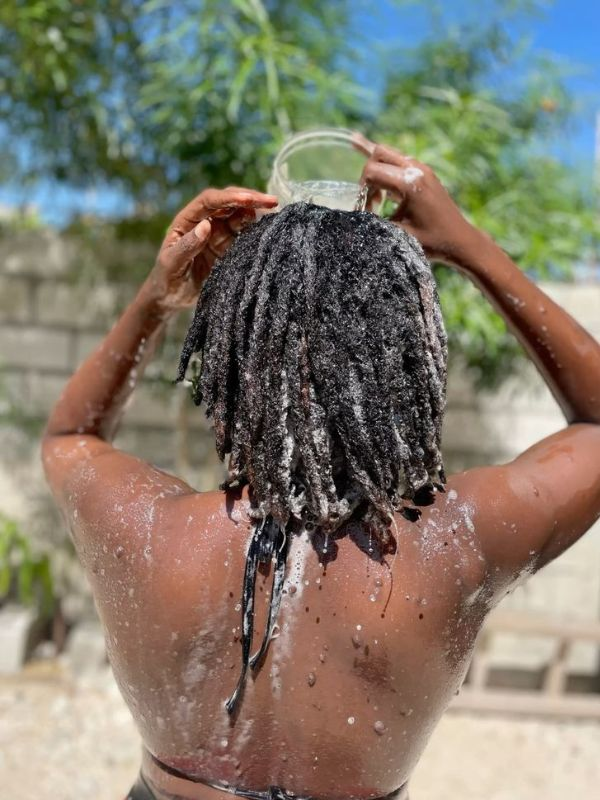
Your everyday habits have a big impact on the health of your hair. Small actions, like keeping your scalp clean, protecting your locs while you sleep, and avoiding unnecessary breakage, can make a noticeable difference over time.
If you want longer, healthier locs, focus on building these simple daily habits into your routine.
1. Moisturise Your Locs Daily or as Needed
Dry locs are more likely to become brittle and break. Keeping your locs properly moisturised helps improve flexibility and reduces damage.
To keep your locs hydrated:
- Lightly mist them with water.
- Use a water-based leave-in spray.
- Refresh with rose water or aloe vera juice.
- Seal in moisture with a lightweight natural oil if needed.
Avoid overusing heavy creams or waxes that can cause product buildup.
2. Massage Your Scalp
A gentle scalp massage can help improve blood circulation, which supports healthy hair follicles.
For the best results:
- Massage your scalp for 5 to 10 minutes.
- Use your fingertips instead of your nails.
- Apply a diluted rosemary or peppermint oil blend if desired.
- Be gentle to avoid irritating the scalp.
This relaxing habit can easily become part of your daily routine.
3. Drink Enough Water
Healthy hair starts from within. Staying hydrated helps keep both your scalp and hair in better condition.
Make it a habit to:
- Drink water throughout the day.
- Eat fruits and vegetables with high water content.
- Increase your water intake during hot weather or after exercise.
Well-hydrated hair is less likely to become dry and fragile.
4. Eat Hair-Healthy Foods
Your body needs nutrients every day to grow strong, healthy hair.
Try to include foods rich in:
- Protein.
- Iron.
- Zinc.
- Omega-3 fatty acids.
- Vitamin C.
- Biotin.
A balanced diet helps nourish your hair from the inside out.
5. Protect Your Locs While Sleeping
Nighttime friction from cotton pillowcases can cause dryness, frizz, and breakage.
Protect your locs by:
- Wearing a satin or silk bonnet.
- Wrapping your hair with a satin or silk scarf.
- Sleeping on a satin pillowcase.
- Loosely tying long locs before bed.
This simple habit helps preserve moisture and reduce unnecessary damage.
6. Avoid Constantly Touching Your Locs
Playing with your locs throughout the day may seem harmless, but frequent pulling, twisting, or rubbing can weaken the hair over time.
Instead:
- Avoid unnecessary touching.
- Don’t pull at new growth.
- Let your locs rest between styling sessions.
Less manipulation helps reduce breakage.
7. Handle Your Locs Gently
Your locs are strongest when handled with care.
Make gentle hair care a habit by:
- Separating new growth carefully after washing if needed.
- Avoiding rough towel drying.
- Patting your locs dry with a microfiber towel or soft cotton T-shirt.
- Being gentle during styling.
Gentle handling helps preserve length.
8. Avoid Tight Hairstyles Every Day
Constant tension on your roots can lead to thinning and breakage.
Instead of wearing tight styles every day:
- Alternate between loose and protective styles.
- Give your scalp time to rest.
- Avoid heavy accessories that pull on your locs.
Healthy roots are essential for healthy loc growth.
9. Keep Your Scalp Clean
A healthy scalp creates the best environment for growing healthy locs.
Maintain scalp health by:
- Washing your locs on a regular schedule.
- Removing sweat after workouts.
- Avoiding excessive product buildup.
- Keeping your scalp free from flakes and irritation.
Clean hair follicles are better able to support healthy growth.
10. Manage Stress and Get Enough Sleep
Your overall health affects your hair. Chronic stress and poor sleep may contribute to increased hair shedding in some people.
Support healthy hair by:
- Getting enough sleep each night.
- Exercising regularly.
- Practising relaxation techniques.
- Taking time to rest when you’re feeling overwhelmed.
Healthy habits benefit both your body and your locs.
11. Protect Your Locs From the Environment
Sun, wind, dust, and cold weather can dry out your locs over time.
Protect them by:
- Wearing a hat or scarf in harsh weather.
- Covering your locs during outdoor activities.
- Moisturising after spending long periods in the sun.
This helps reduce moisture loss and environmental damage.
12. Stay Consistent With Your Routine
Healthy loc growth doesn’t come from doing one treatment occasionally. It comes from following good habits consistently.
Create a routine you can stick with by:
- Cleansing your scalp regularly.
- Moisturising your locs.
- Eating nutritious foods.
- Drinking plenty of water.
- Protecting your hair at night.
- Scheduling regular maintenance.
Consistency is the key to long, healthy locs.
Hair Care Routine For Faster Loc Growth
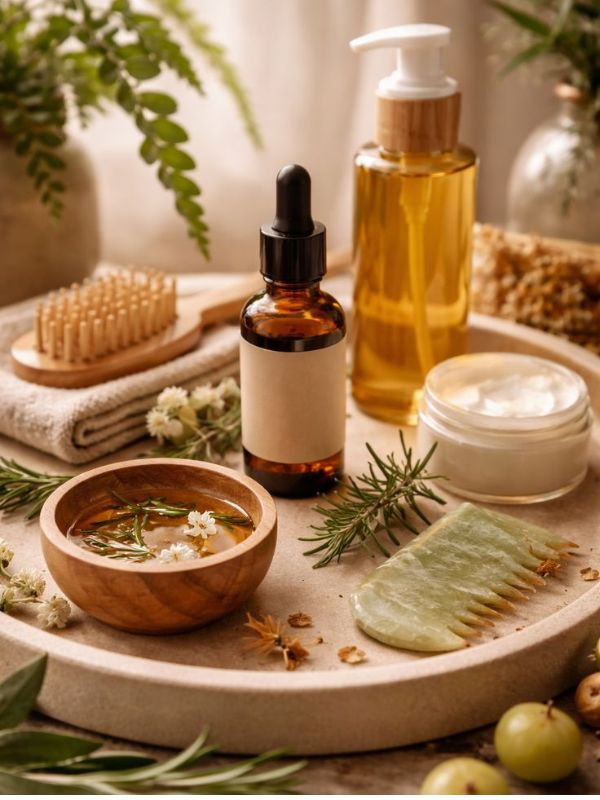
A consistent hair care routine is one of the best ways to support healthy loc growth. While you can’t force your hair to grow faster than its natural rate, you can create the right conditions for strong, healthy hair and reduce breakage. The goal is to keep your scalp clean, your locs moisturised, and your hair protected every day.
Here’s a simple routine you can follow.
Daily Loc Growth Routine
Small daily habits can make a big difference over time.
Every day, try to:
- Drink plenty of water to stay hydrated.
- Lightly mist your locs with water or a water-based moisturiser if they feel dry.
- Massage your scalp for 5 to 10 minutes using your fingertips.
- Eat balanced meals rich in protein, fruits, and vegetables.
- Avoid constantly touching or pulling your locs.
- Wear a satin or silk bonnet or sleep on a satin pillowcase at night.
These habits help reduce breakage and support a healthy scalp.
Weekly Loc Growth Routine
A weekly routine keeps your scalp clean and your locs in good condition.
Once a week, or as needed:
Cleanse your scalp
Wash your locs with a residue-free shampoo to remove sweat, dirt, oil, and product buildup. A clean scalp creates a healthier environment for hair growth.
Deeply moisturise your locs
After washing, apply a lightweight, water-based moisturiser or aloe vera juice to restore hydration. Seal in moisture with a few drops of a lightweight oil if needed.
Massage your scalp
Spend a few extra minutes massaging your scalp to help improve circulation and distribute your natural oils.
Inspect your locs
Look for signs of thinning, lint, buildup, or weak areas so you can address problems early.
Monthly Loc Growth Routine
Your monthly routine focuses on maintenance and preventing long-term damage.
Every four to six weeks:
Retwist only if necessary
Avoid retwisting too often. Over-retwisting can weaken your roots and cause thinning. Retwist only when your new growth needs maintenance.
Clarify your locs
If you use styling products regularly, wash with a clarifying or residue-free shampoo occasionally to remove stubborn buildup and keep your locs fresh.
Hot oil treatment
Treat your scalp with a warm oil massage using lightweight oils such as jojoba, grapeseed, or coconut oil. This can help moisturise a dry scalp and improve overall hair health.
Trim damaged ends if needed
Although locs don’t require frequent trimming, removing severely damaged or unravelling ends when necessary can help maintain healthier locs.
Healthy Habits That Support Faster Loc Growth
Along with your hair care routine, these lifestyle habits can improve your overall hair health:
- Eat enough protein every day.
- Include iron-rich and vitamin-rich foods in your diet.
- Stay hydrated.
- Exercise regularly to support healthy circulation.
- Get enough sleep each night.
- Manage stress as much as possible.
- Protect your locs from excessive sun, wind, and harsh weather.
Products to Include in Your Routine
Choose lightweight products that nourish your hair without causing buildup.
Recommended products include:
- Residue-free shampoo.
- Water-based loc moisturiser.
- Aloe vera juice.
- Rose water spray.
- Jojoba oil.
- Grapeseed oil.
- Rosemary oil (diluted with a carrier oil).
- Peppermint oil (diluted with a carrier oil).
Avoid heavy waxes and thick creams that can build up inside your locs.
Sample Weekly Loc Care Schedule
| Day | Routine |
|---|---|
| Monday | Mist locs with water, moisturise if needed, scalp massage |
| Tuesday | Hydrate, protect locs at night, avoid over-manipulation |
| Wednesday | Moisturise lightly and massage scalp |
| Thursday | Check scalp for dryness or buildup, hydrate well |
| Friday | Moisturise if needed and protect locs before bed |
| Saturday | Wash your scalp and locs, moisturise, inspect your locs |
| Sunday | Light scalp massage, meal prep with hair-healthy foods, prepare for the new week |
Remember that healthy loc growth is a long-term commitment. You won’t see dramatic changes overnight, but following a simple routine consistently will help strengthen your locs, reduce breakage, and improve length retention. Over time, these healthy habits can help you achieve longer, fuller, and healthier locs naturally.
Mistakes That Can Slow Down Loc Growth
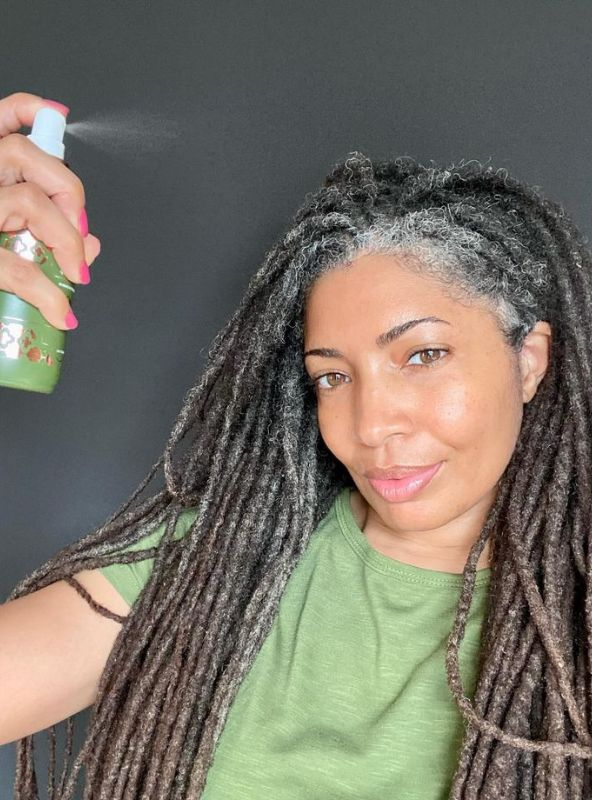
If your locs don’t seem to be getting longer, your hair may not be the problem—your hair care habits might be. Most people’s hair continues to grow every month, but unhealthy practices can lead to breakage, thinning, and poor length retention. By avoiding these common mistakes, you can create a healthier environment for your locs to grow and thrive.
1. Retwisting Too Frequently
One of the biggest mistakes people make is retwisting their locs too often. While regular maintenance keeps locs looking neat, excessive retwisting puts constant tension on the roots.
Over-retwisting can:
- Cause thinning around the roots.
- Weaken hair follicles.
- Lead to traction alopecia.
- Increase breakage.
Most people only need to retwist every 4 to 8 weeks, depending on their hair type and lifestyle.
2. Letting Product Buildup Accumulate
Using too much wax, gel, butter, or heavy cream can leave residue trapped inside your locs.
Product buildup can:
- Weigh down your locs.
- Make cleansing more difficult.
- Cause unpleasant odours.
- Contribute to scalp irritation.
- Prevent your scalp from staying healthy.
Choose lightweight, water-based products and wash your locs regularly.
3. Skipping Moisture
Many people think locs don’t need moisture, but dry locs are much more likely to break.
Signs your locs need moisture include:
- Brittleness.
- Excessive frizz.
- Dull appearance.
- Increased breakage.
Keep your locs hydrated with water-based sprays and seal in moisture with lightweight oils when needed.
4. Wearing Tight Hairstyles Too Often
Tight ponytails, buns, braids, and styles with heavy extensions can place too much tension on your scalp.
Over time, this can lead to:
- Thinning edges.
- Weak roots.
- Hair breakage.
- Scalp pain.
- Traction alopecia.
Choose loose protective styles whenever possible and give your scalp regular breaks.
5. Eating a Poor Diet
Your hair depends on nutrients from the foods you eat. A diet lacking protein, vitamins, and minerals can result in weaker hair that breaks more easily.
Support healthy loc growth by eating foods rich in:
- Protein.
- Iron.
- Zinc.
- Vitamin C.
- Omega-3 fatty acids.
- Biotin.
Healthy hair starts from within.
6. Ignoring Scalp Health
A neglected scalp can make it harder to maintain healthy locs.
Common scalp problems include:
- Product buildup.
- Excess oil.
- Dryness.
- Dandruff.
- Itching.
Wash your scalp regularly and address any persistent scalp issues promptly.
7. Using Heavy Oils and Waxes
Applying large amounts of oil doesn’t make your locs grow faster. Too much product can attract dirt and create stubborn buildup.
Instead:
- Use lightweight oils like jojoba or grapeseed oil.
- Apply products sparingly.
- Focus on moisturising rather than coating your locs.
Less is often more when caring for locs.
8. Constantly Touching or Twisting Your Locs
Many people unknowingly damage their locs by playing with them throughout the day.
Constant manipulation can:
- Weaken strands.
- Cause unnecessary frizz.
- Increase breakage.
- Stress the roots.
Let your locs rest and avoid unnecessary handling.
9. Sleeping Without Protecting Your Locs
Cotton pillowcases absorb moisture and create friction while you sleep.
Without protection, your locs may become:
- Dry.
- Frizzy.
- Brittle.
- More likely to break.
Wear a satin or silk bonnet, wrap your locs with a satin scarf, or sleep on a satin pillowcase to reduce friction.
10. Using Dirty Hair Tools
Brushes, clips, combs, and hair accessories can collect dirt, oil, and bacteria over time.
Dirty tools may:
- Transfer buildup back to your scalp.
- Increase the risk of scalp irritation.
- Affect overall scalp hygiene.
Clean your hair tools regularly to help maintain a healthy scalp.
11. Being Inconsistent With Your Hair Care Routine
Healthy loc growth comes from consistency, not occasional treatments.
Avoid:
- Washing only once in a while.
- Moisturising inconsistently.
- Frequently changing products.
- Skipping nighttime protection.
Following a simple routine consistently will produce better long-term results.
12. Expecting Overnight Results
One of the biggest mistakes is becoming discouraged too quickly. Healthy loc growth is a gradual process.
Remember:
- Most hair grows about half an inch each month.
- Locs often shrink during the early stages.
- Length retention is just as important as new growth.
- Progress is easier to notice over several months than from week to week.
Take photos every few months instead of checking your length daily. This makes it easier to see your progress and stay motivated.
Growing long, healthy locs is about avoiding habits that lead to breakage while consistently caring for your scalp and hair. By steering clear of these common mistakes and following a healthy loc care routine, you’ll give your locs the best chance to grow stronger, retain length, and thrive naturally.
Signs Your Locs Are Growing Healthily
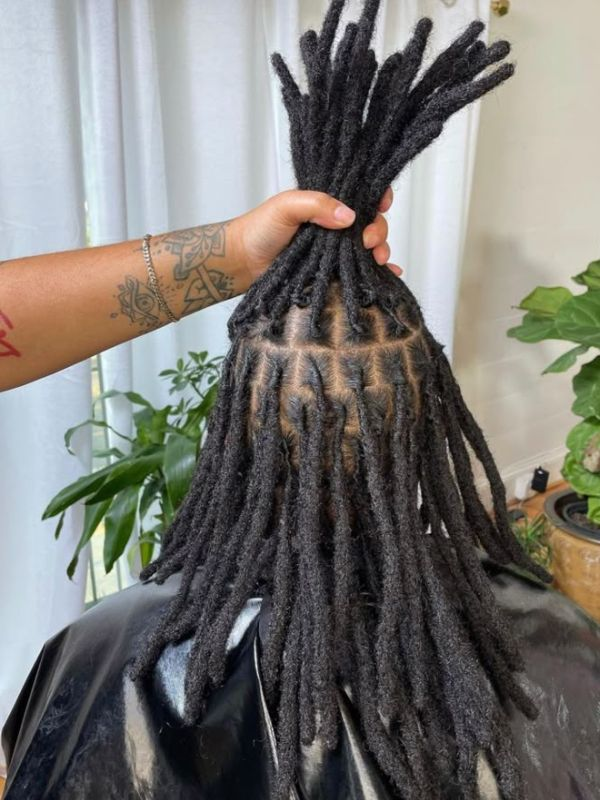
Growing healthy locs is about more than just adding inches. Strong, well-maintained locs should show clear signs that your hair and scalp are in good condition. Even if your locs seem to be growing slowly, these positive signs indicate that your routine is working and your hair is thriving.
Here are the most common signs your locs are growing healthily.
1. You Notice Consistent New Growth
One of the clearest signs of healthy loc growth is seeing new hair at your roots between retwists.
Healthy new growth usually looks like:
- Fresh hair at the base of your locs.
- Even growth across your scalp.
- Strong roots without excessive thinning.
- Steady progress every few weeks.
Remember, new growth is proof that your hair is growing, even if the length isn’t immediately noticeable.
2. Your Locs Are Getting Longer
Length is one of the easiest ways to measure progress, although it takes time to notice.
Signs include:
- Your locs reaching your shoulders, back, or waist.
- Needing longer hair ties.
- Your favourite hairstyles fitting differently.
- Comparing photos taken several months apart and seeing visible growth.
Taking monthly or quarterly progress pictures can help you track changes more accurately.
3. Your Locs Feel Strong and Thick
Healthy locs should feel firm and resilient rather than fragile.
Strong locs typically:
- Feel dense without being stiff.
- Don’t snap easily.
- Maintain an even thickness from root to tip.
- Hold their shape well.
Stronger locs are less likely to break, helping you retain more length.
4. You Experience Less Breakage
Length retention is just as important as new hair growth.
Healthy locs usually show:
- Fewer broken hairs.
- Less shedding than before.
- Stronger ends.
- Reduced splitting or unravelling.
When breakage decreases, you’re able to keep more of the hair you naturally grow.
5. Your Scalp Looks Healthy
Healthy hair begins with a healthy scalp.
A healthy scalp is generally:
- Clean.
- Free from excessive buildup.
- Comfortable without constant itching.
- Free from persistent flakes or irritation.
- Well moisturised without being overly oily.
Maintaining scalp health supports long-term loc growth.
6. Your Locs Stay Moisturised
Dry hair breaks more easily, so healthy locs should maintain moisture between wash days.
Signs of well-moisturised locs include:
- Soft texture.
- Natural shine.
- Flexibility.
- Less frizz caused by dryness.
- Reduced brittleness.
Consistent moisturising helps improve overall hair health.
7. Your Ends Remain Strong
The oldest part of your locs is the ends, making them more vulnerable to damage.
Healthy ends should:
- Stay intact.
- Feel firm.
- Show little to no splitting.
- Resist excessive thinning.
Strong ends help preserve your overall length.
8. Your Locs Continue to Mature
As your loc journey progresses, your locs naturally become more compact and uniform.
Healthy maturation may include:
- Firmer locs.
- Better-defined shape.
- Less unravelling.
- More consistent texture.
- Improved durability.
Mature locs are generally stronger and easier to maintain.
9. Your Hair Holds Styles Better
Healthy locs are often easier to style because they have good strength and structure.
You may notice:
- Styles lasting longer.
- Less frizz after styling.
- Stronger roots.
- Better overall manageability.
This is another sign that your locs are in good condition.
10. Your Hair Care Routine Is Producing Consistent Results
Healthy loc growth is often the result of consistent care rather than quick fixes.
If you regularly:
- Wash your scalp.
- Moisturise your locs.
- Protect your hair while sleeping.
- Eat a balanced diet.
- Stay hydrated.
- Avoid excessive retwisting.
You’re creating the right conditions for healthy, long-term growth.
Healthy loc growth isn’t measured only by length. Strong roots, a healthy scalp, reduced breakage, moisturised locs, and steady new growth are all signs that your locs are thriving. Stay patient, remain consistent with your routine, and celebrate every stage of your loc journey. Over time, those healthy habits will help you achieve longer, stronger, and more beautiful locs naturally.
When to See a Loctician or Dermatologist
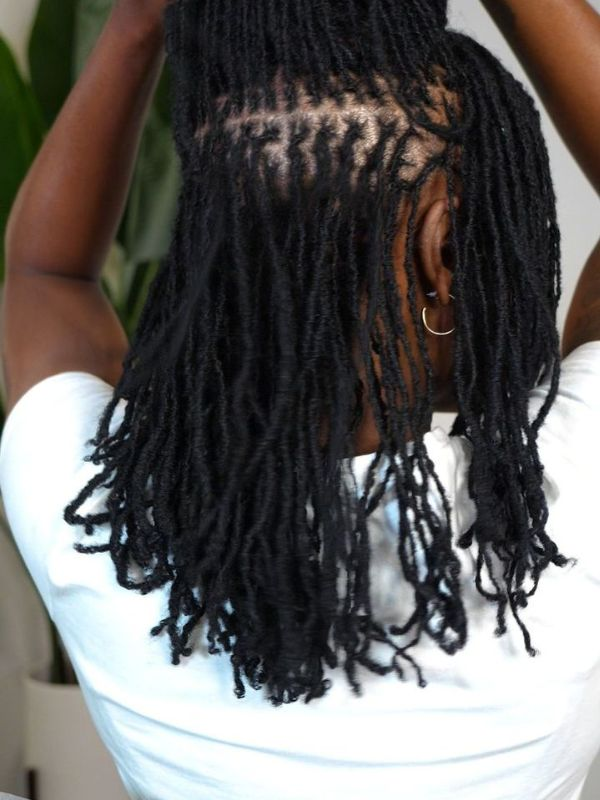
Most loc concerns can be managed with a consistent hair care routine and regular maintenance. However, some problems require professional attention. Knowing when to visit a loctician or dermatologist can prevent minor issues from becoming more serious and help keep your locs healthy for years to come.
A loctician specialises in creating, maintaining, and repairing locs, while a dermatologist diagnoses and treats conditions affecting the scalp, hair, and skin. Depending on the issue, you may need one or both professionals.
1. Persistent Thinning
It’s normal to have some shedding every day, but noticeable thinning around your roots or along your locs is a sign that something isn’t right.
Visit a loctician if you notice:
- Locs becoming thinner than usual.
- Weak roots.
- Loose or damaged locs.
- Uneven tension from previous retwists.
A skilled loctician can adjust your maintenance routine, repair damaged locs when possible, and recommend hairstyles that reduce stress on your hair.
2. Excessive Hair Loss
If you’re losing much more hair than normal or finding large amounts of hair coming out during washing or styling, it’s important to seek professional advice.
A dermatologist can help determine whether the hair loss is caused by:
- Hormonal changes.
- Nutritional deficiencies.
- Stress.
- Certain medications.
- Medical conditions affecting the scalp.
Getting an early diagnosis often leads to better treatment outcomes.
3. Ongoing Scalp Problems
Your scalp should not constantly itch, burn, hurt, or develop thick flakes.
See a dermatologist if you experience:
- Severe dandruff.
- Painful scalp irritation.
- Redness or swelling.
- Persistent itching.
- Sores or scabs.
- Unusual bumps or rashes.
Treating scalp conditions early helps create a healthier environment for hair growth.
4. Unpleasant Odour or Heavy Product Buildup
If your locs continue to smell unpleasant even after washing, or you notice heavy buildup trapped inside your locs, it’s time to seek help.
A loctician can:
- Perform a thorough loc detox if appropriate.
- Remove excess buildup safely.
- Recommend products that leave less residue.
- Show you proper cleansing techniques.
Keeping buildup under control helps maintain healthier locs.
5. Frequent Breakage
If your locs keep snapping, thinning, or breaking despite moisturising and protecting them, a professional assessment can help identify the cause.
Possible reasons include:
- Over-retwisting.
- Excessive tension.
- Heat damage.
- Chemical damage.
- Poor moisture balance.
- Nutritional issues.
Addressing the cause early can improve your chances of retaining length.
6. Slow Growth With Other Symptoms
Hair naturally grows at different rates, so slow growth alone isn’t always a problem. However, if slow growth is accompanied by other symptoms, it’s worth consulting a dermatologist.
Watch for signs such as:
- Significant hair thinning.
- Bald patches.
- Constant shedding.
- Persistent scalp pain.
- Extreme dryness that doesn’t improve.
- Changes in your overall health.
These symptoms may indicate an underlying condition that requires medical treatment.
7. Difficulty Starting or Maintaining Locs
If you’re new to locs or struggling with unravelling, uneven sections, or damaged roots, a professional loctician can help.
They can:
- Create evenly sized starter locs.
- Repair damaged locs.
- Recommend the best maintenance schedule.
- Teach proper home care techniques.
- Suggest products suitable for your hair type.
Starting with a solid foundation makes your loc journey much easier.
8. You Want Professional Maintenance
Even if your locs are healthy, regular appointments with a trusted loctician can help keep them looking their best.
Professional maintenance may include:
- Retwisting.
- Interlocking, if appropriate.
- Loc repairs.
- Scalp assessments.
- Advice on improving your hair care routine.
Routine maintenance can help prevent problems before they start.
Healthy locs begin with a healthy scalp and consistent care. While many concerns can be managed at home, don’t ignore signs like excessive hair loss, severe scalp irritation, persistent thinning, or ongoing breakage. Seeking help from a qualified loctician or dermatologist when needed can protect your locs, improve your scalp health, and keep your loc journey moving in the right direction.
Frequently Asked Questions
How can I grow my locs faster naturally?
While you can’t change your natural hair growth rate, you can support healthy loc growth by keeping your scalp clean, moisturising your locs regularly, eating a balanced diet, drinking enough water, protecting your locs while you sleep, and avoiding excessive retwisting. These habits help reduce breakage and improve length retention.
How long does it take to grow long locs?
On average, hair grows about half an inch per month or around 6 inches per year. The exact timeline depends on your genetics, overall health, and hair care routine. Since locs often shrink during the early stages, growth may not always be immediately noticeable.
Which oil is best for loc growth?
There isn’t one oil that guarantees faster hair growth, but lightweight oils like rosemary oil (diluted), jojoba oil, Jamaican black castor oil, grapeseed oil, and coconut oil can help keep your scalp healthy and reduce dryness, creating better conditions for healthy hair growth.
Does retwisting make locs grow faster?
No. Retwisting only maintains the appearance of your locs by organising new growth. It does not increase your hair growth rate. Retwisting too often can weaken your roots and even lead to thinning or breakage.
How often should I wash my locs?
The ideal washing schedule depends on your lifestyle and hair needs. Many people wash their locs every 2 to 4 weeks, while those who exercise frequently or have oily scalps may need to wash more often. Keeping your scalp clean supports healthy hair growth.
How often should I moisturise my locs?
Most locs benefit from moisturising two to four times a week, or whenever they feel dry. Using water-based moisturisers, aloe vera juice, or rose water can help keep your locs hydrated without causing heavy buildup.
Can I use rice water on my locs?
Yes. Rice water can be used occasionally to help strengthen your hair and reduce breakage. However, it should be used in moderation, such as once or twice a month, because excessive use may leave your hair feeling stiff.
What foods help locs grow healthier?
A healthy diet that includes protein, iron, omega-3 fatty acids, vitamin C, zinc, biotin, and plenty of fruits and vegetables can support healthy hair growth. Staying hydrated is equally important for maintaining healthy locs.
Why do my locs seem like they’re not growing?
Your locs may actually be growing, but shrinkage and breakage can make progress harder to notice. During the early stages, locs tighten and become more compact, making them appear shorter. Taking progress photos every few months is a better way to track growth.
Can damaged or thinning locs recover?
It depends on the cause. If thinning is caused by over-retwisting, tight hairstyles, or poor hair care habits, changing your routine may help prevent further damage. If you notice severe thinning, excessive hair loss, or scalp problems, it’s best to consult a qualified loctician or dermatologist for professional advice.
Conclusion
Learning how to grow your locs faster and naturally is less about finding a miracle product and more about building healthy habits that support long-term hair growth. While you can’t change your natural growth rate, you can create the ideal environment for your locs to thrive by keeping your scalp clean, moisturising regularly, eating nutritious foods, staying hydrated, and protecting your hair from breakage.
Remember that healthy loc growth is a journey that requires patience and consistency. Don’t get discouraged if you don’t see dramatic results right away. Every healthy habit you practice today contributes to stronger, longer, and healthier locs over time.
Focus on caring for your locs instead of rushing the process. With the right routine, proper maintenance, and a little patience, you’ll enjoy steady progress and beautiful locs that continue to grow stronger every day. Trust the journey, stay consistent, and celebrate each stage of your loc growth.
One thought on “How to Grow Your Locs Faster and Naturally: Proven Tips for Longer, Healthier Locs”