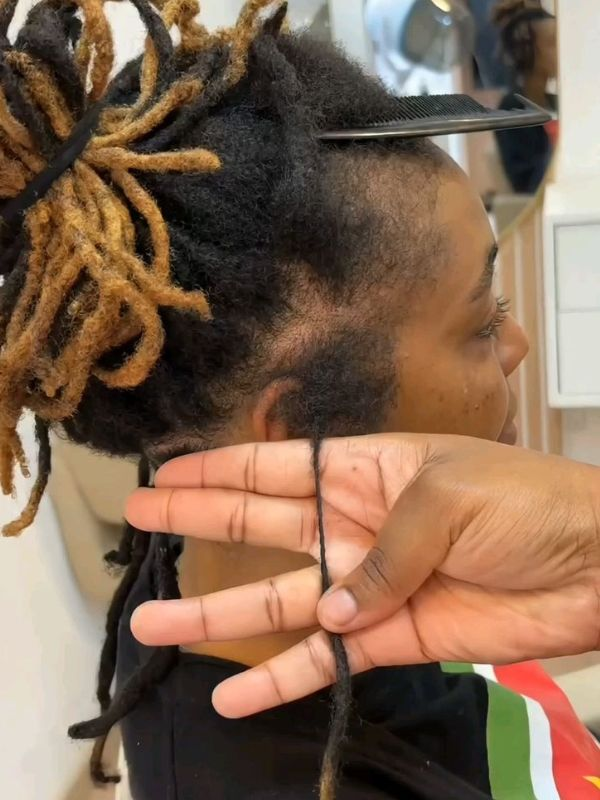
How to fix thinning locs is one of the most common questions people ask after noticing that one or more of their locs have become smaller, weaker, or fragile. It can be upsetting to see a loc that was once full and healthy begin to thin, especially after spending months or even years growing and caring for your Hair.
As a loc tician, I have had many clients sit in my chair, worried that they were about to lose their locs. The first thing I tell them is not to panic. In many cases, thinning locs can be improved if you identify the cause early and take the right steps. The sooner you address the problem, the better your chances of preventing further damage.
Thinning locs can happen for several reasons, including frequent retwisting, tight hairstyles, excessive tension, product buildup, dryness, or even underlying health issues. Understanding why your locs are thinning is the first step toward restoring their strength.
In this guide, I will explain what causes thinning locs, how to fix thinning locs safely, ways to prevent further hair loss, and when it is time to seek help from a professional loctician. Whether your locs are thinning at the roots, in the middle, or at the ends, you’ll find practical tips to help you care for your locs and keep them as healthy as possible.
See the best way to remove buildup in locs
What Are Thinning Locs?
Thinning locs are locs that have become noticeably smaller, weaker, or less dense than the rest of your Hair. This can happen gradually over time or appear suddenly after repeated tension, poor hair care practices, or changes in your overall health. While it is normal for locs to vary slightly in size, significant thinning is usually a sign that your Hair needs attention.
One thing I always tell my clients is that thinning locs do not happen overnight. Most people only notice the problem after the Hair has been under Stress for weeks or even months. That is why paying attention to small changes can help you prevent serious damage.
1. What Does Loc Thinning Look Like?
Thinning locs can look different from person to person, but some common signs include
- A loc that is much smaller than the others.
- A narrow or weak section that appears likely to snap.
- More scalp showing around the base of the loc.
- Loose hairs separating from the loc.
- A loc that feels lighter or less firm than before.
Sometimes only one or two locs are affected, while in other cases several locs may begin thinning at the same time.
2. Where Do Locs Usually Thin?
Locs can thin in different areas, and the location often provides clues about the cause.
The most common areas include
- At the roots from tight retwists, frequent styling, or traction.
- In the middle of the loc due to breakage, dryness, or weak spots.
- At the ends from friction, lack of moisture, or damaged tips.
Identifying where the thinning is happening is one of the first steps in choosing the right treatment.
3. Are Thinning Locs and Weak Locs the Same Thing?
Not exactly. A weak loc is fragile and more likely to break, but it may not always be thinner than the rest of your locs. A thinning loc, however, has already lost some of its thickness or density. In many cases, thinning locs become weak over time if the underlying problem is not addressed.
4. Can Thinning Locs Become Healthy Again?
Yes, in many cases they can. If the hair follicle is still healthy and the damage is caught early, thinning locs can often be strengthened with proper care, reduced tension, and a consistent loc maintenance routine. However, if the thinning is severe or the loc is hanging by only a few strands of Hair, professional repair may be needed to save the loc.
The key is to act as soon as you notice the first signs of thinning, rather than waiting until the loc begins to break or fall out.
See how to care for your locs to keep them moisturised in summer
How to Tell If Your Locs Are Thinning
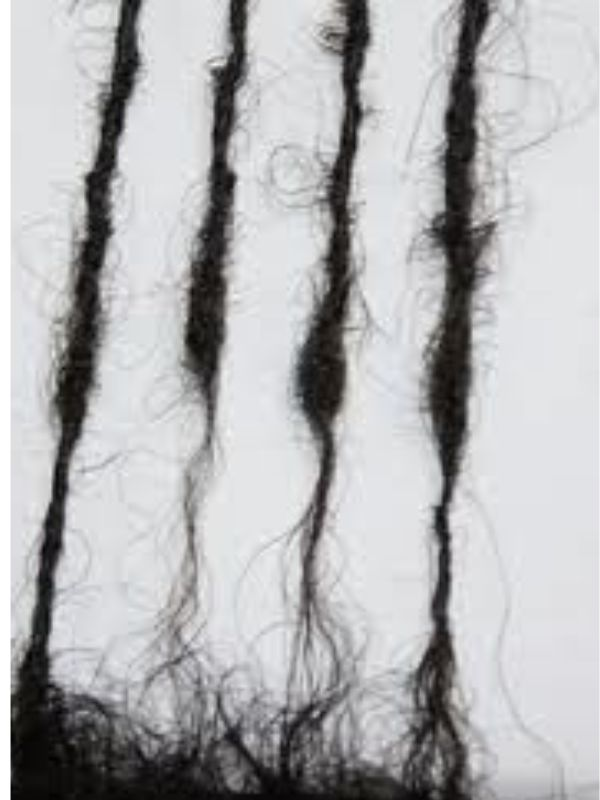
One mistake I see many people make is assuming their locs are fine because they have not completely broken off. In reality, thinning usually starts long before a loc falls out. Learning to spot the early warning signs can help you take action before the damage becomes severe.
Take a few minutes every couple of weeks to examine your locs, especially after washing or retwisting. If something looks or feels different, do not ignore it.
1. Signs of Thinning at the Roots
The roots are among the most common areas for loc thinning because they experience the most tension from retwists and hairstyles.
Look out for signs like
- More scalp showing around the base of the loc.
- A root that looks much thinner than the rest of the loc.
- Pain or tenderness after a retwist.
- A loc that moves more than usual due to a weak root.
- Tiny hairs breaking around the hairline or scalp.
2. Signs of Thinning in the Middle of the Loc
Thinning in the middle can create a weak point, making the loc more likely to snap.
Common signs include
- A narrow section in the middle of the loc.
- A loc that bends easily at one spot.
- Frayed or loose hairs sticking out.
- A section that feels softer or less dense than the rest of the loc.
If left untreated, the loc may eventually break at its weakest point.
3. Signs of Thinning at the Ends
Although less common, the ends of your locs can also become thin due to dryness, friction, or breakage.
You may notice
- Thin, wispy ends.
- Split or frayed tips.
- Ends that break off easily.
- Uneven loc lengths caused by breakage.
Keeping your ends moisturized and protected can help reduce this type of damage.
4. When Thinning Becomes Severe
Some signs should not be ignored because they may indicate your loc is close to breaking.
Seek professional advice if you notice
- A loc hanging by only a few strands of Hair.
- Multiple locs thinning at the same time.
- Large patches of hair loss.
- Persistent scalp irritation or inflammation.
- Continued thinning even after changing your hair care routine.
The earlier you identify thinning locs, the easier they are to manage. Regularly checking your locs helps you catch small problems before they lead to permanent hair loss or broken locs.
Got lint in your locs? See the right approach to remove them
What Causes Thinning Locs?
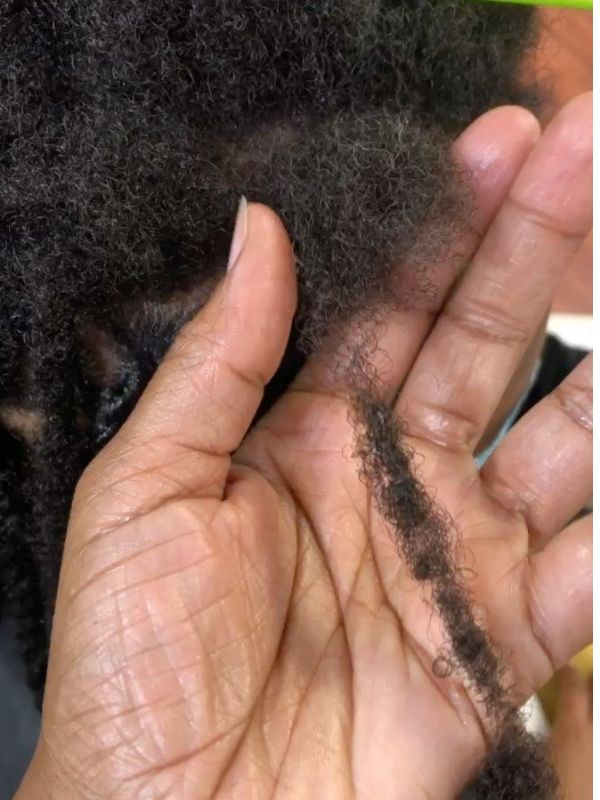
One of the biggest mistakes people make is trying to fix thinning locs without first finding out what caused the problem. As a loctician, I always tell my clients that the treatment should match the cause. For example, if your locs are thinning due to tight hairstyles, using hair oil alone will not solve the problem.
The first step to healthy locs is identifying what stresses your Hair.
Here are the most common causes of thinning locs.
1. Tight Retwisting and Over Manipulation
Retwisting keeps your locs neat, but doing it too often or twisting too tightly can weaken your roots over time.
Signs this may be the cause include
- Pain after every retwist.
- Red or tender scalp.
- Hair becoming thinner around the roots.
- Locs feeling loose a few weeks after retwisting.
To protect your locs, avoid frequent retwists and make sure they are not done too tightly.
2. Wearing Heavy Extensions and Added Hair
Adding too much extension hair, beads, cuffs, or other heavy accessories can put extra weight on your locs. Over time, this constant pulling may weaken the roots and lead to thinning.
If you enjoy accessorising your locs, consider lighter options and avoid wearing heavy styles for long periods.
3. Too Much Tension From Hairstyles
Some hairstyles may look beautiful, but they can place excessive Stress on your scalp if worn too often.
Styles that commonly cause thinning include
- Tight ponytails.
- High buns.
- Tight barrel twists.
- Tight braided styles.
- Styles that constantly pull your edges.
Give your Hair regular breaks by wearing your locs down or in loose styles.
4. Product Buildup and Poor Scalp Health
Using too much wax, gel, or heavy creams can clog your scalp and Hair, making it harder to maintain a healthy environment for hair growth.
A healthy scalp should be
- Clean.
- Moisturized.
- Free from buildup.
- Free from constant itching or irritation.
Regular washing with a residue-free shampoo can help keep your scalp healthy.
5. Dry and Brittle Hair
Locs need moisture to stay flexible and strong. When they become dry, they are more likely to break and thin over time.
Common causes of dryness include
- Not moisturising regularly. Moisturising and exposure.
- Washing without replacing moisture.
- Using harsh hair products.
Keeping your locs hydrated can reduce breakage and improve their overall strength.
6. Stress and Lifestyle Factors
Your overall health plays a big role in the condition of your Hair. High stress levels, poor nutrition, dehydration, and lack of sleep can all affect healthy hair growth.
Simple lifestyle habits that support healthy locs include
- Drinking enough water.
- Eating a balanced diet.
- Managing Stress.
- Getting enough sleep.
Healthy Hair starts from within.
7. Heat and Chemical Damage
Frequent heat styling, hair colouring, bleaching, or chemical treatments can weaken your hair strands and make locs more fragile.
If you colour your locs, make sure they receive extra moisture and protein to reduce the risk of breakage.
8. Health Conditions and Hormonal Changes
Sometimes thinning locs are caused by factors beyond your hair care routine.
Medical conditions that may contribute to hair thinning include
- Hormonal changes.
- Thyroid disorders.
- Nutritional deficiencies.
- Certain medications.
- Some scalp conditions.
If you notice sudden or widespread thinning without an obvious cause, it is worth speaking with a healthcare professional.
9. Ageing and Natural Hair Changes
As we get older, it is normal for Hair to become finer and grow more slowly. While ageing cannot be prevented, proper loc care, gentle styling, and a healthy lifestyle can help keep your locs looking their best for years to come.
The good news is that many causes of thinning locs can be managed once they are identified. Understanding why your locs are thinning is the first and most important step toward restoring stronger, healthier locs.
See the best oil for your locs stage
How to Fix Thinning Locs
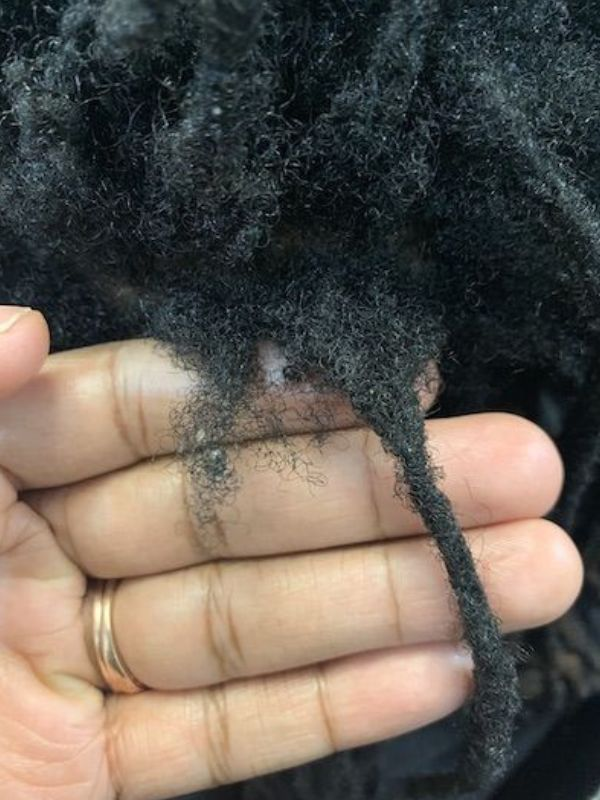
If you have been wondering how to fix thinning locs, the first thing I want you to know is not to panic. I have seen many clients strengthen and save their locs by making a few important changes to their hair care routine. The key is to act early. The longer thinning is ignored, the greater the risk of breakage or losing the loc completely.
Here are the most effective ways to fix thinning locs.
1. Identify the Cause of the Thinning
Before trying any treatment, find out why your locs are thinning. Look at your daily habits and ask yourself questions like
- Do I retwist too often?
- Are my hairstyles usually tight?
- Have I recently colored or bleached my locs?
- Do I keep my scalp clean and moisturised?
- Have I noticed changes in my moisturised health?
Once you identify the cause, you can choose the right solution instead of guessing.
2. Stop Tight Retwisting Immediately
One of the quickest ways to make thinning worse is to continue retwisting the affected loc too tightly.
Instead
- Ask your loctician to retwist gently.
- Leave thinning locs slightly looser than the others.
- Wait longer between retwist appointments.
- Avoid unnecessary manipulation.
Giving your roots a break allows them to recover from constant tension.
3. Give Your Hair and Scalp Time to Rest
If you wear tight styles all the time, your scalp never gets a chance to recover.
For the next few weeks
- Wear your locs down whenever possible.
- Choose loose protective styles.
- Avoid heavy accessories.
- Reduce daily pulling and styling.
Sometimes the best treatment is simply allowing your Hair to rest.
4. Focus on Scalp Care and Hydration
Healthy locs begin with a healthy scalp. Keeping your scalp clean and hydrated creates a better environment for strong hair growth.
A simple scalp care routine includes
- Washing regularly with a residue-free shampoo.
- Moisturising your scalp when it feels dry. Massaging your scalp during wash days.
- Avoiding heavy products that clog the scalp.
Consistency is more important than using lots of products.
5. Moisturise Dry and Brittle Locs
Dry locs are more likely to snap, especially in areas that are already thinning.
To help your locs stay flexible.
- Mist them with water or a lightweight loc moisturiser.
- Seal in moisture with a moisturiser if needed.
- Protect your locs while sleeping with a satin or silk bonnet.
Well-moisturised locs are generally prone to breakage.
6. Avoid Heavy Hairstyles and Accessories
Large beads, heavy extensions, and tight updos can place extra Stress on weak locs.
Choose hairstyles that
- Feel comfortable.
- Do not pull at the roots.
- Allow your scalp to relax.
- Protect fragile areas from additional tension.
If a hairstyle feels painful, it is too tight.
7. Strengthen Weak Areas of the Locs
If only one or two locs are thinning, a professional loctician may be able to reinforce them before they break.
Depending on the condition of the loc, they may recommend
- Loc repair.
- Crochet reinforcement.
- Combining weak locs with a neighbouring loc.
- Reattaching a broken loc if necessary.
Trying to repair severely damaged locs yourself can sometimes make the problem worse.
8. Get Professional Help for Severe Thinning
If your locs are hanging by only a few strands, several locs are thinning at once, or the problem persists despite improving your routine, it is time to seek professional advice.
A qualified loctician can assess the damage, recommend the safest repair method, and help you create a maintenance routine that protects your locs going forward.
Fixing thinning locs takes patience, but many people see positive results by reducing tension, improving scalp care, and treating their locs gently. The sooner you start caring for thinning areas, the better your chances of keeping your locs healthy and strong.
See 30 cute ways to style your micro locs
How to Fix Thinning Locs at the Roots
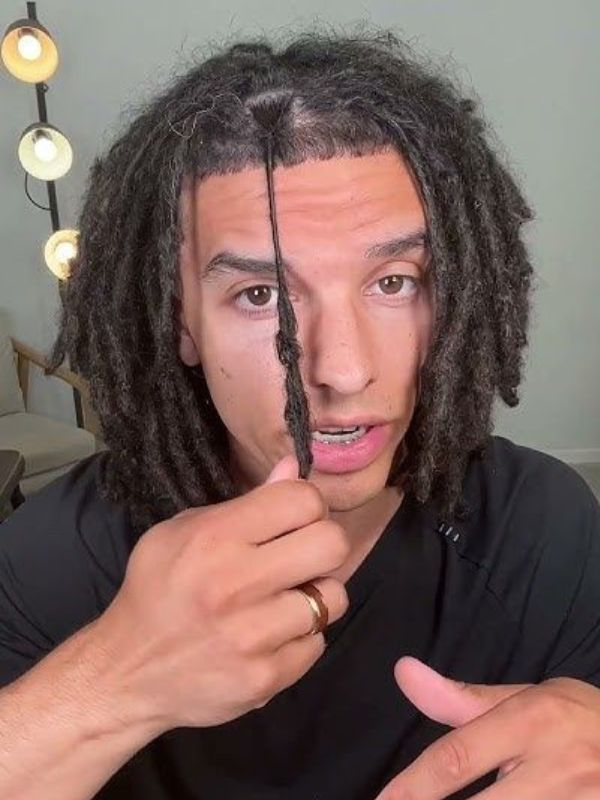
Thinning at the roots is one of the most common and most concerning problems people with locs face. Since the root is what anchors the loc to your scalp, it can become so weak that the loc feels loose or looks like it could fall out. The good news is that root thinning can often be improved by reducing Stress on your Hair and giving it time to recover.
Here are the best ways to fix thinning locs at the roots.
1. Reduce Tension on the Scalp
The first step is to eliminate anything that constantly pulls on your roots. Continuing to wear tight hairstyles or getting tight retwists will only make the thinning worse.
Instead, try to
- Wear your locs down more often.
- Choose loose ponytails or low buns.
- Avoid tight barrel twists and braided loc styles.
- Remove heavy beads and accessories.
If a hairstyle causes pain or tenderness, it is too tight.
2. Space Out Your Retwist Appointments
Retwisting too often can weaken the new growth and place unnecessary Stress on your Hair follicles.
A healthier approach is to
- Wait until your new growth is ready before retwisting.
- Ask your loctician to retwist gently.
- Avoid twisting the same section repeatedly.
- Embrace a little frizz between appointments.
Your locs do not have to look perfectly neat all the time to stay healthy.
3. Massage Your Scalp to Support Healthy Hair Growth
A gentle scalp massage can help improve blood circulation, which supports a healthy environment for hair growth.
To do this
- Use your fingertips, not your nails.
- Massage your scalp for three to five minutes a few times each week.
- Be gentle around thinning areas to avoid putting extra Stress on the roots.
The goal is to stimulate the scalp without irritating it.
4. Protect New Growth
New growth is delicate and needs extra care, especially if your roots are already thinning.
Protect it by
- Sleeping with a satin or silk bonnet or pillowcase.
- Moisturising your scalp and new growth.
- Avoiding constant pulling or twisting.
- Handling your locs gently when washing or styling.
Healthy new growth provides a stronger foundation for your locs over time.
If you notice that a root has become extremely thin or your loc is hanging by only a few strands of Hair, do not try to fix it yourself.
A qualified loctician may be able to reinforce or repair the loc before it breaks completely. Acting early gives you the best chance of saving your locs and preventing further hair loss.
Want to colour your locs? See 30 colour ideas you will love
How to Fix Thinning Locs in the Middle
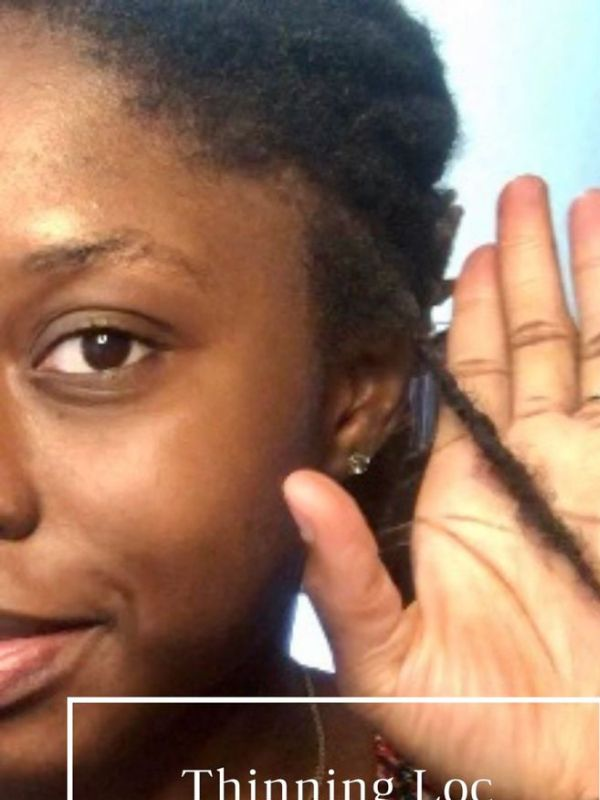
Thinning in the middle of a loc is one of the easiest problems to overlook because the roots and ends may still appear healthy. However, this weak section can eventually snap if not properly cared for.
I often tell my clients to inspect the entire length of their locs, not just the roots, because a small weak spot today can become tomorrow’s breakage.
Here are the best ways to fix thinning locs in the middle.
1. Why Mid Shaft Thinning Happens
The middle of a loc usually becomes thin because that section has been weakened over time. Some of the most common causes include
- Excessive dryness.
- Frequent twisting or rolling of the loc.
- Friction from clothing, scarves, or backpacks.
- Heat or chemical damage.
- Weak hair strands that have gradually broken away.
Finding the cause will help you prevent the problem from getting worse.
2. Ways to Reduce Breakage
Once you notice thinning in the middle, your priority should be protecting that weak section from further Stress.
You can do this by
- Handling your locs gently during washing.
- Avoiding excessive pulling or twisting.
- Keeping your locs moisturised with water or a lightweight lomoisturiser and wearing a satin or silk bonnet while sleeping.
- Limiting heat use on your locs.
These simple habits help reduce breakage and support healthier locs.
3. How to Protect Fragile Sections
A thinning section needs extra care until it becomes stronger.
To protect it
- Avoid hairstyles that bend or pull the weak area.
- Be gentle when separating your locs after washing.
- Keep heavy accessories away from the damaged loc.
- Check the weak section regularly to make sure it is not getting thinner.
The less Stress you place on the fragile area, the better your chances of keeping the loc intact.
4. When to Reinforce Weak Locs
Sometimes a thinning section cannot recover on its own, especially if it has become very narrow.
If you notice
- A loc bending sharply in the middle.
- The weak area becoming thinner over time.
- The loc feeling like it may snap.
It is best to visit an experienced loctician. They may recommend reinforcing the loc using techniques such as crochet repair, combining the loc with a neighbouring one, or other professional repair methods depending on the extent of the damage.
The key to fixing thinning locs in the middle is acting early. The sooner you reduce breakage and protect the weak section, the more likely you are to save the loc and prevent it from breaking completely.
See 25 cute ways to style your starter locs
How to Fix Thinning Locs at the Ends
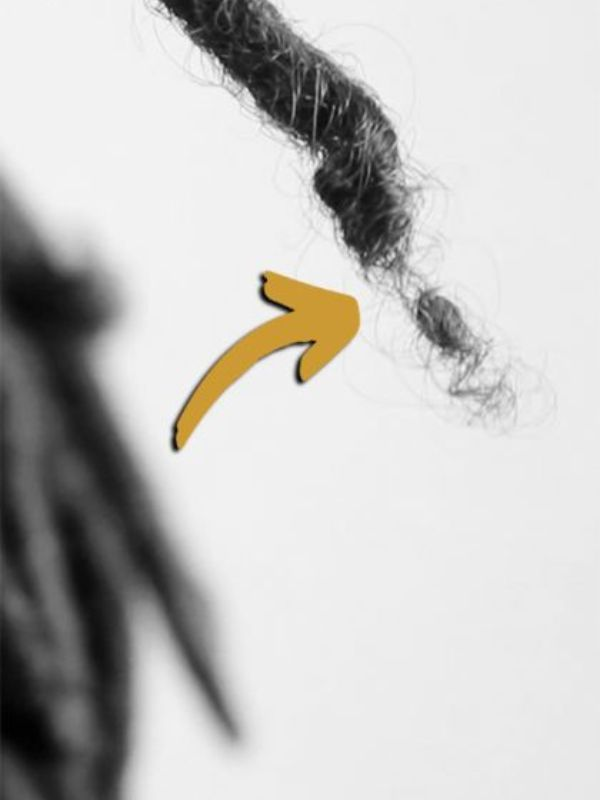
While most people worry about thinning at the roots, the ends of your locs can also become thin and fragile. Thin ends may not seem like a big problem at first, but they can continue to unravel or break if they are not properly cared for. I often remind my clients that healthy locs need attention from the roots to the tips.
Here are the best ways to fix thinning locs at the ends.
Causes of Thin Loc Ends
Understanding why your loc ends are thinning makes it easier to prevent further damage.
Some common causes include
- Dry locs.
- Friction from clothing, towels, or pillowcases.
- Frequent colouring or bleaching.
- Heat damage.
- Constant rubbing against bags or backpacks.
- Natural wear and tear on older locs.
Identifying the cause helps you choose the right solution rather than treating symptoms.
How to Prevent End Breakage
- Once the ends become weak, the goal is to stop them from breaking further.
You can do this by
- Keeping your locs moisturised with water or a lightweight loc spray.
- Handling your locs moisturised during washing and styling.
- Avoiding excessive heat from blow dryers or flat irons.
- Sleeping with a satin or silk bonnet to reduce friction.
- Limiting chemical treatments that weaken the Hair.
Small daily habits can make a noticeable difference over time.
How to Protect the Ends of Your Locs
Protecting your ends is just as important as caring for your roots.
Here are a few simple ways to do that.
- Avoid pulling or twisting the ends unnecessarily.
- Keep your locs tucked away when wearing rough fabrics like wool.
- Moisturise your locs regularly to prevent dryness.
- Avoid. Moisturise that; place extra weight on the ends.
- Inspect your locs often for signs of splitting or unravelling.
If the ends have become extremely thin or continue to unravel despite proper care, a professional loc tician may recommend trimming damaged sections or repairing the loc to prevent further breakage.
Healthy loc ends help your locs maintain their length, strength, and appearance.
With consistent care and early intervention, you can reduce breakage and keep your locs looking full and healthy from root to tip.
See 20 long locs packing style ideas that are cute
Professional Ways to Repair Thinning Locs
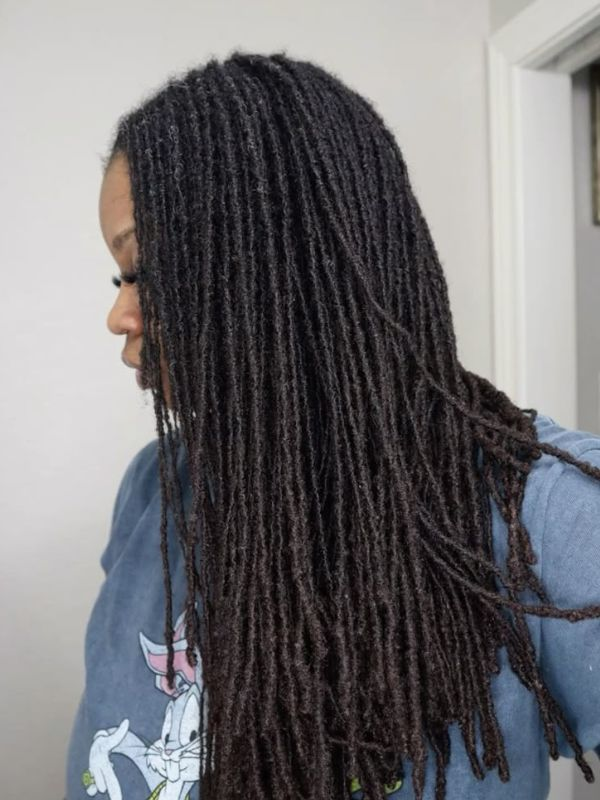
Sometimes home care is not enough to save a thinning loc. If a loc has become extremely weak or is hanging by only a few strands, it is best to visit an experienced loctician.
I always advise clients not to wait until the loc breaks completely. Seeking professional help early often gives you more repair options and better results.
Here are some of the most common professional methods for repairing thinning locs.
1. Loc Reattachment
If a loc has broken off but the hair follicle is still healthy, a loctician may be able to reattach it instead of making you start over.
This method is ideal for
- Recently broken locs.
- Healthy roots with enough new growth.
- People who want to keep their locs’ original length.
When done properly, a reattached loc can blend naturally with the rest of your Hair.
2. Loc Reinforcement and Repair
When a loc has one weak section but is not completely broken, a loctician can reinforce the damaged area to strengthen it.
This may involve
- Strengthening the weak section.
- Blending loose hairs into the loc.
- Repairing small areas before they become larger problems.
Early reinforcement can help prevent complete breakage.
3. Combining Weak Locs
If two neighbouring locs are thinning at the roots, combining them into a single stronger loc may be the best solution.
This technique
- Reduces tension on fragile roots.
- Creates a stronger foundation.
- Helps preserve your locs without having to start over.
Although you will have one larger loc instead of two, it is often a better option than losing both.
4. Crochet Repair for Damaged Areas
Crochet repair uses a small crochet tool to pull loose hairs back into the loc and strengthen weak sections.
It can be helpful for
- Thinning in the middle of a loc.
- Loose or unravelling sections.
- Minor breakage.
- Weak spots that need reinforcement.
This technique should only be performed by someone with experience, as improper use can cause additional damage.
5. When Cutting and Restarting May Be Necessary
Although many thinning locs can be repaired, there are situations where starting over is the healthiest choice.
A loctician may recommend this if
- The hair follicle has been permanently damaged.
- The loc is hanging by only a few strands and cannot be safely repaired.
- There is severe breakage throughout the loc.
- An untreated scalp condition causes the thinning.
While it can be disappointing to lose a loc, restarting one or two damaged locs is often better than risking further hair loss.
Professional repairs can make a significant difference, but they work best when combined with healthy loc care at home.
Once your locs have been repaired, follow a gentle maintenance routine, avoid excessive tension, and keep your scalp healthy to help prevent thinning from happening again.
See 30 bridal locs hairstyles you will love
Natural Remedies That May Help Support Healthy Locs
Natural remedies cannot magically reverse thinning locs overnight, but they can help create a healthier environment for your Hair to grow and reduce further damage.
Consistency matters more than trying dozens of products. Healthy locs begin with healthy habits, proper scalp care, and gentle maintenance.
Here are some natural remedies that may help support healthy locs.
1. Massage Your Scalp Regularly
A gentle scalp massage can improve blood circulation, helping deliver nutrients to your hair follicles.
To get the best results
- Massage your scalp for 3 to 5 minutes.
- Use your fingertips instead of your nails.
- Be extra gentle around thinning areas.
- Do it a few times each week.
This simple habit can also help relieve scalp tension.
2. Keep Your Scalp Clean
A clean scalp creates a better environment for healthy hair growth.
To maintain a healthy scalp
- Wash your locs regularly with a residue-free shampoo.
- Rinse thoroughly to remove product buildup.
- Avoid applying heavy creams or waxes that clog the scalp.
Healthy Hair grows best from a healthy scalp.
3. Moisturise Your Locs With Water
Water is one of the best moisturisers for locs. Moisture makes them more likely to become brittle and break. Moisturise your locs with water several times a week.
- Use a lightweight loc moisturiser if needed.
- Avoid products that leave heavy residue.
Well-hydrated locs are more flexible and are less likely to snap.
4. Use Lightweight Natural Oils
Natural oils can help seal in moisture and keep your scalp comfortable.
Popular choices include
- Jojoba oil
- Grapeseed oil
- Sweet almond oil
- Argan oil
Use only a small amount to avoid buildup.
5. Eat a Balanced Diet
Your Hair needs nutrients to stay healthy.
Include foods rich in
- Protein for stronger hair strands.
- Iron to support healthy hair growth.
- Zinc for healthy hair follicles.
- Omega-3 fatty acids.
- Vitamins A, C, D, and E.
- Biotin-rich foods like eggs, nuts, and seeds.
Healthy Hair starts from within.
Stay Hydrated
Drinking enough water supports your overall health, including your Hair and scalp.
Aim to drink water consistently throughout the day rather than waiting until you feel thirsty.
6. Protect Your Locs While Sleeping
Cotton pillowcases can create friction that dries out your locs and contributes to breakage.
Instead
- Wear a satin or silk bonnet.
- Use a satin or silk pillowcase.
- Cover longer locs before bed.
This simple change helps your locs retain moisture overnight.
7. Reduce Stress
Long-term Stress can affect your overall well-being and may contribute to increased hair shedding in some people.
Healthy ways to manage Stress include
- Taking regular walks.
- Practising deep breathing.
- Spending time outdoors.
- Getting enough rest.
- Making time for activities you enjoy.
Taking care of yourself also benefits your Hair.
8. Get Enough Sleep
Your body repairs and restores itself while you sleep, including the cells that support healthy hair growth.
Aim for a consistent sleep schedule whenever possible.
Protect Your Locs From Heat
Excessive heat can dry out your locs and make them more fragile.
To reduce heat damage
- Limit the use of blow dryers.
- Avoid frequent flat ironing.
- Let your locs air dry whenever possible.
9. Avoid Overloading Your Hair With Products
Using several oils, creams, and sprays at the same time does not necessarily make your locs healthier.
Instead
- Keep your routine simple.
- Use products only when needed.
- Focus on cleanliness and moisture rather than product quantity.
Sometimes less is more when it comes to healthy loc care.
10. Be Patient and Stay Consistent
Natural remedies take time. You may not notice changes right away, but consistent care over several weeks or months can make a noticeable difference in the health of your scalp and locs.
Think of healthy loc care as a lifestyle rather than a quick fix. Small daily habits, such as moisturising and protecting your locs, can make a difference. At the same time, consuming nutritious foods and reducing unnecessary tension can go a long way toward keeping your locs strong, healthy, and less likely to thin in the future.
Hair Care Routine for Thinning Locs
If your locs are thinning, your daily and weekly hair care routine can make a big difference. A simple routine that focuses on cleanliness, moisture, and gentle handling can help reduce further thinning and keep your locs stronger over time.
Here is a hair care routine you can follow if you have thinning locs.
1. Gentle Cleansing Routine
A clean scalp supports healthy hair growth, but washing too aggressively can put Stress on thinning locs.
For healthier washing habits
- Wash your locs with a residue-free shampoo.
- Gently massage your scalp with your fingertips.
- Let the shampoo run through the length of your locs instead of scrubbing them roughly.
- Rinse thoroughly to remove product buildup.
- Pat your locs dry with a microfiber towel or a soft T-shirt instead of rubbing them.
Aim to wash your locs regularly based on your lifestyle and scalp needs.
2. Moisturising Schedule
Dry locs are more likely to be brittle and break, so keeping them moisturised is essential.
A simple moisturising schedule could look like this: Mist with water two to four times a week, or whenever they feel dry.
- Apply a lightweight moisturiser if needed.
- Seal in moisture with a moisturiser and a light oil.
- Pay extra attention to thinning areas without soaking them in products.
Remember that water provides moisture, while oils help lock that moisture in.
3. Nighttime Protection
Many people forget that their locs experience friction while they sleep.
To protect them overnight
- Wear a satin or silk bonnet.
- Sleep on a satin or silk pillowcase.
- Tie long locs loosely to prevent tangling.
- Avoid sleeping with wet locs whenever possible.
These simple habits help reduce moisture loss and unnecessary breakage.
4. Choosing Lightweight Products
Using too many products can lead to buildup, which may affect scalp health and make locs feel heavy.
When shopping for products
- Choose lightweight loc sprays.
- Use natural oils in moderation.
- Avoid heavy waxes and thick creams.
- Stop using products that leave excessive residue.
A clean and simple routine is usually more effective than using multiple products.
5. Build a Healthy Loc Maintenance Routine
Healthy locs require ongoing care, especially if they have already started thinning.
Make these habits part of your routine
- Space out your retwist appointments.
- Avoid tight hairstyles that pull on your roots.
- Check your locs regularly for weak spots.
- Stay hydrated and eat a balanced diet.
- Visit a trusted loctician if you notice severe thinning or breakage.
Caring for thinning locs takes patience, but every healthy habit you practice helps protect your Hair from further damage. Be consistent rather than perfect, and give your locs the gentle care they need to become stronger over time.
Hairstyles to Avoid If You Have Thinning Locs
If your locs are already thinning, the wrong hairstyle can make the problem worse. I have seen clients lose perfectly repairable locs simply because they continued wearing styles that placed too much tension on weak areas. While these hairstyles may look neat, they can put unnecessary Stress on your scalp and increase the risk of breakage.
If you are trying to fix thinning locs, it is best to avoid the following hairstyles until your Hair becomes stronger.
1. Tight Ponytails
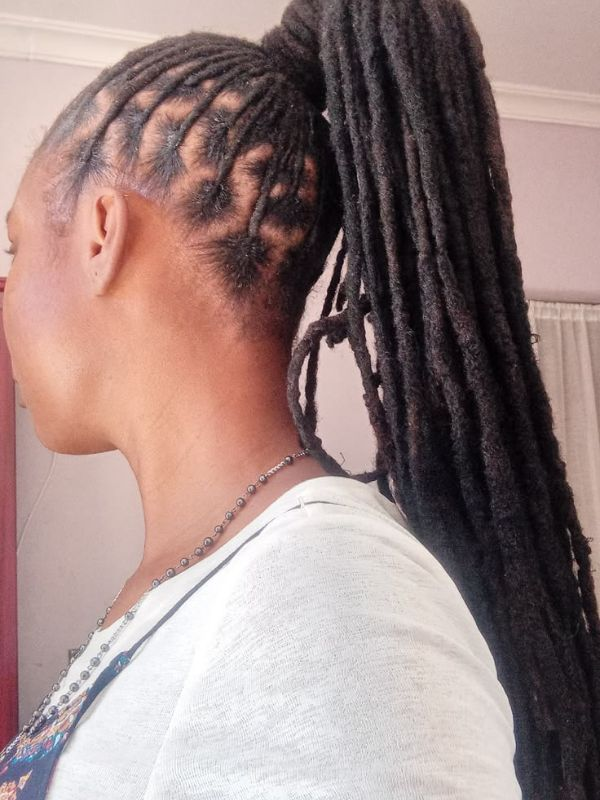
High or tightly secured ponytails constantly pull on the roots, especially around the hairline and crown.
Instead of wearing your ponytail tightly every day
- Wear it lower on your head.
- Use soft, snag-free hair ties.
- Loosen the style if it feels tight or uncomfortable.
Your scalp should never feel sore after styling.
2. Tight Buns
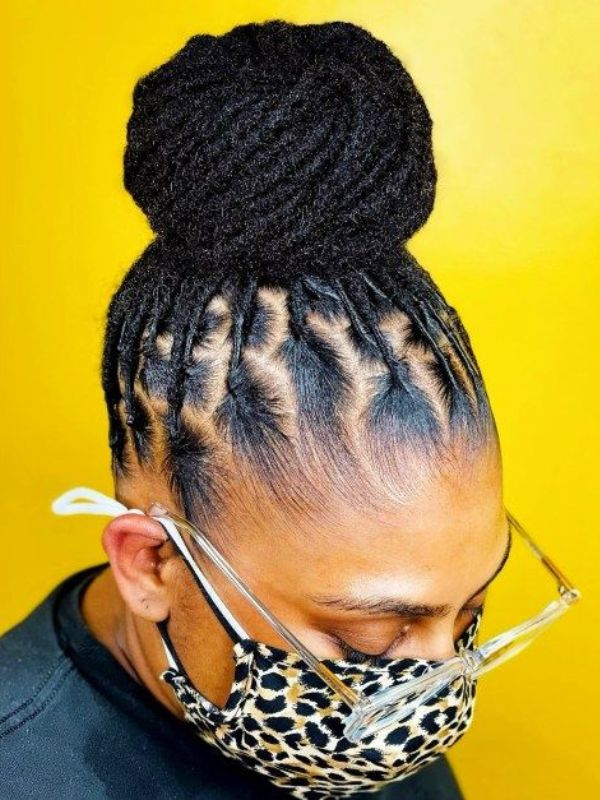
Sleek buns may look elegant, but they can create constant tension on your roots if worn too often.
If you enjoy buns
- Choose loose, low buns instead.
- Avoid twisting your locs too tightly.
- Change the bun’s position occasionally to reduce Stress on the same areas.
Giving your roots a break helps reduce traction.
3. Heavy Extensions
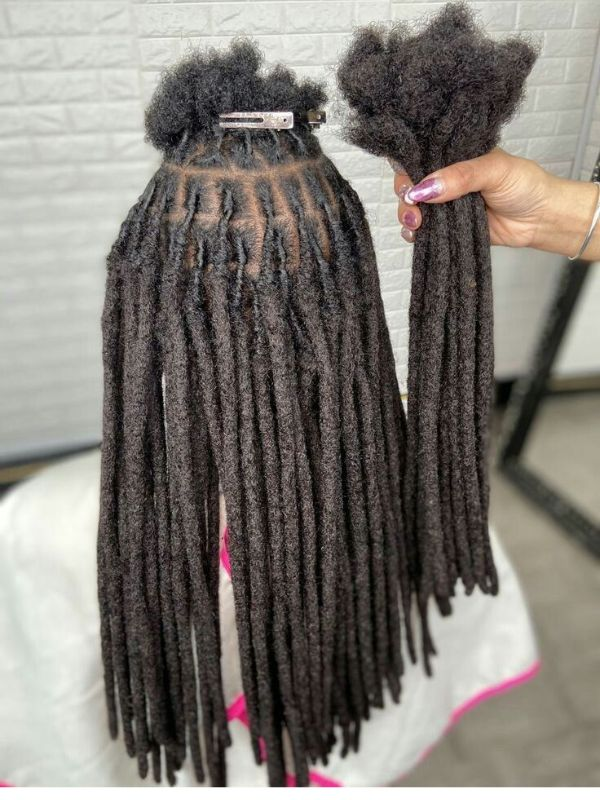
Adding long extensions or wrapping your locs with excessive Hair can increase the weight your roots have to support.
If your locs are thinning
- Skip heavy loc extensions.
- Avoid bulky wraps.
- Remove extensions if they feel heavy or cause discomfort.
Your natural locs should not struggle to support extra weight.
4. Styles That Pull the Edges
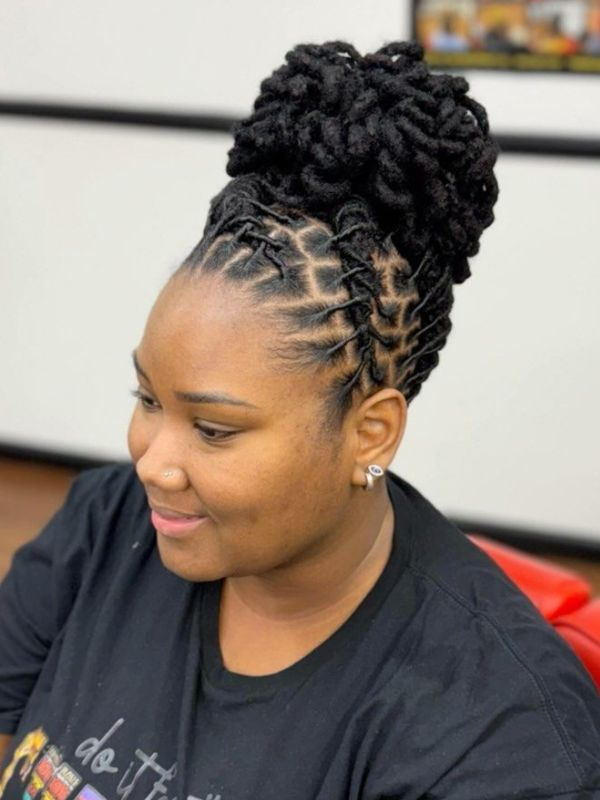
The Hair around your temples and hairline is often the most delicate. Hairstyles that pull these areas tightly can lead to traction alopecia and thinning edges.
Avoid styles that
- Pull your baby hairs tightly.
- Stretch the front locs backwards.
- Keep constant pressure on the same sections.
Protecting your edges is just as important as protecting the rest of your locs.
5. Constant High Tension Styles
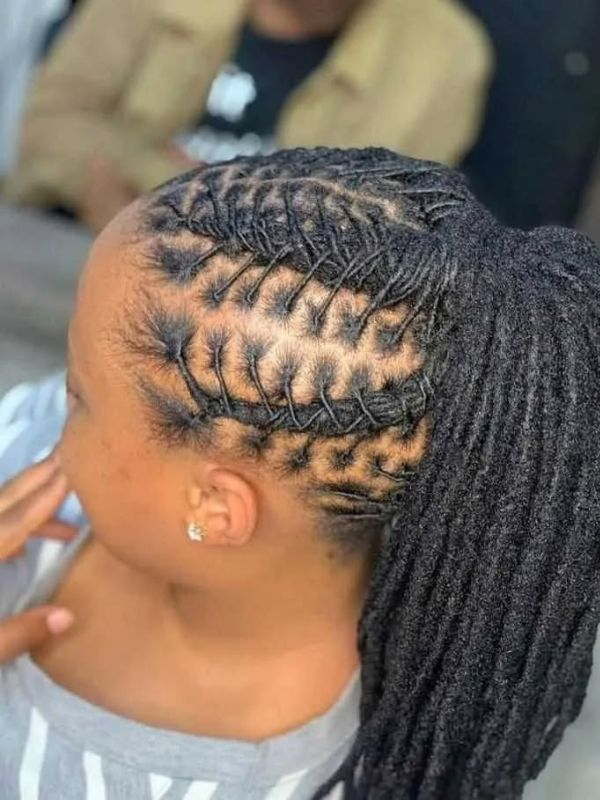
Even if one hairstyle does not seem harmful, wearing high-tension styles repeatedly can weaken your locs over time.
Examples include
- Tight barrel twists.
- Tight braided loc styles.
- Very tight updos.
- Styles that cause pain during or after installation.
A good rule to remember is simple. If a hairstyle hurts, it is too tight.
When your locs are thinning, your focus should be on reducing tension, not creating perfectly neat styles. Choosing loose, comfortable hairstyles gives your scalp time to recover and helps protect your locs from further damage while they regain their strength.
Best Hairstyles for Thinning Locs
When your locs are thinning, the goal is to choose hairstyles that protect your Hair and not put more Stress on it. I always encourage my clients to think of their hairstyle as part of their treatment plan. A gentle, low-tension style can give your scalp time to recover and help prevent further breakage.
Here are some of the best hairstyles for thinning locs.
1. Loose Low Ponytails
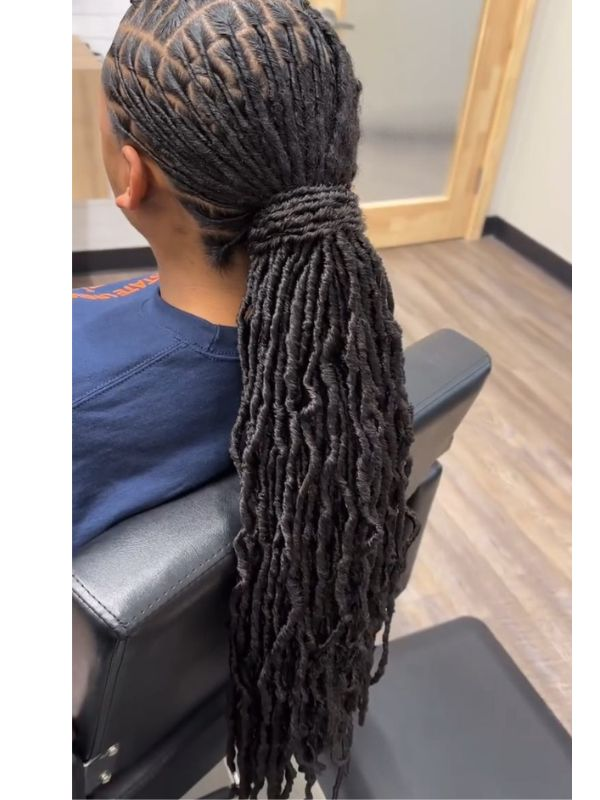
A low ponytail is one of the safest styles for thinning locs because it places less tension on the roots than a high ponytail.
For the best results
- Keep the ponytail loose.
- Use a soft, snag-free hair tie.
- Avoid pulling your Hair tightly around the hairline.
- Change the position occasionally to avoid repeated tension.
This style is simple, neat, and suitable for everyday wear.
2. Half Up Half Down Styles
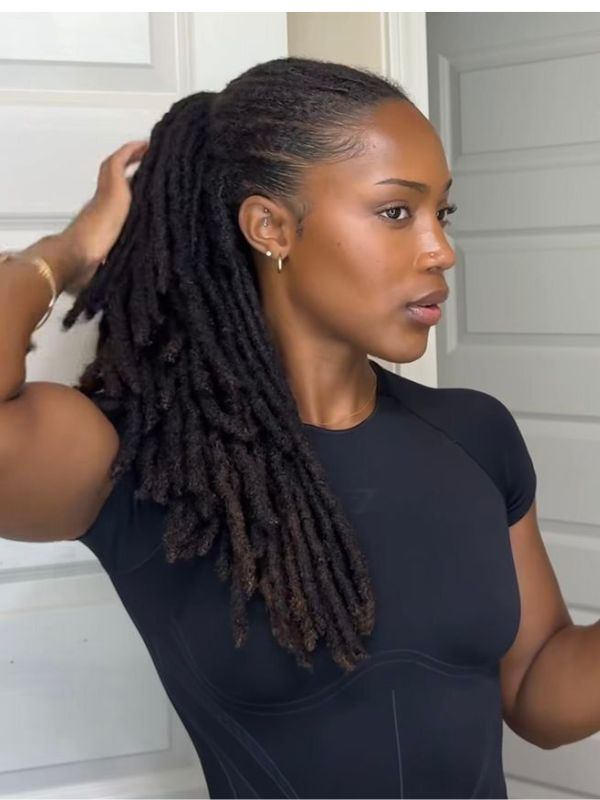
This hairstyle keeps some locs secured while allowing the rest to hang freely, reducing Stress on your scalp.
To make it more protective
- Gather only a small section of locs at the top.
- Keep the style loose.
- Avoid twisting or pulling tightly.
It is a great option if you want a stylish look without putting too much pressure on your roots.
3. Loose Barrel Twists
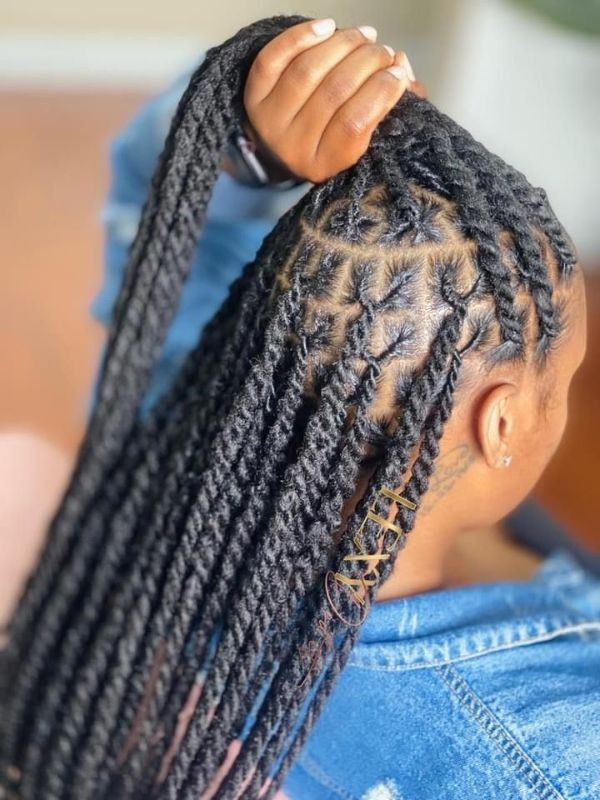
Barrel twists can still be worn if they are installed with very little tension.
Ask your loctician to
- Twist gently.
- Avoid making the style too tight.
- Keep the twists lightweight.
- Remove the style if you notice pain or discomfort.
Comfort should always come before appearance.
4. Simple Down Styles
Sometimes the healthiest hairstyle is no hairstyle at all.
Wearing your locs down.
- Gives your roots a chance to rest.
- Reduces constant pulling.
- Allows your scalp to breathe.
- Makes it easier to monitor thinning areas.
If your locs are long enough, this is one of the safest options while they recover.
5. Protective Styles With Minimal Tension
Protective styles can still work for thinning locs as long as they are installed correctly.
Look for styles that.
- Feel comfortable from the moment they are done.
- Do not pull on your roots.
- Are lightweight.
- Can be removed easily without causing damage.
Always tell your loctician if you have thinning locs before they begin styling your Hair. They can adjust the style to protect your weak areas.
The best hairstyle for thinning locs is one that keeps your Hair comfortable, minimises tension, and supports healthy growth. Our priority right now is to restore your locs. Once they become healthier, you’ll have more flexibility to experiment with different styles again.
Common Mistakes That Make Thinning Locs Worse
When people notice their locs are thinning, their first instinct is often to try every product or home remedy they can find. Unfortunately, some of these habits can make the problem even worse. As a loc tician, I have seen many thinning locs that could have been saved if the right steps had been taken early on.
Avoid these common mistakes to give your locs the best chance of recovering.
1. Ignoring Early Signs of Thinning
Many people assume a small weak spot will fix itself, but thinning usually gets worse if the cause is not addressed.
Do not ignore signs like
- A thinner root.
- A weak section in the middle.
- Excessive shedding.
- A loc that feels loose.
The earlier you take action, the easier it is to prevent breakage.
2. Retwisting Too Often
Keeping your locs neat should never come at the expense of their health. Retwisting too frequently can weaken new growth and put unnecessary Stress on your roots.
Instead
- Allow enough new growth before each retwist.
- Ask your loctician to use gentle tension.
- Accept a little frizz between appointments.
Healthy locs are more important than perfectly neat locs.
3. Continuing Tight Hairstyles
If your locs are already thinning, wearing tight ponytails, buns, or barrel twists can worsen the damage.
Choose hairstyles that
- Feel comfortable.
- Do not pull on your scalp.
- Allow your roots to rest.
Pain is a sign that your hairstyle is too tight.
4. Using Heavy Products
Applying large amounts of wax, cream, or oil can lead to buildup, making your scalp less healthy and your locs heavier.
Keep your routine simple by
- Using lightweight products.
- Washing your locs regularly.
- Avoiding excessive product layering.
A clean scalp supports healthier hair growth.
5. Skipping Scalp Care
Some people focus only on the locs and forget that healthy Hair starts at the scalp.
Make scalp care part of your routine by
- Washing regularly.
- Moisturising when needed.
- Gently massaging your scalp for signs of irritation or inflammation.
Taking care of your scalp is just as important as caring for your locs.
6. Trying DIY Repairs Without Experience
It can be tempting to repair a thinning loc yourself, but using the wrong technique may cause more damage.
Avoid
- Pulling loose hairs into the loc without proper technique.
- Cutting weak sections yourself.
- Using excessive glue or unsuitable tools.
- Following unverified social media hacks.
If a loc is severely damaged or hanging by only a few strands, it is safer to visit an experienced loctician.
When Should You See a Loctician or Dermatologist?
Not every case of thinning locs can be fixed at home. While improving your hair care routine can help in many situations, there are times when professional help is the safest and most effective option. As a loctician, I always encourage my clients to seek help early rather than waiting until a loc breaks off completely.
Here are some signs that it’s time to consult a professional.
Signs You Need a Loctician
A qualified loctician can assess the condition of your locs and recommend the best repair method before the damage becomes permanent.
Book an appointment if you notice
- A loc hanging by only a few strands of Hair.
- Thinning at the roots, continuing to worsen.
- A weak section in the middle of the loc.
- Several locs thinning at the same time.
- Loose or unravelling locs that need reinforcement.
- Breakage after retwisting or styling.
The sooner a loc tician examines the problem, the more likely they are to repair the loc.
Questions to Ask Your Loctician
Choosing the right professional is just as important as seeking help.
Consider asking
- What is causing my locs to thin?
- Can these locs be repaired, or should they be combined?
- How often should I retwist my locs?
- Which hairstyles should I avoid while my locs recover?
- What products do you recommend for my hair type?
- How can I prevent this from happening again?
A good loctician will explain your options and create a care plan that suits your locs.
When to See a Dermatologist
Sometimes thinning locs are not caused by your hair routine. An underlying medical condition may be affecting your hair growth.
Consider seeing a dermatologist if you experience
- Sudden or severe hair loss.
- Bald patches on your scalp.
- Persistent itching, redness, or pain.
- Scalp sores or excessive flaking.
- Hair thinning that continues even after improving your loc care routine.
- A family history of significant hair loss.
A dermatologist can examine your scalp, identify any medical concerns, and recommend appropriate treatment if needed.
There is no shame in asking for professional help. In fact, it is often the smartest decision you can make. Whether you visit a trusted loctician for repairs or a dermatologist for a scalp evaluation, getting expert advice early can help protect your locs, improve your scalp health, and prevent further hair loss.
Frequently Asked Questions
1. Can thinning locs grow back?
Yes, thinning locs can improve if the hair follicles are still healthy and the cause is addressed early. Reducing tension, following a healthy loc care routine, and maintaining a healthy scalp can help support stronger hair growth. However, if the follicle has been permanently damaged, regrowth may be limited.
2. Can you fix thinning locs without cutting them?
In many cases, yes. Mild to moderate thinning can often be managed with proper scalp care, less frequent retwisting, moisturising, and protective styling. If a loc is damaged, a loc technician may recommend reinforcing, combining, or repairing it instead of cutting it off.
3. How long does it take to fix thinning locs?
There is no set timeline because it depends on the cause and severity of the thinning. Some people notice healthier Hair within a few months after changing their routine, while more severe cases may take longer and require professional treatment. Consistency and patience are key.
4. Can retwisting cause thinning locs?
Yes. Retwisting too often or too tightly is one of the most common causes of thinning locs. Excessive tension weakens the roots over time and can lead to breakage or traction-related hair loss. Gentle retwisting and spacing out appointments can help protect your locs.
5. Should I combine thinning locs?
Combining locs can be a good option when one or two locs have become too weak to support themselves. An experienced loctician can determine whether combining the locs will strengthen the area and prevent further breakage.
6. How often should I retwist thinning locs?
There is no one-size-fits-all schedule, but it is generally best to avoid retwisting too frequently. Wait until you have enough new growth, and ask your loc tician to use gentle tension. Keeping your locs healthy is more important than having them look perfectly neat all the time.
7. Which oil is best for thinning locs?
Lightweight oils such as jojoba oil, grapeseed oil, sweet almond oil, and argan oil are good options for helping seal in moisture. Remember that oils do not make Hair grow, but they can help keep your scalp and locs moisturised as part of a healthy hair care routine.
Yes. Tight ponytails, buns, barrel twists, and styles that pull on the roots can increase tension and worsen thinning. If a hairstyle feels painful or causes soreness, it is too tight and should be loosened or avoided.
9. When should I see a loctician for thinning locs?
You should see a loctician if a loc is hanging by only a few strands, several locs are thinning, or you notice a weak section that continues to get smaller. Getting professional help early often increases the chances of repairing the loc.
10. Can thinning locs be prevented?
In many cases, yes. You can reduce your risk by avoiding tight hairstyles, spacing out retwist appointments, keeping your scalp clean, moisturising your locs, and protecting them. At the moment, moisturise, sleep, eat a balanced diet, and address any scalp or health issues as early as possible.
Conclusion
Discovering that your locs are thinning can be discouraging, but it does not always mean you have to start your loc journey over. In many cases, thinning locs can be managed or even repaired when you identify the cause early and take the right steps to protect your hair.
Whether your locs are thinning at the roots, in the middle, or at the ends, focus on reducing tension, keeping your scalp healthy, moisturising your locs, and following a consistent hair care routine. Small changes, such as spacing out your retwists, avoiding tight hairstyles, and choosing gentle products, can make a big difference over time.
Remember, healthy locs are built through patience and consistent care, not quick fixes. If your thinning continues or your locs become severely damaged, do not hesitate to seek help from an experienced loctician or dermatologist. Getting professional advice early can help save your locs and prevent further hair loss.
With the right care and a little patience, your locs can become stronger, healthier, and better protected for the future.