School lunch ideas can be challenging during the school year. If you’ve ever stood in front of the refrigerator wondering what to pack, or heard “I don’t want that again!” from your child, you’re definitely not alone. Between busy mornings, picky eaters, and trying to prepare healthy meals, packing school lunches can be like a daily struggle.
With a little planning and a variety of simple recipes, you can pack meals your kids or teens will look forward to eating. A well-balanced lunch keeps students full until the end of the school day and also gives them the energy and focus they need to learn, play, and participate in after-school activities.
Whether you’re packing lunches for preschoolers, elementary school kids, middle school students, high schoolers, or teenagers with big appetites, having plenty of ideas makes it easier to avoid repeating the same meals every week. From healthy lunch boxes and protein-packed meals to vegetarian options and lunches for picky eaters, there’s something here for every family.
In this guide, you’ll find creative school lunch ideas, practical lunch-packing tips, budget-friendly options, and nutritious meals that are easy to prepare, delicious to eat, and perfect for busy school mornings.
See back to Checklist for students and Teachers
Why Packing School Lunches Is Worth It
Packing school lunches may take a little extra time, but the benefits are well worth the effort. A homemade lunch gives you more control over the ingredients, helps save money, and allows you to prepare meals your child or teen will actually enjoy. Instead of relying on cafeteria food or fast food, you can create balanced lunches that provide the nutrients students need to stay focused and energised throughout the school day.
Whether you’re packing lunch for a preschooler, an elementary school student, a teenager, or a high school student, preparing lunches at home can make healthy eating easier while reducing food waste and unnecessary spending.
1. Healthier Food Choices
One of the biggest advantages of packing school lunches is knowing exactly what goes into every meal. You can include fresh, wholesome ingredients and avoid excessive sugar, unhealthy fats, and highly processed foods.
A healthy school lunch can include
- Lean proteins like grilled chicken, turkey, eggs, beans, or tuna.
- Whole grains such as wheat bread, brown rice, or whole grain wraps.
- Fresh fruits like apples, grapes, berries, or oranges.
- Vegetables including carrots, cucumbers, bell peppers, or cherry tomatoes.
- Healthy snacks like yoghurt, cheese, nuts (if allowed), or homemade trail mix.
These nutritious foods help support healthy growth and improve concentration in class.
2. Saves Money
Buying lunch every day can become expensive, especially if you have more than one child. Packing lunches at home is often much more affordable and allows you to make the most of groceries you already have.
You can save money by
- Buying ingredients in bulk.
- Preparing lunches ahead of time.
- Using leftovers from dinner.
- Choosing seasonal fruits and vegetables.
- Limiting individually packaged snacks.
Over the course of a school year, these small savings can really add up.
3. Gives You More Variety
Packing lunches at home lets you switch up meals based on your child’s preferences, dietary needs, and favourite foods. Instead of eating the same lunch every day, you can create different combinations that keep lunchtime exciting.
Try rotating
- Sandwiches and wraps.
- Pasta salads.
- Rice bowls.
- Homemade snack boxes.
- Bento-style lunches.
- Quesadillas.
- Mini pizzas.
- Chicken or veggie wraps.
Adding variety helps prevent boredom and encourages students to eat their lunch instead of bringing it home untouched.
4. Helps Kids Stay Energised Throughout the School Day
A balanced lunch provides the fuel students need to stay focused during lessons, participate in physical activities, and complete homework after school.
Including a mix of protein, healthy fats, fibre, and complex carbohydrates can help.
- Maintain energy levels.
- Improve concentration.
- Keep students feeling full longer.
- Support brain function.
- Reduce afternoon hunger.
Pair lunch with a healthy snack and plenty of water to help students stay hydrated and ready to learn.
Packing school lunches is about more than just filling a lunch box. It’s an opportunity to provide nutritious meals, save money, reduce food waste, and give children and teens the energy they need to succeed at school. With a little planning and creativity, homemade lunches can become one of the easiest ways to support your family’s health and make busy school days run more smoothly.
See how to set up a proper study space for excellent school performance
What Makes a Balanced School Lunch?
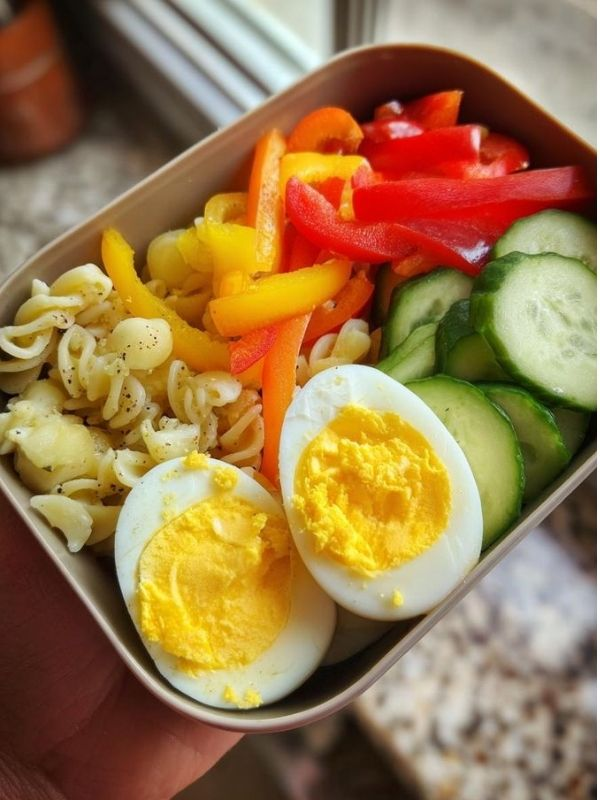
A balanced school lunch does more than satisfy hunger. It provides the nutrients students need to stay focused, active, and energised throughout the school day. Whether you’re packing lunch for a young child, a teenager, or a high school student, including foods from different food groups helps support healthy growth, brain development, and steady energy levels.
The best school lunches combine protein, whole grains, fruits, vegetables, healthy fats, and a nutritious drink. Here are the key components of a balanced school lunch.
1. Include a Lean Protein
Protein is one of the most important parts of a school lunch because it helps students stay full longer and supports muscle growth, brain function, and overall development.
Healthy protein options include
- Grilled chicken.
- Turkey slices.
- Boiled eggs.
- Tuna.
- Salmon.
- Cheese.
- Greek yoghurt.
- Black beans.
- Chickpeas.
- Hummus.
- Tofu.
Aim to include at least one source of protein in every lunch box.
2. Add Whole Grains for Lasting Energy
Whole grains provide complex carbohydrates that release energy slowly, helping students stay alert and focused throughout the day.
Good whole-grain choices include
- Whole wheat bread.
- Whole grain wraps.
- Brown rice.
- Whole wheat pasta.
- Quinoa.
- Oatmeal muffins.
- Whole grain crackers.
Compared to refined grains, whole grains contain more fibre, vitamins, and minerals.
3. Pack Plenty of Fruits
Fresh fruit naturally adds sweetness, vitamins, minerals, and fibre to a school lunch.
Easy-to-pack fruits include
- Apple slices.
- Grapes.
- Strawberries.
- Blueberries.
- Orange segments.
- Bananas.
- Watermelon cubes.
- Pineapple chunks.
- Pear slices.
- Kiwi.
Cutting fruit into bite-sized pieces can make it more appealing, especially for younger children.
4. Include Colourful Vegetables
Vegetables provide essential nutrients that support a healthy immune system and overall growth. They also add crunch, colour, and variety to a lunch box.
Kid-friendly vegetables include
- Baby carrots.
- Cucumber slices.
- Bell pepper strips.
- Cherry tomatoes.
- Celery sticks.
- Broccoli florets.
- Sugar snap peas.
Pair vegetables with a healthy dip like hummus, ranch, or Greek yoghurt dip to encourage kids to eat more of them.
5. Add Healthy Fats
Healthy fats help support brain development and keep students feeling satisfied between meals.
Nutritious sources of healthy fats include
- Avocado slices.
- Cheese cubes.
- Seeds such as sunflower or pumpkin seeds.
- Nut butter, if allowed by the school.
- Olives.
- Hummus.
These foods are filling and provide important nutrients for growing bodies.
6. Include a Healthy Snack
A small snack helps satisfy hunger and provides extra energy for after-school activities or sports.
Healthy snack ideas include
- Greek yoghurt.
- Cheese sticks.
- Trail mix.
- Whole grain crackers.
- Homemade muffins.
- Popcorn.
- Rice cakes.
- Roasted chickpeas.
Choose snacks that are low in added sugar and high in nutrients.
7. Don’t Forget a Healthy Drink
Staying hydrated is just as important as eating a nutritious meal. Water is the best choice for most students because it keeps them hydrated without added sugar.
Other healthy drink options include
- Water.
- Milk.
- Unsweetened flavoured water.
- Low-fat milk.
- Plant-based milk, if appropriate.
Avoid sugary soft drinks and limit fruit juices with added sugar.
8. Include a Small Treat in Moderation
A balanced lunch doesn’t have to be perfect. Including a small treat occasionally can help students enjoy their lunch without feeling restricted.
Some better treat options include
- A small homemade cookie.
- Dark chocolate squares.
- Fruit leather with no added sugar.
- Mini oatmeal cookies.
- Homemade energy bites.
The goal is balance, not perfection.
9. Pack the Right Portion Size
The amount of food you pack should match your child’s age, appetite, and activity level.
For example
- Younger children usually prefer smaller portions and bite-sized foods.
- Teens and high school students often need larger portions because they’re growing and may participate in sports or other physical activities.
- Active students may benefit from an extra snack or additional protein.
Packing the right amount helps reduce food waste while ensuring students have enough energy for the day.
10. Create a Balanced Lunch Box
Instead of focusing on one type of food, aim for a complete meal with a variety of nutrients.
A balanced lunch box might include
- A turkey and cheese whole wheat sandwich.
- Carrot sticks with hummus.
- Apple slices.
- Greek yoghurt.
- A bottle of water.
Or
- Grilled chicken pasta salad.
- Cucumber slices.
- Mixed berries.
- Whole grain crackers.
- Cheese cubes.
Combining different food groups creates a satisfying meal that keeps students full, focused, and ready to learn.
A balanced school lunch doesn’t have to be complicated or expensive. By including a mix of protein, whole grains, fruits, vegetables, healthy fats, and water, you can create nutritious lunches that students enjoy eating while giving them the energy they need to succeed throughout the school day.
School Lunch Packing Tips
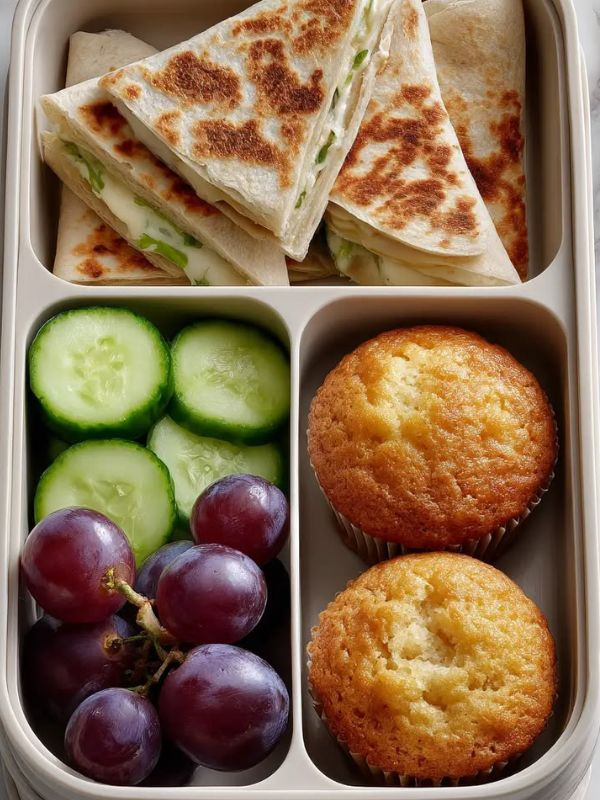
Packing school lunches can be quick, easy, and stress-free with a little planning. The right packing techniques help keep food fresh, prevent leaks, and make lunchtime more enjoyable for kids and teens. Whether you’re preparing lunches the night before or packing them during a busy morning, these practical tips will help you save time while creating meals your child will look forward to eating.
1. Plan Lunches for the Week
One of the easiest ways to avoid last-minute stress is to decide what you’ll pack before the school week begins.
Try creating a simple weekly lunch plan that includes
- Monday – Turkey and cheese wrap with grapes.
- Tuesday – Chicken pasta salad with apple slices.
- Wednesday – Ham sandwich with carrot sticks.
- Thursday – Veggie quesadilla with strawberries.
- Friday – DIY snack box with cheese, crackers, fruit, and yoghurt.
Planning also makes grocery shopping much easier.
2. Prep Ingredients in Advance
Preparing ingredients ahead of time can save valuable minutes on busy mornings.
You can prep
- Wash and slice fruits.
- Cut vegetables into snack-sized pieces.
- Cook pasta or rice.
- Grill chicken.
- Boil eggs.
- Portion snacks into reusable containers.
Store everything in the refrigerator so lunches come together quickly each day.
3. Use Leak-Proof Lunch Containers
The right containers keep food fresh and prevent spills inside backpacks.
Choose containers that
- Have secure lids.
- Separate different foods.
- Are BPA-free.
- Are easy for children to open.
- Fit inside your lunch bag.
Bento-style lunch boxes are especially helpful because they keep foods separated without needing multiple containers.
4. Keep Cold Foods Fresh
Many school lunches contain foods that need to stay cool until lunchtime.
To keep food safe
- Add a reusable ice pack.
- Freeze a bottle of water to act as both a drink and an ice pack.
- Keep lunch in an insulated lunch bag.
- Refrigerate packed lunches overnight.
These simple steps help maintain freshness for several hours.
5. Pack Foods That Are Easy to Eat
Students usually have limited time to eat lunch, so choose foods that don’t require a lot of preparation.
Good options include
- Wraps.
- Bite-sized sandwiches.
- Cheese cubes.
- Fruit slices.
- Pasta salad.
- Chicken bites.
- Veggie sticks.
- Mini muffins.
Smaller portions are often easier for younger children to finish.
6. Include a Variety of Foods
Packing different textures, colours, and flavours makes lunch more exciting and encourages students to eat a balanced meal.
A colourful lunch box might include
- A protein.
- A whole grain.
- Fresh fruit.
- Vegetables.
- A healthy snack.
- Water.
Variety helps prevent lunch boredom throughout the school year.
7. Let Kids Help Pack Their Lunch
Children are often more excited to eat lunches they helped prepare.
Let them choose
- Their fruit.
- Their vegetables.
- Their healthy snack.
- Their sandwich filling.
- Their lunch container.
Giving kids a few healthy choices encourages independence and reduces uneaten food.
8. Label Lunch Boxes and Containers
If your child has reusable containers or attends a school with many similar lunch bags, labelling everything can prevent items from getting lost.
Consider labeling
- Lunch bags.
- Water bottles.
- Food containers.
- Ice packs.
- Reusable utensils.
Waterproof labels are especially helpful for younger students.
9. Rotate Lunch Ideas
Packing the same meal every day can become boring, even if it’s a favourite.
Keep lunches interesting by rotating.
- Sandwiches.
- Wraps.
- Pasta salads.
- Rice bowls.
- Homemade snack boxes.
- Quesadillas.
- Leftovers from dinner.
Trying one or two new recipes each month can also add variety.
10. Pack Lunch the Night Before
Busy mornings are much easier when most of the work is already done.
The evening before school
- Prepare sandwiches or wraps.
- Wash fruits and vegetables.
- Fill reusable containers.
- Pack snacks.
- Place the lunch bag in the refrigerator.
In the morning, simply add an ice pack and a drink before heading out the door.
With preparation, smart storage, and a variety of healthy foods, you can create lunches that stay fresh, taste great, and give kids and teens the energy they need throughout the school day. A few minutes of planning today can make every school morning smoother and less stressful.
Healthy School Lunch Ideas
A nutritious lunch gives students the energy they need to stay focused, participate in class, and make it through after-school activities without feeling tired or hungry.
The best healthy school lunches include a balance of protein, whole grains, fruits, vegetables, healthy fats, and a refreshing drink. When these food groups work together, they provide long-lasting energy and essential nutrients for growing bodies.
Whether you’re packing lunch for a preschooler, an elementary school student, a teenager, or a college student, these healthy lunch ideas are easy to prepare and enjoyable to eat.
1. Grilled Chicken Wrap

A grilled chicken wrap is filling, portable, and packed with protein.
What you’ll need:
- Whole wheat tortilla
- Grilled chicken strips
- Lettuce
- Sliced tomatoes
- Cucumber
- Shredded cheese
- Light ranch or hummus
How to make it:
- Warm the tortilla slightly.
- Spread a thin layer of hummus or dressing.
- Add grilled chicken and vegetables.
- Sprinkle with cheese.
- Roll tightly and slice in half.
- Pack with grapes and carrot sticks.
2. Turkey and Cheese Sandwich

This classic lunch is easy to prepare and can be customised with your child’s favourite vegetables.
What you’ll need:
- Whole grain bread
- Turkey slices
- Cheese
- Lettuce
- Tomato
- Cucumber
Serve with:
- Apple slices
- Yogurt
- A handful of nuts (if allowed by the school)
3. Pasta Salad Lunch Box
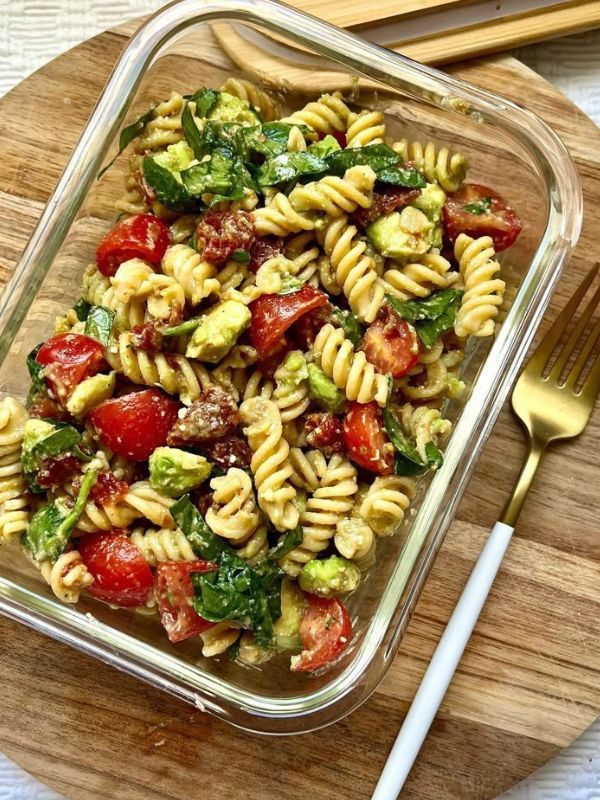
Cold pasta salad makes an excellent lunch because it stays tasty even without reheating.
Ingredients:
- Whole wheat pasta
- Grilled chicken
- Cherry tomatoes
- Cucumbers
- Bell peppers
- Italian dressing
Simply cook the pasta, let it cool, mix with the remaining ingredients, and refrigerate before packing.
4. DIY Protein Snack Box
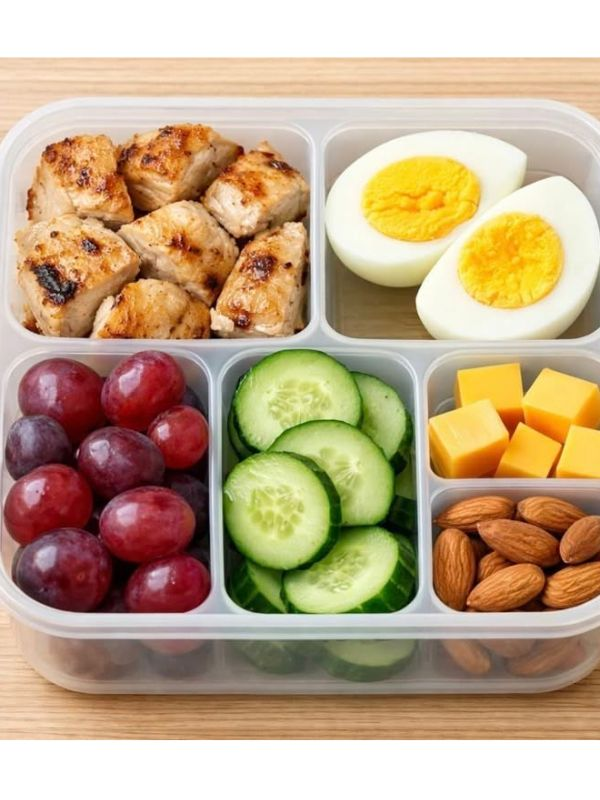
Snack boxes are perfect for students who enjoy variety.
Include:
- Cheese cubes
- Whole grain crackers
- Boiled egg
- Grapes
- Cucumber slices
- Baby carrots
- Mixed berries
This balanced lunch offers protein, fibre, vitamins, and healthy carbohydrates.
5. Peanut Butter and Banana Sandwich

For schools that allow peanuts, this is an easy, nutritious option.
Spread natural peanut butter on whole grain bread, add sliced bananas, and serve with:
- Greek yogurt
- Strawberries
- Water
If peanuts aren’t allowed, use sunflower seed butter or another nut-free alternative.
6. Rice and Grilled Chicken Bowl
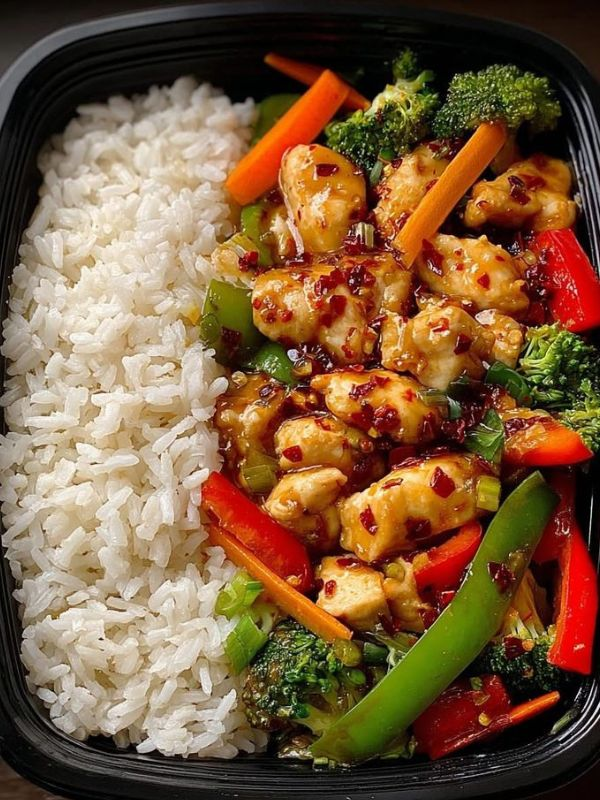
A rice bowl is hearty and works well in an insulated lunch container.
You’ll need:
- Brown or white rice
- Grilled chicken
- Steamed broccoli
- Sweet corn
- Carrots
Layer everything into a thermos to keep it warm until lunchtime.
7. Veggie Quesadilla school lunch ideas

This is a great way to include more vegetables in your child’s lunch.
Ingredients:
- Whole wheat tortilla
- Cheese
- Bell peppers
- Spinach
- Corn
Cook until the cheese melts, cut into triangles, and pack with salsa or plain Greek yoghurt for dipping.
8. Egg Salad Sandwich

Eggs are affordable and rich in protein.
Mix:
- Chopped boiled eggs
- Greek yoghurt or light mayonnaise
- Mustard
- Black pepper
Spread onto whole grain bread and serve with cucumber slices and orange wedges.
9. Homemade Mini Pizza Bagels

Children often enjoy homemade versions of their favourite foods.
How to make them:
- Slice whole grain bagels in half.
- Spread pizza sauce.
- Add shredded mozzarella.
- Top with vegetables or lean turkey.
- Bake until the cheese melts.
- Cool before packing.
Pair with fresh fruit for a balanced lunch.
10. Tuna Salad Wrap

Tuna is an excellent source of protein and healthy fats.
Mix canned tuna with:
- Greek yoghurt or light mayonnaise
- Celery
- Sweet corn
- Black pepper
Wrap it in a whole wheat tortilla with lettuce and sliced cucumbers.
Step-by-Step Guide to Building a Healthy School Lunch
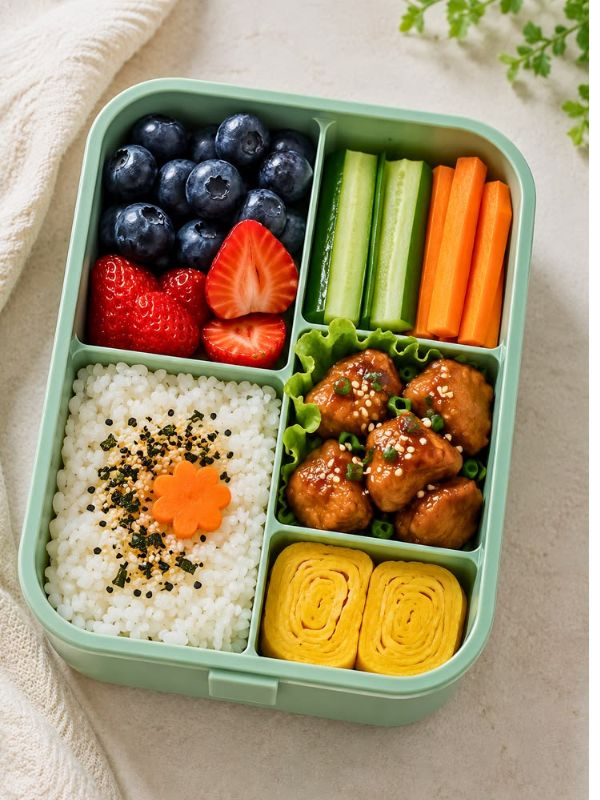
If you’re unsure what to pack, use this simple formula every day.
Step 1: Choose a Protein
Protein keeps students full longer.
Examples include:
- Chicken
- Turkey
- Eggs
- Tuna
- Cheese
- Yogurt
- Beans
- Tofu
Step 2: Add Whole Grains
Whole grains provide lasting energy.
Good choices include:
- Whole wheat bread
- Whole wheat wraps
- Brown rice
- Whole grain crackers
- Whole wheat pasta
Step 3: Include Fruits
Fresh fruit adds natural sweetness and important vitamins.
Easy options include:
- Apples
- Grapes
- Strawberries
- Blueberries
- Oranges
- Watermelon
- Bananas
Step 4: Add Vegetables
Vegetables provide fibre and nutrients.
Simple choices include:
- Carrots
- Cucumbers
- Bell peppers
- Cherry tomatoes
- Celery
- Broccoli
Step 5: Include a Healthy Snack
Healthy snacks keep students satisfied.
Ideas include:
- Cheese sticks
- Yogurt
- Trail mix
- Roasted chickpeas
- Popcorn
- Nuts (if permitted)
Step 6: Pack a Healthy Drink
The healthiest drinks include:
- Water
- Milk
- Unsweetened flavored water
Avoid sugary sodas and excessive fruit drinks whenever possible.
Tips for Keeping Healthy Lunches Fresh
Follow these simple tips to make sure food stays fresh until lunchtime.
- Use an insulated lunch bag.
- Pack reusable ice packs for cold foods.
- Store hot foods in a thermos.
- Use leak-proof containers.
- Slice fruits just before packing to reduce browning.
- Keep wet and dry foods separate.
Healthy school lunches don’t have to be boring. By combining protein, whole grains, fruits, vegetables, and healthy snacks, you can create delicious meals that keep students energised throughout the school day. With a little planning and variety, lunchtime can become something every child looks forward to.
Easy School Lunch Ideas for Kids
Packing lunch for kids can feel like a daily challenge, especially when you’re trying to make it healthy, fun, and something they’ll actually eat. The good news is that school lunches don’t have to be complicated. With a little planning and a few simple ingredients, you can prepare delicious meals that keep kids full, energised, and excited for lunchtime.
The best lunches for kids are easy to eat, colourful, and balanced with protein, whole grains, fruits, and vegetables.
1. Ham and Cheese Roll-Ups

Skip the traditional sandwich and make fun roll-ups instead.
You’ll need:
- Whole wheat tortilla
- Sliced ham
- Cheese slices
- Lettuce
How to make it:
- Lay the tortilla flat.
- Add the ham, cheese, and lettuce.
- Roll it tightly.
- Slice into bite-sized pinwheels.
Serve with apple slices and cucumber sticks.
2. Mini Sandwich Sliders

Small sandwiches are often more exciting for younger children than large ones.
Use:
- Mini whole wheat buns
- Turkey or chicken slices
- Cheese
- Lettuce
Add grapes and baby carrots on the side for a complete meal.
3. Homemade Lunchables
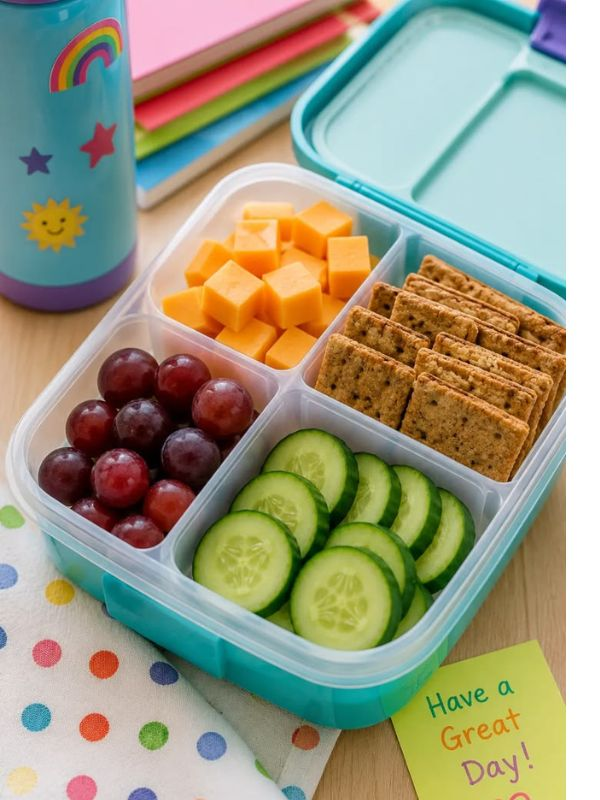
Kids love choosing what they eat, and homemade lunch boxes are healthier than store-bought versions.
Pack:
- Whole grain crackers
- Cheese cubes
- Turkey slices
- Grapes
- Strawberries
- Cucumber slices
This lunch is easy to prepare and offers plenty of variety.
4. Chicken and Cheese Quesadilla

Quesadillas are simple to make and taste great even when they’re cool.
How to prepare:
- Fill a whole wheat tortilla with shredded chicken and cheese.
- Cook until the cheese melts.
- Cut into triangles.
- Pack with salsa or plain Greek yoghurt for dipping.
Add orange slices for extra vitamin C.
5. Peanut Butter and Jelly Sandwich

This classic lunch remains a favourite for many children.
Choose:
- Whole grain bread
- Natural peanut butter
- Low-sugar fruit spread
If your child’s school is nut-free, substitute sunflower seed butter.
Serve with banana slices and yoghurt.
6. Mini Pizza Muffins

These homemade pizza bites are fun and easy to eat.
Ingredients:
- English muffins
- Pizza sauce
- Mozzarella cheese
- Turkey pepperoni or vegetables
Bake until the cheese melts, cool completely, and pack with fresh fruit.
7. Pasta and Veggie Lunch Box
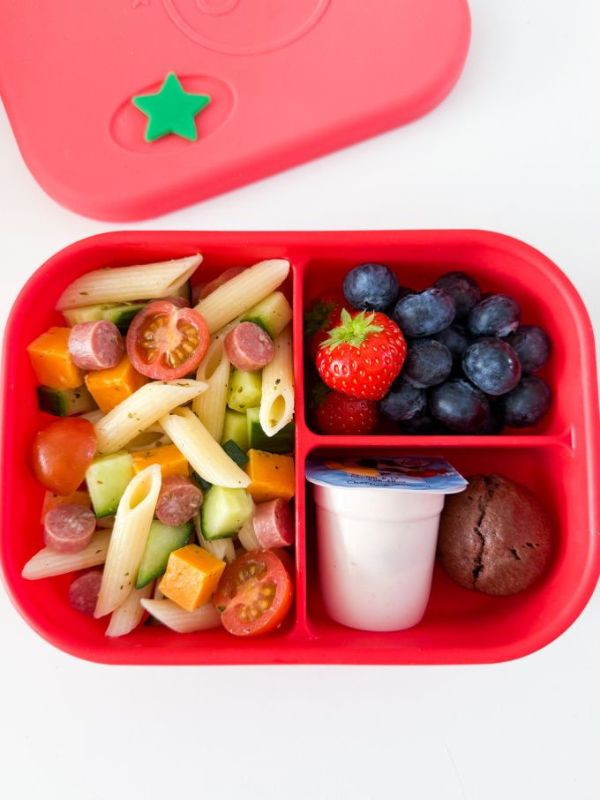
Cold pasta is perfect for busy school mornings.
Mix:
- Whole wheat pasta
- Cherry tomatoes
- Cucumbers
- Cheese cubes
- Italian dressing
Add grilled chicken for extra protein if desired.
8. Chicken Nuggets with Healthy Sides
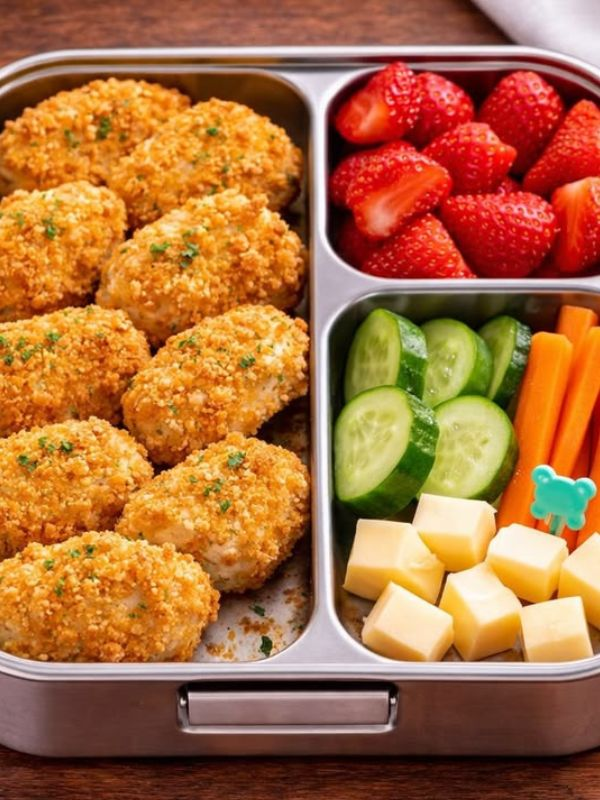
Homemade or baked chicken nuggets make a kid-friendly lunch.
Pair them with:
- Sweet potato fries
- Apple slices
- Celery sticks
- Yogurt
Use a thermos if you want to keep them warm.
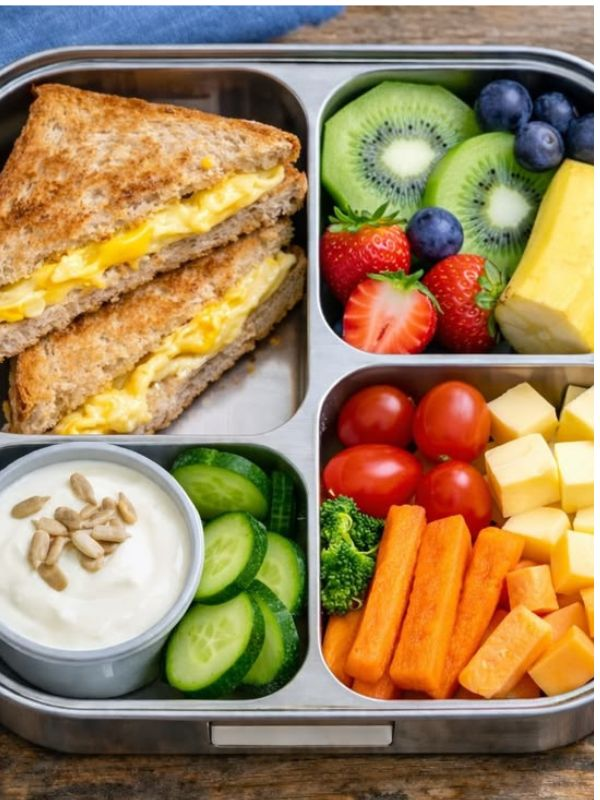
9. Egg and Cheese Sandwich School Lunch Ideas

Eggs are nutritious, affordable, and filling.
Prepare by:
- Boiling or scrambling an egg.
- Adding cheese to whole wheat bread.
- Packing with grapes and carrot sticks.
This lunch provides plenty of protein for growing kids.
10. Fruit and Yoghurt Lunch Box
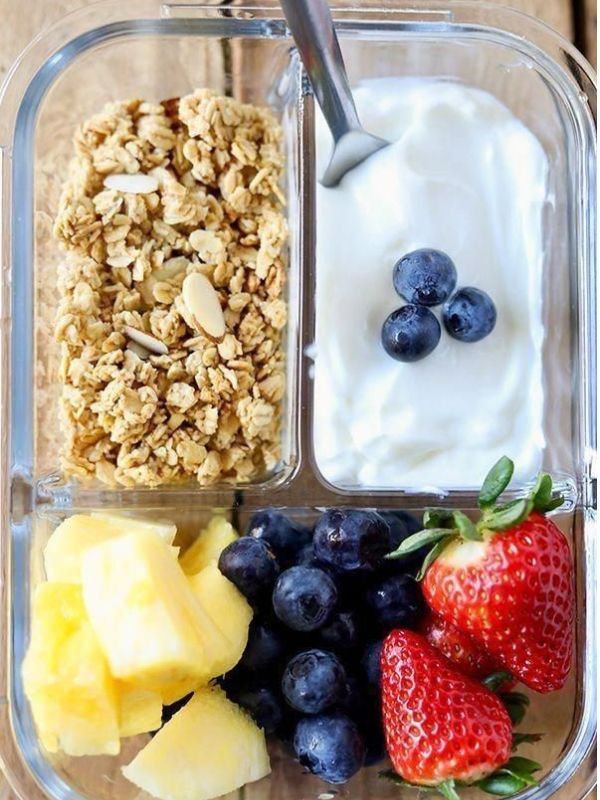
Some children enjoy lighter lunches.
Include:
- Greek yogurt
- Strawberries
- Blueberries
- Granola
- Whole grain crackers
- Cheese stick
Pack the granola separately so it stays crunchy until lunchtime.
Tips for Packing Lunches Kids Will Actually Eat
1. Let Your Child Help Choose
Giving children a few healthy options allows them to feel involved and increases the chances they’ll eat their lunch.
2. Include a Variety of Colours
Bright, colourful lunches are more appealing and provide a wider range of nutrients.
Try adding:
- Red strawberries
- Orange carrots
- Yellow bell peppers
- Green cucumbers
- Purple grapes
3. Keep Portions Kid-Friendly
Large portions can feel overwhelming. Smaller servings are often easier for young children to finish.
4. Add a Small Treat Occasionally
A homemade cookie, a few dark chocolate chips, or a favourite snack can make lunch feel special without replacing nutritious foods.
5. Prep Lunches Ahead of Time
Wash fruits, chop vegetables, and cook proteins over the weekend to make weekday mornings much easier.
By choosing simple recipes, including a variety of healthy foods, and making lunches fun to eat, you can create meals that fuel your child’s learning while giving them something to look forward to every school day.
School Lunch Ideas for Teens
Teenagers need nutritious lunches that provide enough energy to get them through long school days, sports, clubs, and homework. A balanced lunch can improve focus, support healthy growth, and help prevent the afternoon energy slump that often comes from eating foods high in sugar and low in nutrients.
The best school lunches for teens are filling, easy to pack, and made with a balance of protein, whole grains, fruits, vegetables, and healthy fats. These lunch ideas are satisfying enough for growing appetites while still being simple to prepare.
1. Grilled Chicken Caesar Wrap

This protein-packed wrap is quick to make and easy to eat between classes.
You’ll need:
- Whole wheat tortilla
- Grilled chicken
- Romaine lettuce
- Parmesan cheese
- Light Caesar dressing
Serve with apple slices and a handful of almonds.
2. Turkey and Avocado Sandwich

This sandwich is packed with lean protein and healthy fats to keep teens full longer.
Ingredients:
- Whole grain bread
- Sliced turkey
- Avocado
- Lettuce
- Tomato
- Cheese
Pair it with grapes and baby carrots for a complete meal.
3. Burrito Bowl school lunch ideas
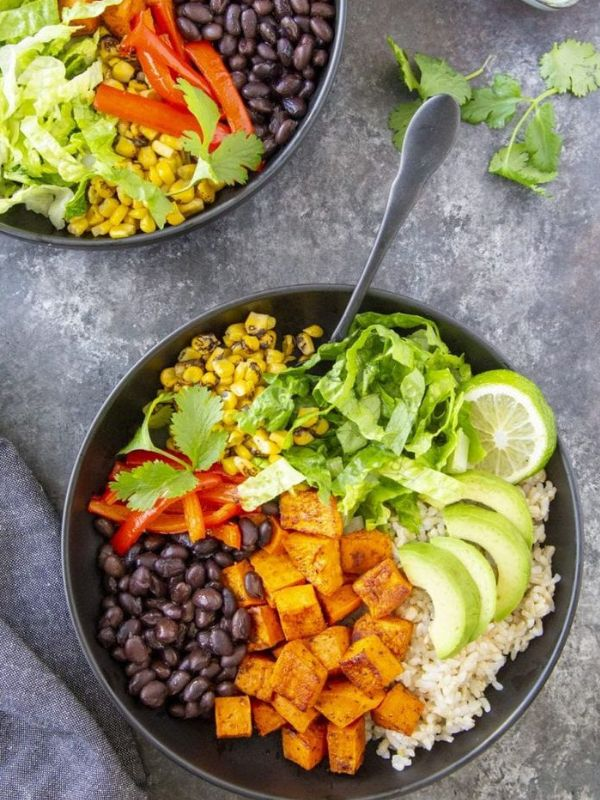
A burrito bowl is a hearty lunch that works well in an insulated container.
Combine:
- Brown rice
- Grilled chicken or black beans
- Corn
- Black beans
- Diced tomatoes
- Shredded lettuce
- Cheese
- Salsa
This meal provides protein, fibre, and long-lasting energy.
4. Pasta Salad with Chicken
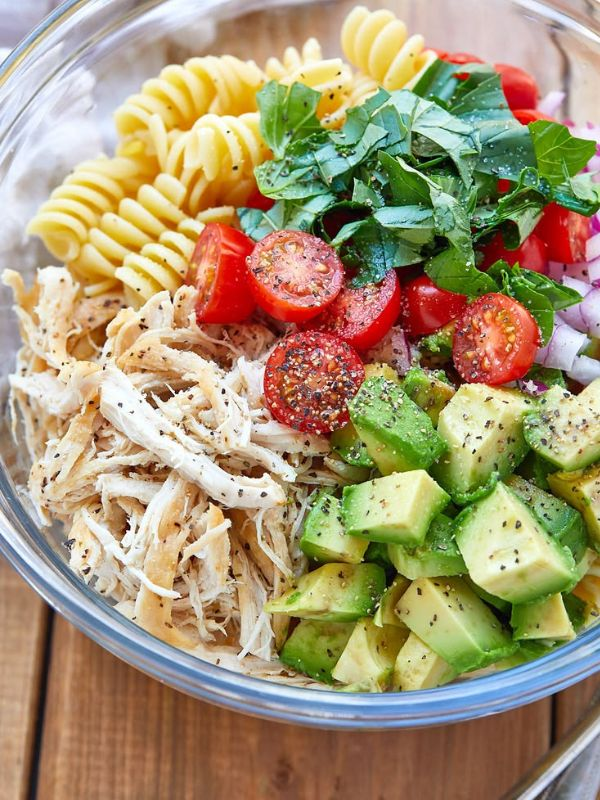
Cold pasta salad is perfect for busy school days.
Mix:
- Whole wheat pasta
- Grilled chicken
- Cherry tomatoes
- Cucumbers
- Bell peppers
- Italian dressing
Pack fresh fruit on the side.
5. DIY Protein Snack Box
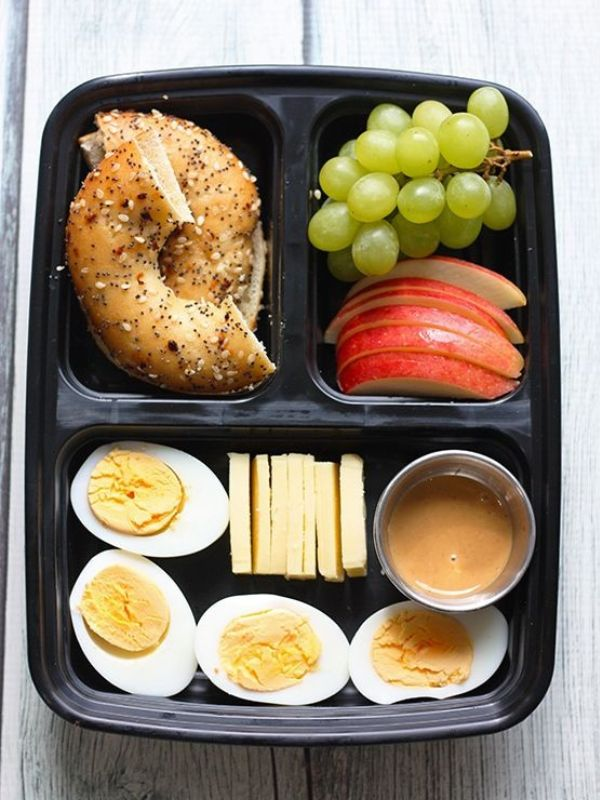
Snack boxes are great for teens who like variety.
Fill a lunch container with:
- Cheese cubes
- Whole grain crackers
- Turkey slices
- Boiled eggs
- Grapes
- Cucumber slices
- Mixed nuts (if allowed)
- Hummus
This lunch is easy to prepare and keeps hunger away for hours.
6. Chicken Fried Rice School Lunch Ideas

Leftovers make excellent school lunches.
Use:
- Brown rice
- Cooked chicken
- Mixed vegetables
- Scrambled eggs
- Low-sodium soy sauce
Store it in a thermos to keep it warm until lunchtime.
7. Tuna Salad Wrap School Lunch Ideas

Tuna provides protein and healthy omega-3 fats.
Mix:
- Tuna
- Greek yoghurt or light mayonnaise
- Celery
- Sweet corn
- Black pepper
Wrap everything in a whole wheat tortilla and pack with orange slices.
8. Homemade Chicken Sandwich

Skip fast food by making a healthier version at home.
Use:
- Whole grain bun
- Grilled chicken breast
- Lettuce
- Tomato
- Cheese
- Light sauce
Serve with baked veggie chips and fresh berries.
9. Veggie and Hummus Wrap

This vegetarian option is colourful, filling, and nutritious.
Fill a whole wheat wrap with:
- Hummus
- Spinach
- Cucumbers
- Carrots
- Bell peppers
- Avocado
Add yoghurt and a banana for extra protein and energy.
10. Breakfast for Lunch
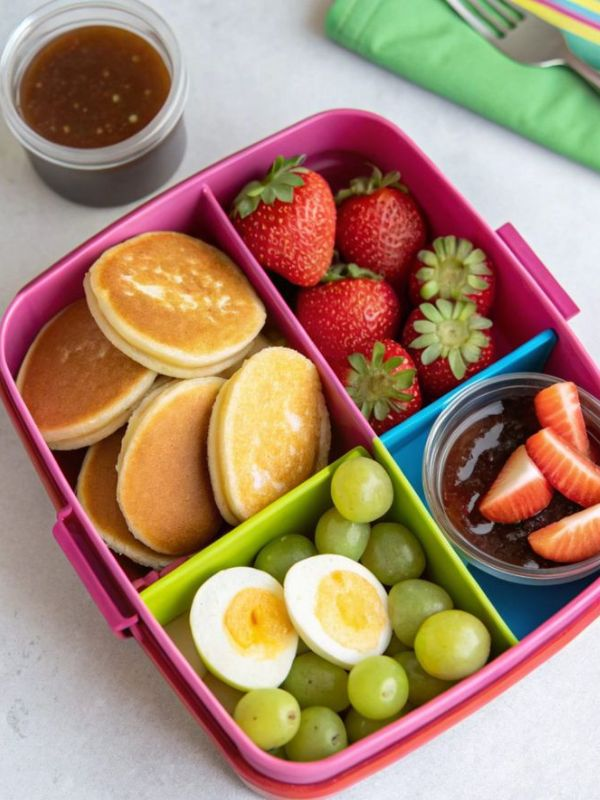
Breakfast foods can make an excellent school lunch.
Pack:
- Hard-boiled eggs
- Whole grain waffles or pancakes
- Greek yogurt
- Strawberries
- Mixed nuts
It’s a fun change from traditional sandwiches.
Tips for Packing Lunches for Teens
Include Plenty of Protein
Protein helps teens stay full and supports healthy growth.
Good choices include:
- Chicken
- Turkey
- Eggs
- Tuna
- Cheese
- Greek yogurt
- Beans
- Tofu
Choose Whole Grains
Whole grains provide steady energy throughout the day.
Examples include:
- Whole wheat bread
- Brown rice
- Whole wheat pasta
- Whole grain wraps
- Quinoa
Add Fresh Fruits and Vegetables
Aim to include at least one fruit and one vegetable with every lunch.
Easy options include:
- Apples
- Grapes
- Berries
- Oranges
- Carrots
- Cucumbers
- Bell peppers
Pack Healthy Snacks
Growing teens often get hungry before the school day ends.
Healthy snacks include:
- Trail mix
- Cheese sticks
- Yogurt
- Roasted chickpeas
- Popcorn
- Granola bars with low added sugar
Keep Lunch Fresh
Use an insulated lunch bag with an ice pack for cold foods, and a thermos for hot meals. This helps keep food safe and tasting its best until lunchtime.
School lunches for teens should be nutritious, satisfying, and easy to prepare. By combining lean protein, whole grains, fruits, vegetables, and healthy snacks, you can pack lunches that fuel learning, sports, and other activities while giving teens meals they’ll actually enjoy eating.
School Lunch Ideas for High School Students
High school students have busy schedules filled with classes, sports, clubs, and homework. They need lunches that are filling, nutritious, and easy to eat on the go. A well-balanced lunch helps improve concentration, supports healthy growth, and provides the energy needed to stay productive throughout the school day.
The best school lunches for high school students combine lean protein, whole grains, healthy fats, fruits, and vegetables. These meals are satisfying enough to keep hunger away until the end of the school day.
1. Chicken Burrito Bowl
A burrito bowl is packed with protein and fibre, making it a great choice for busy students.
Ingredients:
- Brown rice
- Grilled chicken
- Black beans
- Corn
- Cherry tomatoes
- Shredded lettuce
- Cheese
- Salsa
Pack it in an insulated food container to keep it warm.
2. Turkey and Avocado Sandwich
This sandwich provides a good balance of protein and healthy fats.
You’ll need:
- Whole grain bread
- Turkey slices
- Avocado
- Lettuce
- Tomato
- Cheese
Serve with grapes and baby carrots for a complete meal.
3. Chicken Caesar Wrap
Wraps are convenient, less messy than sandwiches, and easy to eat during a short lunch break.
Fill a whole wheat tortilla with:
- Grilled chicken
- Romaine lettuce
- Parmesan cheese
- Light Caesar dressing
Pack with apple slices and a yoghurt cup.
4. Pasta Salad with Grilled Chicken
Cold pasta salad is perfect for students who don’t have access to a microwave.
Mix:
- Whole wheat pasta
- Grilled chicken
- Cucumbers
- Cherry tomatoes
- Bell peppers
- Italian dressing
Add a piece of fruit for extra vitamins.
5. Homemade Protein Snack Box
A snack box offers variety and keeps lunch interesting.
Fill a lunch container with:
- Cheese cubes
- Turkey slices
- Whole grain crackers
- Boiled eggs
- Grapes
- Cucumber slices
- Hummus
This lunch is rich in protein and easy to prepare ahead of time.
6. Teriyaki Chicken and Rice
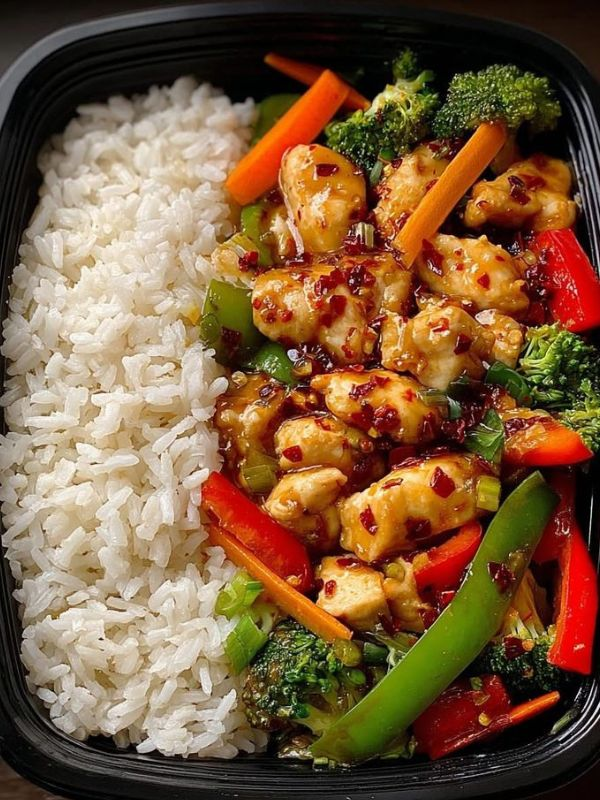
Leftovers can become an excellent school lunch.
Pack:
- Grilled teriyaki chicken
- Brown or white rice
- Steamed broccoli
- Carrots
Store in a thermos to keep it warm until lunchtime.
7. Veggie and Hummus Wrap
This vegetarian option is full of fibre and healthy fats.
Fill a whole wheat wrap with:
- Hummus
- Spinach
- Bell peppers
- Cucumbers
- Shredded carrots
- Avocado
Pair with strawberries and trail mix.
8. Tuna Salad Sandwich
Tuna is rich in protein and omega-3 fatty acids.
Mix tuna with:
- Greek yoghurt or light mayonnaise
- Celery
- Sweet corn
- Black pepper
Serve on whole grain bread with orange slices.
9. Breakfast Lunch Box
Breakfast foods can make a nutritious and filling lunch.
Pack:
- Hard-boiled eggs
- Whole grain waffles or pancakes
- Greek yogurt
- Mixed berries
- Almonds or walnuts (if allowed)
This option is perfect for students who enjoy lighter lunches.
10. Homemade Mini Pizza

Make a healthier pizza using:
- Whole wheat English muffins
- Pizza sauce
- Mozzarella cheese
- Grilled chicken or turkey
- Bell peppers
- Mushrooms
Bake until the cheese melts, cool, and pack with fresh fruit.
Tips for Packing Lunches for High School Students
Choose Foods That Keep Students Full
Include protein and fibre in every lunch to help prevent hunger before the end of the school day.
Good protein choices include:
- Chicken
- Turkey
- Eggs
- Tuna
- Cheese
- Greek yogurt
- Beans
- Tofu
Include Fresh Fruits and Vegetables
Aim to pack at least one fruit and one vegetable every day.
Easy options include:
- Apples
- Grapes
- Bananas
- Blueberries
- Carrots
- Cucumbers
- Bell peppers
- Celery
Add Healthy Snacks
Busy students often need an extra snack, especially if they have sports or extracurricular activities after school.
Healthy snack ideas include:
- Cheese sticks
- Yogurt
- Trail mix
- Roasted chickpeas
- Whole grain popcorn
- Homemade energy bites
Stay Hydrated
Pack a reusable water bottle every day. Water is the best choice for staying hydrated and maintaining energy and focus throughout the school day.
Prep Lunches Ahead of Time
Preparing ingredients the night before or meal prepping on the weekend can make busy school mornings much less stressful. Wash fruits, chop vegetables, cook proteins, and portion snacks in advance so lunches can be packed in just a few minutes.
High school students need lunches that are nutritious, satisfying, and practical. By combining lean protein, whole grains, fresh produce, and healthy snacks, you can create lunches that provide lasting energy, improve focus in class, and support a healthy, active lifestyle.
School Lunch Ideas for Picky Eaters
Packing school lunches for picky eaters can be frustrating. One day they love a certain food, and the next day they refuse to eat it. The key is to keep lunches simple, familiar, and fun while still offering a variety of nutritious foods. Instead of forcing large portions or unfamiliar ingredients, focus on small servings of foods your child already enjoys and gradually introduce new options over time.
A balanced lunch for a picky eater should still include protein, whole grains, fruits, vegetables, and healthy snacks. Presentation also matters. Bite-sized foods, colourful fruits, and fun lunch boxes can make meals more appealing.
Here are some easy school lunch ideas that picky eaters are more likely to enjoy.
1. Homemade Lunchable Box
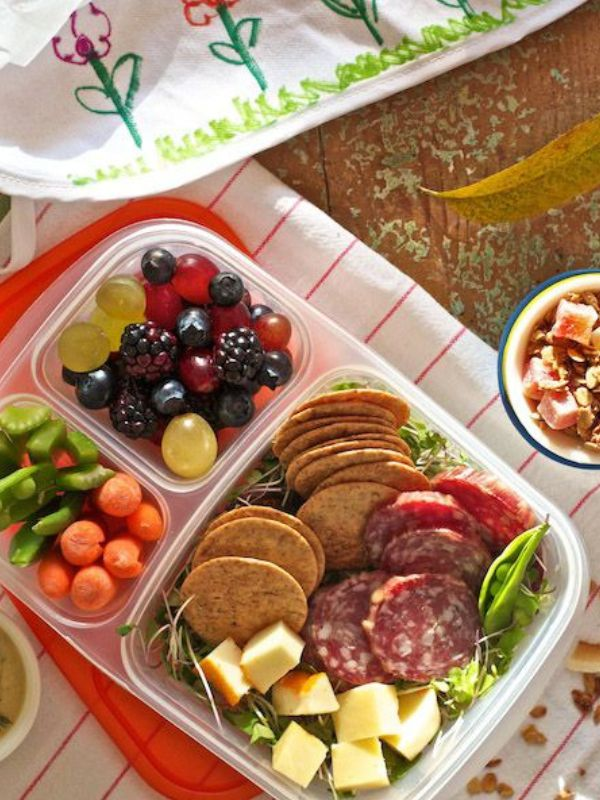
Many picky eaters enjoy snack-style lunches because they can choose what to eat first.
Fill a lunch box with:
- Whole grain crackers
- Cheese cubes
- Turkey or ham slices
- Grapes
- Strawberries
- Baby carrots
- Yogurt
This lunch offers variety without overwhelming your child.
2. Mini Sandwiches School Lunch Ideas

Small sandwiches often feel less intimidating than large ones.
Use:
- Whole grain bread
- Turkey
- Ham
- Cheese
- Peanut butter or sunflower seed butter (if allowed)
Cut the sandwiches into fun shapes using cookie cutters to make them more exciting.
3. Chicken Nuggets with Healthy Sides
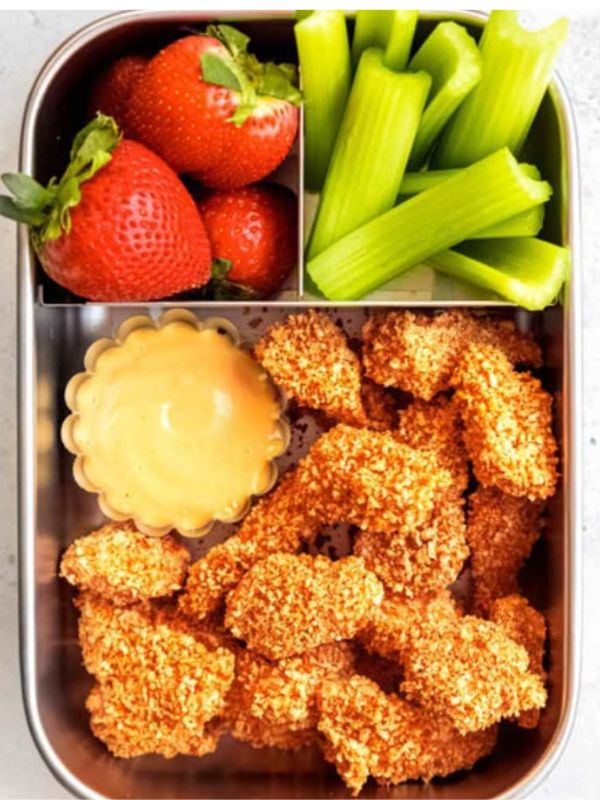
Homemade or baked chicken nuggets are a favourite for many children.
Serve with:
- Apple slices
- Cucumber sticks
- Cheese cubes
- Whole grain crackers
A small container of ketchup or honey mustard can encourage children to eat more.
4. Cheese and Cracker Lunch Box
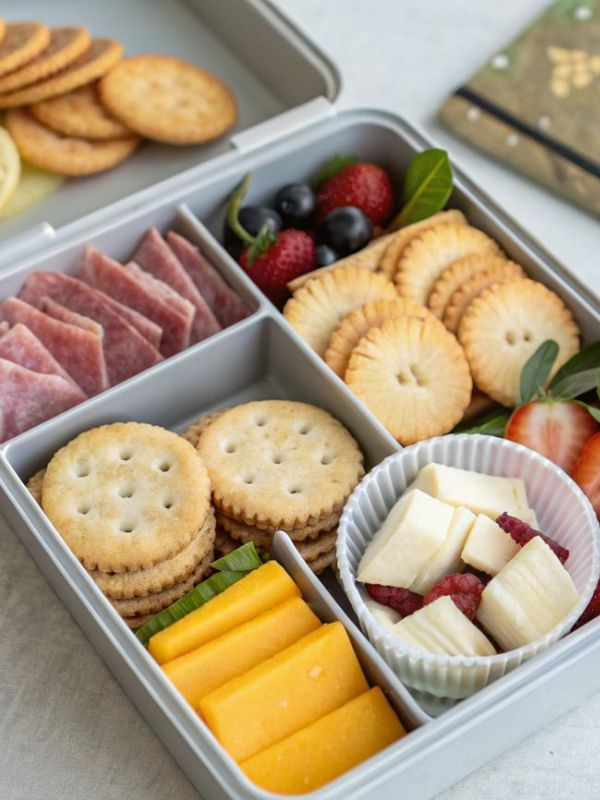
If your child doesn’t enjoy sandwiches, a simple cheese and cracker lunch can be a great alternative.
Pack:
- Cheese slices or cubes
- Whole grain crackers
- Grapes
- Apple slices
- Yogurt
This lunch is easy to assemble and provides protein, fibre, and calcium.
5. Peanut Butter and Banana Roll-Ups.

This sweet and filling lunch is quick to prepare.
Spread peanut butter or sunflower seed butter on a whole wheat tortilla, add sliced bananas, roll it tightly, and cut it into bite-sized pinwheels.
Serve with strawberries and a cheese stick.
6. Pasta with Butter and Cheese
Some picky eaters prefer plain foods.
Cook whole wheat pasta and toss it with:
- Butter
- Parmesan cheese
Pack with cucumber slices, grapes, and yoghurt for a balanced meal.
7. Mini Pancake Lunch Box
Breakfast foods often make great school lunches.
Pack:
- Mini whole grain pancakes
- Boiled egg
- Strawberries
- Yogurt
- Maple syrup in a small container for dipping
This lunch feels like a treat while providing important nutrients.
8. Ham and Cheese Roll-Ups
Roll-ups are easy to eat and require no bread.
Simply roll:
- Ham slices
- Cheese slices
Add:
- Whole grain crackers
- Apple slices
- Baby carrots
This lunch is rich in protein and simple enough for selective eaters.
9. Fruit and Yogurt Parfait
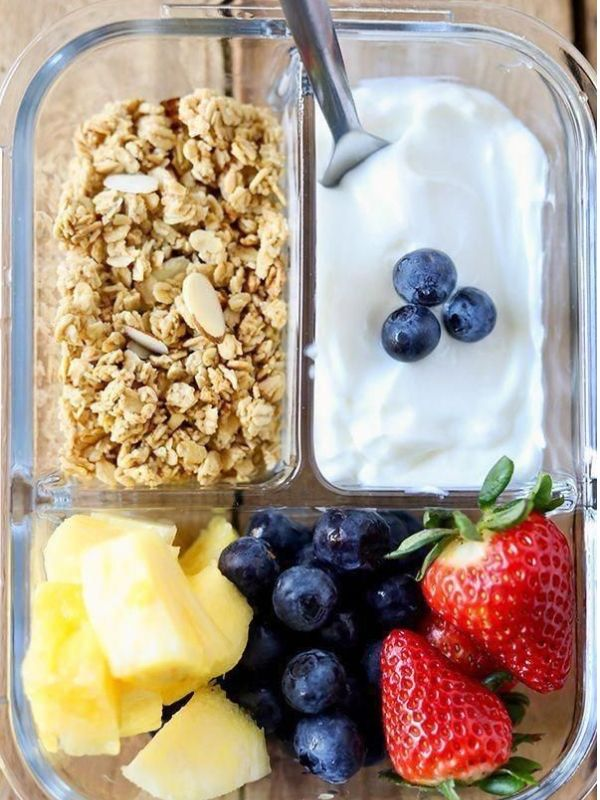
Some children enjoy lighter lunches.
Layer:
- Greek yogurt
- Blueberries
- Strawberries
- Granola
Pack the granola separately to keep it crunchy until lunchtime.
10. Build-Your-Own Snack Box
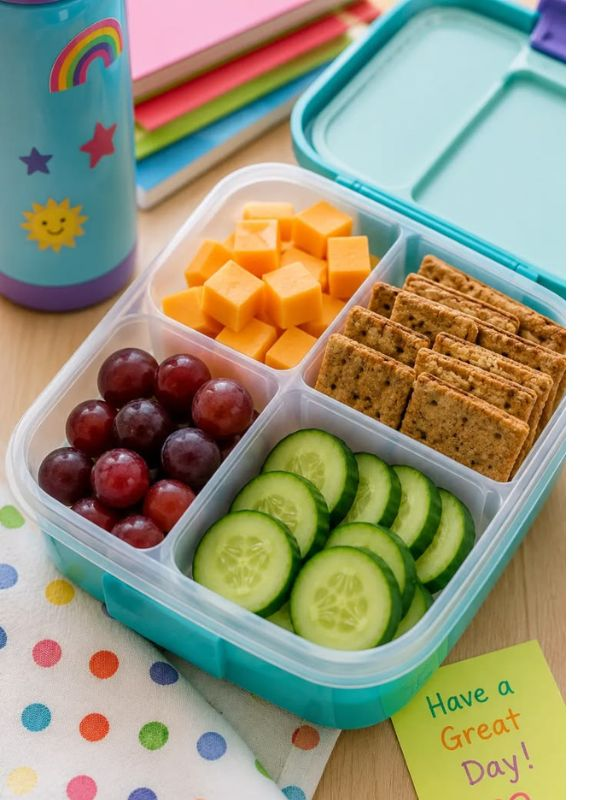
Giving picky eaters choices often increases the chances they’ll finish their lunch.
Include several small portions such as:
- Cheese cubes
- Turkey slices
- Crackers
- Grapes
- Apple slices
- Cucumber sticks
- Popcorn
- Yogurt
Children can mix and match the foods they want to eat.
Tips for Packing Lunches for Picky Eaters
1. Offer Small Portions
Large servings can feel overwhelming. Start with small portions and increase them if your child finishes everything.
2. Include at Least One Favourite Food
Adding one familiar food to every lunch helps your child feel more comfortable trying other items.
3. Introduce New Foods Slowly
Instead of replacing favourite foods, pair one new food with foods your child already likes. Repeated exposure can help children become more willing to try different foods.
4. Make Lunch Fun
Simple changes can make a big difference.
Try:
- Cutting sandwiches into fun shapes.
- Using colourful silicone cupcake liners.
- Packing fruits in rainbow colours.
- Including a small handwritten note.
5. Let Your Child Help Pack Lunch
Children are more likely to eat meals they helped choose or prepare.
Allow them to pick between healthy options, such as:
- Apples or grapes.
- Carrots or cucumbers.
- Turkey or chicken.
- Yoghurt or cheese sticks.
Giving them choices encourages independence without sacrificing nutrition.
6. Avoid Packing Too Many New Foods
A lunch box filled with unfamiliar foods may come home untouched. Keep most of the meal familiar and add just one new item occasionally.
7. Foods Picky Eaters Often Enjoy
If you’re running out of ideas, these foods are commonly popular with selective eaters:
- Turkey sandwiches
- Ham and cheese roll-ups
- Cheese cubes
- Whole grain crackers
- Chicken nuggets
- Pasta
- Mini pizzas
- Boiled eggs
- Yogurt
- Apples
- Grapes
- Strawberries
- Bananas
- Pretzels
- Popcorn
- Homemade muffins
Focus on simple meals, familiar flavours, and balanced nutrition while giving your child some choice in what goes into their lunch box. With patience and a little creativity, you can make lunchtime enjoyable while helping your child develop healthier eating habits over time.
Vegetarian School Lunch Ideas
Vegetarian school lunches can be just as filling, nutritious, and delicious as lunches made with meat. By including plant-based proteins, whole grains, fruits, vegetables, and healthy fats, you can pack balanced meals that keep kids and teens energised throughout the school day.
Whether your child follows a vegetarian diet or you’re simply looking to include more meat-free meals in your weekly lunch rotation, these ideas are easy to prepare, budget-friendly, and packed with nutrients.
1. Hummus and Veggie Wrap
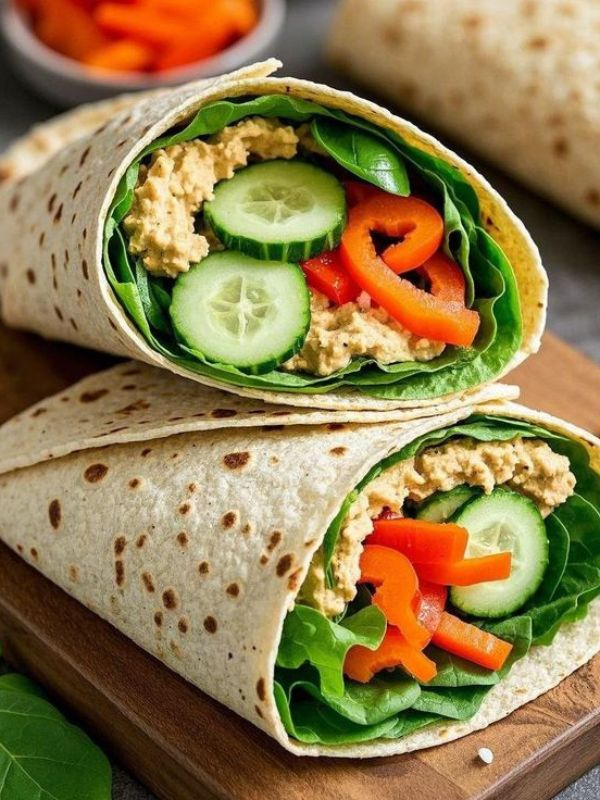
This colourful wrap is loaded with fibre, vitamins, and plant-based protein.
You’ll need:
- Whole wheat tortilla
- Hummus
- Spinach
- Shredded carrots
- Cucumber slices
- Bell peppers
- Avocado
How to make it:
- Spread hummus evenly over the tortilla.
- Layer the vegetables on top.
- Roll the tortilla tightly.
- Slice it in half and pack with grapes and a yoghurt cup.
2. Black Bean Burrito Bowl
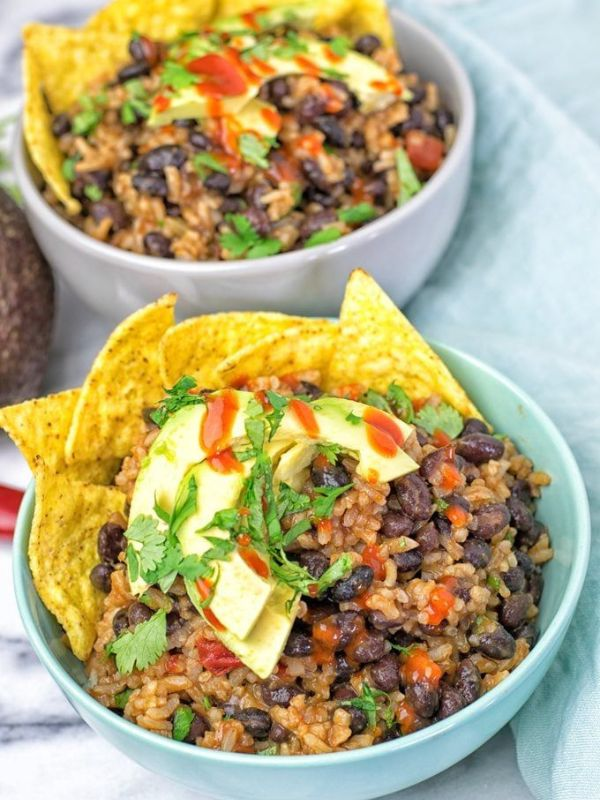
Beans are an excellent source of protein and fibre.
Ingredients:
- Brown rice
- Black beans
- Sweet corn
- Diced tomatoes
- Avocado
- Shredded lettuce
- Cheese (optional)
- Salsa
Layer everything in a lunch container and pack with fresh fruit.
3. Cheese and Tomato Sandwich

A simple sandwich can still be nutritious.
Use:
- Whole grain bread
- Cheddar or mozzarella cheese
- Tomato slices
- Lettuce
- Avocado
Serve with cucumber sticks and apple slices.
4. Veggie Pasta Salad
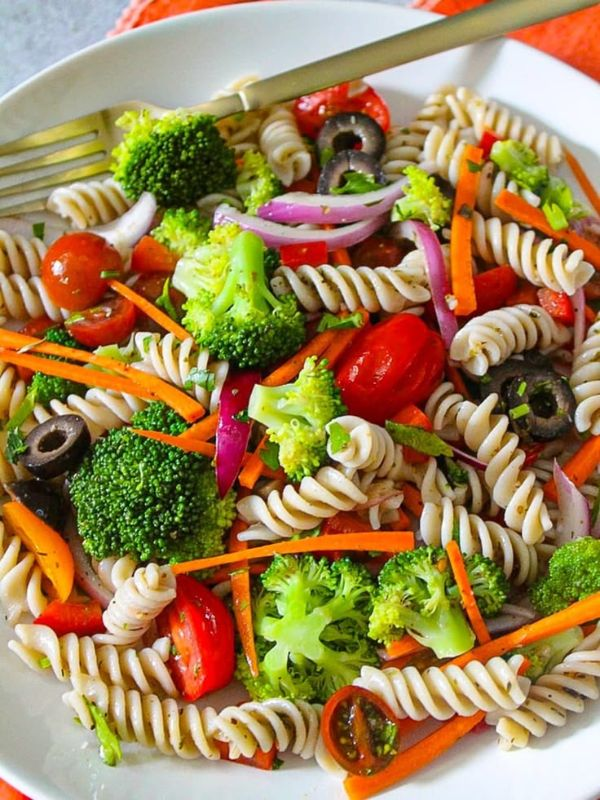
Cold pasta salad is perfect for school lunches.
Combine:
- Whole wheat pasta
- Cherry tomatoes
- Cucumbers
- Bell peppers
- Black olives
- Feta cheese
- Italian dressing
This meal can be prepared the night before for an easy grab-and-go lunch.
5. Egg Salad Sandwich

Eggs are rich in high-quality protein and make a satisfying vegetarian lunch.
Mix:
- Chopped boiled eggs
- Greek yoghurt or light mayonnaise
- Mustard
- Black pepper
Spread onto whole grain bread and serve with strawberries.
6. Mini Cheese Quesadillas

These are easy to make and fun to eat.
You’ll need:
- Whole wheat tortillas
- Shredded cheese
- Spinach
- Sweet corn
Cook until the cheese melts, cut into triangles, and pack with salsa or plain Greek yoghurt for dipping.
7. Homemade Vegetarian Snack Box
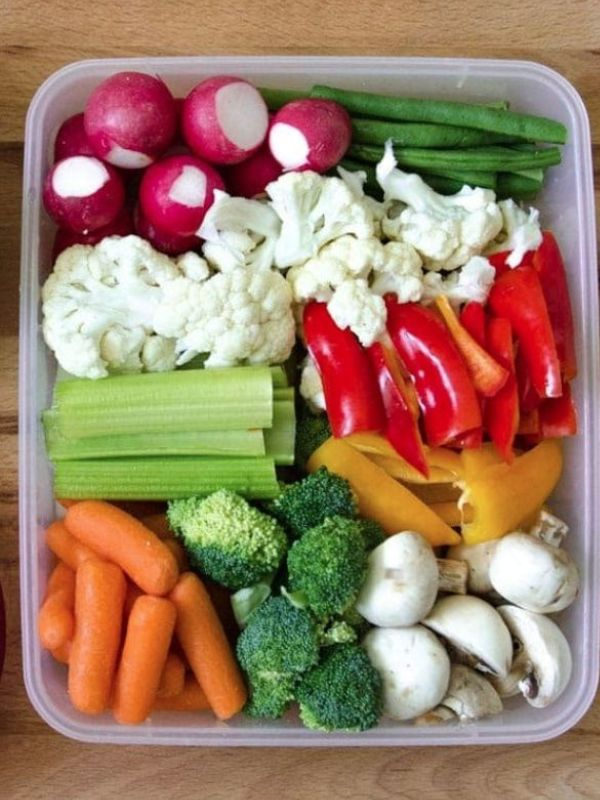
A snack-style lunch offers plenty of variety.
Fill a lunch box with:
- Cheese cubes
- Whole grain crackers
- Boiled eggs
- Hummus
- Carrot sticks
- Cucumber slices
- Grapes
- Strawberries
This balanced meal is rich in protein, calcium, and fibre.
8. Chickpea Salad Wrap

Chickpeas make a hearty and flavorful meat-free filling.
Mix:
- Mashed chickpeas
- Greek yoghurt or mayonnaise
- Celery
- Red onion
- Lemon juice
- Black pepper
Spread the mixture onto a whole wheat tortilla, add lettuce, roll tightly, and slice in half.
9. Tofu and Vegetable Stir-Fry

For older kids and teens, tofu makes an excellent plant-based protein.
Combine:
- Firm tofu
- Brown rice
- Broccoli
- Carrots
- Bell peppers
- Low-sodium soy sauce
Pack in an insulated food container to keep it warm.
10. Yoghurt and Fruit Parfait Lunch Box
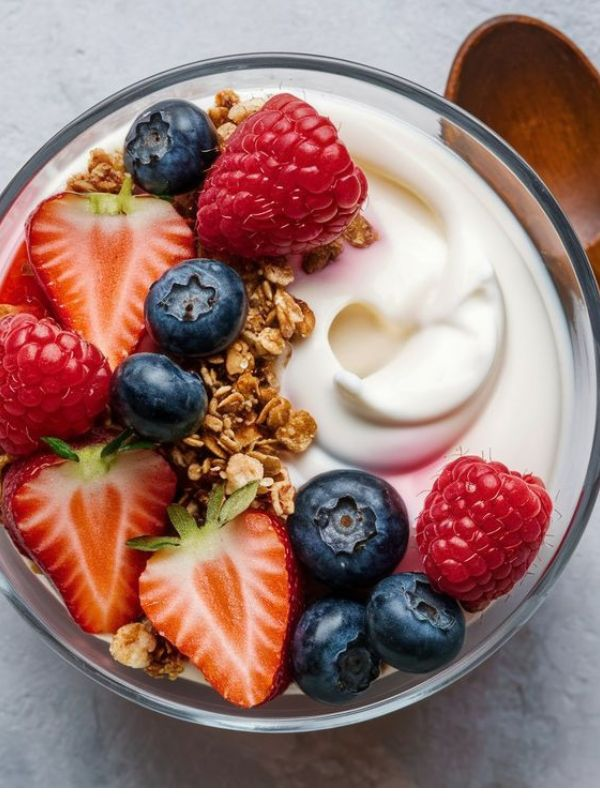
This lighter lunch is perfect for students who enjoy breakfast foods.
Layer:
- Greek yogurt
- Strawberries
- Blueberries
- Granola
Pack the granola separately to keep it crunchy, and add a cheese stick or handful of nuts if permitted for extra protein.
How to Build a Balanced Vegetarian School Lunch
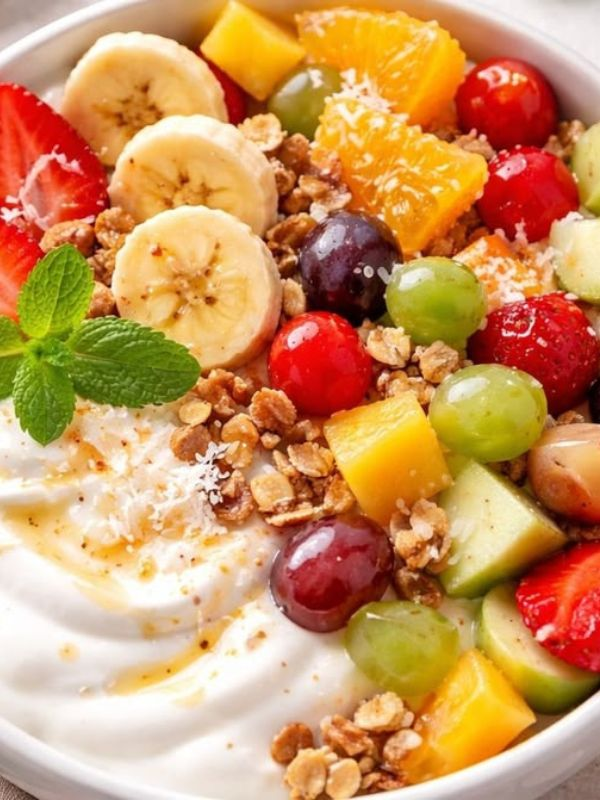
Follow these simple steps to create a healthy, satisfying lunch.
Step 1. Choose a Protein
Plant-based protein helps keep students full and supports healthy growth.
Good choices include:
- Beans
- Chickpeas
- Lentils
- Tofu
- Eggs
- Greek yogurt
- Cheese
- Hummus
Step 2. Add Whole Grains
Whole grains provide lasting energy.
Examples include:
- Whole wheat bread
- Whole wheat wraps
- Brown rice
- Whole wheat pasta
- Quinoa
- Whole grain crackers
Step 3. Pack Fruits and Vegetables
Aim for a variety of colourful produce.
Great options include:
- Apples
- Grapes
- Berries
- Bananas
- Carrots
- Cucumbers
- Bell peppers
- Cherry tomatoes
Step 4. Include Healthy Fats
Healthy fats help keep students satisfied and support brain function.
Choose foods like:
- Avocados
- Nuts (if allowed)
- Seeds
- Nut butters
- Olives
Step 5. Add a Healthy Drink
Complete the lunch with:
- Water
- Milk
- Unsweetened plant-based milk
- Low-fat milk
Tips for Packing Vegetarian School Lunches
- Prepare ingredients ahead of time to make busy mornings easier.
- Rotate lunch ideas to prevent boredom.
- Include a source of protein in every meal.
- Use insulated lunch bags and ice packs to keep food fresh.
- Let your child help choose fruits, vegetables, and snacks they’ll enjoy.
Vegetarian school lunches can be colourful, delicious, and packed with nutrients. By combining protein-rich plant foods, whole grains, fruits, vegetables, and healthy fats, you can create balanced meals that keep kids and teens full, focused, and ready to learn throughout the school day.
Nut-Free School Lunch Ideas
Many schools have nut-free policies to help protect students with peanut and tree nut allergies. If you’re packing lunch for a child attending a nut-free school, there are still plenty of delicious, nutritious, and satisfying options to choose from.
The key is to replace nut-based foods with other protein-rich ingredients like cheese, eggs, yoghurt, beans, sunflower seed butter (if permitted), and lean meats. Always check your school’s allergy guidelines before packing lunch, as some schools may also restrict seeds or other common allergens.
Here are some easy nut-free school lunch ideas the whole family will love.
1. Turkey and Cheese Sandwich
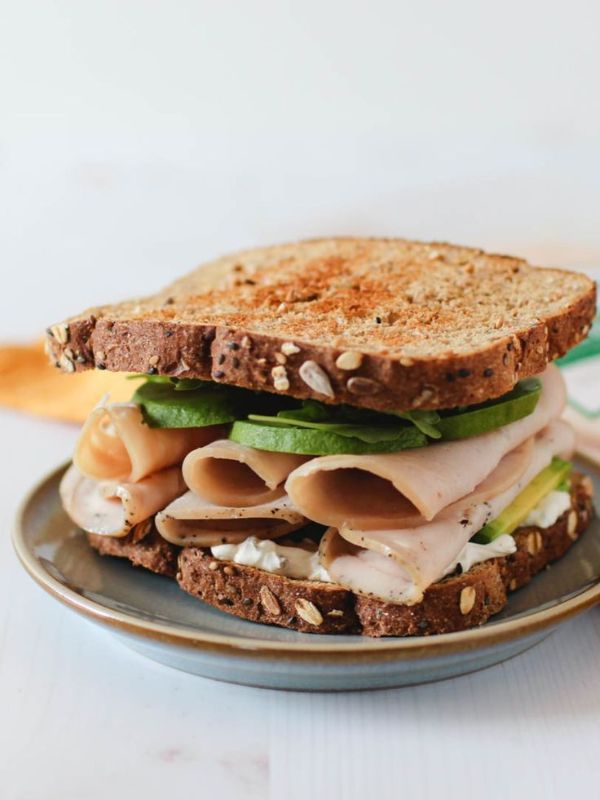
This classic lunch is simple, filling, and packed with protein.
You’ll need:
- Whole grain bread
- Turkey slices
- Cheese
- Lettuce
- Tomato
Serve with:
- Apple slices
- Baby carrots
- Yogurt
2. Chicken Wrap

A chicken wrap is easy to prepare and perfect for busy school mornings.
Ingredients:
- Whole wheat tortilla
- Grilled chicken
- Lettuce
- Cucumber
- Shredded cheese
- Light ranch dressing
Roll tightly, slice in half, and pack with grapes.
3. Homemade Lunchable Box
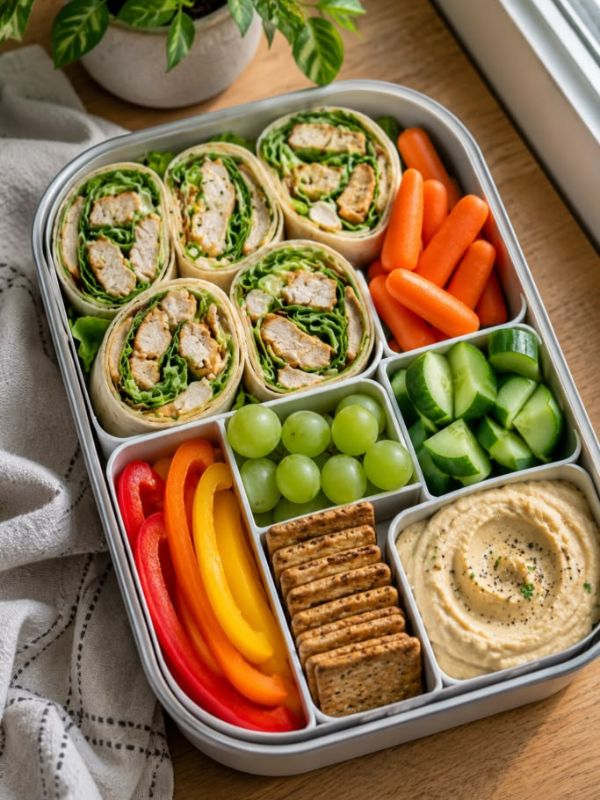
Kids love snack-style lunches that let them choose what to eat.
Fill a lunch box with:
- Whole grain crackers
- Cheese cubes
- Turkey slices
- Cucumber slices
- Grapes
- Strawberries
- Yogurt
This meal offers a good balance of protein, carbohydrates, and vitamins.
4. Egg Salad Sandwich

Eggs are an affordable and nutritious source of protein.
Mix:
- Chopped hard-boiled eggs
- Greek yoghurt or light mayonnaise
- Mustard
- Black pepper
Spread on whole grain bread and serve with orange slices.
5. Cheese Quesadilla

This warm lunch is quick to make and easy to pack.
How to prepare:
- Sprinkle shredded cheese over one half of a whole wheat tortilla.
- Fold it in half.
- Cook until the cheese melts.
- Cut into triangles.
Pack with salsa, cucumber sticks, and fresh berries.
6. Pasta Salad with Chicken
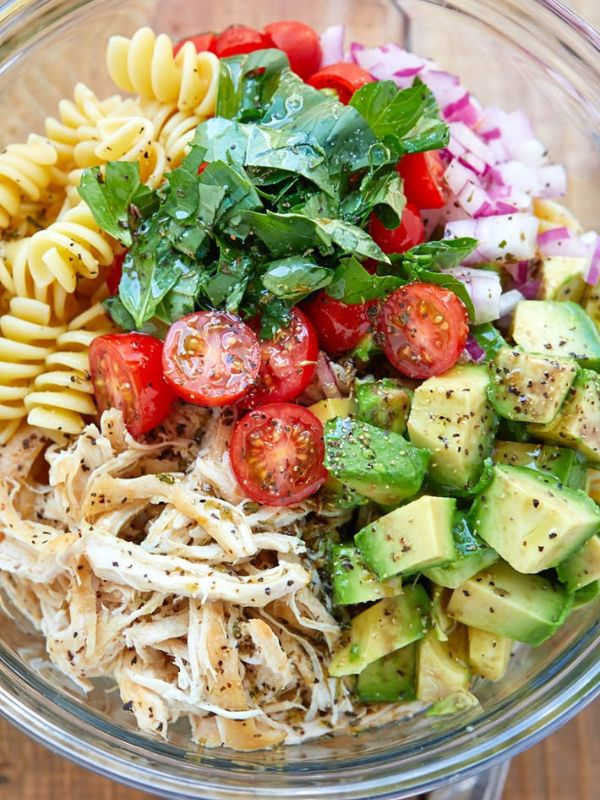
Cold pasta salad is a great make-ahead lunch.
Combine:
- Whole wheat pasta
- Grilled chicken
- Cherry tomatoes
- Cucumbers
- Bell peppers
- Italian dressing
Serve with a banana or grapes.
7. Ham and Cheese Roll-Ups

Skip the bread for a fun alternative.
Simply roll together:
- Ham slices
- Cheese slices
Pack with:
- Whole grain crackers
- Apple slices
- Baby carrots
8. Sunflower Seed Butter and Jam Sandwich
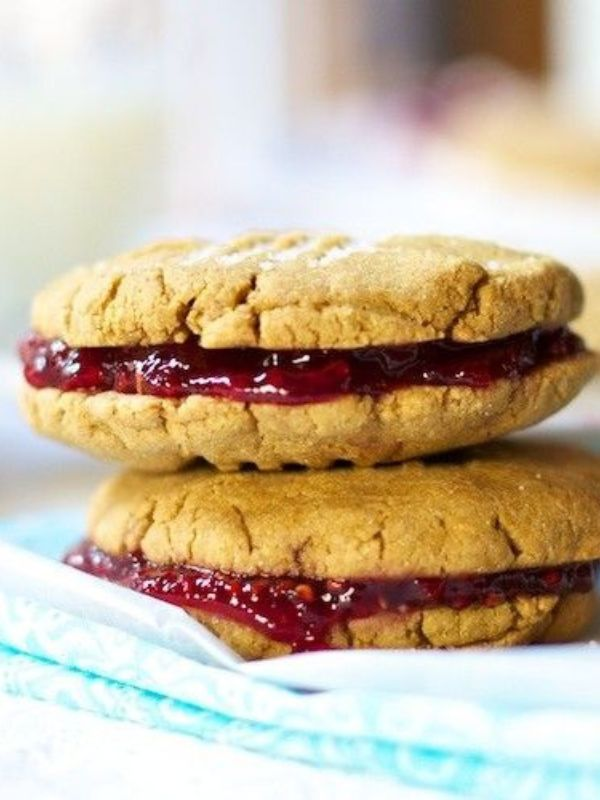
If your child’s school allows sunflower seed products, this is a great alternative to peanut butter.
Use:
- Whole grain bread
- Sunflower seed butter
- Low-sugar fruit jam
Serve with strawberries and a cheese stick.
9. Rice and Chicken Bowl

This hearty lunch works well in an insulated food container.
You’ll need:
- Brown or white rice
- Grilled chicken
- Steamed broccoli
- Sweet corn
This balanced meal provides protein, fibre, and long-lasting energy.
10. Yoghurt and Fruit Lunch Box
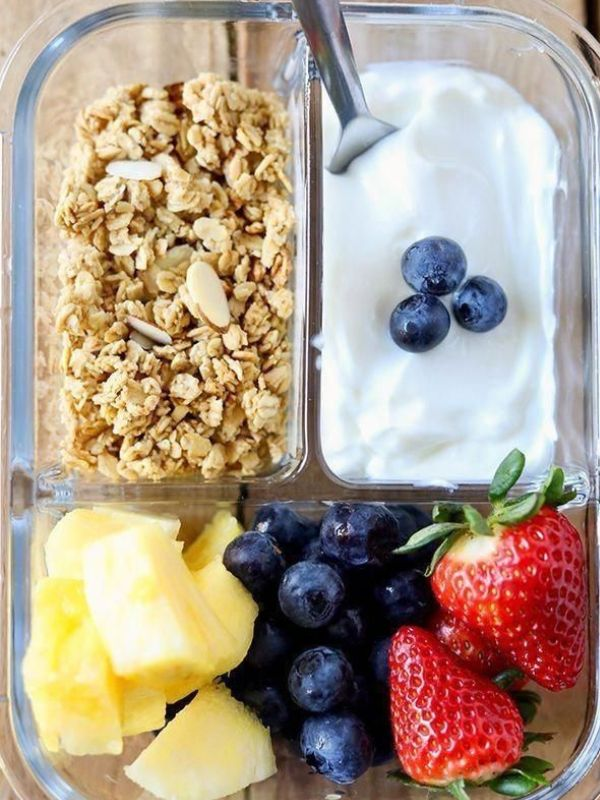
For a lighter option, pack:
- Greek yogurt
- Mixed berries
- Whole grain crackers
- Cheese cubes
- Cucumber slices
This lunch is refreshing, nutritious, and easy to prepare.
How to Pack a Nut-Free School Lunch
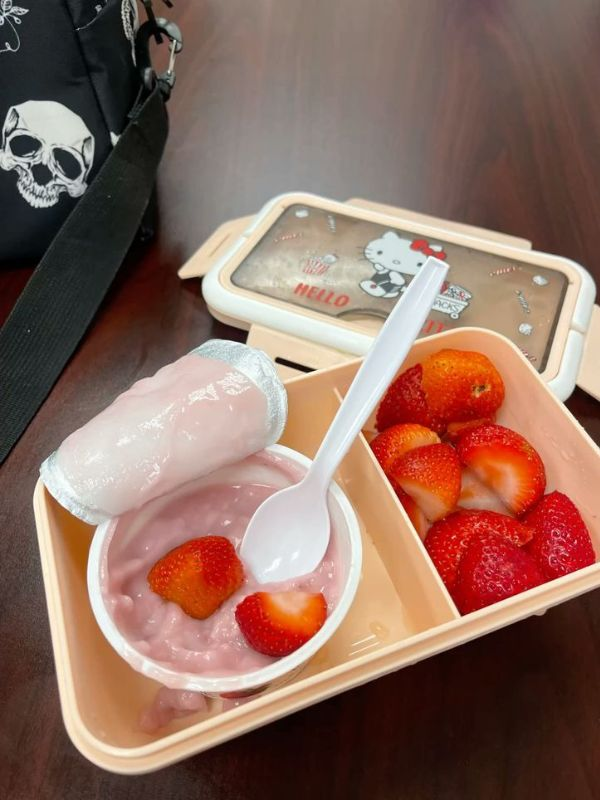
Follow these simple steps to build a balanced meal.
Step 1. Choose a Protein
Good nut-free protein options include:
- Chicken
- Turkey
- Eggs
- Cheese
- Greek yogurt
- Beans
- Hummus (if allowed)
Step 2. Add Whole Grains
Choose foods such as:
- Whole grain bread
- Whole wheat wraps
- Brown rice
- Whole wheat pasta
- Whole grain crackers
Step 3. Include Fruits and Vegetables
Pack at least one fruit and one vegetable every day.
Easy choices include:
- Apples
- Grapes
- Bananas
- Strawberries
- Carrots
- Cucumbers
- Bell peppers
- Cherry tomatoes
Step 4. Add a Healthy Snack
Nut-free snack ideas include:
- Cheese sticks
- Yogurt
- Popcorn
- Pretzels
- Roasted chickpeas
- Whole grain crackers
Step 5. Pack a Drink
Healthy drink options include:
- Water
- Milk
- Unsweetened flavored water
Tips for Packing Nut-Free Lunches
- Read ingredient labels carefully to check for peanuts, tree nuts, or cross-contamination warnings.
- Use separate containers to keep foods fresh and prevent leaks.
- Prepare lunches the night before to save time on busy mornings.
- Rotate lunch ideas each week to keep meals interesting.
- Check your school’s allergy policy regularly, as approved foods may change.
Packing a nut-free school lunch doesn’t mean giving up variety or nutrition. With a little planning and creative ingredient swaps, you can prepare delicious lunches that are safe, balanced, and satisfying for kids and teens while meeting your school’s allergy guidelines.
Cold School Lunch Ideas
Not every school has a microwave, and many students prefer lunches that taste great straight from the lunch box. Cold school lunches are convenient, easy to prepare, and perfect for busy mornings. They can also be just as nutritious as hot meals when they include a balance of protein, whole grains, fruits, vegetables, and healthy fats.
Whether you’re packing lunch for a young child, a teenager, or a college student, these cold lunch ideas are filling, refreshing, and simple to make ahead.
1. Turkey and Cheese Sandwich
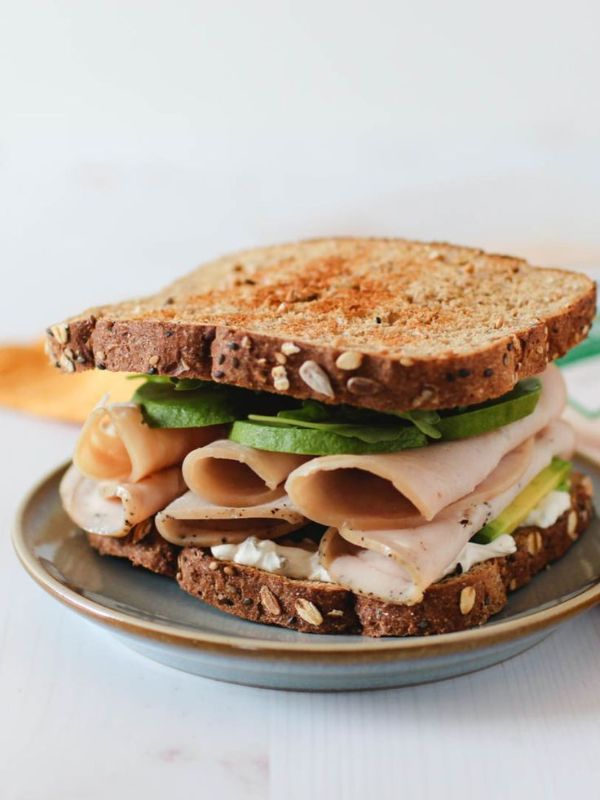
A classic sandwich never goes out of style.
You’ll need:
- Whole grain bread
- Turkey slices
- Cheese
- Lettuce
- Tomato
Serve with apple slices, baby carrots, and a yoghurt cup for a balanced meal.
2. Chicken Caesar Wrap
This wrap stays fresh and flavorful in the refrigerator.
Ingredients:
- Whole wheat tortilla
- Grilled chicken
- Romaine lettuce
- Parmesan cheese
- Light Caesar dressing
Roll tightly, cut in half, and pack with grapes.
3. Pasta Salad
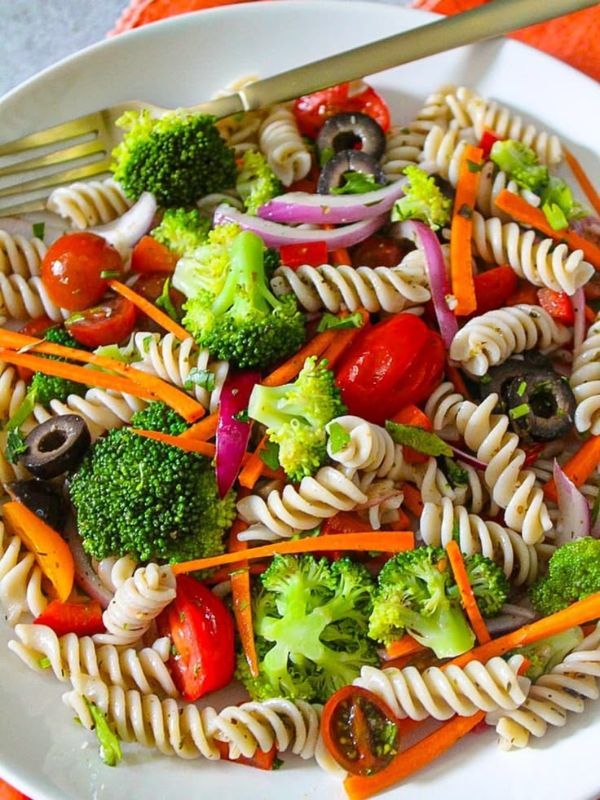
Cold pasta salad is one of the easiest make-ahead lunches.
Combine:
- Whole wheat pasta
- Grilled chicken or chickpeas
- Cherry tomatoes
- Cucumbers
- Bell peppers
- Italian dressing
Chill overnight before packing.
4. Homemade Lunchable Box
A snack-style lunch gives students plenty of variety.
Fill a lunch container with:
- Whole grain crackers
- Cheese cubes
- Turkey slices
- Grapes
- Strawberries
- Cucumber slices
- Baby carrots
This lunch is fun, balanced, and easy to eat.
5. Tuna Salad Sandwich
Tuna is packed with protein and healthy fats.
Mix:
- Tuna
- Greek yoghurt or light mayonnaise
- Celery
- Black pepper
Spread on whole grain bread and serve with orange slices.
6. Hummus and Veggie Wrap
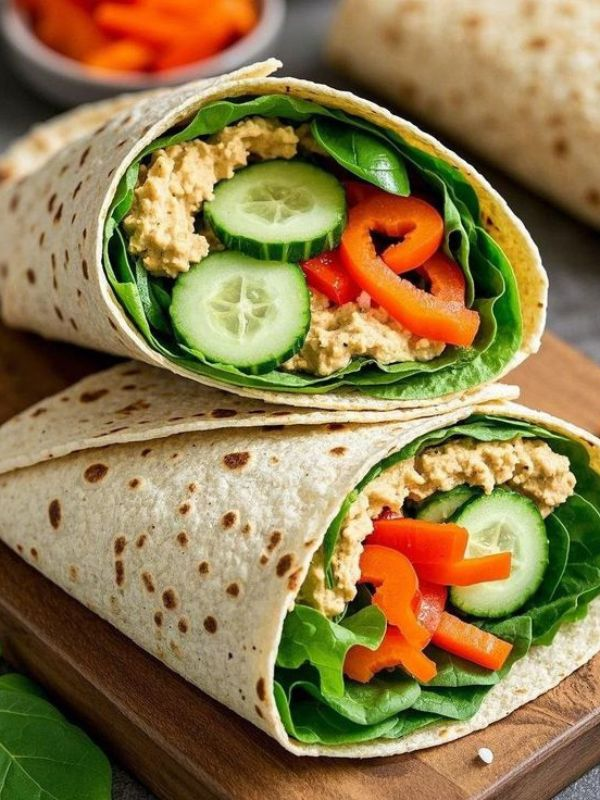
This vegetarian option is colourful and satisfying.
Fill a whole wheat tortilla with:
- Hummus
- Spinach
- Cucumbers
- Bell peppers
- Shredded carrots
- Avocado
Pack with fresh berries on the side.
7. Greek Yoghurt Parfait
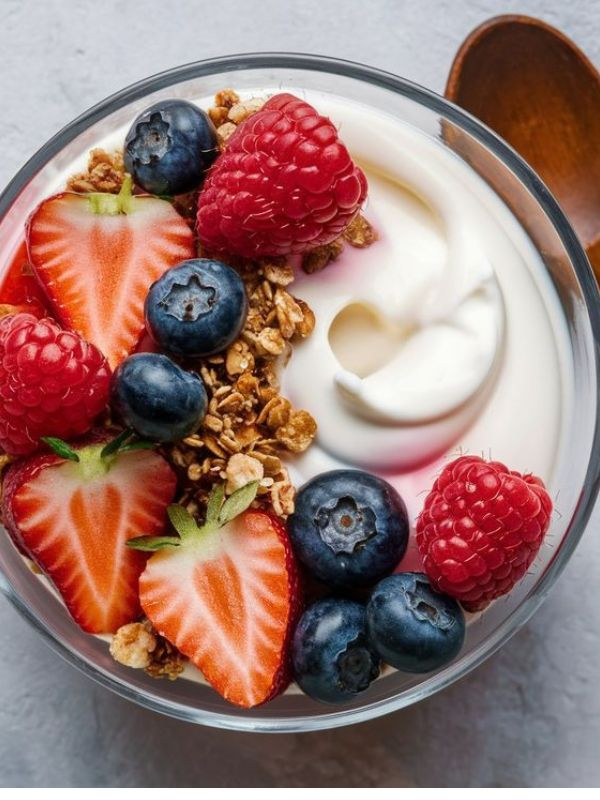
Perfect for students who enjoy lighter lunches.
Layer:
- Greek yogurt
- Strawberries
- Blueberries
- Granola
Pack the granola separately so it stays crunchy until lunchtime.
8. Chicken Salad Croissant
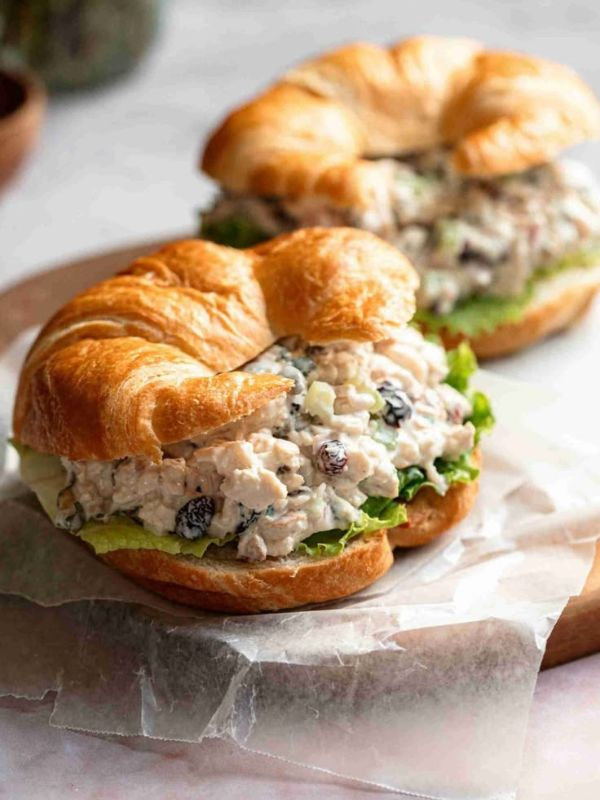
This creamy sandwich is ideal for older students.
Mix:
- Cooked shredded chicken
- Greek yoghurt or light mayonnaise
- Celery
- Grapes
- Black pepper
Serve on a whole-grain croissant or sandwich roll with cucumber slices.
9. Cheese and Cracker Snack Box

A simple lunch that requires very little preparation.
Pack:
- Cheese cubes
- Whole grain crackers
- Boiled eggs
- Grapes
- Apple slices
- Cherry tomatoes
This balanced lunch is great for picky eaters.
10. Bean and Corn Salad
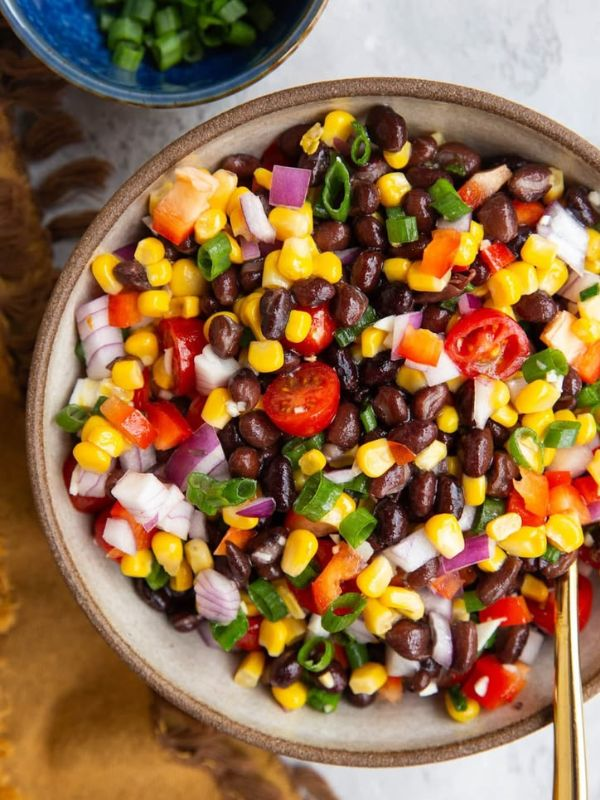
A refreshing, protein-rich lunch that’s easy to make in advance.
Combine:
- Black beans
- Sweet corn
- Cherry tomatoes
- Bell peppers
- Cucumber
- Lime juice
- Olive oil
Serve with whole grain crackers or pita bread.
Tips for Packing Cold School Lunches
Keep Food Cold
Use an insulated lunch bag with one or two ice packs to help keep food fresh until lunchtime.
Choose Foods That Taste Good Cold
Some foods hold up better than others.
Good choices include:
- Wraps
- Sandwiches
- Pasta salad
- Yogurt
- Cheese
- Fresh fruits
- Raw vegetables
- Hard-boiled eggs
Use Leak-Proof Containers
Separate wet and dry foods to keep lunches fresh and prevent soggy sandwiches or crackers.
Prep Ingredients Ahead of Time
Wash fruits, chop vegetables, cook proteins, and portion snacks over the weekend. This makes packing lunch quick and stress-free during the week.
Add a Variety of Textures
Mix crunchy, creamy, and juicy foods to make lunch more enjoyable.
For example, combine:
- Crackers with cheese
- Carrots with hummus
- Apples with yogurt
- Grapes with turkey roll-ups
Best Foods for Cold School Lunches
Some foods stay fresh and taste great without reheating.
Good options include:
- Sandwiches
- Wraps
- Pasta salad
- Chicken salad
- Tuna salad
- Hard-boiled eggs
- Cheese cubes
- Yogurt
- Whole grain crackers
- Fresh fruit
- Raw vegetables
- Hummus
- Grapes
- Apples
- Strawberries
Cold school lunches are convenient, nutritious, and perfect for busy families. With a little planning, you can pack meals that stay fresh, taste delicious, and provide students with the energy they need to stay focused and active throughout the school day.
Hot School Lunch Ideas
Hot school lunches are perfect for students who enjoy warm, comforting meals during the school day. They can be especially satisfying during cooler months and are a great way to use leftovers from dinner. With a good insulated food jar or thermos, you can keep meals warm for several hours, making lunchtime more enjoyable.
The best hot school lunches include a balance of protein, whole grains, vegetables, and healthy fats to keep students full, focused, and energised throughout the day.
1. Chicken and Rice Bowl
This classic meal is nutritious and easy to prepare.
You’ll need:
- Grilled or shredded chicken
- Brown or white rice
- Steamed broccoli
- Carrots
- Corn
How to prepare:
- Cook the rice and chicken.
- Steam the vegetables until tender.
- Warm everything together.
- Transfer to a preheated thermos.
Serve with grapes or an apple on the side.
2. Mac and Cheese with Broccoli
A healthier version of a family favourite.
Ingredients:
- Whole wheat macaroni
- Cheese sauce
- Steamed broccoli
Mix everything while hot and pack in an insulated food container.
3. Beef and Vegetable Stir-Fry
This protein-rich meal provides lasting energy.
Combine:
- Lean beef strips
- Brown rice
- Broccoli
- Bell peppers
- Carrots
- Low-sodium soy sauce
Heat thoroughly before placing it in a thermos.
4. Spaghetti and Meatballs
Leftover spaghetti makes an excellent school lunch.
Pack:
- Whole wheat spaghetti
- Tomato sauce
- Homemade or lean meatballs
Include a side of cucumber slices and fresh fruit.
5. Chicken Noodle Soup
Soup is perfect for chilly school days.
Fill a thermos with:
- Chicken broth
- Cooked chicken
- Whole wheat noodles
- Carrots
- Celery
Pack whole grain crackers separately to keep them crisp.
6. Vegetable Fried Rice
A colourful fried rice is a great vegetarian option.
Mix:
- Brown rice
- Eggs or tofu
- Peas
- Carrots
- Corn
- Green onions
- Low-sodium soy sauce
Serve warm in a thermos.
7. Mini Meatball and Rice Bowl
This hearty lunch is simple and filling.
Pack:
- Lean meatballs
- Brown rice
- Steamed green beans
Add sliced oranges or strawberries for dessert.
8. Baked Pasta
Baked pasta stays warm well and is easy to portion.
You’ll need:
- Whole wheat pasta
- Tomato sauce
- Mozzarella cheese
- Ground turkey or vegetables
Bake until bubbly, then transfer to a preheated food jar.
9. Chilli with Rice
A mild homemade chilli is rich in protein and fibre.
Combine:
- Lean ground beef or turkey
- Kidney beans
- Tomatoes
- Mild seasonings
Serve with brown rice or whole grain bread.
10. Chicken and Vegetable Quesadilla
A warm quesadilla is easy to eat and kid-friendly.
How to make it:
- Fill a whole wheat tortilla with shredded chicken, cheese, and vegetables.
- Cook until golden, and the cheese melts.
- Cut into triangles.
- Pack in a thermos or insulated lunch container.
Serve with salsa or plain Greek yoghurt for dipping.
How to Keep Hot School Lunches Warm
A hot lunch stays more enjoyable when packed correctly.
Step 1. Preheat the Thermos
Fill the thermos with boiling water and let it sit for 5 to 10 minutes. Empty the water just before adding the hot food.
Step 2. Heat Food Thoroughly
Make sure the food is steaming hot before placing it in the thermos. This helps it stay warm until lunchtime.
Step 3. Fill the Thermos Completely
A full thermos retains heat better than one with space.
Step 4. Close the Lid Immediately
Seal the thermos tightly after filling it to lock in the heat.
Step 5. Pack Fresh Sides Separately
Keep foods like fruit, salads, crackers, or yoghurt in separate containers so they stay fresh and maintain their texture.
Tips for Packing Hot School Lunches
- Use a high-quality insulated food jar or thermos.
- Prepare meals the night before when possible.
- Use leftovers from dinner to save time.
- Include a fruit or vegetable with every meal.
- Avoid foods that become soggy after several hours.
- Let children practice opening and closing the thermos at home before taking it to school.
Hot school lunches are a great way to provide students with warm, satisfying meals that keep them energised throughout the day. With a little planning and the right insulated container, you can pack delicious lunches that stay warm until lunchtime while offering the nutrition students need to learn, play, and succeed.
School Lunch Box Snack Ideas
Healthy snacks are an important part of a balanced school lunch. They help keep students satisfied between meals, provide extra nutrients, and give them the energy they need to stay focused throughout the school day. The best lunch box snacks are easy to pack, nutritious, and kid-approved.
Try to include a mix of protein, fibre, healthy fats, and natural carbohydrates. This combination helps prevent energy crashes and keeps students feeling full for longer.
Here are some easy school lunch box snack ideas for kids, teens, and high school students.
1. Fresh Fruit
Fresh fruit is naturally sweet, refreshing, and packed with vitamins.
Easy options include:
- Apple slices
- Grapes
- Strawberries
- Blueberries
- Orange segments
- Banana slices
- Watermelon cubes
- Pineapple chunks
To keep sliced apples from browning, lightly coat them with lemon juice before packing.
2. Cheese Sticks or Cheese Cubes
Cheese is rich in protein and calcium, making it a filling snack for growing children.
Pack cheese with:
- Whole grain crackers
- Grapes
- Apple slices
3. Yoghurt Cups
Yoghurt is a great source of protein and probiotics that support gut health.
Choose:
- Plain Greek yoghurt
- Low-sugar flavoured yoghurt
- Drinkable yogurt
Keep yoghurt cold with an ice pack.
4. Vegetable Sticks
Crunchy vegetables are easy to prepare and full of vitamins and fibre.
Try packing:
- Baby carrots
- Cucumber slices
- Bell pepper strips
- Celery sticks
- Cherry tomatoes
- Sugar snap peas
Serve with hummus or a yoghurt-based dip if allowed.
5. Whole Grain Crackers
Whole grain crackers provide lasting energy and pair well with many foods.
Enjoy them with:
- Cheese
- Turkey slices
- Hummus
- Tuna salad
6. Hard-Boiled Eggs
Hard-boiled eggs are portable, affordable, and packed with protein.
Sprinkle with a little salt and pepper or pack them plain for an easy snack.
7. Homemade Trail Mix
For schools that allow nuts, make your own trail mix using:
- Almonds
- Cashews
- Pumpkin seeds
- Dried cranberries
- Whole grain cereal
For nut-free schools, replace the nuts with roasted chickpeas, sunflower seeds (if allowed), or pretzels.
8. Popcorn
Air-popped popcorn is a whole-grain snack that’s light, crunchy, and fun to eat.
Season it lightly with:
- A pinch of salt
- Parmesan cheese
- Mild seasoning blends
Avoid heavily buttered or sugary varieties.
9. Homemade Muffins
Whole wheat muffins are perfect for lunch boxes.
Try flavours like:
- Banana
- Blueberry
- Apple cinnamon
- Carrot
Choose recipes with less added sugar for a healthier option.
10. Roasted Chickpeas
Roasted chickpeas are crunchy, high in protein, and easy to prepare.
Season them with mild spices and roast until crispy for a satisfying snack.
11. Rice Cakes
Rice cakes are light and versatile.
Top them with:
- Cream cheese
- Sunflower seed butter (if permitted)
- Cheese slices
- Avocado
12. Energy Bites
Homemade energy bites are great for older kids and teens.
Make them with ingredients such as:
- Oats
- Sunflower seed butter
- Chia seeds
- Honey
- Mini dark chocolate chips
Check school allergy policies before packing ingredients like seeds.
13. Pretzels
Whole grain pretzels are a simple snack that pairs well with:
- Cheese cubes
- Yogurt
- Fresh fruit
Choose baked varieties when possible.
14. Apple Slices with Sunflower Seed Butter
If your school allows sunflower seed butter, it’s a delicious alternative to peanut butter.
Pack it in a separate container for dipping.
15. Homemade Oatmeal Cookies
A homemade oatmeal cookie made with oats, mashed bananas, and raisins can be a healthier sweet treat.
Pack one cookie alongside healthier snacks instead of sugary desserts.
Tips for Choosing Healthy Lunch Box Snacks
Include Protein
Protein helps students stay full longer.
Good options include:
- Cheese
- Yogurt
- Eggs
- Turkey slices
- Roasted chickpeas
Add Fiber
Fibre supports digestion and provides lasting energy.
Choose foods like:
- Fruits
- Vegetables
- Whole grain crackers
- Popcorn
- Oats
Limit Sugary Snacks
Instead of candy or pastries every day, choose naturally sweet foods like fresh fruit or homemade baked treats with less added sugar.
Keep Snacks Fresh
Use small reusable containers to separate snacks and include an ice pack for dairy products, fresh fruit, and vegetables.
Pack a Variety
Mix crunchy, creamy, sweet, and savoury snacks to keep lunch interesting and encourage students to eat a balanced meal.
School lunch box snacks don’t have to come from a package. Fresh fruits, vegetables, dairy, whole grains, and homemade treats can provide the nutrients students need while making lunchtime more enjoyable. By rotating different snacks each week, you can keep lunch boxes exciting and help children develop healthy eating habits that last a lifetime.
School Lunch Foods to Avoid
While school lunches should be enjoyable, some foods may not provide the energy and nutrients students need to stay focused throughout the day. Certain foods can cause energy crashes, leave children feeling hungry quickly, or create problems with freshness and school policies.
This does not mean these foods can never be included. The goal is to create a balanced lunch where nutritious foods make up most of the meal while treats are enjoyed occasionally.
Here are some school lunch foods to limit or avoid packing regularly.
1. Sugary Drinks
Sodas, sweetened juices, and energy drinks may provide a quick burst of energy, but they often contain a lot of added sugar.
Too much sugar can:
- Cause energy crashes during class.
- Make it harder for students to stay focused.
- Replace healthier drinks like water or milk.
Better options include:
- Water.
- Milk.
- Unsweetened flavoured water.
- Homemade fruit-infused water.
2. Candy and Sugary Treats
Candy may be a favourite snack, but it does not provide the nutrients students need during the school day.
Instead of packing candy every day, choose:
- Fresh fruit.
- Homemade muffins.
- Yogurt.
- Dark chocolate in small amounts.
- Oat-based snacks.
A small treat can be included occasionally, but it should not replace nutritious foods.
3. Highly Processed Snacks
Chips, cookies, and packaged snacks are convenient, but many are low in protein and fibre.
Eating too many processed snacks may leave students feeling hungry shortly after eating.
Better alternatives include:
- Whole grain crackers.
- Popcorn.
- Cheese cubes.
- Roasted chickpeas.
- Fresh fruits.
4. Foods High in Added Sugar
Some foods appear healthy but contain large amounts of added sugar.
Examples include:
- Sweetened yoghurt.
- Some granola bars.
- Flavoured cereals.
- Sugary breakfast pastries.
Choose options with less added sugar and combine them with protein or fiber for a more balanced snack.
5. Foods That Become Soggy Easily
Some foods do not stay fresh in a lunch box and may become unappealing by lunchtime.
Examples include:
- Sandwiches with too much sauce.
- Wet salads without proper containers.
- Crackers packed next to moist foods.
Tips:
- Keep sauces and dressings separate.
- Use leak-proof containers.
- Pack crunchy foods separately.
6. Large Portions of Fried Foods
Fried foods can be tasty, but they may leave students feeling tired or uncomfortable during the school day.
Instead of packing fried foods often, try:
- Baked chicken.
- Grilled sandwiches.
- Roasted vegetables.
- Homemade baked snacks.
7. Foods With Strong Odours
Some foods may not be suitable for a classroom environment because of strong smells.
Examples include:
- Certain fish dishes.
- Strongly spiced foods.
- Foods with strong cheeses.
If packing these foods, consider your child’s school environment and lunch rules.
8. Foods That May Not Follow School Allergy Rules
Many schools have restrictions on certain allergens, especially peanuts and tree nuts.
Before packing lunch:
- Check the school’s allergy guidelines.
- Read food labels carefully.
- Avoid sending restricted foods.
Safe alternatives may include:
- Sunflower seed butter (if allowed).
- Cheese.
- Yogurt.
- Hummus.
- Eggs.
9. Too Many Empty-Calorie Snacks
A lunch filled mostly with snacks may not provide enough nutrition for growing students.
For example, a lunch with only:
- Chips.
- Cookies.
- Juice.
- Candy.
May leave students hungry and tired.
Instead, build a balanced lunch with:
- Protein.
- Whole grains.
- Fruits.
- Vegetables.
- Healthy snacks.
10. Foods Your Child Refuses to Eat
Even healthy foods won’t help if they come home untouched.
Avoid packing foods your child strongly dislikes.
Instead:
- Include familiar favourites.
- Introduce new foods slowly.
- Let your child choose between healthy options.
- Pack small portions when trying something new.
How to Build a Better School Lunch
A simple lunch formula can help you avoid unhealthy choices.
Include:
One protein source
Examples:
- Chicken.
- Eggs.
- Turkey.
- Beans.
- Cheese.
- Yogurt.
One whole grain
Examples:
- Whole wheat bread.
- Brown rice.
- Whole grain crackers.
- Whole wheat wraps.
One fruit
Examples:
- Apples.
- Grapes.
- Berries.
- Bananas.
One vegetable
Examples:
- Carrots.
- Cucumbers.
- Bell peppers.
- Cherry tomatoes.
One healthy snack
Examples:
- Popcorn.
- Cheese sticks.
- Homemade muffins.
- Roasted chickpeas.
By limiting foods high in sugar, excessive processed snacks, and foods that lack nutrients, you can create lunch boxes that support healthy habits and better school performance.
Money-Saving School Lunch Tips
Packing school lunches every day can become expensive, especially when buying individual snacks, packaged foods, and ready-made meals. However, creating affordable school lunches is possible with a little planning and smart shopping.
A budget-friendly school lunch does not have to be boring or unhealthy. By preparing ingredients at home, using leftovers, and choosing affordable nutritious foods, you can save money while still providing delicious meals your child will enjoy.
Here are practical ways to save money when packing school lunches.
1. Plan Lunches Before Grocery Shopping
One of the easiest ways to save money is to create a weekly lunch plan before buying groceries.
Planning helps you:
- Avoid buying unnecessary foods.
- Reduce food waste.
- Use ingredients in multiple meals.
- Shop with a clear list.
For example, a pack of chicken can be used for:
- Chicken wraps.
- Rice bowls.
- Sandwiches.
- Pasta salads.
2. Prepare Lunch Ingredients at Home
Pre-packaged lunch items are convenient but often cost more than homemade versions.
Instead of buying:
- Individual snack packs.
- Pre-cut fruits.
- Single-serving crackers.
Try preparing them yourself.
You can:
- Cut fruits and vegetables at home.
- Portion snacks into reusable containers.
- Make homemade muffins.
- Prepare sandwiches in advance.
Small changes can create big savings over time.
3. Use Leftovers for School Lunches
Dinner leftovers can become easy school lunches the next day.
Examples:
- Extra grilled chicken can become a wrap.
- Leftover rice can become a rice bowl.
- Extra pasta can become pasta salad.
- Roasted vegetables can be added to sandwiches.
Using leftovers helps reduce food waste and saves time.
4. Buy Affordable Protein Sources
Protein is important for keeping students full, but it does not have to be expensive.
Affordable protein options include:
- Eggs.
- Beans.
- Lentils.
- Peanut butter or sunflower seed butter if allowed.
- Yogurt.
- Cheese.
- Canned tuna.
- Chicken bought in larger portions.
These foods can stretch across several lunches.
5. Buy Fruits and Vegetables in Season
Seasonal produce is usually cheaper and often tastes better.
Budget-friendly fruit options include:
- Bananas.
- Apples.
- Oranges.
- Grapes when on sale.
- Watermelon during warmer months.
Affordable vegetables include:
- Carrots.
- Cucumbers.
- Cabbage.
- Bell peppers when discounted.
- Frozen vegetables.
6. Purchase Items in Bulk
Buying certain foods in larger quantities can reduce costs.
Good bulk purchases include:
- Whole grain crackers.
- Rice.
- Pasta.
- Oats.
- Yogurt packs.
- Cheese blocks.
- Frozen fruits.
Divide bulk foods into smaller portions at home for easy lunch packing.
7. Use Reusable Lunch Containers
Investing in reusable containers can save money over time.
Instead of buying:
- Disposable bags.
- Plastic wraps.
- Single-use snack packs.
Use:
- Reusable lunch boxes.
- Silicone snack bags.
- Small food containers.
They are better for your budget and reduce waste.
8. Make Homemade Snacks
Store-bought snacks can quickly increase your grocery bill.
Affordable homemade options include:
- Banana muffins.
- Oatmeal cookies.
- Homemade granola bars.
- Popcorn.
- Energy bites.
Making snacks at home also allows you to control ingredients and sugar levels.
9. Create a Simple Lunch Rotation
You don’t need a completely different lunch every day.
Create a weekly rotation such as:
Monday
Chicken sandwich with fruit.
Tuesday
Pasta salad with vegetables.
Wednesday
Rice bowl with protein.
Thursday
Wrap with healthy snacks.
Friday
Homemade lunchable box.
A simple rotation saves time, reduces stress, and prevents unnecessary spending.
10. Avoid Buying Lunch Items Your Child Won’t Eat
Food waste can quickly increase your expenses.
Before buying new foods:
- Ask your child what they enjoy.
- Introduce new foods slowly.
- Avoid buying large quantities of unfamiliar items.
A cheaper lunch that gets eaten is better than an expensive lunch that comes home untouched.
11. Shop Smart
Save money by:
- Comparing prices between stores.
- Buying store brands.
- Using grocery discounts.
- Shopping with a list.
- Avoiding impulse purchases.
Small savings on everyday items can add up throughout the school year.
12. Prep Lunches Ahead of Time
Preparing lunches in advance helps you avoid expensive last-minute choices.
Weekend preparation ideas:
- Wash and portion fruits.
- Cook proteins.
- Prepare snacks.
- Organise lunch containers.
- Make freezer-friendly meals.
A little preparation makes busy mornings easier and more affordable.
Affordable School Lunch Ideas
Here are some low-cost lunch combinations:
Option 1
- Peanut butter or sunflower seed butter sandwich.
- Banana.
- Yogurt.
Option 2
- Egg sandwich.
- Carrot sticks.
- Apple slices.
Option 3
- Rice and beans.
- Cucumber slices.
- Fruit.
Option 4
- Pasta salad.
- Cheese cubes.
- Grapes.
Option 5
- Homemade lunchable box.
- Crackers.
- Turkey slices.
- Fruit.
Saving money on school lunches does not mean sacrificing nutrition or variety. With meal planning, smart shopping, homemade snacks, and simple ingredients, you can create affordable lunches that keep students full, energised, and ready to learn throughout the school day.
Common School Lunch Packing Mistakes
Packing school lunches every day can become a routine, but small mistakes can affect whether your child enjoys their meal, gets enough nutrients, or even eats the food you packed. A good school lunch should be balanced, fresh, easy to eat, and suited to your child’s preferences.
Avoiding common lunch packing mistakes can make mornings easier and help students look forward to lunchtime.
1. Packing Too Much Food
One common mistake parents make is filling the lunch box with more food than their child can finish.
Large portions can:
- Feel overwhelming for younger children.
- Create unnecessary food waste.
- Make children avoid trying new foods.
Instead:
- Pack age-appropriate portions.
- Start with smaller servings.
- Add extra snacks only if your child usually needs them.
Remember that the goal is not to fill the lunch box but to provide enough food to keep your child satisfied.
2. Forgetting to Include Protein
A lunch without enough protein may leave students hungry soon after eating.
Protein helps:
- Keep children full longer.
- Support growth and development.
- Provide lasting energy.
Good protein choices include:
- Chicken.
- Turkey.
- Eggs.
- Cheese.
- Yogurt.
- Beans.
- Lentils.
- Tofu.
Try adding at least one protein source to every lunch.
3. Packing Only Snacks Instead of a Balanced Meal
Some children prefer snack foods, but a lunch box filled only with crackers, cookies, and chips may not provide enough nutrition.
A balanced lunch should include:
- Protein.
- Whole grains.
- Fruits.
- Vegetables.
- Healthy snacks.
Snack-style lunches can still be healthy when they include foods like cheese, fruit, hummus, boiled eggs, and whole-grain crackers.
4. Packing Foods Your Child Does Not Like
A healthy lunch will not help if it comes home untouched.
Avoid packing foods your child refuses to eat.
Instead:
- Include familiar favourites.
- Introduce new foods slowly.
- Let your child choose between healthy options.
- Ask for feedback about what they enjoyed.
Children are more likely to eat lunches they helped plan.
5. Not Considering the School Environment
Some foods may not be suitable for certain schools.
Common issues include:
- Allergy restrictions.
- Limited time to eat.
- No access to a microwave.
- Difficulty opening containers.
Before packing lunch, consider:
- School allergy rules.
- Whether your child can open the lunch box independently.
- How long they have for lunch.
6. Packing Food That Becomes Soggy
Nobody enjoys a soggy sandwich or soft crackers.
Prevent this by:
- Packing sauces and dressings separately.
- Keeping crunchy foods away from wet foods.
- Using divided containers.
- Adding spreads just before eating when possible.
Simple storage choices can make a big difference.
7. Not Keeping Food at the Right Temperature
Food safety is important when packing school lunches.
For cold foods:
- Use an insulated lunch bag.
- Add an ice pack.
- Keep dairy products chilled.
For hot foods:
- Use a quality thermos.
- Preheat the container before adding food.
- Pack food while it is still hot.
8. Making Lunch Too Repetitive
Eating the same lunch every day can make children lose interest.
Keep things exciting by rotating:
- Sandwiches.
- Wraps.
- Rice bowls.
- Pasta salads.
- Snack boxes.
- Fruits and vegetables.
Small changes can make familiar foods feel new.
9. Relying Too Much on Packaged Foods
Pre-packaged snacks are convenient, but using too many can increase costs and reduce nutritional value.
Instead of always packing:
- Chips.
- Candy.
- Sugary drinks.
- Packaged cookies.
Try:
- Homemade muffins.
- Fresh fruit.
- Popcorn.
- Yogurt.
- Cheese cubes.
- Homemade snacks.
10. Forgetting Variety
A balanced lunch should include different flavours, colours, and textures.
Try combining:
- Something crunchy like carrots or crackers.
- Something soft like yoghurt or cheese.
- Something sweet like fruit.
- Something filling like chicken or beans.
Variety makes lunch more enjoyable and encourages healthy eating habits.
11. Not Preparing Ahead of Time
Packing lunch at the last minute can lead to unhealthy choices or forgotten items.
Make mornings easier by preparing ahead:
- Wash fruits.
- Chop vegetables.
- Cook proteins.
- Portion snacks.
- Plan meals for the week.
A few minutes of preparation can save a lot of stress.
12. Forgetting a Drink
A nutritious lunch should also include hydration.
The best options are:
- Water.
- Milk.
- Unsweetened drinks.
Encourage your child to carry a reusable water bottle to school every day.
How to Pack a Better School Lunch
Use this simple checklist:
✓ Include a protein source
✓ Add a whole grain
✓ Pack a fruit
✓ Include a vegetable
✓ Add a healthy snack
✓ Choose foods your child enjoys
✓ Keep food fresh and safe
✓ Consider school rules and your child’s needs
Avoiding these common school lunch packing mistakes can make a big difference in your child’s eating habits. With simple planning, balanced food choices, and attention to what your child enjoys, you can create lunches that are nutritious, practical, and enjoyable every school day.
Frequently Asked Questions About School Lunch Ideas
What makes a healthy school lunch?
A healthy school lunch should include a balance of protein, whole grains, fruits, vegetables, and healthy fats. Protein foods like chicken, eggs, beans, yoghurt, and cheese help keep students full, while fruits and vegetables provide important vitamins and fibre. Whole grains provide long-lasting energy to help students stay focused during the school day.
What are easy school lunch ideas for busy mornings?
Some quick school lunch ideas include sandwiches, wraps, pasta salad, homemade lunch boxes, yogurt parfaits, and fruit with protein snacks. Preparing ingredients ahead of time, such as washing fruits, chopping vegetables, and cooking proteins, can make busy mornings much easier.
How can I make school lunches my child will actually eat?
To make lunches more appealing, include foods your child already enjoys and introduce new foods slowly. Let your child help choose lunch options, use colourful ingredients, cut foods into fun shapes, and pack different textures like crunchy vegetables, soft fruits, and creamy yoghurt.
How do I pack a school lunch without a refrigerator?
Use an insulated lunch bag with ice packs to keep cold foods fresh. Foods that work well without refrigeration include whole fruit, crackers, shelf-stable snacks, and foods packed in proper containers. Avoid packing foods that spoil easily unless they can stay cold.
What are some healthy school lunch ideas for picky eaters?
Picky eaters often enjoy simple foods like mini sandwiches, cheese and crackers, chicken nuggets with fruit, pasta with cheese, homemade lunchable boxes, yogurt, and fruit cups. Keep portions small and include at least one food your child already likes.
What should I pack for a teenager’s school lunch?
Teenagers need filling lunches that provide enough energy for busy school days. Good options include chicken wraps, turkey sandwiches, rice bowls, pasta salads, burrito bowls, protein snack boxes, and meals that include protein, whole grains, fruits, and vegetables.
How can I save money when packing school lunches?
You can save money by planning meals, buying ingredients in bulk, using leftovers, preparing homemade snacks, choosing affordable proteins like eggs and beans, and avoiding individually packaged foods. Reusable lunch containers can also reduce long-term costs.
What are good vegetarian school lunch ideas?
Vegetarian lunch ideas include hummus wraps, bean burrito bowls, veggie pasta salad, cheese quesadillas, egg sandwiches, chickpea wraps, yoghurt parfaits, and homemade snack boxes with cheese, crackers, fruits, and vegetables.
What are good nut-free school lunch ideas?
Nut-free lunch options include turkey sandwiches, chicken wraps, cheese and crackers, egg salad sandwiches, pasta salad, yoghurt, hummus, and sunflower seed butter sandwiches if allowed by the school. Always check school allergy guidelines before packing food.
How can I keep hot school lunches warm until lunchtime?
Use an insulated food thermos to keep meals warm. Before adding food, fill the thermos with hot water for a few minutes to warm the container. Empty the water, add hot food, and close the lid tightly.
How many snacks should I pack in a school lunch?
The number of snacks depends on the student’s age, activity level, and appetite. Younger children may need one small snack, while older students with longer school days may need additional snacks. Choose nutritious options like fruit, yoghurt, cheese, vegetables, or whole grain crackers.
How can I stop school lunches from becoming boring?
Create variety by rotating different lunch ideas each week. Change between sandwiches, wraps, rice bowls, pasta dishes, snack boxes, and different fruits and vegetables. Small changes in presentation can also make familiar foods feel more exciting.
What foods should I avoid packing for school lunch?
Avoid packing foods that do not provide enough nutrition, become unsafe when stored incorrectly, or are not allowed by the school. Limit sugary drinks, too many processed snacks, and foods your child refuses to eat. Focus on balanced meals that provide energy and nutrients.
How far ahead can I prepare school lunches?
Many lunch items can be prepared one to three days ahead. You can wash fruits, chop vegetables, cook proteins, prepare pasta salads, and portion snacks in advance. Store foods properly and assemble fresh items when needed.
How do I make school lunches healthier?
To make lunches healthier, replace highly processed foods with homemade options, add more fruits and vegetables, include protein in every meal, choose whole grains, and reduce sugary snacks and drinks. Small improvements can create healthier eating habits over time.
Conclusion
Packing school lunches does not have to be stressful, expensive, or repetitive. With planning and creativity, you can create meals that are healthy, delicious, and enjoyable for kids, teens, and students of all ages.
The best school lunches include a balance of protein, whole grains, fruits, vegetables, and healthy snacks to provide the energy students need to learn, play, and stay focused throughout the day. Whether you are preparing lunch for a picky eater, a high school student, a vegetarian, or a child with food restrictions, there are plenty of simple options to choose from.
Remember that a successful school lunch is not only about nutrition but also about making food your child will actually eat. Involve your child in choosing meals, try different recipes, and create a lunch routine that works for your family.
With smart planning, budget-friendly ingredients, and a little variety, you can pack school lunches that support healthy habits and make every school day easier. A well-prepared lunch box can give students the fuel and confidence they need to have a productive day at school.