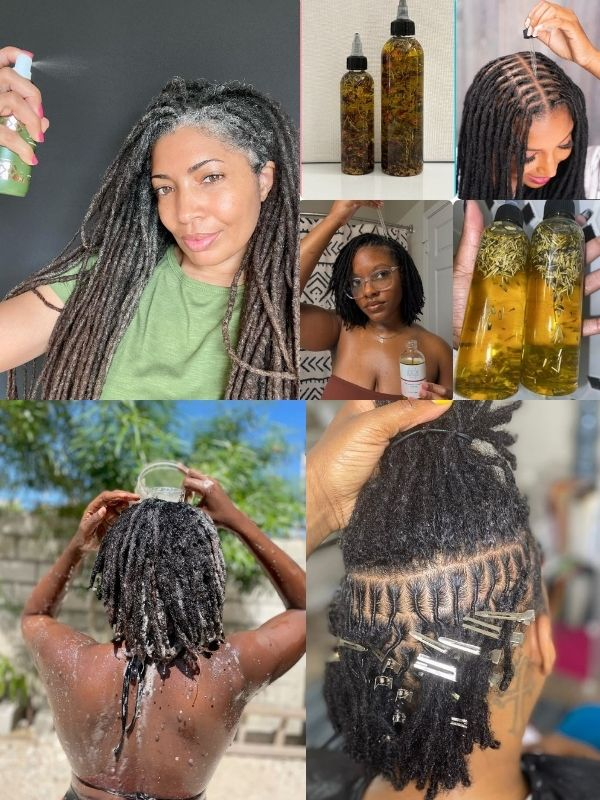
How to maintain locs without a loctician is a question many people ask, especially if they’re trying to save money, have a busy schedule, or simply want to take better care of their locs at home.
The good news is that you don’t need to visit a loctician every few weeks to keep your locs clean, healthy, and looking neat. With the right routine, products, and techniques, you can confidently maintain your locs yourself.
Learning to care for your locs at home also helps you understand what your hair needs. From washing and moisturizing to separating new growth and re-twisting your roots, a few simple habits can go a long way in preventing buildup, dryness, and breakage.
In this guide, you’ll learn how to maintain locs without a loctician step by step. You’ll also discover the tools you’ll need, how often to maintain your locs, common mistakes to avoid, and practical tips to keep your locs healthy, strong, and well-maintained between professional appointments.
See the best way to fix thining locs
Can You Maintain Locs Without a Loctician?
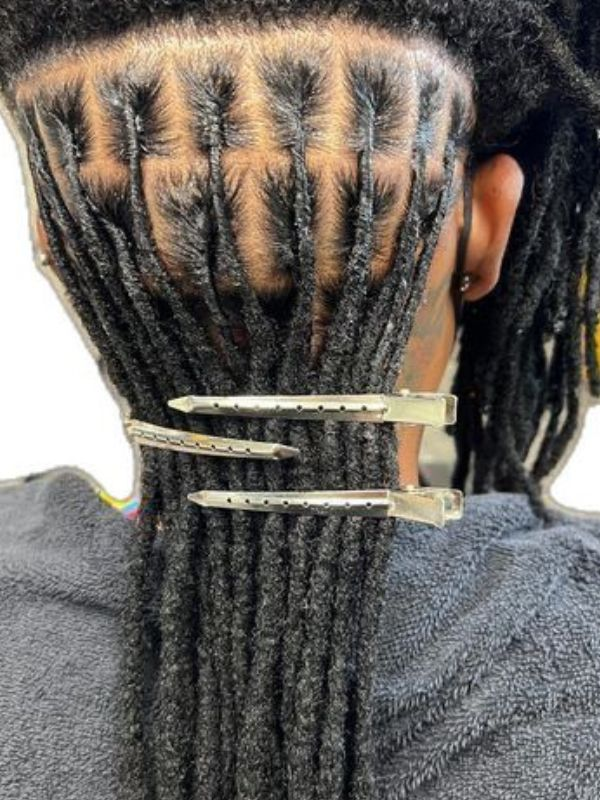
Yes, you can absolutely maintain locs without a loctician. Many people successfully care for their locs at home by following a consistent routine and using the right products.
While professional locticians have the experience to handle complex issues like repairs or severe thinning, everyday loc maintenance is something you can learn with practice.
Whether you have starter locs, mature locs, micro locs, or freeform locs, regular washing, moisturizing, scalp care, and separating new growth are the foundation of healthy locs. Taking care of your locs yourself not only saves money but also helps you understand your hair’s unique needs.
The key is to be patient and gentle. Locs thrive with consistent care, not constant manipulation. Over re-twisting, using heavy products, or neglecting your scalp can do more harm than good, even if you visit a loctician regularly.
See best way to start a healthy locs
Benefits of Learning DIY Loc Maintenance
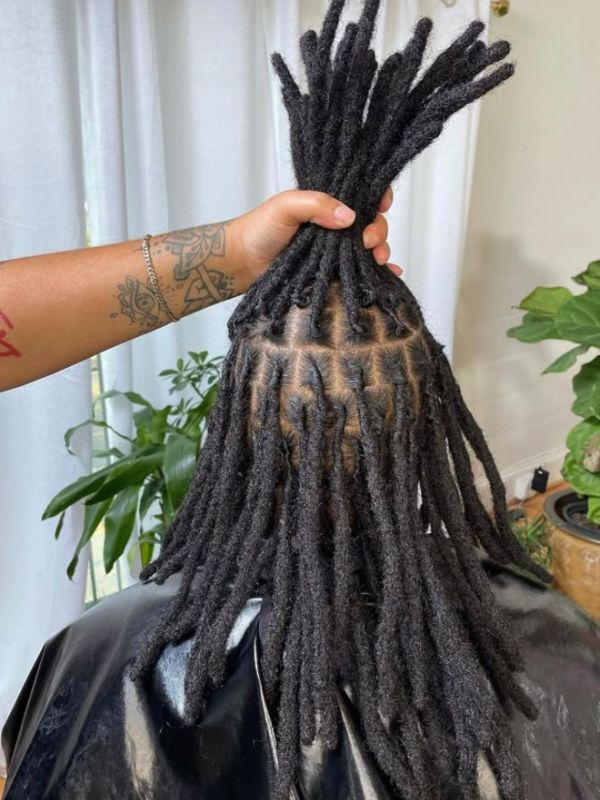
Maintaining your own locs offers several advantages beyond convenience.
1. Saves Money
Regular appointments with a loctician can become expensive over time. Learning basic maintenance skills allows you to reduce salon visits and spend less on routine upkeep while still keeping your locs healthy.
2. Gives You More Flexibility
You don’t have to wait for an appointment to care for your hair. You can wash, moisturize, or re-twist your locs whenever they need attention, making it easier to fit hair care into your schedule.
3. Helps You Understand Your Hair
As you maintain your locs, you’ll notice how your scalp and hair respond to different products and routines. This makes it easier to identify dryness, buildup, or other issues before they become serious.
4. Encourages Healthier Hair Habits
When you’re responsible for your own loc care, you’re more likely to stay consistent with washing, moisturizing, protecting your hair at night, and keeping your scalp clean. These habits contribute to stronger, healthier locs over time.
5. Builds Confidence
Learning how to maintain your own locs is a valuable skill. As you become more comfortable with washing, palm rolling, and re-twisting, you’ll feel more confident caring for your hair without relying on someone else.
When You Should Visit a Professional Instead
Although you can handle most routine maintenance at home, there are times when it’s best to see a qualified loctician.
Consider booking a professional appointment if you notice:
- Severe product buildup that won’t wash out
- Thinning roots or weakening locs
- Broken locs that need repair
- Locs that have accidentally combined and need to be separated
- Persistent scalp irritation or signs of infection
- Mold or a musty smell caused by locs staying damp
- You want to start your loc journey or completely change your loc style
A professional can safely address these issues while helping you protect the long-term health of your locs.
With patience, the right techniques, and a consistent routine, most people can successfully maintain their locs at home. Regular care, healthy habits, and knowing when to seek professional help will keep your locs looking neat, strong, and healthy.
See best 30 ways to style your starter locs
What You’ll Need to Maintain Your Locs at Home
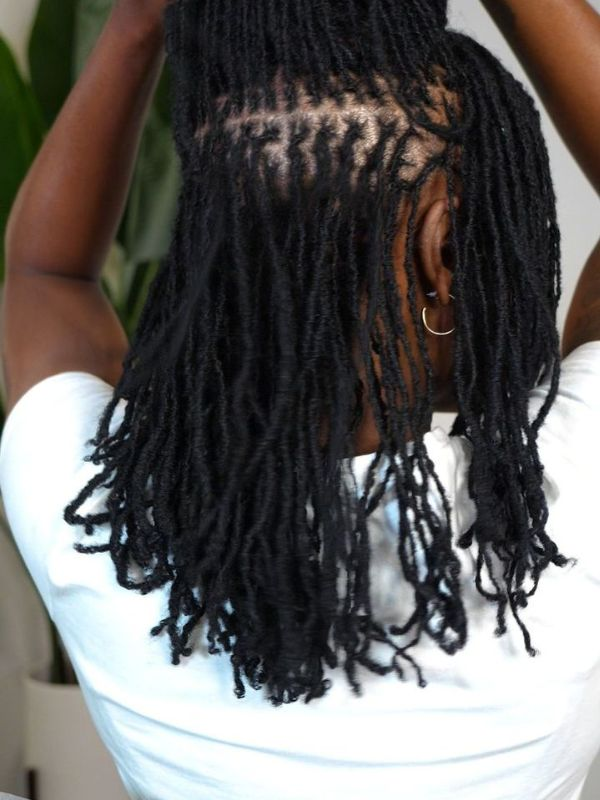
You don’t need a salon full of professional tools to keep your locs healthy. With a few essential products and tools, you can wash, moisturize, re-twist, and protect your locs from the comfort of your home. Choosing lightweight, residue-free products is important because heavy creams and oils can cause buildup inside your locs.
Here are the essentials you’ll need for a simple and effective DIY loc maintenance routine.
1. Clarifying Shampoo
A clarifying shampoo helps remove dirt, sweat, excess oil, and product buildup from your scalp and locs. Since residue can get trapped inside locs, using a clarifying shampoo every few weeks keeps them feeling clean and fresh.
Look for a shampoo that:
- Removes buildup without leaving residue
- Cleanses the scalp thoroughly
- Is sulfate-free if you have a sensitive scalp
- Rinses out easily
Use a clarifying shampoo once or twice a month, depending on your lifestyle and product use.
2. Moisturizing Shampoo
Between clarifying washes, use a moisturizing shampoo to gently cleanse your hair without stripping away too much moisture.
A good moisturizing shampoo should:
- Hydrate dry locs
- Leave the scalp feeling clean
- Reduce dryness after washing
- Be lightweight and residue-free
This helps keep your locs soft, healthy, and less prone to breakage.
3. Lightweight Loc Oil
Oil helps nourish your scalp and lock in moisture, but it should never leave your locs feeling greasy.
Good lightweight oils include:
- Jojoba oil
- Grape seed oil
- Sweet almond oil
- Argan oil
- Light olive oil
Apply a small amount to your scalp and massage gently. Avoid soaking your locs with oil, as too much can attract dirt and lead to buildup.
4. Water-Based Leave-In Spray
Locs need moisture just like loose natural hair. A water-based leave-in spray keeps your locs hydrated without making them heavy.
Choose a spray that contains ingredients like:
- Water
- Aloe vera
- Rose water
- Glycerin
- Lightweight botanical extracts
Mist your locs lightly several times a week or whenever they feel dry.
5. Rat-Tail Comb
A rat-tail comb is useful for creating clean sections before retwisting your roots.
Use it to:
- Separate new growth
- Create neat parts
- Section your hair evenly
- Remove loose shed hairs around the roots
Be gentle while parting to avoid pulling or damaging your locs.
6. Loc Clips
Loc clips hold each re-twisted loc in place while it dries.
They help:
- Keep your re-twist neat
- Prevent locs from unraveling
- Reduce frizz
- Create a more polished finish
Use enough clips to secure each freshly twisted root until your hair is completely dry.
7. Hair Ties
Hair ties make it easier to divide your locs into manageable sections while washing or ret-wisting.
Choose soft, snag-free hair ties that won’t pull on your locs or cause breakage.
8. Satin Bonnet or Silk Scarf
Protecting your locs while you sleep is one of the easiest ways to reduce frizz and retain moisture.
A satin bonnet or silk scarf helps:
- Prevent lint from getting trapped in your locs
- Reduce friction while sleeping
- Keep your retwist looking fresh longer
- Prevent moisture loss
Wear one every night for the best results.
9. Hooded Dryer or Blow Dryer (Optional)
After washing or retwisting, your locs should always be dried completely. Damp locs can develop unpleasant odors, mildew, or mold if they stay wet for too long.
A hooded dryer is ideal because it dries your hair evenly without disturbing your retwist. If you don’t have one, you can use a blow dryer on a low or medium heat setting until your locs are fully dry.
10. DIY Loc Maintenance Checklist
Before you begin your loc maintenance routine, make sure you have:
- Clarifying shampoo
- Moisturizing shampoo
- Lightweight loc oil
- Water-based leave-in spray
- Rat-tail comb
- Loc clips
- Hair ties
- Satin bonnet or silk scarf
- Hooded dryer or blow dryer (optional)
Having these essentials on hand will make maintaining your locs at home easier and help you keep them clean, moisturized, and healthy between professional appointments.
See best locs oils good for every locs stage
How Often Should You Maintain Your Locs?
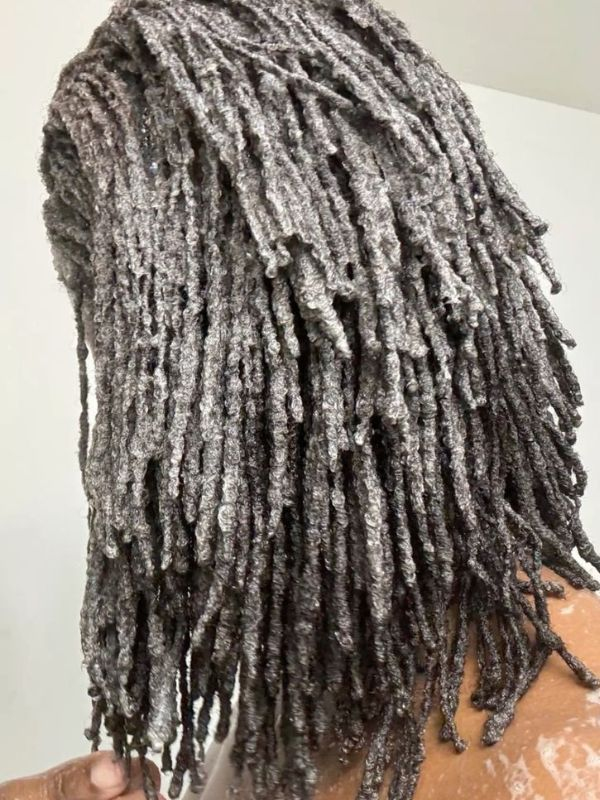
How often you should maintain your locs depends on the stage of your loc journey, your hair type, and your lifestyle.
While it’s important to keep your locs clean and moisturized, over-manipulating them can cause thinning, breakage, and unnecessary stress on your roots.
Instead of following a strict schedule, pay attention to what your hair and scalp need. Here are general maintenance guidelines for different types of locs.
1. Starter Locs
Starter locs require the most attention because they are still forming and can easily unravel.
A good routine includes:
- Wash every 2 to 4 weeks, depending on your scalp and activity level.
- Moisturize your locs 2 to 4 times a week with a water-based spray.
- Oil your scalp 1 to 2 times a week if it feels dry.
- Separate new growth every few days to prevent locs from joining together.
- Re-twist every 4 to 6 weeks or as recommended for your hair type.
Avoid re-twisting too often, as frequent manipulation can weaken your roots.
2 .Mature Locs
Once your locs are fully mature, they become stronger and require less maintenance.
A healthy routine is to:
- Wash every 2 to 4 weeks.
- Moisturize several times a week or whenever your locs feel dry.
- Oil your scalp once or twice a week if needed.
- Separate any new growth that starts to combine.
- Re-twist every 6 to 8 weeks, or only when you want a neater appearance.
Remember that mature locs don’t need to look perfectly neat all the time. Some new growth is natural and healthy.
3. Micro locs
Micro locs have smaller sections, so they require a little more attention to keep them neat and prevent tangling.
Recommended maintenance includes:
- Wash every 2 to 3 weeks.
- Moisturize your locs several times a week.
- Check for tangles or joining locs regularly.
- Retie, interlock, or re-twist every 4 to 8 weeks, depending on your preferred maintenance method.
- Sleep with a satin bonnet or silk scarf every night to reduce frizz.
Because micro locs are delicate, handle them gently during washing and styling.
4. Freeform Locs
Freeform locs are designed to develop naturally with minimal manipulation, so the maintenance routine is much simpler.
You should:
- Wash your locs every 2 to 4 weeks to keep your scalp clean.
- Moisturize your locs several times a week using a water-based spray.
- Oil your scalp if it feels dry or itchy.
- Separate large sections only if you want to prevent them from combining.
- Avoid regular re-twisting to allow your locs to form naturally.
The goal of freeform locs is healthy hair, not perfectly uniform locs.
5. Quick Loc Maintenance Schedule
Here’s an easy routine to follow:
| Task | Recommended Frequency |
|---|---|
| Wash your locs | Every 2 to 4 weeks |
| Moisturize your locs | 2 to 4 times a week or as needed |
| Oil your scalp | 1 to 2 times a week if needed |
| Separate new growth | Weekly or whenever locs begin to join |
| Re-twist starter locs | Every 4 to 6 weeks |
| Re-twist mature locs | Every 6 to 8 weeks |
| Sleep with a satin bonnet or silk scarf | Every night |
The most important part of loc maintenance is consistency. A simple routine of cleansing, moisturizing, protecting your hair at night, and avoiding excessive re-twisting will help keep your locs healthy, strong, and looking their best.
See 40 micro-locs-hairstyles you will love
Step-by-Step Guide to Maintaining Locs Without a Loctician
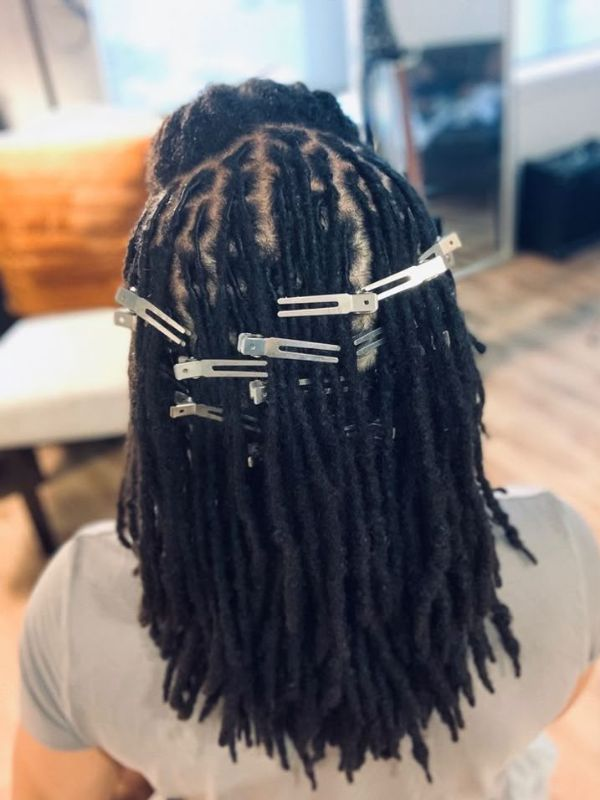
Maintaining your locs at home may seem intimidating at first, but it becomes easier with practice. The secret is to follow a consistent routine, use lightweight products, and handle your locs gently. Whether you’re maintaining starter locs or mature locs, these simple steps will help keep your hair clean, healthy, and well-groomed.
Step 1. Wash Your Locs Properly
Clean locs start with a healthy scalp. Dirt, sweat, and product buildup can cause itching, odor, and unhealthy hair if they aren’t removed regularly.
Follow these steps:
- Thoroughly wet your locs with lukewarm water.
- Apply a clarifying or moisturizing shampoo to your scalp.
- Massage your scalp gently using your fingertips. Avoid scratching with your nails.
- Work the shampoo down the length of your locs by gently squeezing them.
- Rinse thoroughly until the water runs clear.
- Repeat if your scalp or locs still feel dirty.
Avoid heavy shampoos that leave residue behind.
Step 2. Dry Your Locs Completely
Never leave your locs damp for long periods. Moisture trapped inside locs can lead to unpleasant odors, mildew, or mold.
Here’s how to dry them properly:
- Gently squeeze excess water from each loc using a microfiber towel or soft cotton T-shirt.
- Pat your hair dry instead of rubbing it.
- Allow your locs to air dry in a well-ventilated area, or use a hooded dryer.
- If using a blow dryer, choose a low or medium heat setting.
- Make sure the inside of your locs feels completely dry before styling or covering them.
Drying your locs thoroughly is one of the most important parts of loc maintenance.
Step 3. Moisturize Your Locs
Locs need regular moisture to stay soft and healthy.
To moisturize:
- Lightly mist your locs with a water-based leave-in spray.
- Focus on the middle and ends of your locs.
- Allow the moisture to absorb naturally.
- Avoid soaking your hair with too much product.
Moisturize several times a week or whenever your locs feel dry.
Step 4. Oil Your Scalp
Healthy locs begin with a healthy scalp. Applying oil helps reduce dryness and supports a comfortable scalp.
Here’s how:
- Place a few drops of lightweight oil directly onto your scalp.
- Massage gently using your fingertips for three to five minutes.
- Spread the oil evenly across your scalp.
- Avoid applying excessive oil to the length of your locs.
If your scalp becomes oily quickly, reduce how often you apply oil.
Step 5. Separate New Growth
As your hair grows, nearby locs may begin to join together at the roots. Separating them regularly helps each loc maintain its size.
Follow these steps:
- Work on clean or lightly damp hair.
- Locate areas where two locs are beginning to combine.
- Gently pull them apart using your fingers.
- Be patient and avoid forcing stubborn sections.
- Repeat throughout your head.
Doing this every week or two makes separation much easier.
Step 6. Re-twist or Palm Roll Your Roots
If you like a neat appearance, re-twisting helps organize new growth. If you prefer a more natural look, you can simply palm roll your locs.
To re-twist:
- Divide your hair into sections.
- Apply a small amount of lightweight re-twist gel to the roots.
- Twist the new growth in the same direction as your loc.
- Continue until all sections are complete.
Avoid using too much product, as it can lead to buildup.
Step 7. Clip and Dry Your Re-twist
Clipping helps your re-twist hold its shape while drying.
Here’s what to do:
- Secure each freshly re-twisted loc with a loc clip.
- Continue clipping until your entire head is finished.
- Sit under a hooded dryer or allow your hair to air dry completely.
- Remove the clips only after your roots are fully dry.
Removing the clips too early can cause your re-twist to unravel.
Step 8. Protect Your Locs Before Bed
Nighttime protection helps your re-twist last longer and prevents dryness and lint buildup.
Every night:
- Gather long locs into a loose ponytail if needed.
- Cover your hair with a satin bonnet or silk scarf.
- Sleep on a satin pillowcase for extra protection.
- Avoid sleeping with wet or damp locs.
This simple habit helps reduce frizz, retain moisture, and keep your locs looking fresh for longer.
Pro Tips for Successful DIY Loc Maintenance
Keep these tips in mind each time you maintain your locs at home:
- Be gentle with your roots to avoid thinning.
- Use lightweight, residue-free products.
- Avoid re-twisting too often.
- Keep your scalp clean and moisturized.
- Dry your locs completely after every wash.
- Protect your hair every night with satin or silk.
- Stay consistent with your routine instead of waiting until your locs become difficult to manage.
With patience and regular care, you can successfully maintain healthy, neat, and strong locs without visiting a loctician for every appointment.
See the way to remove lint in locs
How to Re-twist Your Own Locs at Home
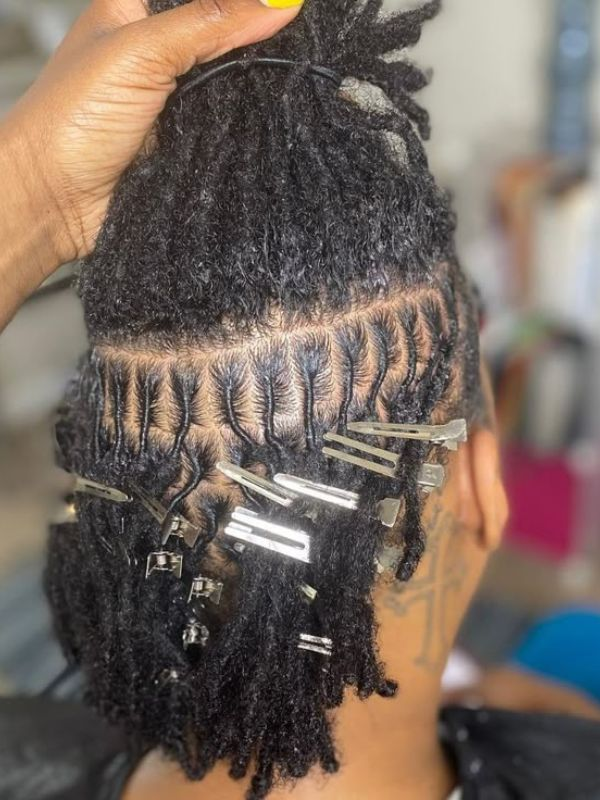
Re-twisting your own locs may seem difficult at first, but with a little practice, it becomes part of your regular hair care routine. The goal of a re-twist is to organize your new growth, keep your parts neat, and help your locs maintain their shape. Whether you choose the traditional palm-rolling method or use a crochet hook to tidy loose hairs, always be gentle to protect your roots.
1. Prepare Your Hair
Always start with clean locs.
Follow these steps:
- Wash your locs with a residue-free shampoo.
- Dry your locs until they are slightly damp or completely dry, depending on your preferred re-twist method.
- Lightly moisturize your scalp if needed.
- Gather all your tools before you begin.
You’ll need:
- Rat-tail comb
- Sectioning clips
- Loc clips
- Lightweight re-twist gel
- Spray bottle with water
- Crochet hook (optional)
- Hooded dryer or blow dryer
2. Section Your Locs
Working in sections makes the process easier and helps you maintain neat parts.
- Divide your hair into four to six sections.
- Secure each section with a hair clip.
- Work on one section at a time.
- Separate any new growth that has started to join neighboring locs before re-twisting.
Taking your time here will give you a cleaner finished look.
3. Apply a Light Re-twist Gel
A little product goes a long way.
- Apply a small amount of lightweight re-twist gel to the new growth only.
- Smooth the product around the root with your fingers.
- Avoid applying gel along the entire loc.
- Wipe away any excess product.
Using too much gel can lead to buildup and flaky residue.
4.Twist the New Growth
To re-twist by hand:
- Hold the base of the loc firmly but gently.
- Twist the new growth in the same direction your loc naturally formed.
- Continue twisting until the root feels smooth.
- Palm roll the length of the loc between your hands to keep it uniform.
Repeat this process for each loc.
5. Secure Each Loc with a Clip
Once you’ve finished twisting a loc:
- Place a loc clip at the root.
- Make sure the clip is secure but not pulling tightly on your scalp.
- Continue clipping each re-twisted loc as you work around your head.
Leave the clips in place until your hair is completely dry.
6. Using a Crochet Hook to Tidy Your Roots
Some people prefer using a small crochet hook to pull loose hairs into the loc instead of doing a traditional re-twist. This can create a neater appearance and may last longer between maintenance sessions.
If you choose this method:
- Work on clean, completely dry locs.
- Hold the loc firmly near the root.
- Insert the crochet hook through the center of the loc close to the root.
- Catch a few loose hairs with the hook.
- Pull those hairs gently back through the center of the loc.
- Repeat from different angles around the loc so the loose hairs are evenly incorporated.
- Continue until the root looks neat, then move to the next loc.
Rather than always entering from the same direction, many experienced people work around the loc from several directions (for example, approaching from different sides such as the upper left, upper right, lower left, and lower right). This helps distribute the hairs more evenly and can create a balanced, natural-looking result.
Avoid forcing the hook through the loc or repeatedly pulling large amounts of hair through, as this can weaken the hair over time.
7. Allow Your Hair to Dry Completely
Whether you palm roll or re-twist with gel, your roots should dry completely before removing the clips.
You can:
- Sit under a hooded dryer.
- Allow your hair to air dry.
- Use a blow dryer on a low heat setting if needed.
Never cover freshly washed or re-twisted locs until they are fully dry.
8. Separate Any Locs Trying to Combine
After your re-twist has dried:
- Check each part.
- Gently separate any roots that are beginning to join together.
- Massage your scalp lightly if it feels tight.
- Remove all clips carefully.
This final step helps each loc keep its individual size and shape.
9. Tips for a Long-Lasting Re-twist
- Re-twist every 4 to 8 weeks, depending on your loc stage and hair growth.
- Don’t use heavy waxes or thick creams.
- Sleep with a satin bonnet or silk scarf every night.
- Keep your scalp clean and moisturized.
- Avoid over re-twisting, which can lead to thinning around the roots.
- Be patient and work slowly for the neatest results.
With regular practice, you’ll become more confident re-twisting your own locs and keeping them healthy between professional appointments.
See the best way to detoxify your locs
Daily Loc Maintenance Routine
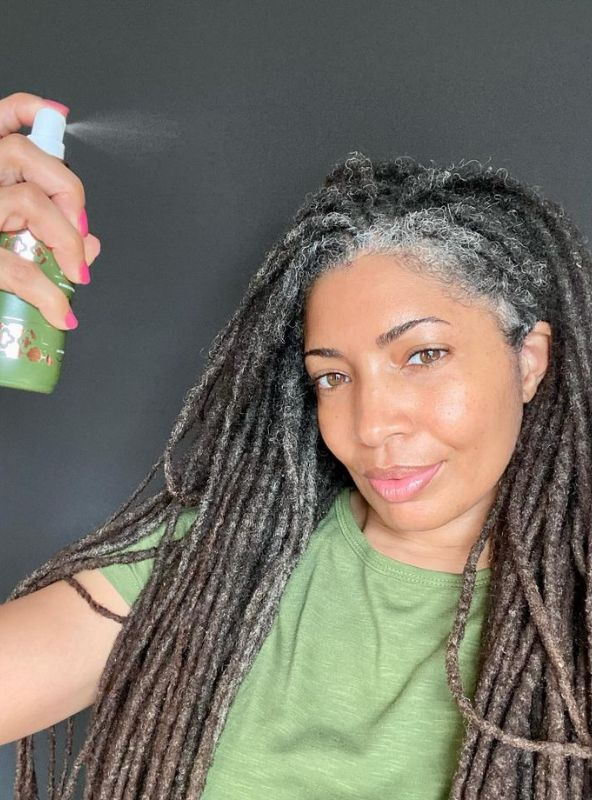
A consistent daily loc maintenance routine is one of the best ways to keep your locs healthy, moisturized, and looking their best. You don’t need to spend an hour on your hair every day. In fact, a simple 10 to 15-minute routine is usually enough to prevent dryness, reduce frizz, and maintain a healthy scalp.
Follow this easy routine every day to keep your locs in great condition.
Starting your day with a few simple steps can make a big difference in the health of your locs.
1. Mist Your Locs with Water
Locs need moisture just like loose natural hair. Dry locs are more likely to become brittle and break over time.
Here’s how to do it:
- Fill a spray bottle with water or use a water-based loc spray.
- Lightly mist your locs from roots to ends.
- Avoid soaking your hair. A light mist is enough.
- Allow your locs to absorb the moisture naturally.
If your locs still feel dry after the water dries, you can lightly seal in the moisture with a few drops of lightweight oil.
2. Check Your Scalp
Take a minute to examine your scalp before styling your hair.
Look for:
- Dry patches
- Flakes
- Redness
- Excess oil
- Product buildup
- Areas that feel sore or tender
Checking your scalp daily helps you catch small problems before they become serious.
3. Massage Your Scalp
A gentle scalp massage helps distribute your natural oils and can make your scalp feel more comfortable.
To massage your scalp:
- Place your fingertips on your scalp.
- Use small circular motions.
- Massage for 3 to 5 minutes.
- If your scalp feels dry, apply a few drops of jojoba, grapeseed, or sweet almond oil before massaging.
Avoid using your fingernails, as they can irritate your scalp.
4. Style Your Locs Gently
Choose hairstyles that don’t pull tightly on your roots.
Good everyday styles include:
- Leaving your locs down
- Loose ponytail
- Low bun
- Half-up, half-down style
- Loose braid
Avoid wearing tight styles every day because constant tension can cause thinning around the hairline.
5. Avoid Touching Your Locs Too Often
Many people constantly twist, pull, or play with their locs without realizing it.
This can:
- Cause frizz
- Transfer dirt and oil from your hands
- Loosen your re-twist
- Increase product buildup
Try to leave your locs alone unless you’re styling or moisturizing them.
6. Keep Your Locs Away from Dirt and Lint
Lint can easily become trapped inside locs and is difficult to remove.
To reduce lint:
- Avoid resting your hair on fuzzy fabrics.
- Choose cotton-free or low-lint scarves when possible.
- Keep your living space clean.
- Wear a satin scarf if you’re relaxing on fabric furniture or pillows.
7. Stay Hydrated
Healthy hair starts from within.
Drink enough water throughout the day to help support a healthy scalp and reduce dryness. Eating a balanced diet with protein, fruits, vegetables, and healthy fats also contributes to stronger, healthier locs.
8. Check for New Growth
Before bed, quickly inspect your roots.
If you notice two locs beginning to grow together:
- Gently separate them with your fingers.
- Never pull forcefully.
- Repeat whenever needed to maintain your parts.
This step only takes a few minutes and helps prevent unwanted merging.
9. Protect Your Locs Before Sleeping
Nighttime protection is one of the most important parts of loc maintenance.
Follow these steps:
- Gather long locs into a loose ponytail or loose pineapple if needed.
- Cover your hair with a satin bonnet or silk scarf.
- If you prefer not to wear a bonnet, sleep on a satin pillowcase.
- Make sure your locs are completely dry before covering them.
Sleeping with satin helps reduce friction, retain moisture, minimize frizz, and protect your re-twist.
Daily Habits That Keep Locs Healthy
Try to make these habits part of your everyday routine:
- Moisturize your locs when they feel dry.
- Keep your scalp clean and comfortable.
- Avoid heavy oils and thick products.
- Leave your locs alone instead of constantly twisting them.
- Protect your hair from excessive heat and direct sunlight when spending long hours outdoors.
- Wear a satin bonnet or silk scarf every night.
- Be gentle when styling or separating your locs.
Sample 10-Minute Daily Loc Care Routine
If you’re short on time, follow this simple routine:
Morning (5 minutes)
- Mist your locs with water or a water-based spray.
- Massage your scalp for a few minutes.
- Style your locs gently.
- Check for dryness or buildup.
Evening (5 minutes)
- Separate any new growth if necessary.
- Make sure your locs are dry.
- Cover your hair with a satin bonnet or silk scarf before bed.
Following this routine every day will help keep your locs moisturized, reduce breakage, maintain a healthy scalp, and extend the life of your re-twist. Small, consistent habits are the key to growing strong, healthy locs.
See the best way to keep your locs moisturised
Weekly Loc Maintenance Routine
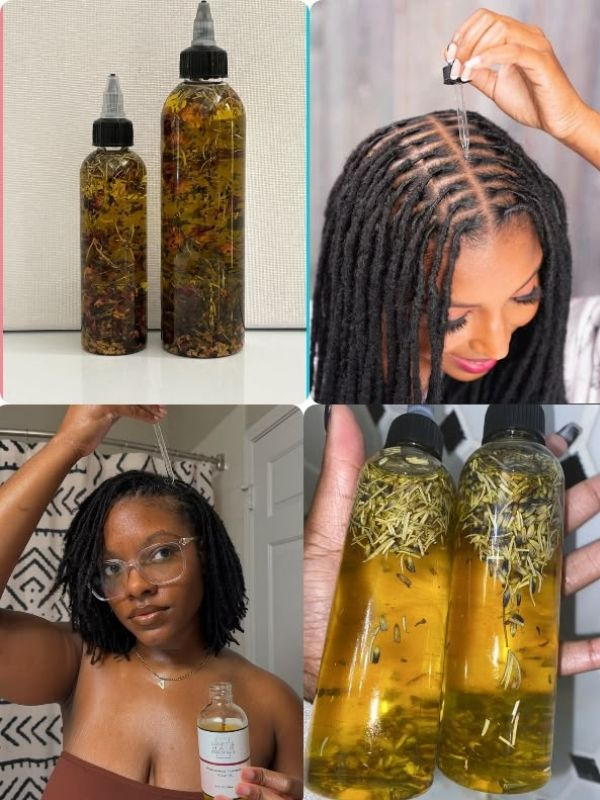
A weekly loc maintenance routine helps keep your scalp clean, your locs moisturized, and your hair healthy between wash days. Unlike your daily routine, which focuses on moisture and protection, your weekly routine allows you to check the overall condition of your locs and prevent small problems from becoming bigger ones.
You don’t need to spend hours each week. Setting aside 20 to 30 minutes is usually enough to keep your locs looking and feeling their best.
1. Wash Your Locs When Needed
Not everyone needs to wash their locs every week. If your scalp gets oily quickly, you exercise often, or you sweat a lot, a weekly wash may be beneficial. Otherwise, washing every two to four weeks may be enough.
When washing your locs:
- Wet your locs thoroughly with lukewarm water.
- Apply a residue-free shampoo to your scalp.
- Massage gently with your fingertips.
- Squeeze the shampoo through the length of your locs.
- Rinse thoroughly until the water runs clear.
- Repeat if there is still dirt or product buildup.
Always dry your locs completely after washing to prevent odors and mildew.
2. Moisturize Your Locs
Even if you don’t wash your locs every week, they still need moisture.
Here’s a simple weekly moisturizing routine:
- Lightly mist your locs with water or a water-based leave-in spray.
- Pay extra attention to dry areas.
- Apply a small amount of lightweight oil to your scalp if needed.
- Allow the moisture to absorb before styling.
Avoid heavy oils, waxes, and thick creams because they can leave buildup inside your locs.
3. Check for Lint and Product Build-Up
Lint and residue can become trapped inside locs over time, especially if you sleep on cotton pillowcases or use heavy styling products.
Inspect your locs by:
- Looking closely under bright lighting.
- Checking light-colored locs for visible lint.
- Feeling for sticky or hard product buildup.
- Removing loose lint gently with your fingers or tweezers if it’s easy to access.
Prevent buildup by using lightweight products and protecting your locs with a satin bonnet or silk scarf while sleeping.
4. Separate New Growth
As your hair grows, neighboring locs may begin to fuse together at the roots.
Once a week:
- Feel around each part.
- Gently pull apart any locs that have started to combine.
- Work slowly to avoid unnecessary breakage.
- Continue until you’ve checked your entire head.
Regular separation keeps your parts neat and helps each loc maintain its size.
5. Clean and Massage Your Scalp
Healthy locs begin with a healthy scalp.
Take a few minutes each week to:
- Check for dryness, flakes, redness, or irritation.
- Apply a few drops of lightweight oil if your scalp feels dry.
- Massage your scalp with your fingertips for three to five minutes using gentle circular motions.
- Avoid scratching with your fingernails.
Scalp massages can improve circulation and help distribute your scalp’s natural oils.
6. Inspect Your Locs for Damage
A quick inspection can help you catch problems early.
Look for:
- Weak or thinning roots
- Loose hairs around the loc
- Excessive frizz
- Broken ends
- Unusual shedding
- Signs of dryness
If you notice a problem, address it early before it becomes more difficult to fix.
7. Refresh Your Protective Style
If you’ve been wearing the same protective style for several days, it’s a good idea to take it down and restyle your locs.
Choose gentle styles such as:
- Low bun
- Loose ponytail
- Half-up, half-down style
- Simple braid
Avoid keeping tight hairstyles in for too long, as they can place unnecessary tension on your roots.
8. Weekly Loc Care Checklist
Use this checklist each week to stay on track:
- Wash your locs if needed.
- Moisturize your locs with a water-based spray.
- Oil your scalp if it feels dry.
- Check for lint and product buildup.
- Separate new growth.
- Massage and inspect your scalp.
- Look for signs of thinning or damage.
- Refresh your hairstyle.
- Sleep with a satin bonnet or silk scarf every night.
A consistent weekly loc maintenance routine helps prevent dryness, buildup, and breakage while keeping your locs healthy, strong, and easy to manage. By spending a little time each week caring for your hair, you’ll maintain neat, healthy locs without relying on frequent salon visits.
Monthly Loc Maintenance Routine
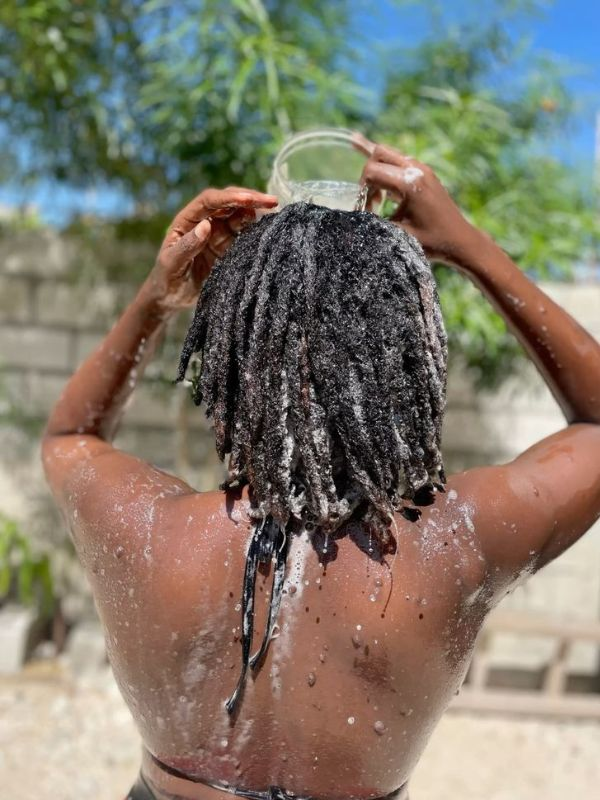
A monthly loc maintenance routine helps keep your locs healthy, strong, and well-maintained over time. While your daily and weekly routines focus on moisture and cleanliness, your monthly routine is the perfect time to give your locs a more thorough check and address any issues before they become bigger problems.
Set aside one day each month to care for your locs from root to tip. Depending on the length and thickness of your locs, this routine may take one to three hours.
1. Re-twist Your New Growth
If you prefer neat, uniform locs, a monthly re-twist helps organize new growth and maintain your parts.
Here’s how:
- Wash and completely dry your locs.
- Separate any roots that have started to combine.
- Apply a small amount of lightweight re-twist gel to the new growth.
- Twist each loc in its natural direction.
- Secure each loc with a clip.
- Dry your re-twist completely before removing the clips.
If you have mature locs, you may only need to re-twist every 6 to 8 weeks instead of every month. Avoid re-twisting too often because excessive tension can weaken your roots.
2. Deep Clean Your Scalp
Even with regular washing, your scalp can collect oil, sweat, dead skin, and product residue over time.
Once a month:
- Wash your scalp thoroughly using a clarifying shampoo.
- Gently massage your scalp with your fingertips.
- Rinse until the water runs completely clear.
- Follow with a moisturizing shampoo if your hair feels dry.
- Dry your locs completely before styling.
A clean scalp creates a healthier environment for strong hair growth.
3. Inspect Your Locs from Root to Tip
Take time to examine every section of your hair.
Look for:
- Thinning roots
- Weak spots
- Broken locs
- Loose hairs
- Buildup inside the locs
- Lint trapped in the hair
- Areas where locs are beginning to combine
Finding these issues early makes them easier to manage.
4. Trim Loose or Damaged Ends if Necessary
Not everyone needs to trim their locs, but occasionally you may notice loose, damaged, or split ends.
If needed:
- Use clean hair-cutting scissors.
- Trim only the loose or damaged strands.
- Avoid cutting healthy sections of your locs.
- If you’re unsure, leave the trimming to a professional loctician.
Only trim when necessary, not as part of every monthly routine.
5. Moisturize Your Locs and Scalp
After cleansing and inspecting your locs, restore moisture.
Here’s a simple routine:
- Mist your locs with a water-based leave-in spray.
- Apply a few drops of lightweight oil to your scalp.
- Massage your scalp for three to five minutes.
- Allow the moisture to absorb naturally.
Keeping your locs moisturized helps reduce dryness and breakage.
6. Clean Your Hair Tools
Your combs, clips, spray bottles, and brushes collect oil, product residue, and dirt over time.
Once a month:
- Wash all your hair tools with warm water and mild soap.
- Rinse thoroughly.
- Allow them to air dry before using them again.
Using clean tools helps keep your scalp and locs healthy.
7. Review Your Loc Care Products
Your hair’s needs can change throughout the year.
Take a few minutes to:
- Check expiration dates.
- Throw away products that have changed in smell or texture.
- Replace empty products.
- Stop using products that leave buildup or make your scalp itchy.
Using quality, residue-free products makes monthly maintenance much easier.
8. Take Progress Photos
One of the best ways to stay motivated during your loc journey is by tracking your progress.
Once a month:
- Take photos from the front, sides, and back.
- Photograph your hair in good natural lighting.
- Compare your new photos with previous months.
- Make note of changes in length, thickness, and overall health.
Progress photos help you appreciate your growth and notice any concerns early.
9. Monthly Loc Maintenance Checklist
Use this checklist every month:
- Wash your locs with a clarifying shampoo if needed.
- Deep clean your scalp.
- Moisturize your locs and scalp.
- Re-twist your new growth if it’s time.
- Separate any locs that are joining together.
- Check for lint, buildup, and weak spots.
- Trim loose or damaged ends if necessary.
- Clean your hair tools.
- Review your hair products.
- Take progress photos to monitor your loc journey.
A consistent monthly loc maintenance routine helps prevent buildup, keeps your scalp healthy, and allows you to catch problems before they become serious. Combined with your daily and weekly routines, these monthly habits will help you maintain clean, healthy, and beautiful locs without depending on frequent visits to a loctician.
Common DIY Loc Maintenance Mistakes to Avoid

Learning to maintain your locs at home is rewarding, but it’s easy to make mistakes that can affect the health and appearance of your locs. The good news is that most of these mistakes are preventable. By understanding what to avoid, you can keep your locs strong, clean, and healthy while reducing the need for repairs.
1. Re-twisting Too Frequently
One of the biggest mistakes people make is re-twisting their locs too often. While a fresh re-twist looks neat, excessive twisting puts constant tension on your roots.
Over-retwisting can lead to:
- Thinning edges
- Weak roots
- Hair breakage
- Scalp soreness
- Permanent hair loss in severe cases
Instead:
- Retwist starter locs every 4 to 6 weeks.
- Re-twist mature locs every 6 to 8 weeks or only when needed.
- Let your roots rest between re-twist.
Remember, a little new growth is normal.
2. Using Heavy Products
Heavy waxes, thick creams, and greasy oils can become trapped inside your locs, making them difficult to clean.
Too much product may cause:
- Sticky buildup
- White residue
- Lint sticking to your locs
- Dull-looking hair
- Unpleasant odors over time
Choose lightweight, residue-free products instead, and use them sparingly.
3. Skipping Wash Days
Some people avoid washing their locs because they worry they’ll unravel or become frizzy. However, a dirty scalp can cause more problems than clean locs.
Skipping wash days can lead to:
- Itchy scalp
- Product buildup
- Excess oil
- Unpleasant smells
- Poor scalp health
Wash your locs regularly using a residue-free shampoo and always rinse thoroughly.
4. Sleeping Without Protecting Your Locs
Cotton pillowcases absorb moisture and create friction while you sleep.
This can result in:
- Dry locs
- Frizz
- Lint buildup
- Faster fading of your re-twist
- Increased breakage
Protect your locs every night by:
- Wearing a satin bonnet or silk scarf.
- Sleeping on a satin pillowcase for extra protection.
- Making sure your locs are dry before covering them.
5. Leaving Your Locs Damp
Locs hold moisture much longer than loose natural hair. If they stay damp for too long, bacteria and mildew can develop inside the locs.
Always:
- Squeeze out excess water after washing.
- Air dry in a well-ventilated area or use a hooded dryer.
- Check that your locs are completely dry before styling or sleeping.
Taking the time to dry your locs properly protects both your hair and your scalp.
6. Ignoring Scalp Health
Healthy locs begin with a healthy scalp. If you ignore dryness, itching, flakes, or irritation, your hair may not grow as well as it could.
Take care of your scalp by:
- Washing it regularly.
- Moisturizing when needed.
- Massaging it gently to improve circulation.
- Avoiding scratching with your fingernails.
- Using products that don’t cause irritation.
If you notice persistent redness, severe itching, or unusual scalp problems that don’t improve, consider consulting a dermatologist or an experienced loctician.
7. Not Separating New Growth
As your hair grows, nearby locs can begin to join together at the roots.
To prevent this:
- Check your roots regularly.
- Gently separate locs with your fingers.
- Don’t wait until they have fully combined.
Regular separation helps each loc maintain its shape and size.
8. Using Too Much Heat
Excessive heat from blow dryers, flat irons, or other styling tools can dry out your locs and make them likely to break.
If you use heat:
- Choose a low or medium heat setting.
- Use it only when necessary.
- Keep the dryer moving instead of concentrating heat in one spot.
Whenever possible, let your locs air dry.
9. Constantly Touching or Twisting Your Locs
Playing with your locs throughout the day may seem harmless, but constant handling can create unnecessary frizz and transfer dirt from your hands.
Try to:
- Avoid twisting your roots throughout the day.
- Leave your locs alone unless you’re styling or moisturizing them.
- Handle them gently during maintenance.
10. Being Inconsistent with Your Routine
Healthy locs don’t require complicated care, but they do require consistency.
Create a simple routine that includes:
- Daily moisturizing.
- Weekly scalp checks.
- Regular washing.
- Monthly inspections.
- Nightly protection with satin or silk.
Small habits practiced consistently will give you better results than occasional intensive maintenance.
Vital Tip
The goal of DIY loc maintenance isn’t to make your locs look perfect every day. It’s to keep them clean, moisturized, and healthy. Be patient with your loc journey, avoid over-manipulating your hair, and focus on building consistent habits. Healthy locs will naturally become stronger and more beautiful over time.
Best Products for Maintaining Locs at Home
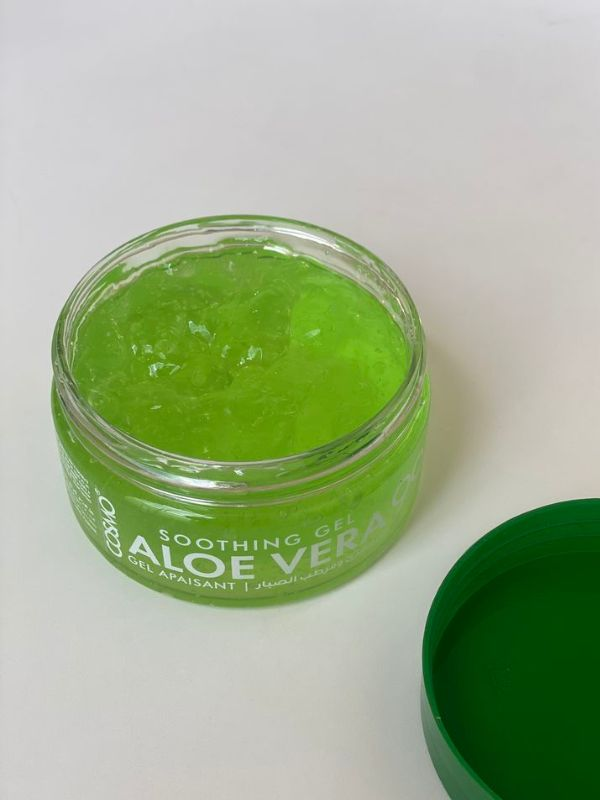
Using the right products can make a big difference in the health of your locs. The best loc care products keep your scalp clean, add moisture without causing buildup, and help your locs stay strong and healthy. When shopping for products, look for lightweight, residue-free formulas and avoid heavy waxes and thick creams that can become trapped inside your locs.
Here are some of the best types of products to include in your DIY loc maintenance routine.
1. Best Shampoo for Locs
A good shampoo removes dirt, sweat, and product buildup while keeping your scalp healthy.
Look for a shampoo that:
- Is residue-free
- Cleanses without over-drying
- Rinses out easily
- Contains gentle, nourishing ingredients
Some popular choices include:
- Dollylocks Nag Champa Liquid Dreadlock Shampoo
- Lion Locs Shampoo
- Jamaican Mango & Lime Tingle Shampoo
- Design Essentials Oat Protein & Henna Deep Cleansing Shampoo
- Dr. Bronner’s Pure-Castile Liquid Soap (properly diluted)
Use a clarifying shampoo once or twice a month if you use styling products regularly.
2. Best Lightweight Oils
Lightweight oils help nourish your scalp and lock in moisture without leaving your locs greasy.
Great options include:
- Jojoba oil
- Grape seed oil
- Sweet almond oil
- Argan oil
- Fractionated coconut oil
Apply a few drops directly to your scalp and massage gently. A little goes a long way.
3. Best Moisturizing Sprays
Locs need regular hydration to prevent dryness and breakage.
Choose a water-based spray that contains ingredients such as:
- Distilled water
- Rose water
- Aloe vera juice
- Vegetable glycerin
- Chamomile extract
You can also make your own simple loc spray by mixing distilled water, aloe vera juice, and a few drops of jojoba oil in a spray bottle. Shake well before each use.
Mist your locs two to four times a week or whenever they feel dry.
4. Best Re-twist Gels
A good re-twist gel helps hold your roots neatly in place without leaving flakes or sticky residue.
Look for gels that:
- Provide a light to medium hold
- Are alcohol-free
- Wash out easily
- Don’t leave heavy buildup
Popular choices include:
- Lion Locs Locking Firm Wax Gel
- Taliah Waajid Tight Hold
- Jamaican Mango & Lime Resistant Formula Locking Gel
- Aloe vera gel for a more natural option
Use only a small amount on the new growth to avoid product buildup.
5. Best Satin Bonnets and Pillowcases
Protecting your locs while you sleep is just as important as washing and moisturizing them.
Choose:
- Satin bonnets with a comfortable elastic band
- Silk scarves for wrapping your locs
- Satin pillowcases as extra protection
These help:
- Reduce friction
- Prevent frizz
- Retain moisture
- Minimize lint buildup
- Extend the life of your re-twist
6. Helpful Tools for DIY Loc Maintenance
In addition to hair products, keep these tools on hand:
- Rat-tail comb
- Loc clips
- Spray bottle
- Microfiber towel
- Hair sectioning clips
- Crochet hook for tidying loose hairs
- Hooded dryer or blow dryer
- Satin scrunchies
These tools make washing, re-twisting, and styling your locs much easier.
7. Products to Avoid
Not every product marketed for natural hair is suitable for locs.
Avoid using:
- Heavy beeswax
- Thick petroleum-based pomades
- Greasy hair creams
- Products with excessive mineral oil
- Heavy butters that leave residue
- Too many products at the same time
These products can cause buildup, attract lint, and make your locs harder to clean.
8. Tips for Choosing Loc Care Products
Keep these simple tips in mind when buying products for your locs:
- Read the ingredient list before purchasing.
- Choose lightweight, residue-free formulas.
- Introduce one new product at a time so you can see how your hair responds.
- Stop using any product that causes itching, flakes, or buildup.
- Focus on keeping your routine simple rather than buying lots of products.
You don’t need a shelf full of expensive products to maintain healthy locs. A quality shampoo, a lightweight oil, a water-based moisturizing spray, a good re-twist gel, and a satin bonnet are enough for most people.
Combined with a consistent care routine, these essentials will help keep your locs clean, hydrated, and healthy without frequent trips to a loctician.
Signs Your Locs Need Professional Maintenance

While you can handle most loc maintenance at home, there are times when it’s best to visit a professional loctician.
Some issues require specialized techniques and tools to prevent further damage. Knowing when to seek professional help can save your locs and keep them healthy for years to come.
Here are some signs that it’s time to book an appointment with a loctician.
1. Severe Product Buildup
Over time, heavy products, hard water, sweat, and oils can become trapped inside your locs. If regular washing no longer removes the buildup, a professional deep cleaning may be needed.
Signs of severe buildup include:
- White or gray residue inside your locs
- Sticky or waxy locs
- Locs that feel unusually heavy
- A dull appearance
- Product flakes that don’t wash away
A loctician can safely deep clean your locs without causing unnecessary damage.
2. Thinning Roots
Healthy roots are essential for strong locs. If you notice your roots becoming thinner, don’t ignore the problem.
Watch for:
- Locs hanging by only a few strands of hair
- A widening part around the root
- A receding hairline
- Excessive tension after styling
- Hair breaking near the scalp
A professional can assess the cause and recommend the safest way to strengthen or repair your locs.
4. Broken or Damaged Locs
Accidents, excessive re-twisting, tight hairstyles, or dryness can weaken your locs over time.
Professional repair may be needed if you notice:
- Split locs
- Broken ends
- Weak sections in the middle of a loc
- Locs that have detached from the root
- Excessive unraveling
Trying to repair severely damaged locs yourself may make the problem worse.
5. Persistent Scalp Problems
A healthy scalp is the foundation of healthy locs.
Schedule a professional evaluation if you experience:
- Severe dandruff that doesn’t improve
- Persistent itching
- Painful scalp irritation
- Redness or inflammation
- Sores or unusual bumps
If symptoms are severe or continue despite proper care, you may also need to see a dermatologist.
6. Unpleasant Odor That Won’t Go Away
Freshly washed locs should smell clean. If your locs continue to have a musty or unpleasant odor after washing and drying, moisture or buildup may be trapped inside.
Possible causes include:
- Locs not drying completely
- Excess product buildup
- Mildew caused by trapped moisture
A professional can help identify the cause and recommend the best treatment.
7. Locs Are Joining Together Unintentionally
Some joining is normal if you don’t separate your roots regularly. However, if several locs have combined and you’re unable to separate them safely, it’s time to seek professional help.
A loctician can:
- Separate combined locs
- Restore clean parts when possible
- Minimize breakage during the process
8. You Want to Repair or Change Your Locs
Certain services are best handled by an experienced loctician.
Examples include:
- Combining thin locs
- Repairing broken locs
- Reattaching detached locs
- Starting a new loc journey
- Changing your parting pattern
- Installing extensions or adding length
Professional techniques can help achieve better results while protecting your natural hair.
9. You Can’t Manage Your New Growth
If your roots have become difficult to separate or retwist, a professional maintenance session can help reset your locs and make future at-home care easier.
This is especially helpful if:
- You’ve gone several months without maintenance.
- Your new growth is heavily tangled.
- Your parts are no longer visible.
- Multiple locs have merged together.
10. When to Schedule Professional Maintenance
Even if you maintain your locs at home, many people benefit from seeing a loctician occasionally.
You might consider a professional visit:
- Every few months for a deep maintenance session.
- When your locs need repairs.
- Before a special event if you want a polished look.
- Anytime you notice a problem you can’t safely fix yourself.
Regular home maintenance combined with occasional professional care can help keep your locs healthy and strong.
11. Don’t Wait Until the Damage Is Severe
Small problems are much easier to fix than major ones. If you notice thinning roots, stubborn buildup, broken locs, or ongoing scalp issues, getting professional help early can prevent more serious damage.
Maintaining your locs at home is a great way to save money and build confidence, but recognizing when expert care is needed is just as important. Knowing your limits will help you enjoy healthy, beautiful locs throughout your loc journey.
Frequently Asked Questions
1. Can you maintain locs without a loctician?
Yes. You can successfully maintain your locs without a loctician by following a consistent routine. Regular washing, moisturizing, separating new growth, and retwisting when necessary are the key steps to keeping your locs healthy and neat at home.
2. How often should I re-twist my locs?
It depends on the stage of your loc journey. Starter locs are typically re-twisted every 4 to 6 weeks, while mature locs usually need a re-twist every 6 to 8 weeks. Re-twisting too often can weaken your roots and cause thinning.
3. How often should I wash my locs?
Most people should wash their locs every 2 to 4 weeks. If you have an oily scalp, work out frequently, or sweat a lot, you may need to wash them more often. Always use a residue-free shampoo and dry your locs completely afterward.
4. What products should I avoid on my locs?
Avoid heavy waxes, petroleum-based products, thick creams, and greasy pomades. These products can cause buildup, attract lint, and make your locs difficult to clean. Instead, choose lightweight, residue-free products designed for loc care.
5. Can I re-twist my own locs at home?
Yes. With the right tools and technique, you can re-twist your own locs at home. Use a lightweight re-twist gel, separate your new growth carefully, twist in the natural direction of your locs, and allow your hair to dry completely before removing the clips.
6. How do I keep my locs moisturized?
Mist your locs with a water-based moisturizing spray several times a week, then apply a small amount of lightweight oil to your scalp if needed. Drinking enough water and protecting your locs with a satin bonnet or silk scarf at night also helps maintain moisture.
7. Is it okay to use a crochet hook on locs?
Yes, a crochet hook can be used to tidy loose hairs and strengthen the roots of mature locs when used correctly. However, using the wrong technique or crocheting too aggressively can damage your hair. If you’re new to crocheting locs, practice carefully or seek guidance from an experienced loctician.
8..How can I stop my locs from thinning?
Avoid re-twisting too frequently, don’t wear tight hairstyles for long periods, keep your scalp healthy, moisturize regularly, and be gentle when handling your locs. If you notice significant thinning, consult a professional loctician before the damage worsens.
9. Should I oil my scalp every day?
No. Oiling your scalp every day is usually unnecessary. Most people only need to apply a lightweight oil once or twice a week or whenever their scalp feels dry. Using too much oil can lead to buildup.
10. How do I sleep with locs to keep them healthy?
Cover your locs with a satin bonnet or silk scarf every night, or sleep on a satin pillowcase. This helps reduce friction, prevents lint buildup, retains moisture, and keeps your locs looking neat for longer.
Conclusion
Learning how to maintain locs without a loctician is a valuable skill that can save you time and money while giving you greater confidence in caring for your hair.
With the right tools, lightweight products, and a consistent routine, you can keep your locs clean, moisturized, and healthy from the comfort of your home.
Remember that healthy locs are built through regular care, not frequent manipulation. Washing your locs, keeping your scalp clean, moisturizing regularly, separating new growth, and protecting your hair while you sleep are simple habits that make a big difference over time.
Don’t worry if your first re-twist or maintenance session isn’t perfect. Like any new skill, maintaining your own locs gets easier with practice. Be patient with yourself and focus on the long-term health of your hair rather than achieving a perfectly polished look every time.
While most routine loc maintenance can be done at home, don’t hesitate to visit a professional loctician if you notice thinning roots, severe buildup, broken locs, or other issues that require expert care.
By following the tips in this guide, you’ll be well on your way to maintaining strong, healthy, and beautiful locs without relying on frequent salon visits. Consistency, gentle care, and patience are the keys to enjoying a thriving loc journey.

One thought on “How to Maintain Locs Without a Loctician: A Complete DIY Care Guide”